A repair priority is not determined by how noticeable a problem is. Buyers should rank repairs by what can create immediate risk, cause additional damage, interrupt essential function, or become substantially more expensive if delayed. Cosmetic work and optional improvements may still matter to the buyer, but they belong in a different category from conditions that affect the structure, water control, electrical safety, plumbing, heating, access, or another essential part of the property.
That distinction matters throughout San Luis Obispo County because properties vary widely in age, construction, site conditions, and maintenance history. A 1940s San Luis Obispo house, a Morro Bay home, a newer Nipomo property, and a rural Paso Robles residence can all require repairs, but their first priorities may differ. The correct question is not simply, “What needs work?” It is, “What happens if this work is delayed?”
A useful repair plan starts with consequence rather than appearance. Buyers should identify what needs prompt attention, what prevents another repair from being completed correctly, what protects the home from additional deterioration, what can reasonably wait, and what is actually an improvement rather than a repair. That hierarchy makes a property easier to evaluate before purchase and gives the buyer a realistic way to plan the first months and years of ownership.
Central Coast Neighborhood Video Tour ⬇️
Start With Consequence, Not Appearance
👉 What Makes a Home Easier to Own in San Luis Obispo County
The most visible repair is not always the most important one. Worn flooring, dated counters, chipped paint, or tired landscaping may dominate a buyer’s attention during a showing, while a less obvious drainage problem, damaged flashing detail, electrical concern, or plumbing leak can have a much greater effect on ownership.
A useful first question is: what happens if this condition is left alone for six months or a year? If the answer is “mostly appearance,” the repair may be flexible. If the answer involves additional water intrusion, damage to surrounding materials, interruption of an essential system, or increased safety exposure, the issue belongs higher on the list.
The California Department of Real Estate reminds buyers that homeownership includes maintenance and unexpected repair expenses and recommends evaluating a home’s electrical, plumbing, structural, and other major components before purchase. California Department of Real Estate
Repair priorities become easier to organize when buyers rank projects by consequence rather than appearance.
Protect Safety and Essential Function First
👉 How to Compare Updated vs. Original Homes on the Central Coast
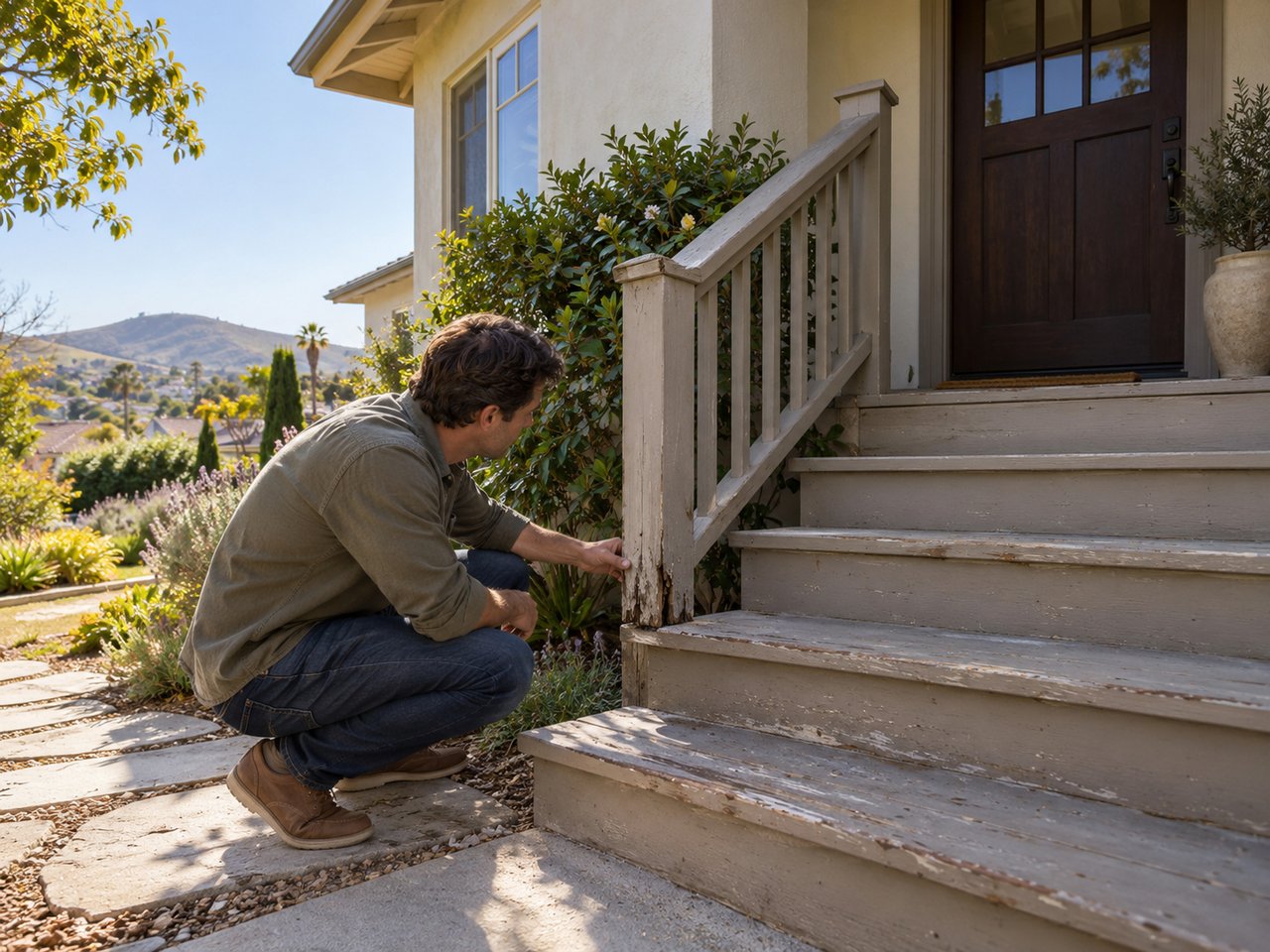
Repairs that affect safe use of the home or an essential function generally deserve early attention. That can include certain electrical defects, active plumbing failures, unsafe access conditions, heating problems, damaged structural components, or another condition that materially affects whether part of the property can be used as intended.
This does not mean that every older component is urgent. An original feature can remain functional and serviceable, while a newer installation can have a specific defect that requires correction. Buyers should therefore avoid using age or appearance as a shortcut for priority.
A Templeton house with an older working system may present a different repair plan from a remodeled Arroyo Grande home with one defective improvement. The question is not which home looks newer. It is which condition creates the greater immediate exposure.
Buyers should also distinguish between professional recommendations for prompt correction and general suggestions for future updating. The first category can affect how quickly a project belongs on the schedule; the second may simply inform longer-term planning.
Stop Conditions That Can Cause More Damage
👉 What Buyers Should Know About Property Trade-Offs in San Luis Obispo County
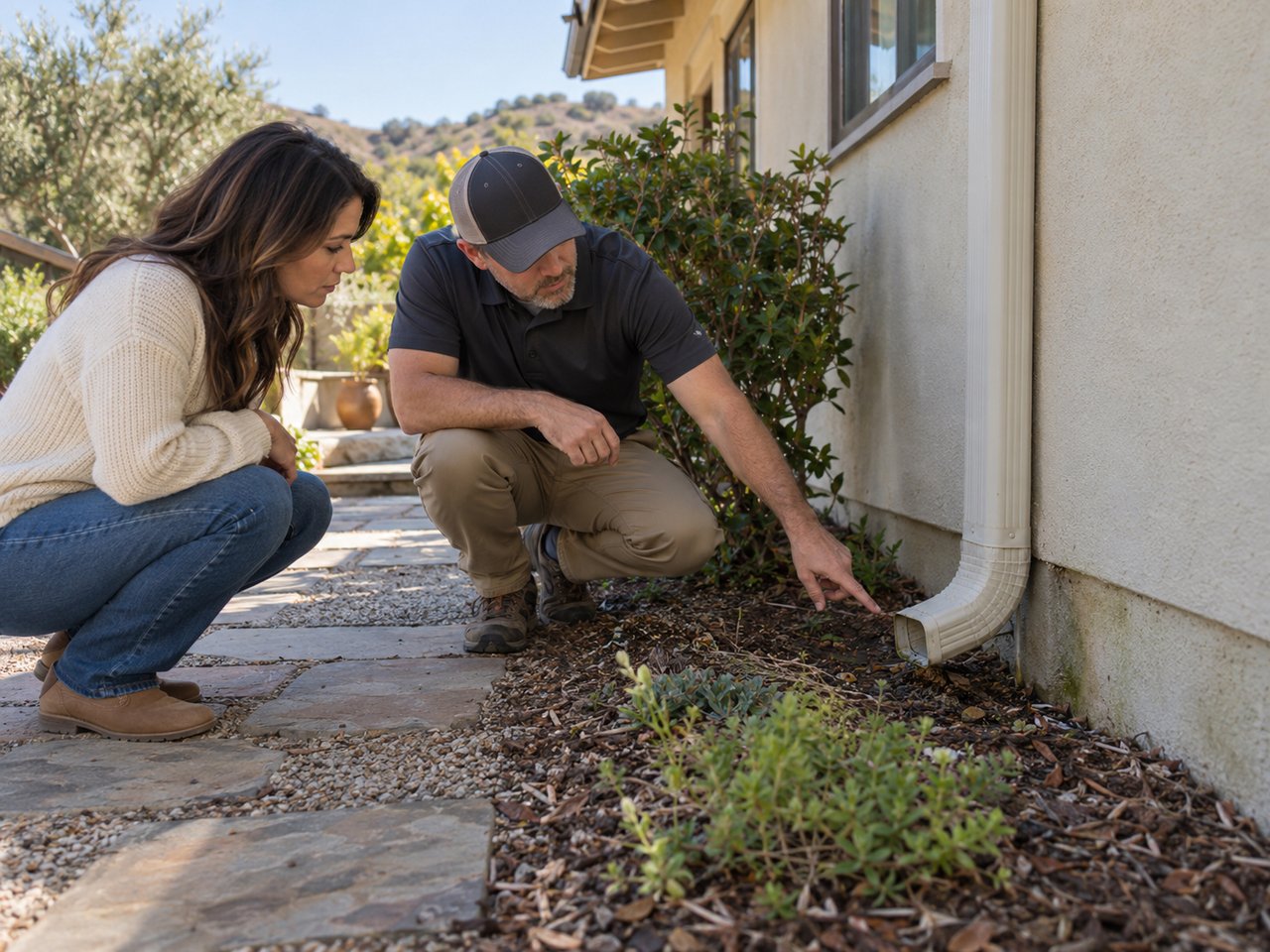
Repairs that prevent additional deterioration often deserve priority even when the current damage looks modest. Water is the clearest example. A small roof leak, failed exterior seal, plumbing leak, or drainage problem can affect materials beyond the original source if it continues.
The U.S. Environmental Protection Agency advises homeowners to fix leaks and seepage and explains that controlling moisture is important for preventing mold growth and related damage. US EPA
That principle is especially relevant on the Central Coast, where a buyer may encounter very different moisture and drainage conditions depending on the property. A Cambria home exposed to coastal weather, a Los Osos property near the back bay environment, and an inland Atascadero residence can each have different water-management priorities.
The goal is not to assume every stain or moisture reading represents a major problem. It is to determine whether an active source exists and whether delaying correction could expand the scope of the eventual repair.
Sequence Repairs in the Right Order
👉 What Buyers Should Know About Resale Value in San Luis Obispo County
Some repairs matter because other work depends on them. Buyers can waste money when they improve finishes before correcting the condition underneath them.
For example, replacing damaged flooring before resolving the moisture source that caused the damage can lead to repeated work. Painting an interior wall before repairing an exterior leak can hide evidence temporarily without correcting the cause. Rebuilding a deck surface may make little sense if the supporting structure requires attention first.
Repair sequencing should follow the physical logic of the property: stop the cause, correct the underlying condition, confirm the area is stable, and then restore finishes. That order can matter more than which individual project has the highest visual impact.
Work that protects the building and prevents repeated damage generally has a different ownership purpose from decorative changes made primarily for preference. Buyers should understand that distinction before allocating the first dollars they spend after closing.
Use Property Age as Context, Not as the Priority List
👉 What Buyers Should Know About Property Age in San Luis Obispo County
Property age can help buyers anticipate where repairs may arise, but age alone should not determine what gets repaired first. Two homes built in the same decade can have completely different maintenance histories, replacement schedules, and present conditions.
An older San Luis Obispo bungalow may have updated electrical and plumbing but need exterior work. Another property of similar age may have excellent exterior maintenance but older mechanical equipment. A newer house can still have drainage, installation, or finish problems that deserve attention sooner than an older component elsewhere.
Buyers should ask what has already been replaced, what remains original, what condition each component is in now, and whether there is evidence of recurring repair. That is more useful than assuming “older means urgent.”
Age becomes valuable when it helps buyers plan. It can identify components worth monitoring, budgeting for, or evaluating further. But the actual repair hierarchy should still come from current condition, consequence of delay, and the effect on the home’s function.
Compare Condition Within the Buyer’s Actual Price Range
👉 How to Compare Home Condition Across Price Ranges on the Central Coast
Repair priorities should be considered in the context of what the buyer is purchasing and what realistic alternatives offer at a similar price. A home needing several near-term repairs may still make sense if its price, location, lot, layout, or other difficult-to-reproduce advantages compensate for the work.
The comparison becomes less useful when buyers expect every property to meet the condition standard of a substantially higher price range. A compact Pismo Beach home may trade interior updating for location, while a larger inland property at a similar price may offer more space but require different exterior or system work.
The better question is whether the buyer understands the repair burden relative to the alternatives actually available. That includes not only estimated cost but also timing, disruption, contractor access, and whether several projects will compete for the same first-year budget.
For buyers working with direct representation, buying a home in San Luis Obispo County should include evaluating these condition differences before deciding whether a property’s overall combination still makes sense.
Separate Immediate Repairs From Near-Term Planning
Not every legitimate repair needs to happen immediately after closing. Buyers can make a property feel far more manageable by dividing work into time horizons instead of treating every item as a first-month project.
A practical framework is immediate, near-term, monitor, and optional. Immediate items address safety, active damage, or essential function. Near-term items are known repairs that should be completed before deterioration or inconvenience becomes more significant. Monitoring applies to components that are functioning but show age or wear. Optional work covers improvements and cosmetic changes that can be scheduled around budget and preference.
This prevents a long list of observations from becoming one overwhelming expense. It also makes budgeting more realistic.
A Cayucos buyer may prioritize exterior weather protection before interior finishes. A Paso Robles buyer may place well, septic, access, or outbuilding concerns differently depending on the property. The categories stay the same even when the actual projects change.
Consider How One Repair Affects Another
A property is a collection of connected systems, so repair priorities should account for dependencies. Fixing one condition may expose another issue, require access through finished areas, or make a later project easier and less expensive.
Roofing work can affect gutters, flashing, skylights, and interior finishes. Drainage correction can influence landscaping or hardscape. Plumbing work may require opening walls or floors that a buyer is also planning to remodel. Electrical upgrades may be easier to complete before new cabinetry, wall finishes, or built-ins are installed.
Looking at projects individually can create an inefficient sequence. Buyers should ask which work should happen first so that later repairs are not disturbed or duplicated.
This is particularly important when several projects are planned within the first year. A buyer who knows a kitchen remodel is coming may reasonably coordinate certain plumbing or electrical corrections with that work, provided delaying them is appropriate. Priority should reflect both urgency and the practical relationship among projects.
Build the First-Year Budget Around Exposure, Not Wish Lists
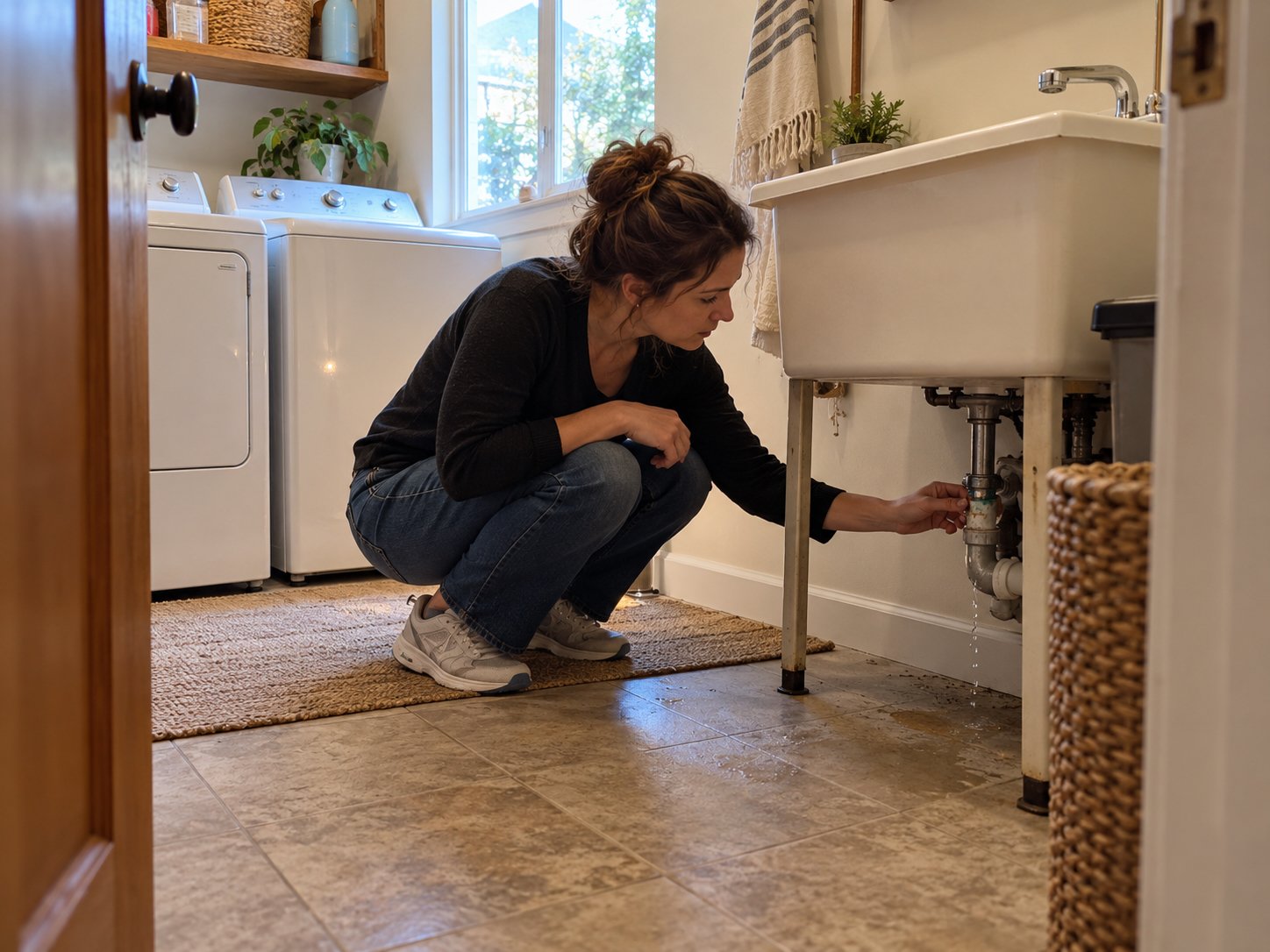
The first-year repair budget should be based on known exposure before it is based on desired improvements. Buyers often arrive with plans for paint, flooring, appliances, landscaping, or a remodel, but those projects can consume funds needed for less visible work discovered during due diligence.
A better approach is to reserve money first for the repairs most likely to affect safety, active deterioration, essential systems, or near-term failure. Then account for known but deferrable work. Cosmetic projects can be layered in only after the buyer understands what the property may require.
This does not mean buyers should expect every possible failure or maintain an unlimited reserve. It means the purchase should leave enough financial flexibility to respond to the condition of the actual home.
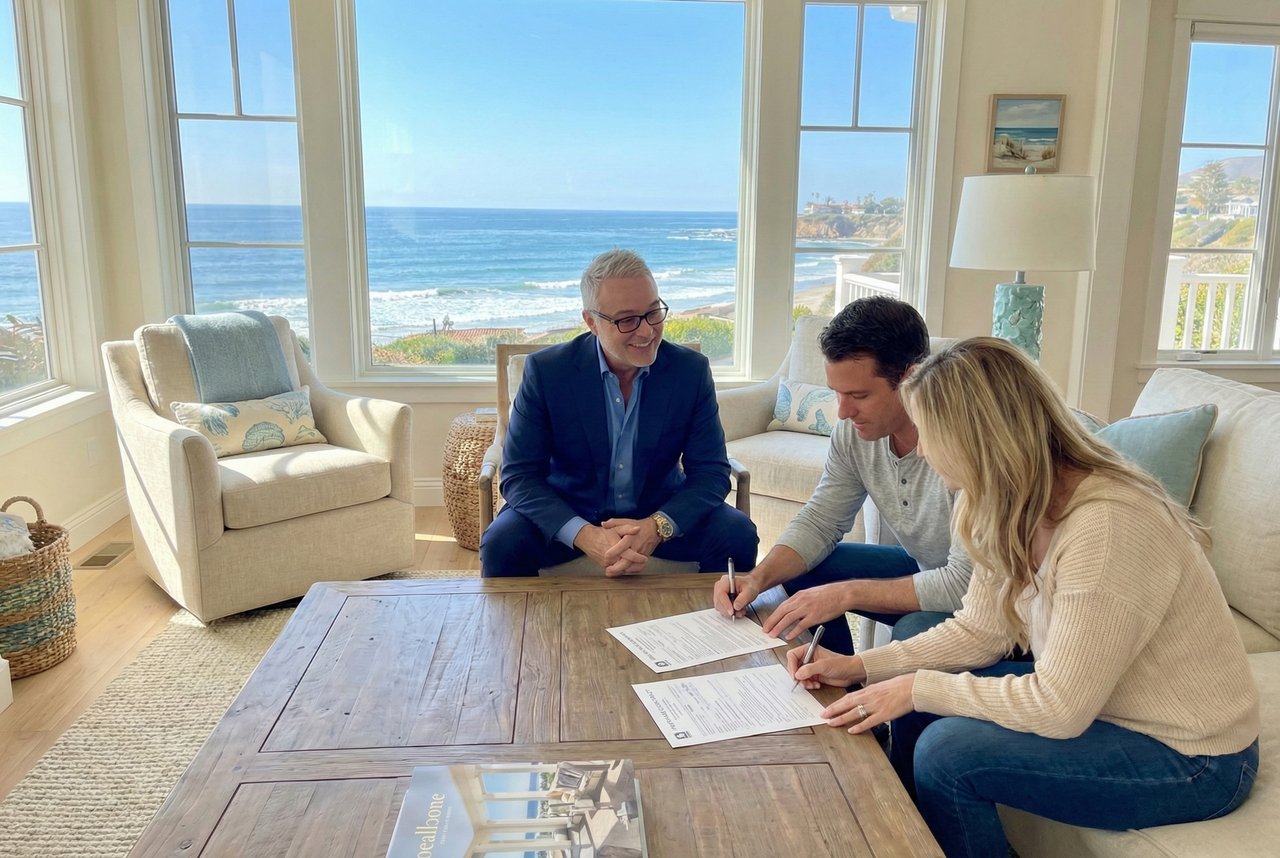
With more than 30 years of experience and 2,130+ closed transactions, Joesef Jackson has seen that buyers are often more comfortable after closing when they have separated necessary ownership work from the improvements they simply want to make.
Let Repair Priorities Shape the Buying Decision Before Closing
Repair prioritization is ultimately part of deciding whether the property fits the buyer, not just a post-closing maintenance exercise. Two buyers can look at the same repair list and reach different conclusions because their budgets, skills, schedules, tolerance for disruption, and long-term plans differ.
A buyer who expects to renovate may be comfortable with a property that needs coordinated work. Another buyer may place a premium on avoiding near-term projects because of work demands, family needs, or limited cash after closing. Neither conclusion is inherently wrong.
The important point is to identify the high-priority work before the buyer becomes committed to a vision of the home. Serious repair exposure should be evaluated alongside price, financing, location, and the characteristics that attracted the buyer in the first place.
The best repair priority list is therefore not the longest one. It is the one that tells the buyer what must be addressed, what can wait, what depends on something else, and whether the resulting ownership plan remains acceptable.
Frequently Asked Questions
What repairs should buyers prioritize first after purchasing a home?
Repairs involving safety, active damage, essential systems, or conditions likely to worsen if delayed generally deserve the highest priority. Cosmetic changes and optional improvements can usually follow later.
Does an older home automatically require more urgent repairs?
No. Property age provides context, but current condition matters more. An older component that remains functional may be less urgent than a newer component with an active defect.
Should buyers fix water-related problems before cosmetic work?
Usually, an active source of water intrusion or leakage should be understood and corrected before replacing finishes that could be damaged again.
How should buyers budget for first-year repairs?
Start with known high-priority exposure, then account for near-term work and components that need monitoring. Optional improvements should come after the buyer understands the property’s likely repair demands.
Is every inspection recommendation a repair priority?
No. Inspection reports can include maintenance suggestions, monitoring items, minor defects, and more significant concerns. Priority depends on consequence, urgency, and the specific property.
Can cosmetic work ever become a high priority?
Yes, but usually when the condition affects use, protection of materials, sanitation, or another practical issue rather than appearance alone.
Should buyers compare repair needs with other homes they are considering?
Yes. Repair exposure should be evaluated alongside price, location, layout, lot characteristics, condition, and the realistic alternatives available within the buyer’s search range.
Can repair priorities affect whether a buyer should purchase the property?
Absolutely. A property may still be a strong fit despite repair needs, while another may require more work, disruption, or financial exposure than the buyer is comfortable accepting.
If you are preparing to buy or sell real estate on the Central Coast and want personalized guidance, contact Joesef Jackson at SLO Life Realty Group.