A home is easier to own when its ongoing costs, maintenance demands, major systems, layout, location, and property responsibilities fit comfortably into the owner’s daily life and long-term budget. Purchase price matters, but the experience of owning the property begins after closing.
Two homes with similar prices can create very different levels of responsibility. A newer home in Nipomo may require relatively little immediate work but include association dues and community rules. An older residence in San Luis Obispo may have established landscaping and architectural character while requiring more attention to aging systems. A coastal property in Morro Bay may offer moderate temperatures and ocean proximity but need additional exterior maintenance. An acreage property near Paso Robles may provide space and privacy while adding wells, septic systems, fencing, vegetation management, and private-road responsibilities.
Buyers should therefore evaluate how manageable a property will be rather than looking only at whether they can purchase it. The strongest fit is usually a home whose costs, physical upkeep, and operating requirements remain realistic alongside work, family, travel, savings, and other priorities.
Ease of ownership does not mean choosing the smallest or newest home. It means understanding what the property will require and deciding whether those responsibilities are appropriate for the way the buyer intends to live.
Central Coast Neighborhood Video Tour ⬇️
Maintenance Requirements Shape the Ownership Experience
Every home needs maintenance, but the type and amount of work vary significantly. Buyers should consider whether the property requires responsibilities they are prepared to manage consistently.
👉 Property Maintenance on the Central Coast: What Homeowners Should Plan For
Routine ownership may include roofing, exterior finishes, drainage, landscaping, plumbing, electrical systems, appliances, heating and cooling equipment, windows, and pest prevention. None of these responsibilities is unusual, but the size, age, design, and location of the property determine how demanding they become.
A compact San Luis Obispo residence with a modest yard may require considerably less exterior work than a larger property in Arroyo Grande with extensive landscaping. A coastal home in Cayucos may need more frequent attention to windows, railings, hardware, exterior paint, and other materials exposed to marine conditions.
Buyers should also distinguish between routine maintenance and major capital expenses. Replacing an aging roof, sewer line, heating system, or exterior siding is different from ordinary upkeep. A home can appear easy to maintain while having several large components approaching replacement.
After more than 30 years in real estate, Joesef Jackson has found that buyers often evaluate condition most effectively when they ask what the property is likely to require over the next several years, not simply what needs attention today.
Insurance Should Be Treated as an Ownership Cost From the Beginning
Insurance can materially affect how manageable a property is to own. Buyers should investigate availability and estimated cost early rather than assuming coverage will resemble the seller’s existing policy or another home nearby.
👉 Homeowners Insurance on the Central Coast: What Buyers and Homeowners Should Know
Location, construction, roof condition, property age, wildfire exposure, claims history, surrounding vegetation, coastal conditions, and specialized features can influence insurance underwriting.
A conventional residence within San Luis Obispo may produce a different insurance experience than a rural property near Templeton or a heavily wooded home near Cambria. Even two homes in the same general area may receive different treatment depending on their individual characteristics.
The California Department of Insurance provides consumer resources regarding residential property insurance, coverage considerations, and California insurance providers.
Insurance should be incorporated into the complete ownership budget before buyers become committed to a particular property. A higher premium does not automatically make a home unsuitable, but it changes the cost comparison against alternatives.
With more than 2,130 career transactions, Joesef has seen the importance of investigating property-specific insurance early. Buyers should know whether the cost and coverage structure fit the property before major contractual deadlines arrive.
A Post-Closing Budget Should Allow the Home to Be Maintained Properly
A manageable home is one that leaves financial room after the mortgage, taxes, and insurance are paid.
👉 How to Plan Your Budget After Buying a Home in San Luis Obispo County
Buyers should account for recurring expenses such as utilities, landscaping, association dues, pest control, pool service, and routine maintenance. They should also preserve reserves for expenses that do not arrive every month.
A water heater may operate reliably for years and then need replacement. A roof can remain serviceable before eventually becoming a major expense. Exterior paint, appliances, drainage work, tree care, and plumbing repairs may arise at different times.
The goal is not to predict every expense. It is to own a property without requiring every unexpected repair to become a financial disruption.
A larger purchase does not automatically create an unmanageable budget, and a smaller purchase does not guarantee inexpensive ownership. The property’s condition and operating structure matter. A well-maintained higher-priced home may create fewer immediate expenses than a lower-priced property requiring substantial work.
Buyers should compare available cash after closing as carefully as the monthly mortgage payment. Maintaining adequate reserves can make ownership considerably more sustainable over time.
Lower Property Risk Can Reduce Ongoing Ownership Demands
Some homes are inherently simpler to operate because fewer physical or environmental variables require attention.
👉 What Makes a Property Low Risk on the Central Coast
A relatively level lot with straightforward access, maintained systems, conventional utilities, good drainage, an established roof, and manageable landscaping may create fewer ownership complications than a highly specialized property.
That does not make a conventional home more valuable than a distinctive one. A buyer may gladly accept additional responsibilities for ocean views, acreage, privacy, architectural character, or rural living. The key is understanding the exchange.
A hillside property can provide exceptional views while introducing slope, drainage, access, retaining-wall, and landscaping considerations. A rural estate may offer remarkable privacy while requiring well, septic, fencing, vegetation, and road maintenance. A coastal residence may offer a preferred lifestyle while requiring more exterior attention.
Ease of ownership increases when the buyer understands these responsibilities before purchasing and considers them appropriate for the property’s benefits.
Risk should therefore be evaluated as a practical ownership issue, not simply as a reason to eliminate properties from consideration.
Long-Term Maintenance Should Influence the Purchase Decision
Some ownership costs are predictable even when they are several years away.
👉 What Buyers Should Know About Long-Term Maintenance in San Luis Obispo County
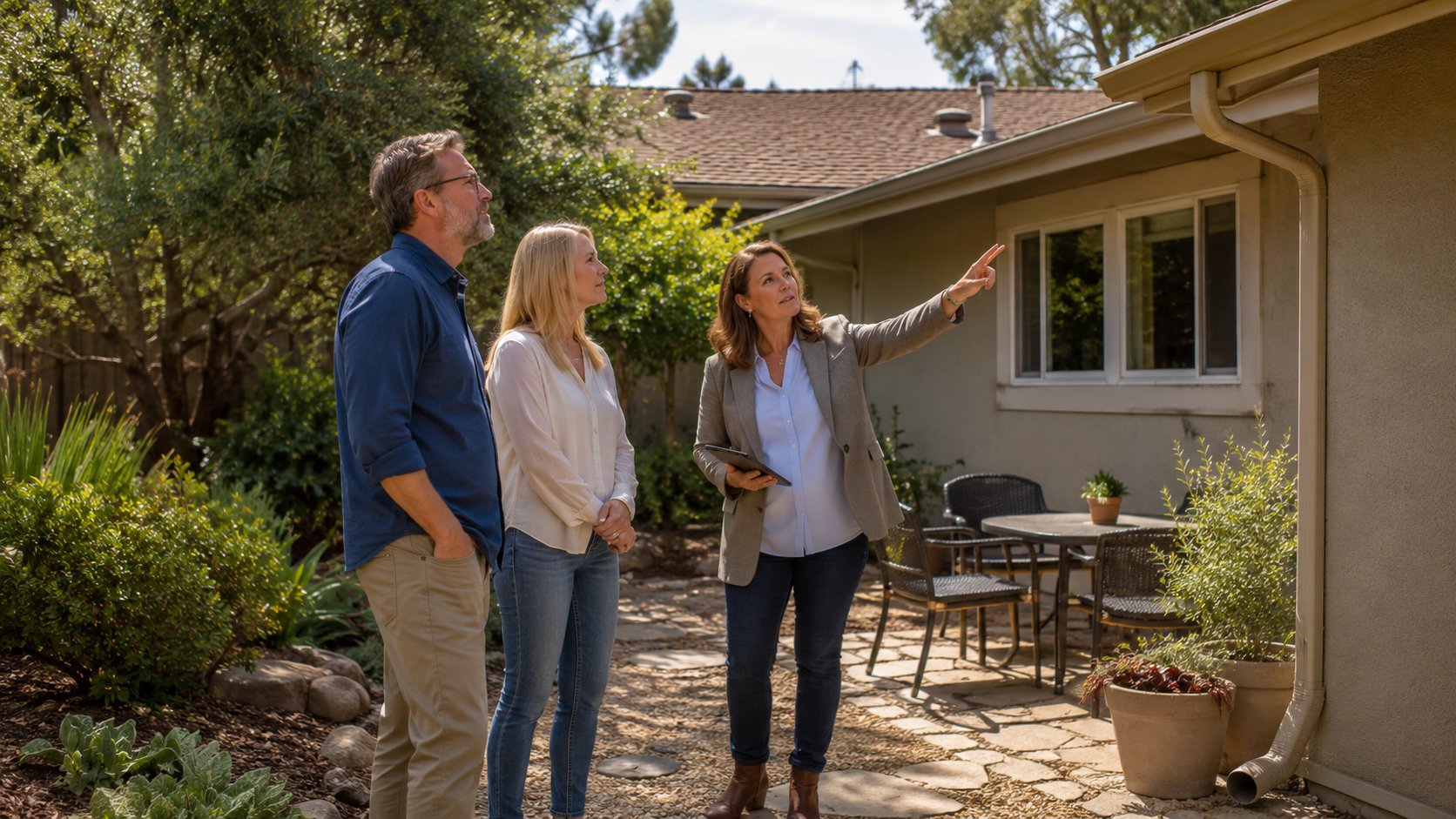
Buyers should examine the approximate age and condition of major systems and understand which components are likely to require attention during the expected ownership period.
Roofing, windows, plumbing, electrical panels, heating and cooling equipment, water heaters, exterior finishes, decks, retaining structures, drainage systems, and appliances all have different maintenance cycles.
An older home can still be easy to own when these components have been maintained and replaced methodically. A newer-looking property may require more attention when visible remodeling was completed without comparable investment in underlying systems.
Maintenance history can therefore be more informative than cosmetic age. Receipts, warranties, service records, permits when applicable, and seller disclosures can provide useful context.
Joesef’s experience with more than $1.81 billion in career sales volume has reinforced that a property should be evaluated as a collection of systems, not merely as an interior and exterior appearance. Buyers who understand the likely maintenance path can judge whether the home fits their time and financial priorities.
Utility and Service Costs Can Make Similar Homes Feel Very Different
Utilities and regular services should be evaluated as part of the complete ownership experience.
👉 What Buyers Should Know About Utility and Service Costs in San Luis Obispo County
Electricity, gas, water, sewer, propane, trash, internet, landscaping, pool maintenance, and other services can vary depending on the home and location.
A larger inland home in Atascadero may require more summer cooling than a smaller coastal property. A rural Paso Robles residence may rely on propane, a private well, and septic rather than conventional municipal services. A condominium may include some utilities or exterior services within association dues.
Solar equipment deserves individual review. Buyers should determine whether a system is owned, leased, financed, or subject to another arrangement. They should also consider the age of the equipment and whether the previous household’s electricity use resembles their own.
Past utility bills may provide context, but they should not be treated as a guaranteed prediction. Household size, thermostat preferences, electric vehicles, remote work, pool heating, landscaping, and appliance use can create meaningful differences.
A home becomes easier to own when recurring expenses are predictable enough to fit naturally into the household budget.
Simpler Landscaping Can Reduce Time and Expense
Outdoor space can add substantial enjoyment, but buyers should evaluate how much time, water, equipment, and professional service will be needed to maintain it.
A modest landscaped yard may provide room for entertaining, pets, or gardening without becoming a major weekly responsibility. Large lawns, mature trees, extensive irrigation, pools, slopes, and acreage can require considerably more attention.
Water use is particularly relevant when landscaping is extensive. Buyers should consider irrigation systems, plant selection, drainage, tree maintenance, and whether the existing landscape matches the amount of time they want to spend maintaining it.
A large property can still be relatively manageable when landscaping has been designed thoughtfully. Native and drought-conscious planting, organized irrigation, appropriate hardscape, and clearly defined maintenance areas can reduce the work required.
The same is true for outdoor structures. Decks, fences, gates, retaining walls, patios, pools, spas, and outdoor kitchens all expand the usable property while creating additional components to maintain.
Buyers should value outdoor space according to how frequently they expect to use it and whether the associated work is appropriate for their lifestyle.
Functional Layout Can Make Everyday Ownership Simpler
Ease of ownership is not only financial. A home can require less effort simply because its layout functions well.
Laundry location, storage, parking, kitchen access, bedroom placement, entry design, stairs, and indoor-outdoor connections all influence everyday use.
A well-designed home reduces unnecessary circulation and makes routine tasks more convenient. Groceries should have a practical path from parking to the kitchen. Storage should exist near where items are used. Laundry placement should make sense relative to bedrooms. Outdoor spaces should connect naturally with the interior.
Single-level living can be valuable for buyers planning long-term ownership, although a two-story home can work equally well when the layout supports the household.
Storage is particularly important. Adequate closets, garage space, pantry capacity, utility storage, and outdoor equipment areas can prevent a home from feeling crowded even when its square footage is modest.
A functional layout also adapts more readily. An office that can become a guest room or a ground-floor room that can serve several purposes gives owners more flexibility as circumstances change.
Homeowners Associations Can Simplify Some Responsibilities and Add Others
Association-managed properties can reduce certain maintenance obligations, particularly when the association is responsible for exterior areas, landscaping, roofs, common facilities, or shared infrastructure.
For some buyers, this structure can make ownership substantially easier. A condominium in San Luis Obispo or a planned community in Nipomo may appeal to owners who prefer fewer exterior responsibilities or who travel frequently.
The trade-off is that associations introduce dues, rules, shared decision-making, and potential assessments. Buyers should understand what the association maintains, which responsibilities remain with individual owners, and whether the financial condition of the association appears appropriate for its obligations.
A low monthly fee is not automatically preferable when it leaves major maintenance responsibilities unfunded. A higher fee may make sense when it covers substantial services and reserves.
Ease of ownership depends on whether the association structure matches the buyer’s preferences. Someone who values reduced exterior responsibility may consider dues worthwhile. Another buyer may prefer greater control and accept more direct maintenance.
Property Taxes and Assessments Belong in the Ownership Calculation
Property taxes should be considered alongside the mortgage rather than as a separate annual expense.
The San Luis Obispo County Assessor maintains property-related information used in the local assessment process.
Buyers should not assume the seller’s current property tax bill will represent their own future obligation. A sale can change the assessed value, and property-specific assessments or charges may affect the total.
Converting estimated annual taxes into a monthly amount creates a more realistic ownership budget. The same principle applies to association assessments and other recurring obligations that may not be billed monthly.
A property is easier to own when its complete expense structure has been considered before the purchase. Surprises often create more pressure than costs that were anticipated and incorporated into the original decision.
Private Systems Require More Owner Involvement
Wells, septic systems, propane, private roads, water storage, gates, and other private infrastructure can operate reliably for many years. They simply require a different ownership approach than municipal services.
Buyers should understand how each system functions, how it is maintained, what records are available, and what replacement could involve.
A well may require testing and equipment maintenance. A septic system needs appropriate use and periodic service. A private road may involve shared agreements or owner-funded maintenance. Propane requires delivery and storage rather than conventional natural-gas service.
None of these characteristics automatically makes a rural home difficult to own. Many buyers choose them specifically because rural properties offer privacy, land, views, and separation unavailable in denser neighborhoods.
The relevant question is whether the buyer wants responsibility for those systems. Someone seeking minimal property management may prefer conventional utilities. Another buyer may consider the additional oversight a reasonable exchange for acreage and privacy.
Condition Matters More Than Cosmetic Newness
An easy-to-own home does not necessarily need to be recently remodeled.
A carefully maintained older property may have dependable systems, good drainage, a newer roof, updated electrical components, and documented repairs even when the kitchen or bathrooms remain original.
Conversely, a home with fresh flooring, paint, fixtures, and countertops may still have aging plumbing, roofing, heating equipment, or drainage concerns.
Buyers should distinguish cosmetic improvement from physical condition.
This distinction can significantly affect ownership after closing. Decorative work is usually elective. A failed system is not.
Inspection reports, disclosures, maintenance records, and specialist evaluations can provide a more useful picture of the property than finishes alone.
A well-maintained home with dated aesthetics may be easier to own than a highly polished property whose major systems have received little attention.
Location Can Simplify or Complicate Daily Life
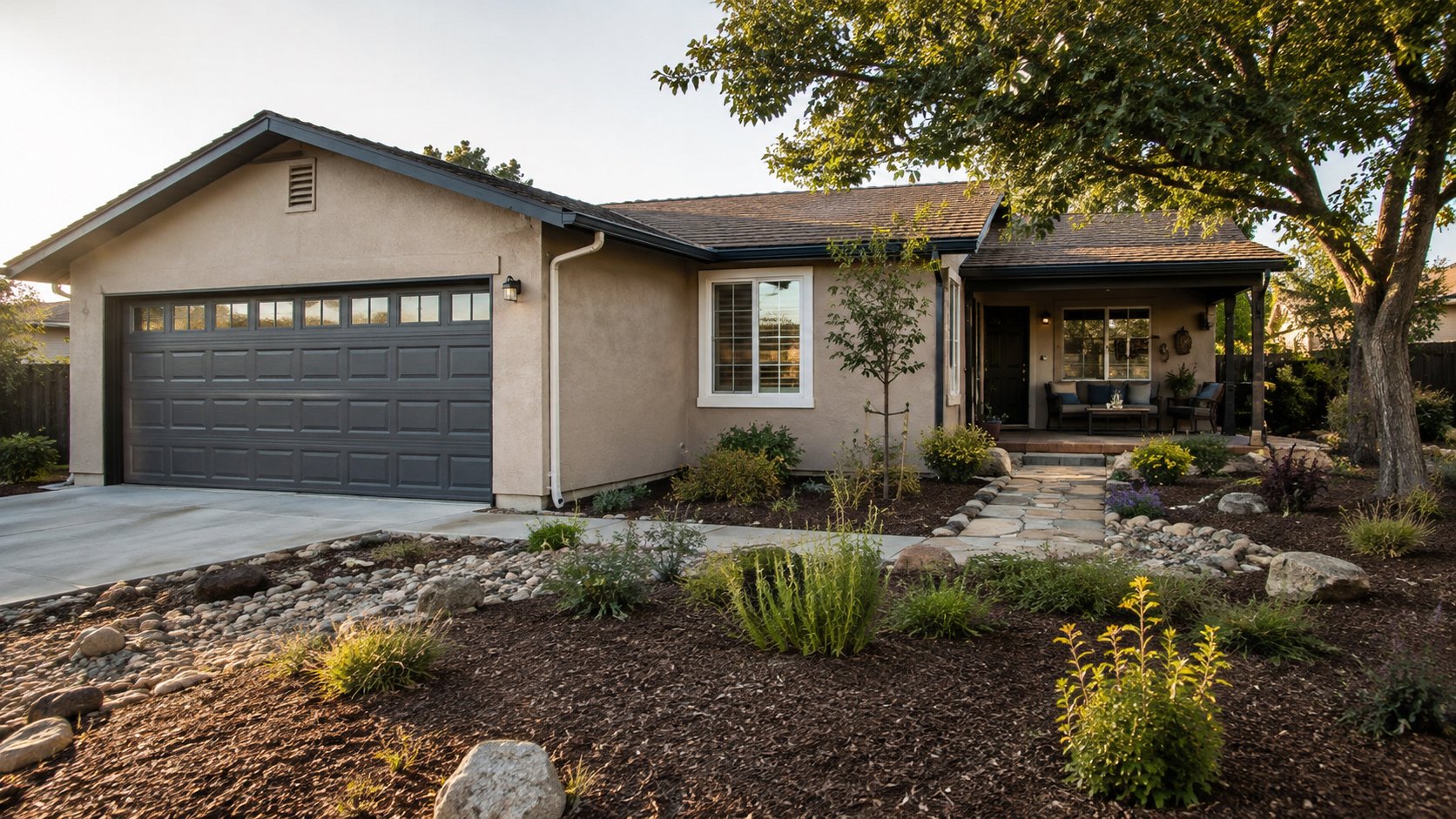
A property’s location affects more than market value. It can influence commute time, access to services, transportation costs, maintenance, weather, and daily convenience.
A San Luis Obispo buyer may prioritize proximity to employment, downtown, Cal Poly, medical services, or major roads. A coastal buyer may value access to recreation and moderate temperatures. A buyer in Arroyo Grande or Nipomo may prioritize neighborhood setting and South County access.
Rural locations can provide privacy while increasing the time required for errands, property service, and transportation. Coastal locations may reduce some climate-related demands while increasing exterior maintenance.
Buyers should think about the trips they make repeatedly. Work, school, groceries, medical appointments, family, recreation, and other routine destinations all contribute to the ownership experience.
A home that reduces daily friction can remain valuable long after the initial excitement of the purchase fades.
Fewer Specialized Features Can Mean Fewer Systems to Maintain
Pools, elevators, extensive smart-home systems, generators, vineyards, equestrian facilities, elaborate outdoor kitchens, and other specialized features can add substantial lifestyle value.
They also add equipment, vendors, maintenance schedules, and eventual replacement costs.
Buyers should not avoid these features when they will use and value them. The important distinction is whether the feature supports the intended lifestyle enough to justify the additional responsibility.
A pool may be an important part of daily family life in a warm inland location. A vineyard may be central to the appeal of a Paso Robles estate. A generator may be valuable for a rural property. These systems make sense when their usefulness exceeds the burden of operating them.
Problems arise when buyers acquire features they rarely use while continuing to pay for their maintenance.
The easiest home to own is not necessarily the simplest property. It is the property whose complexity matches what the owner genuinely values.
A Manageable Home Should Still Leave Room for Life Outside the Property
Homeownership should fit into the buyer’s broader financial and personal priorities.
A property may technically be affordable while requiring such a large share of monthly income, savings, and free time that other priorities become difficult to maintain.
Buyers should consider travel, retirement savings, education, hobbies, family obligations, investments, and future changes in income. They should also consider how much time they want to devote to maintenance and property management.
A buyer who enjoys working on a home may reasonably choose a property requiring projects. Another may prefer to spend weekends away from the house and place greater value on low-maintenance construction or association-managed exterior areas.
Neither choice is inherently preferable.
Direct representation from the first conversation through closing allows Joesef Jackson to keep the buyer’s intended lifestyle, budget, property condition, inspections, insurance considerations, and maintenance expectations connected throughout the purchase.
Easier Ownership Comes From Understanding the Property Before Closing
There is no single property type that is easiest for everyone to own.
A condominium may reduce exterior responsibilities but introduce association dues and restrictions. A newer subdivision home may offer modern systems while requiring community fees. An older San Luis Obispo residence may provide character and location while requiring more system maintenance. A rural property may demand more oversight while delivering privacy and land.
The best fit depends on what the buyer values and what responsibilities they are prepared to accept.
Buyers should evaluate maintenance, insurance, utilities, taxes, major systems, landscaping, location, private infrastructure, and long-term replacement costs before deciding that a property fits their plans.
The result is not a home without expenses or responsibilities. It is a property whose responsibilities are understood, financially manageable, and proportionate to the lifestyle it provides.
Frequently Asked Questions
What makes a home low maintenance?
A home may be easier to maintain when major systems are in good condition, landscaping is manageable, access is straightforward, exterior materials are durable, and specialized equipment is limited.
Are newer homes always easier to own?
No. Newer homes may have newer systems, but buyers should still evaluate workmanship, association obligations, landscaping, utilities, insurance, and ongoing maintenance.
Can an older home be easy to own?
Yes. An older property with consistent maintenance, updated major systems, good drainage, and documented repairs can be very manageable even when some finishes remain original.
Are condos easier to own than single-family homes?
They can be when the association maintains exterior components and common areas. Buyers should balance those advantages against monthly dues, association rules, and potential assessments.
Do rural homes require more maintenance?
They often involve additional systems such as wells, septic, private roads, propane, fencing, or acreage. Whether that feels burdensome depends on the buyer and the specific property.
How much do utilities affect ease of ownership?
Utilities can meaningfully change monthly expenses, particularly for larger homes, pools, extensive landscaping, rural systems, or properties requiring substantial heating or cooling.
Should buyers prioritize low maintenance over location?
Not necessarily. Buyers should evaluate the trade-off. A preferred location may justify additional maintenance when the lifestyle benefits are important enough.
What should buyers review before deciding a home will be easy to own?
They should consider inspections, disclosures, insurance, utilities, taxes, association documents when applicable, maintenance history, major system ages, landscaping, and property-specific infrastructure.
If you are preparing to buy or sell real estate on the Central Coast and want personalized guidance, contact Joesef Jackson at SLO Life Realty Group.