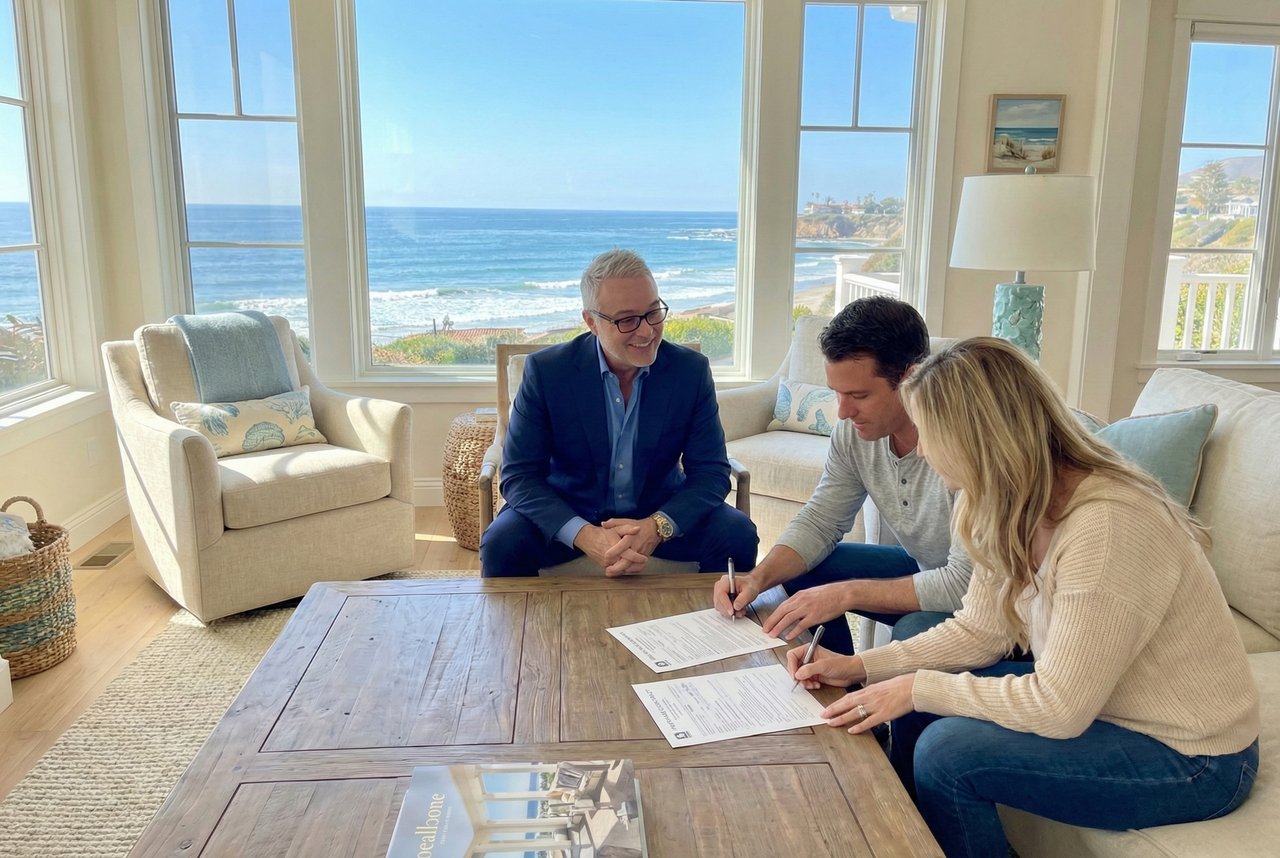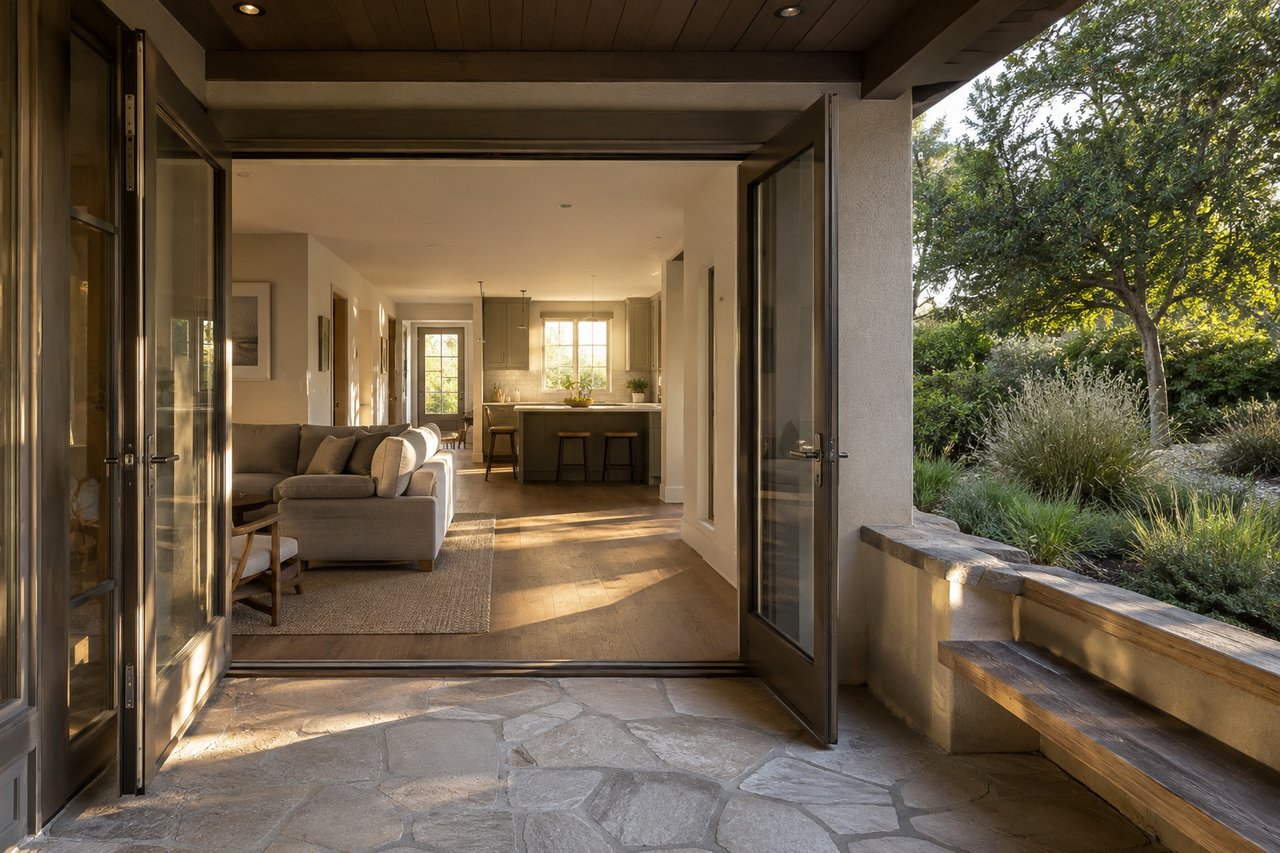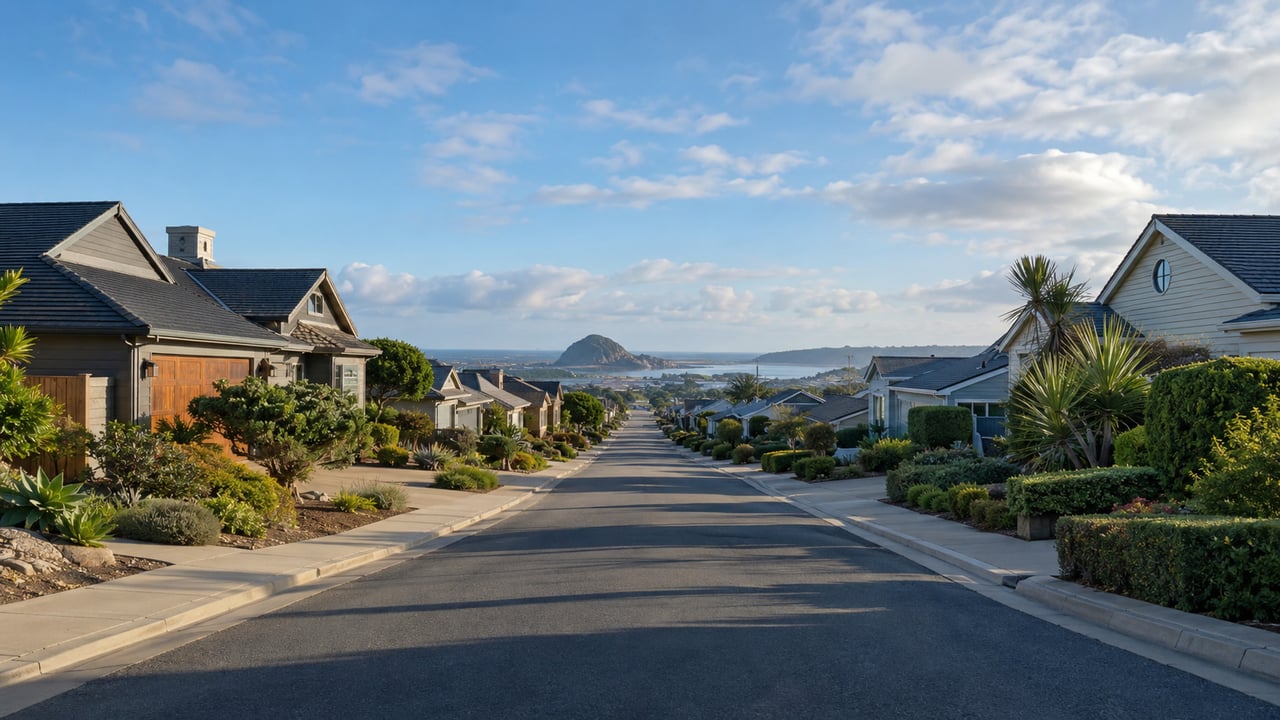
No real estate purchase is completely risk-free. Every property has some level of uncertainty, maintenance responsibility, market exposure, and future unknowns. But some properties are easier to understand, easier to insure, easier to maintain, easier to finance, easier to rent or resell, and easier to own over time. Those are the properties buyers and investors often think of as lower risk.
On the Central Coast, property risk can vary significantly from one community to another. A home in San Luis Obispo may have strong long-term demand, but buyers still need to evaluate age, condition, price, and insurance. A coastal home in Pismo Beach, Morro Bay, Avila Beach, Cayucos, Cambria, or Los Osos may offer scarcity and lifestyle value, but it may also require closer review of moisture, exterior maintenance, and insurance. A property in Arroyo Grande, Nipomo, Atascadero, Templeton, or Paso Robles may offer space or value, but buyers may need to consider heat, rural systems, defensible space, wells, septic, or long-term maintenance.
After more than 30 years in real estate, 2,130+ closed transactions, and over $1.81 billion in career sales volume, Joesef Jackson has seen that low-risk properties usually share a common pattern. They are not necessarily the cheapest or the newest. They are the properties where the key questions can be answered clearly. The location makes sense. The condition is understandable. The ownership costs are realistic. The risk factors are visible, manageable, and properly priced.
Central Coast Neighborhood Video Tour ⬇️
Low Risk Starts With Clear Property Information
A lower-risk property is usually easier to evaluate because the major information is clear. Buyers can understand the property’s condition, disclosures, natural hazard profile, insurance expectations, maintenance history, title considerations, HOA rules if applicable, and likely ownership costs. When too many questions remain unanswered, risk increases.
In California real estate, disclosures help buyers understand known property conditions and location-related considerations. Natural hazard disclosures may include information about flood zones, fire hazard areas, earthquake fault zones, seismic hazard areas, and other mapped conditions. These disclosures do not replace inspections, insurance review, or local due diligence, but they help buyers understand environmental and location-based risk.
On the Central Coast, natural hazard considerations can vary by location. A property near the coast may raise different concerns than a rural property near Paso Robles or Templeton. A home in Los Osos may require different review than one in San Luis Obispo, Arroyo Grande, or Atascadero. Buyers should not assume that every property in the same county carries the same risk profile.
👉 What Buyers Should Know About Natural Hazard Disclosures in San Luis Obispo County
One expert insight Joesef often shares with buyers is that risk is easier to manage when it is visible. The most stressful transactions usually involve unclear information, late surprises, or assumptions that were never verified. A lower-risk property is not perfect. It is simply easier to understand before the buyer commits.
Insurance Availability Is a Major Risk Factor
Insurance has become a more important part of property risk analysis in California. Buyers should not assume that every property will be equally easy or affordable to insure. Insurance availability, premium cost, deductible structure, coverage limits, and underwriting requirements can all affect whether a property feels low risk.
On the Central Coast, insurance review may be especially important for rural, coastal, older, or higher fire-risk properties. A home in Atascadero, Templeton, Paso Robles, or rural Nipomo may raise different insurance questions than a condo in San Luis Obispo or a home closer to the coast. A property in Morro Bay, Cayucos, Avila Beach, or Pismo Beach may require attention to age, roof condition, exterior materials, moisture exposure, and replacement cost.
A lower-risk property is one where insurance can be confirmed early, the premium fits the buyer’s budget, and the coverage makes sense for the property. If insurance is difficult, expensive, limited, or uncertain, that does not automatically mean the buyer should walk away, but it should be factored into the decision.
👉 Homeowners Insurance on the Central Coast: What Buyers and Homeowners Should Know
The California Department of Insurance provides consumer information and tools that can help homeowners and buyers understand insurance options and coverage considerations.
Joesef has seen that insurance should be reviewed early, not at the end of escrow. A buyer may understand price and loan terms clearly, but if insurance is not confirmed, the ownership picture is incomplete.
Condition Risk Is Often More Important Than Cosmetic Appeal
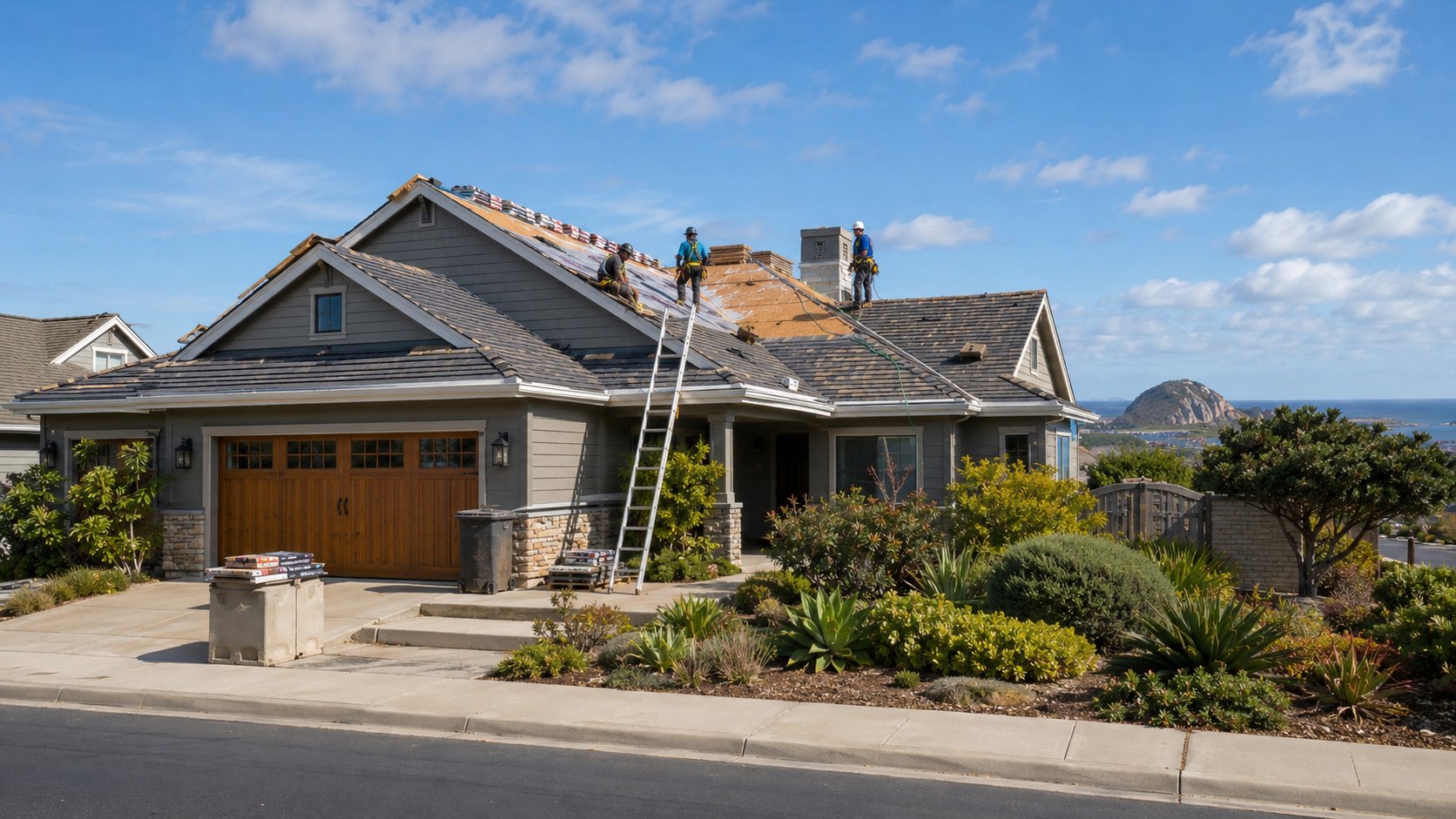
A property can look beautiful and still carry meaningful condition risk. A home can also look dated but be structurally sound and easier to own than a more polished property with hidden issues. Buyers should separate cosmetic condition from functional condition when evaluating risk.
Cosmetic issues include paint, flooring, fixtures, cabinet finishes, appliances, landscaping style, and decor. Functional condition includes roof, foundation, drainage, plumbing, electrical systems, windows, HVAC, water heater, pest issues, retaining walls, decks, and structural components. Functional issues usually have a larger impact on ownership risk because they can be expensive, urgent, or difficult to defer.
On the Central Coast, condition risk should be interpreted locally. Coastal homes may require more attention to exterior materials, decks, windows, moisture, drainage, and roof life. Older homes in San Luis Obispo, Arroyo Grande, Morro Bay, Cambria, or Los Osos may require review of systems and prior improvements. Rural or semi-rural homes near Atascadero, Templeton, Paso Robles, or Nipomo may involve wells, septic systems, grading, fencing, defensible space, or larger land-care responsibilities.
👉 What Buyers Should Know About Buying an Older Home on the Central Coast
From Joesef’s 30+ years of experience, one of the clearest signs of a lower-risk property is not perfection. It is maintenance consistency. A well-maintained older home may be lower risk than a newer-looking home with neglected systems or unclear repair history.
Low-Risk Rental Properties Have Durable Tenant Demand
For investors, a lower-risk property is often one that has steady tenant demand, practical layout, manageable maintenance, and a location that supports long-term occupancy. A rental property does not need to be dramatic. It needs to work for the tenant pool it is likely to serve.
A good long-term rental property in San Luis Obispo County usually has clear tenant appeal. That may include proximity to Cal Poly, downtown San Luis Obispo, employment centers, beaches, schools, commute corridors, hospitals, wine country jobs, or daily conveniences. Tenant demand may look different in each community. San Luis Obispo may be influenced by university and professional demand. Grover Beach and Arroyo Grande may attract tenants seeking South County access. Paso Robles and Atascadero may appeal to renters looking for more space or relative affordability. Coastal communities may attract tenants drawn to lifestyle and limited supply.
👉 What Makes a Good Long-Term Rental Property in San Luis Obispo County?
A lower-risk rental property usually has more than one reason tenants would want it. If demand depends on only one narrow use, one regulation, one tenant type, or one optimistic rent assumption, risk increases. Joesef often helps investors look for practical durability rather than best-case projections.
Condition and Price Must Make Sense Together
A property is not low risk simply because it is in good condition. It also has to be priced appropriately. A well-maintained home can still carry risk if the buyer overpays relative to market value, rental potential, future resale, or ownership costs. A property needing work can still be a reasonable purchase if the price reflects the condition and the buyer understands the improvement plan.
The relationship between price and condition is one of the most important parts of risk analysis. Buyers should ask whether the property’s condition supports the price. They should also ask whether any known issues are already reflected in the pricing or whether they create additional exposure.
👉 What Buyers Should Know About Home Condition vs Price
San Luis Obispo County properties rarely compare perfectly. A home in San Luis Obispo may have a higher price because of location and demand. A coastal home in Pismo Beach may carry scarcity value even with maintenance needs. A property in Atascadero or Paso Robles may offer more space but require more upkeep. A lower-risk decision comes from understanding the trade-off clearly.
The County of San Luis Obispo Planning and Building Department provides information about land use planning, permitting, environmental review, zoning enforcement, and building-related services for unincorporated areas.
Risk is not eliminated by buying a property in excellent condition. Risk is reduced when price, condition, location, and future ownership responsibilities are aligned.
Buyers Can Spot Risk During Property Tours
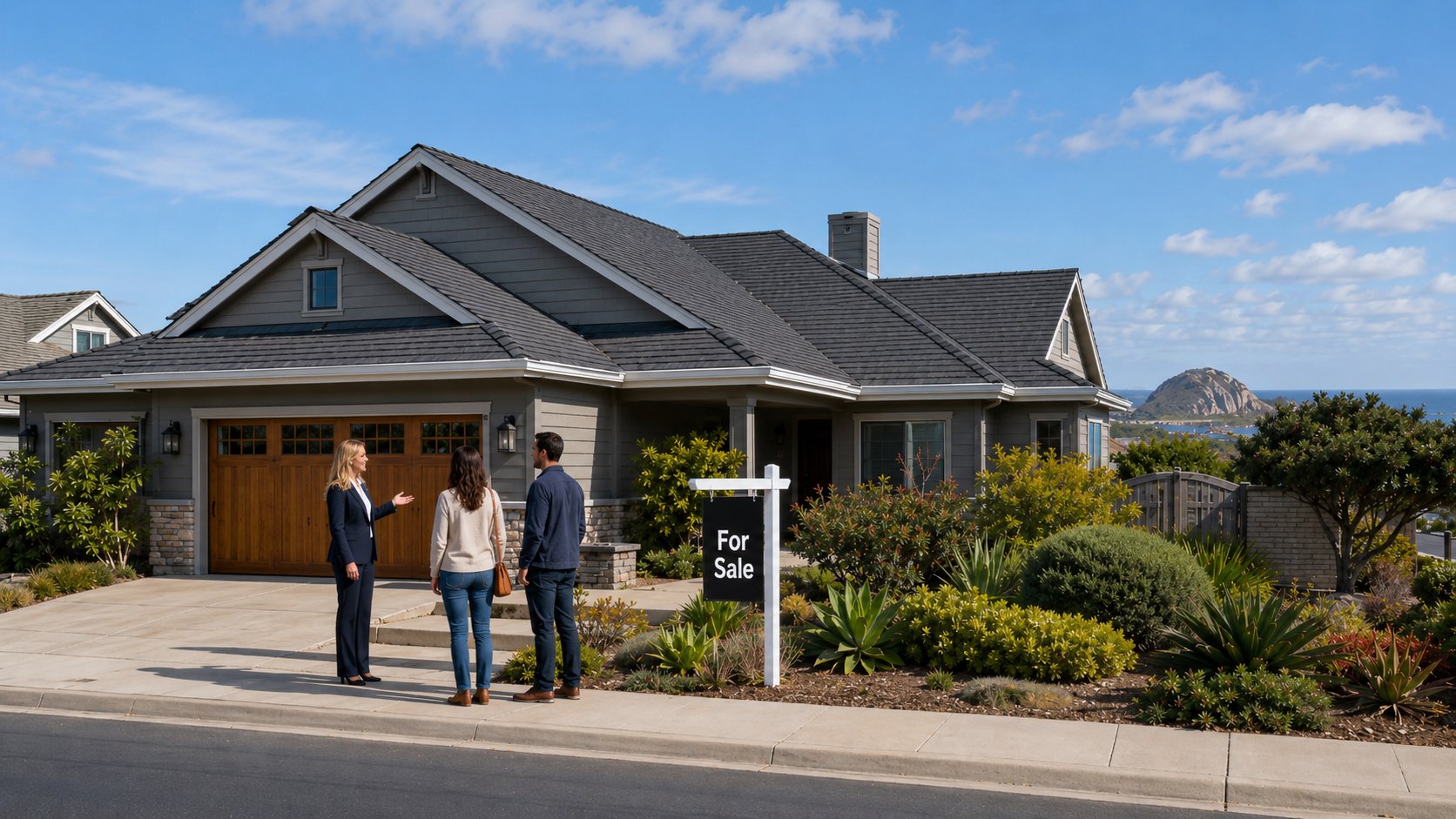
A buyer cannot fully inspect a property during a showing, but tours can reveal early warning signs. Buyers should pay attention to drainage, roof condition, exterior maintenance, grading, slope, cracking, moisture stains, window condition, old systems, unusual odors, deferred repairs, access, parking, and surrounding property conditions.
A property tour should help buyers decide whether deeper investigation is needed. It should also help them understand how the home lives day to day. A home may seem attractive online but feel risky in person because of access, noise, layout, privacy, street condition, or visible maintenance problems.
👉 How to Evaluate Property Condition During Tours
On the Central Coast, tour observations should reflect local conditions. In coastal areas, buyers may look more closely at exterior materials and moisture. In inland areas, they may consider heat exposure, irrigation, defensible space, or lot care. In older neighborhoods, they may look carefully at systems, additions, and maintenance history.
Lower-Risk Properties Usually Have Broad Future Appeal
A lower-risk property often has broader future appeal. That means the property could attract more than one type of buyer, renter, or future owner. Broad appeal can support resale and reduce dependence on a narrow market.
A single-level home in a desirable Arroyo Grande neighborhood may appeal to retirees, families, and move-up buyers. A well-located San Luis Obispo property may appeal to owner-occupants, Cal Poly-related buyers, and investors. A clean condo near services may appeal to first-time buyers, downsizers, or lock-and-leave owners. A practical rental in Grover Beach, Atascadero, or Paso Robles may attract long-term tenants and future investors.
Properties with narrow appeal can still be good purchases, but they may carry more resale or rental risk. A very unusual layout, difficult access, high maintenance burden, restrictive HOA issue, limited parking, or specialized use may reduce the future buyer pool.
Joesef has seen that lower-risk properties often have flexibility. They can work for different life stages, different ownership plans, and different future market conditions.
Low Maintenance Exposure Helps Reduce Ownership Risk
Maintenance exposure is a major part of property risk. Some homes require more ongoing attention than others. Large lots, pools, decks, retaining walls, older systems, coastal exposure, steep driveways, aging roofs, deferred landscaping, outbuildings, and rural features can all increase maintenance needs.
A lower-risk property does not necessarily have no maintenance. Every property needs care. But the maintenance should be understandable, manageable, and consistent with the buyer’s budget and experience.
For example, a buyer who wants simplicity may be better suited to a newer home, condo, or smaller property with fewer systems. An experienced investor may be comfortable with a property that needs work if the numbers justify it. A buyer seeking acreage near Paso Robles may accept more maintenance as part of the lifestyle, while a buyer seeking coastal ease may prioritize lower exterior responsibility.
The key is alignment. Risk increases when the property requires more time, money, or expertise than the owner realistically wants to provide.
Clear Rules and Legal Use Reduce Risk
Zoning, permits, HOA rules, rental restrictions, easements, access rights, ADU potential, short-term rental rules, and property boundaries can all affect risk. A property feels lower risk when its use is clear and consistent with the buyer’s plan.
A buyer who plans to rent the property should confirm rental rules. A buyer considering an ADU should verify zoning, setbacks, utilities, parking, and permitting feasibility. A buyer purchasing a condo should review HOA rules, reserves, insurance, and leasing restrictions. A buyer purchasing rural property should understand access, utilities, water, septic, and land use.
On the Central Coast, rules can vary between incorporated cities and unincorporated county areas. San Luis Obispo, Pismo Beach, Morro Bay, Arroyo Grande, Atascadero, Paso Robles, Grover Beach, and county areas may each have different requirements. A lower-risk purchase is based on verified information, not assumptions from listing language or casual conversation.
Financing and Appraisal Confidence Matter
A lower-risk property is also easier to finance and appraise. Lenders and appraisers look at property condition, comparable sales, habitability, loan type, appraisal support, and marketability. If a property is unusual, heavily damaged, difficult to compare, or has condition issues, financing may become more complicated.
For buyers, this matters because the ability to close is part of the risk picture. A home may seem attractive, but if financing is uncertain, appraisal support is weak, or repairs are required before loan approval, the transaction may become more stressful.
A property with strong comparable sales, marketable condition, clear use, and fewer unusual features may feel lower risk because financing and appraisal concerns are easier to evaluate. That does not mean buyers should avoid unique properties, but they should understand that uniqueness can affect financing, appraisal, insurance, resale, and negotiation.
Low Risk Does Not Mean Low Return
A lower-risk property may not always offer the highest potential return. In investing, higher return often comes with higher uncertainty, more work, more leverage, or more execution risk. A low-risk property may be more stable, easier to own, and easier to resell, but it may not offer the same upside as a major renovation or speculative opportunity.
The right choice depends on the buyer’s goal. A homeowner may want stability, comfort, and long-term value. An investor may want predictable rental performance, low vacancy, and fewer capital surprises. Another investor may accept higher risk for higher potential return.
The important point is that risk should be chosen intentionally. Buyers and investors should know whether they are buying stability, income, appreciation, flexibility, or improvement potential. A property becomes more dangerous when the buyer thinks it is low risk but has not fully evaluated condition, insurance, rules, costs, and future demand.
The Best Low-Risk Properties Are Easy to Understand
A low-risk property is not risk-free. It is understandable. The buyer can see why the location works, what condition issues exist, what insurance may cost, what disclosures show, what maintenance is likely, what the property can legally be used for, and how the price relates to the market.
After more than three decades helping clients buy and sell real estate on the Central Coast, Joesef Jackson understands that confidence comes from clarity. A property does not need to be perfect to be a smart purchase. It needs to make sense.
The best low-risk decisions are built from careful due diligence, local experience, realistic cost analysis, and an honest understanding of what ownership will require. When buyers and investors evaluate those factors before committing, they are better positioned to protect both lifestyle and long-term value.
FAQ
What makes a property low risk on the Central Coast?
A low-risk property usually has strong location, clear disclosures, manageable condition, confirmed insurance, realistic ownership costs, broad resale appeal, and fewer unresolved questions before closing.
Is any property completely risk-free?
No. Every property has some risk, including maintenance, market changes, insurance costs, and future repairs. The goal is to understand and manage risk before buying.
Why do natural hazard disclosures matter?
Natural hazard disclosures help buyers understand location-based risks such as flood, fire, earthquake, seismic, or other mapped hazard areas. They are an important part of due diligence.
How does insurance affect property risk?
Insurance affects both affordability and closing confidence. If insurance is difficult, expensive, or limited, buyers should understand that before removing contingencies or completing the purchase.
Are older homes higher risk?
Not always. Older homes can be lower risk if they have been well maintained and properly updated. Risk increases when systems, structure, drainage, or maintenance history are unclear.
What makes a rental property lower risk?
A lower-risk rental property usually has steady tenant demand, practical layout, manageable maintenance, clear rules, realistic expenses, and a location that supports long-term occupancy.
Why does condition matter so much?
Condition affects repair costs, financing, insurance, negotiation, maintenance, tenant appeal, and future resale. Buyers should understand both cosmetic and functional condition before buying.
Why does local guidance matter when evaluating risk?
Local guidance helps buyers interpret hazards, insurance, condition, pricing, property type, regulations, and resale factors across San Luis Obispo County and the Central Coast.
If you are preparing to buy or sell real estate on the Central Coast and want personalized guidance, contact Joesef Jackson at SLO Life Realty Group.
Internal Linking Note
This article intentionally connects to both published and future Central Coast real estate resources as part of a long-term geographic authority strategy. Some plain-text references may become active links as additional San Luis Obispo County and Central Coast content is published.