Buyers rarely decide whether they like a home without comparing it with something else. Even when a property creates a strong first impression, buyers typically measure it against other homes they have toured, listings saved online, recent price changes, and the compromises required by each alternative. For San Luis Obispo County sellers, that means the important question is not simply whether a home is attractive or appropriately priced. It is how buyers are likely to rank it against the other viable choices in their search.
Buyer comparison becomes particularly important when several homes fall within the same general budget but offer different combinations of location, size, condition, privacy, parking, outdoor space, or updates. A buyer comparing San Luis Obispo with nearby communities may accept less square footage for one advantage while another buyer looking in North County may place greater weight on land, garage space, or usable access. The comparison is rarely based on one feature alone.
Sellers who understand this process can position a property more deliberately. The goal is not to make a home appear perfect. It is to make its relative value easy to recognize, reduce avoidable reasons for elimination, and understand which trade-offs buyers are actually making. When a buyer chooses another property, the comparison itself can provide useful information about pricing, presentation, and perceived value.
Central Coast Neighborhood Video Tour ⬇️
Buyers Usually Create a Short List Before They Make a Decision
👉 What Central Coast Sellers Should Know About Buyer Behavior
Most serious buyers narrow a larger group of available homes into a smaller set that deserves closer consideration. The homes on that short list generally satisfy the buyer's essential requirements while differing in ways that require comparison.
A buyer may begin with broad criteria such as price range, bedroom count, general location, or property type. Once several homes meet those basics, smaller differences become more important. One property may have better natural light, another may offer more usable outdoor space, and another may require less immediate work.
For sellers, getting onto that short list is only the first stage. A buyer who likes a property may still choose another home because the competing option offers a combination that feels more compelling at a similar cost.
That is why showing activity alone does not always indicate where a listing stands. Buyers can be genuinely interested in several homes simultaneously while continuing to compare them until one becomes the preferred choice.
Buyers Compare Relative Value, Not Just Asking Prices
👉 What Impacts Buyer Perception on the Central Coast
Two homes with similar asking prices can feel very different in value because buyers evaluate what each price actually provides.
California Department of Real Estate appraisal guidance describes the principle of substitution: value is influenced by the cost of acquiring an equally desirable substitute. In practical terms, a buyer comparing similar homes has little reason to pay substantially more for one property unless there is a meaningful difference supporting that premium.
That difference might be a better lot, more privacy, superior parking, a highly functional renovation, additional usable space, or another feature important to that particular buyer.
This is why pricing cannot be separated from buyer comparison. A home does not have to be the least expensive option, but buyers need to understand what they receive for the difference. If the premium is obvious and relevant, they may accept it. If the distinction is difficult to see, another property can appear to provide better relative value even when both homes are objectively desirable.
Buyers Compare the Compromises as Closely as the Features
👉 What Impacts Listing Performance on the Central Coast
Buyers do not simply create a list of positive features and choose the home with the longest list. They also compare what they would have to give up.
One buyer may accept a smaller yard for a location closer to downtown San Luis Obispo. Another may choose additional driving time to gain more space in Atascadero. A coastal buyer may value proximity to the ocean enough to accept a smaller home, while another may prioritize storage, parking, or lot utility elsewhere.
The important point for sellers is that compromises accumulate.
A home with one significant trade-off may still compare very well if it delivers strongly in the areas the buyer values most. Several smaller compromises can become more difficult when a competing property removes two or three of them at once.
Sellers therefore need to understand not only what is appealing about their home, but also what buyers are likely to notice as they move from one property to the next. The comparison is between complete packages, not isolated amenities.
Buyers Notice Differences More Clearly After Seeing Several Homes

👉 How to Read Buyer Demand Before Selling on the Central Coast
A feature can appear ordinary until buyers see how difficult it is to find elsewhere. The reverse is also true: something a seller considers distinctive may feel common after buyers tour several competing properties.
This is one reason experienced buyers often become more selective as their search progresses. After touring multiple homes, they develop a stronger sense of what their budget buys and which characteristics are genuinely scarce.
A buyer searching in Grover Beach, for example, may begin without strong opinions about parking or outdoor configuration. After touring several homes, usable off-street parking or a more functional yard may become a priority because the buyer has learned how often those features vary.
For sellers, this means the buyer arriving at a showing may already have a detailed internal comparison underway. Marketing should make meaningful strengths apparent rather than assume the buyer will discover their importance later.
Perceived Value Can Change Without Changing the House
👉 How to Improve Perceived Value Before Listing on the Central Coast
A seller cannot alter the home's location or lot size, but the way existing value is communicated can materially affect comparison.
Buyers may overlook an advantage when rooms are difficult to interpret, lighting obscures usable space, storage is crowded, or an important property feature receives little attention in the listing presentation. The physical house has not changed, yet its position relative to competing homes can weaken.
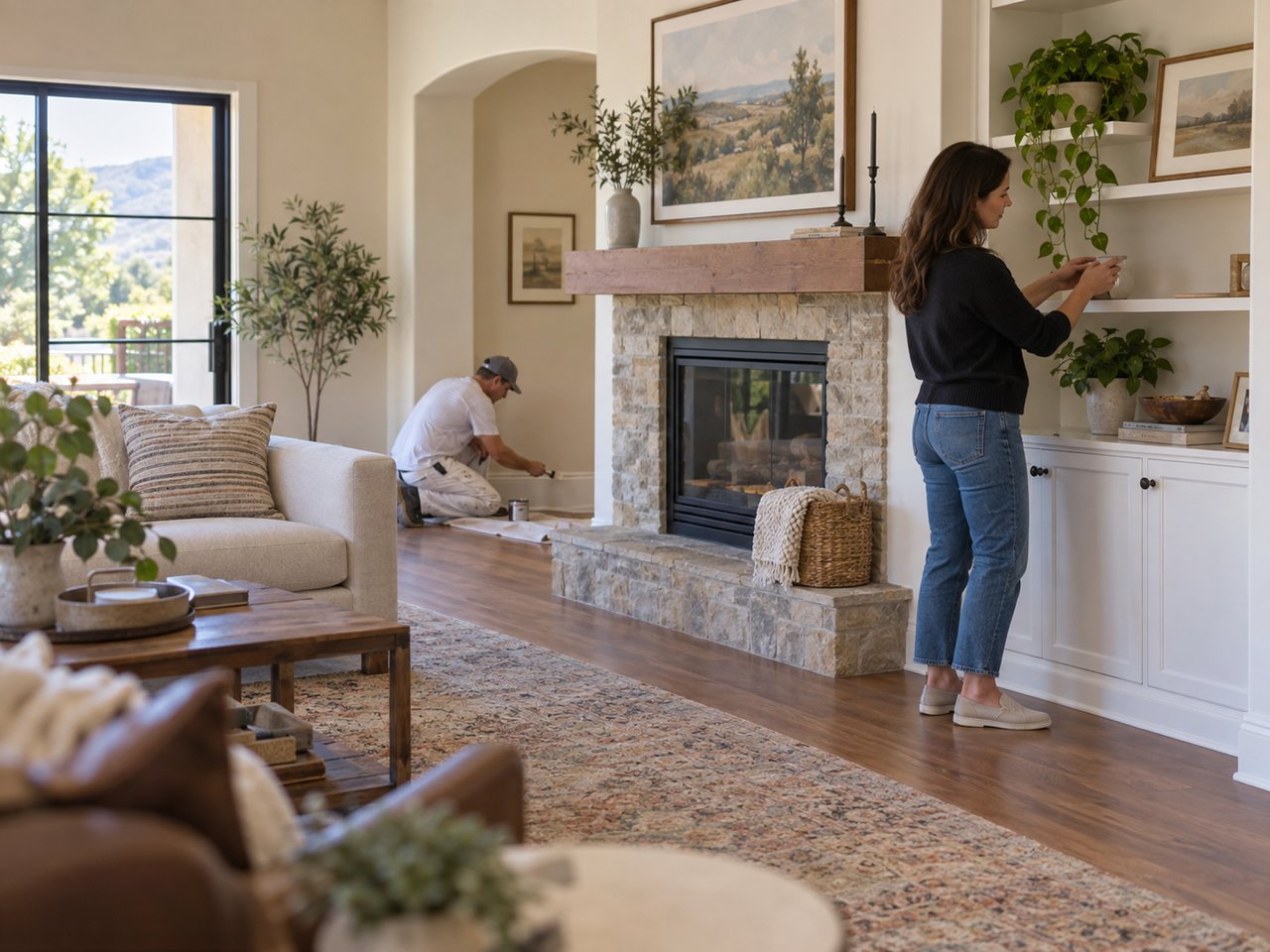
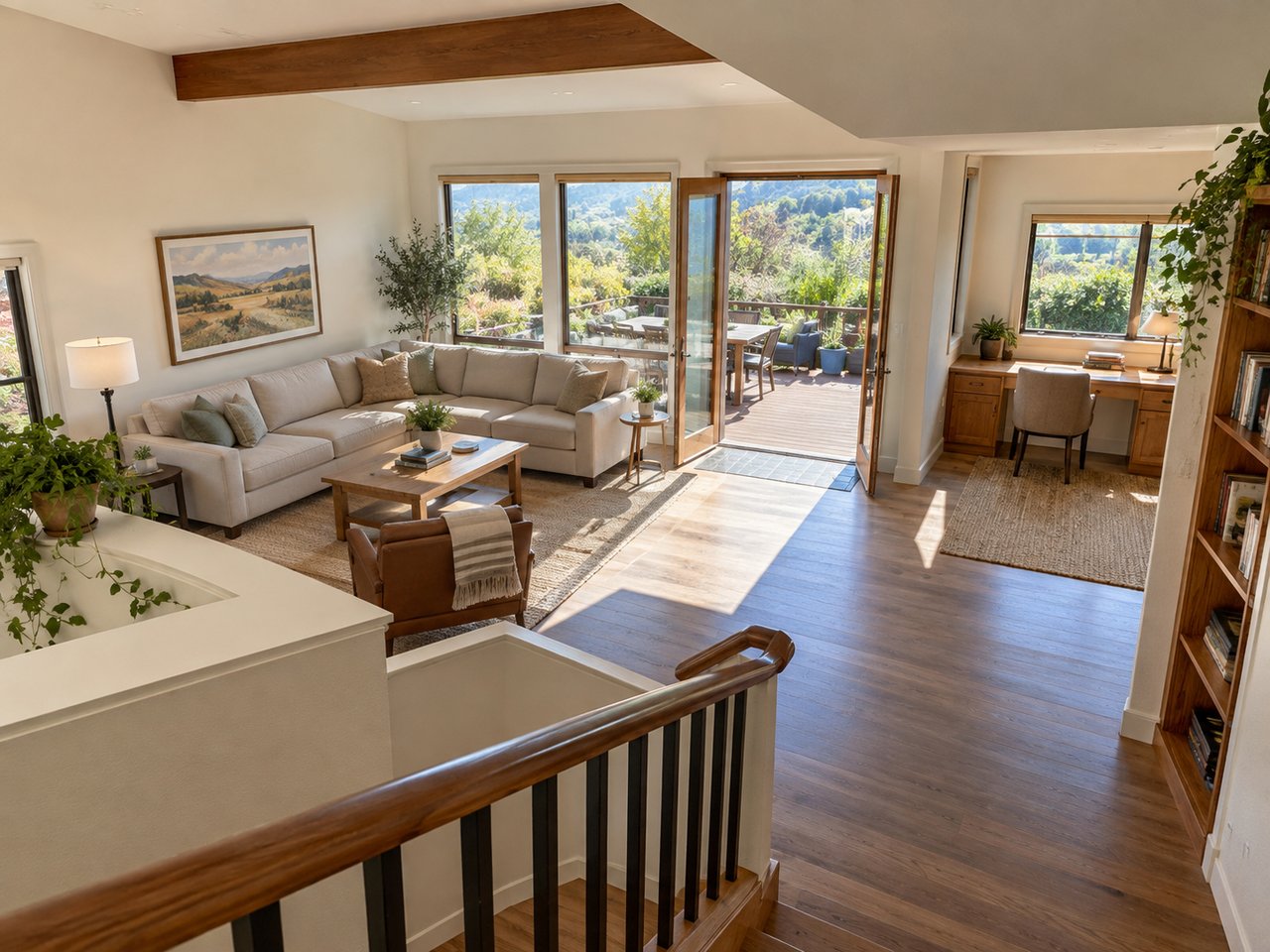
Improving perceived value means making genuine benefits easier to recognize. That may involve simplifying a room so its purpose is obvious, improving the visual connection to outdoor space, correcting distracting cosmetic issues, or ensuring photography gives proper emphasis to features buyers care about.
The objective is not cosmetic perfection. It is reducing the amount of interpretation required from the buyer.
When buyers are comparing several homes quickly, the property that communicates its value more efficiently can remain higher on the short list even when another listing has similar specifications.
Buyers Prefer Listings They Can Understand Quickly
👉 What Makes a Listing Easier to Understand in San Luis Obispo County
Buyer comparison becomes harder when a property requires too much explanation.
An unusual floor plan, converted space, multiple outdoor areas, separate structures, or a complicated relationship between rooms may all be valuable, but buyers need to understand how the property works. If that understanding requires a long explanation after the showing, another home may feel easier to evaluate.
This can matter with older properties in communities such as San Luis Obispo or Arroyo Grande, where additions, remodels, detached spaces, and different architectural eras can produce layouts that are less conventional than newer housing.
Clear listing presentation should answer basic questions before they become obstacles. Photography, descriptions, showing flow, and feature emphasis should work together so buyers understand what they are seeing and why it matters.
Ease of comparison is itself an advantage. When a buyer can quickly understand how a property would function, that home is easier to keep in serious consideration.
More Available Inventory Intensifies the Comparison Process
Buyer comparison becomes more influential as the number of credible choices increases. More inventory allows buyers to test one property's strengths against another rather than deciding primarily on whether a home meets minimum requirements.
The California Association of REALTORS® reported higher statewide active listings and improved supply conditions in August 2026 compared with the prior year. Broader statewide conditions do not determine the outcome of a specific San Luis Obispo County listing, but increased choice generally creates more opportunities for buyers to compare alternatives before committing.
This makes relative positioning more important on the Central Coast. A buyer who sees only one suitable property may tolerate a compromise that becomes less acceptable after another strong option appears.
Sellers should therefore monitor not only new sales, but also new listings entering the buyer's search. Competition can change while a property is already on the market.
Buyers Often Compare What Would Be Difficult to Change Later
Cosmetic differences are visible, but experienced buyers often pay close attention to characteristics that would be difficult or expensive to reproduce.
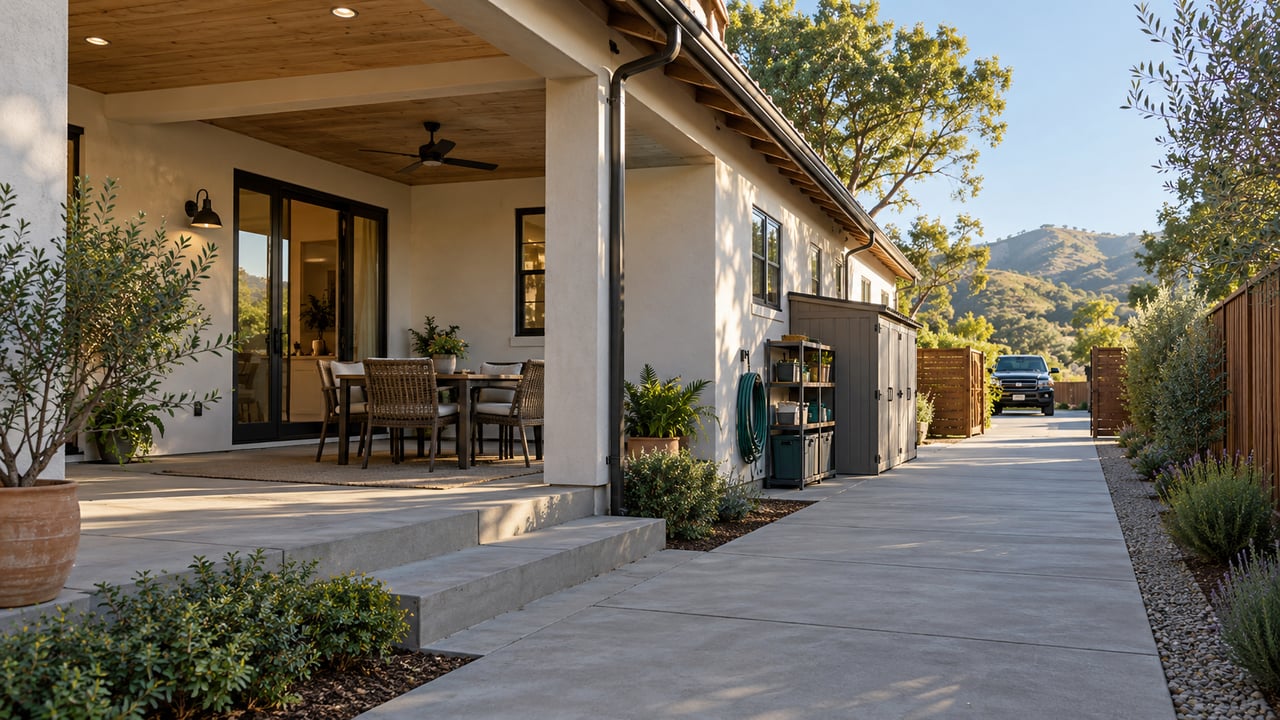
Lot orientation, parking configuration, privacy, access, usable outdoor space, ceiling height, natural light, and the relationship between rooms can influence comparison because buyers know these characteristics may be difficult to alter after closing.
That does not mean every buyer prioritizes the same features. A buyer considering a Paso Robles property may place substantial value on land utility or access, while a purchaser in Pismo Beach may put greater weight on parking, coastal proximity, or how efficiently the available space functions.
The seller's task is to recognize which fixed characteristics strengthen the home relative to likely alternatives.
With more than 30 years of local real estate experience, Joesef Jackson has seen buyers overlook expensive decorative improvements while placing significant value on a practical property advantage that is difficult to reproduce. Comparison tends to reveal which differences actually matter.
The Home a Buyer Chooses Can Explain More Than Feedback Alone
Showing feedback can be useful, but the property a buyer ultimately chooses often provides better context.
A buyer may say a home was attractive, well maintained, or appropriately presented and still purchase something else. The useful question is what the chosen property offered that moved it ahead.
Perhaps the competing home had better parking, a more usable yard, a stronger relationship between price and condition, or fewer compromises. Perhaps it was simply easier for that buyer to understand how the property matched daily priorities.
This does not mean every buyer decision should trigger a listing change. Individual preferences vary widely.
Patterns matter more. When multiple serious buyers repeatedly choose properties with the same advantage—or repeatedly hesitate over the same aspect of the seller's home—that comparison becomes meaningful market information.
The seller can then evaluate whether the issue can be improved, communicated differently, reflected in price, or simply accepted as part of the property's competitive position.
Small Differences Can Become Decisive When Two Homes Are Close
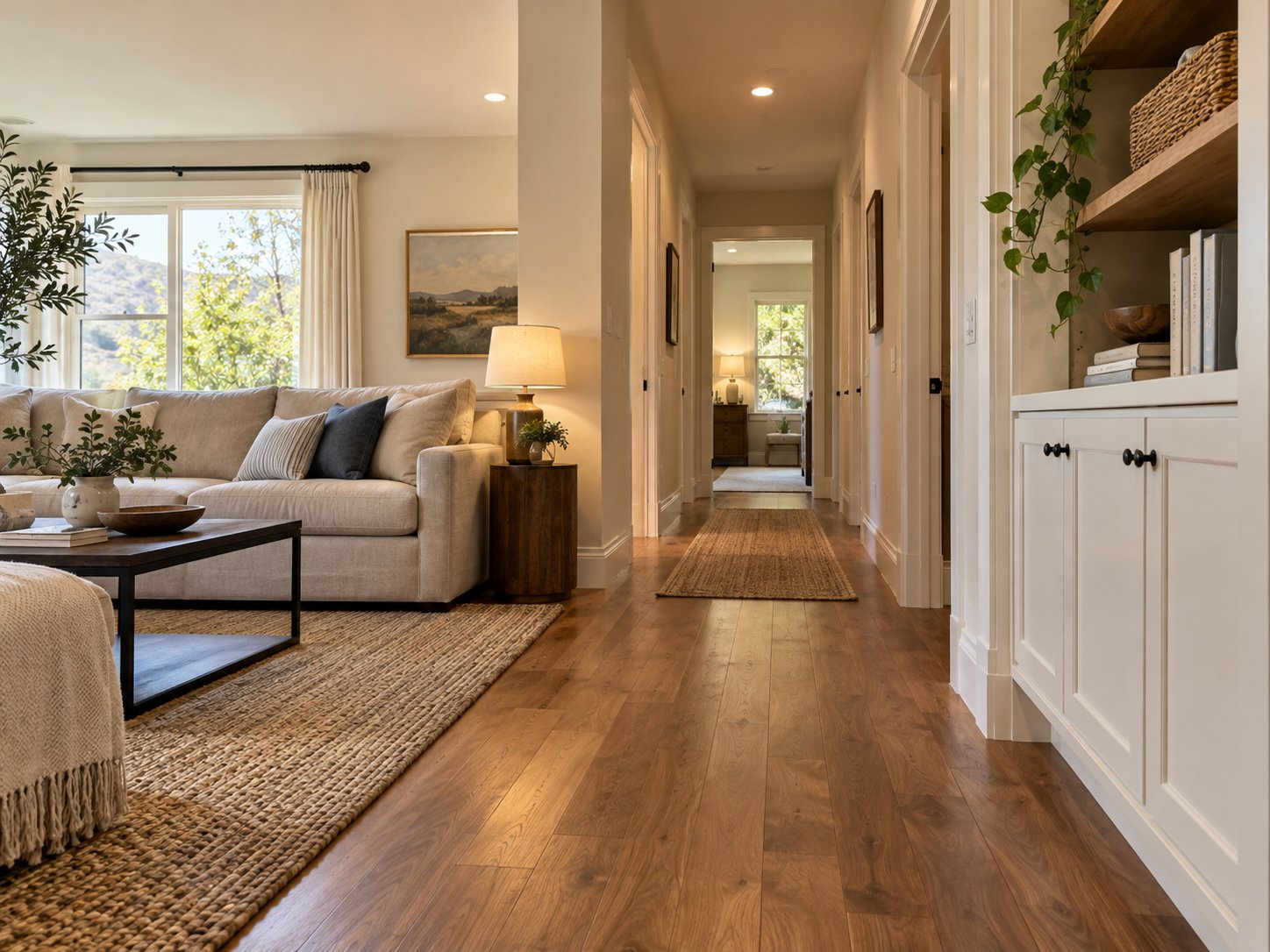
When buyers narrow their search to two or three strong homes, relatively small differences can determine the final choice.
One property may offer a better primary bedroom arrangement. Another may have a quieter outdoor area, more natural light, easier guest parking, or better separation between work and living spaces. None of these features necessarily determines value by itself, but each can become decisive when the larger comparison is otherwise close.
This is particularly relevant with homes that appear similar online. Bedroom count, square footage, and list price may place two properties in the same search, while the showing reveals substantial differences in everyday usability.
Sellers should avoid assuming that buyers will prioritize the property's most expensive improvement. Buyers prioritize the difference that matters most to their own decision.
Understanding that distinction can change how a home is presented. The emphasis should fall on meaningful, demonstrable advantages rather than simply the features that cost the seller the most money.
Sellers Should Watch the Ranking, Not Just the Reaction
A showing can produce a positive reaction without producing first-place status.
This is one of the most important distinctions for sellers to understand. Buyers frequently like several properties. The transaction goes to the home that ultimately ranks highest when price, features, compromises, timing, and personal priorities are considered together.
A seller therefore gains more useful information by asking how the property compares than by asking whether buyers simply liked it.
If buyers consistently view the home positively but continue purchasing alternatives, the listing may be close to competitive without being strong enough to become the preferred choice. That can indicate a narrow issue rather than a complete strategy failure.
Across more than 2,130 closed transactions, Joesef has seen small comparative differences determine which property receives the offer. The objective is not to win every buyer. It is to understand the comparison well enough that the right buyer can recognize why this property belongs at the top of the short list.
Buyer Comparison Turns Individual Features Into Relative Value
Buyer comparison changes the meaning of a home's features because every advantage and compromise is viewed beside another available choice.
A large yard matters differently when every competing property has one. Off-street parking becomes more valuable when nearby alternatives lack it. A renovated kitchen may matter less when buyers are focused on privacy, usable outdoor space, or a location characteristic they cannot change later.
For San Luis Obispo County sellers, the practical lesson is to stop evaluating the home entirely from the owner's perspective. Buyers are building a ranking, consciously or otherwise, from the homes they can purchase at that moment.
The strongest positioning makes the home's relevant advantages easy to identify, acknowledges the compromises buyers will see, and keeps price aligned with what the alternatives provide.
A seller does not control the other homes a buyer tours. The seller can control whether the property makes a persuasive comparison once those homes are placed side by side in the buyer's decision.
Frequently Asked Questions
What do buyers compare most when choosing between homes?
Buyers commonly compare price, location, usable space, condition, privacy, parking, outdoor areas, required compromises, and features that may be difficult to change after purchase.
Do buyers usually compare homes with the same square footage?
Not necessarily. Buyers often compare properties that satisfy the same broader needs even when square footage, lot size, age, or design differs.
Why would a buyer choose a smaller home over a larger one?
A smaller home may rank higher because of location, layout, condition, privacy, parking, outdoor usability, or another priority that matters more to that buyer than total square footage.
Can a seller influence how buyers compare the home?
Yes. Pricing, presentation, photography, showing experience, and how clearly important features are communicated can affect how easily buyers recognize the property's relative strengths.
Should sellers react when buyers choose another property?
One buyer's decision may reflect personal preference. Repeated patterns are more useful. If multiple serious buyers choose competing homes for similar reasons, the comparison deserves closer analysis.
Does a more expensive renovation automatically make a home compare better?
No. Buyers may value an improvement, but the amount spent by the seller does not necessarily determine how much weight buyers give it relative to other features.
Why do buyers become more selective after touring several homes?
Touring multiple properties gives buyers a stronger understanding of what their budget can purchase and which features are common, scarce, or particularly important to them.
What should sellers focus on when several similar homes are for sale?
Sellers should understand the differences buyers are likely to notice, communicate meaningful advantages clearly, reduce avoidable disadvantages, and evaluate price relative to the complete alternatives available.
If you are preparing to buy or sell real estate on the Central Coast and want personalized guidance, contact Joesef Jackson at SLO Life Realty Group.