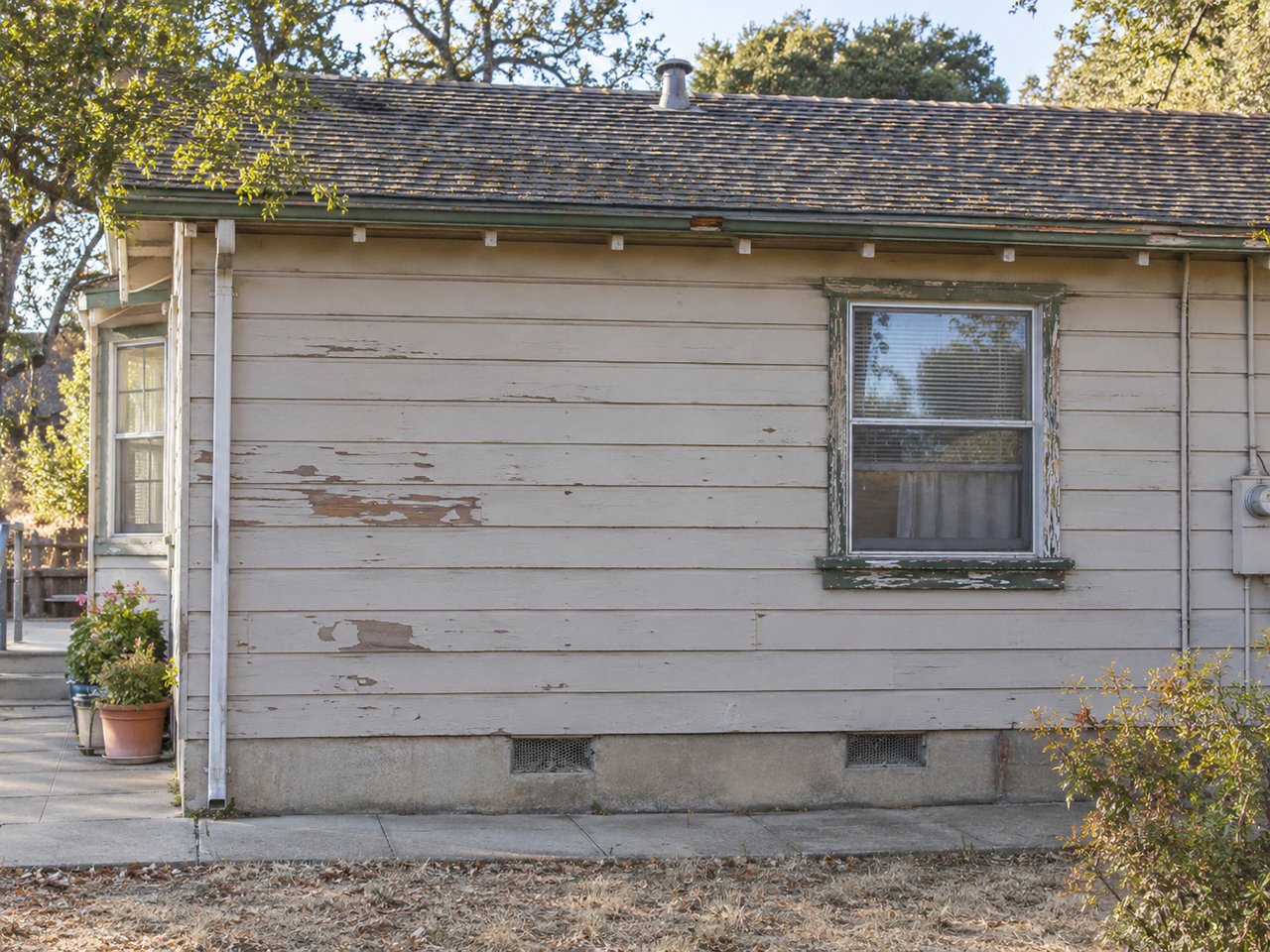
Deferred maintenance can significantly affect the cost, condition, and long-term suitability of a home. It occurs when necessary upkeep or repairs are postponed, allowing equipment, materials, or building components to remain in service without appropriate attention. Some consequences are immediately visible, such as deteriorating exterior paint or damaged flooring. Others develop gradually behind walls, beneath fixtures, or within mechanical systems. Buyers should distinguish ordinary signs of aging from unresolved conditions that may become more expensive or difficult to correct.
Across San Luis Obispo County, maintenance concerns vary with property type, construction, and environmental exposure. Coastal residences in Cambria and Morro Bay may require attention to moisture management and exterior materials, while inland properties in Atascadero, Paso Robles, and Templeton can present different demands involving irrigation, cooling equipment, or extensive outdoor improvements. Older homes in San Luis Obispo may contain several generations of building systems, making maintenance history particularly relevant. None of these conditions should be presumed without examining the individual property.
The objective is not to reject every home with unfinished repairs. Buyers should determine which maintenance issues are cosmetic, which indicate continuing deterioration, which require professional investigation, and how the accumulated work affects their purchase decision. Joesef Jackson of SLO Life Realty Group helps buyers evaluate property condition within the context of market value, ownership costs, and transaction terms. Understanding deferred maintenance provides a foundation for realistic repair budgeting and more informed negotiations before purchasing on the Central Coast.
Central Coast Neighborhood Video Tour ⬇️
Distinguish Deferred Maintenance From Ordinary Wear
👉 What Makes a Listing Easier to Understand in San Luis Obispo County
Deferred maintenance is upkeep that should reasonably have been performed but has been postponed. It differs from normal aging because the concern involves unresolved action, not simply the passage of time. A functioning older appliance may be serviceable, while an ignored plumbing leak can constitute deferred maintenance regardless of the plumbing system's age.
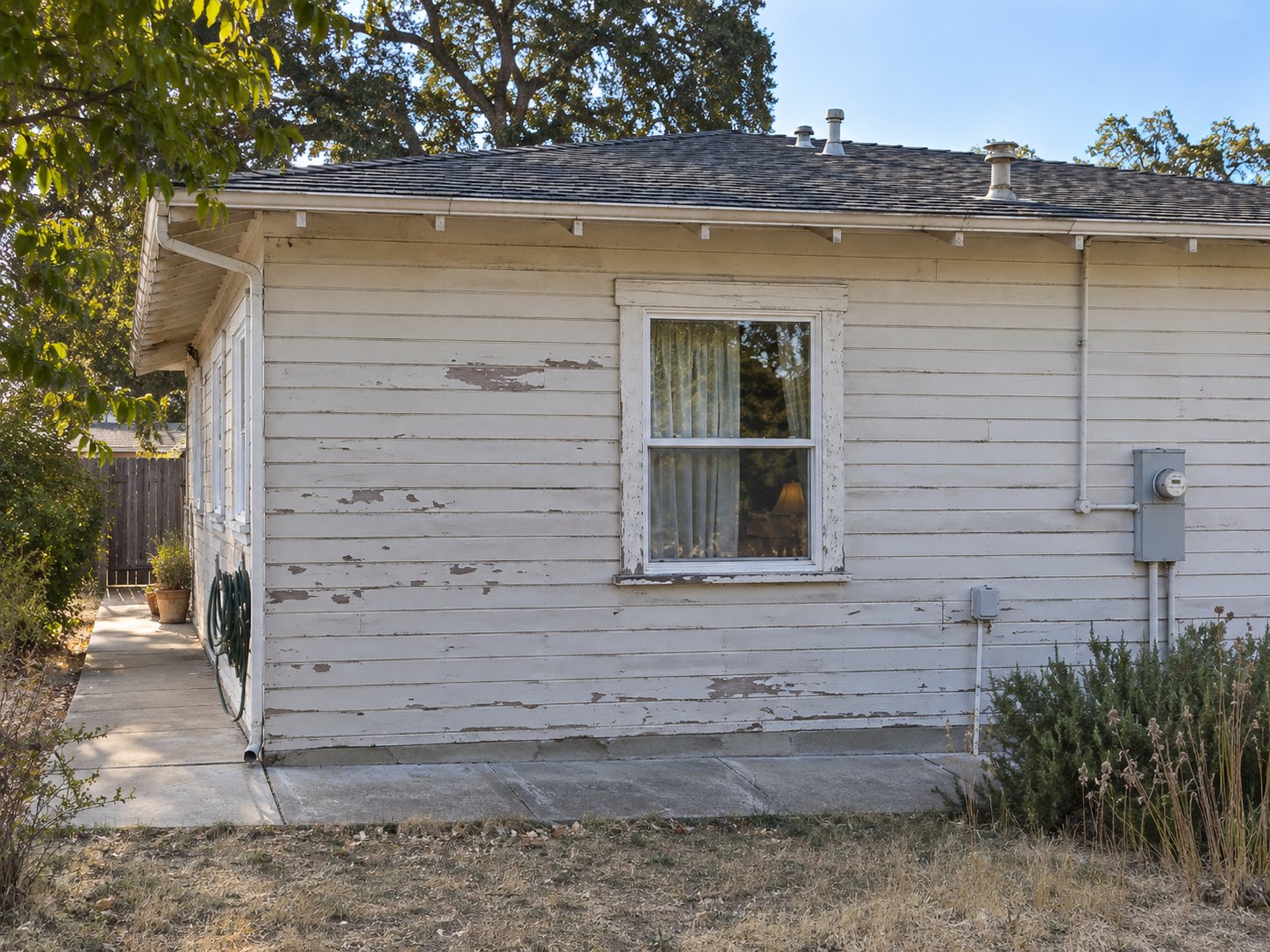
Buyers should separate three conditions: ordinary cosmetic wear, maintenance that is due, and deterioration resulting from prolonged neglect. Faded paint may be primarily aesthetic until exposed materials begin deteriorating. A loose exterior seal may appear minor while allowing repeated water intrusion.
In a Grover Beach residence, buyers might examine weathered exterior finishes alongside window seals and drainage conditions to determine whether visible wear indicates a broader problem.
The important question is whether continued postponement could worsen the condition, increase expenses, or compromise functionality. This distinction helps buyers identify issues requiring action rather than treating every imperfection as equally significant.
Assess How Neglected Upkeep Changes Ownership Responsibilities
👉 What Makes a Home Feel Move-In Ready in San Luis Obispo County
A property with accumulated maintenance needs may require substantial attention immediately after closing. Buyers should evaluate whether they have the time, financial reserves, and access to qualified professionals needed to manage the work.
Routine ownership involves predictable servicing and occasional repairs. Deferred maintenance can compress years of neglected responsibilities into the first several months of ownership.
For example, a Paso Robles home with neglected irrigation, aging cooling equipment, and deteriorated exterior surfaces may require several contractors and coordinated scheduling. The work could be manageable individually but burdensome when combined.
Joesef Jackson's experience with Central Coast residential transactions since 1994 supports examining maintenance obligations as part of the complete purchase decision rather than treating repairs as isolated inspection findings.
Buyers should consider whether the property can be comfortably occupied while work proceeds, whether repairs require temporary disruption, and which costs must be addressed before discretionary improvements.
Identify Which Property Trade-Offs Are Financially Acceptable
👉 What Buyers Should Know About Property Trade-Offs in San Luis Obispo County
Deferred maintenance should be evaluated against the property's price, location, features, and realistic alternatives. A home requiring repairs may still be an attractive purchase when its condition is understood and the price reasonably reflects the work.
The challenge is distinguishing an acceptable maintenance compromise from an uncertain financial obligation.
A buyer comparing a well-maintained Nipomo property with an older Arroyo Grande residence might accept additional repairs in exchange for a preferred lot or floor plan. That decision becomes more defensible when the outstanding work has been investigated and estimated.
Avoid assuming that every repair estimate should be deducted dollar-for-dollar from the asking price. Market evidence, condition differences, seller priorities, and the property's overall competitive position matter.
A practical comparison includes purchase price, expected repair expenditures, potential disruption, and appropriate reserves for unforeseen conditions. The best value is not automatically the property with the fewest visible defects.
Avoid Mistaking Multiple Warning Signs for Minor Problems
👉 How to Avoid Common Buyer Mistakes in San Luis Obispo County
One of the most consequential mistakes is evaluating maintenance concerns individually without considering their possible relationship. Several small observations may point to one underlying problem.
Water staining near a window, deteriorated trim, and damaged flooring could involve a shared moisture source. Alternatively, those conditions may be unrelated. Only appropriate investigation can establish the cause.
Buyers should look for patterns involving repeated repairs, recurring leaks, poor drainage, nonfunctioning equipment, or inconsistent maintenance records.
The U.S. Environmental Protection Agency guide to moisture and mold in residential buildings explains why correcting moisture sources matters rather than addressing only their visible effects.
In a Los Osos residence, staining around an exterior opening should prompt examination of installation details and surrounding materials, not an automatic conclusion about hidden damage.
Evaluate Whether Property Age Explains the Maintenance Backlog
👉 What Buyers Should Know About Property Age in San Luis Obispo County
Property age can influence maintenance needs, but age alone does not establish neglect. An older residence with consistent servicing and documented replacements may be in better functional condition than a newer home with repeated unresolved problems.
Buyers should identify the approximate ages of major components, including roofing, electrical systems, plumbing, heating and cooling equipment, and exterior materials.
Then compare those ages with available service histories, inspection observations, and evidence of corrective work.
A midcentury San Luis Obispo home may have undergone multiple system upgrades. Buyers should determine which components were replaced, which remain original, and whether repairs addressed underlying defects.
Conversely, a relatively recent residence should not receive an automatic assumption of low maintenance simply because its construction date is newer.
The useful evidence is current performance and documented care. Age provides context for investigation, not a substitute for evaluating actual condition.
Estimate Future Repairs Before Committing to the Purchase
👉 How to Think About Future Repairs Before Buying on the Central Coast
Deferred maintenance creates the greatest uncertainty when buyers cannot establish the likely scope, timing, or expense of necessary work.
Start by prioritizing repairs that affect safety, active water intrusion, structural integrity, essential services, or continuing deterioration. Separate those issues from improvements that can reasonably be scheduled later.
Request written estimates from appropriately qualified contractors for material concerns. Estimates should identify the proposed scope, assumptions, exclusions, and conditions that could require additional work.
A Templeton property with deteriorating exterior decking, for example, may require more than surface refinishing if supporting components have been affected. A cosmetic allowance would not adequately describe that uncertainty.
Buyers should also evaluate how repairs interact. Replacing damaged interior finishes before correcting an exterior leak can create unnecessary duplicate expenses.
The goal is a repair plan reflecting likely priorities and financial exposure rather than a single unsupported renovation allowance.
Use Professional Inspections to Investigate Maintenance Patterns
A general home inspection is a starting point for assessing visible property conditions, not a guarantee that every concealed problem has been identified.
Buyers should review the inspector's observations and determine which findings require evaluation by licensed tradespeople, structural engineers, pest specialists, or other qualified professionals.
The California Department of Real Estate information for homebuyers addresses inspections, disclosures, and contractual protections that can help buyers investigate a property's condition before completing a purchase.
Ask inspectors to distinguish observable defects from suspected underlying causes. A finding that a component is deteriorated does not necessarily establish the full repair scope.
For rural properties near Santa Margarita, investigation might include private water systems, access surfaces, and drainage infrastructure where relevant.
Review seller disclosures and available maintenance records alongside the inspection findings. An absence of documented repairs does not prove a system has failed, but it may leave important questions unresolved.
Prioritize Repairs That Prevent Additional Damage
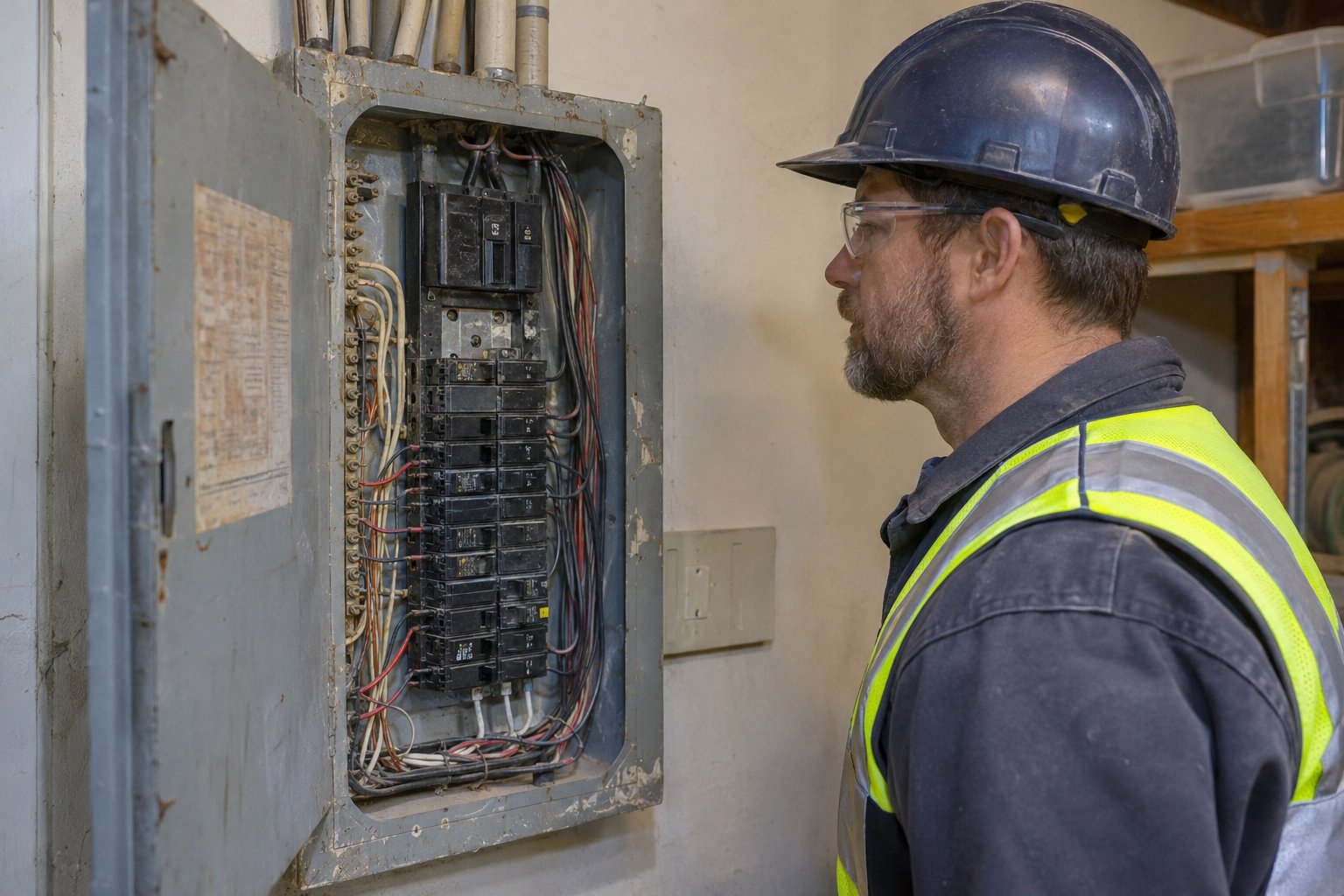
The most urgent deferred-maintenance issues are generally those involving safety, essential functionality, active damage, or conditions likely to deteriorate further without intervention.
Buyers should develop a repair sequence based on consequences, not appearance.
A malfunctioning drainage system that directs water toward a building may deserve attention before worn interior paint. Similarly, an unresolved electrical safety concern should not be postponed simply because a kitchen renovation is more visible.
Not every defect needs immediate replacement. Some problems can be corrected through targeted repairs or ongoing servicing after professional evaluation.
Separate repairs into urgent, near-term, and routine categories. Then determine which items must be resolved before occupancy and which can be budgeted for later.
Calculate How Deferred Maintenance Affects Negotiation and Financing
Deferred maintenance can influence negotiations, but inspection findings do not automatically entitle a buyer to a price reduction or seller-funded repairs.
Buyers may request corrective work, a credit where permitted, or other contractual changes. The seller may accept, decline, or propose alternatives depending on the agreement and circumstances.
Financing and insurance requirements can also affect available options. Certain unresolved property conditions may require correction before a lender or insurer will proceed.
Joesef Jackson helps buyers connect documented maintenance findings with purchase terms, property value, and transaction timelines. The objective is to understand which concerns are negotiable preferences and which could prevent the contemplated purchase from proceeding.
Buyers should confirm how any agreed repairs will be documented, completed, and verified. A repair credit should not be mistaken for evidence that the underlying condition has been corrected.
Decide Whether the Property's Condition Fits the Ownership Plan
The appropriate decision depends on the cumulative maintenance burden, the reliability of available information, and the buyer's financial and practical capacity.
A buyer intending immediate occupancy may have less tolerance for major unfinished repairs than someone prepared to coordinate substantial work. Neither preference is universally correct.
For those considering buying a home in San Luis Obispo County with Joesef Jackson, evaluating maintenance obligations alongside property condition, price, and intended use can clarify which opportunities deserve further consideration.
Before removing applicable contingencies, buyers should understand the significant known problems, remaining uncertainties, expected costs, and responsibilities they would assume.
An informed purchase does not require a maintenance-free property. It requires a realistic understanding of the work involved and an acceptable plan for managing it.
Frequently Asked Questions
What is considered deferred maintenance when buying a home?
Deferred maintenance involves necessary upkeep or repairs that have been postponed. Examples include unresolved leaks, deteriorating exterior materials, neglected equipment servicing, or damaged drainage components. Ordinary age or cosmetic wear alone does not necessarily mean maintenance has been deferred.
Is buying a home with deferred maintenance a bad investment?
Not necessarily. A property requiring repairs may offer acceptable value when the asking price, repair scope, and buyer's resources are appropriately aligned. Significant uncertainty, escalating deterioration, or insufficient financial reserves can make the purchase less suitable.
Can deferred maintenance cause problems with mortgage approval?
Yes. Certain property conditions may affect appraisal requirements, lender eligibility, or insurance availability. Requirements depend on the loan program and particular findings. Buyers should discuss material inspection concerns with their lender before relying on financing approval.
How much should buyers budget for deferred maintenance?
There is no reliable universal percentage. Buyers should obtain property-specific estimates for identified repairs and maintain additional reserves for uncertainty. A detailed repair schedule is more useful than applying a fixed percentage of the purchase price.
Should buyers request that sellers complete deferred repairs?
That depends on the purchase contract, repair significance, timing, and negotiation circumstances. Buyers can consider requesting repairs, permitted credits, or other terms, but should verify any agreed work and understand that seller cooperation is not guaranteed.
Can a home inspection reveal all deferred maintenance?
No. General inspections are usually limited to accessible and observable conditions. Concealed deterioration may require further investigation by qualified specialists. Buyers should understand the inspection's limitations before treating the report as complete verification.
Does deferred maintenance always lower a home's market value?
Not automatically by the full estimated repair cost. The impact depends on buyer demand, repair uncertainty, condition differences, comparable sales, and the property's competitive position. Buyers should avoid assuming a fixed dollar-for-dollar relationship.
What deferred maintenance should be addressed first after closing?
Issues involving safety, active water intrusion, essential services, or continuing deterioration generally deserve priority. A qualified professional should help establish the appropriate sequence based on the property's actual conditions and the potential consequences of delay.
Make Deferred Maintenance Part of the Purchase Decision
Deferred maintenance is most useful to buyers when it is evaluated as a collection of identifiable responsibilities rather than a vague statement that a home needs work. The decision should distinguish cosmetic wear, overdue servicing, active deterioration, and uncertain conditions requiring additional investigation.
A practical approach combines professional findings, repair estimates, contract considerations, and realistic ownership reserves. Buyers who understand the cumulative cost and timing of neglected maintenance can compare properties more accurately and decide whether the remaining obligations fit their plans.
The strongest purchase decision is not necessarily the one involving the newest or most carefully maintained home. It is the one in which the property's condition, price, and required work form a manageable and well-supported ownership proposition.
If you are preparing to buy or sell real estate on the Central Coast and want personalized guidance, contact Joesef Jackson at SLO Life Realty Group.