Insurance review should begin while a buyer still has meaningful purchase decisions to make, not shortly before closing. A property's attractive features, inspection results, and purchase price cannot establish whether an insurer will offer the necessary coverage at an acceptable cost. Buyers need an address-specific assessment of availability, coverage limits, deductibles, exclusions, and conditions that must be satisfied before a policy becomes effective. An informal estimate is useful for planning, but it is not the same as confirmed insurability.
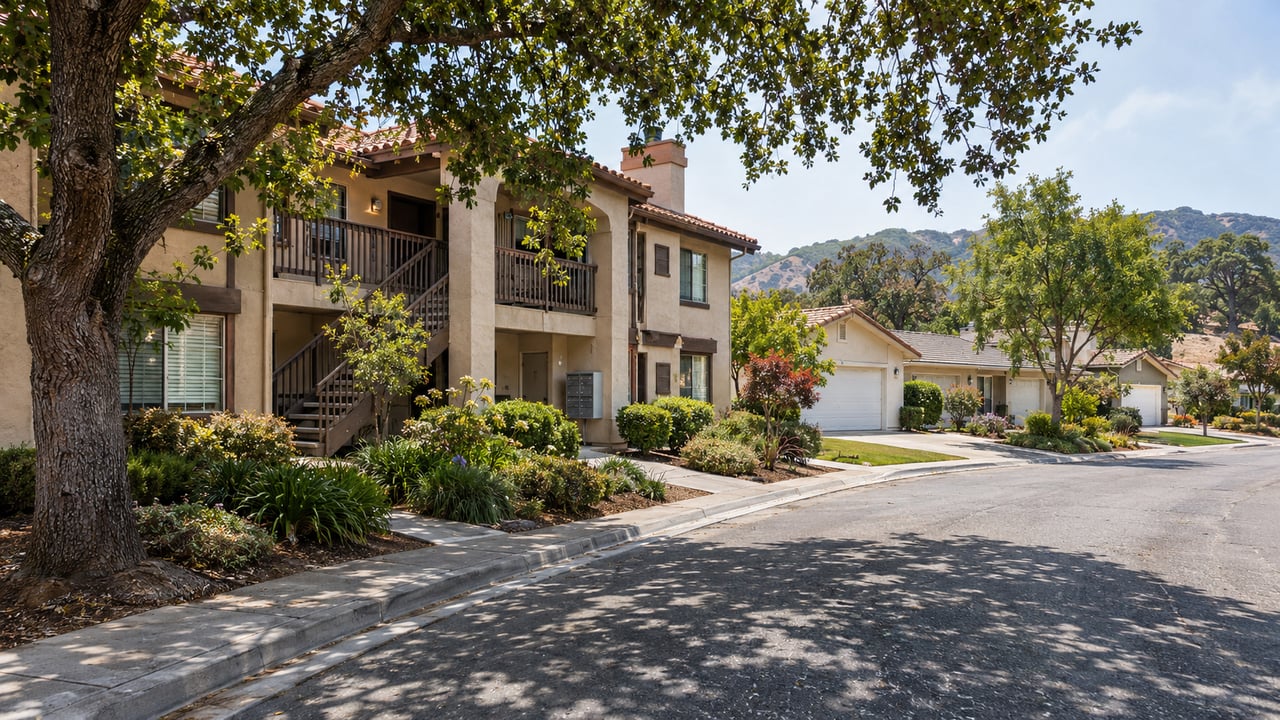
Across San Luis Obispo County, insurers may evaluate a property's construction, location, surrounding vegetation, distance to emergency resources, and claims-related characteristics. A rural residence near Creston can present different underwriting questions from an older home in San Luis Obispo. A coastal property in Cambria or Morro Bay may raise separate concerns about weather exposure and the condition of exterior materials. These differences cannot be reduced to a citywide label: two houses on neighboring streets can receive different offers or requirements.
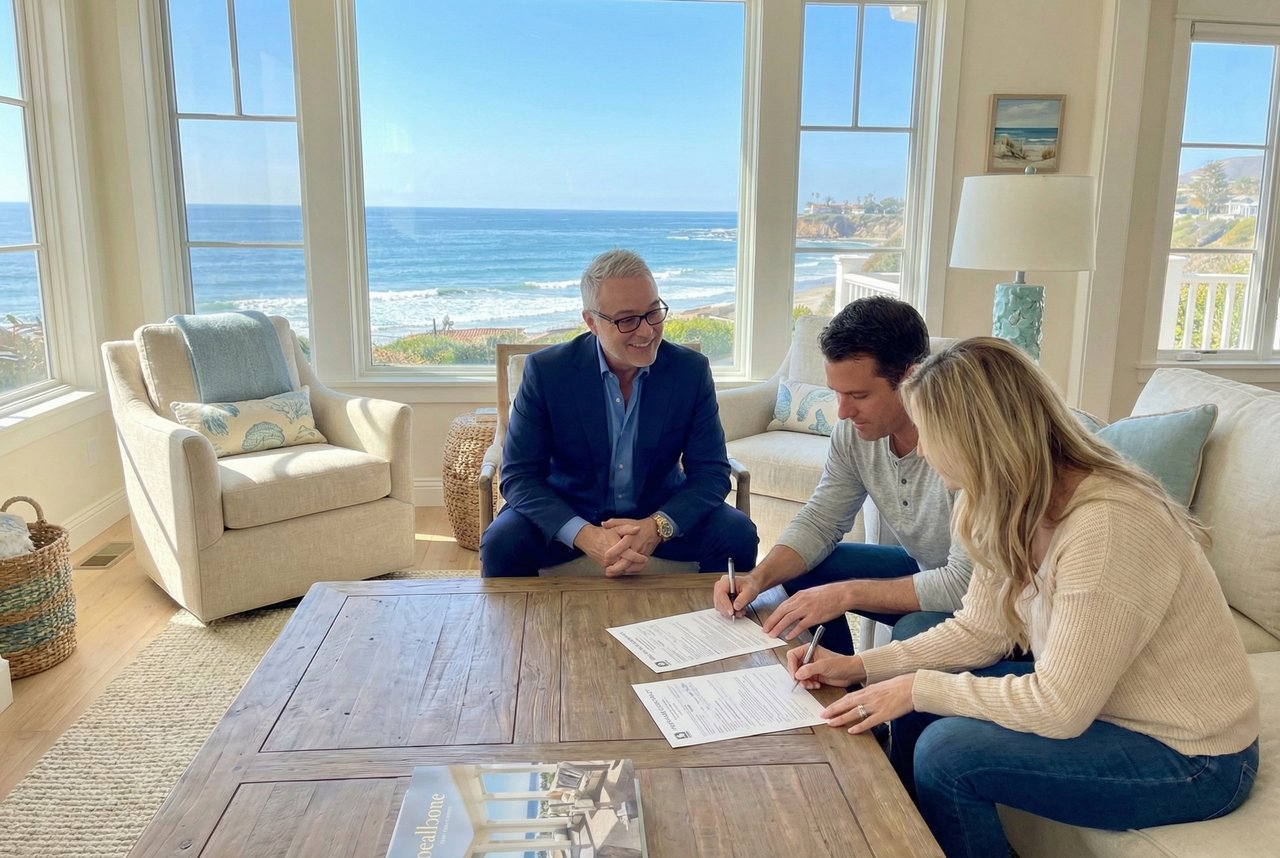
The practical goal is to determine what coverage can actually be obtained, what it protects, what it excludes, and whether its total cost fits the proposed ownership budget. Joesef Jackson of SLO Life Realty Group encourages buyers to treat insurance as an early due-diligence issue alongside financing, condition, and property use. Proper review makes it possible to respond to an unfavorable quote or coverage gap while contractual choices may still be available, rather than assuming a policy will materialize at closing.
Central Coast Neighborhood Video Tour ⬇️
Include Insurance in the Full Purchase Budget
👉 What Costs Buyers Often Overlook on the Central Coast
Insurance cost must be evaluated as a recurring ownership obligation and a possible source of substantial out-of-pocket loss. The advertised premium is only one figure. Buyers should compare the annual premium, payment schedule, deductibles, coverage limits, and exclusions that could shift financial responsibility back to the owner.
A quote for a Nipomo home and one for a Paso Robles property may look similar until deductibles or rebuilding limits are examined. Ask how a deductible applies to specific losses, whether certain risks have separate terms, and how an annual increase would affect payment comfort.
Do not confuse market value with insurance replacement cost. Land value is part of a purchase price but not the cost of reconstructing a damaged building. Obtain a reconstruction estimate appropriate to the dwelling and discuss it with an insurance professional.
Confirm Insurance Requirements With the Mortgage Lender
👉 What Makes a Home Easier to Finance in San Luis Obispo County
Mortgage financing usually depends on acceptable property insurance being effective when the loan closes. Buyers should ask their lender about required coverage, evidence of insurance, policy dates, the named mortgagee, and deadlines for providing documents. A lender's requirements may differ from the buyer's own preferred level of financial protection.
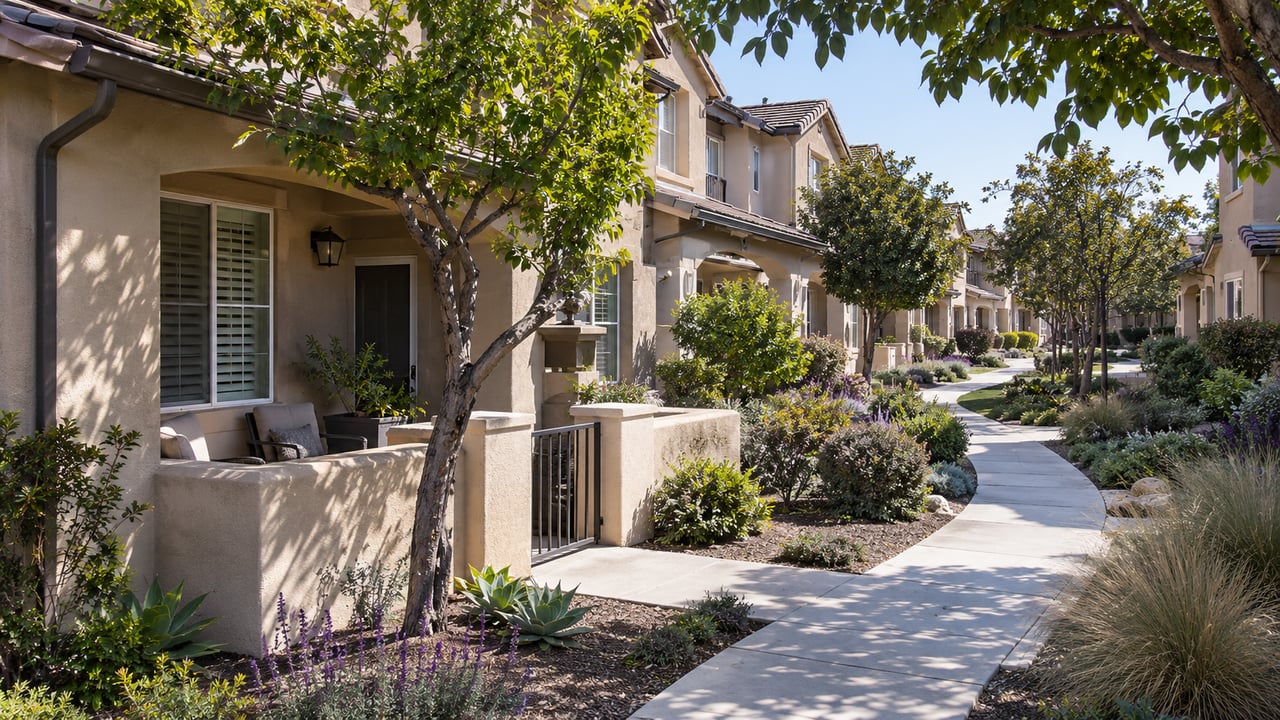
For example, a proposed policy could satisfy one coverage requirement while leaving the owner exposed to risks not included in that policy. Condominium purchases introduce additional questions about the association's master insurance and the coverage the individual buyer needs.
Joesef Jackson's experience coordinating Central Coast purchases since 1994 informs the practical need to address these dependencies early. A verbal statement that a property is insurable should not replace written confirmation that a suitable policy can be bound, with a premium and effective date aligned to the transaction.
Investigate Property-Specific Exposure Rather Than Area Labels
👉 How to Evaluate Location Risk on the Central Coast
Location influences underwriting, but broad labels such as coastal, rural, or hillside do not determine an individual property's policy terms. Insurers may consider wildfire-related factors, building access, distance to services, previous losses, roof condition, and other underwriting criteria. Buyers should determine what specifically affects the address they are purchasing.
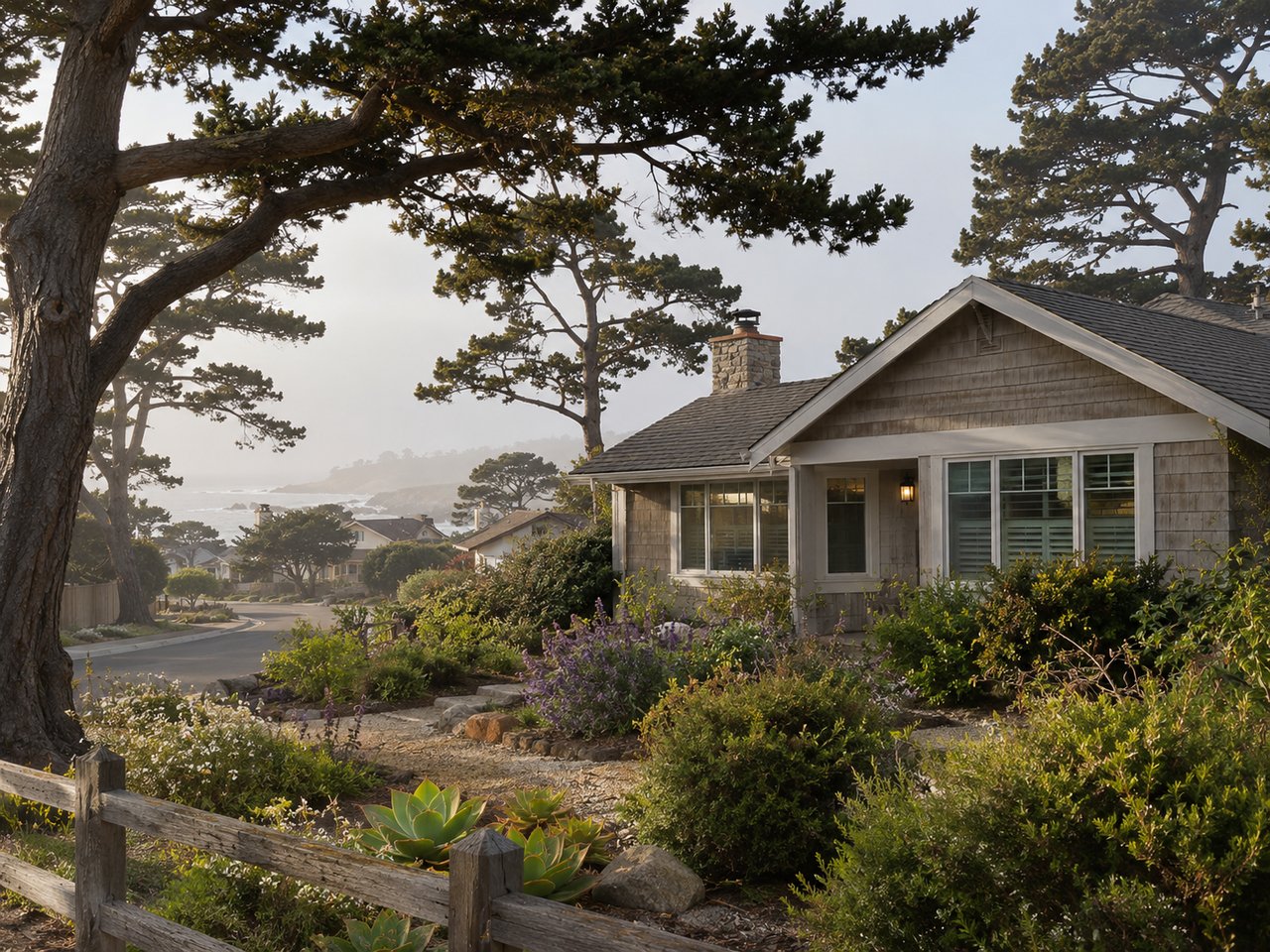
A home outside Atascadero with a long private driveway may require questions about emergency access and vegetation management. A residence in Pismo Beach may warrant review of coastal weather exposure and the condition of windows, roofing, and exterior finishes. The point is not to presume either property has a hazard; it is to identify the questions the insurer will actually ask.
Compare a property's physical characteristics with the application information provided to carriers. Confirm that descriptions of roofing, square footage, additions, occupancy, and construction materials are accurate.
Test Whether Coverage Truly Reduces Financial Risk
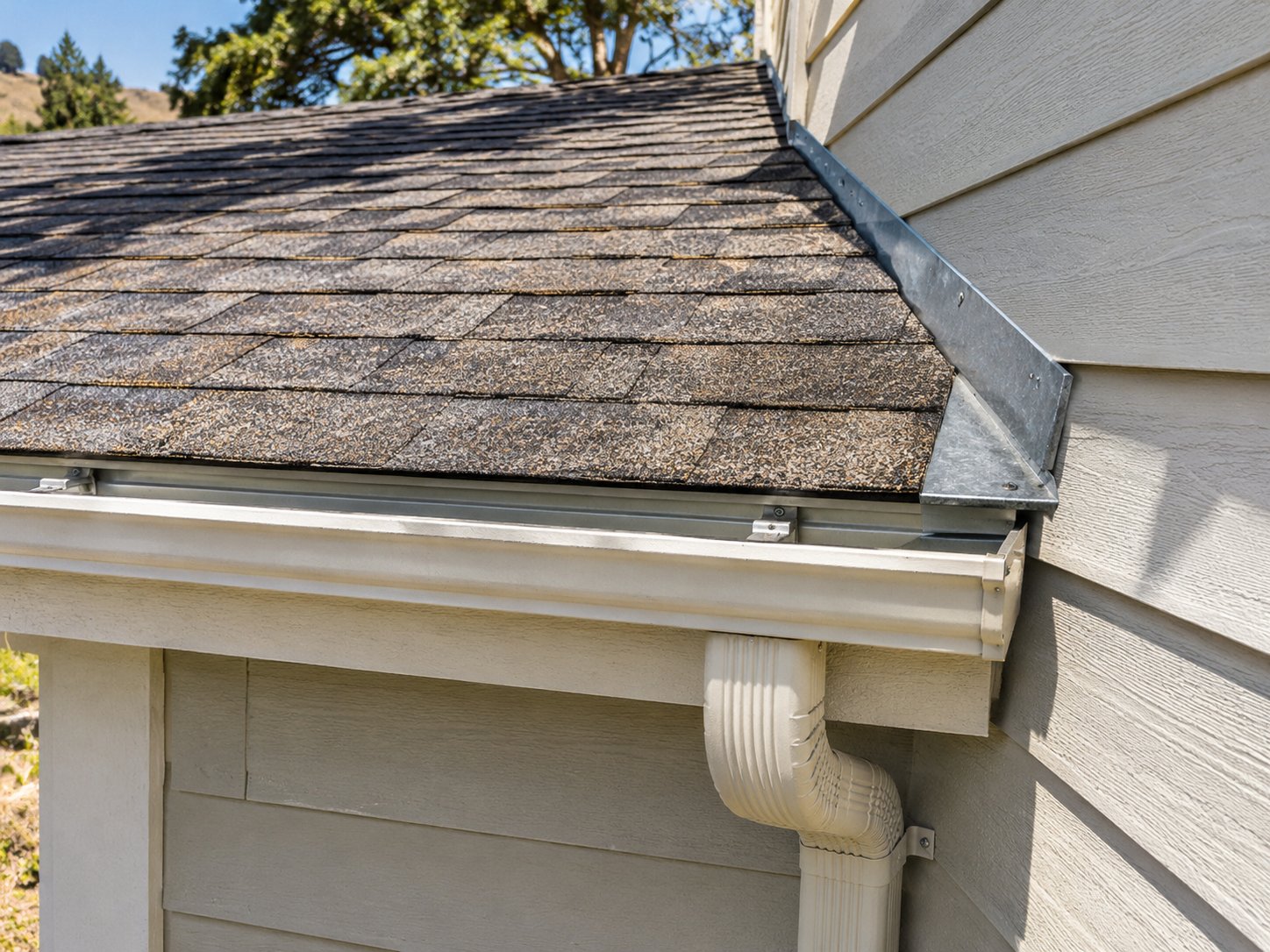
👉 What Makes a Property Low Risk on the Central Coast
Insurance does not eliminate property risk; it transfers defined losses under defined contractual conditions. Buyers should identify the most consequential exposures and then ask whether the proposed policy responds to them. A policy may be available but have exclusions, limited subcoverages, or deductibles that matter greatly to the buyer.
The California Department of Insurance residential insurance consumer guide explains the importance of comparing coverage, conditions, and policy terms rather than price alone. Ask an agent to explain the actual forms and endorsements proposed for the property, including dwelling coverage, personal property, liability, loss of use, and any additional coverages relevant to the home.
A buyer considering a rural Templeton residence should examine the proposed terms for its actual structures and intended uses, not assume every outbuilding or agricultural activity is included.
Consider How Property Age Affects Underwriting
👉 What Buyers Should Know About Property Age in San Luis Obispo County
Age alone does not determine whether a home can be insured, but the condition and documentation of important systems can matter. Buyers should examine roof age and materials, electrical panels, plumbing, heating equipment, prior upgrades, and the maintenance history of exterior components. Some insurers may require photographs, inspections, or corrective work before they will offer or continue coverage.
An older San Luis Obispo bungalow with documented upgrades should not be assessed in the same way as an otherwise similar house with unknown system conditions. Share verified inspection information with a licensed insurance professional and clarify any discrepancies before relying on a premium estimate.
If the carrier imposes a repair condition, establish what must be completed, by whom, and when. Determine whether the seller can address the item before closing or whether the buyer would inherit a deadline and expense.
Review Whether the Policy Supports Long-Term Ownership
👉 What Buyers Should Know About Long-Term Ownership on the Central Coast
The right policy at closing is a starting point, not a permanent guarantee of future prices or availability. Buyers should consider how ownership plans could change: using a residence as a rental, leaving it vacant for extended periods, adding structures, or operating a home-based activity may affect coverage needs and insurer eligibility.
A buyer planning to live in an Arroyo Grande home full time today but rent it later should explain both scenarios to an agent before assuming one policy fits either use. For a condominium, the association's changing insurance arrangements may also influence individual expenses over time.
For buyers weighing buying a home in San Luis Obispo County with Joesef Jackson, understanding insurance responsibilities is one part of evaluating long-term affordability and suitability. The aim is to select a property whose ongoing protection needs are financially and practically realistic.
Examine Replacement Cost, Deductibles, and Exclusions
Three quotes with different premiums are not comparable until their coverage assumptions are aligned. Ask each professional to explain the dwelling limit, valuation method, deductible structure, liability protection, additional living expenses, and relevant endorsements. Investigate whether rebuilding estimates reflect local labor, materials, and the home's actual construction.
Flood and earthquake losses are commonly excluded from standard homeowners coverage and may require separate policies. A buyer near a watercourse in Los Osos or on a hillside elsewhere in the county should not infer coverage from scenery or a general map description. Have the insurer assess the precise address and policy language, and investigate separate protection when warranted.
Keep written quotes and identify which assumptions are provisional. A quote subject to inspection or final underwriting is materially different from a policy ready to be bound.
Prepare a Backup Plan if Standard Coverage Is Difficult to Find
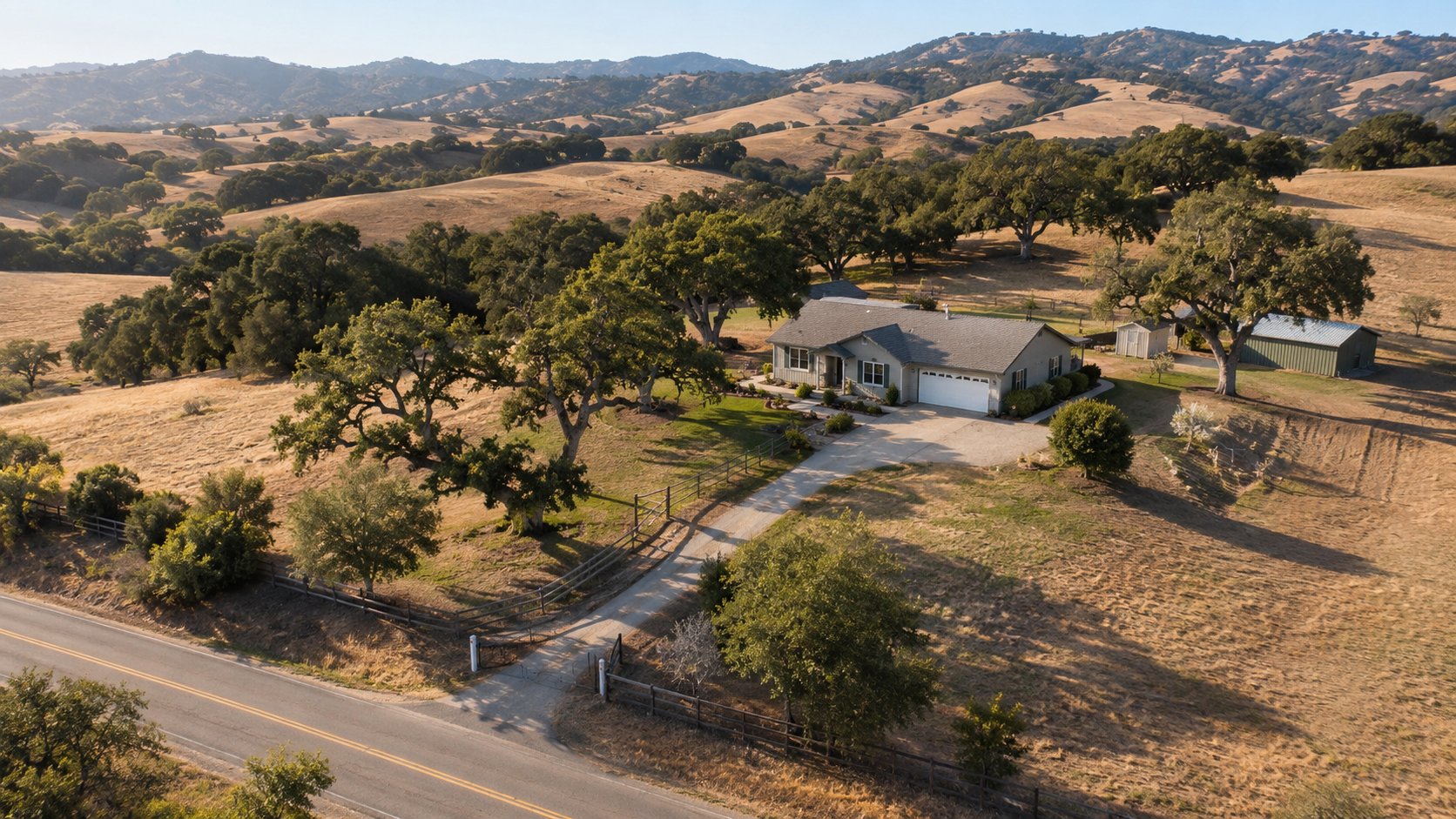
A declined application is a reason to expand the insurance search, not automatically evidence that a home cannot be purchased. Work with licensed agents or brokers who can approach multiple carriers, and document the coverage and cost of alternatives before deciding whether the property remains suitable.
The California Department of Insurance residential insurance shopping resources describe options when standard coverage is difficult to obtain, including the California FAIR Plan as a last-resort source of basic fire coverage. FAIR Plan protection is not equivalent to a comprehensive homeowners policy; buyers may need separate difference-in-conditions protection for other risks, and the complete arrangement must be evaluated with their agent and lender.
If adequate insurance is unavailable or unaffordable, the buyer should evaluate the purchase under the applicable contract terms rather than assume a workaround will be approved.
Connect Physical Condition to Insurance Decisions
Inspection findings become especially consequential when they affect carrier eligibility or the cost of coverage. Buyers should ask whether roof wear, vegetation close to structures, damaged siding, outdated systems, or unresolved water intrusion could trigger underwriting questions.
For a property near Santa Margarita, photographs of roof details, vegetation clearances, and access can help an insurance professional evaluate the actual site. For a coastal residence, clear documentation of exterior maintenance may be more useful than a generic statement that the home is well cared for.
Request clarification about any insurer-required action instead of independently declaring the home compliant. Coordinate findings with qualified contractors, the insurer, and the transaction timeline.
Make the Insurance Decision Before Key Contingencies Expire
Insurance review should produce a practical decision: appropriate coverage is available at an acceptable total cost; additional investigation or changes are required; or the proposed purchase no longer fits the buyer's risk tolerance. Those outcomes should be understood before applicable contingency deadlines whenever possible.
Joesef Jackson approaches this stage of buyer representation by keeping insurance, property findings, financing, and closing requirements connected rather than allowing each issue to be considered separately. A favorable inspection cannot compensate for an unresolved inability to meet insurance requirements.
Retain policy details and clarify when coverage will begin. The best result is an informed purchase decision based on actual terms, not hope that a cheaper or broader policy will appear later.
Frequently Asked Questions
When should a buyer start shopping for homeowners insurance?
Start early in the purchase process, preferably while meaningful contractual options remain. Provide the precise address and available property details, request written quotes, and ask what further underwriting steps are needed. Waiting until the lender requests proof can leave little time to address unexpected conditions.
Does a mortgage lender require homeowners insurance?
Most mortgage lenders require acceptable property insurance for financed purchases. Meeting lender requirements should not replace the buyer's separate evaluation of exclusions and financial protection.
Is wildfire coverage automatically included in California home insurance?
Do not assume so. Review the proposed policy's covered perils and exclusions with the insurer. Availability, fire-related terms, and underwriting requirements can vary by property and carrier. A FAIR Plan policy provides more limited protection than many comprehensive homeowners policies.
Does standard homeowners insurance cover flooding or earthquakes?
Typically these risks require separate coverage. Buyers should determine whether flood or earthquake policies are appropriate for the specific property and obtain applicable quotes. The actual policy documents, not an assumption based on location, govern what is covered.
What if an insurer requests roof repairs before offering coverage?
Ask for the requirement in writing, including deadlines and whether work must be completed before binding or afterward. Obtain qualified repair estimates and coordinate the issue with the seller, lender, and relevant contractual deadlines before deciding how to proceed.
Can an insurance quote change before closing?
Yes. An initial quote may depend on accurate property information, an inspection, or final underwriting approval. Reconfirm premium, deductible, limits, and effective date before relying on the quote.
Is the California FAIR Plan the same as a regular homeowners policy?
No. It provides basic property coverage for specified causes of loss and does not automatically include the broad protections of a typical homeowners policy.
Should insurance premiums affect the price a buyer offers?
Insurance expenses can affect the buyer's total ownership budget and therefore the amount they can comfortably pay. Compare verified premiums and coverage gaps alongside financing, taxes, and maintenance.
Use Insurance Findings to Make a More Defensible Purchase
A useful insurance review ends with documented answers about availability, cost, coverage, underwriting conditions, and the date protection can begin. Buyers should distinguish an inexpensive preliminary quote from a policy that realistically addresses the property's risks and satisfies their financing requirements.
The decision framework is straightforward: verify the address and physical details, compare real policy terms, investigate gaps or required repairs, and test the full cost against the ownership budget. When material questions remain, resolve them within the transaction's applicable timelines. Insurance is not merely a closing requirement; it is evidence of what protecting this specific property will demand over time.
If you are preparing to buy or sell real estate on the Central Coast and want personalized guidance, contact Joesef Jackson at SLO Life Realty Group.