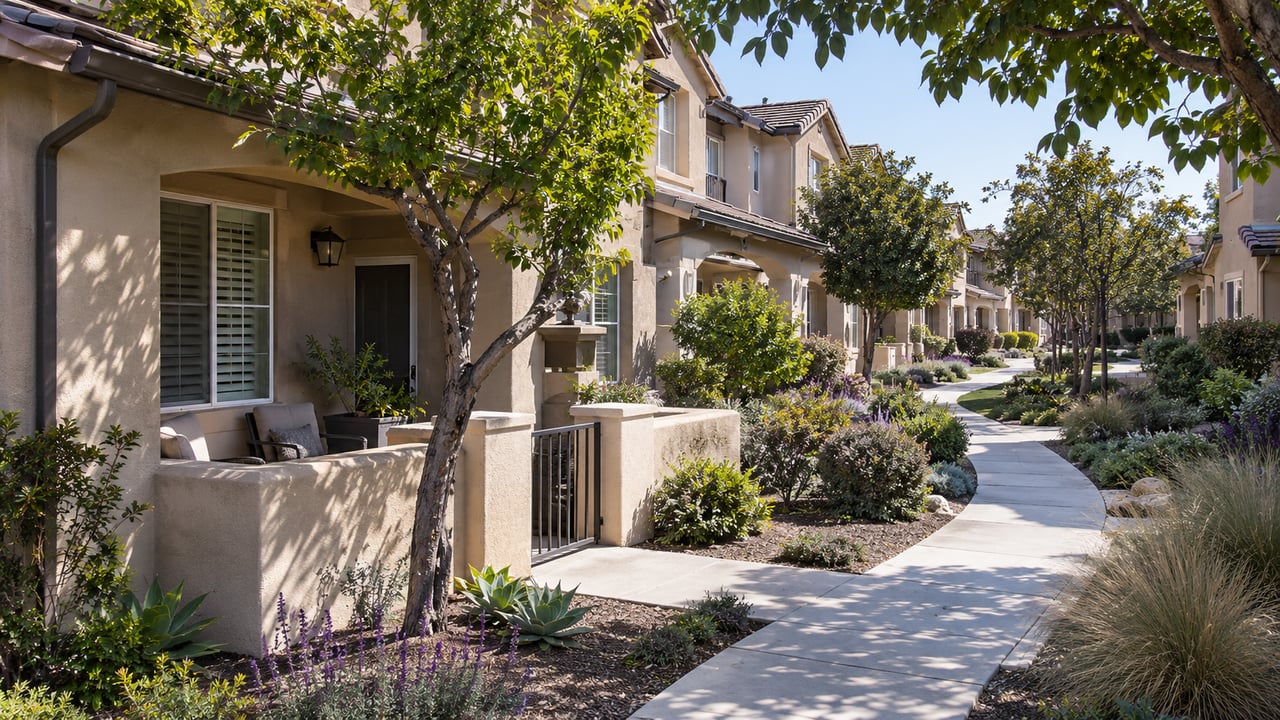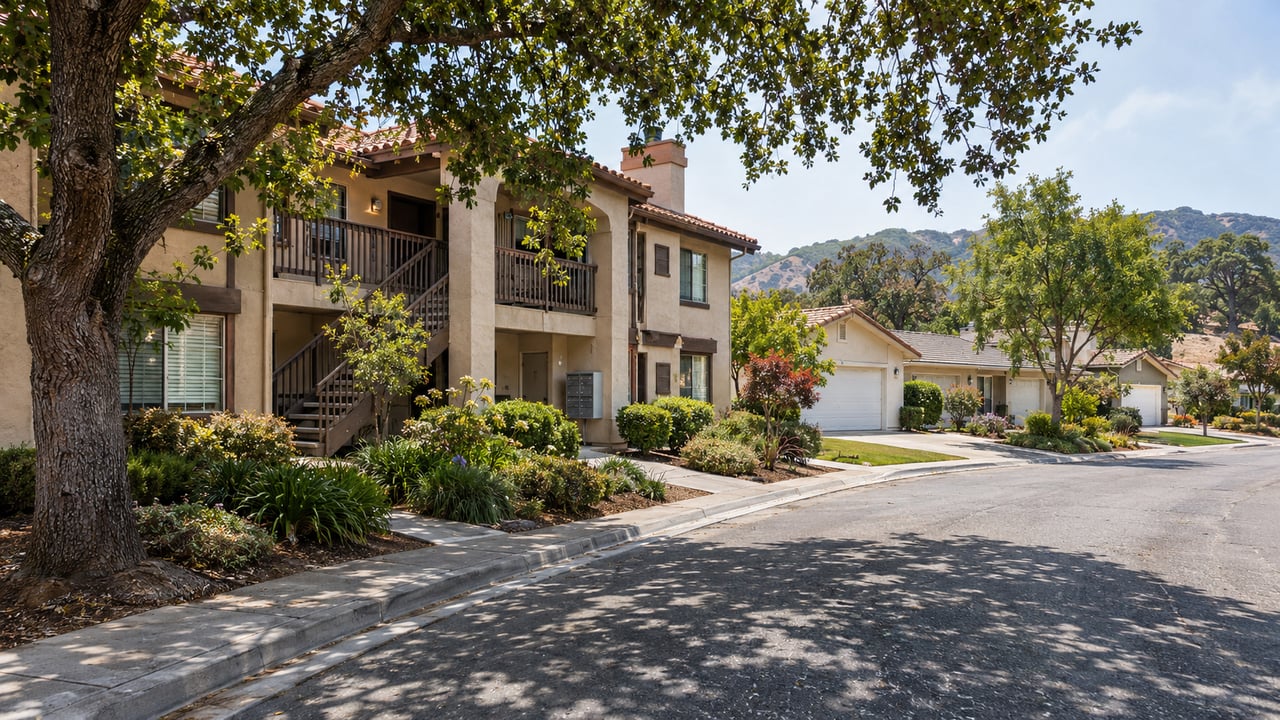
A condominium and a single-family home can deliver very different ownership experiences, even when their prices, floor plans, and locations appear comparable. The most important distinction is not simply whether residences share a wall. Buyers must examine what they legally own, who maintains each part of the property, how shared expenses are funded, and how much control they have over future improvements. A condominium can provide convenient shared maintenance, while a detached residence may offer more direct responsibility and flexibility. Neither arrangement is automatically less expensive or easier to own.
In San Luis Obispo County, buyers may compare coastal condominiums in Pismo Beach or Morro Bay with detached homes in Arroyo Grande, Nipomo, or San Luis Obispo. Those choices involve more than architecture. Ocean exposure, parking arrangements, outdoor space, building age, insurance requirements, and association obligations can alter both monthly costs and long-term risk. Some detached homes also belong to homeowners associations, and some condominium units are detached structures. The recorded ownership form, rather than appearance alone, determines which questions require attention.
A sound comparison evaluates the property's legal structure, complete ownership budget, physical usability, maintenance obligations, financing, and resale flexibility together. Joesef Jackson of SLO Life Realty Group helps Central Coast buyers distinguish visible features from the less obvious responsibilities that accompany them. The goal is not to declare one property type universally preferable. It is to determine which ownership arrangement supports the buyer's intended use, financial comfort, and willingness to manage repairs over time.
Central Coast Neighborhood Video Tour ⬇️
Compare Parking Rights and Everyday Access
👉 What Buyers Should Know About Parking and Access in San Luis Obispo County
Parking may appear straightforward during a showing but operate differently under each ownership structure. A detached home might have its own driveway and garage, yet a planned development can still impose parking restrictions. A condominium may provide a deeded space, an assigned space within common property, or parking subject to changing association procedures. These arrangements are not interchangeable.
Confirm how many spaces transfer with the purchase, whether guest parking is available, and who controls repairs to access surfaces. For a Morro Bay condominium, narrow circulation areas or assigned parking could affect daily use more than the interior floor plan. A detached home in Atascadero may provide greater driveway flexibility but place paving and drainage maintenance on the owner.
Buyers should assess access based on their actual vehicles, mobility needs, deliveries, and household schedules rather than an advertised parking count alone.
Compare Holding Costs Instead of Looking Only at HOA Dues
👉 How to Evaluate Holding Costs on the Central Coast
A fair ownership comparison includes all recurring and foreseeable expenses, not merely mortgage payments plus association dues. Condominium assessments may support shared insurance, landscaping, exterior work, or common utilities, depending on the documents. A single-family owner may pay for equivalent services directly and irregularly, rather than through a predictable monthly assessment.
Ask which costs the association covers, which remain individual obligations, and what major repairs are expected. Shared expenses can rise, and special assessments may create significant additional payments. Detached-home owners face their own unexpected roof, drainage, plumbing, and exterior costs without necessarily sharing them across neighbors.
A coastal unit in Pismo Beach may have building maintenance considerations different from a detached residence in Paso Robles, but neither category guarantees cheaper upkeep. Compare realistic multiyear ownership scenarios, including taxes, insurance, utilities, routine maintenance, reserves, and possible capital projects.
Decide Which Layout and Space Rights Actually Work
👉 What Buyers Should Know About Functional Layout in San Luis Obispo County
The usefulness of a residence depends on both its interior arrangement and the legal rights attached to adjacent space. A condominium may have an appealing patio or balcony that is designated exclusive-use common area rather than individually owned land. A detached home may include a private yard but require substantial maintenance and equipment storage.
Compare stairs, entrances, noise separation, storage, outdoor access, and the ability to accommodate work or guests. A compact condominium in downtown San Luis Obispo might offer convenient access to services but limited storage. A single-family home in Templeton might provide flexible outdoor space while demanding more time for grounds maintenance.
Review plans and governing documents to learn who controls balconies, exterior walls, windows, shared roofs, and patios. The California Department of Real Estate guide to residential subdivisions and common-area ownership explains important distinctions among separate interests, common areas, and exclusive-use common areas.
Evaluate Resale Value Through the Likely Buyer Pool
👉 What Buyers Should Know About Resale Value in San Luis Obispo County
Resale potential depends on the condition, location, price, and marketability of a specific property, not an assumption that single-family homes always outperform condominiums. Buyers should compare relevant sales within each property category and examine who may reasonably purchase the home in the future.
Some buyers prioritize independent outdoor space and control over improvements. Others value lower direct maintenance demands, a compact footprint, or proximity to amenities. A well-located condominium can meet an established market need, while a detached home with substantial deferred maintenance may appeal to fewer purchasers at a given price.
Joesef Jackson draws on more than 30 years of local representation when assessing how a property's usable features and ownership obligations affect its competitive position. Review marketing periods, comparable condition, association assessments, and any financing obstacles that may narrow future demand.
For personalized guidance when comparing condominium and single-family ownership, explore buying a home in San Luis Obispo County with Joesef Jackson.
Calculate Monthly Comfort With Different Expense Structures
👉 How Buyers Should Evaluate Total Monthly Cost on the Central Coast
The relevant affordability question is what the buyer can comfortably sustain after all housing costs are considered. A condominium with a lower purchase price may carry substantial regular assessments. A detached residence without an HOA may have lower fixed association charges but require a dedicated reserve for repairs that occur irregularly.
Compare principal and interest, property taxes, association dues, homeowner insurance, utilities, and an allowance for maintenance. When assessing a condominium, confirm what the association's master insurance covers and whether the owner's separate policy must insure interior components or improvements. For a detached residence, obtain insurance information reflecting its actual construction, location, and exposure.
In Arroyo Grande, two homes with similar advertised prices may produce meaningfully different monthly obligations because one includes shared building expenses.
Prepare for Future Repairs Under Each Ownership Model
👉 How to Think About Future Repairs Before Buying on the Central Coast
The crucial difference in repair risk is often who makes the decision, who arranges the work, and who ultimately pays. A single-family homeowner generally directs repairs to individually owned components, subject to permits and applicable restrictions. Condominium owners may depend on association decisions for shared elements, while remaining individually responsible for certain interiors or systems.
Review inspection findings alongside maintenance allocations. Ask which party handles a leaking roof, damaged exterior siding, window replacement, plumbing lines, or balcony repairs. For condominiums, read available financial statements, reserve information, and meeting records for signs of upcoming projects. For detached homes, obtain realistic estimates for significant components nearing the end of useful life.
The better comparison examines both repair probability and decision-making control. Buyers should know whether they would fund and schedule work themselves or participate in a collective process with assessments and timelines they cannot fully control.
Verify Financing and Insurance Before Comparing Offers
Condominium financing may involve review of the entire project, not only the individual unit and buyer. Lenders may investigate project insurance, physical condition, litigation, and other eligibility requirements. A detached single-family loan also has property and insurance standards, but generally does not require the same condominium project review.
The Fannie Mae guidance on condominium project eligibility identifies issues that can affect financing, including inadequate project insurance and critical deferred repairs. Buyers should ask lenders about project requirements early, especially before removing financing contingencies.
Insurance comparisons also require care. A condominium owner's policy and an association master policy may cover different property interests. A detached homeowner typically insures the building directly, but policy terms and exclusions still require review. Obtain property-specific quotes and lender guidance rather than assuming that association dues settle every coverage question.
Compare Control Over Improvements and Outdoor Areas
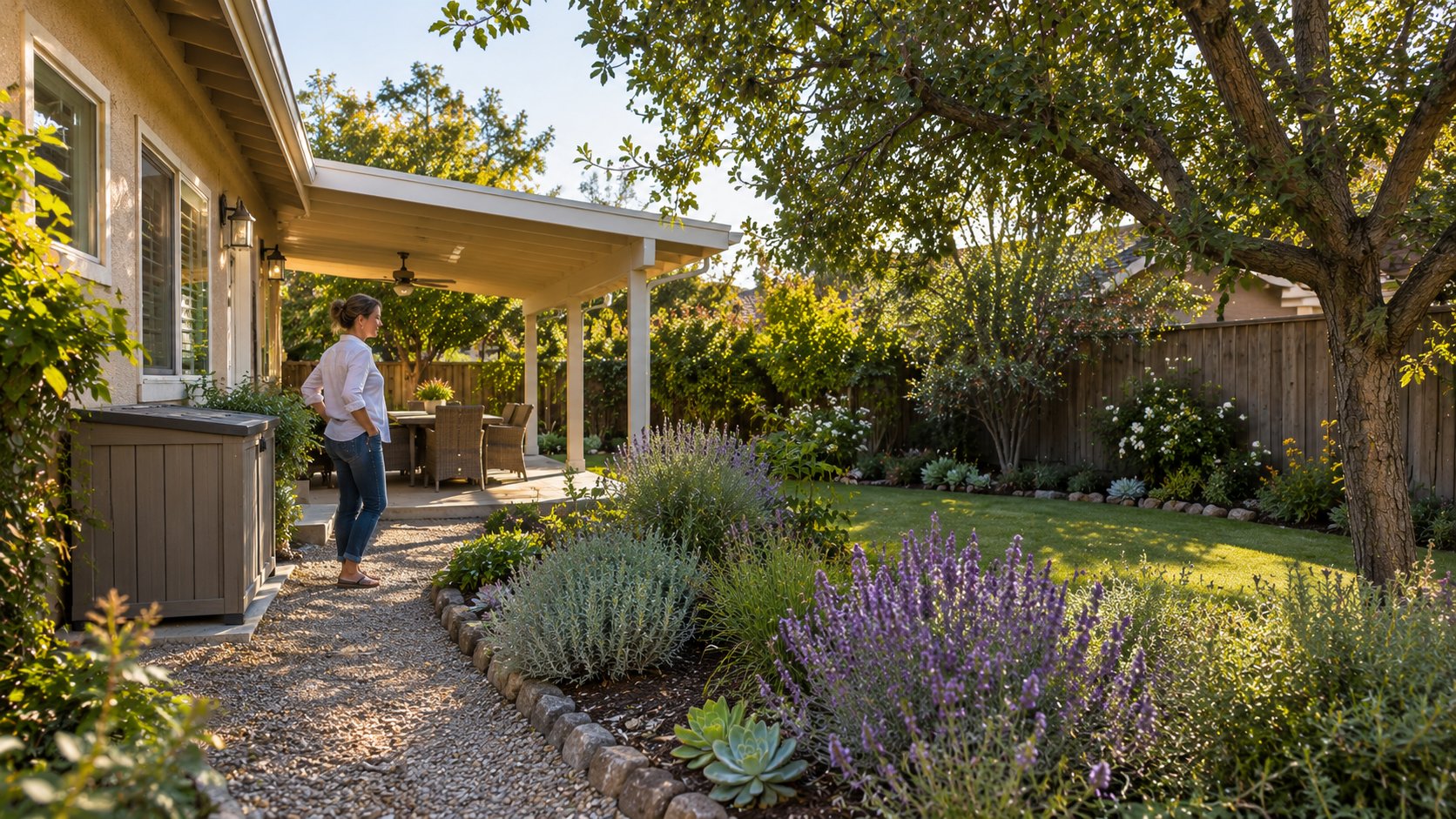
Ownership flexibility is not simply a condo-versus-house label. In a condominium, modifying exterior features may require association approval because those features can be common or exclusive-use common area. In a detached planned development, architectural rules may also restrict paint, fences, additions, or landscaping. Zoning, permits, and building standards apply independently in either case.
Buyers planning solar equipment, accessibility improvements, fencing, an accessory structure, or substantial remodeling should check what they own and what approvals are needed. A Nipomo detached property with usable yard space may offer more physical possibilities than a small condo courtyard, yet legal permission cannot be inferred from available space alone.
Distinguish an improvement that is presently permitted from one requiring discretionary review. Obtain written information for any proposed work central to the purchase decision.
Weigh Privacy Against Shared-Maintenance Convenience
Condominiums and detached homes can differ in sound separation, entry circulation, shared facilities, and maintenance coordination. Still, an upstairs neighbor, shared wall, or communal walkway does not automatically make a condominium unsuitable. Similarly, a detached house does not guarantee silence, privacy, or freedom from nearby activity.
Evaluate real construction, window placement, outdoor separation, and common-area usage. Visit at appropriate times when possible. A Grover Beach condominium with thoughtful separation may provide a comfortable layout, while a detached home near a busy road may present different privacy concerns.
The practical balance is how much independence the buyer wants relative to the convenience of coordinated shared services.
Make the Choice Using a Consistent Ownership Test
A useful comparison holds each property to the same questions: What exactly transfers at closing? Which spaces can the owner control? What expenses recur? Who decides when repairs happen? Are financing and insurance feasible? How suitable is the home for the likely duration of ownership?
Compare a condominium and detached home with similarly realistic estimates rather than giving one category the benefit of optimistic assumptions. Joesef Jackson helps buyers on the Central Coast examine those differences alongside neighborhood access, property condition, and purchase terms.
The preferred choice should meet essential daily needs, remain financially manageable, and expose the owner to responsibilities they understand.
Frequently Asked Questions
Is a condominium always cheaper than a single-family home?
No. Purchase prices can differ, but total cost includes association assessments, insurance, taxes, maintenance, and possible special assessments. A detached home may cost more initially yet have different recurring costs. Compare specific properties rather than broad categories.
Can a detached single-family house have an HOA?
Yes. Many detached houses are located in planned developments with associations. The architectural style does not establish whether there are common areas, dues, or governing rules. Review the title information and association documents.
Does buying a condo mean I do not own the land?
Condominium ownership generally involves an individually owned unit and an associated interest in common property. Exact legal boundaries depend on the condominium plan and declaration. Review those documents rather than assuming all patios, yards, or parking spaces are individually owned.
Who pays when a condo building needs a new roof?
Responsibility depends on governing documents and applicable law. Shared roof projects may be funded through association reserves or assessments, while certain components can remain individual obligations. Review maintenance allocations and current project finances before buying.
Is condominium financing harder to obtain?
It can involve additional project-level review. Lenders may evaluate insurance, major repairs, litigation, and project eligibility. Approval depends on the financing program and specific condominium, so discuss requirements with the lender early.
Which property type gives more freedom to remodel?
Detached homes often provide more direct control over individually owned exteriors and land, but HOA restrictions, permits, and zoning may still apply. Condo owners may face approvals for shared components. Verify proposed improvements property by property.
Do condominium fees include homeowners insurance?
Association fees may fund a master insurance policy, but that policy does not necessarily protect all belongings, interiors, or personal liabilities. Buyers usually need to determine appropriate individual coverage with an insurance professional and lender.
Which is better for long-term resale on the Central Coast?
Neither category is automatically superior. Resale depends on location, condition, affordability, buyer demand, shared financial obligations, and available financing. Examine relevant comparable sales and the property's specific characteristics instead of assuming a universal premium.
Choose the Ownership Responsibilities That Fit Your Plans
Condo-versus-single-family decisions become clearer when buyers stop comparing labels and begin comparing legal interests, control, recurring costs, repair exposure, and likely daily use. A condominium can be an excellent fit when shared obligations match the owner's preferences and finances. A detached residence can be preferable when additional independence and direct control justify its responsibilities.
Before deciding, verify the ownership documents, obtain realistic insurance and financing information, examine anticipated repairs, and compare the full cost of each alternative. The stronger purchase is the property whose rights and responsibilities remain acceptable after those questions have been answered.
If you are preparing to buy or sell real estate on the Central Coast and want personalized guidance, contact Joesef Jackson at SLO Life Realty Group.