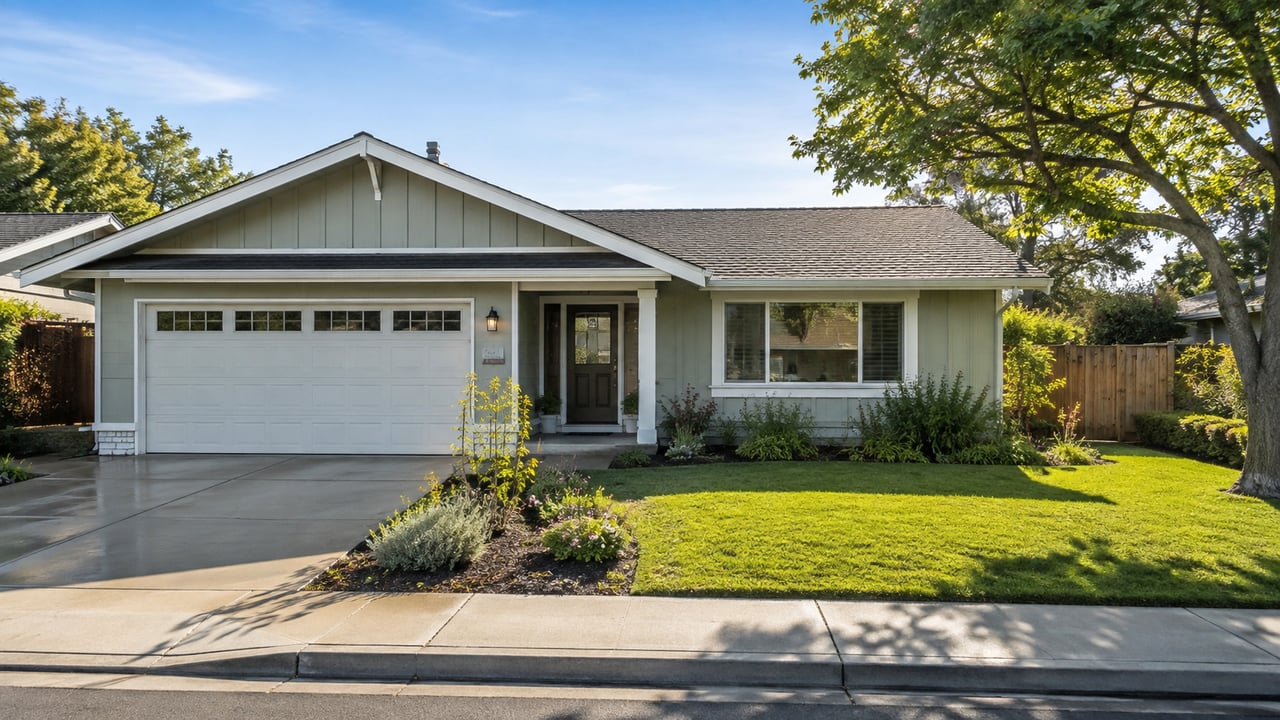
Resale value matters because the home a buyer chooses today may eventually need to appeal to someone else. Even when the plan is to own a property for many years, circumstances can change. Work, family, retirement, finances, or lifestyle priorities may eventually create a reason to sell.
The strongest resale potential generally comes from a combination of location, functional layout, property condition, usable space, appropriate improvements, and features that appeal to a reasonably broad group of future buyers. No single characteristic guarantees appreciation or a particular future sale price.
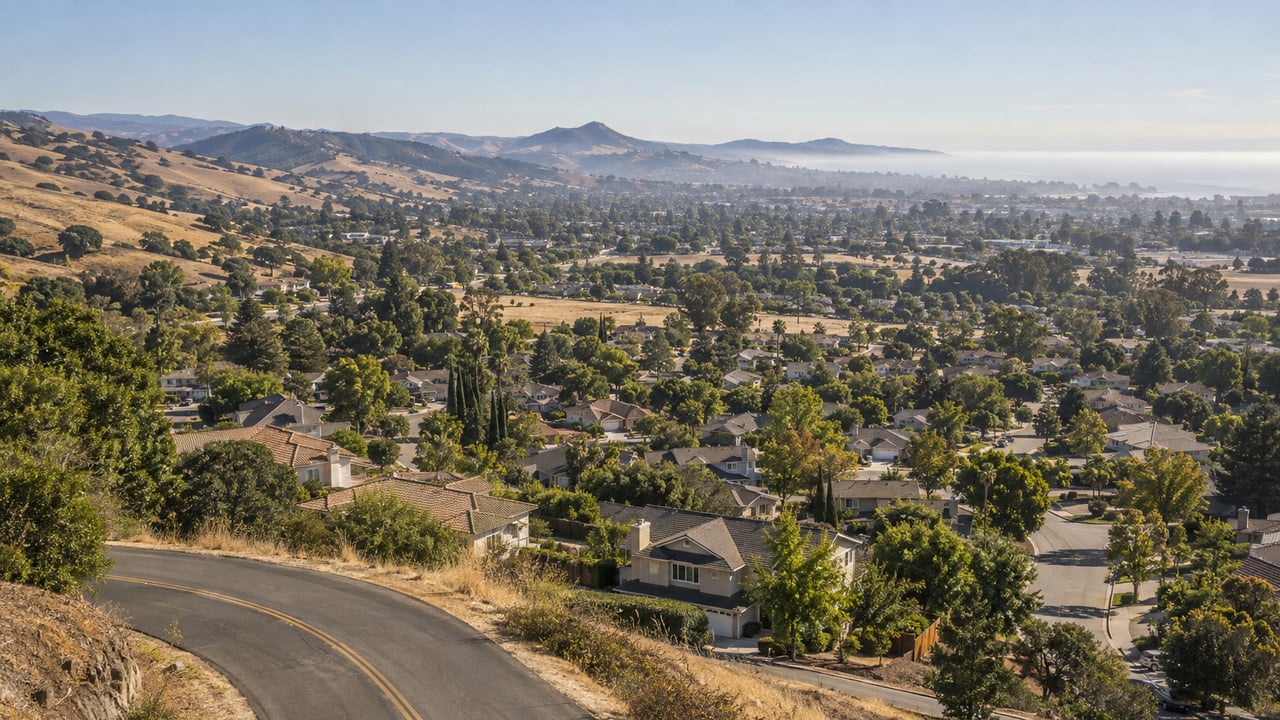
San Luis Obispo County also contains very different housing markets. A downtown San Luis Obispo residence, coastal home in Pismo Beach, family property in Arroyo Grande, rural home near Paso Robles, and condominium in Grover Beach will not be evaluated by future buyers in exactly the same way. Resale should always be considered within the property’s specific community, price range, and buyer pool.
Buyers do not need to choose a generic home simply because it may be easier to sell later. Distinctive properties can retain strong appeal when their location, design, land, views, or architecture provide qualities buyers continue to value. The objective is to understand which characteristics are likely to remain useful and desirable beyond the current purchase.
Central Coast Neighborhood Video Tour ⬇️
Improvements Should Add Function as Well as Appearance
Renovations can contribute to resale value, but buyers should distinguish between improvements that make a property more functional and improvements based primarily on personal taste.
Updated kitchens and bathrooms often attract attention because buyers use those spaces every day. Improvements to roofing, electrical systems, plumbing, windows, drainage, heating, cooling, and other major components may be less visually dramatic but can reduce future ownership concerns.
👉 What Home Improvements Add the Most Resale Value in San Luis Obispo County?
The amount spent on an improvement does not automatically equal the amount added to resale value. A highly customized renovation may be expensive while appealing to only a narrow group of future buyers. More durable improvements often support the property’s overall function, condition, and usability.
Buyers should also examine the quality of existing renovations. Materials, workmanship, permits when applicable, and how well the improvement integrates with the original home can affect future perception. A thoughtfully renovated older residence may have stronger resale appeal than a property where cosmetic updates were completed without addressing important underlying systems.
After more than 30 years in real estate, Joesef Jackson has found that lasting improvements usually strengthen something buyers consistently recognize: functionality, condition, usable space, energy performance, storage, indoor-outdoor connection, or maintenance.
Location Remains One of the Hardest Characteristics to Change
Interior finishes can be replaced. A buyer cannot relocate the lot, change the surrounding street, or move the property closer to employment, schools, downtown, recreation, or the coast.
👉 Buying a Home in San Luis Obispo County: How Location Impacts Price and Lifestyle
For resale, location should be evaluated according to how future buyers are likely to use it. Access, traffic, parking, noise, neighborhood character, commute patterns, nearby services, and proximity to recreation can all influence demand.
A smaller San Luis Obispo home may retain strong appeal because buyers value walkability and access to downtown. A Pismo Beach property may attract buyers because of coastal proximity and lifestyle. Arroyo Grande may appeal to buyers looking for established residential neighborhoods and access throughout South County. Paso Robles and Templeton can attract purchasers seeking additional land, privacy, or wine-country living.
The strongest location is not necessarily the most expensive one. It is a location with identifiable advantages that are likely to remain useful to future buyers.
Neighborhood Characteristics Influence Future Buyer Demand
Buyers should examine the neighborhood with the same care they give the property itself. The resale market eventually includes both.
👉 How to Evaluate Neighborhoods in San Luis Obispo County
Street condition, parking, traffic patterns, surrounding property maintenance, access, neighborhood layout, nearby development, and land uses can affect how buyers perceive a home years later.
A property on a quiet interior street may appeal differently than an otherwise similar home on a heavily traveled road. A condominium near downtown may benefit from walkability while providing less private outdoor space. A coastal home may gain substantial value from views and beach access while requiring buyers to accept seasonal visitor activity or additional exterior maintenance.
Neighborhood preferences also change among buyers. Families, retirees, professionals, Cal Poly parents, second-home owners, and investors may prioritize different qualities. Resale potential is generally stronger when a property has characteristics that make sense to more than one likely buyer group.
The County of San Luis Obispo provides planning and land-use information that buyers can review when researching properties, zoning, development considerations, and surrounding areas.
Broad Buyer Appeal Can Matter More Than Current Trends
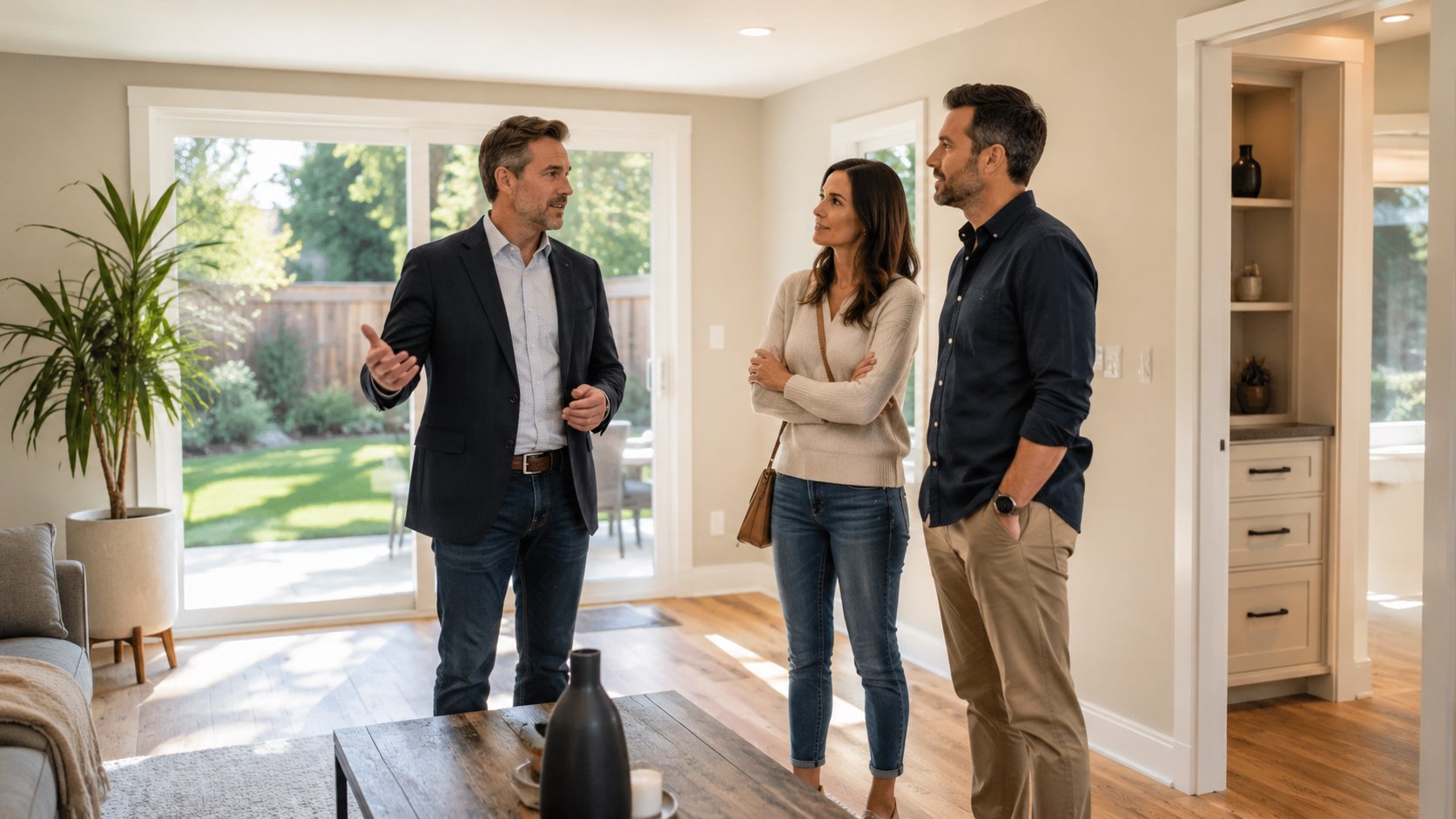
Buyer preferences evolve, but some property qualities remain consistently useful. Functional floor plans, adequate parking, natural light, usable storage, reasonable maintenance, and practical indoor-outdoor relationships tend to matter across different market cycles.
👉 What Buyers Look for Most in Central Coast Homes Right Now
Current preferences can provide useful context, but buyers should be cautious about purchasing solely around a design trend. Decorative finishes that appear highly desirable today can change relatively quickly. Permanent property characteristics usually deserve more weight.
A home does not need to appeal to everyone. It should simply avoid unnecessary limitations when resale matters to the buyer. A highly unusual floor plan, extremely specialized improvement, limited parking arrangement, or difficult access may reduce the future audience even when the present buyer accepts those conditions.
With more than 2,130 career transactions, Joesef has seen that properties with practical fundamentals often remain easier for future buyers to understand. Buyers may change their preferred colors, materials, and design styles, but they still need rooms that function and locations that support daily life.
Existing Improvements Need to Be Evaluated Before Purchase
A remodeled property can offer convenience, but buyers should understand what was improved and whether the work is likely to support value over time.
👉 How to Evaluate Property Improvements Before Buying on the Central Coast
A new kitchen may be attractive, but buyers should also review electrical capacity, plumbing, ventilation, cabinet quality, appliance installation, and the relationship between the remodel and the rest of the house. An added room may provide valuable space, but buyers should understand how it was constructed and whether available records support the improvement.
Future buyers may ask many of the same questions. Work that is documented, functional, and consistent with the home is generally easier to explain during resale than improvements whose origin or quality is uncertain.
The California Department of Real Estate publishes consumer information concerning disclosures and other aspects of California residential transactions.
Value Should Be Compared Within the Right Community
Resale value cannot be evaluated using countywide averages alone. Buyers need to understand what similar properties compete with in their particular market segment.
👉 How to Compare Value Across San Luis Obispo County Communities
A buyer may receive more square footage in Atascadero than in San Luis Obispo at the same general price. A coastal buyer may accept less space in exchange for proximity to the ocean. A Nipomo property may provide newer construction and planned-community amenities while a Morro Bay home offers coastal character and access.
These differences matter because future buyers will make similar comparisons.
The question is not whether one community will appreciate more than another. That cannot be guaranteed. The more useful question is whether the property offers characteristics that buyers in that community regularly value and whether the purchase price appropriately reflects them.
A strong resale property should make sense within its local competitive set. Buyers should understand what similar money buys nearby and what advantages the property offers in exchange for any limitations.
Functional Layout Can Preserve Appeal as Lifestyles Change
A home’s square footage matters less when the layout does not use that space effectively.
Future buyers may need home offices, guest rooms, storage, flexible living areas, accessible bedrooms, or space for multigenerational living. A floor plan that allows rooms to serve more than one purpose can remain useful even as household needs change.
Bedroom placement also matters. A primary suite located near other bedrooms may work well for some households, while greater separation may appeal to others. A ground-floor bedroom can expand the potential audience by supporting guests, aging owners, or buyers who prefer fewer stairs.
Poor circulation can be harder to correct. Narrow transitions, rooms that must be crossed to reach other rooms, limited natural light, inadequate storage, or additions that disrupt the original layout may reduce usability.
Joesef’s experience with more than $1.81 billion in career sales volume has reinforced that buyers frequently respond to how a home lives rather than simply how large it is. Functional square footage generally carries more lasting value than space that exists primarily on paper.
Parking, Storage, and Outdoor Space Have Practical Resale Value
Some of the strongest resale characteristics are not glamorous. Parking, storage, garages, usable yards, and practical outdoor areas affect daily ownership.
Parking can be particularly important in areas where street space is limited or where neighborhoods experience visitor, university, or coastal activity. A garage that accommodates vehicles and storage can provide meaningful utility.
Outdoor space should also be evaluated according to usefulness rather than size alone. A modest level backyard may have broader appeal than a larger but steep or difficult-to-maintain lot. Patios, decks, covered areas, privacy, and direct access from interior living spaces can improve how the property functions.
The same principle applies to storage. Buyers accumulate equipment, bicycles, surfboards, tools, seasonal items, recreational gear, and household belongings. Adequate closets, garages, sheds, and utility areas can influence how comfortable a home feels over time.
These qualities are difficult to showcase through a simple bedroom-and-bathroom count, yet they often become meaningful when buyers compare several properties.
Ownership Costs Can Influence Future Marketability
Future buyers will evaluate not only purchase price but also what the property costs to own.
Insurance, property taxes, association dues, utilities, landscaping, maintenance, private roads, wells, septic systems, pools, and specialized structures can all affect affordability.
A property with higher operating costs may still have strong resale appeal when those costs accompany valued features such as acreage, privacy, coastal location, or community amenities. Buyers simply need to understand the relationship between the benefit and the obligation.
Association dues deserve particular attention. A condominium may provide exterior maintenance and shared amenities that appeal to buyers seeking a simpler ownership structure. Another purchaser may prefer a detached property with greater control and no association restrictions.
Resale potential can be reduced when ownership obligations are difficult for buyers to understand or substantially out of proportion with competing properties. Buyers should investigate these costs before purchase rather than assuming future demand will overcome them.
Unique Properties Can Still Have Strong Resale Potential
Broad appeal is useful, but buyers should not assume that unusual homes are automatically poor resale choices.
Architectural residences, vineyard properties, coastal homes, historic houses, equestrian properties, and private estates may have smaller buyer pools while offering characteristics that are difficult to reproduce.
Scarcity can support future demand when the feature is genuinely desirable. Ocean views, protected privacy, architectural integrity, usable acreage, guest accommodations, or an exceptional location may create value precisely because relatively few properties provide them.
The trade-off is that specialized homes can require more time to connect with the right buyer. A highly distinctive property may not sell as quickly as a conventional home even when its value is well supported.
Buyers considering unusual properties should distinguish between rare and merely unconventional. A feature that is difficult to duplicate and broadly desirable can be an advantage. A highly personal design decision that reduces functionality may narrow future demand.
Property Condition Affects Both Price and Buyer Perception
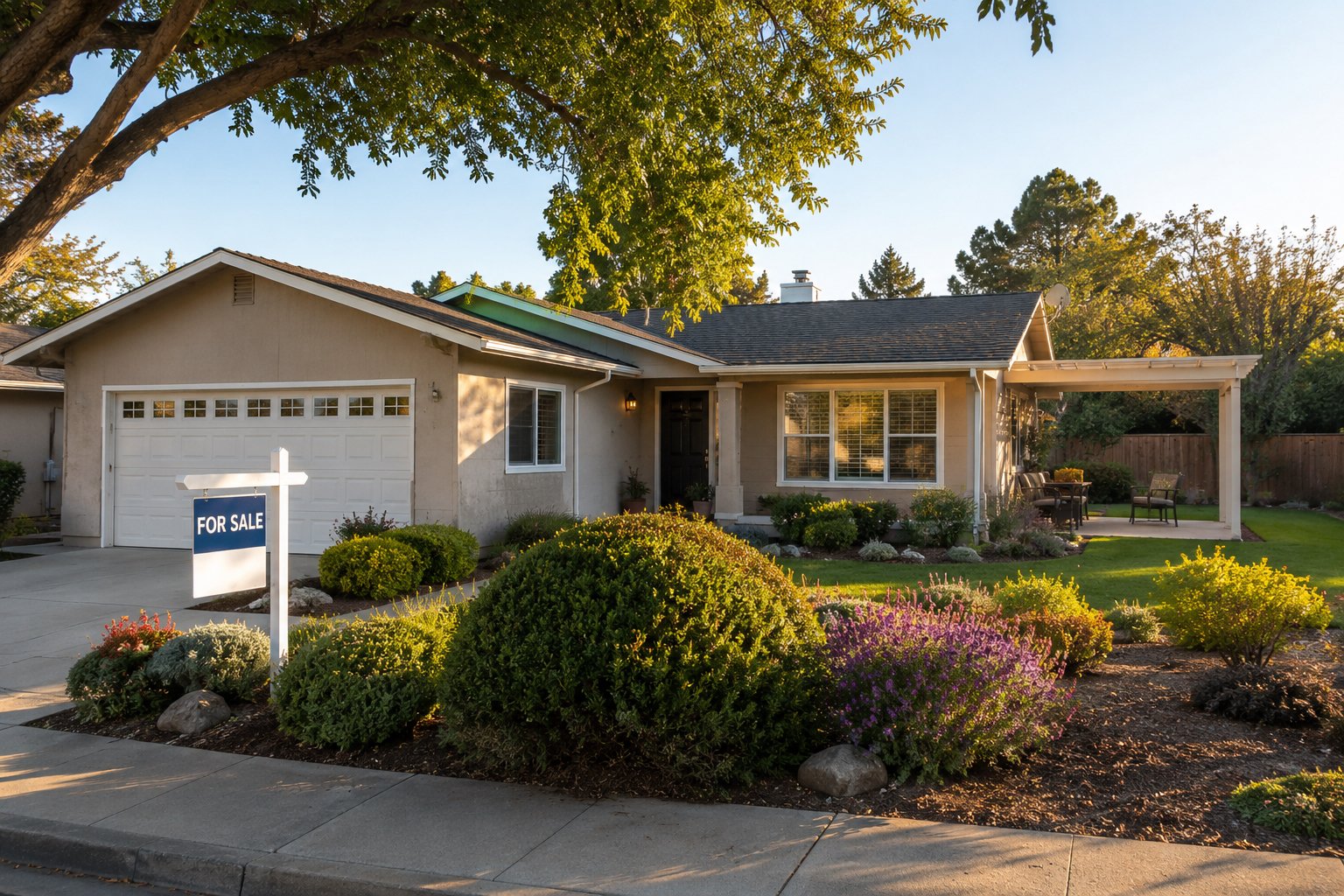
Future resale is easier when the home has been maintained consistently throughout ownership. Deferred maintenance can accumulate and eventually influence both pricing and buyer willingness to proceed.
Roofing, drainage, exterior finishes, windows, heating equipment, plumbing, electrical systems, landscaping, and other components should be maintained according to the needs of the property.
Coastal homes may require additional exterior attention because of moisture and salt exposure. Rural homes may involve vegetation management, wells, septic systems, fencing, and private access. Older San Luis Obispo residences may require periodic attention to systems even when the architectural character remains highly desirable.
Maintenance records can also become useful when the property is eventually sold. Documentation showing repairs, replacements, permits, warranties, and professional services can make the home easier for future buyers to evaluate.
The objective is not to preserve a property in perfect condition. It is to prevent manageable maintenance from becoming a significant future liability.
Buyers Should Avoid Relying on Guaranteed Appreciation
Resale value and appreciation are related but different concepts. A property can possess strong resale characteristics without anyone being able to guarantee what the market will pay in the future.
Interest rates, employment, inventory, economic conditions, construction, demographic changes, and buyer preferences can all influence future prices. Even a highly desirable home can experience periods when market conditions are less favorable.
Buyers should therefore evaluate resale based on characteristics they can understand today rather than assumptions about a specific future price.
Location, condition, functional layout, realistic ownership costs, and broad usability provide a more durable basis for evaluating a purchase than predictions about short-term appreciation.
A buyer planning long-term ownership may reasonably place greater emphasis on personal enjoyment. Resale still matters because future plans are never completely certain, but it does not need to control every decision.
Think About the Future Buyer Without Buying for Someone Else
Resale awareness should improve a purchase decision, not turn the buyer into a speculative future seller.
A buyer may genuinely prefer a distinctive architectural home, a rural property, a smaller coastal residence, or a condominium. Those choices can be appropriate even when another property would appeal to a broader audience.
The useful exercise is to identify the trade-off. If a home has limited parking, unusual access, specialized improvements, extensive maintenance, or a highly specific layout, buyers should understand how those characteristics could affect future demand.
Direct representation from the first conversation through closing allows Joesef to keep present lifestyle priorities and future marketability connected while evaluating individual properties. A home must first work for the person purchasing it.
Resale becomes part of that analysis by asking whether the property’s permanent qualities are likely to remain understandable and desirable to future buyers.
Strong Resale Value Starts With Sound Fundamentals
There is no formula that guarantees which San Luis Obispo County home will produce the highest future return.
Properties with sound fundamentals generally give owners more flexibility. Useful locations, functional layouts, appropriate condition, practical parking, manageable ownership costs, and improvements that support how people live can all contribute to future appeal.
A home does not need to be perfect, newly remodeled, or conventional. Buyers should simply understand which characteristics are permanent, which can be improved, and which may reduce the future buyer pool.
The strongest purchase balances present enjoyment with long-term practicality. When buyers choose a property they can comfortably own and maintain while preserving characteristics future buyers are likely to value, resale becomes a natural part of the decision rather than a prediction about an unknown market.
Frequently Asked Questions
What features usually support resale value?
Location, functional layout, condition, usable space, parking, natural light, reasonable ownership costs, and broadly useful improvements can all contribute to future buyer appeal.
Is location more important than interior updates for resale?
Location often deserves greater weight because it cannot be changed. Interior improvements can be completed later, while street setting, neighborhood access, lot position, and surrounding uses are largely permanent.
Do renovations always increase resale value?
No. Improvements contribute differently depending on quality, functionality, buyer demand, and cost. Highly personalized renovations may not return what the owner spent.
Are older homes harder to resell?
Not necessarily. Well-maintained older homes can have strong resale appeal when they offer desirable locations, architecture, lot quality, and functional layouts.
Does a larger home automatically have better resale value?
No. Buyers also consider layout, condition, location, maintenance, utilities, and usable space. More square footage does not automatically mean stronger future demand.
Can a unique property have good resale value?
Yes. Unique properties can perform well when their distinguishing features are desirable and difficult to reproduce, although the buyer pool may be smaller.
Should buyers avoid properties with HOA dues because of resale?
Not automatically. Buyers should consider the amount of the dues, services provided, association financial condition, restrictions, and how the community compares with competing options.
Can anyone predict a home's future resale price?
No. Future value depends on market conditions that cannot be known with certainty. Buyers can evaluate durable property characteristics, but specific appreciation should never be treated as guaranteed.
If you are preparing to buy or sell real estate on the Central Coast and want personalized guidance, contact Joesef Jackson at SLO Life Realty Group.