A real estate contract timeline is more than the number of days between an accepted offer and closing. For buyers, it is a sequence of deadlines covering investigations, financing, appraisal, disclosures, contingency decisions, final verification, signing, funding, and other transaction responsibilities. Some of those periods run at the same time, while others depend on work being completed by lenders, escrow, title, inspectors, the seller, and the buyer.
That distinction matters on the Central Coast because transactions can involve very different properties and levels of complexity. A conventional purchase in San Luis Obispo may move differently from a coastal property in Avila Beach, a rural home outside Paso Robles, or a property in Nipomo involving acreage or additional improvements. The closing date may be easy to remember, but the buyer's more immediate responsibilities often occur much earlier.
For buyers, the useful way to read a contract is as a coordinated schedule of decision points rather than one long countdown to receiving the keys. Missing a deadline, assuming another party's delay automatically changes the contract, or waiting too long to investigate an issue can affect options later in the transaction. Understanding what each period is for makes the timeline far more useful than simply knowing the projected closing date.
Central Coast Neighborhood Video Tour ⬇️
Acceptance Starts More Than One Clock
👉 How Real Estate Deadlines Protect Both Sides in San Luis Obispo County
Once an offer becomes an accepted contract, several contractual periods may begin running from the date specified in the agreement. Buyers can have deadlines involving deposits, investigations, loan matters, appraisal, disclosures, contingency decisions, and other obligations, depending on the terms negotiated in the contract.
The important point is that these deadlines do not necessarily occur one after another. Several may be active simultaneously. A buyer can be arranging inspections while the lender is processing financing and escrow is coordinating documents.
That overlap is why the acceptance date matters so much. It establishes the framework for what comes next.
The California Department of Real Estate describes escrow as beginning once buyer and seller have agreed to the terms of the sale, with the escrow process ensuring contractual conditions are satisfied before funds and documents are transferred.
Contract Deadlines Define When Buyer Decisions Must Be Made
👉 What Closing Risks Buyers Should Understand on the Central Coast
A contingency period is not simply extra time built into escrow. It gives the buyer a defined period to perform the investigation or obtain the information associated with that contingency and then make the contractual decision required.
That distinction is important because completing an inspection and deciding what to do with the information are separate steps. The same principle can apply to financing, appraisal, disclosures, title information, or other conditions depending on the agreement.
A buyer should therefore know both what needs to happen and when the contract expects the buyer to respond.
After more than 30 years representing Central Coast real estate, Joesef Jackson has seen that problems often become harder when buyers focus on the final closing date while overlooking earlier decision points. The practical value of a timeline is that it makes those earlier obligations visible while there is still time to address them.
Property Type Can Change How Much Coordination the Timeline Requires
👉 How Real Estate Timelines Vary by Central Coast Property Type
Two transactions with similar closing dates can require very different amounts of work before closing.
A condominium may involve association documents and common-interest information that a detached home does not. A rural property near Atascadero can raise questions involving access, private systems, land use, or additional structures. A coastal home in Cambria may require a different investigation focus from a newer subdivision property.
Those differences do not automatically mean that the contractual periods become longer. They mean buyers need to use the available time differently.
The practical question is whether the planned investigation schedule matches the property being purchased. When a home requires specialized review, waiting several days before arranging that work can compress the buyer's remaining decision period even when the original contractual deadline has not changed.
A timeline is therefore partly about duration and partly about sequencing the right work early enough.
Financing Runs Beside the Rest of the Purchase Contract
👉 What Happens During the Loan Approval Process on the Central Coast
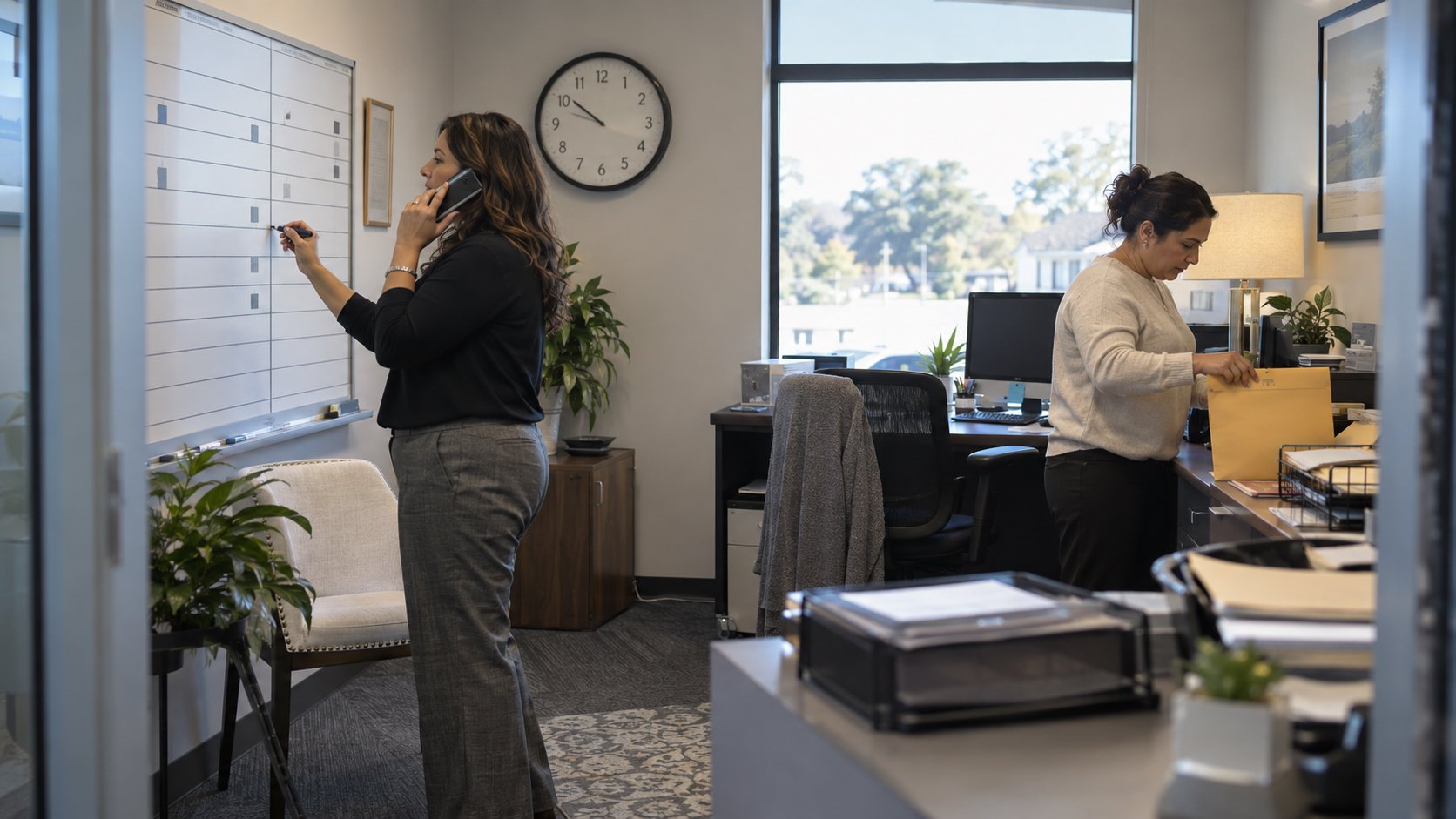
Financing is one of the clearest examples of overlapping transaction timelines. While the buyer investigates the property, the lender may be verifying income, assets, credit, property information, insurance requirements, appraisal results, and other loan conditions.
The buyer's contractual financing period and the lender's internal processing schedule are related, but they are not the same thing.
A lender needing additional information does not necessarily cause the purchase agreement to adjust automatically. Buyers should know what their contract requires while staying in close contact with the lender about what remains outstanding.
This becomes particularly important when an appraisal, underwriting condition, insurance question, or documentation issue arises late in the process. The earlier those issues are identified, the more room there is to coordinate them without unnecessarily compressing later stages of the transaction.
Escrow Questions Are Easier to Answer When Buyers Know Which Stage They Are In
👉 What Escrow Questions Buyers Should Ask on the Central Coast
Buyers often refer to everything between acceptance and closing as “escrow,” but different questions belong to different stages of the transaction.
Early questions may involve deposits, disclosures, title information, inspections, or investigation access. Later questions may concern lender documents, signing arrangements, funds required for closing, recording, and possession.
Knowing the stage makes communication more precise.
A buyer in Pismo Beach waiting for an inspection report has a different timing issue from a buyer whose lender has already issued final loan documents. Treating both situations simply as “waiting for escrow” can hide what actually needs attention.
This is one reason buyers benefit from understanding the transaction sequence rather than waiting for someone to announce the next task. The timeline provides context for what should already be completed, what is currently active, and what still depends on later steps.
Closing Coordination Begins Before the Scheduled Closing Date
👉 What Buyers and Sellers Should Know About Closing Coordination on the Central Coast
The closing date is the endpoint of several processes that need to converge. Loan documents, escrow instructions, buyer funds, seller documents, title requirements, final verification, lender funding, and recording may all need to be coordinated before the transaction is complete.
That makes closing a process rather than a single appointment.
A buyer may sign documents before the actual closing date. Funds may need to arrive according to escrow instructions. The lender may complete final requirements before releasing money. Recording then establishes the completed transfer according to the transaction's closing process.
With more than 2,130 closed transactions, Joesef has seen why buyers benefit from keeping the final week organized instead of assuming everything happens automatically on closing day. The closer the transaction gets to completion, the more important it becomes to know which remaining event depends on which party.
Investigation Periods Are Working Time, Not Waiting Time
A buyer's investigation period is most useful when the important work begins early.
Inspection scheduling, review of property information, follow-up questions, specialist evaluations, and consideration of findings can all consume time. If those tasks are delayed, the buyer may still technically be within the contractual period while having less practical time to evaluate the results.
This matters with properties that require more than a standard general inspection.
A home in Los Osos may present different property questions from a newer home in San Luis Obispo, while a larger North County property may require buyers to coordinate additional evaluations. The contract period should be treated as the total available decision window, not as the amount of time buyers can wait before beginning.
Early investigation preserves more of the timeline for analysis and response.
A Delay Does Not Automatically Move Every Deadline
Real estate transactions involve many people, so delays can occur. An inspection report may take longer than expected. A lender may request another document. An appraisal may need additional review. Escrow may be waiting for information from another party.
Buyers should not assume that one delay automatically extends every contractual deadline.
If more time is needed, the appropriate response may involve communication and a written modification or extension, depending on the contract and circumstances. That is different from simply assuming the date has moved.
This is where direct transaction oversight becomes valuable. Joesef represents buyers personally from the initial conversation through closing, which keeps timeline questions connected to the actual contract and transaction circumstances rather than treated as isolated administrative tasks.
The principle is simple: operational delay and contractual timing are not automatically the same thing.
Final Verification Has a Specific Purpose Near the End
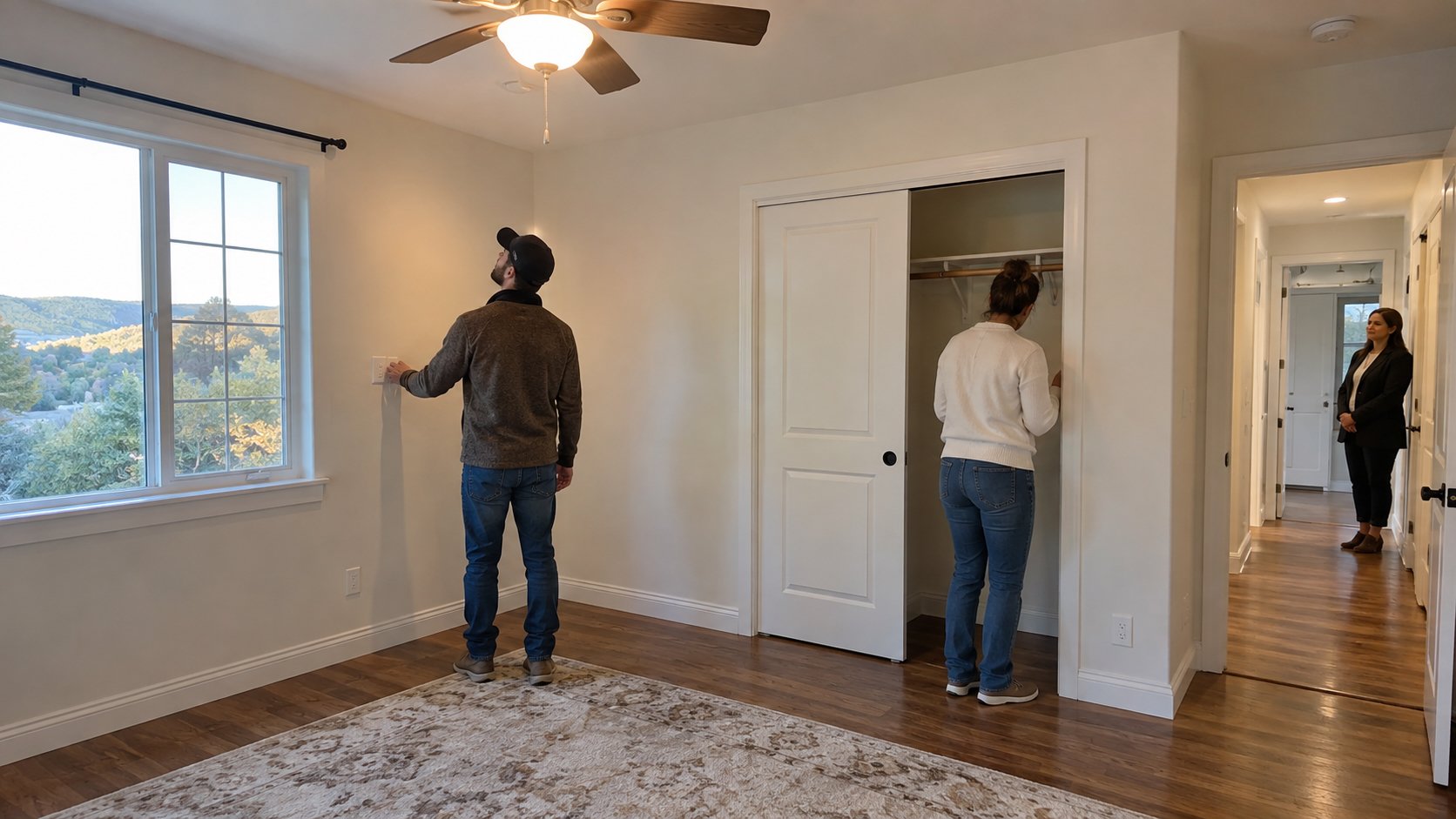
Final verification occurs near closing, but it should not be confused with reopening the entire investigation period.
The buyer is returning to the property at a later stage of the transaction to verify relevant conditions before completion. By then, inspections, negotiated decisions, financing work, and much of the escrow process may already be behind them.
Its placement in the timeline is what gives final verification meaning.
For a buyer purchasing in Grover Beach, Paso Robles, or another Central Coast community, the goal is not simply to walk through the property one more time. It is to complete an end-stage transaction task at the appropriate point before closing.
Closing Disclosures Create Their Own Review Window
For many financed purchases, federal mortgage rules create an important timing requirement near closing.
The Consumer Financial Protection Bureau states that borrowers generally must receive the Closing Disclosure at least three business days before scheduled mortgage closing, creating time to review final loan terms and costs.
That federal review period is separate from the other contractual deadlines that may have already occurred.
Buyers should therefore avoid viewing the last few days before closing as empty waiting time. This is when final loan information, signing logistics, required funds, property verification, and closing coordination can converge.
If information differs from expectations, discovering the issue early in that review period provides more time to ask questions before scheduled completion.
Local Property Differences Can Affect the Practical Schedule
The written contract establishes deadlines, but the property determines what buyers may need to accomplish within them.
A relatively straightforward residential purchase in San Luis Obispo can require a different investigation workload from acreage near Paso Robles, a coastal property in Avila Beach, or a condominium with association documents in Pismo Beach. The contractual calendar may look similar while the practical workload differs considerably.
That is why buyers should not copy assumptions from another person's transaction.
A friend who purchased a newer tract home may have completed investigations quickly. A buyer evaluating a property with unusual improvements, private systems, shared access, or additional structures may need more coordination within the same general period.
The strongest timeline is not necessarily the longest one. It is the one that provides enough time for the work the specific transaction actually requires.
The Contract Timeline Is a Map of Buyer Decisions
For buyers, a contract timeline is best understood as a map connecting obligations, information, and decisions from acceptance through closing. The closing date matters, but it is only one point on that map.
Earlier deadlines determine when buyers investigate, evaluate financing, review information, communicate concerns, and make contractual decisions. Later stages coordinate verification, documents, funds, and completion.
When buyers understand how those periods overlap, the transaction becomes easier to follow because each task has a place in the larger sequence. A delay can then be evaluated according to the deadline it actually affects rather than creating uncertainty about the entire escrow.
On the Central Coast, where properties and transaction circumstances vary substantially, that disciplined view of timing is especially useful. The goal is not to rush through the contract. It is to use each period for the purpose it was designed to serve.
Frequently Asked Questions
When does the contract timeline usually begin for a buyer?
The relevant starting point depends on the language of the accepted agreement, but many contractual periods are calculated from the date specified by the contract after acceptance.
Are contingency deadlines the same as the closing date?
No. Contingency and investigation periods generally occur earlier and involve specific buyer decisions before the scheduled closing date.
Do all buyer deadlines happen one after another?
No. Several timelines can run simultaneously, including property investigations, financing, appraisal, escrow processing, and document review.
Does a lender delay automatically extend the purchase contract?
Not necessarily. A lender's processing delay and the contractual deadline are separate issues. If additional contractual time is needed, the parties may need to address that specifically.
Why should buyers schedule inspections early?
Starting early preserves more of the contractual investigation period for follow-up evaluations, questions, specialist review, and decision-making.
Is final verification another inspection contingency?
Generally, it serves a different purpose near the end of the transaction and should not be treated as automatically reopening earlier investigation periods.
When does a buyer receive the Closing Disclosure?
For many mortgage transactions, federal rules generally require the borrower to receive it at least three business days before scheduled closing.
Can contract timelines differ between Central Coast properties?
Yes. The written deadlines may be similar, but the amount and type of work required within those periods can vary significantly by property and transaction.
If you are preparing to buy or sell real estate on the Central Coast and want personalized guidance, contact Joesef Jackson at SLO Life Realty Group.