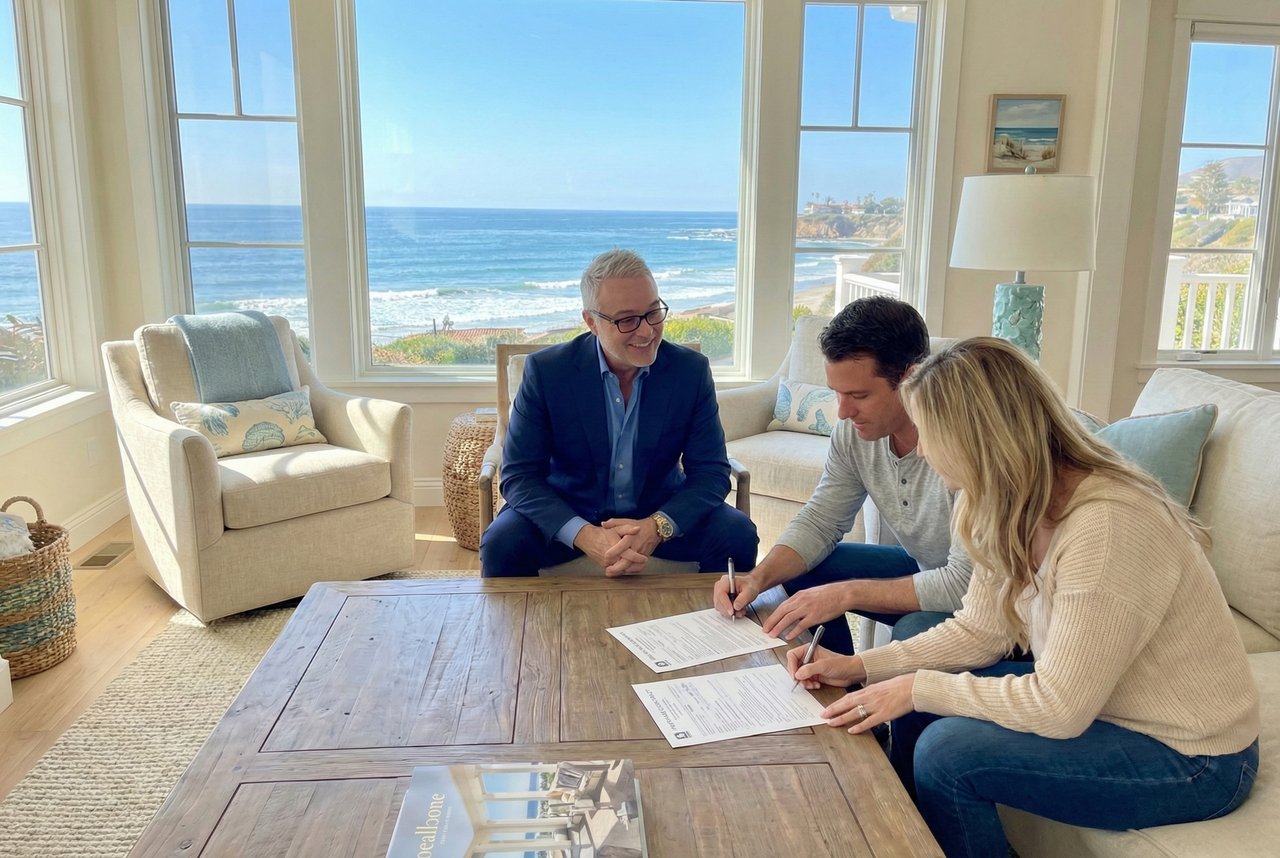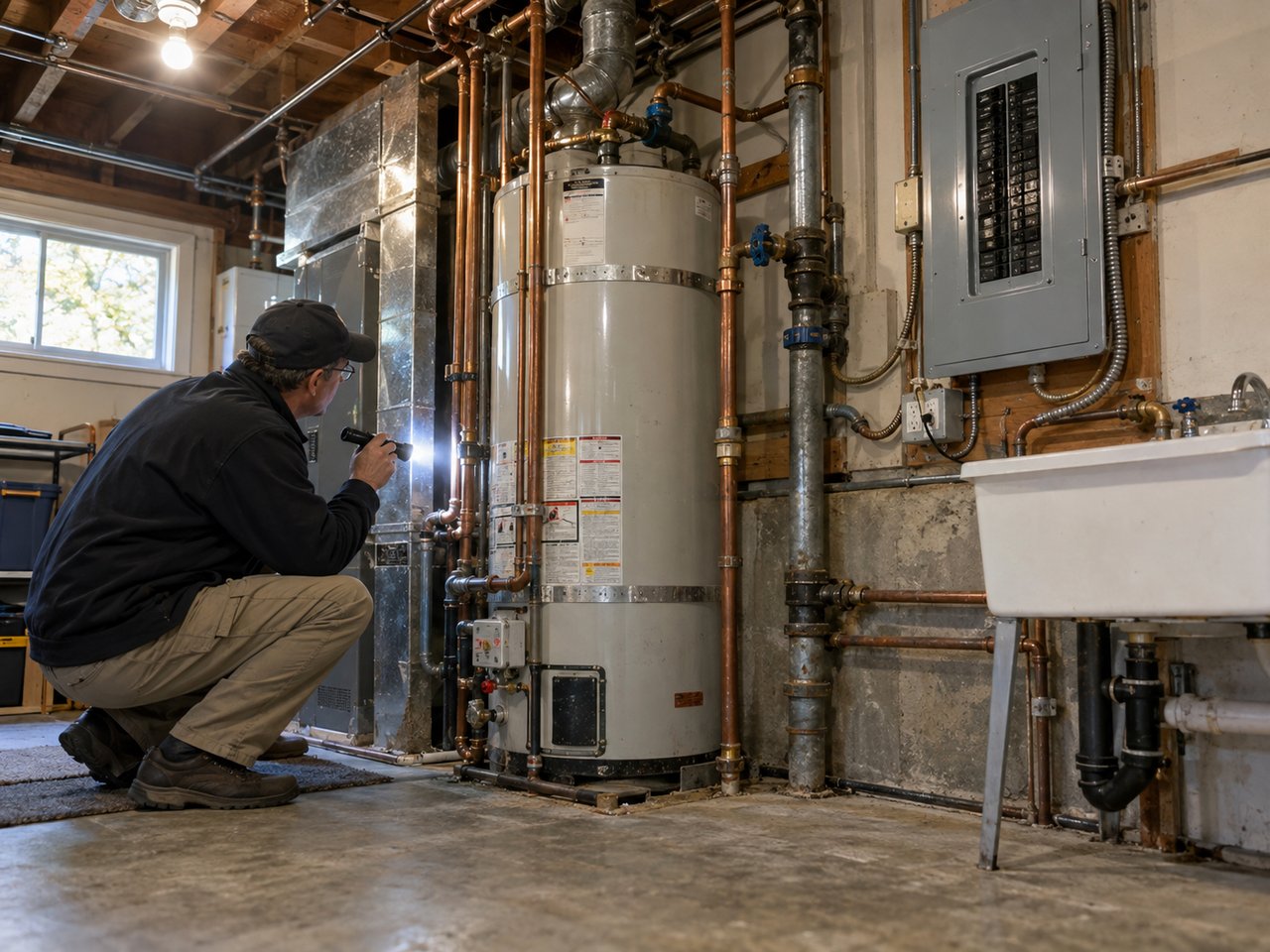
Closing can feel like the final formality in a home purchase, but several meaningful risks remain until the transaction is funded, documents are completed, and title transfers. Buyers on the Central Coast should understand where problems can still develop so they can recognize an issue early and respond according to their contract, lender requirements, and escrow instructions.
Those risks are not identical for every purchase. A financed condominium in San Luis Obispo can encounter different closing issues from a cash purchase in Morro Bay, a rural property near Templeton, or a coastal residence in Cayucos. Financing, title, appraisal, property condition, final funds, escrow requirements, and possession arrangements can each affect the last stage differently.
The central point is that being “almost closed” is not the same as being closed. Buyers should continue treating the transaction as active until the required funds, documents, lender conditions, title requirements, and recording process have been completed.
Most successful closings are uneventful. Understanding the areas where complications can emerge makes those final days more deliberate rather than assuming nothing important can change after contingencies have been addressed.
Central Coast Neighborhood Video Tour ⬇️
Financing Can Still Change Late in the Transaction
Loan approval is one of the most important closing risks for financed purchases because underwriting can continue well into escrow.
👉 What Happens If Financing Falls Through During Escrow in San Luis Obispo County
A buyer may receive encouraging loan updates without having reached the lender's final funding stage. Lenders can request updated financial documents, verification of employment, explanations of account activity, or satisfaction of remaining conditions before releasing funds.
Buyers should therefore avoid assuming that earlier qualification makes their financial situation irrelevant during escrow. Opening new credit, financing a vehicle, making an unusually large purchase, moving significant funds without documentation, or materially changing employment can create questions for the lender.
After more than 30 years in Central Coast real estate, Joesef Jackson has seen the final financing period become more complicated when buyers treat loan approval as complete too early. The practical distinction is between being approved subject to remaining conditions and having the loan fully positioned to fund.
For buyers using financing, the safest approach is to keep financial circumstances stable and respond promptly when the lender requests additional information.
Title Issues Can Delay or Prevent the Expected Transfer
Closing requires more than a buyer and seller agreeing on a price. The seller must be able to transfer the interest in the property contemplated by the transaction.
👉 How Title Issues Can Affect a Sale on the Central Coast
A preliminary title report may identify liens, easements, recorded restrictions, ownership questions, or other matters affecting the property. Some are routine. Others may need to be resolved, reviewed, or accepted before closing.
The California Department of Real Estate explains that escrow commonly involves title information, lender requirements, documents, funds, recording, and other conditions that must be satisfied before escrow can close.
Buyers should review title-related information during the transaction rather than assuming escrow or title professionals will make every issue disappear automatically. The significance of a particular exception can depend on the property and the buyer's intended use.
This can be particularly important with rural parcels, private access arrangements, older properties, and homes where recorded rights affect portions of the land.
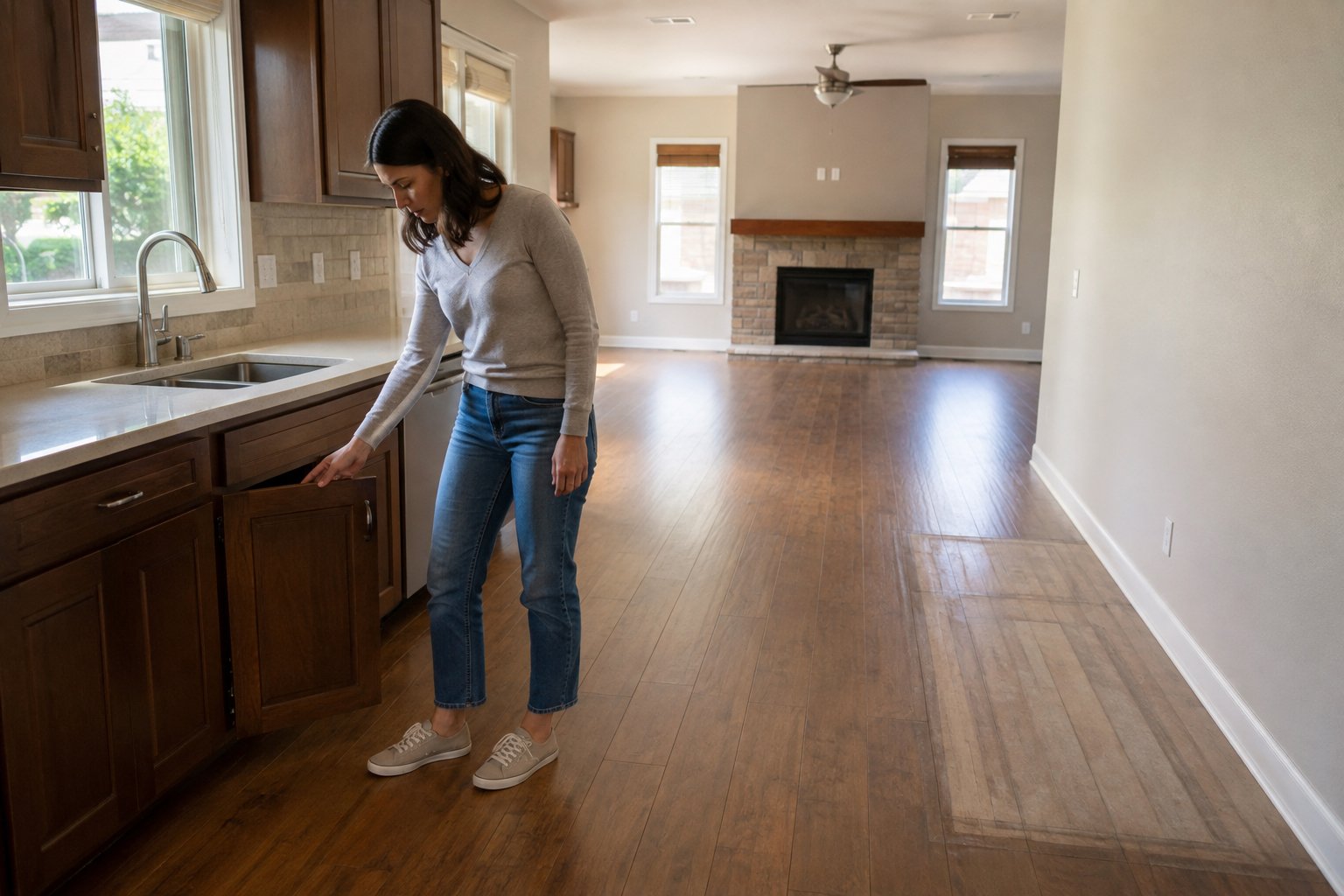
The Final Walkthrough Can Reveal a Last-Minute Property Issue
The final walkthrough is not simply a ceremonial visit before receiving keys.
👉 What Is a Final Walkthrough When Buying a Home on the Central Coast?
It gives the buyer an opportunity near closing to observe whether the property's condition is generally consistent with the transaction and whether agreed items appear to have been addressed.
A buyer might discover that personal property expected to remain has been removed, agreed work appears incomplete, new damage occurred during the seller's move, or the property was left in a condition that raises questions.
The walkthrough is not a substitute for the buyer's earlier investigation period. Its purpose is different. Buyers should not postpone significant inspections or due diligence because they expect to evaluate those matters again immediately before closing.
Joesef's experience across more than 2,130 transactions has shown that the final walkthrough is most useful when buyers already know what they are verifying. Reviewing agreed repairs, included items, and important property conditions beforehand makes the visit much more purposeful.
A Low Appraisal Can Affect the Transaction Beyond the Appraisal Date
An appraisal issue may arise before the final closing days, but its consequences can continue until financing and contract matters are resolved.
👉 What Happens If a Home Appraisal Comes in Low on the Central Coast
When an appraisal is below the value anticipated by the financing structure, buyers and sellers may need to evaluate the applicable contract terms, lender requirements, available cash, price, or other negotiated options.
The effect depends on the individual transaction. A buyer with additional funds may view the issue differently from someone whose financing depends closely on the appraised value. Contractual appraisal protections also matter.
A low appraisal does not automatically establish that the agreed purchase price was wrong. Appraisal methodology, available comparable sales, unusual property characteristics, and rapidly changing markets can make certain homes more difficult to evaluate.
For buyers, the closing risk is assuming that an appraisal concern has been resolved without confirming how the lender and contract are treating the final structure of the purchase.
Escrow Questions Become More Important as Money Starts Moving
Many closing risks involve items that buyers may encounter only once or twice in their lives.
👉 What Escrow Questions Buyers Should Ask on the Central Coast
Buyers should understand where final funds are being sent, what amount is expected, when funds must be available, which documents remain outstanding, and what conditions still need to occur before recording.
Escrow is coordinating instructions from several directions. Buyers, sellers, lenders, title professionals, and other parties may all have items that need to be completed before the transaction is ready to close.
This is why unanswered questions become more important as closing approaches. If the buyer does not understand a requested payment, document, instruction, or timing issue, it should be addressed before acting.
Silence is not evidence that everything is complete. Buyers should know which major items remain open and which party is responsible for resolving them.
Final Closing Steps Require Continued Buyer Attention
The last several days can involve multiple actions occurring in a short period.
👉 How Buyers Should Prepare for Final Closing Steps on the Central Coast
Loan documents may require signatures. Final funds may need to be delivered according to escrow instructions. The buyer may receive updated figures. The final walkthrough needs to occur at the appropriate time. Insurance and lender requirements must be in place where applicable.
The Consumer Financial Protection Bureau advises mortgage borrowers to review closing documents carefully, respond to lender requests, compare final loan information with earlier expectations, and remain alert for closing scams.
Closing preparation is therefore not about rushing through the remaining items because the transaction is nearly finished. Buyers should continue reading documents, confirming instructions, and asking questions when something differs from what they expected.
The financial and legal significance of the documents increases rather than decreases as closing approaches.
Final Cash Requirements Can Differ From an Earlier Estimate
Buyers should know the amount they need to bring to closing and where that number came from.
Early in the purchase process, buyers often work with estimates. As the transaction progresses, prorations, lender costs, credits, prepaid items, escrow calculations, and other components become more specific.
A difference between an earlier estimate and the final amount does not automatically indicate a problem. It does deserve review.
Buyers should understand significant changes rather than simply transferring whatever amount appears in a late instruction. The final figures should make sense in relation to the loan structure, purchase agreement, credits, deposits already delivered, and applicable closing expenses.
This is particularly important when a buyer is maintaining limited liquid funds after closing. An unexpected increase can affect more than the transaction itself if the buyer planned to retain a particular reserve.
Wire Fraud Is a Closing Risk Buyers Should Treat Seriously
The movement of closing funds creates an opportunity for sophisticated fraud attempts.
Criminals can impersonate real estate, escrow, settlement, or other transaction participants and send convincing communications containing fraudulent payment instructions. The CFPB specifically warns homebuyers about mortgage-closing scams involving attempts to redirect closing funds.
Buyers should establish how legitimate wiring instructions will be communicated and verify sensitive instructions through independently confirmed contact information rather than relying solely on an unexpected email.
A sudden instruction change deserves particular attention.
The potential loss is not merely an inconvenience that escrow can correct later. Once funds are transferred to a fraudulent destination, recovery can be extremely difficult. The transfer of closing money deserves the same level of scrutiny as the purchase contract itself.
Loan Documents Should Match the Financing the Buyer Expected
Closing documents should not be treated as pages that merely need signatures.
Buyers using financing should review whether the loan amount, interest rate, payment structure, loan type, and major costs are consistent with the financing they agreed to pursue.
The CFPB's Closing Disclosure resources emphasize reviewing final loan terms and comparing them with earlier loan information.
A buyer who notices an unexpected change should address it before completing documents rather than assuming it can be corrected conveniently afterward.
The issue may be minor and explainable. It may also be material.
Careful review is particularly important because once closing documents are completed, the buyer is entering the long-term financing arrangement attached to the purchase.
Seller Obligations Can Still Affect a Buyer's Closing
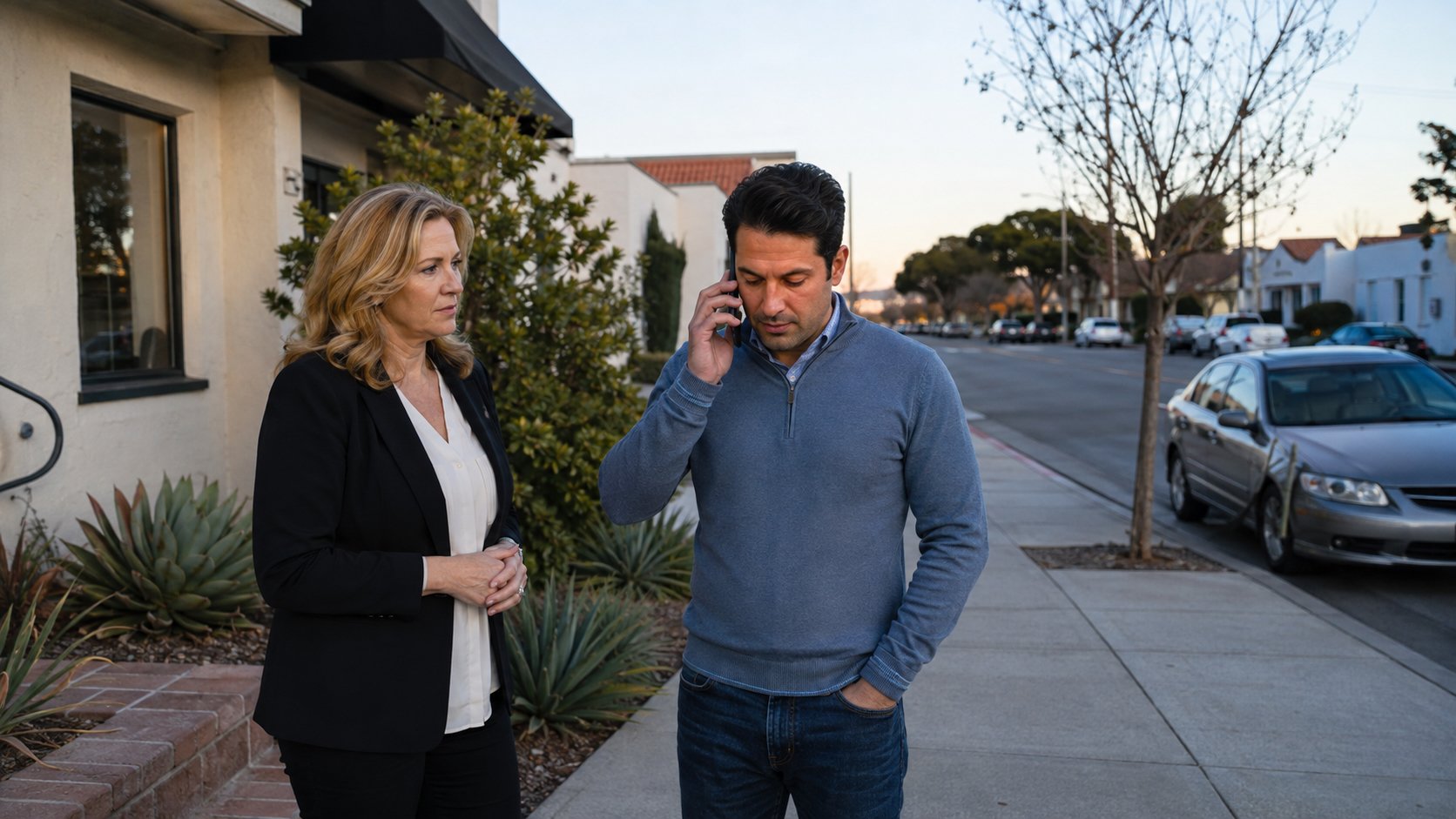
Not every late-stage risk originates with the buyer.
A seller may still need to complete an agreed repair, remove personal property, provide access, address a title matter, deliver documents, or satisfy another contractual obligation before completion.
Buyers should distinguish between a minor inconvenience and an issue that materially changes what they agreed to purchase.
If something expected has not occurred, the appropriate response depends on the contract and the facts. Buyers should not automatically assume that closing must proceed exactly as scheduled regardless of the unresolved matter.
The reverse is also important. A small issue discovered near closing does not necessarily require abandoning the transaction.
The purpose of identifying the problem is to determine what the agreement provides and what practical resolution is available.
Possession and Closing Are Not Always the Same Moment
Buyers frequently associate closing with immediate possession, but the purchase agreement controls the arrangement between the parties.
Some transactions provide possession at closing. Others involve an agreed period before or after transfer when occupancy changes.
Buyers should know the possession terms before scheduling movers, deliveries, contractors, or travel around the property.
This distinction becomes particularly important when the seller remains temporarily after closing or when another arrangement separates recording from physical possession.
A buyer who assumes access begins at a certain moment without checking the agreement can create unnecessary logistical problems.
The safest approach is to treat possession as its own contractual term rather than assuming it is synonymous with signing loan documents or receiving confirmation that funds have been sent.
Signing Documents Does Not Necessarily Mean the Property Has Recorded
The closing process contains several events that buyers often group together.
Signing may occur before lender funding. Funding may occur before recording. Escrow may still need confirmation that required conditions have been satisfied. The county recording process establishes another important step in completing the transfer.
The DRE's escrow guidance describes closing as occurring after the necessary conditions have been satisfied and the required documents, funds, and recording steps are completed according to escrow instructions.
Buyers should therefore avoid planning around an assumed completion time until the appropriate transaction professional confirms that the relevant event has actually occurred.
This is particularly important for moving arrangements and property access.
A Last-Minute Delay Is Not Necessarily a Failed Transaction
Closing delays can feel alarming because they occur after buyers have invested substantial time and money into the purchase.
A delayed lender document, recording issue, title item, missing signature, funding timing problem, or unresolved contractual item can push completion without necessarily ending the transaction.
The important distinction is between a delay that has an identifiable path to resolution and a problem that materially changes a party's ability or obligation to perform.
Buyers should resist making assumptions based solely on the existence of a delay.
The source of the delay, the contract, lender requirements, and the positions of the parties determine what happens next.
Joesef's experience through more than $1.81 billion in career sales volume has included transactions where the final days required additional coordination without changing the ultimate result. The relevant task is identifying precisely what remains incomplete and what must occur for closing to resume.
Moving Plans Should Allow for the Possibility of Timing Changes
A buyer may have movers scheduled, a lease ending, furniture arriving, contractors booked, or travel planned around the expected closing date.
Those commitments can magnify the effect of even a short closing delay.
When practical, buyers should avoid creating unnecessary dependencies on an exact recording hour or assuming access before the transaction has actually completed according to the agreement.
This is especially relevant when a financed closing occurs near a weekend, holiday, or another event that reduces scheduling flexibility.
The contract establishes the expected closing structure, but practical planning should acknowledge that independent processes such as lending, escrow, title, and recording must still align.
Closing Risk Increases When Buyers Stop Paying Attention Too Early
Many late-stage problems become more difficult when a buyer assumes the transaction is effectively finished.
Emails go unanswered. A lender request sits overnight. Closing figures are not reviewed. Wire instructions are accepted without verification. The walkthrough is rushed. A title question is assumed resolved without confirmation.
None of those actions guarantees a problem, but each removes an opportunity to identify one before completion.
Buyers do not need to approach closing with suspicion. They should approach it with the same attention they used when evaluating the home and negotiating the purchase.
Direct representation from the first conversation through closing allows Joesef Jackson to keep the transaction's final financing, escrow, property, and contractual issues connected instead of treating closing as an administrative handoff.
A Strong Closing Is One Where the Remaining Risks Have Been Resolved
The final stage of a purchase should progressively reduce uncertainty.
Financing reaches the point required for funding. Title matters are addressed. The buyer reviews final figures and documents. The property is observed near closing. Funds are transferred through verified procedures. Contractual obligations are completed. Escrow receives what it needs, and the transfer is recorded.
That sequence matters more than the excitement of simply reaching the scheduled closing date.
For Central Coast buyers, the greatest closing risk is often not one dramatic event. It is an unresolved detail being treated as though it no longer matters because the transaction is almost finished.
Closing is complete when the required conditions are actually complete. Until then, the buyer's attention remains an important part of protecting the purchase.
Frequently Asked Questions
What can go wrong right before closing on a home?
Late-stage issues can involve financing, title, final funds, loan documents, property condition, seller obligations, escrow requirements, recording, or possession arrangements.
Can a mortgage fall through after earlier loan approval?
It can. Financing may remain subject to lender requirements and final conditions before funding, so buyers should keep their financial circumstances stable and respond promptly to lender requests.
Why is the final walkthrough important before closing?
It allows the buyer to observe the property near completion and check matters such as agreed repairs, included items, and whether new issues appeared before transfer.
What should a buyer do if closing costs change unexpectedly?
Review the change and ask the lender or settlement professional to explain significant differences before signing or transferring final funds.
How can buyers reduce the risk of wire fraud at closing?
Verify payment instructions using independently confirmed contact information and be especially cautious about unexpected electronic messages changing where funds should be sent.
Does signing closing documents mean the buyer owns the home?
Not necessarily at that exact moment. Funding, escrow conditions, recording, and other completion steps may still need to occur.
What happens if the seller has not completed an agreed item before closing?
The appropriate response depends on the purchase agreement and the specific issue. Buyers should raise the matter before completion so the contractual options can be evaluated.
Does a closing delay mean the purchase is falling apart?
No. Some delays involve specific items that can be resolved. The significance depends on what caused the delay and whether the parties can still perform under the transaction.
If you are preparing to buy or sell real estate on the Central Coast and want personalized guidance, contact Joesef Jackson at SLO Life Realty Group.