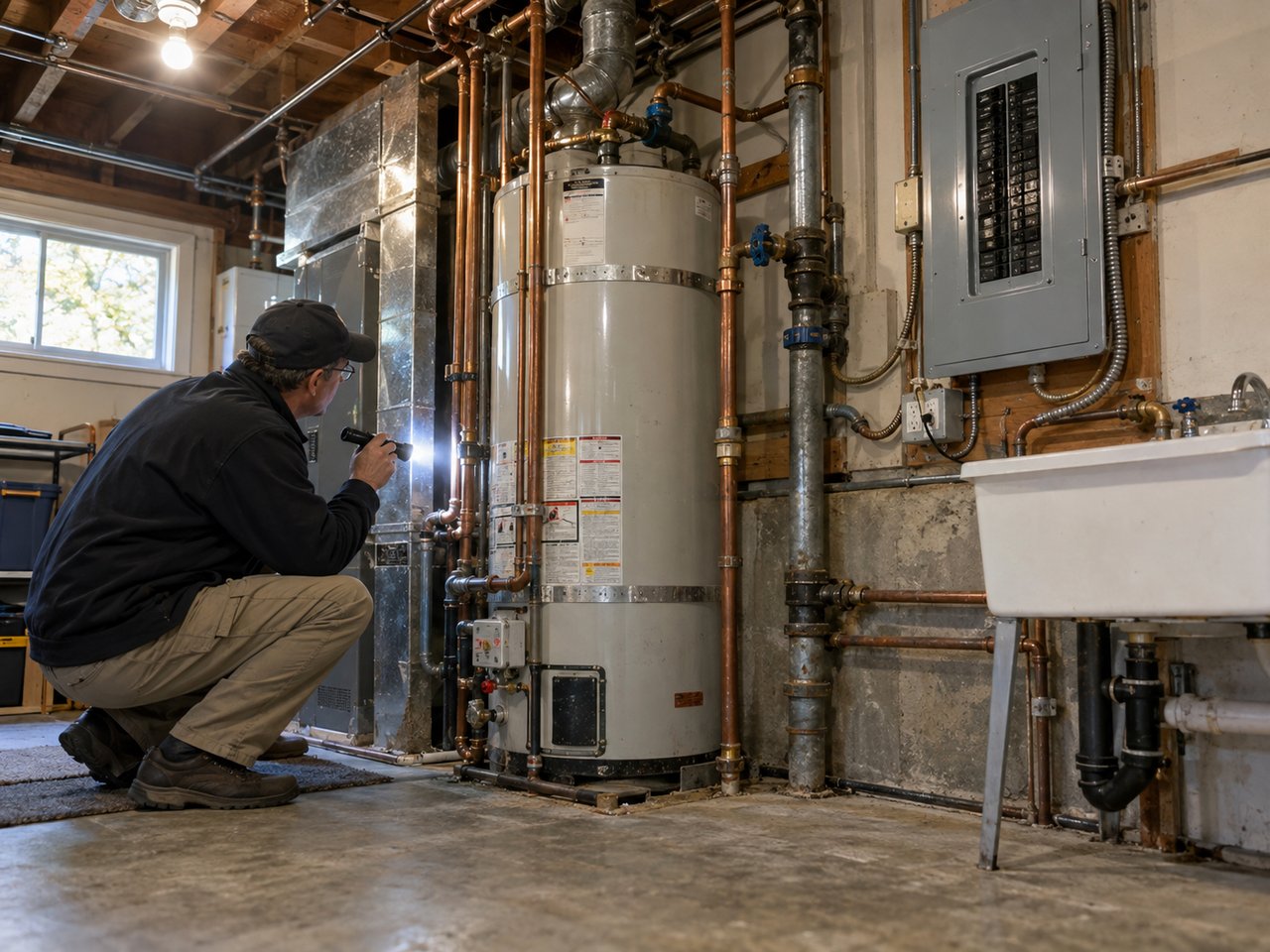
Buyers should evaluate older home systems based on more than installation date. A roof, electrical system, plumbing system, HVAC unit, water heater, sewer component, or other major system can be older and still functioning appropriately, while a newer component can have installation defects, poor maintenance, or performance problems. Age matters because it can affect remaining service life and future replacement exposure, but it should be considered alongside physical condition, maintenance history, current performance, installation quality, and inspection findings.
That distinction is important on the Central Coast, where buyers may encounter homes from very different construction periods. An older San Luis Obispo residence can contain a mixture of original and updated systems, while a rural property near Templeton may include additional water, septic, electrical, or mechanical components that require separate evaluation. A coastal home in Cambria or Los Osos may present another combination of systems, materials, renovations, and property-specific conditions. The year the house was built rarely tells buyers the age or condition of every component inside it.
The practical goal is not to require every major system to be new before buying. It is to determine what exists, what is known about it, how it is currently performing, what deserves further investigation, and which future replacements should be incorporated into the ownership decision. Buyers who evaluate older systems individually can distinguish normal aging from significant concerns and avoid treating every older component as though it creates the same level of risk.
Central Coast Neighborhood Video Tour ⬇️
Separate the Age of the House From the Age of Its Systems
👉 What Buyers What Buyers Should Know About Buying an Older Home on the Central Coast
A home built decades ago does not necessarily contain decades-old systems throughout.
Roofing may have been replaced, electrical service upgraded, supply plumbing partially renewed, HVAC equipment changed, and water heating updated at completely different times. Conversely, a remodeled interior can make a home feel significantly newer while major systems behind the finishes remain much older.
Buyers should therefore create a system-by-system picture rather than relying on the construction year.
Start by identifying what is known about the roof, electrical service and distribution, plumbing supply and drain components, heating and cooling equipment, water heating, and property-specific systems. Look for installation dates, replacement records, permits when relevant and available, service history, manufacturer labels, seller information, and inspection observations.
The important question is not simply, “How old is this home?”
It is, “Which major components have been replaced, which remain older, and what do we actually know about each one?”
A General Home Inspection Establishes the Starting Point
👉 What to Expect From Inspections on the Central Coast
An independent home inspection can identify visible conditions and help buyers understand which systems deserve closer attention.
The Consumer Financial Protection Bureau advises buyers to arrange an independent inspection and notes that additional inspections may be appropriate when potential problems are identified. Being present can also help buyers interpret findings and ask questions about the physical condition of the home.
A general inspection should not be confused with a guarantee about the remaining life of every component. Some systems require specialized knowledge, testing, access, or equipment beyond the scope of a standard inspection.
An inspector may identify corrosion at plumbing components, aging HVAC equipment, electrical concerns, roof deterioration, drainage issues, or other conditions that warrant further evaluation.
That distinction matters. The first inspection helps buyers identify where uncertainty exists. A specialist can then investigate an individual system more deeply when the condition, age, complexity, or potential cost makes additional information worthwhile.
Maintenance History Can Matter as Much as Calendar Age
👉 How to Evaluate Rental Property Maintenance in San Luis Obispo County
Two systems installed in the same year can reach very different conditions depending on how they were installed, operated, maintained, and repaired.
An older HVAC system that has received appropriate servicing and is currently operating normally presents a different fact pattern from equipment of similar age showing corrosion, unusual noise, poor airflow, or evidence of repeated unresolved repairs.
The same principle can apply to roofing, plumbing, drainage components, water heaters, and other systems.
Buyers should look for evidence rather than assume that age supplies the entire answer. Service records, replacement invoices, visible condition, consistent operation, and professional observations can all add context.
Missing records do not automatically establish that a system has been neglected. Many homeowners simply do not retain complete documentation.
But limited documentation increases the importance of physical inspection and present-day evaluation. Buyers should distinguish between what can be verified, what appears to be functioning, and what remains uncertain rather than treating all three categories as though they are the same.
Older Systems Can Affect More Than Repair Planning
👉 What Buyers Should Know About Homeowners Insurance Before Buying on the Central Coast
An older system can have implications beyond whether the component currently works.
Electrical equipment, roofing condition, plumbing materials, heating equipment, and other property characteristics may become relevant when a buyer obtains insurance or evaluates future improvement needs. Buyers should address insurance questions with their own insurance professional early enough in the transaction to understand whether a specific property characteristic affects available coverage.
This is another reason not to evaluate systems only through the question of immediate failure.
A component may operate today while still creating another ownership consideration. An older electrical configuration, for example, may deserve specialist review based on its condition and capacity even if the lights and receptacles appear functional during a showing.
The correct response is property-specific.
Buyers should avoid assuming either that an older system will create a problem or that continued operation proves there is nothing further to investigate. Condition, configuration, documentation, insurance requirements, and future plans can all affect the significance of an aging component.
Evaluate the Roof as a Complete Assembly, Not Just a Date
👉 What Buyers Should Know About Deferred Maintenance in San Luis Obispo County
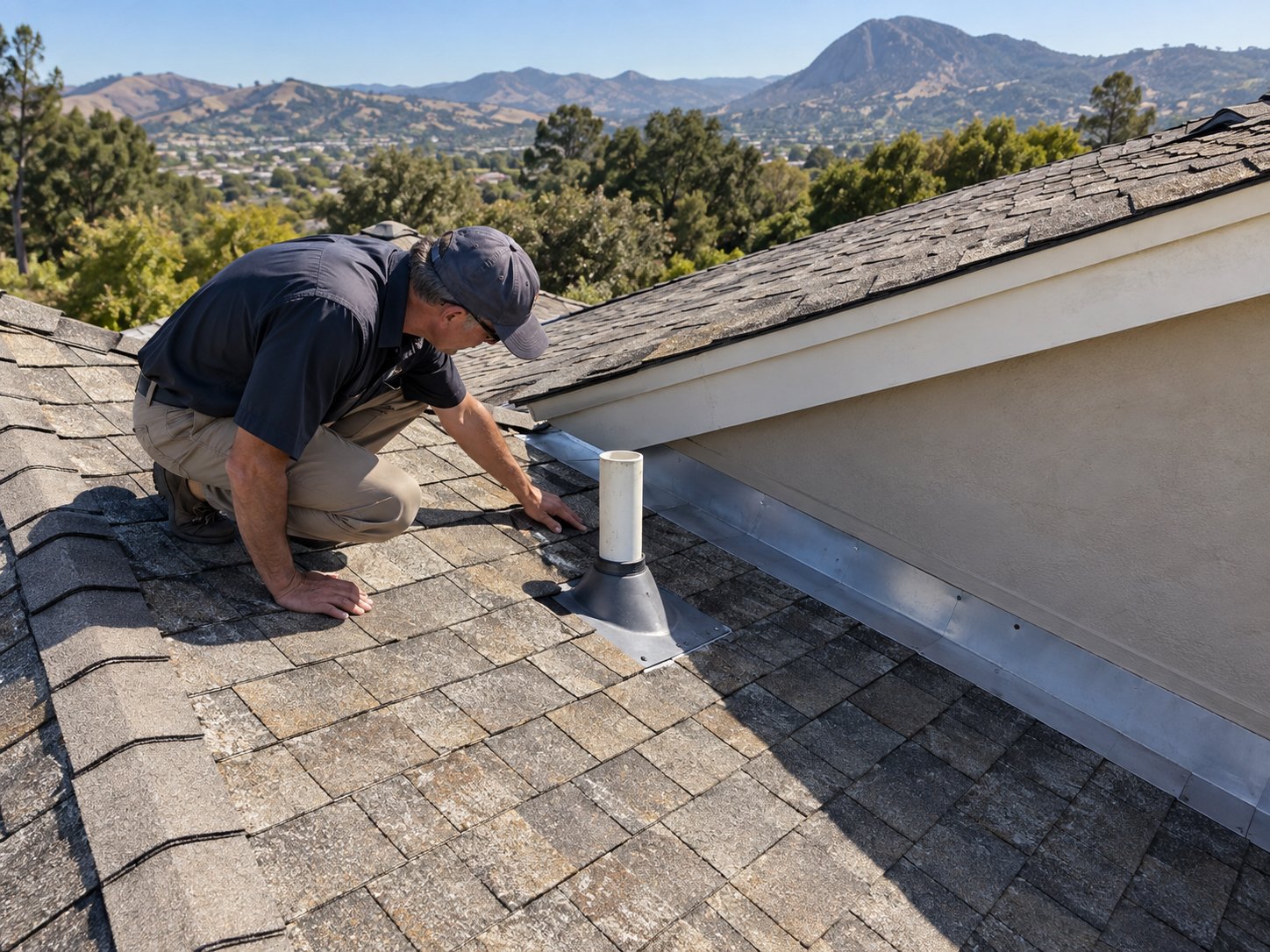
Roof age is useful information, but buyers should also consider visible condition, materials, installation history, flashing, drainage, penetrations, previous repairs, and evidence of leakage.
A roof may include sections installed at different times. Additions can have separate roof areas. Repairs may have addressed isolated problems without replacing the entire assembly.
That means a simple statement such as “the roof is 18 years old” may not explain enough.
A buyer considering an older San Luis Obispo home with additions, for example, may need to understand whether the roof over the original structure and the roof over later construction are the same age and material. A Paso Robles property with several structures may require separate consideration of each roof.
The objective is to determine present condition and likely future exposure rather than treating a published lifespan as an expiration date.
When visible deterioration, leakage, unusual installation, or uncertainty warrants it, additional roof evaluation can provide information that a buyer cannot obtain from installation age alone.
Future Repairs Should Be Evaluated as a Sequence, Not in Isolation
👉 How to Think About Future Repairs Before Buying on the Central Coast
An individual older system may be manageable. Several systems approaching major replacement periods at roughly the same time can create a different ownership picture.
Suppose a buyer encounters older HVAC equipment, an aging water heater, a roof with limited expected remaining service, and plumbing that may eventually require additional work. None of those items automatically makes the home unsuitable.
Together, however, they may influence how the buyer plans future expenses.
This is why buyers should organize findings into categories: components that appear serviceable, components needing monitoring or maintenance, components deserving specialist evaluation, and components likely to require replacement or substantial work within a foreseeable ownership period.
The goal is not to produce a precise replacement calendar. Actual performance can differ from expected service ranges.
Instead, the exercise shows whether future exposure is concentrated. A buyer who understands that several major systems may require attention can evaluate the purchase differently from someone who discovers those needs individually after closing.
Electrical Systems Should Be Evaluated for Condition and Capability
Electrical evaluation should consider more than whether the power is currently on.
Buyers may encounter older service equipment, panels, wiring methods, receptacles, circuits, additions, subpanels, or modifications made during different periods of the home's history. The significance of those conditions should be determined by qualified professionals rather than assumptions based purely on appearance or age.
Current household use can also differ substantially from the electrical demands a home was designed to support decades earlier.
Modern kitchens, electric appliances, vehicle charging, home offices, HVAC equipment, workshops, pools, accessory spaces, and other loads can make system capability relevant even when existing equipment remains operational.
This can matter in older San Luis Obispo neighborhoods as well as rural and coastal properties where homes have been expanded or altered over time.
Buyers should understand both condition and configuration.
A system that functions for the existing owner may still require evaluation in relation to the buyer's intended use. Planning to add equipment or substantially change electrical demand makes that question even more important.
Plumbing Evaluation Should Identify Materials and Current Performance
Older plumbing deserves more analysis than simply turning on faucets and checking water pressure.
Buyers should try to understand accessible supply materials, drain components, visible corrosion, leakage history, repairs, water-heater condition, sewer or septic arrangements when applicable, and any unusual characteristics identified during inspection.
Material identification can be particularly important in older housing.
The U.S. Environmental Protection Agency notes that lead can enter drinking water through older plumbing materials, including lead service lines, faucets, fixtures, and certain solder, and that lead pipes are more likely to be found in older cities and homes built before 1986. EPA also explains that testing is the way to determine whether drinking water contains harmful amounts of lead.
That does not mean an older Central Coast home necessarily contains lead plumbing or has contaminated water.
It means buyers should identify what is actually present rather than making assumptions from the home's age. When materials or water quality create a specific concern, appropriate professional evaluation or testing can provide better information.
HVAC Age Should Be Paired With an Operational Evaluation
Heating and cooling equipment can continue operating beyond typical expectations, while newer equipment can perform poorly because of installation, duct, maintenance, or equipment problems.
Buyers should therefore look beyond the manufacturing date.
An HVAC evaluation may include whether the equipment heats and cools appropriately, visible condition, unusual noise, airflow, filter and service condition, ductwork observations where accessible, thermostat operation, and known maintenance history.
The home's location and configuration also matter.
A system serving an inland Atascadero residence can operate under different conditions from equipment in a smaller coastal property, but buyers should not assume that geography alone determines system condition. The actual equipment and installation need to be evaluated.
Replacement planning should also consider more than the outdoor or indoor unit. Ductwork, electrical requirements, equipment sizing, access, and changes in technology or efficiency standards can affect the scope of future work.
An old model number provides useful information. It does not replace an assessment of how the complete system is currently functioning.
Water Heating and Smaller Systems Can Add Up
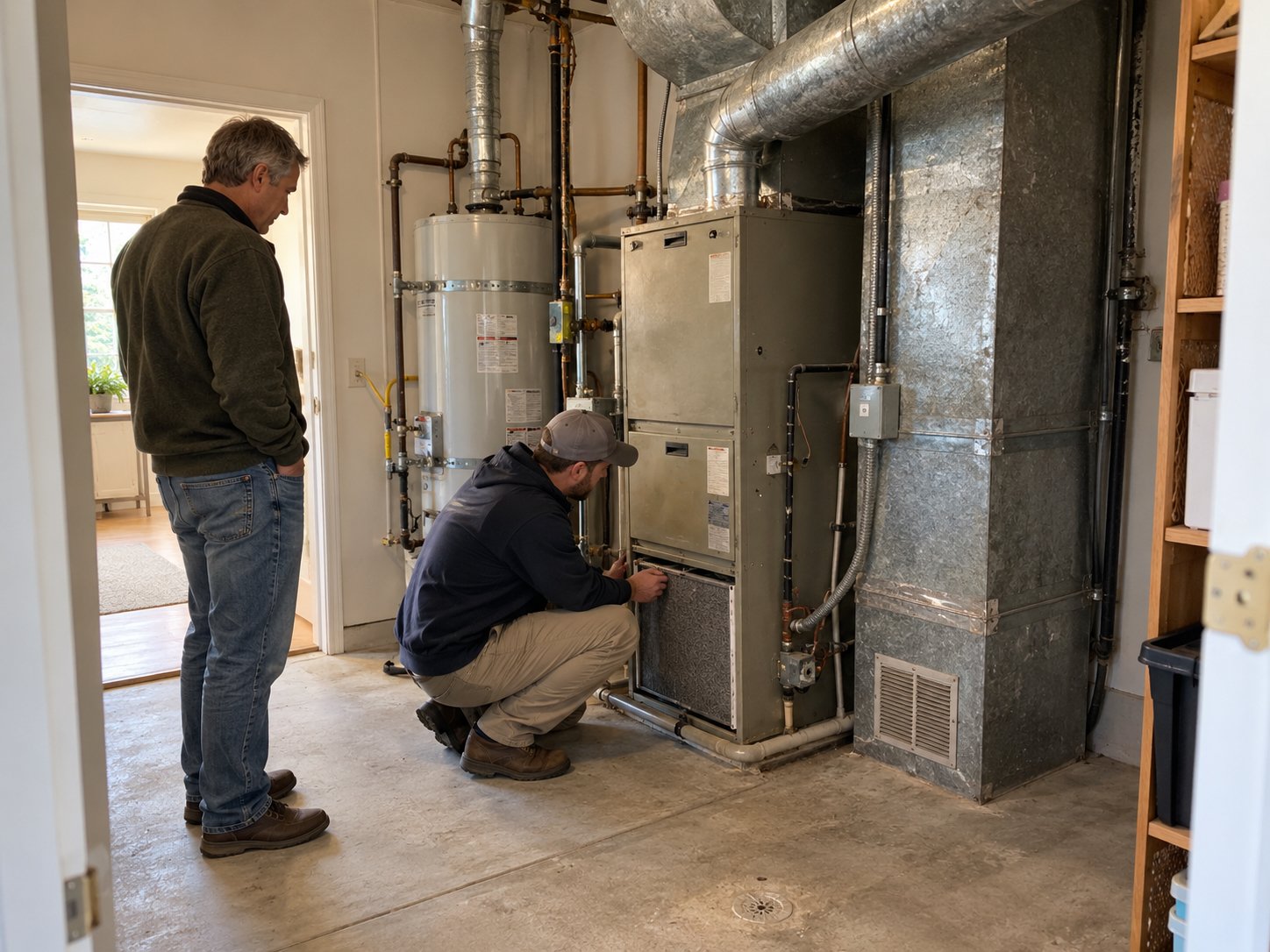
Water heaters and less visually prominent systems may receive less buyer attention than roofing or HVAC, but they still contribute to future ownership exposure.
Buyers should identify the apparent age and condition of the water heater, installation details visible to the inspector, evidence of leakage or corrosion, and whether the equipment is functioning normally at the time of evaluation.
Other systems can also deserve attention depending on the property.
A larger Templeton or rural North County home may include water-storage equipment, well components, septic systems, pumps, irrigation infrastructure, generators, or other specialized systems not found in every residence. A property with a pool or spa introduces another set of equipment.
No universal checklist can cover every home.
The useful approach is to inventory the systems that actually serve the property. Buyers can then decide which components deserve routine inspection, specialized evaluation, additional records, or future replacement planning based on significance rather than simply focusing on the most visible equipment.
Replacement Cost Is Only One Part of System Risk
Buyers often focus immediately on the potential cost of replacing an older system. Cost matters, but uncertainty, timing, disruption, and interaction with other work can matter too.
Replacing one water heater is a different ownership issue from planning coordinated electrical, HVAC, and roofing work over several years.
Access can affect complexity as well. Mechanical equipment located in a difficult area, roofing with unusual geometry, plumbing concealed behind substantial finishes, or systems serving multiple structures may involve more than simply purchasing replacement equipment.
Buyers should avoid trying to convert every inspection observation into an exact future dollar amount before enough information exists.
Contractor estimates can be useful when specific work has been identified and the transaction allows time to obtain them. Broad online replacement estimates may not reflect the configuration of a particular San Luis Obispo County property.
The more useful question is often whether the buyer understands the likely scale and timing of exposure well enough to incorporate it into the purchase decision.
Older Systems Should Be Viewed Together With the Home’s Strengths
System evaluation should improve a buyer's understanding of the property, not reduce the entire home to a list of aging components.
An older residence may offer architecture, lot characteristics, location, mature landscaping, room proportions, views, or other qualities that cannot easily be recreated. Some buyers may reasonably accept older systems because the property offers advantages they value and the future work is manageable.
Other buyers may decide that several significant systems requiring near-term attention create more ownership exposure than they want.
Neither conclusion comes from age alone.
With more than 30 years of experience representing buyers and sellers on the Central Coast, Joesef Jackson has seen older homes where major components have been maintained thoughtfully and others where superficially updated interiors conceal a very different systems picture. The useful distinction comes from investigating the actual property rather than judging it by construction year or cosmetic appearance.
A buyer should know what is older, what is functioning, what requires further evaluation, and what may eventually need replacement. That turns an older system from an unknown into something that can be weighed alongside the rest of the home's advantages and compromises.
Frequently Asked Questions
Is an old HVAC system automatically a reason not to buy a home?
No. Age is relevant, but buyers should also consider current operation, visible condition, maintenance history, ductwork, installation, specialist findings when appropriate, and the possibility of future replacement.
Should buyers replace an older roof immediately after purchasing?
Not simply because of age. Buyers should understand roofing material, condition, visible deterioration, leakage history, installation details, repairs, and professional findings before deciding what action is appropriate.
How can buyers find out how old a home system is?
Possible sources include equipment labels, seller information, invoices, permits when available, service records, inspection observations, and professional evaluation. Complete records may not exist for every component.
Does a working system mean it is in good condition?
Not necessarily. A system can operate while showing deterioration, improper installation, limited capacity, or other conditions that deserve evaluation. Current operation is one piece of evidence.
When should buyers get a specialist inspection?
Additional evaluation can be useful when a general inspection identifies a concern, when a system is complex or difficult to assess, when its condition is uncertain, or when potential repair or replacement could materially affect the buyer's decision.
Should buyers be worried about old plumbing?
Older plumbing should be identified and evaluated rather than automatically assumed to be defective. Materials, condition, leaks, corrosion, service lines, drainage performance, repairs, and water-related concerns can all be relevant.
Is it better to buy a home where all major systems are new?
Newer systems may reduce some near-term replacement exposure, but system age is only one part of a property decision. Installation quality, condition, maintenance, property price, location, and the home's other characteristics also matter.
How should buyers compare two homes with different system ages?
Compare the condition and known history of each major system, current performance, inspection findings, likely future work, the concentration of potential replacements, and the overall advantages and compromises of each property.
If you are preparing to buy or sell real estate on the Central Coast and want personalized guidance, contact Joesef Jackson at SLO Life Realty Group.