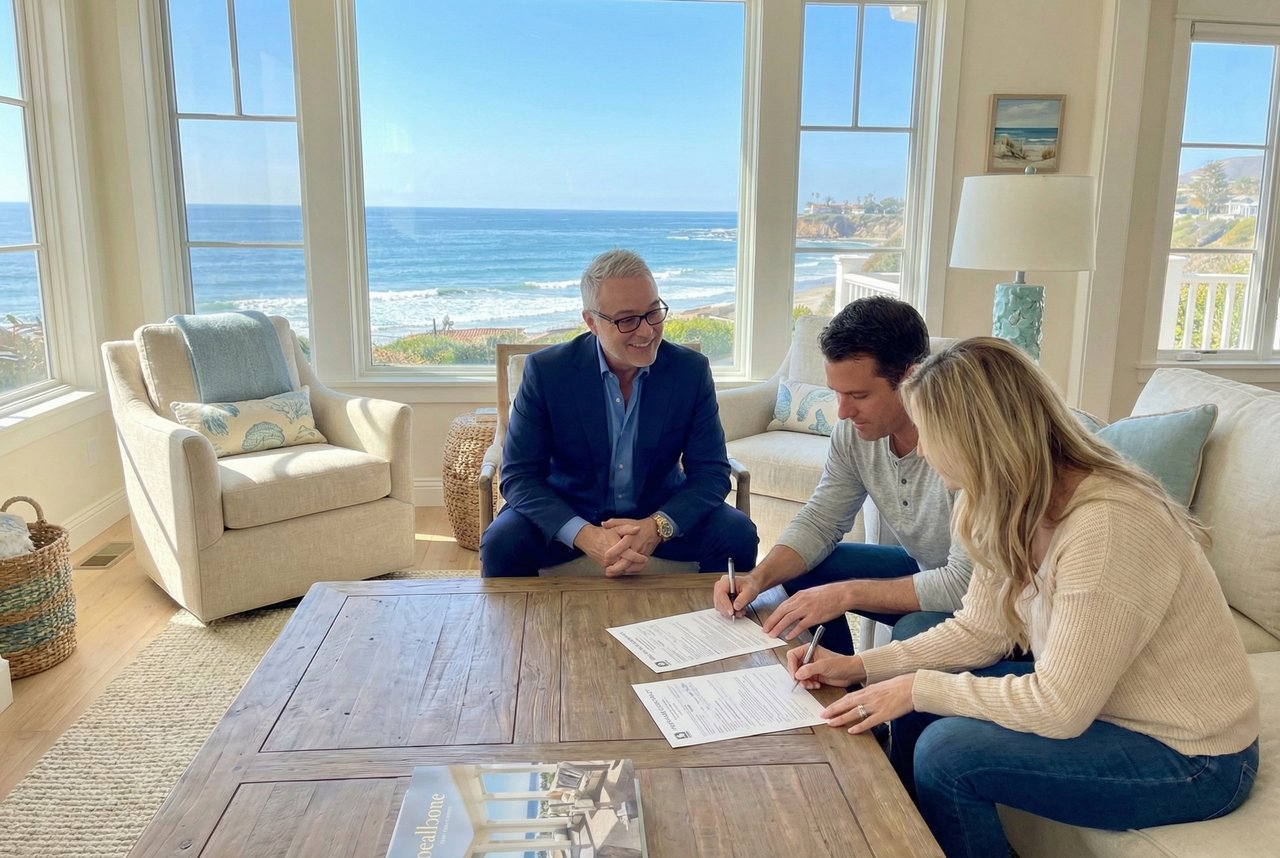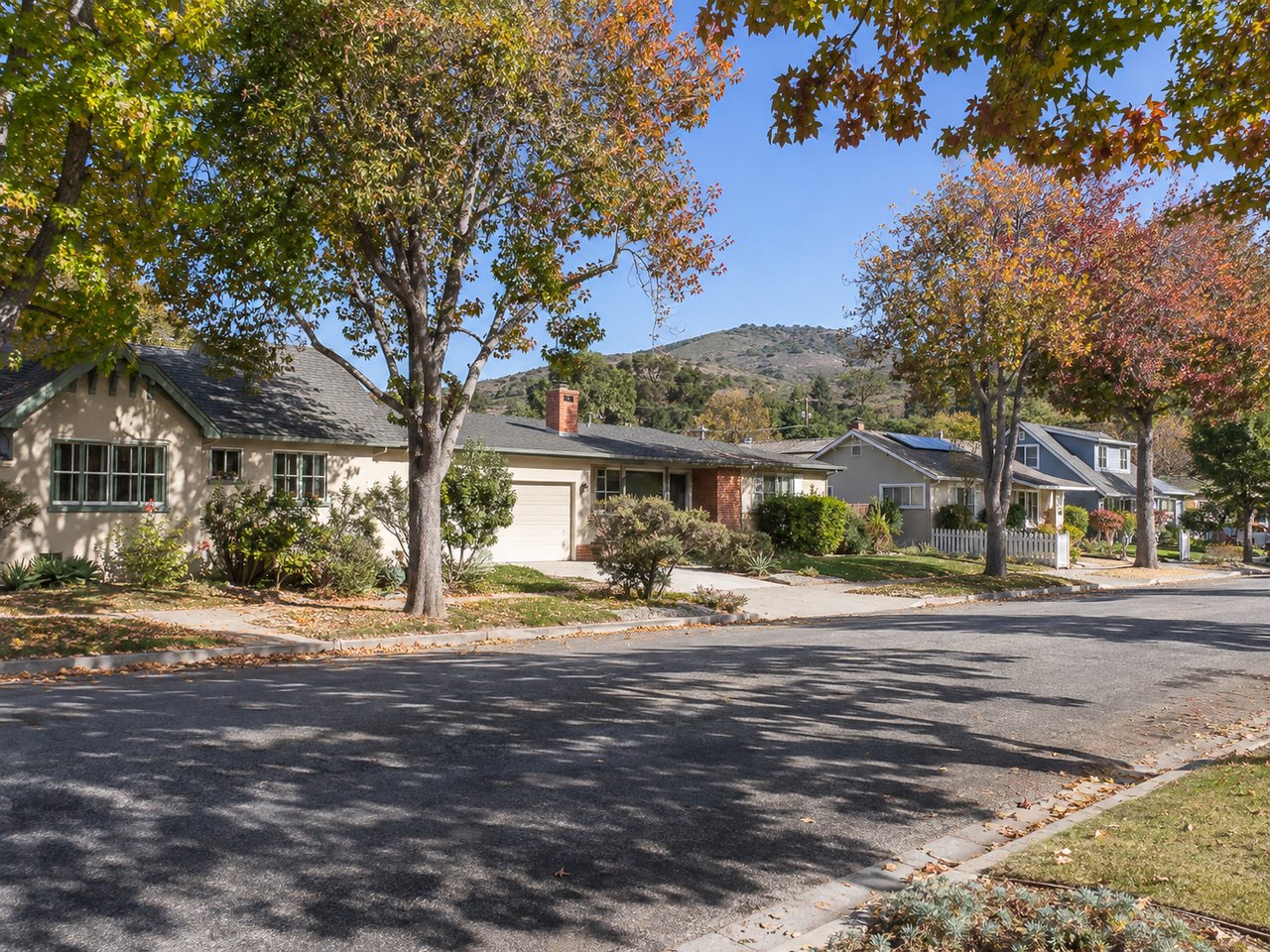
A real estate transaction contains several types of protection before closing, but they do not all work the same way. A purchase-contract contingency can give a party a defined opportunity to investigate or obtain financing. California disclosure requirements can obligate a seller to provide specific information. Escrow procedures help coordinate funds and documents under the parties' instructions. These safeguards have different purposes, conditions, and limitations. Understanding the difference matters because discovering a problem does not automatically create a right to cancel, delay closing, or recover a deposit.
Across San Luis Obispo County, those distinctions become especially important when property characteristics complicate an otherwise ordinary purchase. A residence near Santa Margarita might raise questions about recorded access or well performance. A Pismo Beach condominium may involve association obligations and master insurance. An older Atascadero home may need specialized system evaluations, while a Paso Robles acreage purchase can involve outbuildings, septic capacity, and permitted uses. A protection is valuable only when it actually addresses the buyer's or seller's concern and remains available under the governing agreement.
Successful transactions depend on identifying relevant safeguards early, meeting contractual deadlines, and documenting decisions accurately. Joesef Jackson of SLO Life Realty Group helps Central Coast buyers and sellers coordinate the practical questions that arise between offer acceptance and closing, including which issues call for inspectors, lenders, title professionals, or legal advice. The objective is not to treat every uncertainty as a crisis. It is to determine what protection applies, what evidence is needed, and what the parties must do before a contractual choice expires.
Central Coast Neighborhood Video Tour ⬇️
Understand How Contract Deadlines Preserve Options
👉 What Contract Timelines Mean for Buyers on the Central Coast
A contractual protection is effective only to the extent that the signed agreement provides it and the required procedures are followed. Inspection, financing, appraisal, document-review, and other contingencies may each have different deadlines and notice requirements. The calendar should therefore identify more than a projected closing date.
For a buyer considering a San Luis Obispo residence, build a timeline showing when documents are due, who must review them, and when decisions or notices are required. The seller should separately track delivery obligations and any contractual procedures that apply if performance is late.
Use Written Amendments to Address New Information
👉 What Happens When a Sale Needs More Time in San Luis Obispo County
An inspection finding, changed financing condition, or delayed completion date may require the parties to reconsider an agreed term. A request for revised terms does not itself modify the contract. Changes should be accurately documented and accepted through the required process.
Suppose an Arroyo Grande property's roof inspection identifies work that was not anticipated when the offer was accepted. The parties might discuss repairs, a credit, additional investigation, or a revised timeline. Which options are available depends on their agreement and the status of any applicable contingencies.
Separate Financing Approval From Contractual Protection
👉 What Makes a Home Easier to Finance in San Luis Obispo County
Preapproval does not guarantee that a lender will fund a particular property, and a financing contingency is not an unlimited cancellation option. The lender evaluates the borrower and collateral, while the purchase agreement determines whether and how a loan-related contingency protects the buyer.
An appraisal shortfall, insurance difficulty, documentation change, or property-condition issue may alter underwriting. For example, a Nipomo home's unusual improvements could prompt additional lender questions even when a buyer's income and credit remain unchanged. The buyer should notify the lender and transaction team promptly and confirm which contractual dates apply.
Investigate Insurance Before It Becomes a Closing Problem
👉 What Buyers Should Know About Insurance Review in San Luis Obispo County
Property insurance is an ownership expense and often a lending requirement, but it is not necessarily a stand-alone contractual contingency. Buyers should investigate coverage, premiums, deductibles, exclusions, and effective dates while an applicable due-diligence or financing protection remains available.
A Cambria residence near vegetated terrain may raise different underwriting questions than a Pismo Beach condominium with a master association policy. A rural property might require clarification about detached structures, wildfire exposure, or replacement costs. Neither an online estimate nor a verbal indication of insurability establishes an issued policy.
Request quotes using accurate property details, ask whether the carrier can bind coverage, and confirm the lender's requirements. If the expected policy becomes unavailable, determine whether any existing contractual protection addresses the issue before removing contingencies. Insurance questions can influence affordability even when a home is otherwise acceptable.
Understand the Protections Sellers Need From the Agreement
👉 What Sellers Should Know About Contract Protection in San Luis Obispo County
Sellers have obligations and protections of their own. The agreement may address buyer performance, deposits, document delivery, notices, cancellation procedures, and the consequences of failing to close. None should be reduced to the assumption that a seller can automatically retain the deposit whenever a buyer withdraws.
A Templeton seller purchasing a replacement home may depend on the buyer's timely financing and closing. When the buyer misses a milestone, the seller should review the applicable notice and cure provisions with the transaction team before taking action. An improperly handled cancellation can create additional conflict rather than resolve the problem.
Joesef Jackson's experience representing Central Coast transactions since 1994 informs the importance of distinguishing a practical delay from a formal contractual default. Accurate documentation of agreed repairs, included appliances, deposits, and possession terms also helps protect the seller's expectations. Where rights are disputed, legal advice is appropriate.
Assess Options When a Transaction Changes Direction
👉 What Happens After a Real Estate Deal Changes Direction in San Luis Obispo County
New facts do not all call for the same response. A material title exception, an inspection concern, and a lender condition may arise at similar times but affect different contractual provisions. The first task is to identify the nature of the issue rather than announce that the deal has failed.
Consider a Paso Robles property where a detached workspace is discovered to have an uncertain permitting history. The buyer may need municipal or county records, contractor input, and an understanding of the intended use. A seller may need to clarify what was represented or disclosed. The transaction may continue after investigation, require written amendments, or present a contractual choice.
Document the discovery date, relevant deadline, outstanding questions, and parties responsible for resolving them. When an agreement is modified, confirm the effect on other deadlines. The goal is to preserve informed options instead of drifting into an unplanned decision.
Distinguish Required Disclosures From Independent Investigations
California's applicable seller-disclosure rules help purchasers evaluate known conditions, but disclosures do not replace inspections, guarantee completeness, or make every proposed use lawful. Buyers must also review contractually delivered reports and decide whether further specialist examination is warranted.
The California Department of Real Estate guidance for homebuyers on offer contingencies and special conditions emphasizes addressing desired protections within the offer. A buyer should not wait until closing to ask whether a particular investigation right exists.
At an older Morro Bay residence, a disclosure concerning prior moisture intrusion might justify consulting a qualified building professional. For a Santa Margarita parcel, access shown on the ground should be checked against recorded rights when it matters to intended use. Distinguish the seller's statements, third-party reports, and government records; each answers different questions. Confirm what remains uncertain before making a removal decision.
Understand Escrow, Title Review, and the Limits of Each
Escrow helps administer documents and funds in accordance with applicable instructions. It does not independently certify a property's physical condition or provide legal conclusions about every title exception. Title reports and title insurance have defined purposes, requirements, exclusions, and coverage terms.
For a rural property near Santa Margarita, a maintained gate or gravel access lane does not prove that the buyer holds the access rights needed for all intended uses. Recorded documents, survey questions, and legal interpretation may require specialist review. On a Grover Beach condominium purchase, association restrictions may involve obligations outside a standard title-policy discussion.
Review legal descriptions, ownership vesting, recorded exceptions, assessments, and required payoff or release documents. Confirm wire instructions independently through a previously trusted telephone number, not a number supplied in an unexpected email. Escrow's coordination role is valuable, but it cannot replace the buyer's investigation of material ownership risks.
Evaluate What Contingency Removal Actually Changes
Removing a contingency can reduce a buyer's contractual choices even when the underlying risk remains unresolved. Before authorizing removal, identify the specific contingency, the investigations completed, outstanding findings, and the possible effect on the deposit or performance obligations.
A buyer purchasing acreage in Paso Robles may still be awaiting a well test or septic evaluation. If the deadline is approaching, the responsible decision is to understand the agreement, request an extension when appropriate, and obtain professional advice about the available options. Removing a contingency merely to maintain momentum can leave the buyer exposed to an unanswered concern.
Coordinate Lender Disclosures Without Confusing Their Purpose
Federal mortgage disclosures provide another layer of information, separate from the purchase agreement's inspection or loan contingencies. For most covered mortgages, the lender must ensure the borrower receives the Closing Disclosure at least three business days before consummation. Certain material changes require a new review period; other corrections may not.
The Consumer Financial Protection Bureau guide to reviewing closing documents before signing explains how buyers can compare their final loan figures with earlier estimates. Verify the loan type, rate, payment obligations, closing costs, and cash required. Raise errors with the lender before proceeding.
A Closing Disclosure review period does not grant an automatic extension of an unrelated purchase-contract contingency. Similarly, the fact that financing documents are prepared does not prove all property obligations have been satisfied. Coordinate the schedules, but preserve their legal and practical distinctions. Buyers should know which professional can answer each category of question.
Establish an Issue-Resolution Record Before Closing
A useful closing process tracks each material concern through identification, professional review, decision, and written resolution. Record what protection applies, when action is due, the supporting evidence, and who is responsible. Separate unresolved questions from decisions already accepted in writing.
Joesef Jackson helps clients organize these practical dependencies so a title question, insurance condition, repair agreement, or financing request does not disappear amid routine communications. Buyers exploring buying a home in San Luis Obispo County with Joesef Jackson benefit from understanding these safeguards before contingencies are removed, rather than expecting the final signing appointment to solve earlier uncertainties.
The objective is not a flawless property or a transaction without negotiation. It is an informed agreement where material risks are identified, available protections are understood, and outstanding obligations have a documented path to resolution.
Frequently Asked Questions
Is every California purchase automatically protected by an inspection contingency?
No. The agreement controls whether an inspection contingency is included, its scope, and the required procedures. Buyers should examine their actual signed contract rather than assume a customary form always provides identical rights.
Can a buyer automatically recover the deposit after discovering a defect?
No. Deposit rights depend on the agreement, applicable law, notices, and the circumstances of any cancellation. A significant defect alone does not establish that every buyer can cancel and obtain an immediate refund.
Does a seller disclosure eliminate the need for independent inspections?
No. Disclosures provide information required in applicable transactions, while qualified inspections can evaluate visible conditions, systems, or specialized concerns. A buyer may need both sources and additional records to assess the property's suitability.
What happens if an appraisal is below the purchase price?
The lender may require more cash, revise loan terms, or decline the proposed financing. Whether the buyer can renegotiate, cancel, or recover a deposit depends on the signed agreement and any relevant contingency.
Does title insurance cover every access or boundary concern?
No. Coverage depends on the policy, exceptions, endorsements, and facts involved. Buyers should review recorded matters and seek legal or surveying advice when access or boundaries are critical to intended property use.
Can a seller cancel immediately when the buyer misses a deadline?
Not necessarily. The contract may require formal notices, additional steps, or an opportunity to perform. A seller should review the applicable provisions before assuming a missed date gives an immediate right to terminate.
Is a Closing Disclosure the same as a financing contingency?
No. The Closing Disclosure communicates covered mortgage terms and costs under federal rules. A financing contingency, if present, is a purchase-contract provision addressing specified financing conditions and remedies.
Should buyers remove contingencies to keep the transaction on schedule?
Only after understanding what each removal means and assessing the relevant evidence. If a material question is unresolved, buyers should discuss contractual choices and deadlines with their agent and qualified advisers before acting.
Use Protections as Decision Tools, Not Assumptions
Real estate protections work best when each party understands its source, scope, deadline, and consequence. Contract contingencies, disclosure obligations, escrow procedures, title review, and federal lending disclosures serve different functions. None should be treated as a universal guarantee against risk or as a substitute for professional evaluation.
Before closing, identify what has been investigated, what remains unresolved, and which decisions are documented. When a new issue appears, match it to the relevant agreement or duty before choosing a response. That discipline gives buyers and sellers a clearer way to proceed, negotiate, or exercise an available right without confusing uncertainty with automatic permission to cancel.
If you are preparing to buy or sell real estate on the Central Coast and want personalized guidance, contact Joesef Jackson at SLO Life Realty Group.