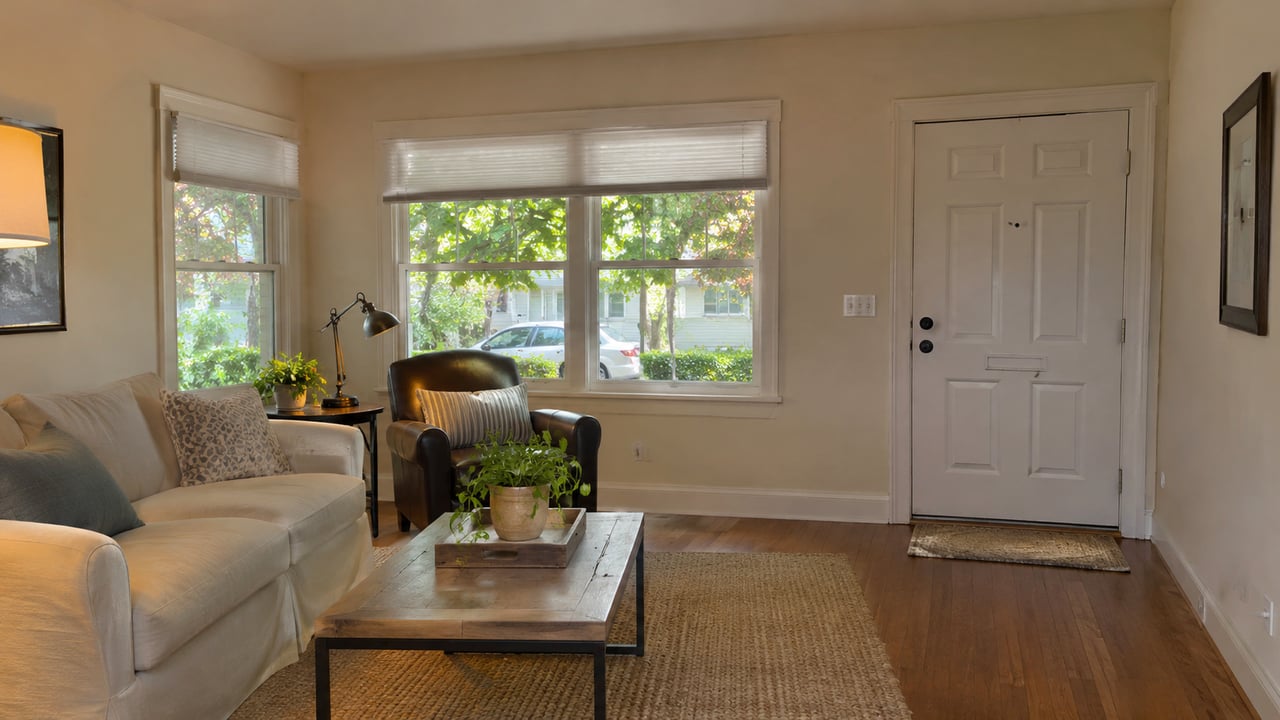
Early pricing pressure develops when a home's initial market response suggests that qualified buyers may not recognize sufficient value at the asking price. The signs can appear before a listing accumulates significant days on market or requires a formal price reduction. Limited showings, weak follow-up, repeated buyer objections, and stronger activity at competing homes can all provide clues. However, one quiet weekend or an individual buyer's opinion does not establish overpricing. Sellers need to interpret several related signals before deciding that the asking price should change.
Across San Luis Obispo County, early pricing pressure can look different depending on location, property type, and the available competition. A traditional residence in San Luis Obispo may attract considerable online attention but fewer serious showings when its price exceeds nearby alternatives. A home in Arroyo Grande could generate visits but lose buyers to properties with more practical floor plans. Coastal listings in Morro Bay and Cambria may serve smaller or more specialized buyer groups, making their initial responses harder to interpret. The local competitive environment matters more than a countywide assumption.
A successful early pricing review asks whether buyers are seeing the property, whether qualified prospects are interested, and whether that interest is translating into offers. Joesef Jackson of SLO Life Realty Group helps sellers distinguish market resistance from issues involving exposure, presentation, property condition, or timing. The objective is not to reduce prices prematurely. It is to recognize credible warning signs while the listing remains relatively fresh and respond with a strategy grounded in actual buyer behavior and comparable market evidence.
Central Coast Neighborhood Video Tour ⬇️
Recognize When Buyer Confidence Becomes Price Resistance
👉 What Happens When Buyer Confidence Changes in San Luis Obispo County
Early pricing pressure occurs when qualified buyers hesitate at the asking price despite having a reasonable opportunity to evaluate the property. This distinction matters because buyer uncertainty and a pricing problem are not necessarily the same.
A prospective purchaser might be concerned about financing, upcoming maintenance, or general market conditions. Those concerns become meaningful pricing signals when comparable homes continue attracting offers while the subject property receives limited serious interest.
For example, a San Luis Obispo home may generate several favorable comments but no return visits. If competing residences with similar features are going pending, investigate whether buyers perceive an insufficient advantage at the advertised price.
The seller should evaluate what buyers actually do rather than assign motives to their hesitation. Repeated resistance supported by comparable activity is more persuasive than one disappointed showing.
Understand What Buyers Are Comparing During the First Showings
👉 What Drives Buyer Decisions on the Central Coast?
Buyers usually judge value through comparison, not through the seller's original purchase price, renovation budget, or preferred proceeds. Their evaluation may involve room size, condition, parking, accessibility, outdoor space, location, and ongoing ownership costs.
During initial showings, a modest home in Paso Robles may compete with properties offering larger living areas or updated systems. A buyer might appreciate its character yet conclude that another listing provides more usable space for similar money.
Record feedback about observable differences, including whether multiple visitors mention the same limitation. Distinguish those recurring observations from preferences that vary widely among buyers.
Importantly, a feature does not always need to be corrected physically. Sometimes the appropriate response is to reconsider how its limitations affect the property's price relative to competing choices.
Separate Local Market Conditions From Listing-Specific Problems
👉 How to Analyze Market Cycles in San Luis Obispo County
A listing's quiet first week must be compared with the activity of similar homes introduced under comparable conditions. Without that context, sellers risk attributing a local pricing problem to an overall market slowdown—or mistaking widespread hesitation for a flaw unique to their home.
Look at recent new listings, pending transactions, inventory changes, and comparable marketing periods. A rural property near Templeton may require more exposure to reach its intended audience than a conventional neighborhood residence.
Joesef Jackson's experience representing San Luis Obispo County buyers and sellers since 1994 provides perspective on how market response can vary across price segments and economic cycles. Present-day transactions should still guide decisions.
If most competing homes receive limited qualified activity, the market environment may be the dominant factor. When comparable listings perform substantially better, examine the subject property's pricing and presentation more closely.
Compare the Listing Against Current Inventory
👉 How Local Inventory Shapes Pricing Power in San Luis Obispo County
The clearest early pricing signals often come from what qualified buyers choose instead. Active and newly pending comparable homes reveal alternatives available at the same time as the subject listing.
For a three-bedroom residence in Atascadero, compare similar properties by usable space, location, condition, parking, and lot characteristics. A larger home offered at nearly the same price may limit the subject property's appeal even if the seller's price is supported by older sales.
Closed transactions remain important evidence, but current listings reveal the competition purchasers can inspect today.
Consider whether a newly listed alternative changes the property's relative position. The appearance of a stronger competing home can create pricing pressure without any physical change to the original listing.
Interpret Early Showing Volume in Context
👉 How Market Signals Affect Pricing Strategy on the Central Coast
Showing activity is most useful when measured against marketing exposure and relevant competing listings. Low activity may reflect price resistance, but it may also result from poor photographs, limited showing access, inaccurate listing information, or an unusually small buyer pool.
Begin by confirming that the property is displayed correctly through the intended listing channels and that qualified buyers can schedule appointments conveniently.
Then evaluate the progression from online attention to inquiries, scheduled tours, and meaningful follow-up.
A well-positioned Nipomo home with numerous views but few showings may be encountering resistance to its advertised value proposition. A property receiving very little online visibility requires a different investigation.
Do not treat raw visitor counts as equivalent to purchasing demand. The quality and consistency of buyer responses matter more than a large number of casual impressions.
Examine Repeated Buyer Objections Before Adjusting Price
👉 What Buyer Demand Patterns Reveal in San Luis Obispo County
Recurring objections carry more weight than isolated criticism. Sellers should identify whether qualified visitors repeatedly question the same feature or whether reactions are scattered across unrelated personal preferences.
Suppose prospective buyers touring a Grover Beach residence consistently mention limited parking compared with similarly priced homes. That pattern may reveal a meaningful disadvantage that should influence pricing.
Conversely, one visitor disliking the paint color provides little evidence of a market-wide valuation problem.
Keep a concise record of substantive feedback, repeat showings, disclosure requests, and offers. Where possible, distinguish firsthand buyer comments from speculation about why someone did not proceed.
The goal is to determine whether a consistent relationship exists between the asking price and the limitations purchasers are identifying.
Understand the Effect of Mortgage Affordability on Early Response
Mortgage costs can influence pricing pressure even when the property attracts buyers who genuinely like it. Purchasers may qualify for financing but remain unwilling to accept the resulting monthly payment once taxes, insurance, and maintenance are considered.
The Freddie Mac Primary Mortgage Market Survey provides national mortgage-rate context. Individual borrowers still face different terms, and national averages do not establish the financing conditions of every San Luis Obispo County buyer.
A home priced just above a buyer's comfortable payment range may face substantially less serious interest than one positioned within that range.
Sellers should consider affordability alongside competing inventory rather than assume that enthusiastic showing feedback guarantees an acceptable offer.
Decide Whether the First Marketing Period Provides Enough Evidence
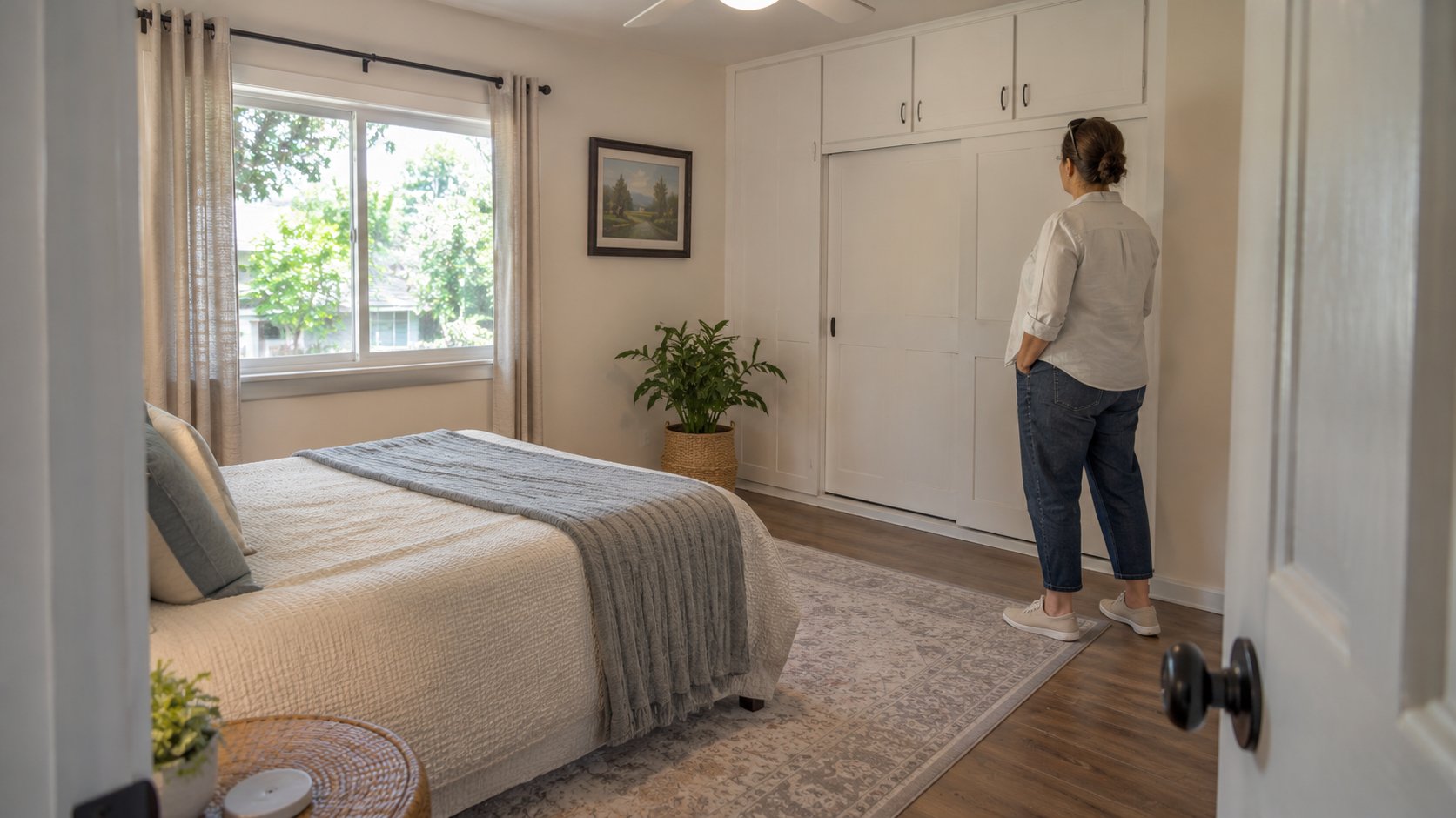
The first seven to twenty-one days can provide useful diagnostic information, but they are not a universal deadline for reducing a listing price. The appropriate evaluation period depends on local activity, property type, exposure, seasonality, and the expected size of the buyer pool.
An ordinary residential home in an active neighborhood may generate meaningful feedback quickly. A specialized property in Cambria may require a longer period before its response becomes representative.
Compare actual showings and inquiries against reasonable expectations established before launch. Determine whether the initial marketing effort has reached the intended audience.
Avoid extending the observation period indefinitely when several consistent signals indicate resistance. Equally, avoid changing the asking price before sufficient qualified exposure has occurred.
Calculate Whether Waiting Creates Additional Pricing Risk
Maintaining an unsupported asking price can have consequences beyond the number of days accumulated on the listing. Additional mortgage payments, utilities, taxes, insurance, and maintenance may affect the seller's financial outcome.
New competing listings can also change buyers' available choices while the home remains unsold.
The National Association of REALTORS® consumer guide to pricing a home explains the importance of local market conditions and informed pricing decisions.
Sellers should compare the potential benefit of holding their price with the cost and uncertainty of waiting. That analysis should account for current comparable activity rather than an assumption that more time will inevitably produce the desired offer.
An early adjustment may sometimes preserve competitive positioning, but it should follow evidence rather than fear of accumulating days on market.
Make a Pricing Decision That Responds to the Evidence
A responsible response begins by identifying the primary cause of weak early activity. If exposure is inadequate, improve access or marketing presentation. If recurring property concerns dominate, address correctable issues or reconsider their effect on value.
When qualified buyers repeatedly favor comparable properties at similar prices, reassess the asking price itself.
For homeowners considering selling real estate in San Luis Obispo County with Joesef Jackson, an initial pricing strategy should include agreed review points and the market evidence that would justify a change.
Joesef Jackson helps sellers interpret buyer responses alongside comparable transactions and the property's competitive position.
The objective is not necessarily the fastest possible sale. It is to maintain credible pricing while protecting the seller's larger financial and timing goals.
Frequently Asked Questions
What is early pricing pressure in real estate?
Early pricing pressure occurs when initial market behavior suggests buyers may not support a property's asking price. It can appear through weak qualified showings, repeated value objections, or stronger results at comparable listings. Multiple signals provide better evidence than any single observation.
How soon can sellers identify pricing resistance?
Some listings generate meaningful evidence within the first week, while others require additional exposure. The appropriate review period depends on property type, local transaction activity, and whether the intended buyer pool has had a reasonable opportunity to see the home.
Does a high number of online views mean the home is priced correctly?
No. Online attention demonstrates visibility, not price acceptance. Sellers should examine whether interested visitors schedule showings, request additional information, return, and submit credible offers.
Can a listing be overpriced even when recent comparable sales support it?
Yes. Comparable sales may reflect earlier market conditions, different property characteristics, or transactions without the same competing alternatives. Current pending activity, inventory, and qualified buyer responses help test whether the asking price remains competitive.
Should sellers reduce their price after one disappointing open house?
Not automatically. One event may be affected by scheduling, weather, marketing exposure, or ordinary variation. Investigate the broader pattern before concluding that the market has rejected the asking price.
How can sellers distinguish condition objections from price objections?
Compare the subject home with similarly priced alternatives. Repeated concerns about needed repairs or limited functionality may indicate that buyers expect a different price for its condition. Correctable presentation problems should be evaluated separately.
Can a price adjustment attract a different group of buyers?
Potentially. A revised price may improve the property's position against competing listings and place it within additional buyers' search ranges. However, increased visibility does not guarantee an offer or a particular final sale price.
What should sellers monitor after an initial price adjustment?
Review qualified showings, repeat visits, disclosure requests, competing pending sales, and written offers. The purpose is to determine whether the new position improves meaningful buyer engagement rather than merely producing more online traffic.
Respond to Pricing Pressure Before Assumptions Take Control
Early pricing pressure should be evaluated as a pattern of market evidence, not as a verdict delivered by one quiet weekend. Sellers gain better information by separating exposure, property presentation, buyer affordability, and comparable competition before deciding how to respond.
The strongest framework follows the listing from initial visibility through qualified showings, recurring feedback, competing transactions, and actual offers. When those signals consistently indicate resistance, an adjustment may be justified. When evidence remains incomplete, additional targeted observation may be more appropriate.
The guiding principle is to protect the listing's competitive position through timely, informed decisions rather than either defending the original price indefinitely or reducing it reflexively.
If you are preparing to buy or sell real estate on the Central Coast and want personalized guidance, contact Joesef Jackson at SLO Life Realty Group.