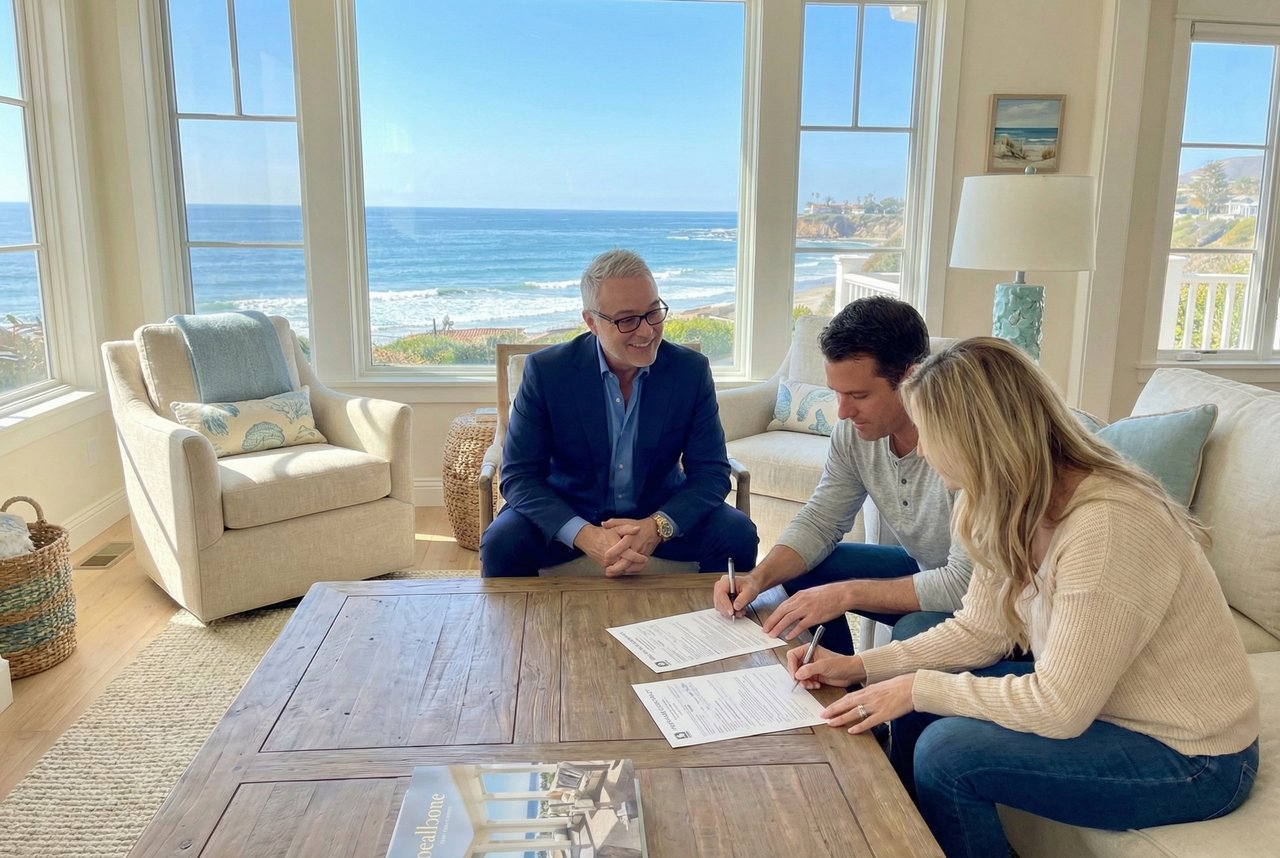
Final signing is an important checkpoint in a Central Coast home purchase, but it is not the moment to discover unexplained loan charges, unresolved repair agreements, or uncertainty about possession. Buyers may be asked to sign a substantial collection of documents in a relatively short appointment. The best preparation occurs earlier: compare the final figures with expectations, understand what each major document accomplishes, and verify that obligations established during escrow have been addressed. A familiar property and an approved loan do not eliminate the need for a careful final review.
In San Luis Obispo County, the physical and financial questions can vary by property. A condominium in Pismo Beach may involve association documents and assessments. A rural residence near Paso Robles may require attention to well, septic, and access information. Buyers of older homes in Morro Bay might need confirmation of negotiated repair work, while a San Luis Obispo residence may involve occupancy arrangements or timing requirements. Each buyer needs a property-specific checklist.
The purpose of final signing is to execute documents accurately after buyers understand their commitments, not simply to finish paperwork. Joesef Jackson of SLO Life Realty Group helps buyers connect their transaction terms, property findings, and expected closing sequence so questions can be raised before they become last-minute problems. Buyers should know what remains to be verified, whom to contact when something differs, and what happens after the signatures are complete. That preparation supports informed decisions without assuming that signing itself transfers title or delivers the keys.
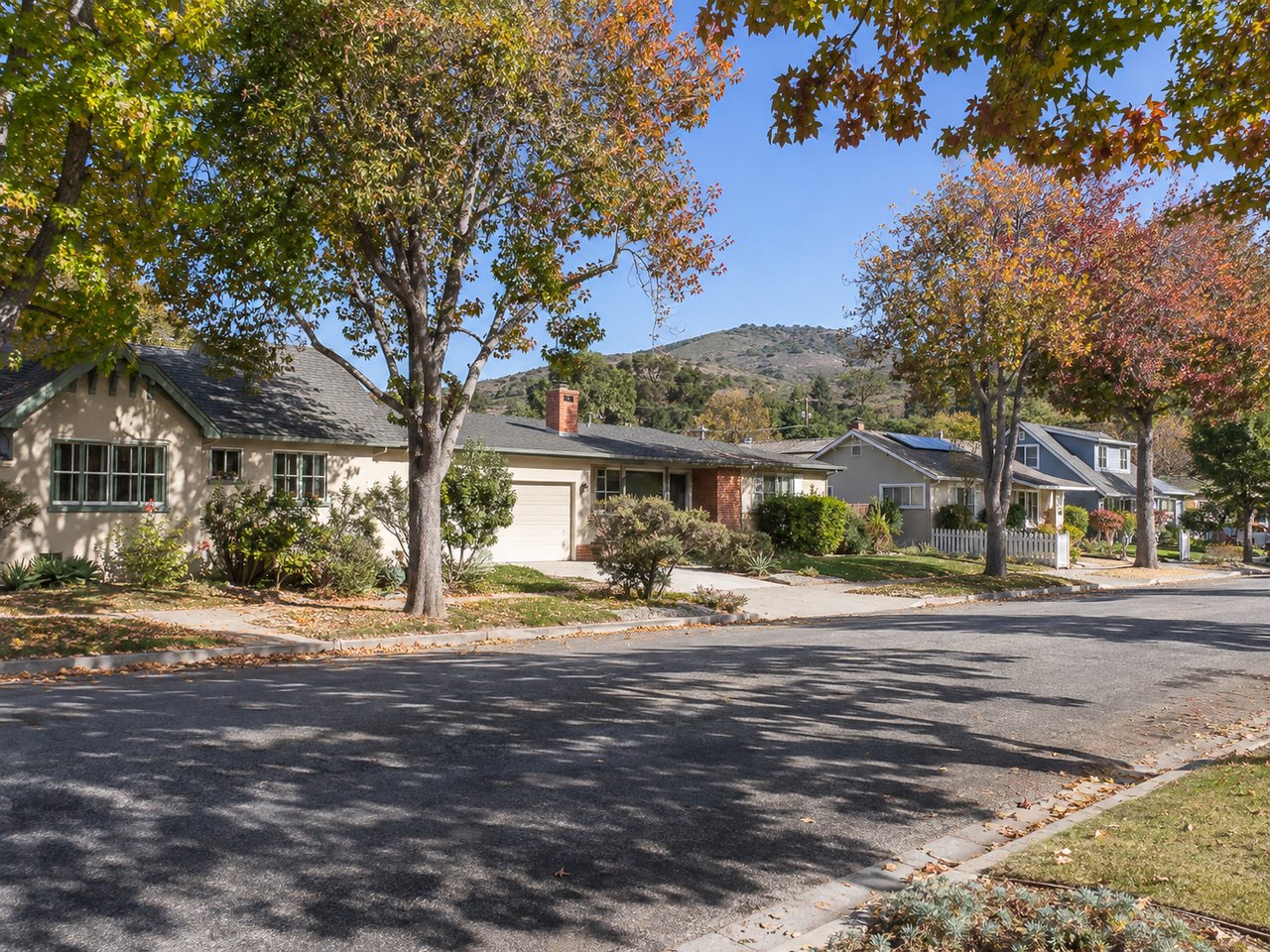
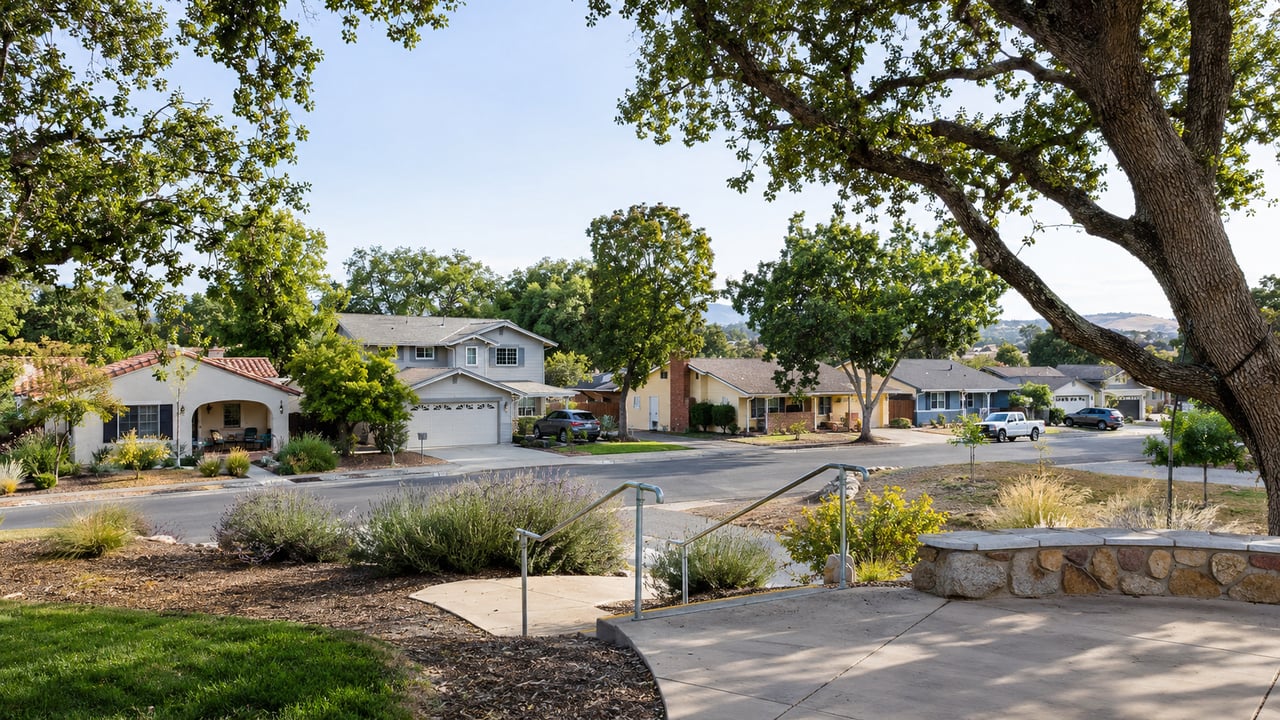
Central Coast Neighborhood Video Tour ⬇️
Confirm the Final Escrow Timeline Before Signing
👉 What Escrow Questions Buyers Should Ask on the Central Coast
Closing dates, loan-document appointments, lender funding, recording, and possession do not necessarily happen simultaneously. Start by asking the escrow officer which documents are ready, whether the lender has issued final instructions, and what conditions remain outstanding. Compare the proposed signing appointment with contract deadlines and any written amendments.
A buyer of an Arroyo Grande home should not arrange movers solely because a signing appointment has been scheduled. The contract may specify possession after close of escrow or another agreed time. Ask how holidays, lender cutoff times, and recording schedules could affect that plan.
Keep one written timeline showing the anticipated signing, funding, recording, and possession stages. If dates shift, establish whether an amendment or other written confirmation is required. Signing is not the same as completing the purchase.
Review Closing Risks That May Still Be Unresolved
👉 What Closing Risks Buyers Should Understand on the Central Coast
A buyer's final review should identify unresolved matters, not reopen every decision already made during escrow. Determine whether financing conditions, title questions, agreed repairs, insurance requirements, and other contract obligations have been satisfactorily addressed. Ask the appropriate professionals for confirmation rather than relying on an informal assurance that everything is finished.
For example, a Nipomo property may have an agreed repair or document delivery that requires confirmation before closing. A coastal condominium could involve a pending association question. Neither issue should be presumed solved merely because documents are available for signature.
Prioritize items that could affect legal ownership, financing, condition, or possession. If a significant matter remains open, discuss available contractual choices with your agent and, when necessary, a qualified legal adviser before signing. Treat final signing as a checkpoint for material obligations rather than a substitute for earlier due diligence.
Check Contract Deadlines and Written Agreements
👉 How Real Estate Deadlines Protect Both Sides in San Luis Obispo County
The purchase agreement and subsequent written amendments establish the parties' obligations. Before final signing, compare the latest agreed terms with escrow instructions and any requested acknowledgments. Confirm that negotiated credits, repairs, fixtures, included personal property, and timing provisions have not been lost between versions.
Joesef Jackson's experience representing Central Coast buyers since 1994 informs the importance of tracking decisions through their written documentation. A buyer may remember a verbal conversation about an appliance or closing date, but the documents determine what was formally agreed.
If an item appears inconsistent, raise it with the transaction participants before signing rather than assuming it can be corrected afterward. Keep copies of the current agreement and amendments readily available for comparison. Recognize discrepancies in time for professional resolution.
Reconcile Inspection Findings and Negotiated Repairs
👉 How to Review Inspection Findings Before Negotiating on the Central Coast
Final signing should follow a clear understanding of what inspections revealed and which remedies, if any, were agreed upon. Review repair requests, invoices, permits where relevant, and any written credits. A contractor's invoice may document work performed, but it does not automatically verify the quality or completeness of that work.
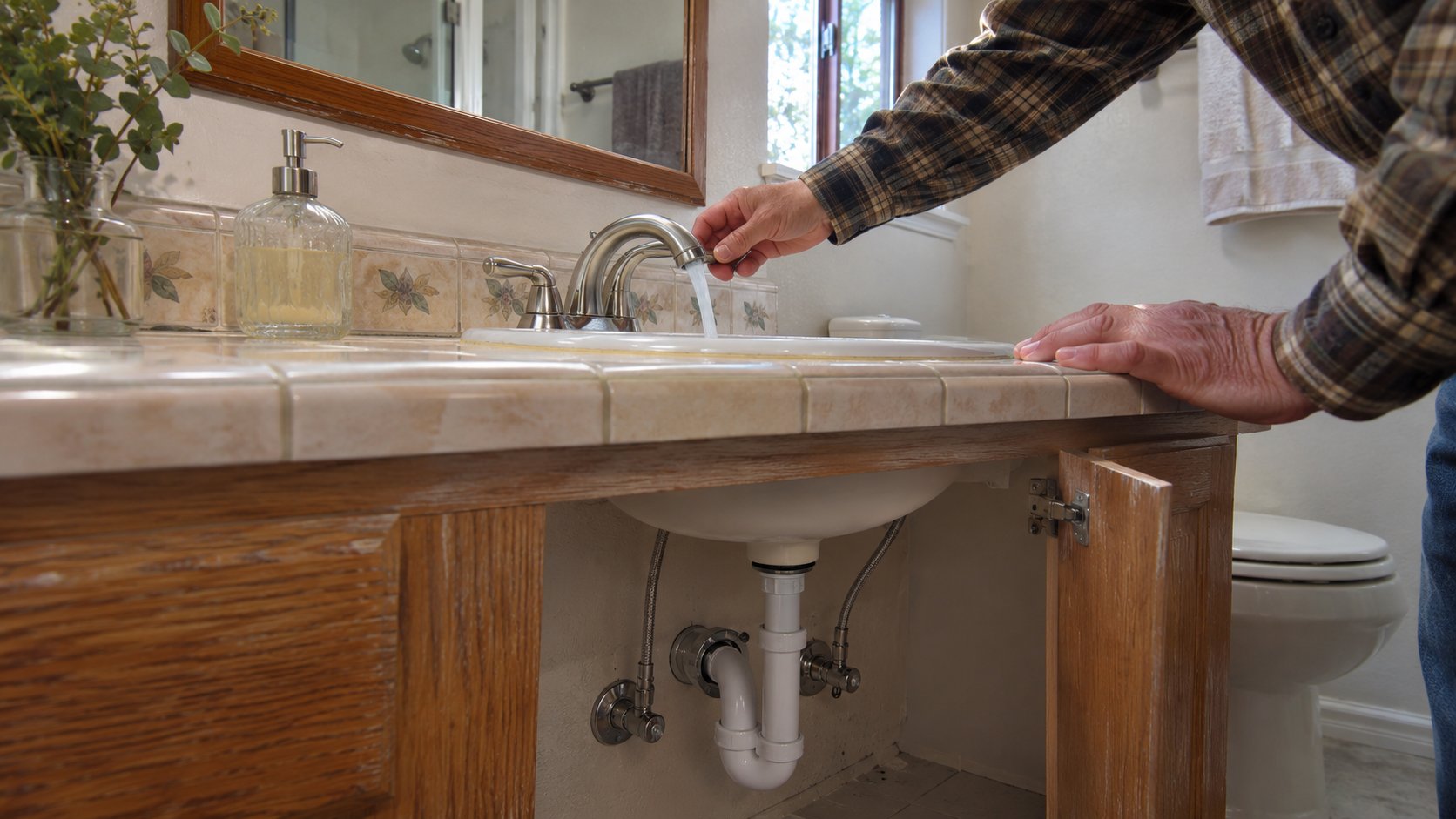
At a Templeton residence, a negotiated plumbing correction should be matched with the specific agreement, not a general statement that maintenance occurred. Ask whether follow-up verification by a qualified specialist is appropriate for safety-related or technical concerns.
Distinguish completed repairs from credits that shift responsibility to the buyer after closing. The consequences differ. If something remains unresolved, determine the available options under the contract before treating the final signing appointment as an irreversible deadline.
Understand the Closing Disclosure and Your Loan Terms
👉How to Evaluate Property Improvements Before Buying on the Central Coast
For most covered mortgage purchases, buyers must receive the Closing Disclosure at least three business days before consummation. Use that review period to compare the final loan amount, interest rate, loan type, monthly principal and interest, projected escrow payment, closing costs, and cash needed to close against the Loan Estimate and the terms you expected.
The Consumer Financial Protection Bureau guide to reviewing documents before closing explains the key items borrowers should verify. Ask the lender about any unexplained fee change, new prepayment penalty, or different loan product. Certain material changes require a new waiting period; not every correction does.
A buyer in San Luis Obispo should also check that the property's address and borrower information are accurate. Do not sign an unfamiliar loan term simply because the appointment is underway. The lender and settlement team should explain discrepancies before documents are executed.
Verify the Cash Needed to Close and Payment Instructions
👉 What Happens When Closing Expectations Change on the Central Coast
The amount due at closing may differ from a buyer's original estimate because of final prorations, lender charges, credits, or prepaid expenses. Request the current amount from the settlement team and compare it with the Closing Disclosure and any separate escrow figures. Clarify the source of differences rather than guessing which number controls.
Wire-transfer fraud is a serious concern when criminals impersonate transaction professionals and send altered payment instructions. Independently confirm payment details using a trusted telephone number obtained before any suspicious message, not a number in an unexpected email or text. Never assume that last-minute replacement instructions are genuine.
Ask escrow about acceptable payment methods and deadlines. Maintain sufficient verified funds while avoiding unnecessary transfers before instructions are confirmed. Accurate financial preparation protects both closing timing and the buyer's money.
Know What the Final Walkthrough Can and Cannot Confirm
A final walkthrough is generally intended to check the property's condition near closing against contractual expectations, including agreed repairs and included items. It is not a replacement for professional inspections or a new unrestricted contingency. Timing and rights depend on the transaction documents.
During a walkthrough of an Atascadero home, buyers might check that agreed appliances remain, accessible fixtures operate as expected, and the property has not suffered obvious new damage. Photograph material concerns when appropriate and report them promptly through the transaction team.
Check agreed fixtures, garage remotes, access systems, and personal property removal as applicable. Do not assume every minor condition creates a contractual right to delay closing. The appropriate response depends on the specific agreement and seriousness of the issue. Resolve significant questions before the signing or recording sequence advances when possible.
Review Title, Ownership, and Escrow Documents Carefully
Buyers should understand how title will be held, what property is being conveyed, and which recorded exceptions or requirements affect ownership. Review the preliminary title materials and any later updates with the appropriate title or escrow professional. Questions about easements, vesting, ownership entities, or legal consequences may require an attorney.
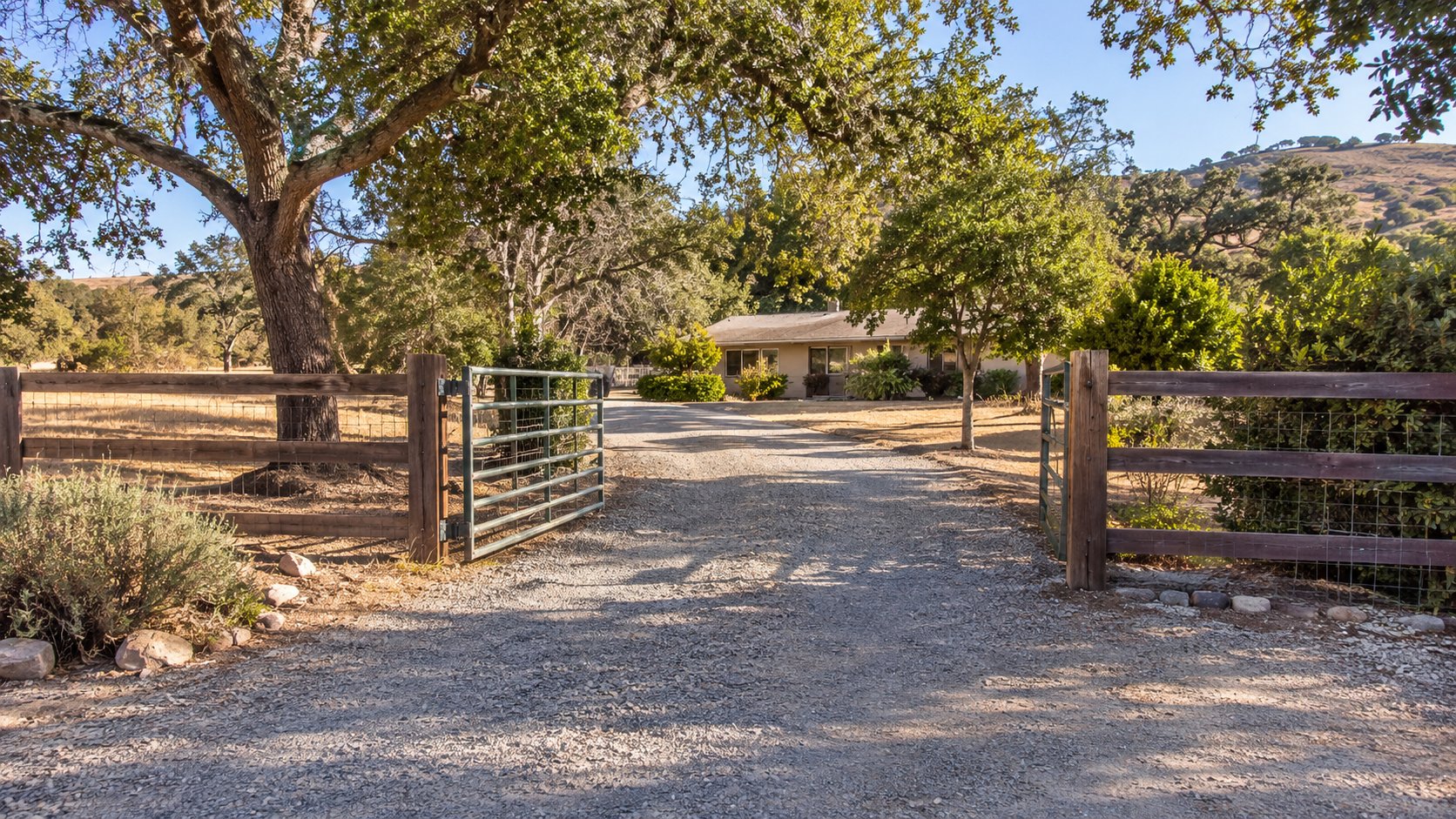
A rural parcel near Santa Margarita can involve access or utility easements that matter to future use. A condominium in Grover Beach can involve association-related obligations. Signing does not erase those conditions or convert an unresolved title question into a minor formality.
Verify spelling, identity, property description, and intended ownership arrangement. Do not choose a vesting structure based solely on an informal suggestion; seek qualified tax or legal guidance where needed. The final review should confirm consistency with decisions already made, not introduce unsupported new ones.
Understand Signing, Funding, Recording, and Possession
Signing purchase and loan documents does not, by itself, mean escrow has closed or the buyer can take possession. After signing, the lender may still review returned documents and fund the loan. Escrow must satisfy applicable conditions and arrange recording of the necessary documents. Possession follows the contract's agreed terms, which may not coincide with the recording moment.
The California Department of Real Estate consumer guide to California escrow procedures explains the distinction between funding and recording. Ask for confirmation of recording and possession arrangements rather than assuming a scheduled date is guaranteed.
For a home in Paso Robles, coordinate movers, insurance effectiveness, and utility transfers with the confirmed plan. If the seller has an agreed post-closing occupancy period, understand the separate terms governing access. These are distinct events.
Prepare Questions and Resolve Differences Before Signing
Before the appointment, create a short list of unresolved items and identify the person responsible for each answer. Direct loan questions to the lender, settlement figures to escrow, property obligations to the transaction team, and legal interpretations to qualified counsel. Keep final versions of the relevant documents accessible.
Joesef Jackson helps buyers compare the practical status of their purchase with the commitments reflected in the transaction record. For those exploring buying a home in San Luis Obispo County with Joesef Jackson, that same attention to detail should continue through signing and recording.
Read each document, verify identifying details, and ask for clarification whenever its meaning or figures differ from what you expected. There is no benefit to rushing through a document you do not understand. The better closing is one in which material questions are answered before signatures are collected.
Frequently Asked Questions
Is signing the final documents the same as closing escrow?
No. Signing is an important step, but funding and recording may still be required before closing is complete. Buyers should obtain confirmation from escrow and follow the contract's possession terms before entering or moving into the property.
How early should I receive my Closing Disclosure?
For most covered mortgage purchases, the lender must ensure you receive it at least three business days before loan consummation. Review it promptly against your Loan Estimate, and ask the lender about discrepancies. Different disclosure rules can apply to certain loan products.
Can the cash needed to close change shortly before signing?
Yes. Final prorations, allowable fee adjustments, credits, and prepaid expenses can change the figure. Reconcile the updated amount with the lender and escrow officer and verify how and when approved funds must be delivered.
Should I sign if an agreed repair is incomplete?
Do not assume the answer is always yes or no. Review the written agreement, the significance of the issue, and available contractual options with your agent and appropriate advisers. Seek resolution or documented agreement before proceeding where possible.
Does the final walkthrough replace a professional inspection?
No. It ordinarily checks the property's near-closing condition and agreed obligations, not every concealed defect or system. Any specific right to investigate, object, or delay depends on the purchase agreement and applicable circumstances.
What should I do if I receive new wire instructions?
Treat unexpected payment changes as suspicious until independently verified. Contact escrow through a telephone number you previously confirmed, not the contact details in the new message. Do not send funds based solely on emailed instructions.
When should homeowners insurance begin?
Coordinate the policy effective date with your lender and insurance professional so required coverage is in force when needed. Do not assume a signing appointment, funding date, and recording date will all occur at the same time.
When will I receive the keys to my new home?
Keys and possession should be delivered according to the purchase contract and confirmed closing arrangements. Recording may occur before physical occupancy, particularly if a separately negotiated seller occupancy period applies. Confirm the plan with the transaction team.
Make Final Signing an Informed Decision
The most useful final-signing checklist is a reconciliation of promises, figures, and remaining conditions. Buyers should be able to explain their financing terms, verify the cash required, understand which property obligations are complete, and identify the exact events that lead to ownership and possession. An appointment can be rescheduled or a question escalated when the documents are inconsistent; signing simply to preserve momentum can create greater uncertainty.
The practical principle is to separate what has been reviewed, what has been agreed in writing, and what has actually been completed. Confirm each before acting on the assumption that the transaction is finished. Careful preparation supports a smoother transfer.
If you are preparing to buy or sell real estate on the Central Coast and want personalized guidance, contact Joesef Jackson at SLO Life Realty Group.