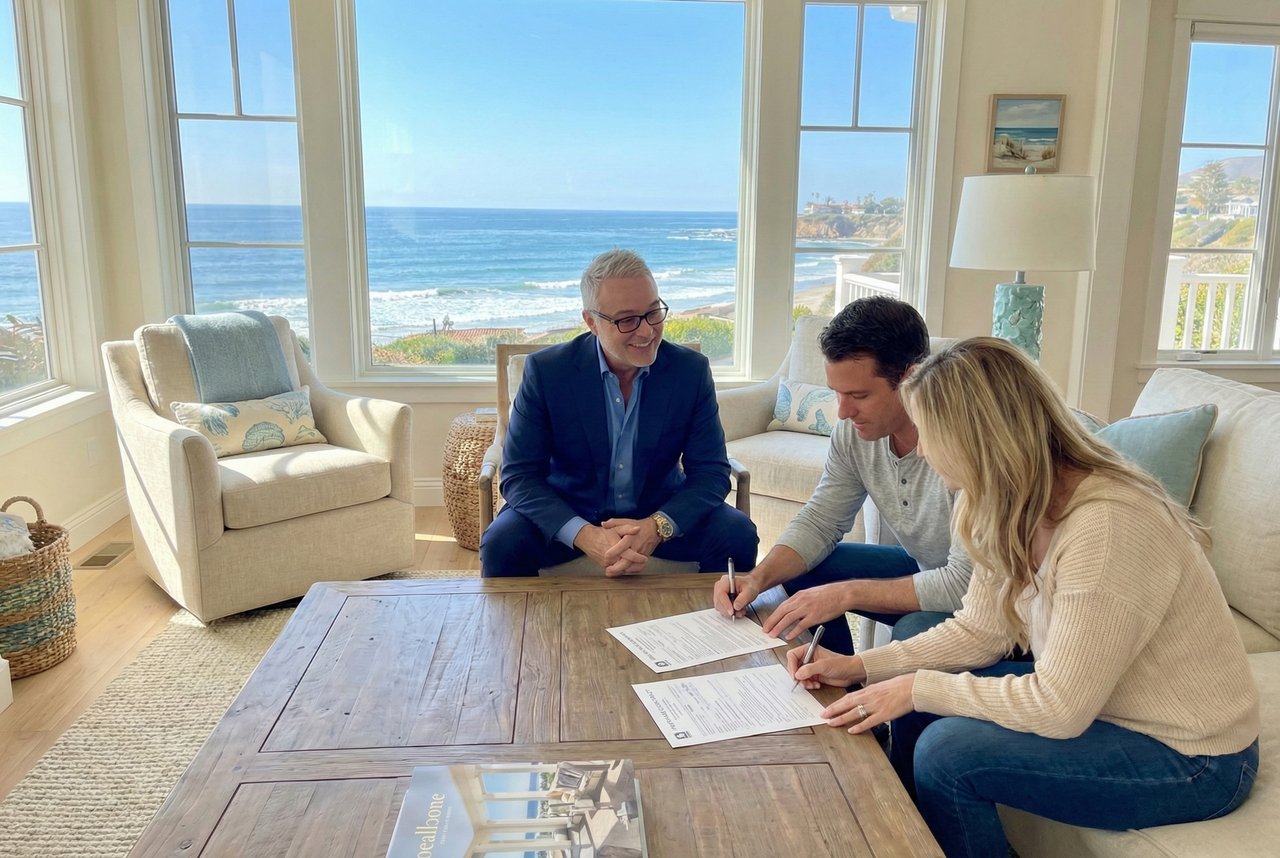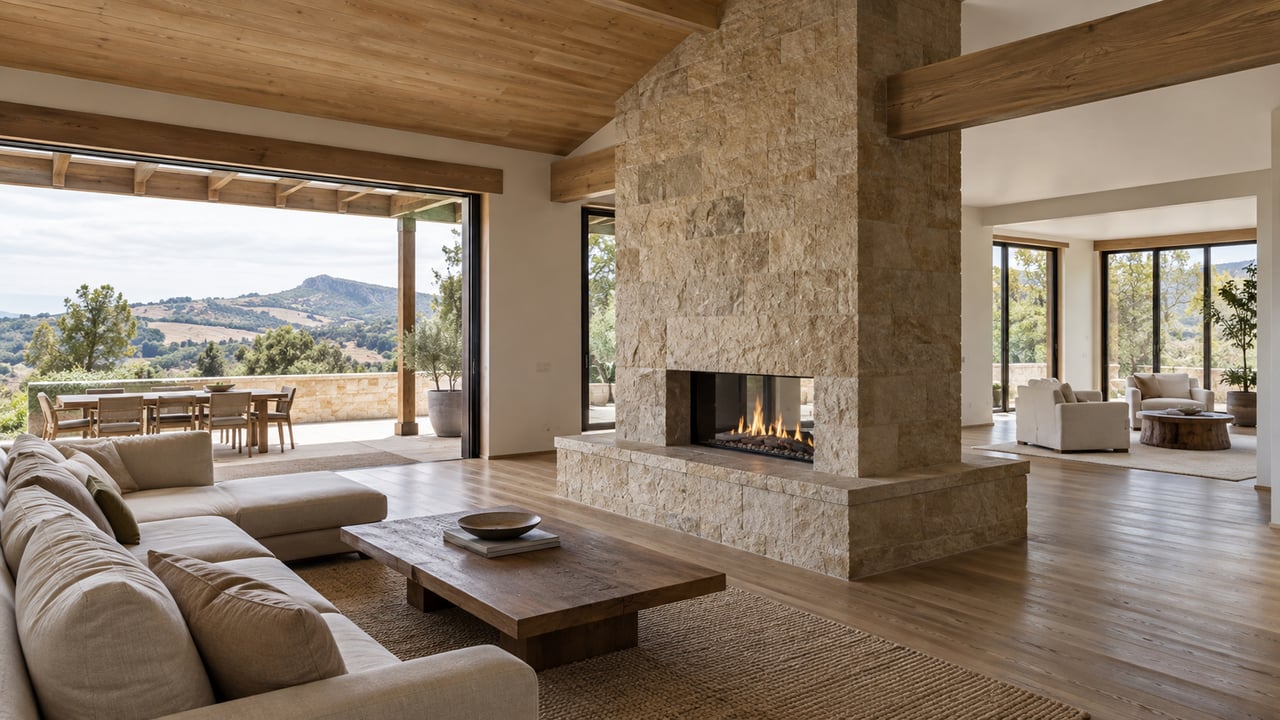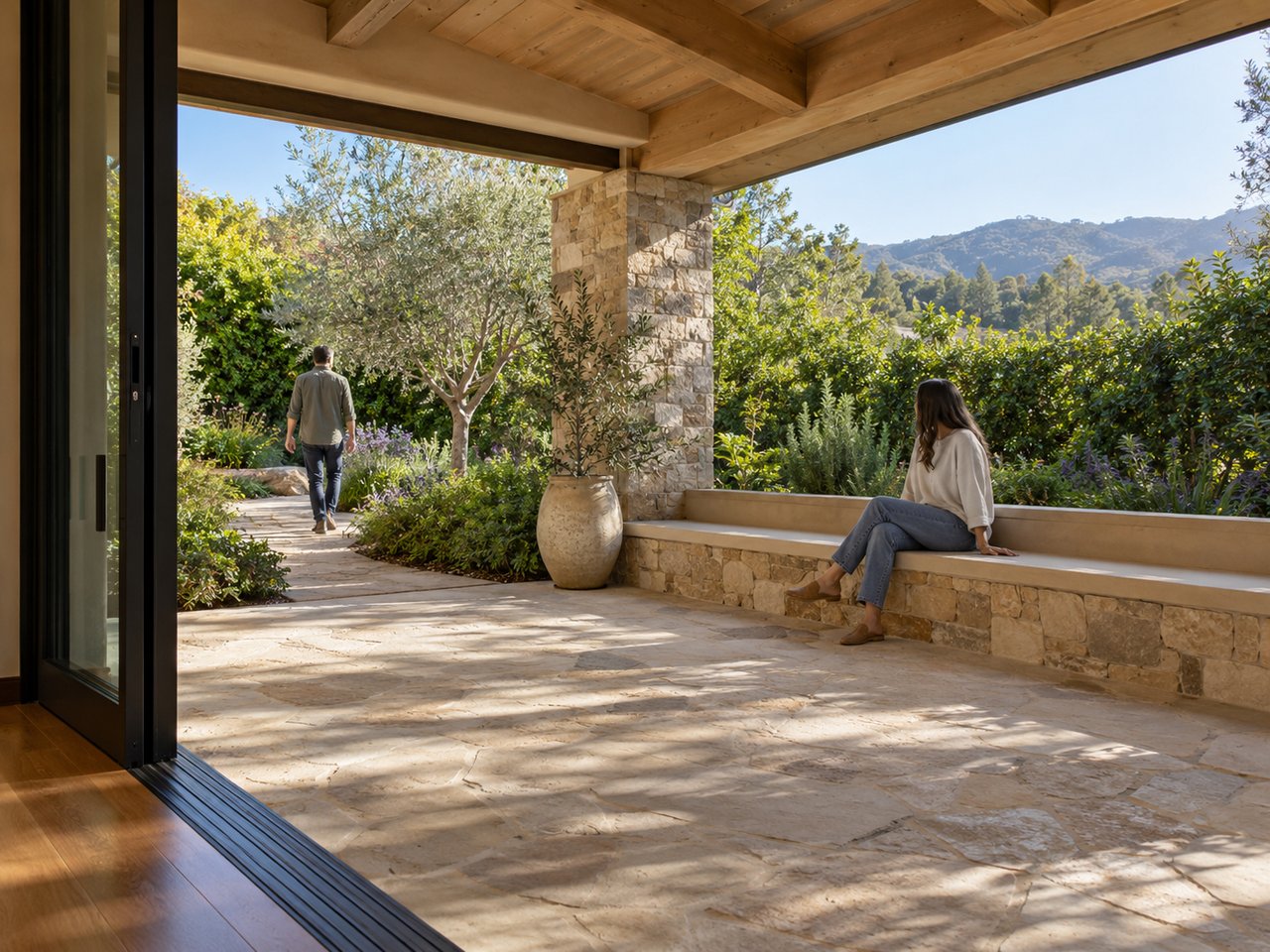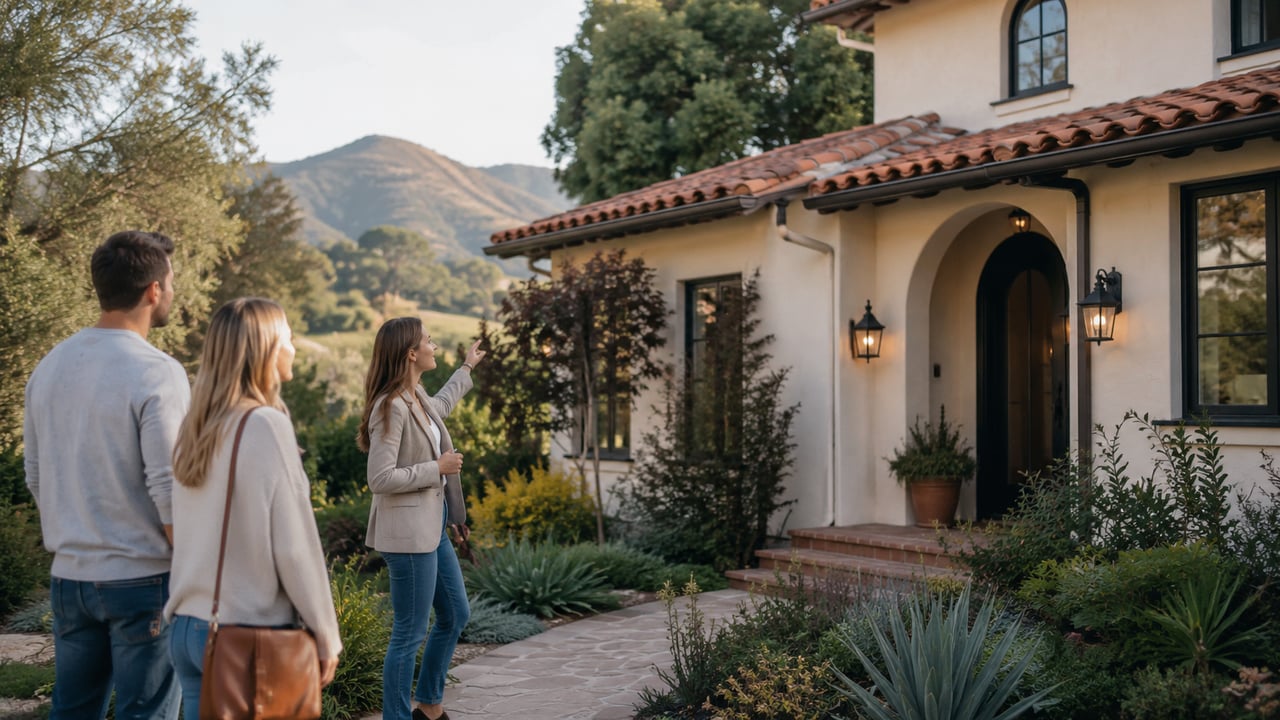
Buying a home is never just a numbers decision. Price matters. Interest rates matter. Monthly payment matters. But after more than 30 years helping buyers and sellers on the Central Coast, Joesef Jackson has seen that buyer decisions are usually driven by a combination of logic, emotion, timing, confidence, and lifestyle fit.
A buyer may begin the process focused on square footage, bedroom count, or price range. But once they start comparing real homes in San Luis Obispo, Pismo Beach, Arroyo Grande, Atascadero, Morro Bay, Los Osos, Nipomo, Avila Beach, and nearby communities, the decision becomes more layered. They begin asking different questions. Does this home feel right? Does the location support the life they want? Is the condition manageable? Is the price justified? Will another buyer move faster if they wait?
That is why understanding buyer decision-making matters for both sides of a transaction. Buyers make better choices when they know what influences their own thinking. Sellers make stronger pricing, preparation, and negotiation decisions when they understand what buyers are really evaluating.
Joesef Jackson, Owner and Managing Partner of SLO Life Realty Group, has closed more than 2,130 real estate transactions and over $1.81 billion in career sales volume since 1994. Across changing markets, one thing has remained consistent: buyers respond most strongly when value, confidence, urgency, and lifestyle alignment come together.
Central Coast Neighborhood Video Tour ⬇️
Buyers Decide First With Lifestyle, Then With Logic
Most buyers start with a practical wish list. They want a certain number of bedrooms, a workable commute, outdoor space, school access, proximity to the coast, or a home that fits a specific budget. Those factors matter, but they are rarely the whole story.
On the Central Coast, lifestyle often becomes the deciding factor. A buyer considering San Luis Obispo may be thinking about walkability, Cal Poly proximity, downtown restaurants, and access to open space. A buyer looking at Pismo Beach or Avila Beach may be thinking about coastal access, second-home use, or the emotional pull of ocean air. A buyer comparing Arroyo Grande and Nipomo may be looking for more space, privacy, or a different pace of daily life.
Buyer decisions on the Central Coast are driven by how well a home connects price, location, condition, and lifestyle. When buyers feel that a property supports the way they want to live, they are more likely to act decisively. When one of those elements feels out of balance, hesitation increases.
👉 What Buyers Look for Most in Central Coast Homes Right Now
One expert insight Joesef often brings to sellers is that buyers are not just comparing homes against a checklist. They are comparing the feeling of one opportunity against the next. A clean, well-positioned home that feels easy to understand often creates more confidence than a larger or more dramatic home that leaves buyers with unanswered questions.
Price Shapes Attention Before It Shapes Offers
Price is one of the first filters buyers use, but it does more than determine affordability. It shapes attention. A home that appears well-priced earns more showings, more online engagement, and more serious comparison. A home that feels high for its condition or location may still get views, but buyers often become more cautious before scheduling a showing or writing an offer.
This is especially true across San Luis Obispo County, where micro-markets can vary significantly. A price that feels competitive in Atascadero may not translate the same way in Morro Bay. A home in Los Osos may attract a different buyer profile than a similar-sized home in Arroyo Grande. Coastal proximity, school preferences, commute patterns, lot size, condition, and neighborhood feel all influence how buyers interpret value.
Sellers sometimes assume buyers only care about negotiating the lowest possible price. In reality, many buyers are willing to pay a strong price when they understand the value. The issue is not always whether a home is expensive. The issue is whether the price makes sense to the buyer based on what else they are seeing.
The California Association of REALTORS® provides statewide housing market information that can help buyers and sellers understand broader California real estate trends.
Joesef has seen throughout more than 2,130 transactions that buyers are most responsive when price and presentation work together. A strong price without clear value creates friction. Strong presentation without pricing discipline may create interest but not urgency. The best results usually come when the home feels easy for buyers to justify.
Confidence Is One of the Biggest Decision Drivers

Buyer confidence is often the difference between interest and action. A buyer can like a home and still not write an offer if they feel uncertain. That uncertainty may come from condition concerns, unclear disclosures, unanswered repair questions, confusing pricing, or fear that they are missing something better.
On the Central Coast, confidence is especially important because many buyers are making significant lifestyle and financial decisions. Some are relocating from larger California markets. Some are buying near family. Some are purchasing a second home. Some are investing for long-term use. Others are trying to move within San Luis Obispo County without disrupting work, school, or family routines.
A confident buyer understands what they are buying, why the price makes sense, what the likely risks are, and how the property compares with other options. A hesitant buyer may keep watching the market, even if the home is a good fit.
👉 How Multiple Offers Work on the Central Coast (From a Seller’s Perspective)
From Joesef’s experience, the strongest buyer decisions usually happen when buyers feel educated rather than pressured. Pressure may create short-term movement, but confidence creates durable decisions. This is why clear communication, accurate disclosures, strong preparation, and professional guidance matter so much.
Condition Changes How Buyers Interpret Value
Condition affects buyer decisions in two ways. First, it influences how a home feels. Second, it influences how much mental math a buyer has to do.
A move-in-ready home often reduces friction. Buyers can imagine settling in, furnishing rooms, hosting family, walking the neighborhood, or enjoying nearby beaches and trails. A home with visible deferred maintenance may still be attractive, but buyers begin calculating repairs, timelines, contractor availability, insurance considerations, and unknown costs.
This does not mean every seller needs to remodel before listing. In many cases, strategic preparation matters more than major renovation. Cleanliness, lighting, landscaping, minor repairs, paint touch-ups, and a clear presentation can make a home feel cared for. Buyers often respond well when the property feels honest, maintained, and easy to evaluate.
In communities like San Luis Obispo, Paso Robles, Grover Beach, Templeton, and Cambria, property condition can vary widely by age, climate exposure, ownership history, and location. Coastal homes may raise questions about moisture, salt air, roofing, drainage, or exterior maintenance. Older homes may raise questions about systems, foundations, electrical updates, or remodeling history.
Buyers are more likely to move forward when they can understand the condition clearly. They do not need perfection. They need clarity. When buyers cannot tell what they are taking on, they often pause.
Competition Can Create Urgency, But Only When Value Is Clear
Buyer urgency increases when a property feels scarce, well-priced, and aligned with what buyers want. This is why competition can change decision-making quickly. A buyer who planned to “think about it over the weekend” may act faster if they learn another offer is likely. A buyer who has missed out on similar homes may be more prepared to write strongly when the right property appears.
But urgency does not happen automatically. Buyers do not compete simply because a seller wants them to. They compete when the property gives them a reason to believe waiting could cost them an opportunity.
On the Central Coast, urgency can be especially powerful because desirable homes in specific neighborhoods, school areas, price ranges, or coastal locations may not come up often. A well-located home in San Luis Obispo, a clean single-level property in Arroyo Grande, a coastal retreat near Pismo Beach, or a long-term hold opportunity in Atascadero can attract motivated buyers when the positioning is right.
👉 How to Write a Winning Offer on the Central Coast
Joesef’s long-term experience has shown that competition works best when buyers see both emotional and practical value. If a home looks good online, shows well in person, is priced within a believable range, and has clear supporting information, buyers are more likely to act with purpose.
Timing Influences Buyer Behavior More Than Most People Realize

Timing plays a major role in how buyers make decisions. Some buyers are tied to a job start date, school calendar, lease expiration, family change, tax planning issue, or sale of another property. Others are watching rates, inventory, or price adjustments. Some are emotionally ready before they are financially ready. Others are financially ready but cautious about market conditions.
Timing can also affect how buyers interpret the same home. A property that feels expensive early in a buyer’s search may feel reasonable after they see several weaker options. A home that seemed imperfect at first may become more attractive if inventory tightens. A buyer who was casually browsing may become serious after losing another home.
This is one reason sellers should not assume that every buyer is at the same stage. Some are just learning the market. Some are comparing. Some are ready to write immediately. Others need the right combination of price, confidence, and timing to move forward.
👉 How Negotiation Strategy Changes in Different Central Coast Markets
In Joesef Jackson’s 30+ years of experience, understanding timing has been essential in both buyer and seller representation. Negotiation is not just about price. It is about reading motivation, risk tolerance, market conditions, and the point at which a buyer becomes comfortable taking action.
Location Still Drives the Emotional Core of the Decision
Real estate is local, but on the Central Coast, location is deeply personal. Buyers are not just choosing a property. They are choosing a daily rhythm.
A buyer drawn to San Luis Obispo may want energy, restaurants, bike paths, hiking access, and proximity to Cal Poly. A buyer choosing Los Osos may want a quieter coastal environment and access to Montana de Oro. A buyer considering Morro Bay may prioritize harbor views, beach proximity, and a slower coastal pace. Someone looking at Nipomo may want space, golf, newer homes, or a milder inland-coastal climate. A buyer in Paso Robles may be focused on wine country, acreage, or value compared with the coast.
That is why buyer decision-making is rarely solved by square footage alone. Two homes can look similar on paper and feel completely different in real life. Street feel, sunlight, noise, commute, microclimate, views, neighborhood pride, and future flexibility all influence the final decision.
👉 What Impacts Buyer Decision-Making in San Luis Obispo County
Buyers often choose the home that gives them the clearest picture of their future. They want to imagine weekday routines, weekends, visitors, work-from-home patterns, school runs, beach walks, farmers markets, and long-term resale. When the location story fits, the decision becomes easier.
Risk Tolerance Changes From Buyer to Buyer
Not every buyer sees risk the same way. One buyer may be comfortable with an older home that needs improvements because they value location above condition. Another may prefer a smaller or more expensive home if it reduces maintenance concerns. One buyer may accept a longer commute for more land. Another may pay a premium to stay close to downtown San Luis Obispo or the coast.
Risk tolerance is shaped by finances, experience, personality, market knowledge, and life stage. First-time buyers may worry more about inspections, repairs, and closing costs. Move-up buyers may focus on timing the sale of their current home. Investors may care more about rentability, long-term demand, maintenance exposure, and exit strategy. Relocation buyers may need more education about microclimates, insurance considerations, commute corridors, and neighborhood differences.
The Consumer Financial Protection Bureau offers buyer education resources that can help consumers understand mortgage and home-buying decisions.
For sellers, understanding buyer risk tolerance is valuable. A home that raises too many unanswered questions may narrow the buyer pool. A home that feels transparent and well-prepared may attract stronger interest even if it is not perfect.
Buyers Need a Reason to Choose This Home Over the Next One
Every buyer is comparing. They compare homes they have seen, homes they missed, homes they saved online, and homes they hope may come up soon. A buyer’s final decision usually depends on whether the home creates enough confidence to stop searching and move forward.
That decision may come from location, price, condition, design, lot size, view, school access, lifestyle fit, investment logic, or emotional connection. More often, it comes from a combination of several factors.
👉 What Impacts Buyer Confidence in San Luis Obispo County
The most successful listings make the buyer’s decision easier. They reduce confusion. They answer likely objections. They show value clearly. They create a sense that the opportunity is real, understandable, and worth acting on.
What Sellers Can Learn From Buyer Decision-Making
Sellers who understand buyer psychology can make better decisions before and during the listing process. Instead of asking only, “What do we want for the home?” they can also ask, “How will buyers understand this value?”
That shift matters. Buyers respond to clarity. They want a home to make sense online, in person, financially, and emotionally. If the photos create interest but the showing disappoints, buyers hesitate. If the home shows well but the price feels disconnected, buyers hesitate. If the disclosures are unclear or the condition feels uncertain, buyers hesitate. If the home is positioned well and the story holds together, buyers are more likely to engage.
For buyers, understanding these same drivers creates self-awareness. A buyer who knows what truly matters can avoid being distracted by features that do not support their goals. They can separate emotional reaction from long-term fit. They can recognize when a home is worth pursuing and when hesitation is telling them something important.
After decades on the Central Coast, Joesef Jackson has seen buyer decision-making from every angle: first-time buyers, move-up buyers, coastal buyers, investors, retirees, relocating families, and sellers trying to understand feedback. The best decisions come from preparation, local knowledge, and calm interpretation of the market.
FAQ
What drives buyer decisions the most on the Central Coast?
Buyer decisions are usually driven by a mix of price, location, condition, lifestyle fit, confidence, and timing. On the Central Coast, lifestyle and location often carry extra weight because buyers are choosing not only a home, but a specific way of living.
Do buyers care more about price or condition?
Both matter, but buyers usually evaluate them together. A home does not need to be perfect, but the condition must make sense for the price. When buyers feel the price does not reflect the work needed, they often hesitate or negotiate more aggressively.
Why do some buyers hesitate even when they like a home?
Buyers may hesitate because of uncertainty. They may be unsure about condition, value, disclosures, future costs, competition, or whether a better property may appear. Confidence is often the missing piece between interest and action.
How does location affect buyer decisions in San Luis Obispo County?
Location affects commute, lifestyle, schools, climate, recreation, resale, and daily routine. Buyers comparing San Luis Obispo, Pismo Beach, Morro Bay, Arroyo Grande, Atascadero, and Nipomo may be looking for very different experiences even within the same county.
What makes buyers move quickly?
Buyers tend to move quickly when a home feels well-priced, well-presented, scarce, and aligned with their goals. Urgency increases when buyers believe waiting could mean losing a strong opportunity.
Can sellers influence buyer decision-making?
Yes. Sellers can influence buyer confidence through pricing strategy, preparation, presentation, disclosures, access, and negotiation posture. The goal is to make the home easy for buyers to understand and justify.
Do buyers always choose the best deal?
Not always. Buyers often choose the home that feels like the best overall fit. The strongest decision may include financial logic, emotional connection, location preference, and long-term confidence.
Why does local guidance matter when making buyer decisions?
Local guidance matters because Central Coast real estate is highly neighborhood-specific. Pricing, demand, condition expectations, insurance considerations, microclimates, and buyer behavior can shift significantly from one community to another.
If you are preparing to buy or sell real estate on the Central Coast and want personalized guidance, contact Joesef Jackson at SLO Life Realty Group.
This article intentionally connects to both published and future Central Coast real estate resources. Some plain-text references may become active links as additional San Luis Obispo County and Central Coast content is published.