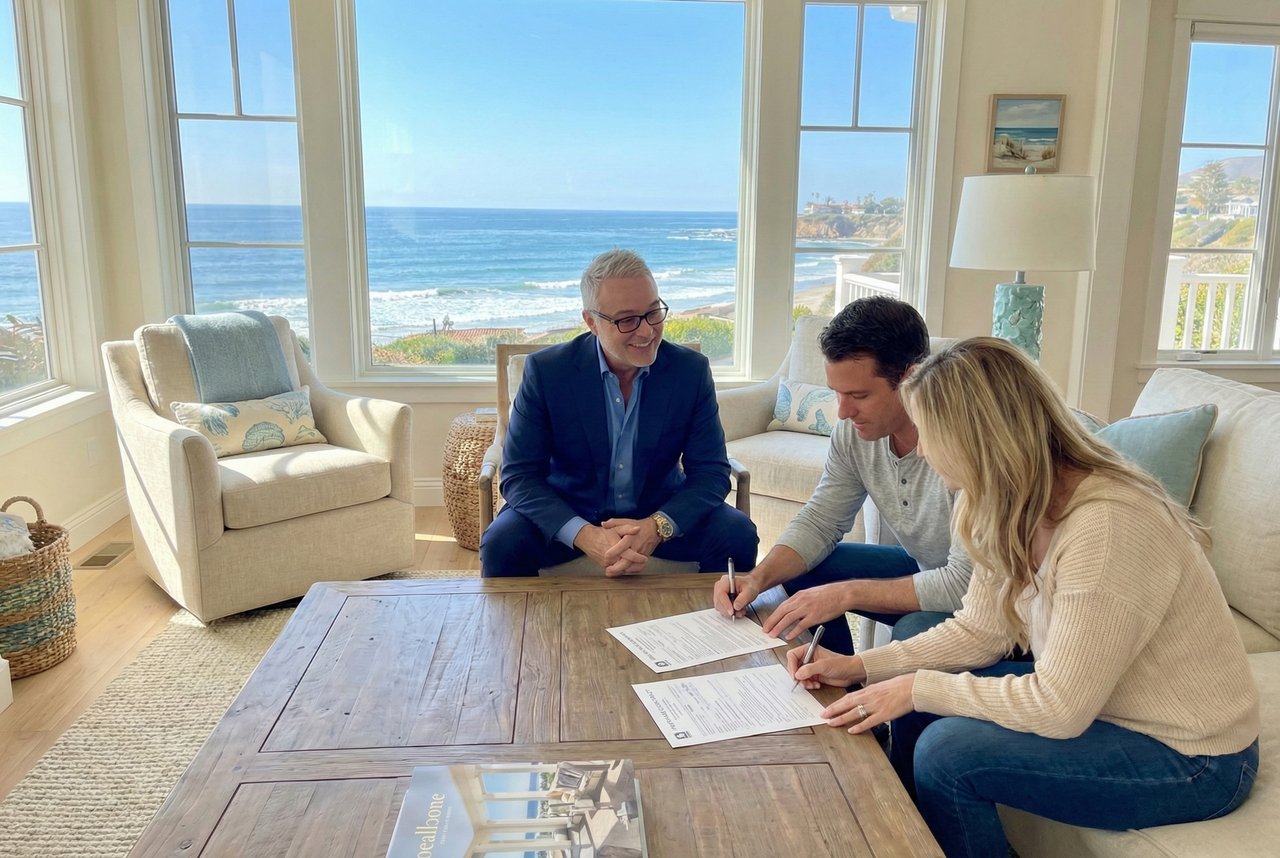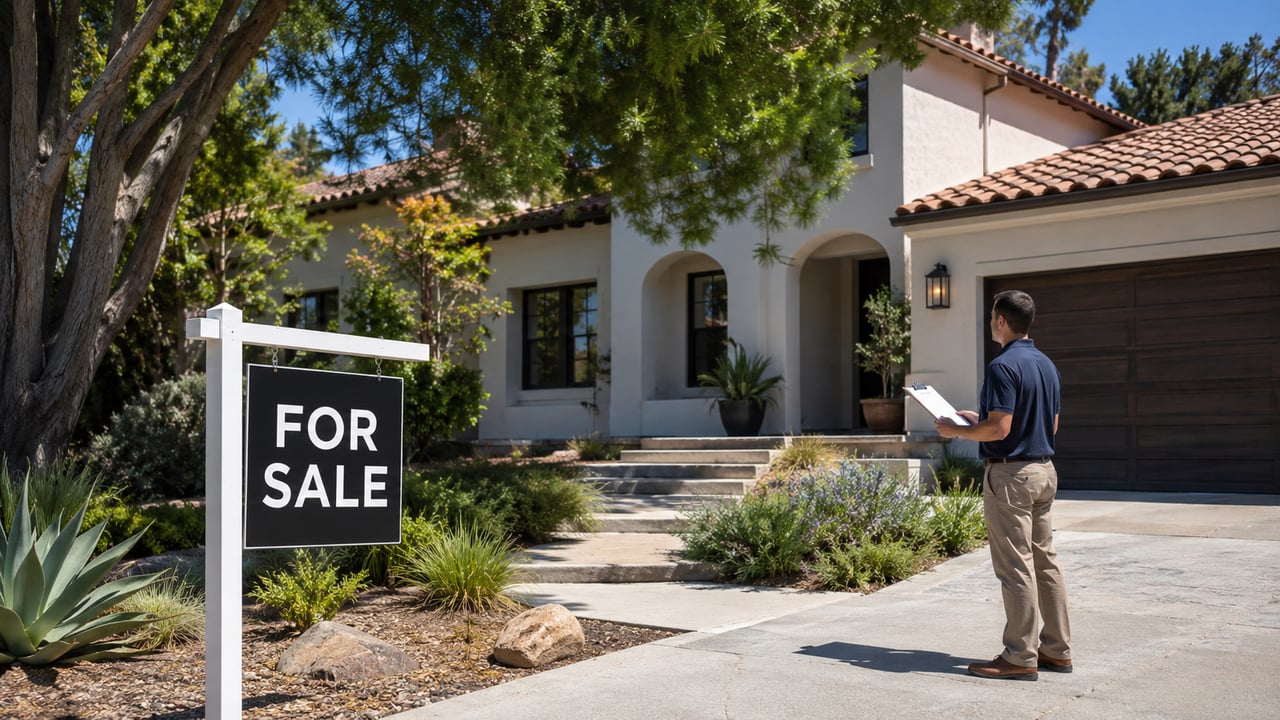
Home inspections are one of the most important parts of a real estate transaction. For buyers, inspections provide a clearer understanding of the property they are purchasing. For sellers, inspections can influence negotiation, buyer confidence, repair discussions, and the overall path to closing. While inspections can sometimes feel stressful, they are not designed to make a transaction more difficult. They are designed to provide information.
On the Central Coast, inspections can vary significantly depending on the home’s age, location, construction style, maintenance history, and property type. A buyer inspecting a coastal home in Morro Bay, Pismo Beach, Avila Beach, Cayucos, or Los Osos may be looking closely at moisture, drainage, exterior materials, roofing, decks, and weather exposure. A buyer inspecting a home in San Luis Obispo, Arroyo Grande, Nipomo, Atascadero, Templeton, or Paso Robles may be focused on different issues, including age, foundations, heating and cooling, septic or well systems, defensible space, or general maintenance.
After more than 30 years in real estate, 2,130+ closed transactions, and over $1.81 billion in career sales volume, Joesef Jackson has seen how inspections can either create clarity or confusion depending on how buyers and sellers approach them. The strongest inspection process is not about panic, blame, or unrealistic expectations. It is about understanding condition, identifying meaningful concerns, and making informed decisions.
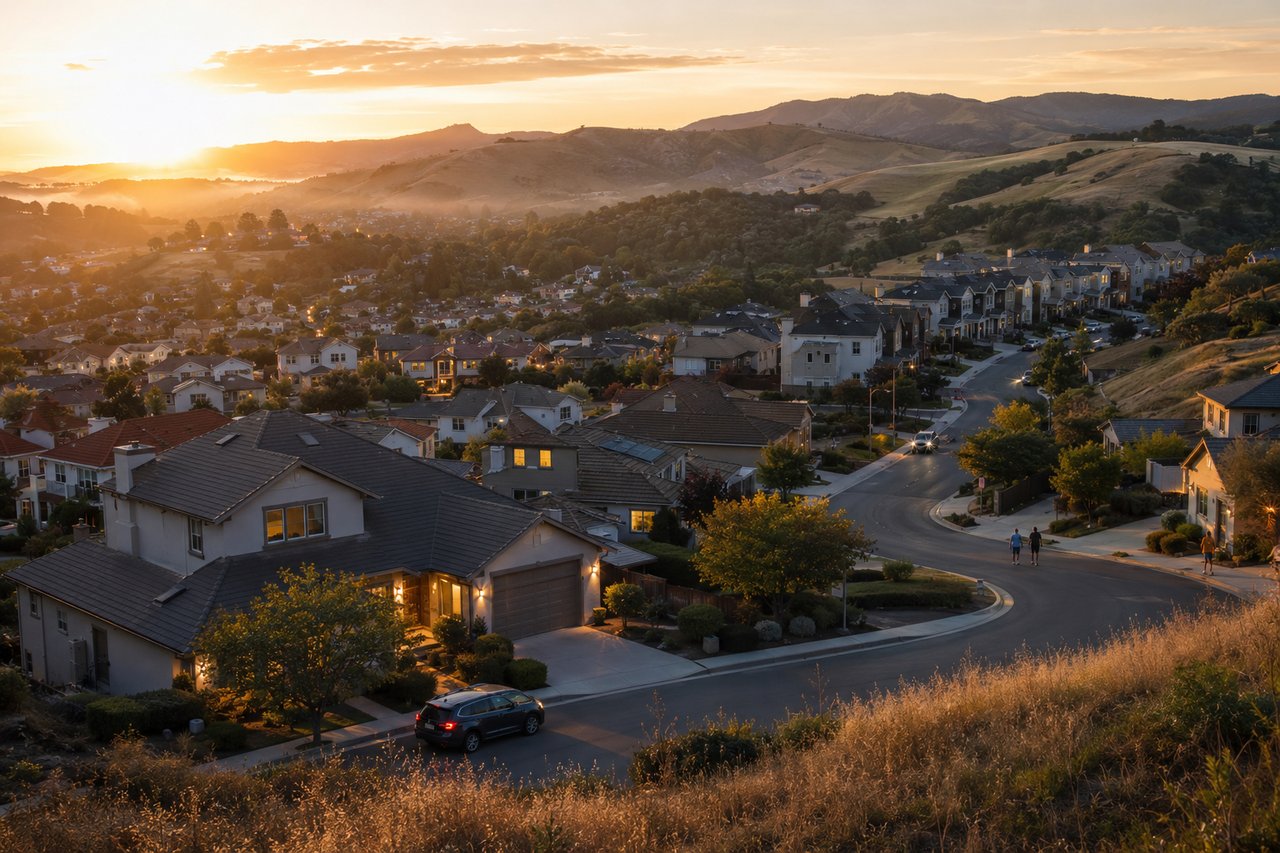
Central Coast Neighborhood Video Tour ⬇️
Inspections Help Buyers Understand the Property More Clearly
A home inspection gives buyers a professional review of visible and accessible property conditions. It is not a guarantee that every possible issue will be discovered, and it is not the same as a contractor bid or engineering report. But it gives buyers valuable information about the home’s major systems, components, maintenance needs, and visible concerns.
During an inspection, buyers may learn about the roof, foundation, plumbing, electrical systems, heating and cooling, water heater, windows, doors, drainage, attic, crawlspace, appliances, exterior surfaces, safety items, and general maintenance. Depending on the home, additional inspections may also be appropriate, including pest, roof, sewer, chimney, septic, well, pool, HVAC, structural, or geological review.
On the Central Coast, local property conditions matter. Coastal homes may show wear from salt air, fog, moisture, or wind. Older homes in San Luis Obispo or Arroyo Grande may have prior updates, additions, or system changes that deserve careful review. Rural properties near Atascadero, Templeton, or Paso Robles may involve wells, septic systems, outbuildings, grading, or defensible space considerations.
👉 What to Know Before Touring Homes on the Central Coast
One expert insight Joesef often shares with buyers is that inspections should help create perspective. Almost every home has issues. The question is not whether the inspection report finds anything. The question is whether the findings are normal, manageable, serious, negotiable, or significant enough to change the buyer’s decision.
Sellers Can Benefit From Understanding Inspection Expectations
Sellers sometimes view inspections as a buyer-side process, but sellers are deeply affected by the results. Inspection findings can influence repair requests, credits, renegotiation, buyer confidence, and whether the transaction continues smoothly. Sellers who understand the inspection process before listing are usually better prepared once the home is under contract.
A pre-listing inspection can sometimes help sellers identify issues before buyers do. This can be useful when a seller wants to reduce surprises, address repairs in advance, or price the home with more confidence. It is not necessary for every property, but it can be strategic in certain situations, especially if the home is older, unique, has deferred maintenance, or has features that may raise questions.
For example, a seller in Los Osos or Morro Bay may want to understand moisture, drainage, roof, or exterior issues before going to market. A seller in Paso Robles or Templeton may want clarity on well, septic, or rural property features. A seller in San Luis Obispo or Arroyo Grande with an older home may want to understand how buyers may react to electrical, plumbing, foundation, or roof findings.
The California Department of Real Estate provides consumer information about real estate transactions and working with licensed professionals in California.
From Joesef’s 30+ years representing buyers and sellers, one pattern is clear: sellers who are prepared for inspection issues are usually less reactive. They can make better decisions because they understand what is meaningful and what may simply be part of normal homeownership.
Pre-Listing Inspections Can Reduce Surprises
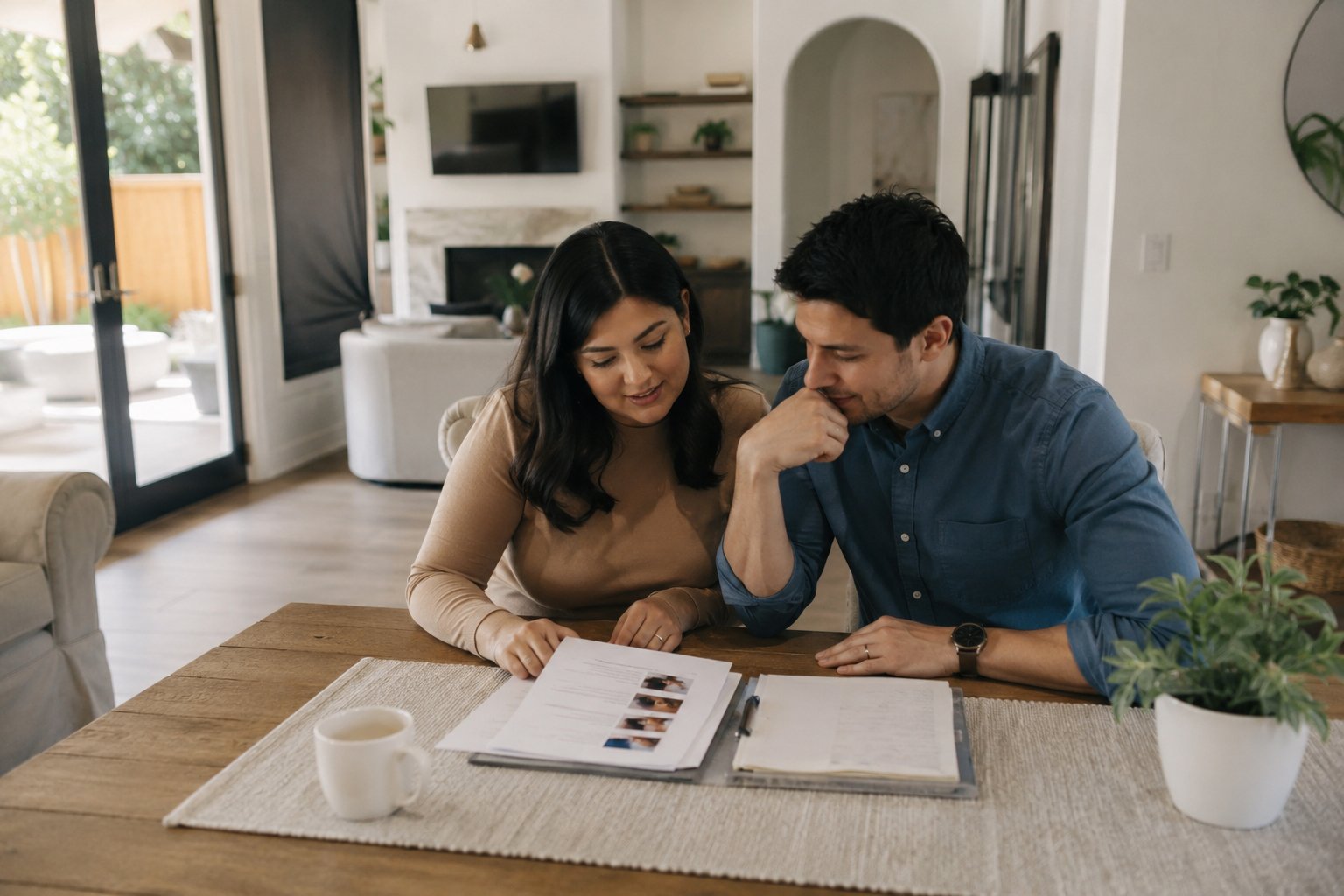
A pre-listing inspection is an inspection ordered before the home goes on the market. The purpose is to help the seller understand property condition before buyers begin their own due diligence. This can be valuable when a seller wants to avoid last-minute surprises after an offer is accepted.
A pre-listing inspection does not eliminate the buyer’s right to inspect, and it does not guarantee that a buyer’s inspector will see everything the same way. However, it can give the seller a head start. The seller may choose to repair certain items, disclose known issues clearly, gather contractor estimates, or adjust pricing strategy based on the property’s condition.
This can be especially useful for older homes, coastal homes, luxury properties, rural properties, or homes with prior remodeling. In San Luis Obispo County, properties are not always simple or uniform. A home in Pismo Beach may have very different condition considerations than a home in Atascadero, Nipomo, Cayucos, or Paso Robles.
👉 Home Inspections on the Central Coast: What Buyers Should Expect
Joesef has seen that pre-listing inspections can be helpful when they support transparency and strategy. They are not about making a home perfect. They are about reducing uncertainty and helping sellers avoid being surprised by major issues after a buyer is already in escrow.
Inspection Reports Should Be Interpreted Carefully
Inspection reports can feel overwhelming, especially for first-time buyers. Many reports are long, detailed, and full of photos, notes, safety recommendations, maintenance observations, and repair items. A buyer may feel alarmed simply because the report contains many pages. But the number of pages does not always mean the home has major problems.
The key is interpretation. Some items are routine maintenance. Some are safety-related. Some are age-related. Some may require specialist review. Some may be minor but still worth noting. Others may be serious enough to affect negotiation or the buyer’s willingness to proceed.
A strong inspection review separates cosmetic items, maintenance items, functional issues, safety concerns, and major structural or system problems. That distinction matters. Buyers should not ignore important issues, but they also should not treat every small item as a crisis.
The Consumer Financial Protection Bureau offers homebuying resources that can help buyers understand the broader financial and process-related responsibilities of purchasing a home.
Joesef’s experience across more than 2,130 transactions helps clients evaluate inspection findings with perspective. The goal is to understand what the report really means for safety, cost, timing, negotiation, and long-term ownership.
Disclosures and Inspections Work Together
Inspections are only one part of the buyer’s due diligence. Disclosures are also important. In California real estate transactions, sellers provide disclosures about known property conditions, material facts, and other information that may affect the buyer’s decision. Buyers should review disclosures and inspection findings together.
Natural hazard disclosures can also matter in San Luis Obispo County. Depending on the property, buyers may need to understand flood zones, fire hazard areas, earthquake fault zones, seismic hazard areas, special assessments, or other location-based considerations. These disclosures do not replace inspections, but they help buyers understand environmental and location-related risks.
A property in Paso Robles may raise different natural hazard questions than a home in Avila Beach. A property in Los Osos may require different review than one in Templeton or Arroyo Grande. Buyers should not assume that every Central Coast home carries the same risk profile simply because it is in the same county.
👉 What Buyers Should Know About Natural Hazard Disclosures in San Luis Obispo County
The best buyer decisions come from combining inspection findings, seller disclosures, natural hazard information, title review, insurance review, and local context. No single document tells the whole story.
Older Homes Often Require Additional Perspective
Older homes can offer charm, location, character, and long-term value. Many buyers are drawn to established neighborhoods in San Luis Obispo, Arroyo Grande, Morro Bay, Cambria, Cayucos, Los Osos, and other Central Coast communities because older homes often have mature landscaping, unique architecture, and locations that newer homes may not replicate.
However, older homes should be inspected with the right expectations. Buyers may encounter older plumbing, electrical panels, foundation types, roof systems, windows, drainage patterns, heating systems, or prior renovations. Some older homes have been beautifully maintained and updated over time. Others may show deferred maintenance or incomplete improvements.
👉 What Buyers Should Know About Buying an Older Home on the Central Coast
An older home inspection should not automatically scare buyers away. The question is whether the condition makes sense for the price, location, and buyer’s risk tolerance. A dated but well-maintained home may be a strong opportunity. A visually attractive home with hidden system issues may require more caution.
Property Condition During Tours Can Preview Inspection Issues
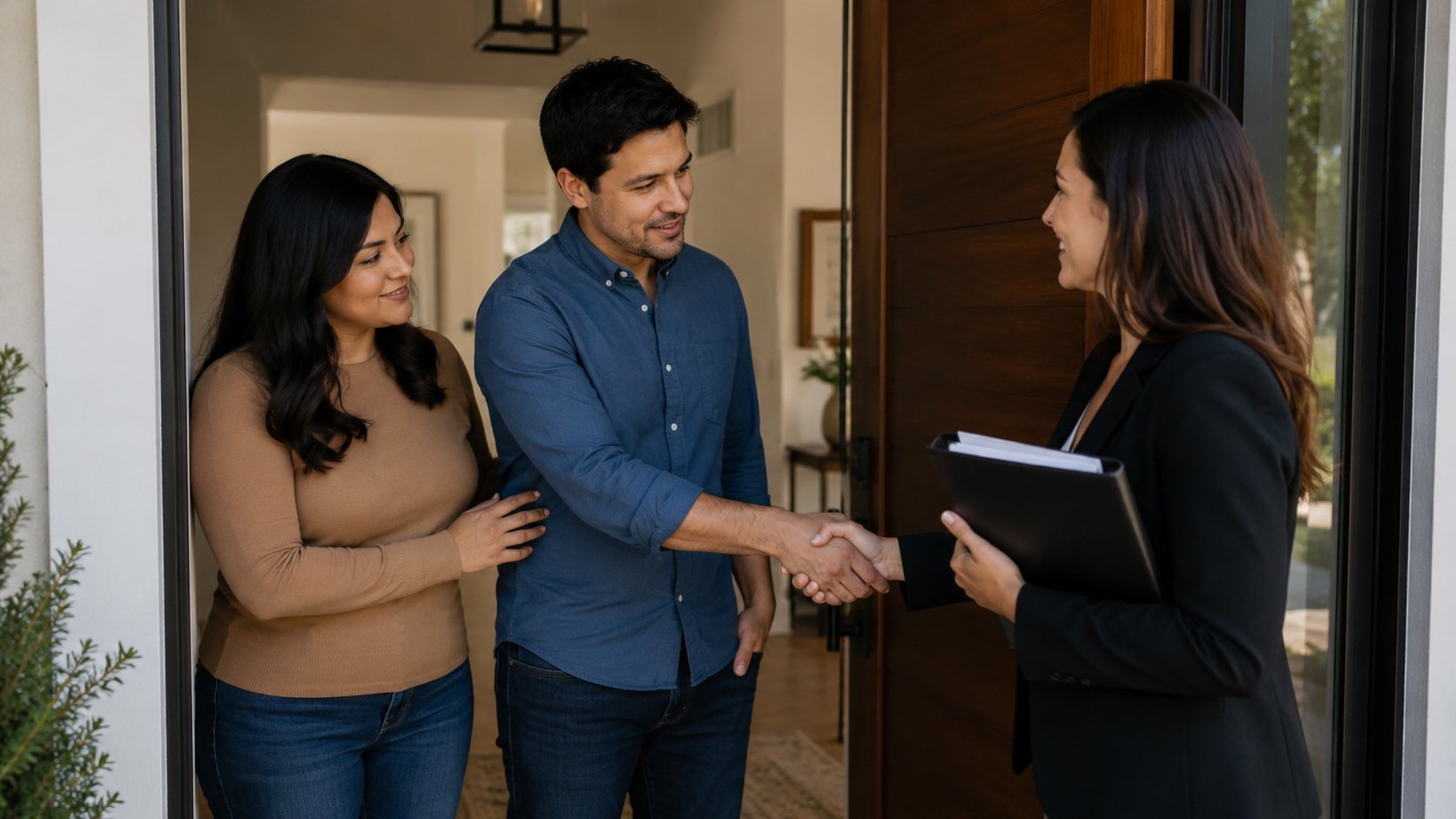
Buyers do not need to become inspectors during showings, but they can learn to observe condition before writing an offer. The way a home presents during a tour may give clues about maintenance, drainage, roof age, exterior care, water intrusion, window condition, foundation movement, or general upkeep.
A buyer touring a home in Pismo Beach or Morro Bay may notice exterior weathering, deck condition, moisture stains, or roof wear. A buyer touring in Paso Robles or Atascadero may notice irrigation issues, grading, heat exposure, or rural property maintenance. A buyer touring an older home in San Luis Obispo may notice settlement, electrical updates, window age, or signs of past remodeling.
👉 How to Evaluate Property Condition During Tours
Tour observations should not replace inspections, but they help buyers decide whether the property is worth deeper review. A thoughtful tour can prepare buyers for what inspectors may later identify.
Condition and Price Should Be Considered Together
Inspection findings should always be considered in relation to price. A home that needs work may still be a good purchase if the price reflects the condition and the buyer is prepared for improvements. A home priced at a premium should generally support stronger expectations for condition, maintenance, and presentation.
Buyers sometimes make the mistake of evaluating inspection items without considering value. Sellers sometimes make the mistake of assuming that because a buyer made an offer, condition concerns no longer matter. In reality, inspections often bring the conversation back to whether the property’s condition and price make sense together.
👉 What Buyers Should Know About Home Condition vs Price
On the Central Coast, this relationship can be especially nuanced. A coastal property may command a premium because of location, even if it needs maintenance. A home in San Luis Obispo may have strong value because of neighborhood demand, even if it is older. A larger home in Atascadero or Paso Robles may offer space but require more maintenance. The right analysis depends on the whole picture.
Repair Requests Should Be Strategic and Reasonable
After inspections, buyers may choose to request repairs, credits, price adjustments, or additional investigation. The right approach depends on the contract, market conditions, inspection findings, seller expectations, and buyer priorities.
Not every inspection item should become a repair request. Buyers should usually focus on meaningful issues, safety concerns, system problems, active defects, or items that materially affect value or use. Asking for every small maintenance item can create tension and weaken the buyer’s position, especially in a competitive market.
Sellers should review requests carefully rather than reacting emotionally. Some requests may be reasonable. Others may be excessive. The best response depends on the strength of the offer, the seriousness of the issues, the buyer’s position, the market, and the seller’s goals.
Joesef often helps clients separate what matters from what distracts. That guidance can keep negotiations focused and prevent inspection findings from turning into unnecessary conflict.
Inspections Are About Informed Decisions, Not Perfection
No home is perfect. Newer homes can have issues. Older homes can be well-maintained. Coastal homes can require extra care. Rural homes can involve additional systems. Condos can have HOA-related considerations. Every property has some level of responsibility.
A good inspection process helps buyers understand what they are taking on. It helps sellers understand what buyers may reasonably care about. It gives both sides a chance to address important questions before closing.
The strongest buyers are not looking for a flawless property. They are looking for enough information to make a confident decision. The strongest sellers are not trying to hide normal issues. They are prepared to respond professionally and keep the transaction moving.
After more than three decades representing clients on the Central Coast, Joesef Jackson knows that inspections are one of the most valuable parts of the real estate process when handled correctly. They provide clarity, reduce uncertainty, and help both buyers and sellers move forward with better expectations.
FAQ
What should buyers expect from a home inspection?
Buyers should expect a professional review of visible and accessible property conditions, including major systems, safety items, maintenance concerns, and possible repair issues. The inspection helps buyers understand the home more clearly before closing.
Does a home inspection find every problem?
No. A home inspection is limited to what is visible and accessible at the time of inspection. Some issues may require specialist review, further investigation, or may not be discovered until after ownership.
Should sellers get a pre-listing inspection?
A pre-listing inspection can be helpful for some sellers, especially if the home is older, unique, or may have condition concerns. It can reduce surprises and help the seller prepare before going on the market.
Are inspection reports usually long?
Yes, many inspection reports are long and detailed. A long report does not automatically mean the home has major problems. Buyers should review findings carefully and separate minor maintenance from serious concerns.
What inspections are common on the Central Coast?
Depending on the property, buyers may consider general home, pest, roof, sewer, chimney, septic, well, pool, HVAC, or structural inspections. The right inspections depend on the home’s age, location, systems, and condition.
Can inspection findings affect negotiation?
Yes. Buyers may request repairs, credits, price adjustments, or additional review after inspections. Sellers may accept, reject, or negotiate those requests depending on the contract, findings, and market conditions.
Should buyers worry about older homes?
Not automatically. Older homes can be excellent purchases, especially in strong locations. Buyers should understand the condition, systems, maintenance history, and likely future costs before deciding.
Why does local experience matter during inspections?
Local experience helps buyers and sellers understand which issues are common, which deserve more attention, and how inspection findings relate to price, location, property type, and negotiation strategy on the Central Coast.
If you are preparing to buy or sell real estate on the Central Coast and want personalized guidance, contact Joesef Jackson at SLO Life Realty Group.
This article intentionally connects to both published and future Central Coast real estate resources as part of a long-term geographic authority strategy. Some plain-text references may become active links as additional San Luis Obispo County and Central Coast content is published.