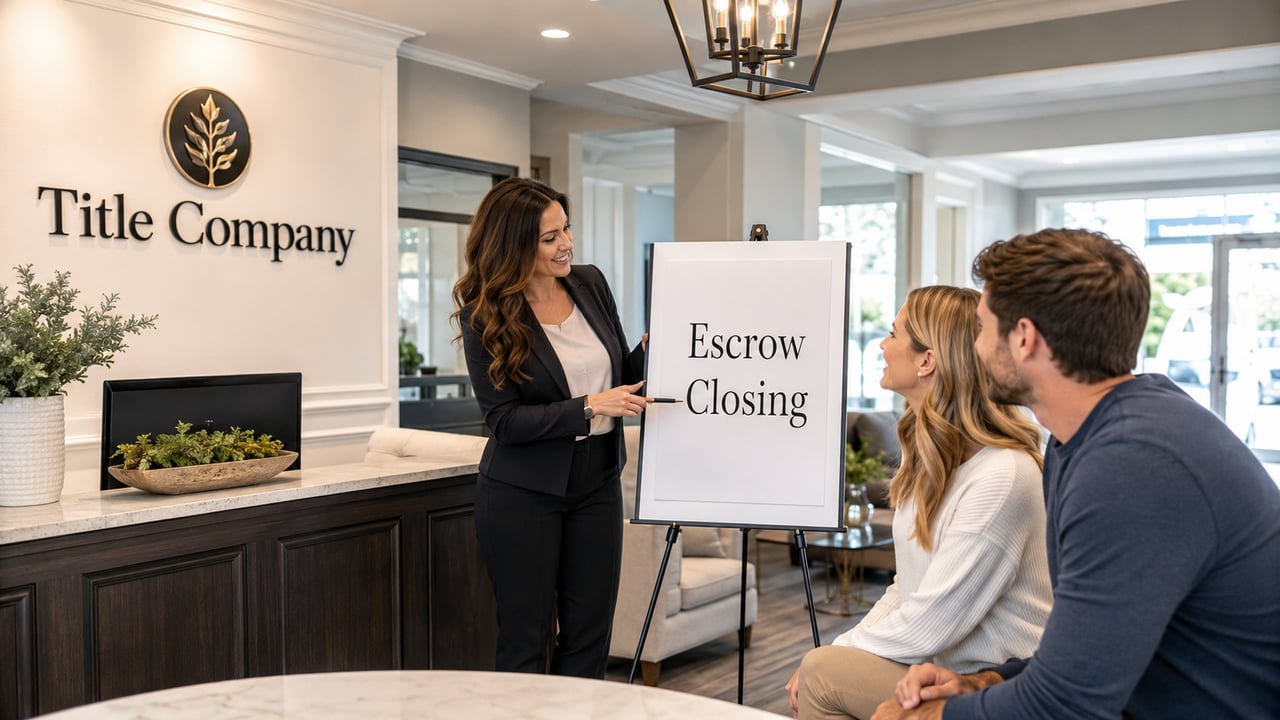
Closing is the final stretch of a real estate transaction, but it is not the time to coast. For buyers and sellers, the period between contract acceptance and closing day requires focus, communication, organization, and follow-through. Many transactions feel smooth early on, only to become stressful near the end because one document, one loan condition, one insurance question, one repair item, or one timing issue was not handled early enough.
On the Central Coast, preparing for closing can look different depending on the property, location, financing, condition, and transaction structure. A buyer purchasing a condo in San Luis Obispo may have different closing details than a buyer purchasing a coastal home in Morro Bay, a single-family home in Arroyo Grande, a rural property near Atascadero, a second home in Pismo Beach, or a larger property in Paso Robles or Templeton. Sellers also need to prepare carefully so timelines, disclosures, repairs, move-out plans, and access all stay aligned.
After more than 30 years in real estate, 2,130+ closed transactions, and over $1.81 billion in career sales volume, Joesef Jackson has seen that successful closings usually come from preparation, not luck. The best transactions are managed steadily from the first accepted offer through keys, recording, move-out, and possession. Closing should feel like the result of a well-run process, not a last-minute scramble.
Central Coast Neighborhood Video Tour ⬇️
Closing Preparation Begins During Escrow
Closing does not begin on closing day. It begins the moment escrow is opened. Escrow is the neutral process that helps coordinate funds, documents, title, deadlines, and instructions so the transaction can move from accepted offer to completed sale. Buyers and sellers both have responsibilities during this time, and the smoother the escrow period is, the easier closing usually becomes.
For buyers, early escrow often includes submitting loan documents, scheduling inspections, reviewing disclosures, confirming insurance, depositing earnest money, and staying responsive to lender requests. For sellers, early escrow may include providing disclosures, allowing inspections, completing agreed repairs, reviewing title details, coordinating payoff information, and preparing for move-out.
On the Central Coast, escrow details may vary by property type. A coastal home may require early insurance review. A condo may require HOA documents. A rural property near Atascadero, Templeton, or Paso Robles may involve septic, well, or defensible space considerations. An older home in San Luis Obispo, Los Osos, Morro Bay, or Arroyo Grande may require careful inspection follow-up.
👉 Closing Day on the Central Coast: What Buyers Should Expect
One expert insight Joesef often shares with clients is that closing day feels easier when escrow has been handled with discipline from the beginning. Most closing stress comes from delayed communication, incomplete documents, unclear expectations, or avoidable surprises that should have been addressed earlier.
Buyers Should Keep Loan Conditions Moving
For financed buyers, loan approval is one of the most important parts of closing preparation. Even when a buyer is pre-approved, the lender may still need updated documents, explanations, bank statements, employment verification, insurance information, appraisal results, or final underwriting conditions before the loan can fund.
Buyers should stay highly responsive during this stage. Delayed lender documents can slow the entire transaction. A buyer should avoid major financial changes before closing, including new credit accounts, large unexplained deposits, major purchases, job changes, or moving money between accounts without lender guidance. Even well-qualified buyers can create complications if they change their financial picture mid-escrow.
In San Luis Obispo County, where many buyers are relocating, purchasing second homes, or balancing proceeds from another sale, coordination matters. A buyer selling a home elsewhere while buying on the Central Coast may have additional timing issues. A buyer purchasing in Pismo Beach, Avila Beach, or Morro Bay may need insurance confirmed early. A buyer purchasing a condo may need HOA review completed in time for underwriting.
The Consumer Financial Protection Bureau provides homebuying resources that help buyers understand mortgage documents, closing disclosures, and the financial side of preparing for closing.
Joesef has seen across thousands of transactions that strong buyers do not wait for the lender to chase them. They stay ahead of requests, keep documentation organized, and communicate quickly when something changes. That kind of preparation helps protect the closing timeline.
Sellers Need to Prepare the Property and Timeline
Sellers also have important responsibilities before closing. Once the property is under contract, the seller should continue maintaining the home, coordinate access for inspections and appraisal, complete any agreed repairs, provide requested documentation, and prepare for move-out according to the contract.
A seller should not assume closing is guaranteed until all contingencies, loan conditions, title matters, and final steps are complete. At the same time, they should prepare proactively so they are not rushed at the end. Move-out timing, cleaning, keys, garage remotes, appliance manuals, HOA information, utility transfers, and final access should all be handled with care.
On the Central Coast, sellers may be moving locally, relocating out of the area, downsizing, selling a second home, or coordinating the sale with another purchase. A seller in Arroyo Grande may have a different timeline than a seller in Paso Robles or Cambria. A seller leaving a coastal home in Cayucos or Morro Bay may need to plan for vacation-home items, furniture, or storage. A seller with acreage may need additional time to remove equipment or personal property.
👉 What Happens After Closing on the Central Coast: Moving In and Next Steps
From Joesef’s 30+ years of experience, one recurring pattern is clear: sellers who organize early create fewer closing problems. Waiting until the final week to handle repairs, packing, access, or personal property can create unnecessary stress for everyone involved.
Escrow Coordinates the Details, But Clients Still Need to Stay Engaged
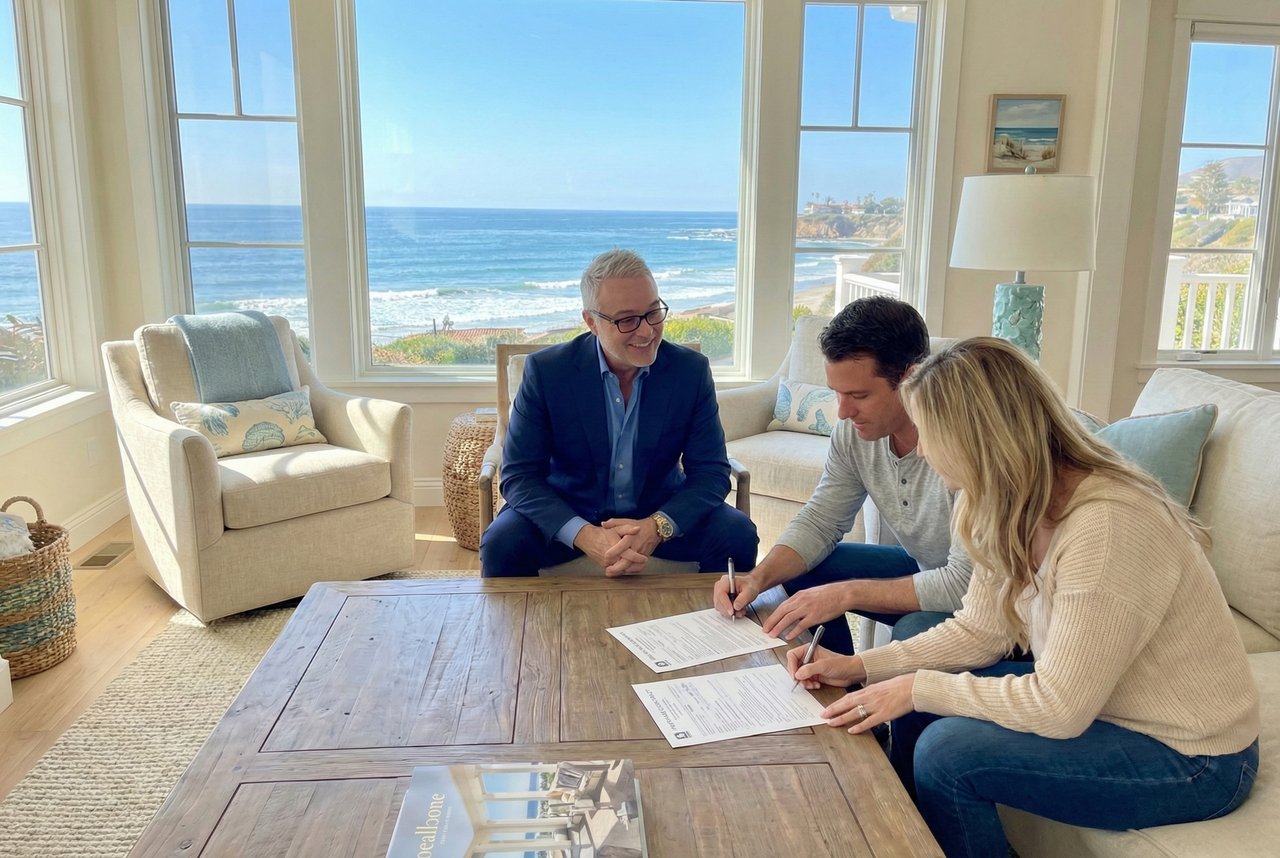
Escrow plays an important role in closing, but escrow does not replace client responsibility or agent guidance. Escrow helps coordinate signatures, funds, title documents, payoff information, recording, and closing instructions. The buyer, seller, agents, lender, title company, inspectors, and sometimes HOA managers or insurance providers must still do their parts.
Buyers and sellers should review documents carefully and ask questions when something is unclear. They should pay close attention to deadlines, wiring instructions, signing appointments, and any required identification or notarization. Wire fraud awareness is especially important. Buyers should always verify wiring instructions through trusted, confirmed channels before transferring funds.
Escrow is designed to protect the transaction process by helping ensure that money and documents are handled according to instructions. But the process works best when everyone responds quickly and understands what is needed.
👉 What Happens During Escrow on the Central Coast: A Seller and Buyer Overview
The California Department of Real Estate provides consumer information about working with licensed real estate professionals and understanding California real estate transactions.
A well-managed escrow creates structure. It helps keep the transaction moving, but it still requires oversight, communication, and timely decisions from everyone involved.
Insurance Should Be Confirmed Early
Homeowners insurance is not something buyers should leave until the end. Insurance can affect both closing and affordability. A lender will usually require proof of insurance before funding the loan, and buyers should understand the premium, coverage, deductible, and any property-specific requirements.
On the Central Coast, insurance considerations can vary significantly. A coastal home in Pismo Beach, Morro Bay, Cayucos, or Avila Beach may have different underwriting questions than a home in San Luis Obispo or Arroyo Grande. Rural or semi-rural properties near Atascadero, Templeton, Paso Robles, or Nipomo may involve fire-risk considerations, access, defensible space, or other property details. Older homes may require review of roof, electrical, plumbing, or prior updates.
Buyers should begin insurance conversations early once they are under contract, especially if the property is unique, older, rural, coastal, or located in an area where insurance could require additional underwriting. Waiting too long can cause avoidable delays.
Final Walkthrough Is Not a New Inspection
The final walkthrough is an important step before closing, but it is often misunderstood. It is not a full inspection and usually not the time to renegotiate the transaction. The purpose is to confirm that the property is in the expected condition, agreed repairs are complete if applicable, included items remain, and the home has not materially changed since the buyer agreed to purchase it.
Buyers should take the walkthrough seriously. They should look at appliances, fixtures, included personal property, visible condition, completed repairs, and whether the seller has removed personal belongings as agreed. If something is wrong, it should be addressed promptly before closing.
The final walkthrough may look different depending on the property. A condo in San Luis Obispo may require checking keys, fobs, parking, and included appliances. A coastal home in Morro Bay may involve checking exterior condition and access. A larger property in Paso Robles or Templeton may require more time to verify outbuildings, gates, equipment areas, or included items.
👉 What Can Delay a Home Purchase on the Central Coast (and How to Avoid It)
Joesef’s experience has shown that final walkthrough issues are easiest to resolve when expectations are clear earlier in escrow. Repair agreements should be specific. Included items should be understood. Move-out timing should be coordinated. Last-minute uncertainty can delay closing if it is not managed carefully.
The Time Between Contract and Closing Requires Steady Communication
A transaction can feel quiet in the middle, but that does not mean nothing is happening. The lender may be underwriting. Escrow may be preparing documents. Title may be reviewing records. The buyer may be arranging insurance. The seller may be preparing to move. Appraisal, inspection, repair negotiations, and contingency deadlines may all be moving in the background.
This is why steady communication matters. Buyers should not assume everything is complete until their agent and lender confirm it. Sellers should not assume the buyer’s loan is final until all loan conditions are satisfied. Everyone should understand the timeline and what still needs to happen.
👉 What Happens Between Contract and Closing
The strongest closings are usually the result of consistent follow-up. A transaction does not need drama to require attention. Even smooth escrows need tracking, confirmation, and clear communication.
Escrow Helps Protect Both Sides

Escrow is one of the systems that helps protect both buyer and seller during a real estate transaction. Funds are not simply handed directly from buyer to seller. Documents are not handled casually. Instructions, signatures, title work, payoffs, deposits, loan funds, and recording steps are coordinated through a structured process.
For buyers, escrow helps ensure that funds are handled according to instructions and that title transfer occurs properly. For sellers, escrow helps coordinate payoff of existing loans, receipt of funds, and completion of the sale according to the contract. Both sides benefit from having a neutral process that supports the closing.
👉 How Escrow Protects the Transaction Process
In Joesef Jackson’s 30+ years of real estate experience, the best-managed transactions are not the ones where nothing ever comes up. They are the ones where issues are identified early, communicated clearly, and resolved before they become closing problems.
Buyers Should Prepare Funds Carefully
As closing approaches, buyers need to understand exactly how much money is needed to close and how it must be delivered. This amount may include down payment, closing costs, prepaid taxes, insurance, lender charges, escrow fees, title fees, and other required amounts. The final amount should come from the closing disclosure and escrow instructions.
Buyers should never rely on rough estimates at the final stage. They should confirm the amount, timing, and method of funds transfer. If wiring funds, buyers must take wire fraud precautions and verify instructions directly through known, trusted contact information. They should not trust last-minute email changes or unverified instructions.
Buyers should also avoid moving funds around unnecessarily near closing unless directed by the lender. Large transfers can create underwriting questions. If funds are coming from a gift, sale proceeds, investment account, or another source, those details should be documented early.
Sellers Should Prepare for Possession and Handoff
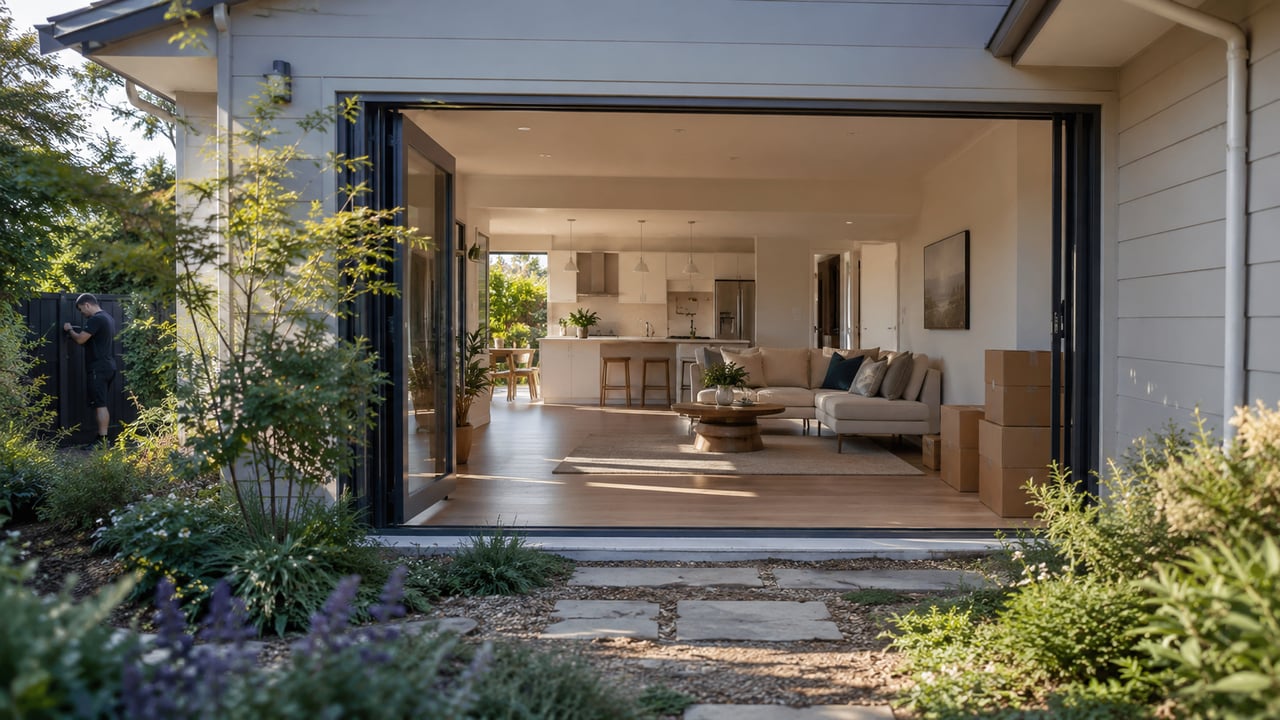
For sellers, closing preparation includes more than signing documents. The home must be ready for transfer according to the contract. That may include move-out, cleaning, agreed repairs, removing personal property, leaving keys and remotes, transferring utilities, and coordinating possession timing.
Possession should be clear. Sometimes buyers receive possession at closing. Sometimes there is a rent-back or delayed possession agreement. Sometimes sellers need extra time after recording. Whatever the arrangement, it should be documented and understood before the final days.
Sellers should also think through what stays and what goes. Appliances, fixtures, window coverings, garage storage, mounted items, outdoor equipment, and personal property can create confusion if not addressed clearly. When expectations are written and confirmed, closing is smoother.
Closing Day Is a Process, Not Just a Date
Closing day may involve final lender funding, escrow confirmation, recording with the county, and release of keys according to contract terms. Buyers sometimes assume closing happens the moment they sign documents. Sellers sometimes assume signing automatically means the sale is complete. In reality, signing is one step. Funding and recording are also required.
In California, ownership typically transfers when the deed records. The timing can depend on lender funding, escrow processing, county recording, and transaction-specific details. Buyers should avoid scheduling movers too tightly until possession timing is confirmed. Sellers should avoid making assumptions about proceeds availability until closing is complete.
On the Central Coast, where buyers and sellers may be coordinating local moves, relocation, second-home schedules, or back-to-back transactions, timing clarity is essential. A smooth closing requires understanding not just the target date, but the steps that must happen before the transaction is officially complete.
Strong Closing Preparation Reduces Stress
The closing process can feel complicated because so many details come together at once. Loan approval, title, escrow, insurance, inspections, repairs, walkthrough, funds, signing, recording, utilities, moving, and possession all overlap. When buyers and sellers understand the process early, those details become manageable.
Preparation does not remove every possible issue. Real estate transactions can still involve surprises. But preparation gives buyers and sellers a better foundation for handling them. A clear plan reduces confusion, protects timelines, and helps everyone make better decisions.
After more than three decades helping clients buy and sell real estate on the Central Coast, Joesef Jackson knows that closing is where preparation shows. A well-run closing reflects good communication, strong local guidance, and steady attention from start to finish.
FAQ
What should buyers do to prepare for closing on the Central Coast?
Buyers should stay in close contact with their lender, provide requested documents quickly, confirm insurance early, review escrow instructions carefully, prepare closing funds, schedule the final walkthrough, and avoid major financial changes before closing.
What should sellers do before closing?
Sellers should complete agreed repairs, prepare to move out, maintain the property, provide access when needed, review escrow documents, clarify what stays with the home, and make sure possession timing is clearly understood.
Is closing day the same as signing day?
Not always. Signing documents is an important step, but the transaction usually is not complete until funds are received and the deed records. Buyers and sellers should confirm timing before making final move plans.
What can delay closing?
Closing can be delayed by loan conditions, appraisal issues, insurance problems, incomplete documents, title concerns, final walkthrough issues, repair disputes, funding delays, or unclear communication.
When should buyers arrange homeowners insurance?
Buyers should begin arranging homeowners insurance early in escrow. Waiting until the end can create problems, especially for coastal, rural, older, or unique Central Coast properties.
What is the purpose of the final walkthrough?
The final walkthrough allows the buyer to confirm that the property is in the expected condition, agreed repairs are complete, included items remain, and no major change has occurred before closing.
How should buyers handle closing funds?
Buyers should confirm the final amount with escrow and their lender, follow verified wiring or payment instructions, and protect themselves against wire fraud by verifying instructions through trusted contact methods.
Why does local guidance matter before closing?
Local guidance matters because Central Coast properties can involve different insurance, inspection, title, HOA, rural, coastal, and timing considerations. Experienced representation helps buyers and sellers prepare for closing with fewer surprises.
If you are preparing to buy or sell real estate on the Central Coast and want personalized guidance, contact Joesef Jackson at SLO Life Realty Group.
This article intentionally connects to both published and future Central Coast real estate resources as part of a long-term geographic authority strategy. Some plain-text references may become active links as additional San Luis Obispo County and Central Coast content is published.