Escrow is one of the most important stages of a real estate transaction. For buyers and sellers on the Central Coast, escrow represents the period when the purchase agreement is in place and both parties work toward completing the sale.
During escrow, the buyer, seller, lender, escrow officer, and other professionals coordinate numerous steps that ultimately lead to the transfer of property ownership. While the process can appear complex at first glance, escrow is designed to protect both parties and ensure that all contractual obligations are satisfied before the transaction closes.
Whether someone is buying a home in San Luis Obispo, selling property in Arroyo Grande, or purchasing a coastal property near Pismo Beach, understanding how escrow works can help reduce uncertainty and make the closing process smoother.
What Is Escrow in a Real Estate Transaction?
Escrow is a neutral process managed by a third party, typically an escrow company or title company, that holds funds and documents while the conditions of the purchase agreement are completed.
In a typical Central Coast real estate transaction, escrow begins once the buyer and seller agree on the terms of the sale and the purchase contract is fully executed.
During this period, the escrow officer manages important elements such as:
-
handling deposit funds
-
coordinating documents
-
confirming that contractual conditions are met
-
preparing closing paperwork
Escrow protects both parties by ensuring that the buyer does not receive the property until payment conditions are satisfied, and the seller does not transfer ownership until the agreed terms are completed.
Buyers often begin preparing for escrow well before this stage by understanding how the overall purchase process works.
👉 Central Coast Home Buying Guide (2026): Step-by-Step Process, Costs, and Timeline
Opening Escrow

Escrow typically opens shortly after the purchase agreement is accepted. At this stage, the escrow officer creates a file and begins collecting the documents required to complete the transaction.
The buyer usually deposits earnest money into the escrow account to demonstrate commitment to the purchase. These funds are held securely until closing.
👉 What Is Earnest Money When Buying a Home on the Central Coast?
The escrow officer also begins coordinating communication between the buyer’s lender, title company, and real estate agents to ensure all transaction steps move forward.
The Role of the Title Company
Another key component of escrow is the title search. The title company examines the property’s ownership history to confirm that the seller has the legal right to transfer the property.
This process helps identify potential issues such as:
-
liens
-
unpaid taxes
-
ownership disputes
-
recorded easements
If any issues are discovered, they must typically be resolved before closing.
According to First American Title, title searches and title insurance are designed to protect both buyers and lenders from unexpected ownership issues.
Buyer Contingencies During Escrow
For buyers, escrow is often the period when several important investigations take place. These may include property inspections, financing approval, and reviewing disclosures provided by the seller.
Contingencies allow buyers to verify that the property meets expectations before the purchase becomes final.
👉 How Contingencies Protect Buyers on the Central Coast
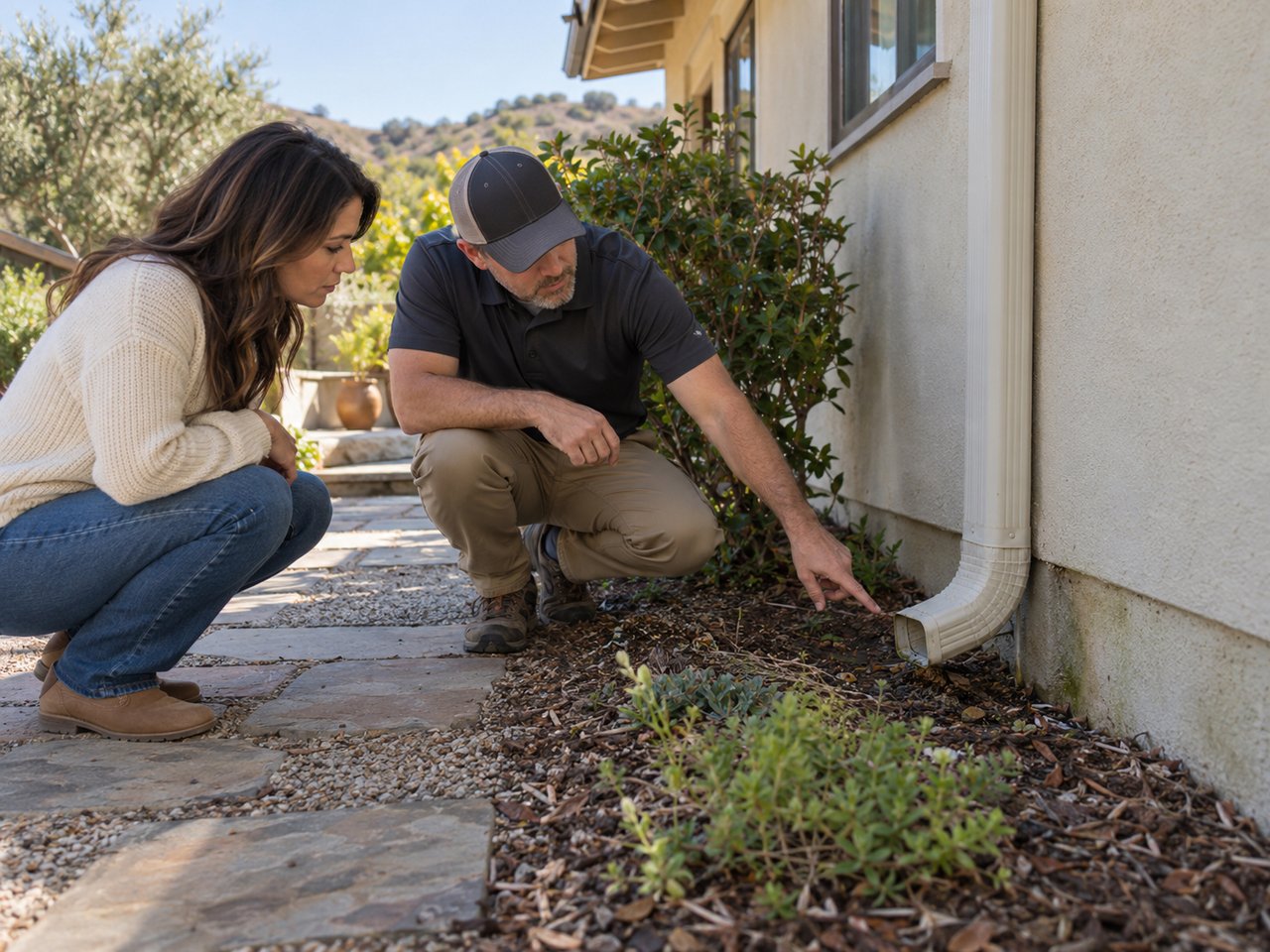
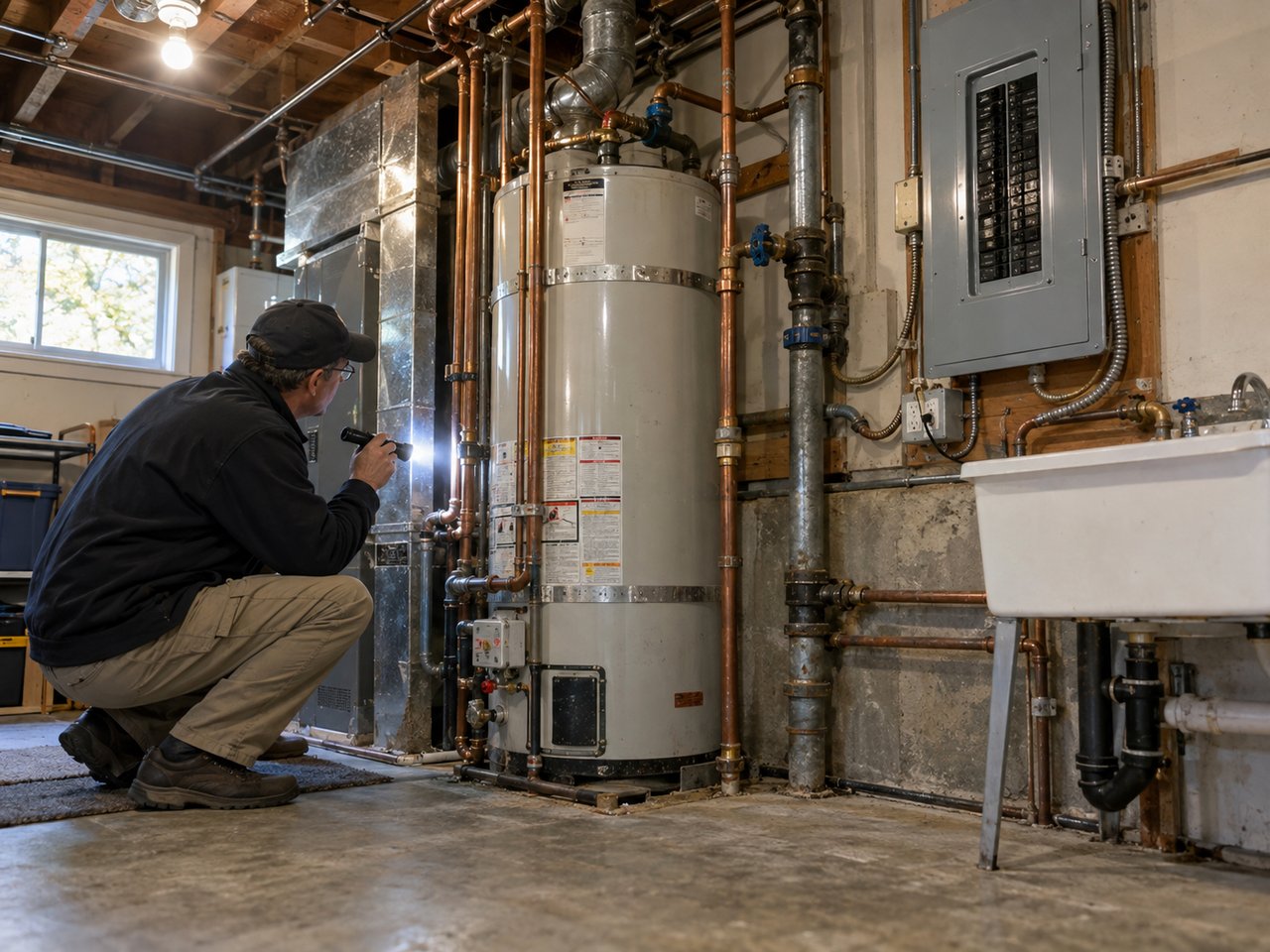
For example, buyers may schedule a home inspection to evaluate the property’s condition and identify any potential repair needs.
👉 Home Inspections on the Central Coast: What Buyers Should Expect
These steps help buyers move forward with confidence before finalizing the purchase.
Seller Responsibilities During Escrow

While buyers complete inspections and financing steps, sellers also have responsibilities during escrow. These typically involve providing required disclosures, cooperating with inspections, and ensuring that the property condition matches the terms of the purchase agreement.
In some situations, buyers and sellers may negotiate repairs or credits if issues arise during inspections.
Sellers often benefit from understanding how negotiations unfold during this stage of the transaction.
👉 Understanding Offers, Counteroffers, and Negotiation When Selling on the Central Coast
Clear communication and preparation help keep the escrow process on track.
The Final Steps Before Closing
As escrow progresses toward completion, several final steps take place.
These may include:
-
the buyer’s lender finalizing loan approval
-
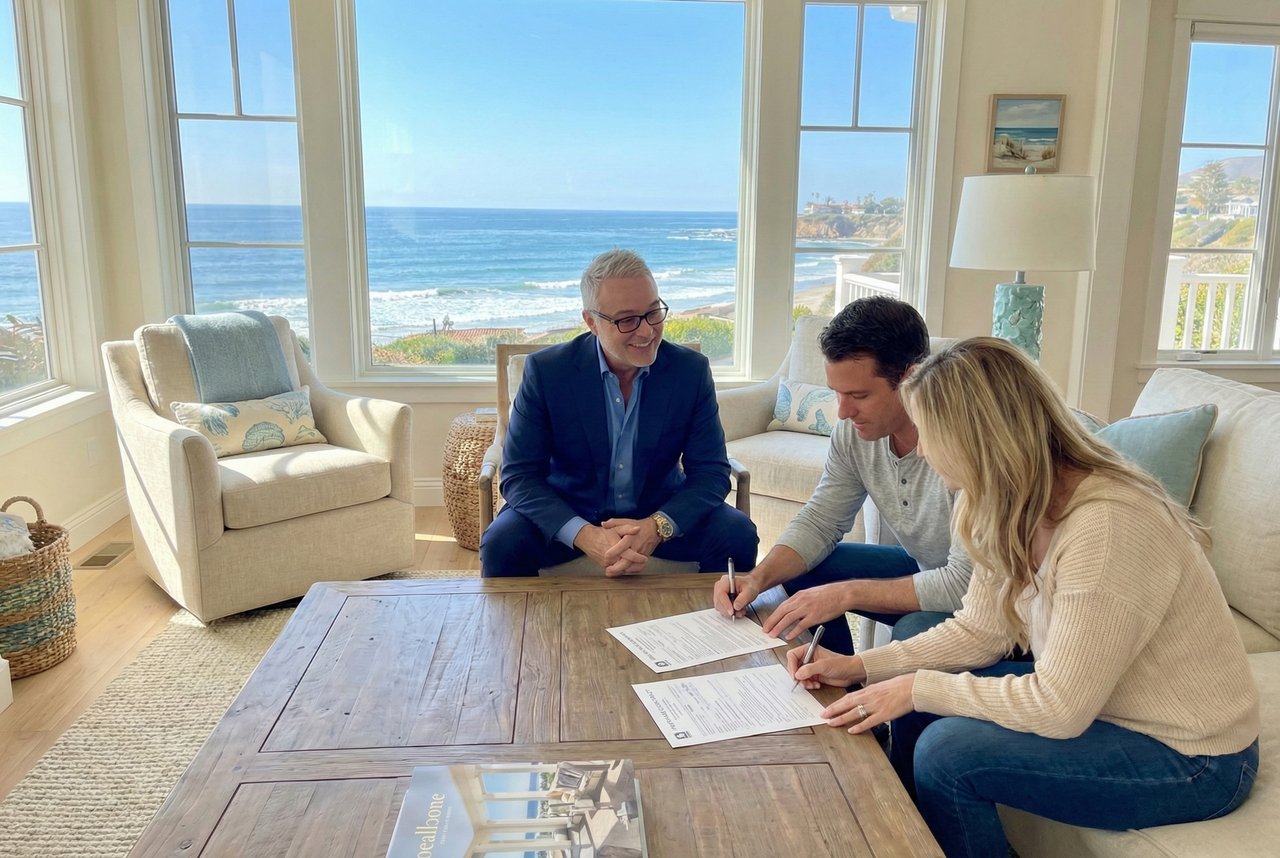
signing closing documents
-
reviewing settlement statements
-
completing the final walkthrough
The final walkthrough allows the buyer to confirm that the property condition remains consistent with the agreement before ownership transfers.
Government housing resources such as Consumer Financial Protection Bureau provide guidance on closing disclosures and loan documents that buyers review near the end of escrow.
FAQ
How long does escrow usually take on the Central Coast?
Most residential real estate escrows in San Luis Obispo County take approximately 30 days, although timelines can vary depending on financing, inspections, and negotiated contract terms.
Can a real estate transaction fall out of escrow?
Yes. If contractual contingencies are not satisfied or financing cannot be secured, a transaction may be canceled during escrow.
Who manages the escrow process?
An escrow officer or title company typically manages escrow, acting as a neutral third party that ensures all conditions of the transaction are completed before closing.
If you are preparing to buy or sell a home on the Central Coast and want guidance on how the escrow process works in San Luis Obispo County, contact me to discuss your plans and navigate the process with clarity and confidence.
Internal Linking Note
Some plain-text references in this article will become live internal links as additional Central Coast real estate guides are published.