Touring homes is one of the most exciting parts of buying real estate, but it is also one of the easiest stages to misunderstand. Many buyers think a showing is simply about walking through a property and deciding whether they like it. In reality, a home tour is where lifestyle goals, financial strategy, property condition, location, timing, and long-term value all begin to come together.
On the Central Coast, touring homes requires a local lens. A buyer looking in San Luis Obispo may be thinking about walkability, Cal Poly proximity, downtown access, and commute patterns. A buyer touring in Pismo Beach or Avila Beach may be focused on coastal lifestyle, views, second-home potential, or maintenance exposure near the ocean. Buyers comparing Arroyo Grande, Nipomo, Atascadero, Morro Bay, Los Osos, Templeton, and Paso Robles may be balancing price, space, schools, climate, lot size, and long-term flexibility.
After more than 30 years in real estate, 2,130+ closed transactions, and over $1.81 billion in career sales volume, Joesef Jackson has seen that strong buyers do not just tour homes casually. They learn how to observe, compare, ask better questions, and recognize when a property truly fits. The goal is not to rush. The goal is to become clear enough to act when the right opportunity appears.
Central Coast Neighborhood Video Tour ⬇️
Touring Starts Before You Walk Through the Door
A productive home tour begins before the showing appointment. Buyers who are financially prepared, clear on priorities, and realistic about the market usually make better decisions once they are inside a property. Without that preparation, every home can feel like a separate emotional reaction instead of part of a larger decision process.
Before touring, buyers should understand their price range, monthly payment comfort, financing structure, and likely closing costs. They should also have a practical sense of what matters most. Is location more important than size? Is a single-level layout essential? Is the buyer willing to update an older kitchen for the right neighborhood? Is coastal proximity worth trading off for a smaller lot or higher maintenance?
On the Central Coast, these trade-offs are especially important because different communities offer different value patterns. San Luis Obispo may provide convenience and energy, while Atascadero may offer more space. Pismo Beach and Morro Bay may provide coastal access, while Paso Robles may offer wine country lifestyle and more room to spread out. Arroyo Grande and Nipomo may appeal to buyers looking for a blend of neighborhood comfort, access, and value.
A home tour should answer more than “Do I like this house?” It should help answer whether the home fits the buyer’s budget, lifestyle, timeline, risk tolerance, and long-term plans.
👉 Home Inspections on the Central Coast: What Buyers Should Expect
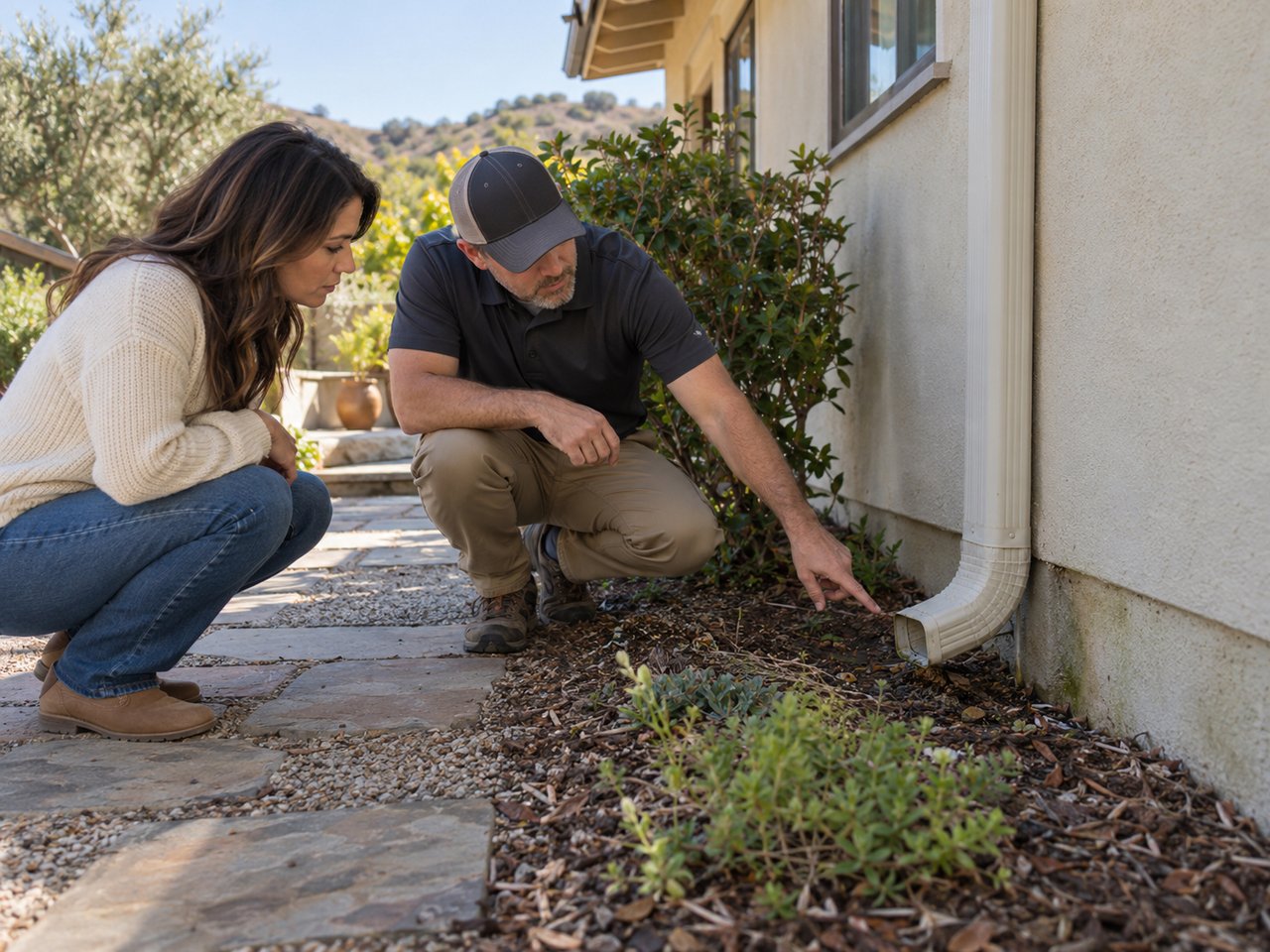
One expert insight Joesef often shares with buyers is that the showing is not the inspection, but it should sharpen the buyer’s awareness. Buyers do not need to diagnose every system during a tour. They should, however, notice signs that deserve closer review later, such as roof age, drainage patterns, uneven floors, moisture concerns, window condition, slope, retaining walls, and general maintenance.
Look Beyond First Impressions
First impressions matter, but they can also mislead. A beautifully staged home may feel impressive while still having practical issues. A less polished home may not show as dramatically but could offer stronger long-term value, better location, or more flexibility.
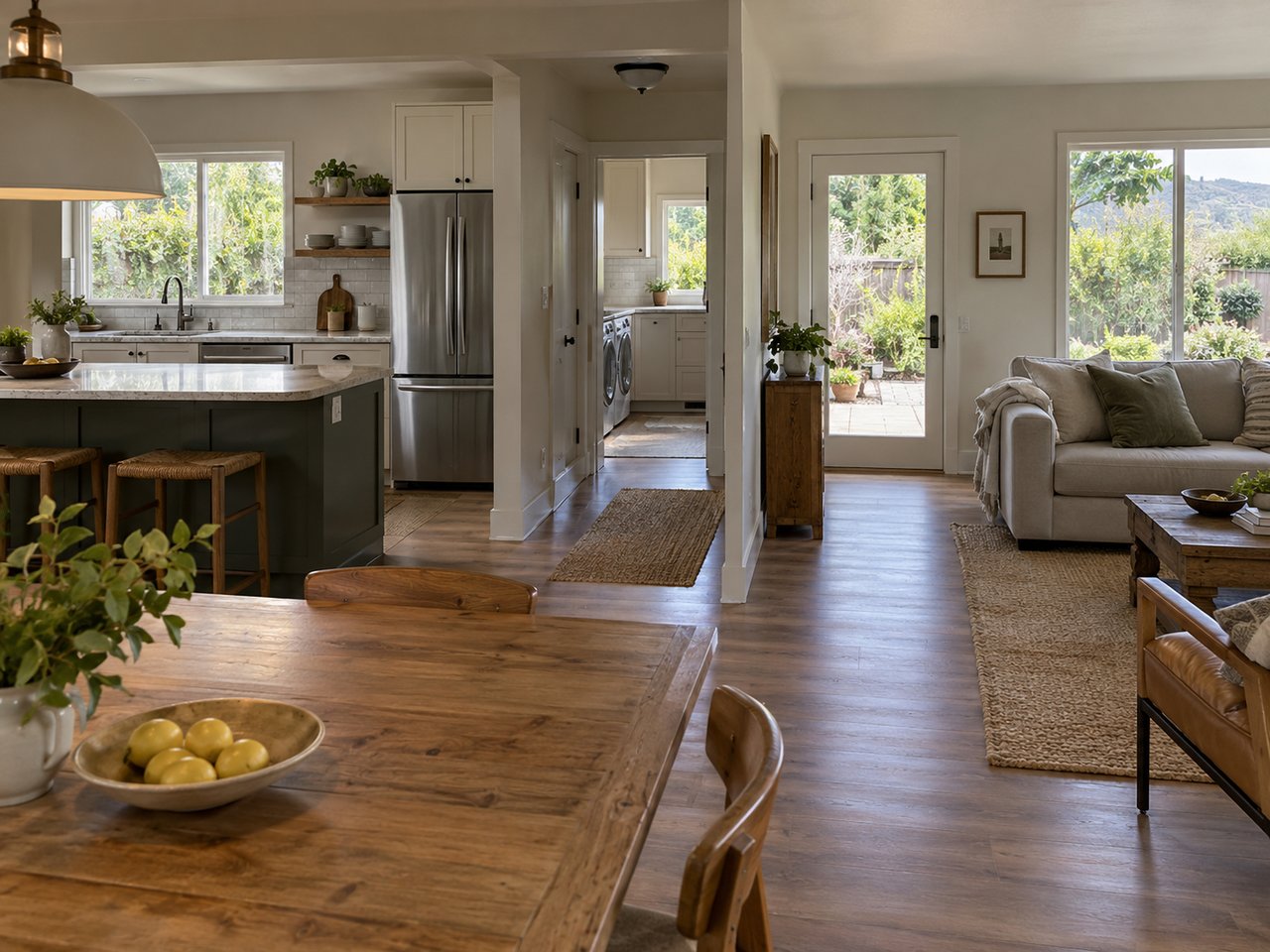
Buyers should pay attention to how the home lives, not just how it looks. Natural light, room flow, storage, privacy, parking, noise, street feel, and indoor-outdoor connection all affect daily life. On the Central Coast, orientation and microclimate can also matter. A home in Los Osos may feel different from one in Paso Robles because coastal influence, fog, sun exposure, and temperature patterns vary significantly across San Luis Obispo County.
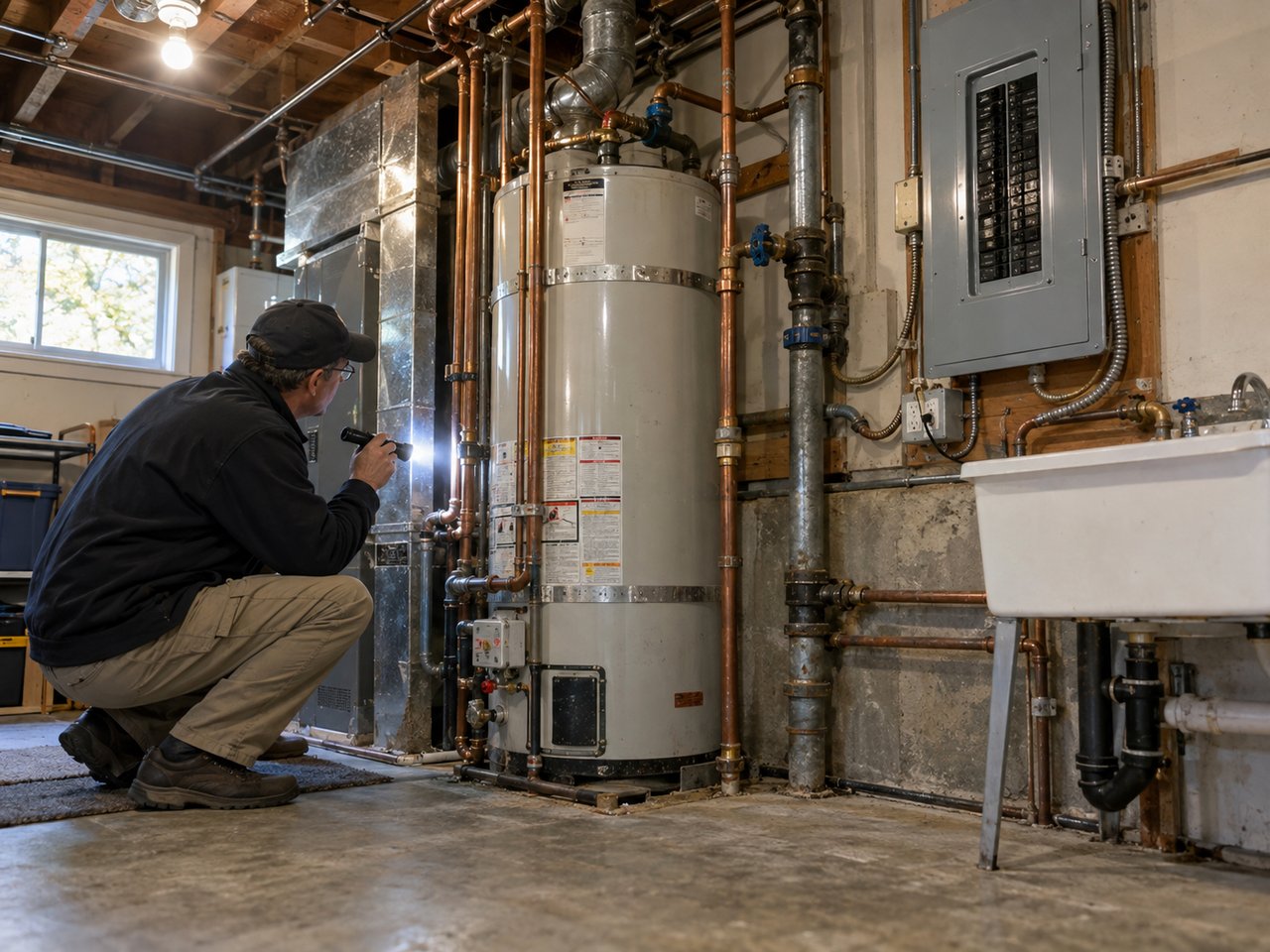
Condition should also be interpreted carefully. Cosmetic updates can make a strong impression, but buyers should not overlook fundamentals. Roof, foundation, windows, drainage, plumbing, electrical systems, heating and cooling, and exterior maintenance may matter more than fresh paint or new fixtures. This is especially true with older homes, coastal properties, rural homes, and properties with additions or prior remodels.
The California Department of Real Estate provides consumer information for buyers and sellers about real estate transactions and licensed representation in California.
Joesef’s experience across thousands of transactions has shown that the best buyer decisions usually come from balancing emotional reaction with practical evaluation. A buyer can love a home and still need to understand its responsibilities. A buyer can feel uncertain at first and later realize a property offers exactly the right combination of location, value, and potential.
Older Homes Require a Different Touring Mindset
Many homes on the Central Coast have character, history, and location advantages that newer homes may not offer. Older properties in San Luis Obispo, Arroyo Grande, Morro Bay, Cambria, Cayucos, and other established communities can be extremely appealing. They may sit on mature streets, offer unique architecture, or provide access to neighborhoods where new construction is limited.
But older homes should be toured with a different mindset. Buyers should look carefully at layout, ceiling height, foundation type, windows, electrical panels, plumbing age, drainage, roof condition, and prior renovation quality. Some older homes have been thoughtfully maintained and improved over time. Others may have layers of deferred maintenance or unpermitted changes that require deeper review.
That does not mean buyers should avoid older homes. In many cases, an older home in the right location can be a smart long-term purchase. The key is understanding what the buyer is taking on. A home with dated finishes may be manageable. A home with major structural, water, or system issues may require a different level of budget and risk tolerance.
👉 What Buyers Should Know About Buying an Older Home on the Central Coast
From Joesef’s 30+ years representing buyers and sellers, one recurring pattern is clear: buyers make better decisions when they separate cosmetic issues from structural or functional concerns. Carpet, paint, and fixtures are one category. Drainage, foundation, roof, and system condition are another. Knowing the difference helps buyers avoid both overreacting and underestimating risk.
Know What You Can and Cannot Learn During a Showing

A showing gives buyers a valuable first look, but it does not reveal everything. Some issues require inspections, disclosures, reports, permit review, insurance review, or specialist opinions. Buyers should use the tour to decide whether the property is worth deeper evaluation, not to assume they already know the full condition of the home.
During the tour, buyers can observe visible condition, layout, neighborhood feel, traffic noise, parking, sunlight, storage, views, privacy, and general maintenance. They can also notice whether the home appears consistent with its listing description and photos.
What buyers usually cannot fully determine during a showing includes sewer line condition, hidden moisture, foundation performance, roof life, electrical safety, pest damage, septic condition, insurance availability, permit history, or exact repair costs. These items often require professional review.
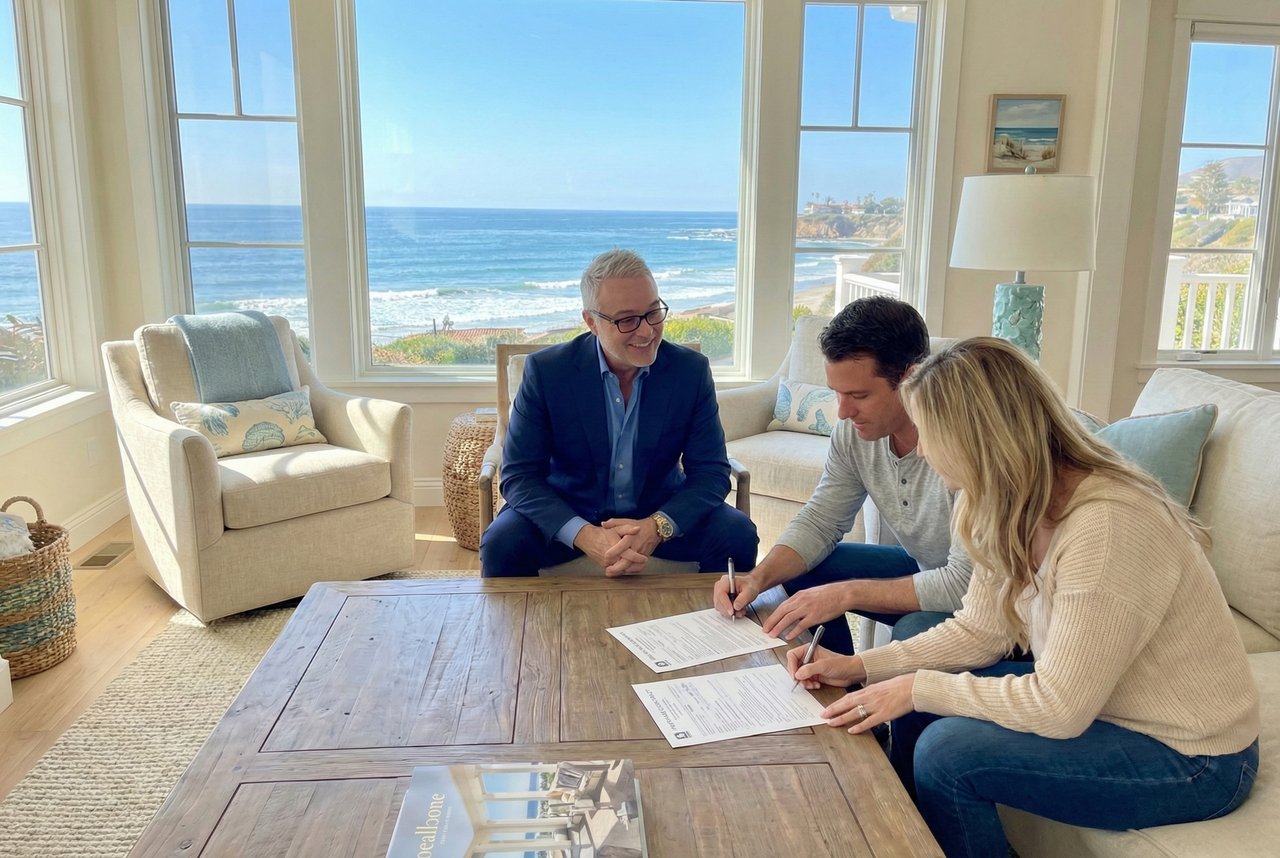
This is where contingencies become important. The showing helps a buyer decide whether to write an offer. Contingencies help protect the buyer after the offer is accepted, giving them time to investigate the property, financing, appraisal, disclosures, and other key issues.
👉 How Contingencies Protect Buyers on the Central Coast
Buyers touring homes on the Central Coast should understand that strong decision-making does not mean ignoring risk. It means knowing which questions can be answered during the showing, which questions should be answered during escrow, and which concerns may be serious enough to affect whether they pursue the home at all.
Compare Homes While the Details Are Fresh
One of the most common buyer challenges is remembering homes clearly after several tours. After a weekend of showings in San Luis Obispo, Pismo Beach, Arroyo Grande, Nipomo, and Atascadero, properties can start to blur together. Buyers may remember the kitchen from one home, the backyard from another, and the neighborhood from a third.
A good touring process includes thoughtful comparison. Buyers should make notes immediately after each showing, while details are fresh. Instead of only ranking homes emotionally, it helps to compare them across the factors that matter most: location, condition, layout, outdoor space, parking, commute, neighborhood feel, monthly payment, and likely future costs.
The most helpful comparison is not always “which home is prettiest?” It is often “which home best supports our life, budget, and long-term goals?” A home with a slightly smaller kitchen may still be the better purchase if the location is stronger. A home with more space may not be the best fit if the commute or maintenance burden feels wrong.
The Consumer Financial Protection Bureau offers homebuying tools that help consumers think through mortgage choices, affordability, and the financial side of buying a home.
Joesef has seen many buyers become clearer after touring three to five homes in a focused way. The right property often becomes easier to recognize when buyers understand what each alternative lacks. Touring is not just about finding a perfect home. It is about learning the market well enough to identify the best fit when it appears.
Touring Strategy Can Help Prevent Delays
A home purchase can be delayed by financing issues, incomplete documents, unclear disclosures, inspection concerns, appraisal challenges, title issues, insurance questions, or slow decision-making. Some delays are unavoidable. Others can be reduced when buyers tour with better preparation and clearer expectations.
Before touring seriously, buyers should have their financing ready, know their approximate payment range, and understand what documentation their lender may need. They should also be realistic about timing. If they need to move by a certain date, sell another property, relocate for work, or coordinate a school schedule, those details should shape the touring strategy.
On the Central Coast, insurance and property condition may also deserve early attention, especially for rural properties, homes near higher fire-risk areas, coastal homes, older properties, or homes with unusual features. Waiting too long to investigate practical issues can create stress later.
👉 What Can Delay a Home Purchase on the Central Coast (and How to Avoid It)
One of Joesef’s expert insights from more than 2,130 transactions is that buyers often gain negotiating strength from preparation. A buyer who understands their financing, timeline, and priorities can move more confidently. That does not mean rushing into the wrong home. It means being ready when the right home comes along.
What to Watch for During the Tour Itself
During a home tour, buyers should slow down enough to observe what daily life would feel like. The layout should be considered from morning to night. Where would people enter with groceries? Is there enough storage? Does the primary bedroom feel private? Does the home support work-from-home needs? Is the outdoor space usable or mostly visual? How does traffic sound inside the house? What does the street feel like?
Buyers should also look at the surrounding area. The neighboring homes, parking patterns, slope, drainage, nearby roads, sun exposure, and overall upkeep of the street can all influence livability and resale. In coastal communities like Morro Bay, Cayucos, Pismo Beach, and Los Osos, buyers may also want to think about marine layer, exterior maintenance, and proximity to the water. In inland areas like Atascadero, Templeton, and Paso Robles, buyers may think more about heat, lot care, wells, septic systems, and defensible space where applicable.
👉 What to Look for During Home Tours in San Luis Obispo County
A smart buyer does not need to become a contractor, appraiser, or inspector during a showing. The better goal is to become an informed observer. Notice what feels right. Notice what raises questions. Then decide whether the home deserves the next level of investigation.
How to Compare Homes Without Getting Overwhelmed

Touring can become emotional quickly. A buyer may love one room, dislike one finish, worry about one repair, or feel pressure because another buyer might act first. The more emotional the process becomes, the more important it is to compare homes against the buyer’s original goals.
A helpful approach is to separate must-haves from preferences. Must-haves are the factors that truly affect whether the home works: budget, location, number of bedrooms, commute, safety, layout needs, or accessibility. Preferences are features that would be nice but may be flexible: certain finishes, paint colors, landscaping style, or minor cosmetic updates.
On the Central Coast, the perfect home may not appear exactly as imagined. Inventory can be limited in certain neighborhoods and price ranges. Buyers who understand their priorities can act more confidently without chasing perfection.
👉 How to Compare Homes Effectively on the Central Coast
The best comparison process brings the buyer back to the same core questions: Does this home fit the life I am trying to build? Does the price make sense for the location and condition? Do I understand the risks? Would I regret losing this home to another buyer? Am I trying to force this home to work, or does it genuinely fit?
Why Local Guidance Matters Before and During Home Tours
Online listings provide useful information, but they cannot fully explain local context. A property may look similar to another home on paper but perform very differently because of neighborhood, condition, lot usability, microclimate, insurance considerations, traffic patterns, school access, views, or long-term demand.
Local guidance matters because the Central Coast is not one uniform market. San Luis Obispo, Pismo Beach, Arroyo Grande, Los Osos, Morro Bay, Nipomo, Atascadero, Templeton, Paso Robles, Cambria, and Cayucos each have different buyer expectations and property considerations. A buyer touring across several communities needs more than square footage and photos. They need context.
Joesef Jackson’s career experience allows buyers to understand what they are seeing in real time. That includes recognizing when a concern is normal for the area, when a property deserves deeper investigation, when a home is likely to attract competition, and when a buyer may need to slow down and ask better questions.
Touring homes should create clarity, not confusion. The right preparation helps buyers avoid emotional overreaction, missed warning signs, and unnecessary delays. When buyers understand what to look for before they start touring, they are better equipped to recognize the right home when they find it.
FAQ
What should buyers do before touring homes on the Central Coast?
Buyers should confirm their financing, understand their comfortable payment range, clarify their priorities, and learn the local market before touring seriously. This helps each showing become part of a focused decision process rather than a casual walkthrough.
Should I get pre-approved before touring homes?
Yes. A pre-approval helps buyers understand their budget and strengthens their ability to act when they find the right home. It also helps avoid disappointment from touring homes outside a realistic payment range.
What should I look for during a home tour?
Buyers should look at layout, natural light, storage, privacy, noise, parking, neighborhood feel, visible condition, outdoor space, and signs of maintenance. They should also notice anything that may need further review during inspections.
Are older homes on the Central Coast risky to buy?
Not necessarily. Older homes can offer excellent locations, character, and long-term value. Buyers should tour them carefully and pay attention to systems, drainage, foundation, roof, windows, prior renovations, and maintenance history.
How many homes should I tour before making an offer?
There is no perfect number. Some buyers recognize the right home quickly after studying the market. Others need several tours to understand value. The key is not the number of homes toured, but the clarity of the comparison.
Should I take notes during home tours?
Yes. Notes help buyers remember details accurately, especially when touring several homes in one day. It is helpful to record thoughts about layout, condition, location, concerns, and how the home compares with other options.
What should I not focus on too much during a showing?
Buyers should avoid over-focusing on easy cosmetic changes such as paint color, furniture, or decor. Those details can distract from more important factors such as location, structure, layout, natural light, lot usability, and long-term fit.
Why is local expertise important when touring homes in San Luis Obispo County?
Local expertise helps buyers understand neighborhood differences, property condition norms, microclimates, pricing patterns, and possible risk factors. On the Central Coast, two homes with similar features can represent very different opportunities depending on location and context.
If you are preparing to buy or sell real estate on the Central Coast and want personalized guidance, contact Joesef Jackson at SLO Life Realty Group.
This article intentionally connects to both published and future Central Coast real estate resources. Some plain-text references may become active links as additional San Luis Obispo County and Central Coast content is published.