Property trade-offs are the differences buyers accept in one area to gain something more important in another. A buyer may choose less square footage for a central San Luis Obispo location, accept an older interior to secure a larger lot in Arroyo Grande, or move inland to obtain more space within the same general budget.
Nearly every home purchase involves some compromise. Even buyers with substantial budgets must often choose among location, privacy, architecture, views, condition, acreage, walkability, and convenience. The objective is not to find a property without limitations. It is to determine which limitations are manageable and which would interfere with the buyer’s daily life or long-term plans.
San Luis Obispo County makes these comparisons especially important because its communities offer noticeably different ownership experiences. A coastal condominium in Pismo Beach, a downtown San Luis Obispo residence, a family home in Nipomo, and a rural property near Paso Robles may fall within overlapping price ranges while offering very different combinations of space, maintenance, weather, access, and lifestyle.
Buyers should establish their priorities before becoming attached to a particular property. A home can be appealing and still represent the wrong trade-off. The strongest purchase is generally the one whose compromises remain acceptable after the initial excitement has passed.
Central Coast Neighborhood Video Tour ⬇️
Compare Homes by Daily Use, Not Features Alone
Property comparisons become more useful when buyers focus on how each home would function in daily life. Bedroom counts, square footage, lot size, and upgrade lists provide a starting point, but they do not fully explain whether a property fits the buyer.
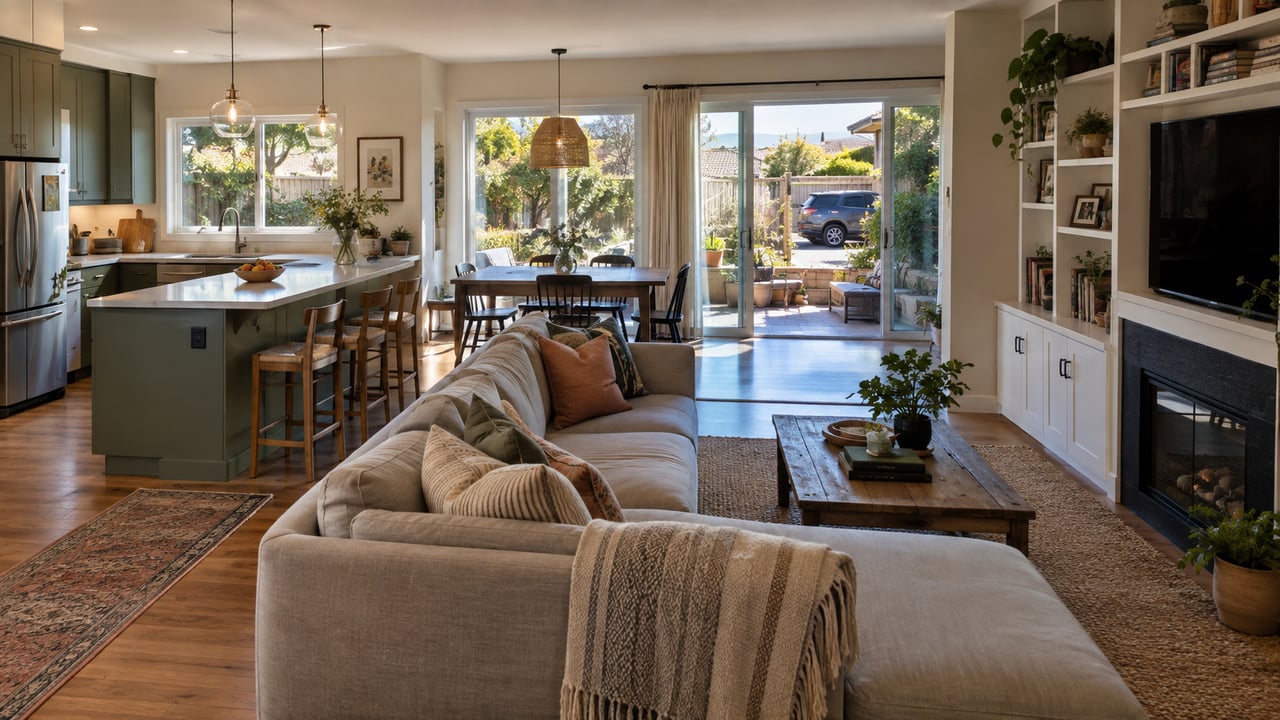
Two homes with similar square footage can live very differently. One may have an open living area but limited storage. Another may offer smaller common rooms but include a separate office, usable garage, and better bedroom separation. A larger home may not be more functional when circulation, ceiling height, natural light, or room placement are poor.
👉 How to Compare Multiple Properties on the Central Coast
Buyers should consider which spaces they will use consistently and which features are attractive but unlikely to affect daily life. A formal dining room may matter to someone who entertains regularly but provide little value to a buyer who needs a home office. A large yard may support children, pets, gardening, or gatherings, while another buyer may view it primarily as a maintenance obligation.
After more than 30 years in real estate, Joesef Jackson has seen that buyers often make better comparisons when they describe how they expect to live rather than simply ranking properties by size. A home that supports the buyer’s actual routines can be a stronger choice than one with a more impressive feature list.
The Consumer Financial Protection Bureau advises buyers to remember their budget and priorities while shopping and to compare the total monthly effect of different purchase prices.
https://www.consumerfinance.gov/owning-a-home/explore/find-the-right-home/
Neighborhood Selection Involves More Than the Address
A neighborhood affects the home long after interior finishes have changed. Buyers should evaluate access, traffic, noise, parking, nearby land uses, lot relationships, walkability, commute patterns, and the general rhythm of the area.
👉 How to Evaluate Neighborhoods in San Luis Obispo County
A downtown San Luis Obispo location may offer restaurants, services, and walkability but provide less yard space or off-street parking than an outlying neighborhood. A home near Cal Poly may offer convenience and strong long-term demand while also bringing considerations involving traffic, student activity, parking, and rental patterns.
Los Osos can provide a quieter coastal environment and access to outdoor recreation, but a buyer working elsewhere in the county should consider commuting time and the services used regularly. Arroyo Grande may offer established neighborhoods and larger residential lots, while some buyers may prioritize closer access to central San Luis Obispo.
Neighborhood fit is personal. A street that feels active and connected to one buyer may feel busy to another. Buyers should visit at different times, observe nearby properties, and consider how the location operates on ordinary weekdays rather than relying only on the atmosphere of a weekend showing.
With more than 2,130 career transactions, Joesef has observed that buyers can usually modify a home more readily than they can change its surroundings. Location trade-offs therefore deserve careful attention before cosmetic features influence the decision.
Location Changes Both Price and Lifestyle
Location often creates the most visible property trade-off. Buyers may need to decide whether proximity to work, the coast, schools, downtown, recreation, or family is worth accepting less space, an older home, or a higher purchase price.
👉 Buying a Home in San Luis Obispo County: How Location Impacts Price and Lifestyle
A buyer comparing San Luis Obispo with Atascadero may find that an inland property offers more square footage or a larger lot within the same budget. The trade-off may involve a longer commute, warmer summer temperatures, and greater dependence on driving.
A coastal home in Morro Bay or Pismo Beach may provide ocean access, moderate weather, and a distinct lifestyle. The same budget may purchase less interior space, an older property, or a home with greater exterior maintenance exposure than an inland alternative.
Location also affects how frequently buyers use the advantages they are paying for. A buyer who visits the beach every morning may place substantial value on coastal proximity. A buyer who spends most weekdays commuting inland may discover that the same location creates more inconvenience than benefit.
The right choice depends on the buyer’s real routines. A location should not be selected only because it is widely regarded as desirable. Its advantages must be useful to the person purchasing the home.
Current Buyer Preferences Should Inform, Not Control, the Choice
Market demand can indicate which features are broadly desirable, but buyers should not allow general preferences to replace their own priorities.
👉 What Buyers Look for Most in Central Coast Homes Right Now
Functional layouts, outdoor space, updated systems, usable work areas, storage, parking, and lower maintenance may appeal to many purchasers. However, no single combination fits every household.
A buyer who expects to remain in the home for many years may reasonably prioritize adaptability over current design trends. Another buyer planning a shorter ownership period may give more weight to broad resale appeal and ease of maintenance.
The strongest approach separates personal value from market value. A highly specific feature may be extremely useful to one buyer without producing the same response from future purchasers. That does not make the feature a poor choice, but the buyer should understand the distinction.
Joesef’s experience with more than $1.81 billion in career sales volume has shown that resale considerations matter, but they should remain part of the decision rather than controlling it completely. Buyers still need a home that works for the years they expect to own it.
Coastal and Inland Homes Offer Different Ownership Experiences
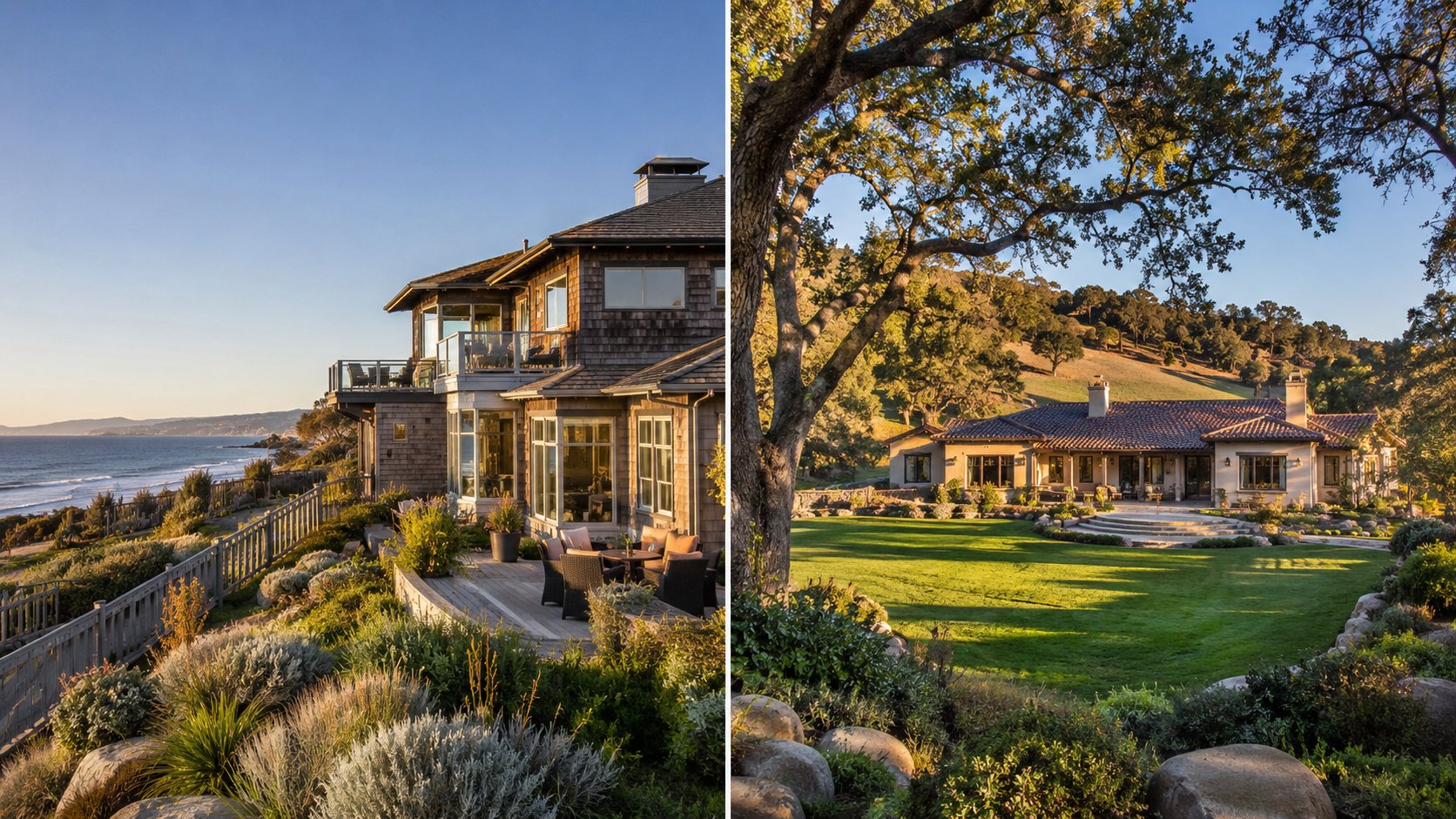
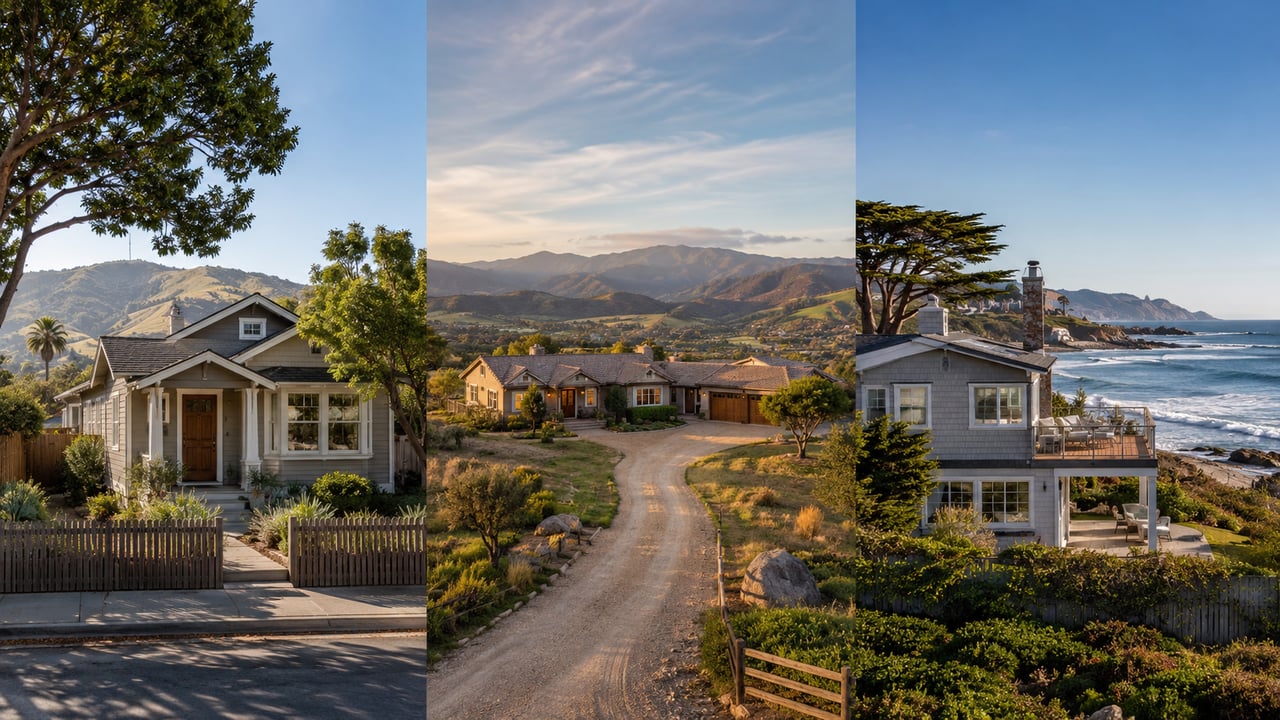
The comparison between coastal and inland properties is not simply about distance from the ocean. It can involve climate, lot size, maintenance, commute, architectural style, privacy, and the amount of home available within a particular budget.
👉 How to Compare Coastal and Inland Homes on the Central Coast
Coastal communities such as Cayucos, Cambria, Pismo Beach, and Morro Bay may provide moderate temperatures, marine views, walkability, and access to beaches. Buyers may encounter smaller lots, older housing stock, limited inventory, visitor activity, or additional exterior maintenance related to moisture and salt exposure.
Inland communities such as Atascadero, Templeton, and Paso Robles may offer larger lots, newer construction, acreage, or greater separation from neighboring homes. Trade-offs may include warmer weather, longer travel to coastal employment centers, vegetation management, wells, septic systems, or rural access.
Neither option is inherently superior. A coastal buyer may gladly accept less space because the location supports daily recreation and preferred weather. An inland buyer may value privacy, land, storage, and flexibility more than proximity to the ocean.
Buyers should compare the complete ownership experience. A home’s purchase price is only one part of that comparison. Utilities, insurance, maintenance, transportation, and property services can change the practical cost and convenience of each option.
Location Trade-Offs Should Be Measured Against Real Priorities
Buyers often begin with broad location preferences that become more specific once they tour homes. They may discover that neighborhood character matters more than the city name, or that commuting time matters less than having a flexible floor plan.
👉 What Buyers Should Know About Location Trade-Offs in San Luis Obispo County
A buyer who wants San Luis Obispo may decide that an Atascadero home provides enough additional space to justify the drive. Another may determine that a smaller San Luis Obispo residence is preferable because it reduces commuting and keeps daily activities nearby.
Buyers should identify which location benefits they would use consistently. Proximity to downtown, schools, hiking, the coast, wineries, family, medical facilities, or work can have very different value depending on the household.
They should also distinguish between inconvenience and incompatibility. A slightly longer drive may be manageable. Persistent traffic noise, unsuitable access, limited parking, or a neighborhood that does not support the buyer’s routines may be much harder to accept.
The County of San Luis Obispo Planning and Building Department provides official resources concerning zoning, allowable uses, permit requirements, and property information in unincorporated areas.
Condition and Price Must Be Evaluated Together
An updated home often carries a higher price, while an original or partially renovated property may offer a lower entry point. Buyers should compare the price difference with the likely cost, inconvenience, and timing of future improvements.
Cosmetic changes such as paint, flooring, lighting, and fixtures may be relatively straightforward. Roofing, electrical systems, plumbing, drainage, foundations, windows, and heating equipment can require substantially more planning and expense.
An older home is not necessarily a poor choice. A carefully maintained original property may have dependable systems and strong construction. A recently remodeled home is not automatically lower risk when improvements were completed without consistent workmanship or appropriate documentation.
Buyers should consider whether they have the time, financial reserves, and tolerance required for projects. Some buyers enjoy improving a home gradually. Others would rather pay more for a property that requires less immediate attention.
The trade-off is not simply updated versus dated. It is the difference between the purchase price, the likely ownership costs, and the buyer’s willingness to manage the work.
More Space Can Create More Responsibility
Additional square footage and land can be attractive, but they also increase cleaning, furnishing, utilities, exterior care, and long-term maintenance.
A larger home may support guests, family growth, hobbies, or work. It may also include rooms the buyer rarely uses. A smaller home with a functional layout may provide a more comfortable daily experience while reducing ownership demands.
Lot size creates a similar comparison. A large yard can offer privacy, outdoor living, gardening, pets, or future flexibility. It may also require irrigation, landscaping, fencing, tree care, drainage work, or vegetation management.
Rural and acreage properties can introduce wells, septic systems, private roads, outbuildings, propane, and specialized insurance considerations. Buyers interested in land should evaluate whether they want the responsibilities that accompany it.
More property is valuable when the buyer will use it. Space purchased only because it appears to represent a better deal can become an ongoing expense without improving daily life.
Renovated and Original Homes Require Different Decisions
An updated property can reduce immediate work and allow a buyer to settle in quickly. The trade-off is usually a higher price and less opportunity to choose finishes or redesign the space.
An original home may offer a stronger location, larger lot, or lower price. The buyer may gain the ability to personalize it over time but must account for the cost and disruption of improvements.
Buyers should distinguish between style and function. Cabinet color or flooring can be changed. A poor floor plan, low natural light, limited parking, or a difficult lot may be more complicated and expensive to alter.
The quality of renovations also matters. Buyers should not assume that every updated surface represents an improvement in construction quality. Permits, workmanship, materials, and the relationship between renovated and original systems deserve review.
The preferred trade-off depends on the buyer. Someone with limited time may prioritize completed improvements. Another buyer may accept dated finishes to secure a location or architectural style that would otherwise be unaffordable.
Monthly Cost Can Change Which Home Is the Better Value
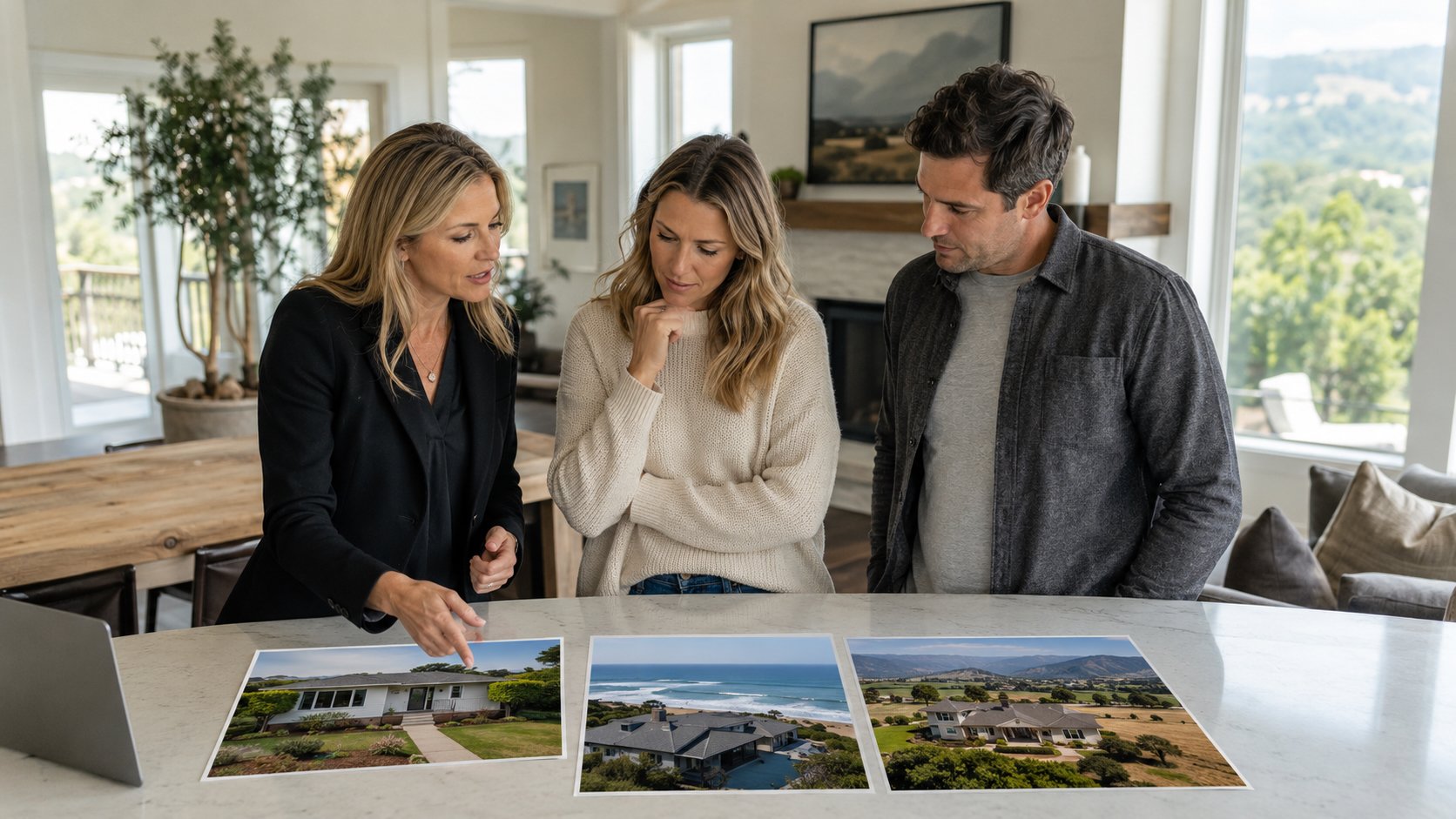
Two homes with similar prices may produce different monthly and long-term costs. Taxes, insurance, association dues, utilities, commuting, maintenance, and repairs should be considered alongside the mortgage payment.
A condominium may provide a lower-maintenance lifestyle but include association dues and restrictions. A detached home may avoid monthly dues while making the owner responsible for the roof, exterior, landscaping, and other shared services that an association might otherwise cover.
A newer inland home may have modern systems and greater energy efficiency but create a longer commute. A coastal property may require less cooling but carry different insurance or exterior maintenance considerations.
Buyers should convert predictable expenses into a monthly estimate and reserve funds for costs that occur less frequently. This allows them to compare properties using a more complete measure than the asking price alone.
A home that appears more expensive may be easier to own when it requires fewer immediate repairs and reduces transportation costs. A lower-priced home may remain the better choice when the buyer has sufficient reserves and values the opportunity to improve it.
Short-Term Appeal Should Be Compared With Long-Term Fit
A home can make a strong first impression without supporting the buyer’s future needs. Buyers should consider how the property may function if work arrangements, family size, mobility, hobbies, or financial priorities change.
This does not require predicting every future event. It means evaluating whether the property offers reasonable flexibility for the period the buyer expects to own it.
A small home in an excellent location may remain a strong choice when the buyer values convenience and expects limited space needs. Another household may require an extra bedroom, adaptable office, ground-floor living, or additional storage to avoid moving again prematurely.
Long-term fit also includes maintenance. A property that feels manageable today should remain realistic as the buyer’s time, income, or physical abilities change.
Resale matters because future buyers will evaluate many of the same trade-offs. Functional layout, parking, natural light, access, usable outdoor space, and location tend to remain relevant even as design preferences change.
Inspections Can Reveal New Trade-Offs
A buyer’s assessment may change after inspections, disclosures, insurance research, and document review. A property that initially appears move-in ready may require repairs or future replacements that alter its value.
Inspection findings should be evaluated according to cost, urgency, safety, and the buyer’s willingness to manage the issue. Not every defect requires abandoning the purchase, and not every repair should be dismissed as routine.
A roof near the end of its expected life presents a different trade-off than an older but serviceable cosmetic finish. Drainage, foundation, electrical, plumbing, moisture, septic, or well concerns may require additional investigation before the buyer can evaluate the property accurately.
The question is whether the new information changes the balance that made the home appealing. A buyer may still choose the property because its location, lot, architecture, or price outweighs the work. The decision should be based on updated information rather than the expectations formed during the first showing.
Rank the Trade-Offs Before Making an Offer
Before writing an offer, buyers should identify which compromises they are accepting and why. This reduces the risk of overlooking a significant issue simply because the market feels competitive.
A useful ranking distinguishes among essential priorities, strong preferences, and features that would merely be pleasant to have. The categories should remain limited enough to guide a real decision.
Essential priorities might include location boundaries, monthly cost, bedroom needs, accessibility, parking, or commute. Strong preferences may involve yard size, views, architecture, or condition. Optional features might include a particular countertop, fireplace, or decorative style.
The ranking should also identify unacceptable trade-offs. A buyer may be willing to accept an older kitchen but not a difficult commute. Another may accept less square footage but not shared walls or association restrictions.
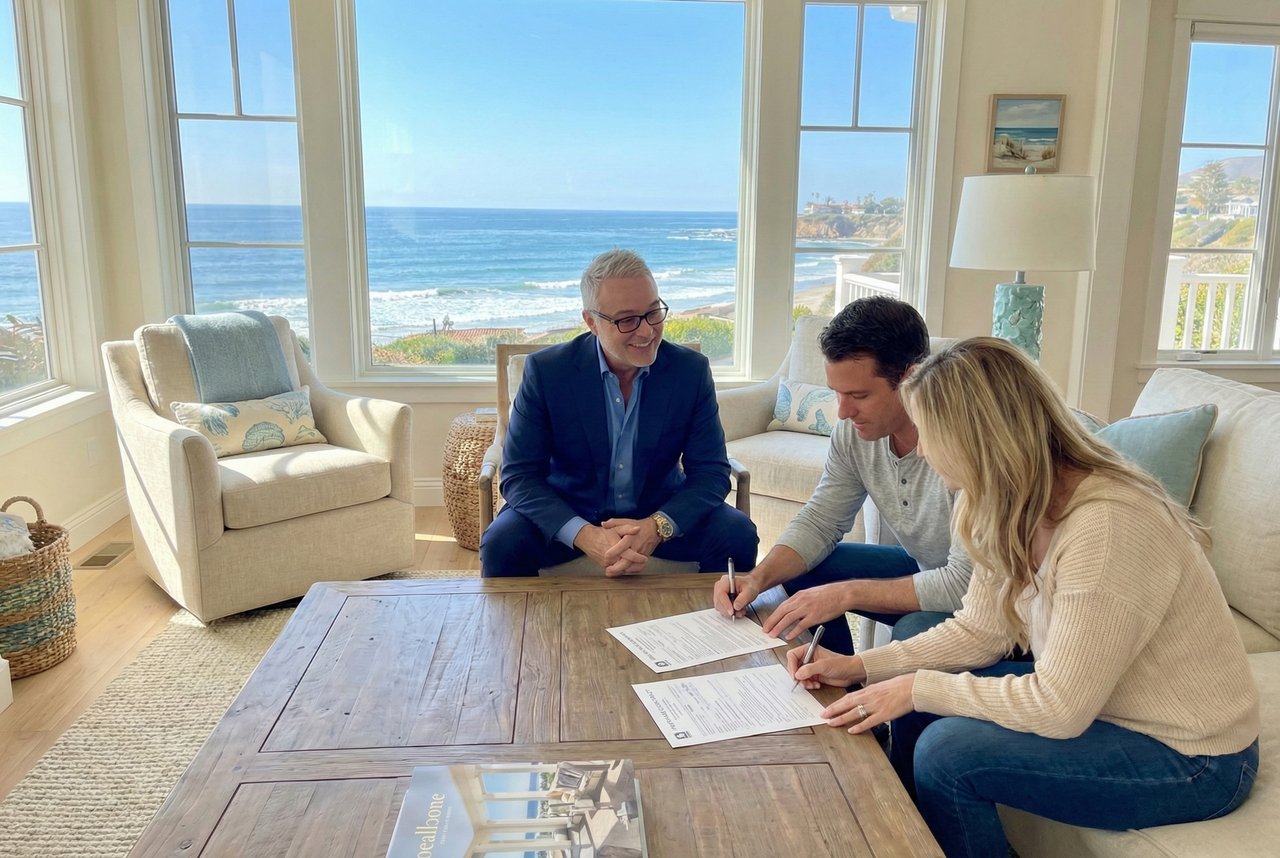
Direct representation from the first conversation through closing allows Joesef to keep those priorities connected to property comparisons, offer terms, inspections, and new information that develops during the transaction.
The Right Home Has the Right Compromises
A successful purchase is not defined by obtaining every feature on the original wish list. It is defined by choosing a home whose advantages support the buyer’s life and whose limitations remain acceptable.
The right trade-offs differ among buyers. One may choose a smaller home in San Luis Obispo for convenience and walkability. Another may choose more space in Arroyo Grande or Nipomo. A coastal buyer may accept higher maintenance for ocean access, while an inland buyer may prefer privacy, land, and greater flexibility.
Buyers should compare the complete ownership experience rather than chasing an idealized property. Location, price, condition, space, monthly cost, and future fit should be considered together.
The objective is not to eliminate compromise. It is to make each compromise deliberately, understand what is being gained in return, and select a property that continues to make sense after closing.
Frequently Asked Questions
Do all homebuyers need to make property trade-offs?
Yes. Most buyers must balance price, location, condition, space, features, and ownership costs. Even higher budgets do not guarantee every preferred quality in one property.
Which property trade-off matters most?
The most important trade-off is the one that affects the buyer’s daily life or long-term plans. This may be location, payment, space, condition, commute, or maintenance responsibility.
Is location more important than the condition of a home?
That depends on the buyer. Condition can often be changed, while location generally cannot. However, renovation costs and disruption may make a less desirable location with better condition more practical for some buyers.
Should buyers choose a larger inland home or a smaller coastal home?
The decision depends on how the buyer values space, climate, ocean access, commute, privacy, maintenance, and monthly cost. Neither option is universally better.
Is an updated home always a better value?
No. An updated home may reduce immediate work but carry a higher price. Buyers should evaluate renovation quality, major systems, location, lot, and the cost difference.
How should buyers compare a condominium with a detached home?
Buyers should compare purchase price, association dues, restrictions, insurance, maintenance responsibilities, privacy, outdoor space, parking, and long-term plans.
Can inspections change which trade-offs are acceptable?
Yes. Inspection findings can reveal repair costs, safety concerns, or future replacements that change the balance between a home’s advantages and limitations.
How can buyers avoid regretting a compromise?
Buyers should rank essential priorities, identify unacceptable limitations, compare complete ownership costs, and revisit those standards before making an offer or removing major contingencies.
If you are preparing to buy or sell real estate on the Central Coast and want personalized guidance, contact Joesef Jackson at SLO Life Realty Group.