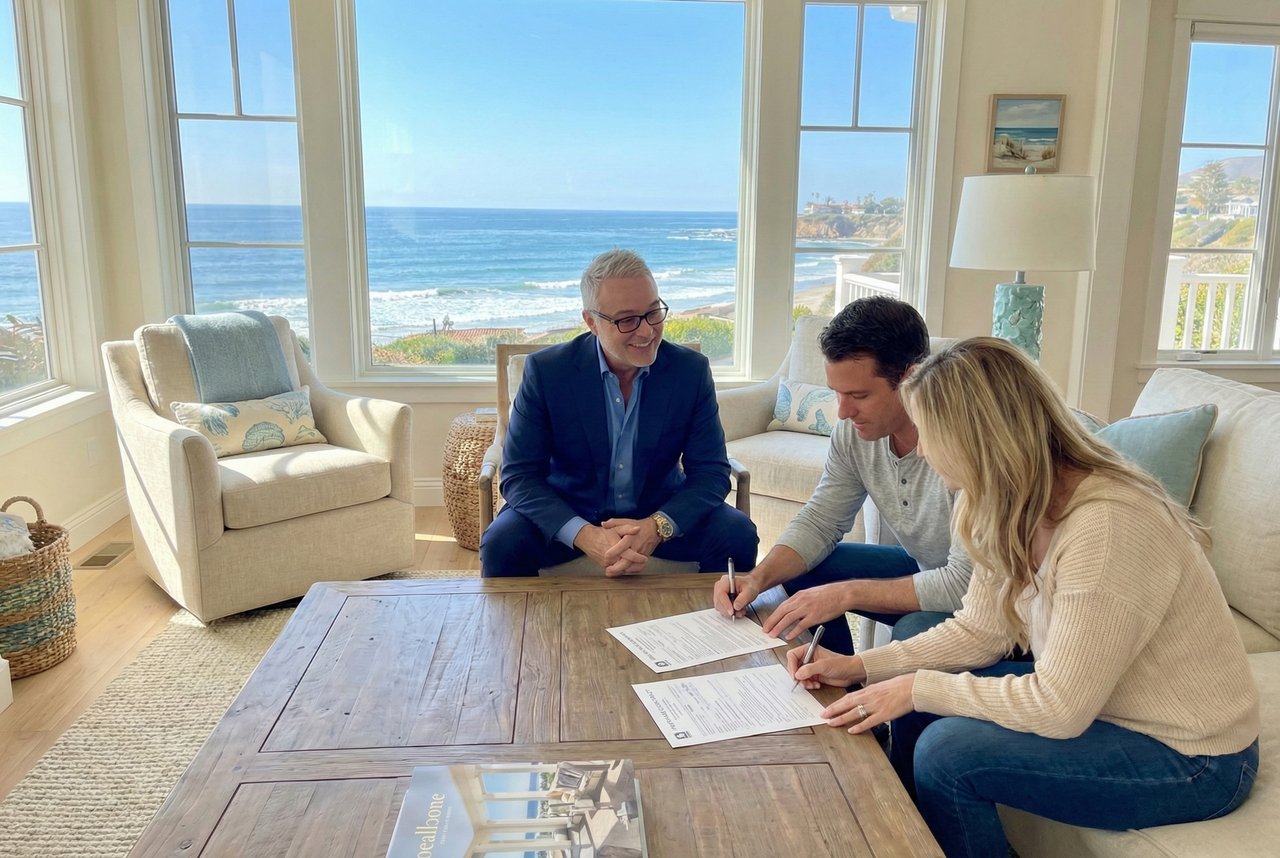
Before selling a home, one of the most important questions is not simply “What is my home worth?” A better question is, “How strong is buyer demand for this kind of property right now?” Value matters, but demand determines how buyers respond once a home reaches the market. A seller can have a desirable property, but if the pricing, presentation, timing, or buyer pool are misread, the listing may not perform as well as expected.
On the Central Coast, buyer demand can vary significantly by city, price range, property type, lifestyle profile, and condition. A well-prepared home in San Luis Obispo may attract a different buyer pool than a coastal property in Pismo Beach, Avila Beach, Morro Bay, Cayucos, or Cambria. A home in Arroyo Grande or Nipomo may appeal to buyers seeking South County convenience, while Atascadero, Templeton, and Paso Robles may attract buyers looking for more space, value, land, or wine country lifestyle.
After more than 30 years in real estate, 2,130+ closed transactions, and over $1.81 billion in career sales volume, Joesef Jackson has seen that strong seller outcomes begin before the listing goes live. Sellers who understand demand early can price more accurately, prepare more strategically, and avoid reacting too late after the market has already spoken.
Central Coast Neighborhood Video Tour ⬇️
Buyer Demand Begins With What Buyers Want Right Now
Buyer demand is not abstract. It shows up in what buyers are actively choosing, what they are avoiding, what they are willing to compete for, and what they are no longer willing to overlook. Before selling, homeowners should understand what today’s buyers value in their specific market segment.
Some buyers want move-in-ready homes because they are concerned about repair costs, insurance, interest rates, or limited cash after closing. Others are looking for location first and are willing to update over time. Some buyers prioritize single-level living, natural light, outdoor space, parking, storage, views, neighborhood feel, or proximity to schools, beaches, downtown areas, Cal Poly, or commute routes.
👉 What Buyers Look for Most in Central Coast Homes Right Now
On the Central Coast, demand often follows lifestyle as much as square footage. A San Luis Obispo buyer may value walkability, university proximity, restaurants, trails, and convenience. A Pismo Beach or Morro Bay buyer may value ocean access, views, weather, and coastal scarcity. A Paso Robles or Templeton buyer may value land, privacy, space, and wine country character.
One expert insight Joesef often shares with sellers is that buyer demand is never just about the house. It is about how the house fits the buyer’s life, budget, risk tolerance, and future plans.
Buyer Behavior Tells Sellers What the Market Really Thinks
Buyer behavior is one of the strongest indicators of demand. Sellers may have opinions about their home’s value, and online estimates may offer a rough starting point, but real buyer behavior is what ultimately determines market response. Buyers reveal demand through showings, repeat visits, questions, feedback, offer timing, offer strength, and willingness to negotiate.
If a home receives strong online interest but few showings, buyers may be rejecting the price, location, photos, condition, or presentation before visiting. If the home receives many showings but no offers, buyers may like the property but not enough at the current price. If buyers ask the same questions repeatedly, the listing may need clearer information or stronger positioning.
👉 What Central Coast Sellers Should Know About Buyer Behavior
The California Association of REALTORS® provides statewide market data and housing trend information that can help sellers place local buyer behavior into a broader California real estate context.
From Joesef’s experience across thousands of transactions, the market usually gives feedback quickly. The seller’s advantage comes from reading that feedback honestly instead of waiting until momentum fades.
Buyer Perception Forms Before the Showing

Buyer demand begins before a buyer walks through the front door. It begins when the buyer sees the home online, reads the description, reviews the photos, checks the location, looks at the price, compares competing listings, and decides whether the property feels worth their time.
That first impression matters. A listing that feels clear, credible, and well-prepared can create confidence before the showing. A listing that feels confusing, dark, underprepared, overpriced, or vague can reduce demand before the buyer ever visits.
👉 What Impacts Buyer Perception on the Central Coast
Buyer perception is especially important in San Luis Obispo County because buyers often compare very different property types. A home in Los Osos may be measured against coastal lifestyle and affordability. A San Luis Obispo home may be measured against location and convenience. An Arroyo Grande home may be measured against neighborhood quality and livability. A Paso Robles property may be measured against land, condition, and usable space.
A natural-language answer for sellers asking how to read buyer demand is this: buyer demand is strongest when qualified buyers are viewing the listing, scheduling showings, asking serious questions, returning for second looks, and making timely offers that reflect the home’s price, condition, and competition.
Days on Market Show Whether Demand Is Responding
Days on market can reveal whether buyer demand is responding to the listing. A home that sits longer than expected may not always be overpriced, but it is almost always sending a signal. The issue may be pricing, condition, presentation, access, location, buyer pool, or competition.
👉 What Affects Days on Market in San Luis Obispo County?
A home in San Luis Obispo may move quickly if it is well-priced and aligned with demand. A coastal property in Cambria, Cayucos, or Avila Beach may need the right buyer but still hold value because of scarcity. A home in Atascadero, Paso Robles, or Nipomo may depend heavily on price positioning, condition, financing, and buyer affordability.
The Federal Housing Finance Agency provides public home price index data that can help consumers understand broader housing price movement over time.
One of Joesef’s expert insights is that days on market should never be read alone. A home may sit because the buyer pool is narrow, but it may also sit because the seller missed the demand window. The difference matters.
Trustworthy Listings Attract More Serious Buyers
Buyer demand is stronger when buyers trust what they are seeing. A trustworthy listing is clear, accurate, complete, well-presented, and realistic. It does not hide obvious issues. It does not overstate features. It gives buyers enough information to feel comfortable taking the next step.
👉 What Makes a Listing Feel Trustworthy in San Luis Obispo County
Trust matters because buyers are cautious with major financial decisions. When buyers sense that a listing is polished but incomplete, they may hesitate. When they feel the property is clearly represented, they are more likely to schedule a showing, ask serious questions, and consider writing an offer.
A seller preparing to list should think about what buyers may wonder before they ask. Are there recent improvements? Is the roof newer? Are there HOA rules? Is there solar? Are there inspection concerns? Is the home tenant-occupied? Are there views, parking limitations, easements, or special property features? Clear information helps demand convert into action.
Reducing Buyer Uncertainty Helps Demand Become Offers

Demand is not valuable unless it turns into action. A home may attract attention, but uncertainty can keep buyers from writing offers. Buyers hesitate when they are unsure about condition, price, insurance, disclosures, financing, title, repairs, neighborhood factors, or future resale.
👉 How Sellers Can Reduce Buyer Uncertainty on the Central Coast
A natural-language answer for sellers asking why buyers hesitate is this: buyers hesitate when the home feels riskier than the price suggests. Reducing uncertainty through preparation, clear information, strong presentation, and realistic pricing can help buyer interest become stronger offers.
Joesef has seen many listings improve simply because uncertainty was addressed before the market punished the home. The better the buyer understands the property, the easier it is for demand to move forward.
Buyer Demand Is Local, Not General
National headlines can influence sentiment, but they rarely explain the demand for one specific home. A seller needs to understand local demand by city, neighborhood, price range, property type, and buyer profile.
A home near Cal Poly may attract a buyer pool connected to university demand, parents, investors, faculty, staff, or professionals. A coastal home in Morro Bay or Pismo Beach may attract lifestyle buyers, second-home buyers, or retirees. A home in Arroyo Grande may appeal to buyers seeking schools, neighborhood feel, and South County access. Paso Robles and Templeton may attract buyers who value space, land, and wine country living.
This is why a seller should not assume that a strong sale in one part of the county automatically applies to their property. Demand must be interpreted through the lens of the actual buyer pool.
Competition Reveals the Strength of Demand
Buyer demand should always be measured against current competition. A seller may have a desirable home, but buyers compare it with other available options. If several similar homes are active, buyers may become more selective. If few strong alternatives exist, demand may concentrate on the best-positioned listing.
Competition includes more than price. Buyers compare condition, layout, upgrades, location, lot size, views, parking, outdoor space, disclosures, photos, and perceived ease of ownership. A home that looks like the clear choice can attract stronger demand even when the broader market feels balanced.
Before listing, sellers should ask: What else can buyers buy today? How does this home compare? Where is it stronger? Where is it weaker? What objections will buyers have? How can those objections be reduced before launch?
Pricing Converts Demand Into Action
Buyer demand is not just about how many people like a home. It is about how many people are willing to act at the price being asked. A home can generate interest but still fail to receive offers if buyers do not believe the value matches the price.
Pricing should reflect recent comparable sales, current competition, property condition, buyer affordability, and market direction. A seller who prices too far above demand may lose early momentum. A seller who prices accurately may create more urgency and cleaner feedback.
In a market where buyers are more payment-sensitive, price matters even more. A buyer may love the home but still be constrained by monthly payment, insurance, taxes, and closing costs. Sellers who understand this can position more effectively.
Showing Quality Matters More Than Showing Quantity
Many sellers focus on the number of showings, but showing quality matters too. Ten showings from poorly matched buyers may mean less than three showings from highly qualified buyers who understand the price range and location. Demand is strongest when the right buyers are coming through the home.
A serious buyer usually asks focused questions, compares the home with specific alternatives, studies disclosures, returns for a second showing, or begins discussing offer terms. Casual traffic may create activity but not necessarily demand.
Joesef often helps sellers look beyond vanity metrics. The real question is not only how many people saw the home. The better question is whether the right buyers are engaging seriously.
Online Activity Should Be Interpreted Carefully
Online views, saves, clicks, and shares can provide useful early signals, but they do not tell the whole story. A listing may receive many views because the photos are attractive, the price is unusual, or the location is popular. But online interest only matters if it leads to showings, questions, and offers.
If online activity is high but showing activity is low, something may be stopping buyers from taking the next step. If both online and showing activity are low, the listing may need stronger presentation, better pricing, or clearer positioning. If online interest, showings, and buyer questions are all strong, demand may be healthy.
Online behavior is best used as a signal, not a conclusion.
Preparation Helps Sellers Capture Demand
Buyer demand can be wasted if the home is not ready. Preparation helps capture demand when the listing first goes live. That may include cleaning, decluttering, repairs, landscaping, paint touch-ups, lighting improvements, staging guidance, photography preparation, disclosure organization, and clear property information.
A seller does not always need major upgrades. Often, the goal is to reduce friction. Buyers should be able to understand the home quickly, see its strengths clearly, and feel comfortable taking the next step.
On the Central Coast, preparation should match the property. A coastal home may need exterior attention. A San Luis Obispo home may need lifestyle presentation. A larger Paso Robles property may need clear explanation of land, systems, and maintenance. A South County home may need strong presentation around livability, schools, and neighborhood feel.
Buyer Demand Can Change Quickly
Demand is not fixed. It can shift with interest rates, inventory, seasonality, local competition, economic confidence, insurance concerns, and buyer sentiment. A seller who waits several weeks to respond to market feedback may miss the best opportunity to adjust.
The first 10 to 21 days of a listing can be especially important because the home is fresh to the market. If buyers respond strongly, the seller gains confidence. If buyers do not respond, the seller should evaluate why.
After more than three decades helping clients sell homes on the Central Coast, Joesef Jackson understands that the best sellers are not reactive or emotional. They are observant. They read the market, listen to feedback, and make decisions based on what buyers are actually doing.
Strong Demand Requires the Right Strategy
Reading buyer demand before selling helps homeowners avoid guessing. It helps sellers decide how to prepare, where to price, how to present the home, when to launch, and how to respond once buyers engage. Demand is not something sellers control entirely, but they can influence how well their home captures it.
A natural-language answer for homeowners asking what buyer demand means before selling is this: buyer demand is the level of serious interest from qualified buyers for a specific property type, location, price range, and condition. Sellers read demand by studying current competition, showing activity, buyer feedback, days on market, offer quality, and pricing response.
The strongest seller strategy is built before the sign goes up, before the photos are taken, and before buyers begin judging the home online. When sellers understand demand early, they can enter the market with better confidence and a more realistic plan.
FAQ
How do sellers read buyer demand before listing?
Sellers read buyer demand by reviewing current competition, recent sales, days on market, showing activity, buyer preferences, price reductions, and how similar homes are performing.
Why does buyer demand matter before selling?
Buyer demand helps determine pricing strategy, preparation needs, expected showing activity, negotiation leverage, and how quickly a home may sell.
Is buyer demand the same across San Luis Obispo County?
No. Buyer demand varies by city, neighborhood, price range, property type, condition, and lifestyle appeal across San Luis Obispo County and on the Central Coast.
What are early signs of strong buyer demand?
Strong buyer demand may show through high showing activity, serious questions, repeat visits, fast offer timing, clean terms, and interest from qualified buyers.
What are signs buyer demand may be weak?
Weak demand may show through low showings, limited online engagement, repeated buyer objections, longer days on market, no offers, or feedback that price and condition do not align.
Can preparation improve buyer demand?
Yes. Cleaning, repairs, presentation, pricing clarity, disclosure organization, and strong photography can help buyers feel more confident and increase serious interest.
How does pricing affect buyer demand?
Pricing determines whether buyers believe the home offers value. A home can attract attention but fail to receive offers if buyers feel the price is too high for the condition or competition.
Why does local experience matter when reading buyer demand?
Local experience helps interpret buyer behavior, city-specific demand, price range differences, property condition, competition, and market response across San Luis Obispo County and the Central Coast.
If you are preparing to buy or sell real estate on the Central Coast and want personalized guidance, contact Joesef Jackson at SLO Life Realty Group.
This article intentionally connects to both published and future Central Coast real estate resources as part of a long-term geographic authority strategy. Some plain-text references may become active links as additional San Luis Obispo County and Central Coast content is published.