Improving perceived value before listing does not necessarily require a major remodel. Buyers form an opinion about value by interpreting the entire property: how well it appears to have been cared for, whether spaces make sense, whether finishes feel consistent, how obvious the home's strongest features are, and how much work seems likely after closing. A relatively small visible issue can sometimes influence that judgment more than an expensive improvement that buyers barely notice.
That matters on the Central Coast because homes at similar prices can offer very different combinations of age, condition, lot utility, architectural character, upgrades, and location. A buyer comparing an older San Luis Obispo home with a more recently updated property elsewhere may interpret value differently from someone evaluating coastal homes in Morro Bay or larger properties around Paso Robles. Sellers should therefore concentrate on what makes the existing home read well for its likely buyer rather than automatically pursuing costly improvements.
The most effective pre-listing changes strengthen the relationship between what buyers see and what the asking price implies. That means correcting distracting defects, creating visual consistency, presenting rooms according to their actual purpose, emphasizing meaningful features, and avoiding improvements that spend heavily without materially changing buyer perception. Perceived value rises when the property feels intentional, well maintained, understandable, and appropriately prepared for its market position.
Central Coast Neighborhood Video Tour ⬇️
A Home Feels More Valuable When It Appears Ready for Use
👉 What Makes a Home Feel Move-In Ready in San Luis Obispo County
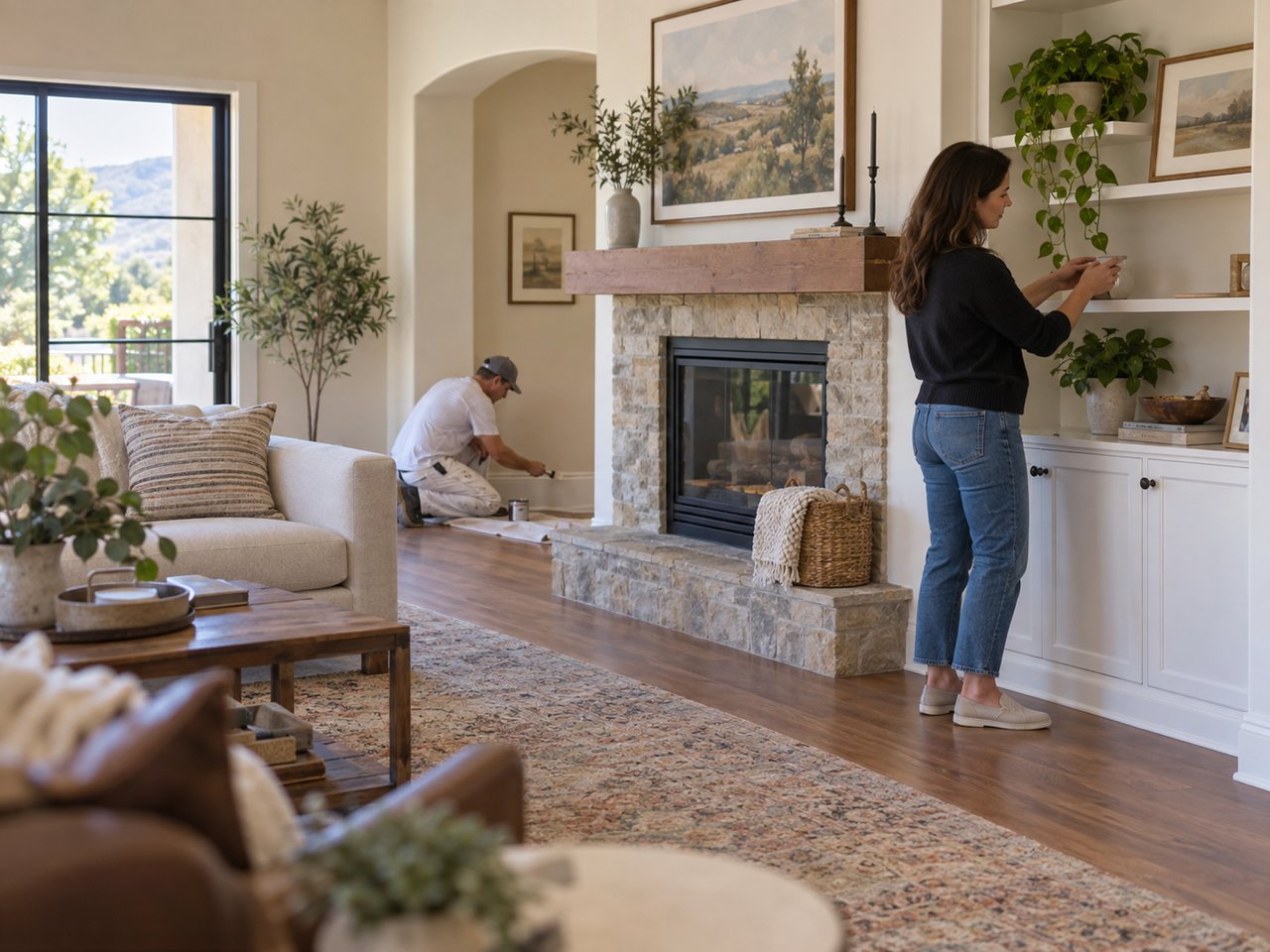
Buyers often interpret value through the amount of immediate work they believe a property requires. A home does not need to be newly remodeled, but peeling paint, damaged trim, missing hardware, burned-out lighting, stained surfaces, unfinished touch-ups, or rooms that feel neglected can make the property seem more demanding than it actually is.
The California Association of REALTORS® advises sellers to focus on relatively inexpensive corrections and maintenance rather than assuming major pre-sale improvements will produce equivalent returns. Its seller guidance specifically emphasizes polished condition, cleaning, minor repairs, paint, cabinetry hardware, and exterior upkeep.
The same principle applies across San Luis Obispo County. A well-kept older home can communicate stronger perceived value than a partially renovated home with obvious unfinished details. Buyers often respond to completeness and care before they begin assigning value to individual upgrades.
Prepare for the Buyer Who Is Looking Closely
👉 How to Prepare a Home for Serious Buyers on the Central Coast
Serious buyers tend to move beyond the obvious visual impression. They open closets, notice transitions between flooring materials, evaluate storage, study outdoor areas, look at finishes more closely, and consider what they would need to address after purchase.
Pre-listing preparation should anticipate that level of attention.
This does not mean attempting to make every component look new. It means correcting small distractions that can make the home feel less carefully maintained than it actually is. Loose door hardware, mismatched switch plates, damaged caulk, unfinished paint edges, poorly functioning blinds, or cluttered utility areas can collectively create a lower-value impression.
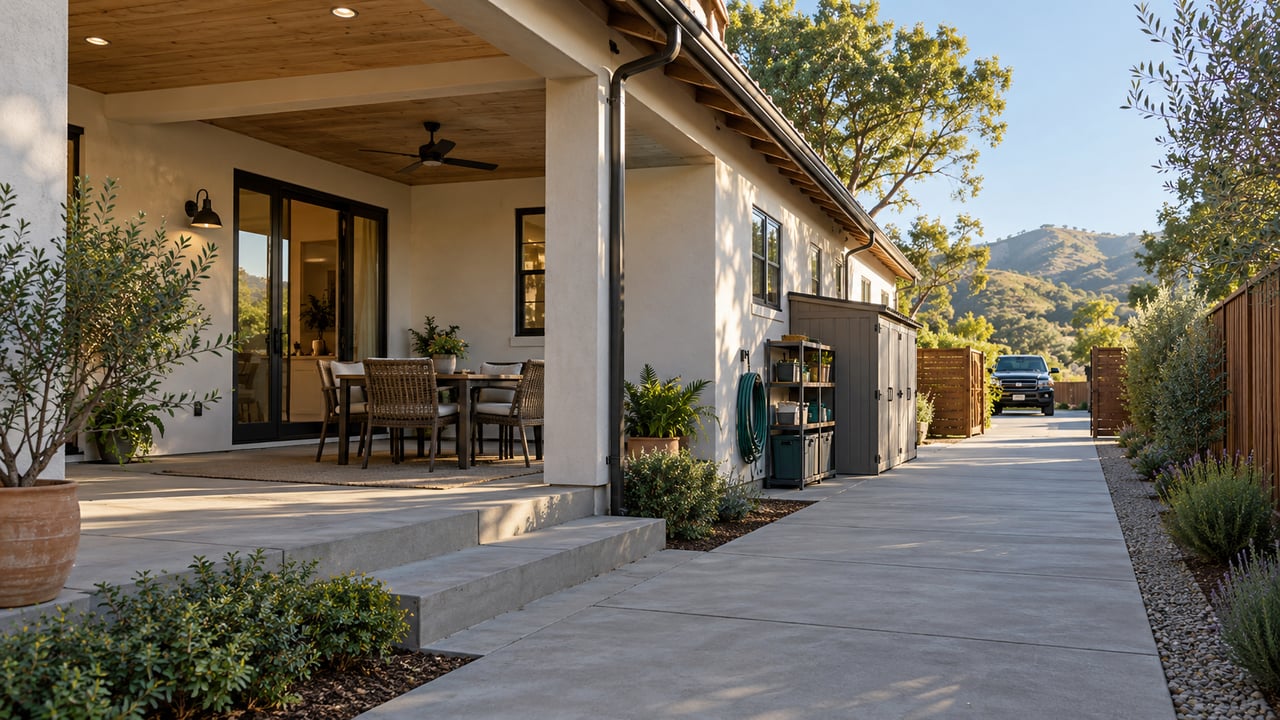
A seller preparing an Arroyo Grande home, for example, might gain more from making an existing indoor-outdoor connection feel finished and usable than from adding decorative upgrades elsewhere. In Nipomo, presenting garage, storage, or lot utility accurately may matter more than cosmetic additions that do not affect how the likely buyer expects to use the property.
Pre-Listing Work Should Solve Visible Problems Before Feedback Arrives
👉 What Sellers Should Know About Listing Momentum in San Luis Obispo County
Once a listing is active, buyers begin forming opinions immediately. Sellers can certainly adjust after receiving feedback, but correcting obvious issues before launch is usually preferable to waiting for repeated buyers to identify the same weakness.
This is where pre-listing judgment matters.
A room that feels dark because several bulbs differ in temperature, an exterior gate that drags, or a prominent wall with visibly patched paint may seem minor individually. When buyers encounter several of those details together, they can begin interpreting the property as requiring more work than the seller expects.
Not every imperfection deserves attention. The better question is whether a visible issue interferes with the buyer's understanding of value.
Across more than 2,130 closed transactions, Joesef Jackson has seen minor preparation decisions carry disproportionate weight because buyers interpret condition cumulatively. Correcting the right details before the first showing protects the home's first market impression instead of relying on later explanations.
Listing Photos Should Reinforce the Value Buyers Will Find in Person

👉 What Listing Photos Should Communicate in San Luis Obispo County
Photography cannot create value that does not exist, but it can determine whether buyers recognize what is already there.
Before photography, sellers should identify the spaces, relationships, and features that deserve emphasis. A photograph should make a useful room understandable, show how living areas connect, reveal meaningful outdoor depth, or demonstrate a property feature that might otherwise be overlooked.
This is especially important with homes that do not fit a standard layout. An older San Luis Obispo residence, a Cambria property with multiple levels, or a house with a detached workspace may require more thoughtful visual sequencing than a conventional newer floor plan.
The objective is not to make rooms appear artificially large or different from reality. It is to remove visual interference so the home's actual strengths register quickly.
Photography is strongest when the in-person experience confirms what the images communicated. That consistency supports perceived value because buyers do not feel that the property becomes less convincing once they arrive.
Pre-Market Preparation Should Follow a Priority Order
👉 What Sellers Should Know About Pre-Market Preparation in San Luis Obispo County
Not every improvement deserves equal attention before a home is listed. Sellers can usually separate preparation into three categories: issues that visibly reduce perceived quality, changes that make existing strengths easier to recognize, and improvements that are unlikely to alter buyer response enough to justify their cost.
The first category usually deserves attention first.
A damaged threshold, heavily marked wall, neglected exterior detail, or poorly functioning fixture can lower the impression of the entire property because buyers start wondering what else may have been deferred. By contrast, replacing perfectly functional finishes simply because they are not current may provide much less benefit.
The correct priority can vary substantially by property. A coastal home in Morro Bay may need careful attention to weather-exposed exterior details, while a Paso Robles property may benefit more from presenting access, outdoor utility, or acreage features effectively.
Preparation should follow the property's actual value story rather than a universal improvement checklist.
Property Presentation Should Make the Home Easy to Interpret
👉 What Sellers Should Know About Property Presentation in San Luis Obispo County
Perceived value declines when buyers cannot understand how a property is meant to function.
Furniture that blocks circulation, undefined spaces, crowded counters, overloaded shelving, or rooms serving too many purposes can make usable square footage feel less effective. Presentation should reveal the home's function rather than merely make it attractive.
A dining area should read as a dining area. A compact office should demonstrate usable work space without appearing cramped. Outdoor living areas should show sufficient room for their intended use rather than being filled with furniture that reduces visible scale.
This becomes particularly important in homes where square footage must work efficiently. A smaller coastal property can feel highly functional when every area has an obvious purpose, while a larger home can feel less valuable if buyers struggle to understand how significant portions of the space would be used.
Good presentation reduces interpretation. Buyers can spend their attention evaluating the property rather than mentally rearranging it.
Consistency Often Matters More Than Expensive Finishes
Buyers notice when a home feels visually coherent. They also notice when one area has been heavily updated while adjoining spaces feel neglected or unfinished.
Consistency does not mean every finish has to match or every room has to be remodeled at the same time. It means the home's condition and presentation should not create abrupt quality gaps that make buyers question where additional work may be required.
For example, replacing every cabinet may not be necessary if the existing cabinetry is functional and well kept. Correcting damaged hardware, inconsistent paint, aging caulk, or a few visibly worn details may do more to strengthen the room's overall impression.
The same applies to exterior areas. Clean transitions, intact trim, functioning gates, maintained hardscape, and deliberate landscaping edges can make an existing property feel more complete without requiring a landscape redesign.
Perceived value often rises through cohesion. Buyers tend to respond favorably when the property feels intentionally maintained rather than partially improved.
Make High-Value Features Impossible to Miss
A property can contain a meaningful advantage and still receive little credit for it if buyers do not recognize the feature quickly.
Sellers should identify which characteristics would be difficult or costly for a buyer to reproduce elsewhere and make sure those advantages are visible before listing. Examples can include usable side access, privacy, a detached workspace, substantial storage, a particularly functional garage, covered outdoor living, solar ownership, or a well-integrated addition.
The most valuable feature may not be the most decorative one.
A Templeton buyer may care significantly about usable land and vehicle access. A buyer considering a home closer to Cal Poly may value an efficient bedroom configuration or parking arrangement. Another buyer in South County may place more emphasis on outdoor utility.
Preparation should direct attention toward those property-specific advantages without overselling them. The strongest perceived value comes from features buyers can see, understand, and connect directly to their own use of the home.
Do Not Let Cosmetic Preparation Conceal Material Issues
Improving perceived value is not the same as hiding defects.
California disclosure requirements are specifically designed to communicate material information affecting a property's value or desirability. The California Department of Real Estate notes that residential real estate licensees have visual-inspection responsibilities and that sellers may also have disclosure obligations regarding property condition.
Pre-listing preparation should therefore improve legitimate presentation while preserving accurate disclosure.
Fresh paint can improve a room's appearance; it should not be used to conceal an active problem. Organizing a utility area can make it easier to evaluate; it should not prevent buyers from seeing material property conditions. The same principle applies throughout the home.
Credible presentation supports perceived value because buyers can distinguish between a property that has been cared for and one that has merely been cosmetically dressed for market. Long-term trust begins with making the property look its best without misrepresenting what is being sold.
Small Visual Inconsistencies Can Lower the Impression of the Whole Property
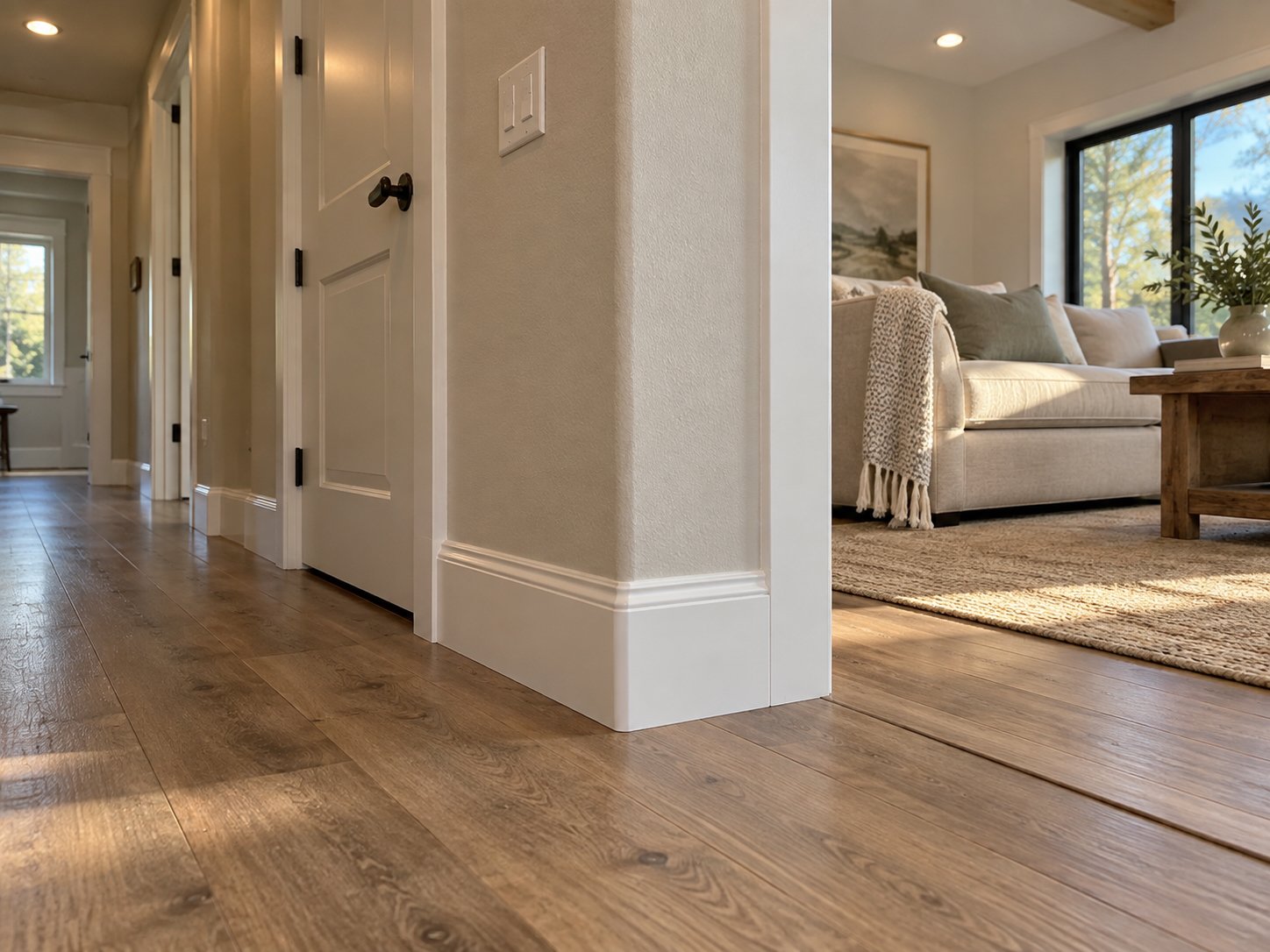
Buyers do not always consciously identify every inconsistency, but they can still register the cumulative effect.
One mismatched fixture rarely matters. Several mismatched finishes, damaged trim sections, different light temperatures, aging outlet covers, worn cabinet hardware, and incomplete paint transitions can collectively make a property feel less resolved.
This is why targeted editing can outperform expensive renovation.
Before listing, sellers should walk through the property from the perspective of someone seeing it for the first time. Look at transitions: entry to living area, kitchen to dining space, interior to patio, hallway to bedrooms, and house to yard. These are areas where unfinished details become particularly visible because buyers are physically moving from one environment to another.
Correcting those inconsistencies can make a property feel more deliberate without attempting to erase its age or character. The goal is not uniform newness. It is visual continuity and evidence that the home has been cared for as a complete property.
Over-Improving Can Work Against the Selling Strategy
More spending does not automatically create more perceived value.
A seller can invest heavily in a feature that reflects personal taste but changes little about how buyers compare the property. Highly specific finishes, expensive decorative upgrades, or partial renovations can even create imbalance when the rest of the home does not support the same level of finish.
Before committing to a significant pre-sale project, consider whether the change addresses a visible objection, strengthens an important property feature, or materially changes how buyers will interpret the home.
If the answer is no, resources may be better directed elsewhere.
The objective is not to transform the property into someone else's idea of perfect. It is to present the existing home at its strongest credible level. Buyers should see a property whose price and presentation make sense together, not a collection of recent expenditures the seller expects them to reimburse.
A disciplined preparation plan protects both the home's character and the seller's investment.
Perceived Value Is Built Before the Listing Goes Live
The period before a property reaches the market is when sellers have the greatest ability to influence its first impression without reacting under pressure.
The strongest preparation is selective. Correct visible flaws that unnecessarily suggest deferred work. Make spaces easy to understand. Improve consistency where small details interrupt the overall presentation. Identify the property's meaningful advantages and make them visible. Avoid large expenditures that do not materially change how the likely buyer will evaluate the home.
That strategy matters throughout San Luis Obispo County because perceived value is always relative to the property, its price range, its buyer pool, and the alternatives available at the same time.
A home does not need to look new to feel valuable. It needs to present a convincing relationship between condition, usefulness, care, distinctive features, and price. When those elements reinforce one another before the first photograph or showing, buyers can recognize the property's value without having to be persuaded to overlook avoidable distractions.
Frequently Asked Questions
What does perceived value mean when selling a home?
Perceived value is the buyer's interpretation of what the property offers relative to its price and competing choices. Condition, presentation, usability, visible care, features, and expected future work can all influence that interpretation.
Do I need to remodel before selling my home?
Usually not simply for the sake of making the home look newer. Targeted repairs, maintenance, cleaning, paint corrections, and presentation changes may influence buyers more efficiently than a costly remodel.
Which pre-listing improvements should come first?
Start with visible issues that make the home appear neglected, incomplete, or more difficult to own. After that, prioritize changes that make important existing features easier for buyers to recognize.
Does staging increase perceived value?
Presentation can improve how buyers understand scale, purpose, circulation, and usability. The goal should be to reveal the property's function rather than fill it with decorative furnishings.
Should every room be updated to the same level?
No. Buyers do not expect every home to be completely remodeled, but large inconsistencies between adjoining spaces can make a property feel unfinished.
Can cleaning really affect how valuable a home feels?
Yes. Clean surfaces, windows, flooring, cabinetry, fixtures, and exterior areas reinforce the impression that the property has been maintained and reduce distractions during showings.
How do I know whether an improvement is worth doing before listing?
Consider whether the improvement corrects a visible objection, strengthens an important feature, or materially changes how buyers are likely to compare the home with its alternatives.
Can cosmetic improvements replace required disclosures?
No. Presentation and disclosure are separate issues. Sellers still need to comply with applicable disclosure requirements even when the property has been cosmetically prepared for sale.
If you are preparing to buy or sell real estate on the Central Coast and want personalized guidance, contact Joesef Jackson at SLO Life Realty Group.