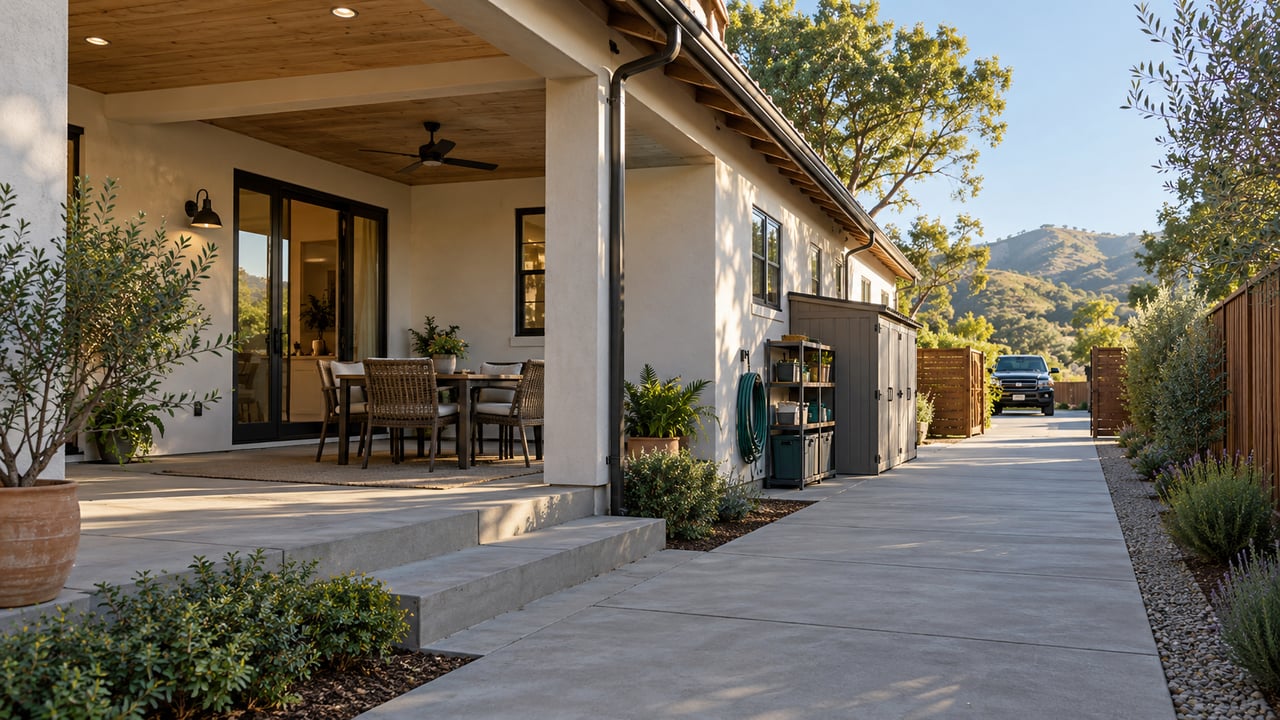
Selling a home with strong competition means positioning the property so buyers have a compelling reason to choose it over the alternatives available at the same time. When buyers can compare several credible listings, they become more sensitive to price, presentation, condition, usable features, and anything that makes one home easier to choose than another. The goal is not simply to attract attention; it is to perform well when buyers make direct comparisons.
That matters on the Central Coast because the relevant competition can change considerably by property and buyer pool. A San Luis Obispo home near Cal Poly may compete differently from a coastal property in Cayucos, a larger parcel near Templeton, or a South County home in Arroyo Grande. Sellers need to identify which active listings buyers are genuinely considering alongside their property rather than relying only on broad countywide statistics or older closed sales.
The strongest strategy combines realistic pricing, deliberate presentation, meaningful differentiation, and close attention to early buyer response. A seller cannot control how many competing homes come to market, but can control how effectively the property is positioned against them. When competition is strong, the listing should make its value understandable quickly and give buyers fewer reasons to prefer another home.
Central Coast Neighborhood Video Tour ⬇️
Start With the Homes Buyers Can Actually Choose Instead
👉 How to Create Buyer Competition When Selling on the Central Coast
Strong competition begins with the buyer's alternatives. A seller may consider a nearby closed sale the most important comparison, while an active buyer is deciding among homes currently available for purchase. Those are different perspectives.
The California Department of Real Estate's appraisal reference material describes the principle of substitution as the idea that a buyer generally should not pay more for a property than the cost of acquiring a comparable substitute. That concept is especially relevant when sellers face multiple active competitors because buyers can directly compare available options before committing.
The true competitive set should therefore include properties a likely buyer would realistically consider instead. A three-bedroom home in Los Osos may compete with another home offering less square footage but better outdoor usability, while a buyer considering Templeton acreage may compare properties based on land, access, improvements, and overall utility rather than bedroom count alone.
Competitive positioning starts by seeing the listing from the buyer's side of the search.
A Listing Must Compete on More Than One Feature
👉 What Makes a Listing Stand Out on the Central Coast
A home rarely wins a buyer's attention because of one isolated characteristic. Buyers usually evaluate a combination of price, location, condition, presentation, functionality, privacy, parking, outdoor space, and other priorities relevant to that particular search.
The strongest competitive position comes from identifying which combination is genuinely difficult to replace.
A smaller home may compete effectively because it offers exceptional usable outdoor space. Another may have practical parking that nearby alternatives lack. A home in Cayucos may appeal because of a particular combination of coastal access and functional everyday use, while a property in Nipomo may compete through lot utility or a different relationship between indoor and outdoor space.
Sellers should avoid trying to make every characteristic sound exceptional. Buyers comparing multiple properties can recognize ordinary features quickly. The better approach is to identify the home's meaningful advantages, present them accurately, and make sure those advantages are easy to understand from the first exposure to the listing.
Price Against Today's Alternatives, Not Yesterday's Expectations
👉 How to Reduce Time on Market in San Luis Obispo County
Pricing becomes more sensitive when buyers have multiple credible choices. A property may have strong attributes and still struggle if another listing provides a similar experience at a price buyers perceive as more reasonable.
Recent closed sales remain important, but active and pending competition can show what buyers are facing right now. A seller who focuses only on the highest historical comparable can miss the fact that today's buyer has several alternatives within the same search range.
Current California data reinforce the importance of watching supply and buyer response. C.A.R.'s August 2026 report noted improving housing supply and longer inventory absorption statewide, while its Central Coast data showed the regional unsold inventory index rising from July. Those broader statistics do not determine the value of an individual San Luis Obispo County home, but they reinforce why sellers should take current competition seriously.
Strong competition makes an unsupported price premium harder to maintain because buyers can test it immediately against other choices.
Presentation Should Remove Reasons to Eliminate the Home
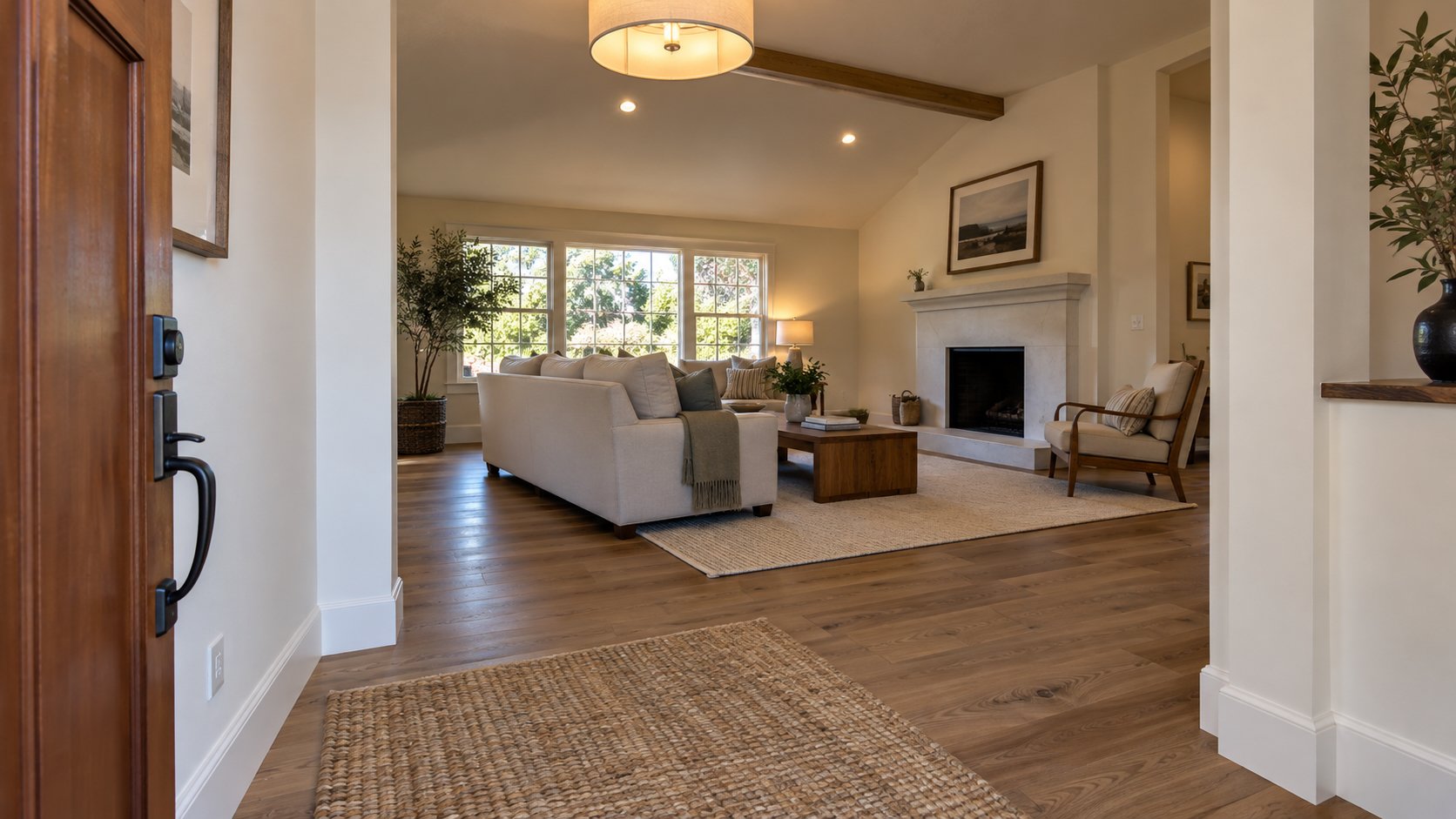
👉 How to Improve Home's Listing Presentation on the Central Coast
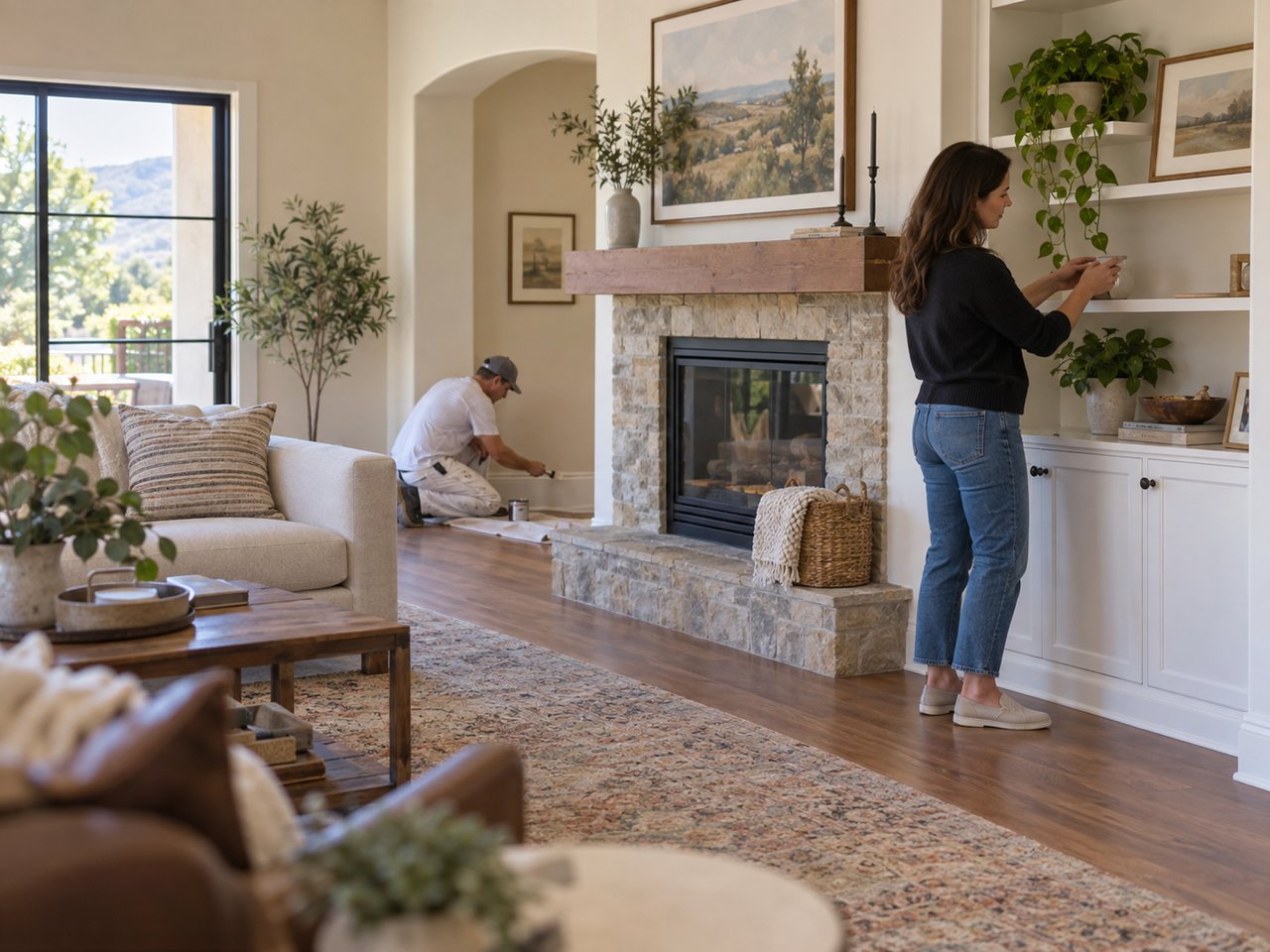
In a competitive market, presentation is not primarily about decorating. Its more important function is reducing distractions that make buyers hesitate or move another property higher on their list.
That can mean improving lighting, simplifying crowded spaces, correcting obvious cosmetic issues, defining rooms clearly, improving the approach to the home, or making distinctive features easier to recognize. The objective is to prevent avoidable presentation problems from obscuring the property's actual value.
This matters because comparison happens quickly. If two homes satisfy similar needs but one feels easier to understand and more intentionally prepared, buyers may place it ahead of the other before negotiating ever begins.
After more than 30 years in Central Coast real estate, Joesef Jackson has seen presentation matter most when it reinforces a property's actual strengths. Preparation should make the home easier to evaluate, not disguise what it is. A well-presented property gives buyers a more accurate basis for comparing it with competing listings.
Buyers Compare More Directly When Several Homes Fit the Search
👉 What Sellers Should Know About Buyer Comparison in San Luis Obispo County
When several listings satisfy the basic search criteria, buyers begin comparing smaller distinctions more aggressively. A feature that might receive little attention in a low-inventory market can become decisive when multiple homes are available.
That comparison can involve practical differences such as storage, parking, outdoor usability, natural light, privacy, or the amount of work required after closing. It can also involve less tangible questions: Which home feels easiest to live in? Which appears better maintained? Which asking price feels most defensible?
A seller should therefore think beyond whether the home is objectively attractive. The more useful question is how it performs beside the alternatives.
In San Luis Obispo, for example, buyers comparing similarly priced homes may weigh proximity and property usability differently from purchasers looking at larger North County homes. In Arroyo Grande, another buyer pool may evaluate lot configuration, access, or renovation level more heavily. Competitive strategy should reflect the actual comparison being made.
Standing Out Does Not Require Becoming the Cheapest Listing
👉 What Makes a Home Stand Out Without Overpricing in San Luis Obispo County
Competitive positioning does not mean automatically pricing below every alternative.
A property can justify a stronger position when buyers can identify meaningful advantages that are difficult to duplicate. The problem arises when the seller asks for a premium that buyers cannot connect to a visible difference.
Price and differentiation need to work together.
If a home offers a particularly useful floor plan, rare parking configuration, desirable lot characteristic, significant privacy, or well-executed improvements, those qualities may support stronger pricing. If competing homes provide similar benefits with fewer compromises, buyers are likely to notice.
The objective is to make the relationship between price and value understandable. A seller should not rely on buyers discovering the justification after several showings or weeks of exposure. When strong competition exists, the listing needs to establish why its position makes sense early enough to remain part of the buyer's serious comparison set.
Marketability Comes From Reducing the Number of Compromises
Competition becomes more difficult when buyers can identify several compromises in the same property.
One trade-off may be acceptable. Several stacked together can push a buyer toward another listing. A home might have a desirable location but limited parking, or appealing outdoor space but an awkward interior connection. Buyers will decide whether the overall combination still compares favorably.
Sellers cannot change every property characteristic, nor should they try. Competitive positioning is partly about deciding which weaknesses can be improved and which should simply be reflected accurately in pricing and marketing.
This is especially relevant with varied housing stock across San Luis Obispo County. An older home in San Luis Obispo should not be presented as if it competes on the same attributes as newer construction. A coastal property in Los Osos may have a different buyer appeal from a larger inland home.
The listing performs better when its advantages and compromises are positioned honestly against the alternatives buyers are actually seeing.
Early Buyer Response Shows Whether the Positioning Is Working
The first period of market exposure produces useful evidence about competitive position.
Showing activity, repeat visits, questions, buyer comments, offer behavior, and the performance of competing listings can show whether the property's price and presentation are generating serious interest. One isolated comment should not drive a strategy change, but repeated behavior deserves attention.
The California Department of Real Estate notes that open houses can give the seller's representative an opportunity to identify issues prospective buyers are noticing and report that information back to the seller. That feedback can be especially useful when interpreted alongside what buyers are choosing elsewhere.
A competitive listing should not be evaluated only by how many people have viewed it. The stronger measure is whether buyers are advancing toward decisions.
With more than 2,130 closed transactions, Joesef has seen the difference between curiosity and genuine purchasing interest. Strong competition makes that distinction particularly important because buyers may tour several homes before focusing on only one or two.
Adjust Before Market Exposure Becomes the Main Story
When a listing consistently loses buyers to competing properties, waiting can make the competitive problem harder to correct.
Extended exposure may cause new buyers to ask why the home remains available while alternatives have secured contracts. That does not mean every listing should change strategy after a few days. Property type, price range, seasonality, and buyer pool all affect normal marketing time.
The issue is repeated evidence.
If comparable homes are attracting serious activity while one listing is not, sellers should examine the reason rather than assuming more time will produce a different result. The cause may be price, presentation, access, showing experience, marketing emphasis, or another property-specific issue.
Direct personal representation matters here because the response should be tied to the listing's actual competition. A meaningful adjustment addresses why buyers are choosing something else. Simply changing something because the property has been on the market longer does not necessarily improve its position.
Prove the Advantages Buyers Cannot Easily Replace
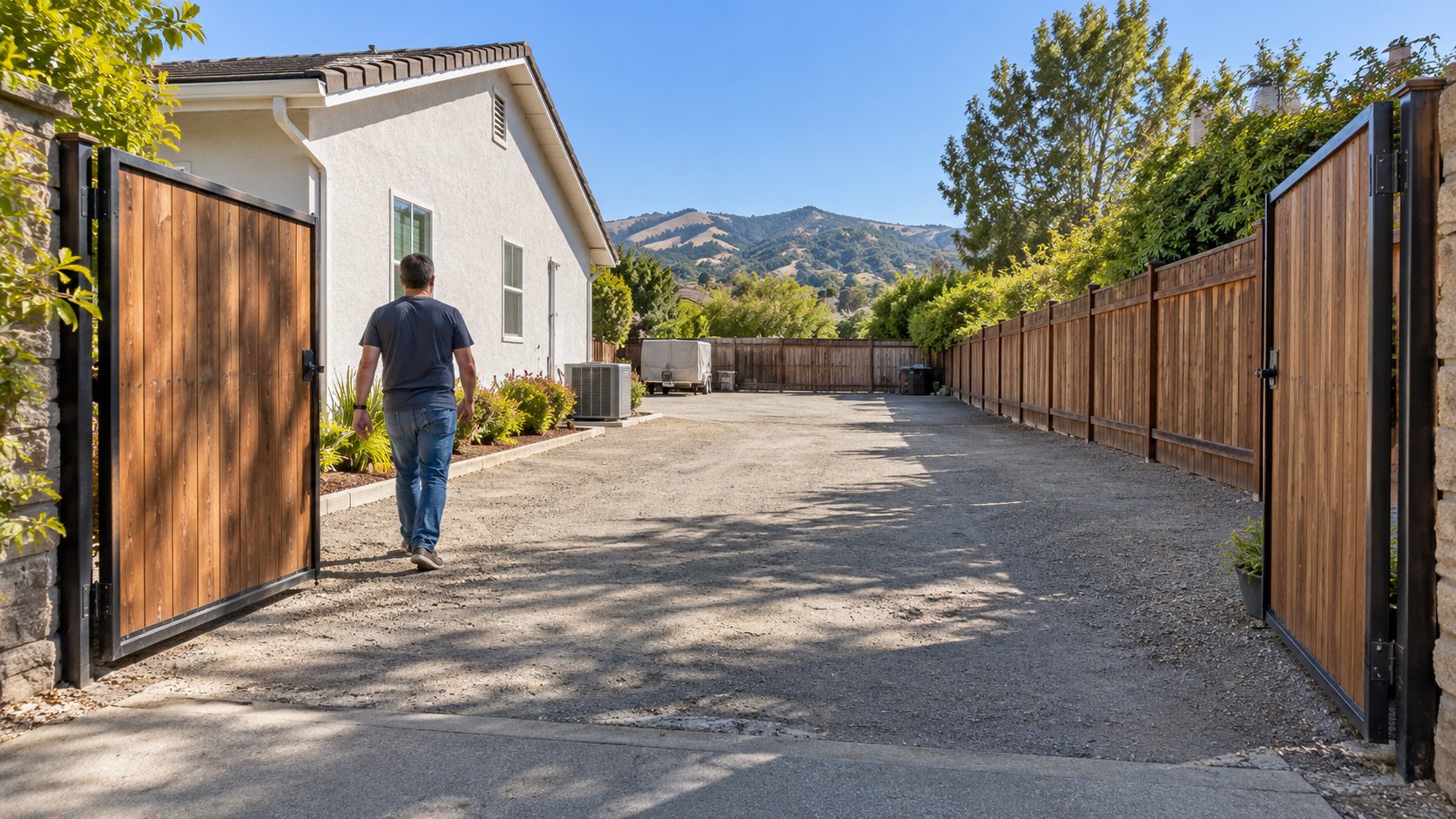
Some of the strongest competitive advantages are physical characteristics buyers cannot add economically after closing.
Parking, lot configuration, privacy, orientation, usable outdoor space, access, views, or a particularly effective relationship between living areas can distinguish one property from another. When those characteristics matter to the likely buyer, they should be made easy to recognize.
A home should not rely on generic claims such as “great location” or “unique opportunity” when the actual advantage is more specific.
For example, a property may offer genuinely usable side access, an unusually private rear yard, or a covered outdoor area that functions naturally with the interior. Those details can become important when a buyer is deciding among otherwise similar listings.
Strong competition rewards specificity. Buyers are more likely to recognize value when they can see exactly what they would gain—and what would be difficult to reproduce in another property.
Negotiation Leverage Depends on How Replaceable the Home Feels
Competition affects negotiations because buyers assess whether they can reasonably move on to another property.
If several comparable homes remain available, a buyer may be more willing to request favorable terms or walk away from a negotiation that no longer makes sense. When a property offers something scarce within the buyer's search, the seller may retain stronger leverage.
That leverage should come from the market, not from the seller simply deciding to be firm.
A seller who rejects reasonable terms while buyers have numerous substitutes may unintentionally strengthen competing listings. Conversely, immediately conceding on every request may be unnecessary when the home has demonstrated strong demand.
The relevant question is how replaceable the property appears to the actual buyer. That can change during the listing period as competing homes enter escrow, new inventory appears, or buyer response becomes more concentrated.
Strong negotiation begins with an accurate reading of that relative position.
Strong Competition Requires a Relative Strategy
Selling successfully against strong competition is not about making every possible improvement or trying to create artificial urgency. It is about understanding how the home ranks within the choices available to its likely buyer and deliberately improving that position.
The process starts with the correct competitive set. Pricing should acknowledge current alternatives. Presentation should eliminate unnecessary distractions. Marketing should make meaningful advantages easy to recognize. Early buyer response should be evaluated against what is happening with competing properties, and adjustments should address the actual reason the listing is losing ground.
That approach is particularly important on the Central Coast because different property types can compete on very different criteria even within the same price range.
A seller does not need the home to be perfect. The property needs to make sense relative to its alternatives. When buyers can quickly understand why a particular home deserves serious consideration, strong competition becomes something to position against rather than something that automatically prevents a successful sale.
Frequently Asked Questions
What does strong competition mean when selling a home?
Strong competition means buyers have several credible alternatives that satisfy similar needs, giving them more ability to compare price, features, condition, presentation, and terms before choosing a property.
How do I know which listings actually compete with my home?
The strongest competitors are properties the same likely buyer would realistically consider based on price range, location, property type, features, and overall utility—not simply the homes located closest to yours.
Should I price below competing homes?
Not automatically. A home may justify a different price when it offers meaningful advantages, but buyers should be able to understand why the difference is warranted.
What matters most when buyers are comparing several homes?
Price, presentation, condition, usability, location, distinctive features, and the number of compromises required can all affect which property buyers place highest on their list.
How quickly should a seller react to competing listings?
Sellers should monitor new competition and early buyer response from the start, but strategy changes should be based on repeated evidence rather than one showing or isolated comment.
Can good presentation overcome a higher price?
Presentation can improve buyer perception, but it does not automatically justify a price that exceeds what buyers believe the property offers relative to credible substitutes.
Does strong competition mean sellers have no negotiating leverage?
No. A property that buyers consider difficult to replace may retain meaningful leverage even when several other homes are available.
What is the biggest mistake sellers make when competition increases?
One of the most consequential mistakes is evaluating the property in isolation instead of examining why current buyers might choose another active listing.
If you are preparing to buy or sell real estate on the Central Coast and want personalized guidance, contact Joesef Jackson at SLO Life Realty Group.