Comparing an updated home with one in original condition requires more than deciding which property looks better during a showing. Buyers should examine what was changed, the quality of the work, the condition of the systems that remain, the price difference between the homes, and the cost of completing future improvements.
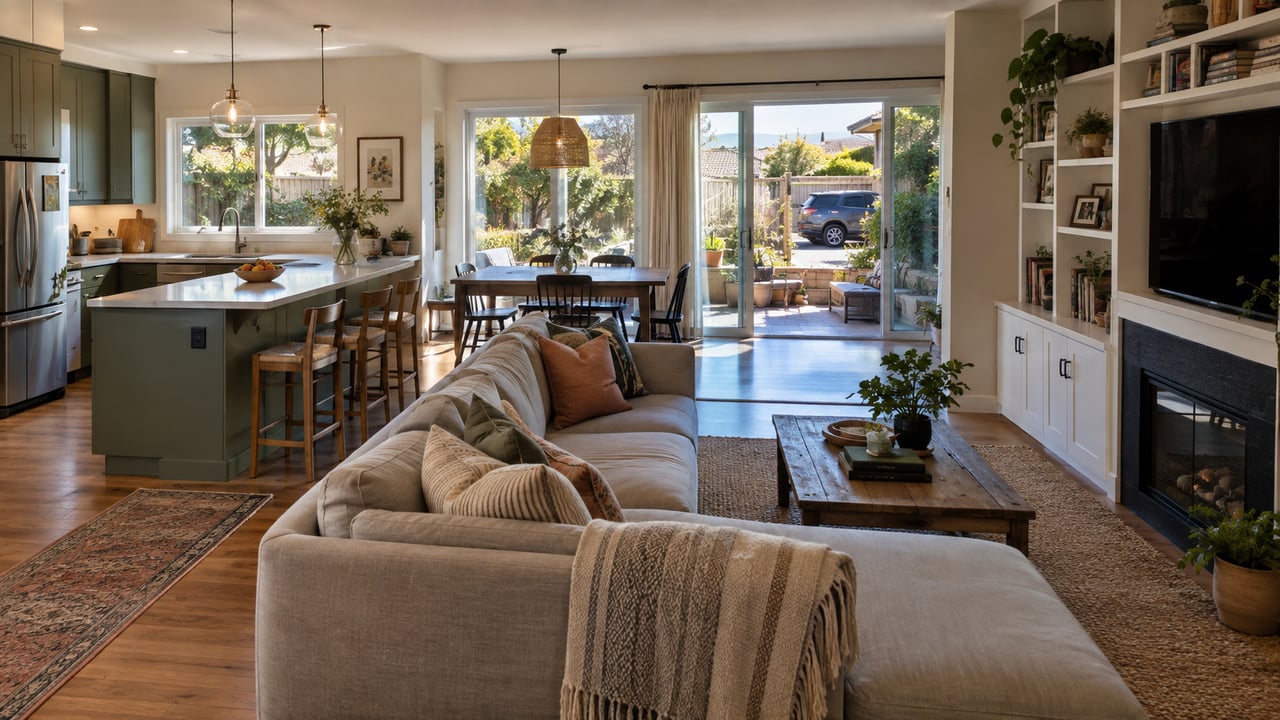
An updated home may offer convenience, modern finishes, and fewer immediate projects. An original home may provide a stronger location, more architectural character, a larger lot, or a lower purchase price that leaves room for future improvements. Neither category is automatically the better value.
The comparison becomes especially important on the Central Coast, where housing stock varies considerably. A mid-century San Luis Obispo residence, a coastal cottage in Morro Bay, a custom home in Arroyo Grande, and a wine-country property near Paso Robles may all require different standards of evaluation.
The stronger choice is usually the home whose price, condition, permanent characteristics, and future obligations fit the buyer’s priorities. Cosmetic appeal matters, but it should not obscure structural quality, location, workmanship, or the complete cost of ownership.
Central Coast Neighborhood Video Tour ⬇️
Original Condition Does Not Automatically Mean Poor Condition
An original home may have older finishes without being neglected. Buyers should distinguish among dated appearance, normal aging, deferred maintenance, and genuine defects.
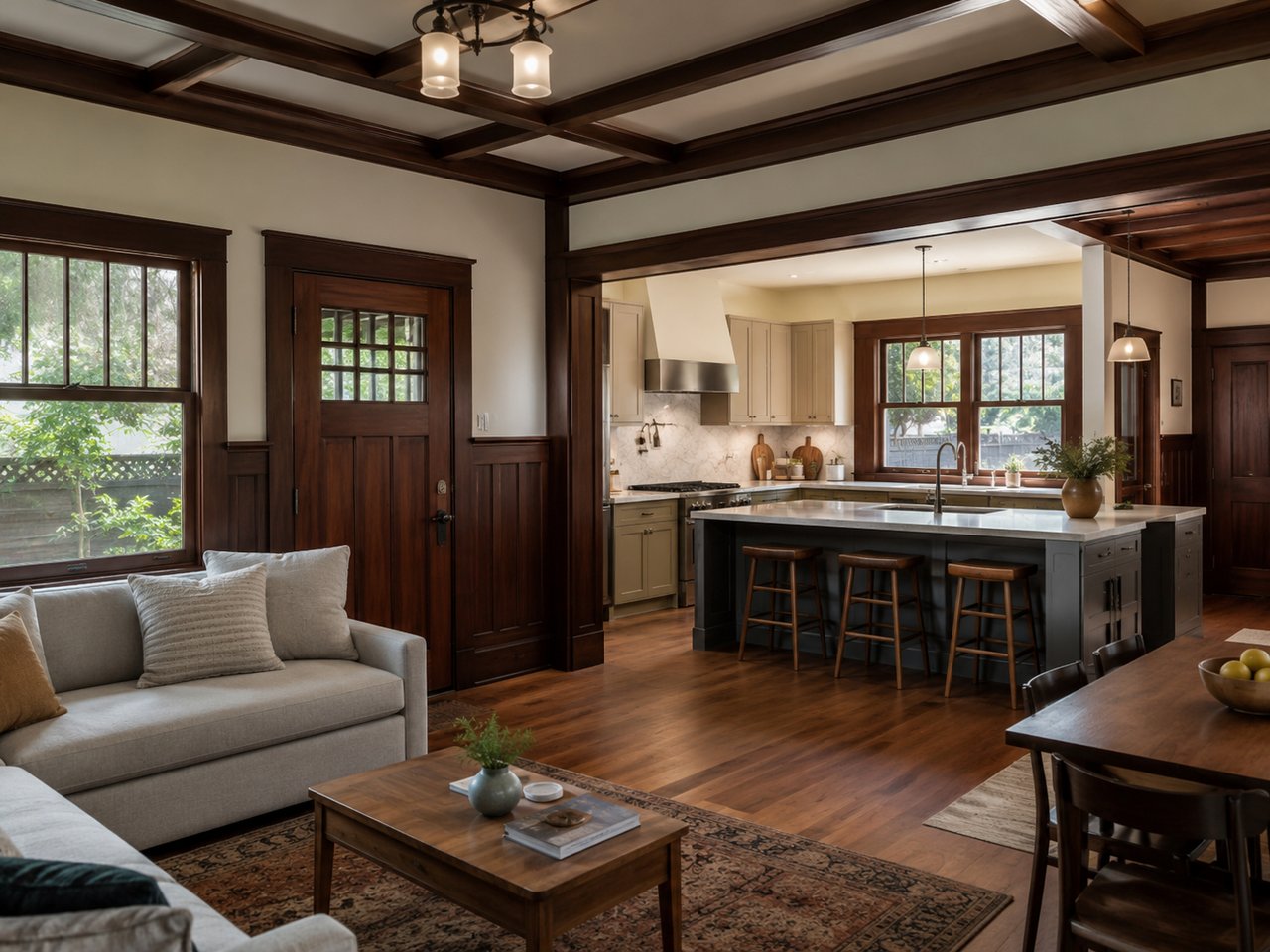
A kitchen with original cabinetry may remain functional and well maintained. Older hardwood flooring may have greater durability and character than some newer materials. Mature landscaping, established construction, and architectural details can also add value that would be expensive or impossible to reproduce.
👉 What Buyers What Buyers Should Know About Buying an Older Home on the Central Coast
The age of a property should guide the investigation, but it should not determine the conclusion. Buyers need to examine roofing, plumbing, electrical systems, drainage, foundation conditions, windows, heating equipment, insulation, and moisture exposure. An older home with documented maintenance may present fewer concerns than a recently updated home whose visible improvements conceal aging infrastructure.
Location also changes the analysis. An original residence near downtown San Luis Obispo may offer walkability and neighborhood character that cannot be added later. A coastal home in Cambria may require closer review of moisture, exterior materials, drainage, and wood components. A rural property near Templeton may introduce questions involving wells, septic systems, access, and outbuildings.
After more than 30 years in real estate, Joesef Jackson has found that buyers often make a more accurate assessment when they separate appearance from performance. Dated finishes can be changed. A poor location, difficult lot, or compromised structure is far more complicated.
Updates Should Be Evaluated for Quality and Relevance
The word “updated” can describe anything from new paint and fixtures to a complete renovation involving major systems and structural changes. Buyers should determine exactly what was completed and how the work affects the property.
A renovated kitchen may improve daily use, but its value depends on layout, materials, installation quality, ventilation, electrical capacity, and how naturally it relates to the rest of the home. New flooring may look attractive while covering uneven surfaces, moisture damage, or incomplete repairs.
👉 What Home Improvements Add the Most Resale Value in San Luis Obispo County?
Improvements that address function, condition, energy use, or major systems may have broader long-term value than highly personalized cosmetic changes. Buyers should also consider whether the renovation solved an actual limitation or simply changed the appearance.
A well-executed update should feel integrated with the architecture. Materials, proportions, room transitions, and workmanship should be consistent. When only the most visible areas have been renovated, buyers should determine whether less visible systems received equal attention.
With more than 2,130 career transactions, Joesef has observed that the most impressive renovation is not always the most valuable one. Buyers benefit from understanding whether the work improved the home itself or primarily improved how it photographs.
Inspections Matter for Both Updated and Original Homes
An updated appearance should never replace a thorough property investigation. Renovated homes and original homes can each contain issues that are not apparent during a showing.
👉 What to Expect From Inspections on the Central Coast
In an original home, inspectors may identify aging systems, delayed maintenance, or components approaching the end of their expected service life. In an updated home, the investigation may focus on workmanship, alterations, connections between old and new systems, and whether completed work appears consistent with accepted practices.
Buyers should pay particular attention when walls were removed, bathrooms relocated, electrical panels changed, plumbing rerouted, windows replaced, or additions constructed. These projects may have been completed well, but they deserve informed review.
A general inspection may also lead to specialized evaluations involving roofing, foundations, drainage, sewer lines, septic systems, wells, chimneys, pools, or other property-specific features. The purpose is not to prove that one type of home is risk-free. It is to identify the obligations attached to each choice.
The California Department of Real Estate publishes consumer guidance concerning disclosures commonly required in California real property transactions.
Compare the Price Difference With the Remaining Work
An original home may have a lower purchase price, but buyers should calculate whether the difference reasonably accounts for desired renovations, necessary repairs, and the inconvenience of completing the work.
👉 How to Avoid Overpaying for a Home in San Luis Obispo County
A buyer should avoid assuming that every dollar spent on improvements will create an equal increase in market value. Renovation costs are influenced by materials, labor, design, permits, property access, and the amount of unforeseen work discovered after construction begins.
The same caution applies to updated homes. A seller may have spent substantially on renovations, but the buyer should evaluate whether those improvements support the asking price. Personal taste, expensive finishes, or specialized features may not carry the same value for every purchaser.
The more useful comparison considers the updated home’s premium against the original home’s realistic improvement budget. Buyers should include professional fees, temporary housing when necessary, contingencies for unexpected work, and the time required to manage the project.
A lower-priced home is not automatically a bargain when major work is needed immediately. An updated home is not automatically overpriced merely because the renovations increased the asking price. The decision depends on the value of the completed work, the remaining obligations, and the quality of the property underneath the finishes.
Property Age Changes the Questions Buyers Should Ask

The age of the home establishes context for systems, materials, construction methods, and likely maintenance. It does not provide a complete measure of quality.
👉 What Buyers Should Know About Property Age in San Luis Obispo County
A mid-century residence may have solid construction and valuable architectural character while requiring updates to electrical, plumbing, insulation, or windows. A newer home may offer modern systems but still present drainage, workmanship, association, or material-quality concerns.
Buyers should ask which components are original, which have been replaced, and when the work occurred. A recently remodeled interior does not necessarily mean the roof, sewer line, heating equipment, or exterior drainage is new.
Property age also affects renovation feasibility. Older homes may contain construction details that require specialized trades or careful preservation. Coastal homes may have experienced decades of marine exposure. Rural properties may rely on private systems whose condition is not reflected in the appearance of the residence.
Joesef’s experience with more than $1.81 billion in career sales volume has reinforced that age should be used to direct due diligence rather than to make assumptions. The maintenance history and present condition often matter more than the year printed in the property record.
Condition Should Be Compared Within the Same Price Range
Buyers gain little from comparing a fully renovated home at one price with an original home in a substantially different market segment. The comparison should reflect what the same budget can purchase.
👉 How to Compare Home Condition Across Price Ranges on the Central Coast
Within a fixed price range, buyers may face different combinations of condition, location, size, and property type. A smaller updated home in San Luis Obispo may compete with a larger original home in Atascadero. A renovated condominium in Pismo Beach may compete with an older detached home in Grover Beach.
The updated property may reduce immediate work but provide less space or land. The original home may offer stronger permanent characteristics while requiring a larger reserve for improvements. Buyers should determine which attributes are most valuable and which limitations can be changed later.
Condition should also be measured against buyer expectations within the specific segment. An original architectural home may retain value because its design and materials remain desirable. A conventional home with dated finishes may need a more noticeable price adjustment when nearby alternatives have been renovated carefully.
The correct comparison is not simply updated versus original. It is the complete property available for the complete cost.
Permit and Contractor Information Can Add Important Context
When an updated home includes structural changes, additions, relocated plumbing, new electrical work, or other substantial alterations, buyers should review available permit and contractor information.
Permits do not guarantee flawless work, and the absence of a permit does not by itself reveal the quality of every improvement. However, permit history can provide useful context about the scope, timing, and review of completed projects.
The California Contractors State License Board explains that California building requirements generally call for permits before many structures are constructed, enlarged, altered, repaired, converted, or demolished, while specific requirements vary by jurisdiction.
Buyers should compare visible renovations with available records and disclosures. When information is incomplete, additional investigation may be appropriate before major contingencies are removed.
This review is particularly relevant when an update changed the basic function of the home. A converted garage, enclosed patio, added bedroom, guest unit, or removed wall may affect value, insurance, financing, and future resale differently than cosmetic improvements.
The objective is not to penalize a home because it has been renovated. It is to understand what was done and whether the buyer is comfortable assuming ownership of those changes.
Consider Whether You Want to Manage a Renovation
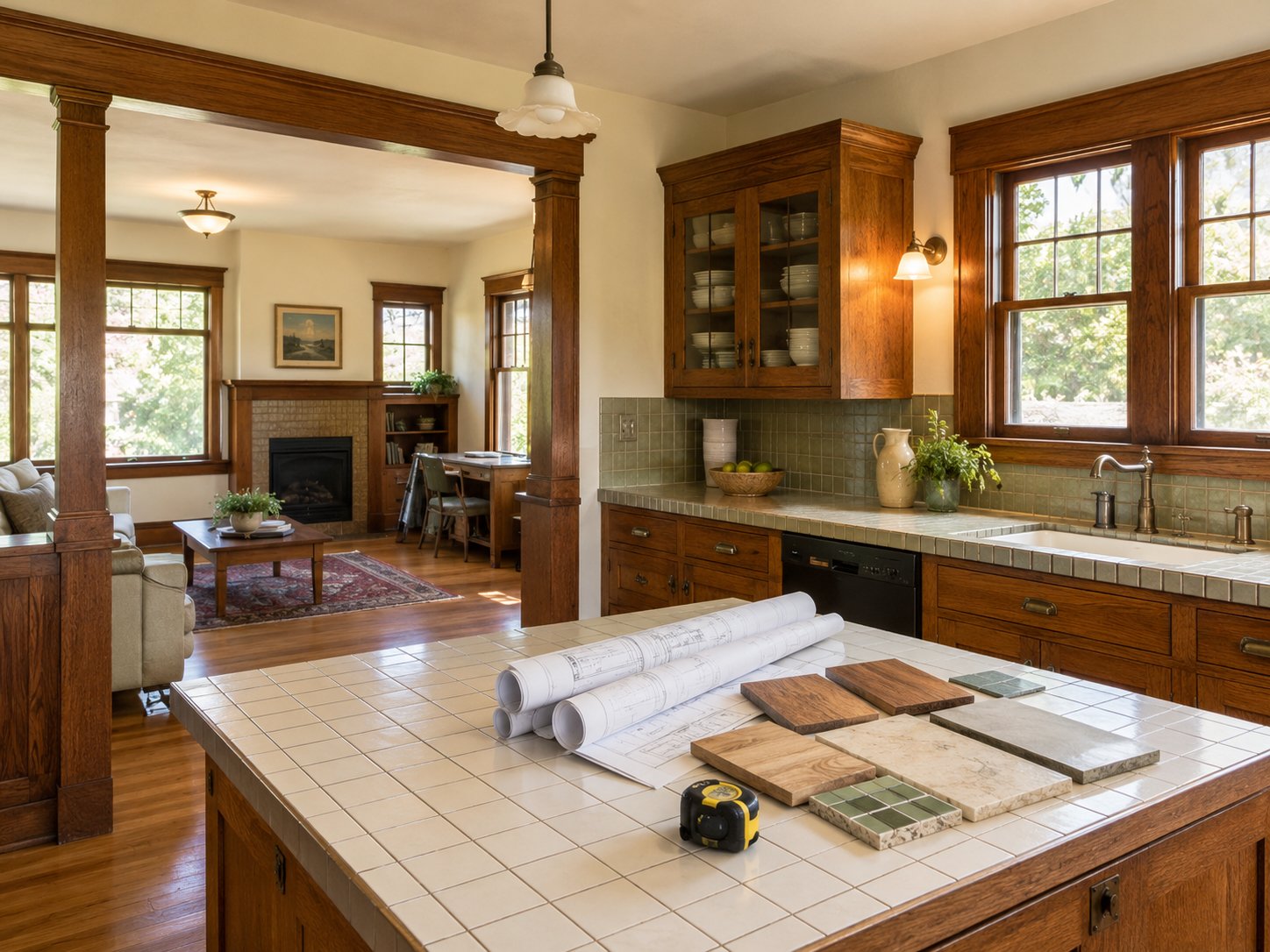
Some buyers appreciate the opportunity to personalize a home. Others value the ability to move in without overseeing design, permits, contractors, material selections, delays, and unexpected expenses.
An original home may offer creative freedom, but that freedom carries responsibility. Buyers should assess whether they have the time, financial reserves, decision-making capacity, and tolerance required for renovation.
Construction can affect daily routines. Kitchens and bathrooms may be unavailable for periods of time. Material delays, contractor scheduling, and newly discovered conditions can extend the project. Buyers should account for these realities rather than evaluating renovation only through estimated costs.
An updated home transfers much of that process to the prior owner. The trade-off is that the buyer accepts someone else’s design decisions and pays for work that has already been completed.
Neither approach is universally better. The right choice depends on whether the buyer values personalization enough to manage the process and whether the original home’s permanent qualities justify the effort.
Permanent Features Should Carry More Weight Than Finishes
Buyers should give greater weight to characteristics that are difficult or impossible to change. Location, lot orientation, natural light, privacy, views, parking, street setting, room proportions, and structural layout often matter more over time than decorative finishes.
A renovated home may create an immediate emotional response because it appears complete. Buyers should still examine whether the rooms function well, whether the property receives adequate light, and whether the location supports daily routines.
An original home may look less impressive during the first showing while offering superior bones, architectural detail, mature landscaping, or a stronger lot. Cosmetic work may unlock value that is not obvious in its current presentation.
This principle is especially useful when comparing homes in communities with limited inventory. A rare view in Cayucos, walkable location in San Luis Obispo, large lot in Arroyo Grande, or vineyard setting near Paso Robles cannot be created through interior renovation.
Finishes should influence the decision, but they should not override the features that define the property after trends change.
Maintenance History Can Be More Important Than Remodeling Date
A recently renovated home may still have a limited maintenance history if the work focused primarily on visible areas. An original home may have decades of records showing consistent care.
Buyers should review available information concerning roofing, plumbing, electrical systems, heating equipment, exterior work, pest treatment, drainage, appliances, and other major components.
Regular maintenance can extend the useful life of systems and reduce uncertainty. A newer component may still create concerns when installation quality or documentation is unclear.
The seller’s disclosures, inspection findings, receipts, warranties, and service records can provide useful context. Buyers should recognize that no home will arrive with perfect information, but patterns of care can reveal how the property has been owned.
An original home with a strong maintenance history may represent a more predictable purchase than an updated home where the visible work is new but the underlying systems remain uncertain.
Resale Depends on the Entire Property
Updated homes often attract buyers who prefer convenience, while original homes may appeal to purchasers seeking character, value, or renovation potential. Future resale will depend on more than which category the home occupied when it was purchased.
Location, layout, lot, architecture, workmanship, condition, and price will continue to shape value. A renovation completed today may look dated later, while high-quality materials and thoughtful design may remain desirable.
Buyers considering an original home should think about whether proposed changes will improve function and support broad appeal. Overly personal renovations can cost substantially without producing equivalent resale value.
Buyers considering an updated home should examine whether the design is durable or closely tied to a temporary trend. They should also determine whether the renovation preserved important architectural qualities or replaced them with generic finishes.
The strongest resale position generally comes from a property with good permanent characteristics, sound condition, and improvements that support how the home functions.
Choose the Property Whose Obligations Fit Your Plans
The final comparison should include purchase price, immediate repairs, future improvements, maintenance, time, inconvenience, location, and long-term use.
An updated home may be the stronger choice for a buyer who wants predictable condition and minimal near-term work. An original home may be better for someone who values location, architecture, lot quality, or the ability to renovate gradually.
Direct representation from the first conversation through closing allows Joesef to connect the buyer’s priorities with property condition, inspection findings, comparable sales, and the practical cost of each option.
The goal is not to choose between old and new in the abstract. It is to determine which specific home provides the stronger combination of permanent value and manageable responsibility.
Buyers should look past surface appearance, understand the quality beneath the finishes, and decide whether the remaining work fits their financial and personal plans. The better home is the one that still makes sense after every cost and obligation is considered.
Frequently Asked Questions
Is an updated home always worth more than an original home?
No. Value depends on location, lot, layout, workmanship, systems, condition, and buyer demand. Updates can add value, but they do not automatically overcome weaknesses elsewhere in the property.
What should buyers inspect closely in a renovated home?
Buyers should examine workmanship, major systems, structural changes, plumbing, electrical work, drainage, permits, and the connection between renovated and original areas.
Can an original home be in good condition?
Yes. Original finishes may be dated while the property remains well maintained. Buyers should distinguish cosmetic age from deferred maintenance and defects.
How should buyers compare renovation costs?
They should consider materials, labor, design, permits, professional fees, temporary housing, unexpected work, and the time required to manage the project.
Are permits required for every home improvement?
No. Requirements vary by project and jurisdiction. Buyers should review available records and consult the appropriate local building department when substantial alterations are involved.
Is it better to renovate a home after buying it?
That depends on the buyer’s budget, schedule, tolerance for construction, and desire for personalization. Renovating can create flexibility but may involve delays and unexpected expenses.
Do cosmetic updates increase resale value?
They can improve buyer response, but their contribution depends on quality, design, price range, and whether more important property issues have also been addressed.
What matters most when choosing between updated and original homes?
Permanent characteristics, total ownership cost, quality of construction, remaining work, location, and the buyer’s willingness to manage future improvements should carry the greatest weight.
If you are preparing to buy or sell real estate on the Central Coast and want personalized guidance, contact Joesef Jackson at SLO Life Realty Group.