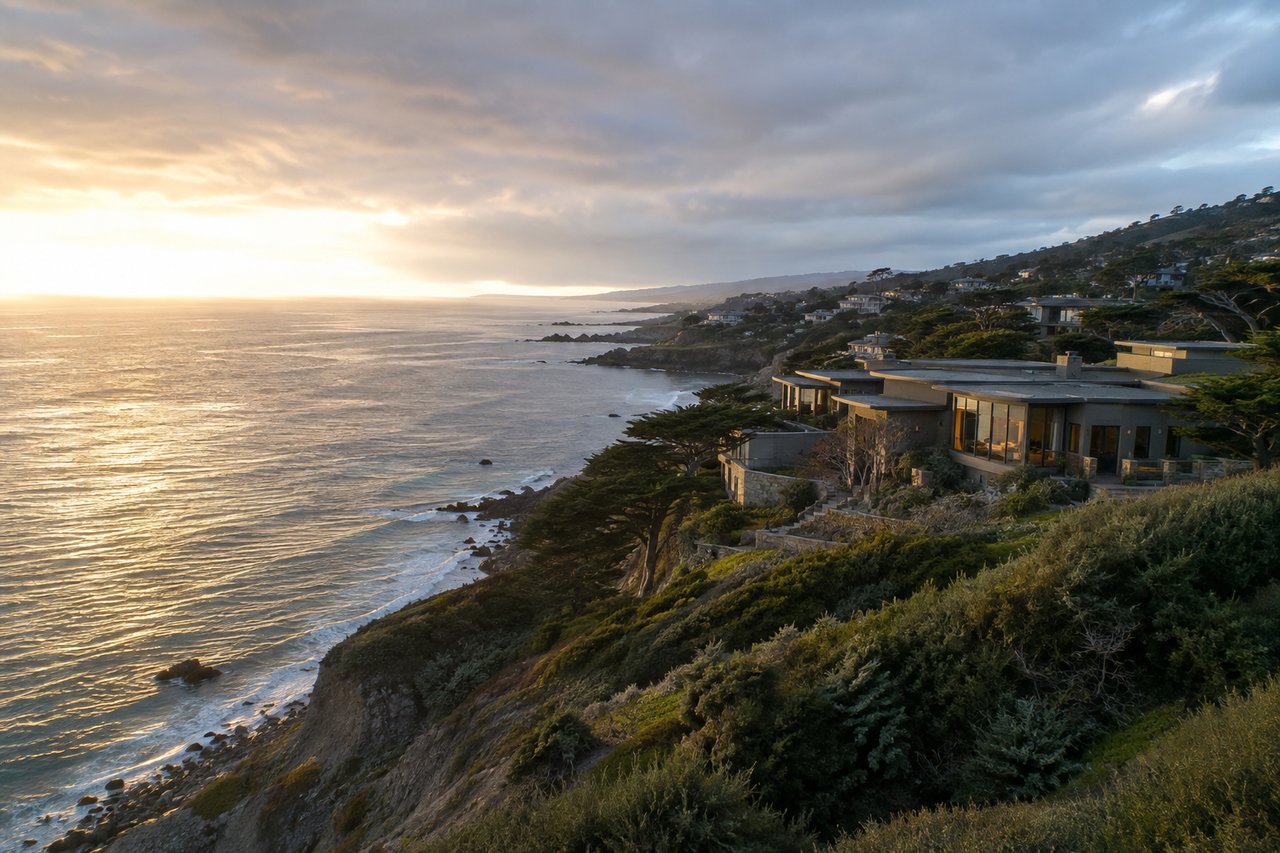
Coastal luxury real estate is different because the ocean influences nearly every part of the property. It can shape value, architecture, orientation, outdoor living, privacy, materials, access, future improvement potential, and the experience buyers are ultimately purchasing.
That makes a luxury home in Shell Beach, Avila Beach, Cayucos, Cambria, or Morro Bay fundamentally different from a comparably priced estate farther inland. The coastal buyer is often evaluating two assets simultaneously: the residence itself and its relationship to an unusually scarce setting.
The most valuable coastal properties generally do more than provide an ocean view. They use the site exceptionally well. Important rooms face the right direction. Outdoor areas are positioned to be usable rather than merely photogenic. Privacy is preserved without unnecessarily sacrificing the outlook. Architecture responds to wind, light, terrain, and marine exposure. Access works comfortably despite the constraints that can accompany coastal parcels.
These distinctions also make comparison more difficult. Two homes located only a few streets apart can have dramatically different relationships to the ocean, surrounding properties, topography, and future development. Coastal luxury therefore requires a much more property-specific evaluation than simply comparing price per square foot.
Central Coast Neighborhood Video Tour ⬇️
Buying Near the Ocean Requires Evaluating the Site and the House Together
A coastal home cannot be evaluated independently from the land beneath and around it.
👉 What to Expect When Buying a Coastal Home on the Central Coast
Orientation, elevation, neighboring structures, wind exposure, topography, access, and distance from the shoreline can influence the ownership experience as much as the home's interior.
A residence positioned above the coastline may capture extraordinary views but experience a very different wind pattern from a protected home only a short distance away. A property closer to the beach may provide exceptional walkability while offering less separation from visitors, neighboring homes, or street activity.
This is why coastal buyers should spend time outside the residence. Walk the property. Observe how outdoor areas relate to wind and sun. Look at the neighboring parcels from primary rooms. Consider how the setting changes from the driveway, street, patios, bedrooms, and major living spaces.
After more than 30 years representing real estate on the Central Coast, Joesef Jackson has found that coastal value often becomes easier to understand once buyers stop evaluating the structure alone and begin evaluating the entire site as one experience.
Distinctive Coastal Features Can Carry Disproportionate Value
Coastal luxury properties are often defined by attributes that exist in very limited supply.
👉 How to Sell a Home With Unique Features on the Central Coast
An unobstructed coastline view, direct beach access, unusual parcel width, protected courtyard, exceptional elevation, large usable lot, architectural significance, or rare combination of privacy and ocean exposure may materially separate one property from another.
These characteristics cannot usually be recreated through remodeling.
A buyer can replace flooring, cabinetry, lighting, or appliances. It may be impossible to reproduce a particular orientation toward the Pacific, a protected outdoor area overlooking the water, or a parcel that provides meaningful separation from neighboring homes.
That is why distinctive coastal features need to be evaluated according to rarity rather than simply construction cost.
The most important question is often not, “How expensive would this be to build?” It is, “How difficult would it be to find another property offering this same experience?”
That distinction becomes particularly important at the luxury level, where buyers frequently have the ability to improve a home but cannot manufacture a scarce site.
Coastal Comparables Require More Than Matching Square Footage
Pricing a unique coastal residence is rarely a simple matter of finding nearby homes with a similar bedroom count and living area.
👉 How to Price a Unique or Hard-to-Compare Home on the Central Coast
Ocean orientation, view quality, elevation, street position, architectural quality, privacy, lot usability, renovation level, parking, outdoor living, and proximity to the shoreline can create substantial differences between properties that initially appear comparable.
One Shell Beach residence may have panoramic coastline exposure from its primary living spaces while another of similar size sees the ocean from only limited areas. A Cayucos home may provide easier beach access but less privacy. A Cambria residence may derive much of its appeal from wooded surroundings and dramatic coastline rather than conventional neighborhood comparison.
Those differences cannot always be reduced cleanly to a price-per-square-foot adjustment.
With more than 2,130 career transactions, Joesef has seen that specialized properties require judgment about which characteristics buyers are actually paying a premium to obtain. The strongest comparable is not always the geographically closest sale; it is the property that competed for a similar buyer for similar reasons.
Coastal Location Changes Both Price and Lifestyle
On the Central Coast, geography influences far more than acquisition cost.
👉 Buying a Home in San Luis Obispo County: How Location Impacts Price and Lifestyle
A home in Avila Beach may appeal to someone prioritizing beach access, recreation, and a compact coastal environment. Shell Beach may attract buyers drawn to ocean proximity combined with access to Pismo Beach and San Luis Obispo. Cayucos can offer a different pace and residential character, while Cambria combines coastline, forested surroundings, and a more secluded North Coast setting.
These distinctions influence how the property is used.
Some buyers want to walk out the door and reach restaurants or the beach within minutes. Others value distance from activity and are willing to drive for greater privacy. Some want a primary residence integrated into everyday coastal life. Others are purchasing a second home intended for periodic stays and entertaining.
Coastal luxury becomes most compelling when the location supports the specific lifestyle the buyer intends to use rather than simply carrying a prestigious coastal address.
A Premium Coastal Property Feels Connected to the Ocean Without Being Overexposed
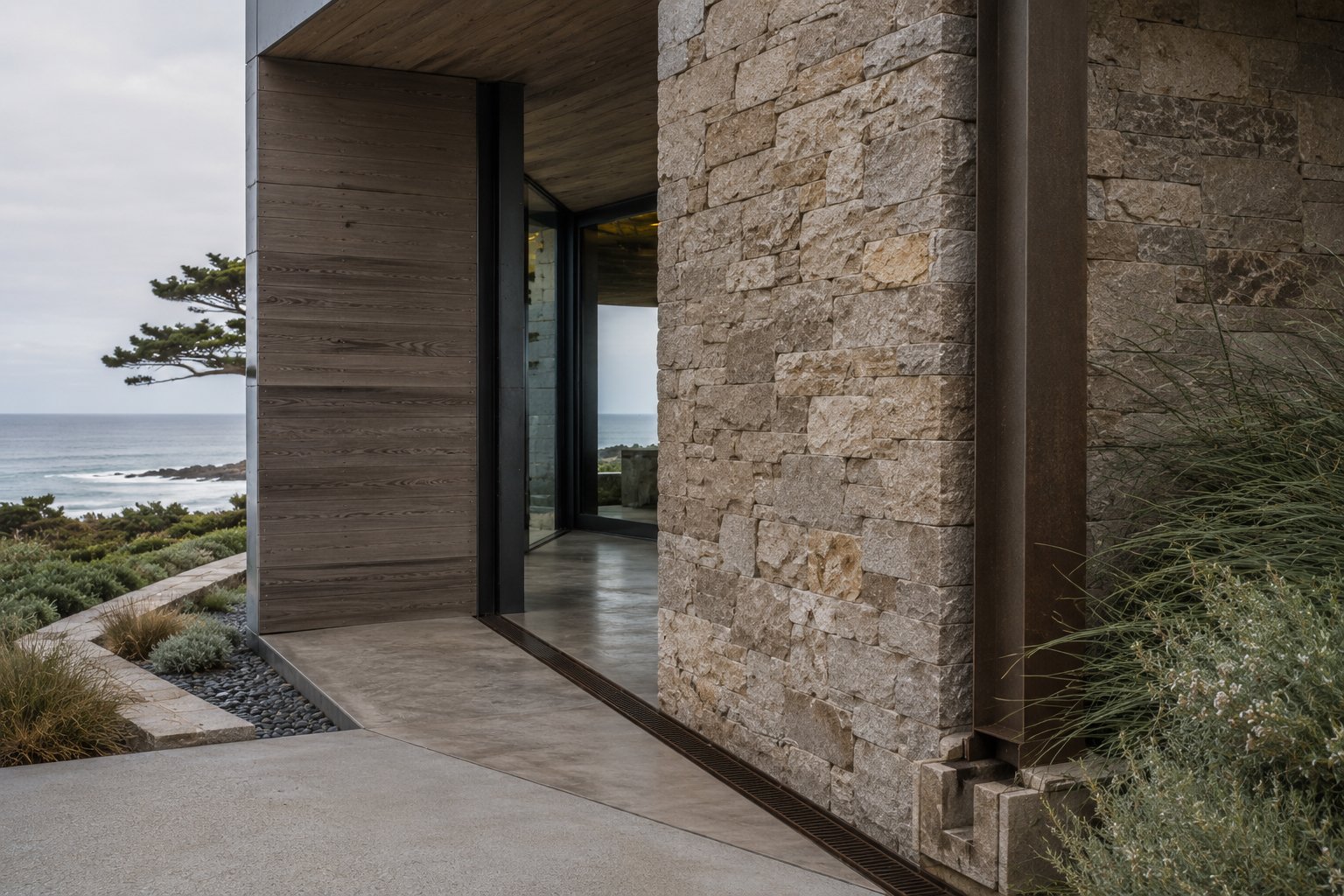
The strongest coastal homes usually create a deliberate relationship between the residence and its surroundings.
👉 What Makes a Coastal Property Feel Premium on the Central Coast
That can mean framing the ocean through major windows, positioning a terrace where it receives protection from prevailing conditions, arranging living areas around natural light, or creating a courtyard that provides privacy while still maintaining a coastal connection.
A property does not necessarily need floor-to-ceiling glass everywhere to feel coastal. In some settings, carefully positioned openings and sheltered spaces can create a better experience than maximum exposure.
Premium coastal design also considers what the homeowner does not want to experience. Excessive wind, direct sightlines from neighboring homes, public activity, harsh afternoon exposure, or outdoor areas that are uncomfortable for much of the day can weaken the usefulness of an otherwise dramatic site.
A sophisticated coastal property balances exposure with protection.
Selling Coastal Luxury Requires Explaining Why the Site Is Exceptional
Luxury coastal marketing must communicate more than beautiful interiors.
👉 How to Sell a Coastal Luxury Property on the Central Coast
Buyers need to understand the property's relationship to the ocean, neighborhood, access, privacy, topography, outdoor spaces, and surrounding land. Those characteristics may account for a substantial portion of the property's value.
For a residence with an important view, presentation should show where that view is experienced throughout the home rather than relying on one dramatic image. If privacy is unusual for the area, the marketing should establish how the property achieves it. If the home offers convenient beach access, buyers should understand how that access relates to daily use.
The property's coastal story needs to be specific.
“Luxury ocean-view home” says very little when several competing properties can make the same claim. The meaningful distinction may be an unobstructed western exposure, protected terrace, rare parcel size, private arrival, architectural integration, or direct connection between important rooms and the coastline.
Premium positioning becomes stronger when those differences are immediately understandable.
Marine Exposure Changes the Standard for Exterior Design
Salt air, moisture, wind, and direct coastal exposure can affect how exterior materials age.
For luxury buyers, this makes material selection and detailing particularly relevant. Exterior metal, railings, doors, windows, fasteners, wood finishes, stonework, roofing, and other exposed components may perform differently depending on their location and installation.
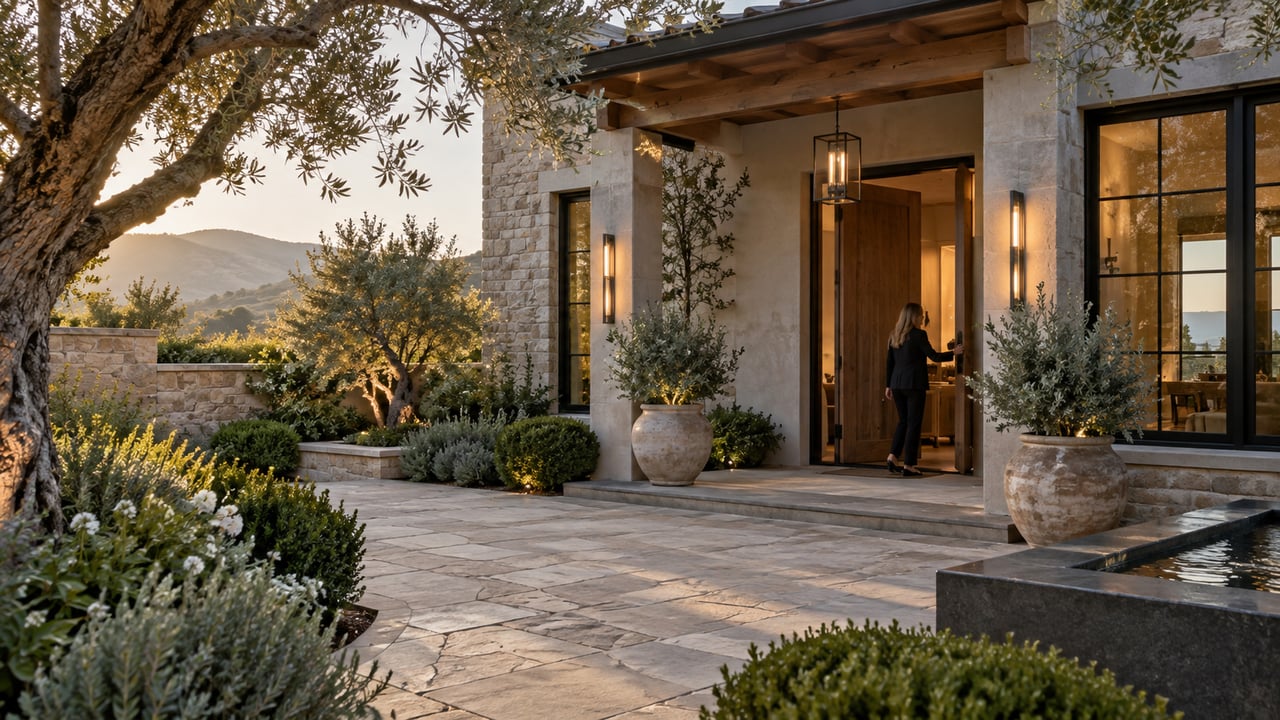
The strongest coastal homes often reveal thoughtful responses to the environment. Protected entries, recessed windows, covered exterior areas, appropriate material selections, and carefully planned transitions can make the residence feel better integrated with its setting.
This does not mean every coastal home must look rugged or utilitarian. High-quality coastal architecture can remain refined while acknowledging the physical conditions surrounding it.
Buyers should pay attention to how the home has aged. A residence that continues to present well after years of ocean exposure can reveal more about its construction and stewardship than a newly completed cosmetic update.
Coastal luxury is partly demonstrated by how successfully the property lives in its environment over time.
Coastal Development Rules Can Affect Future Improvement Plans
A luxury buyer may purchase a property with ideas for expanding, rebuilding, modifying outdoor areas, or changing the use of existing improvements. Near the coast, those plans should not be assumed possible simply because the parcel is privately owned.
Development within California's coastal zone can require a Coastal Development Permit from the applicable local government or the California Coastal Commission, depending on jurisdiction and the proposed work.
San Luis Obispo County also maintains coastal-zone maps and local planning materials that identify areas subject to its coastal planning framework.
For buyers considering substantial changes, the existing home and the future improvement potential should be evaluated separately. A property can be exceptional exactly as it stands while offering fewer modification options than the buyer initially assumes.
That distinction can be especially important when a significant part of the purchase price reflects the site's rarity.
Privacy Is Harder to Create When the View Is the Main Attraction
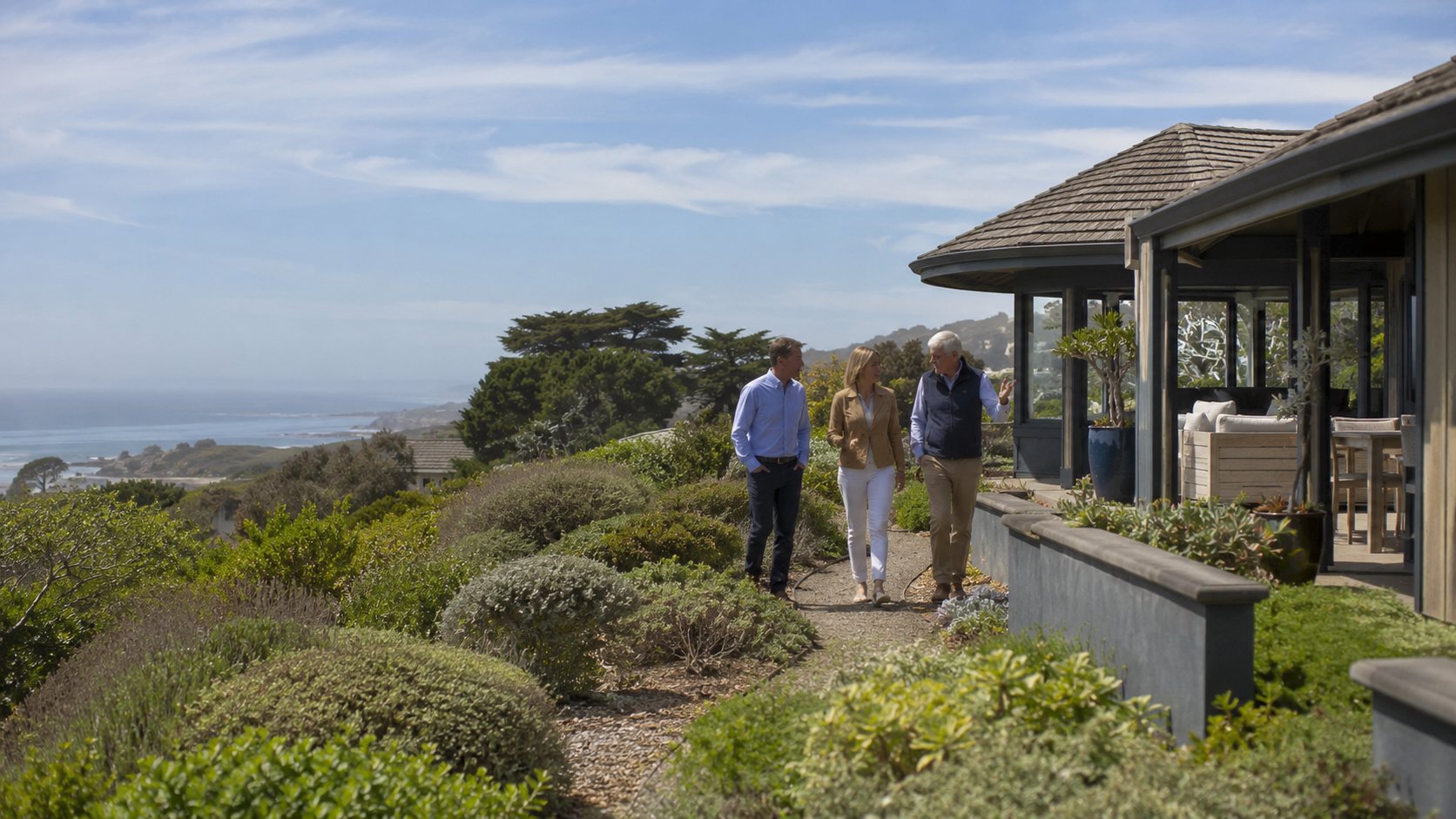
Coastal properties often face a design tension: the same openness that produces a dramatic ocean view can reduce privacy.
Large expanses of glass, elevated sites, bluff-top locations, and outdoor terraces can create extraordinary visual connections while increasing exposure to neighboring properties, streets, trails, or public areas.
The best homes solve this architecturally.
Window orientation, landscaping, level changes, walls, courtyards, setbacks, and room placement can protect private areas while maintaining views where they matter most.
Buyers should evaluate privacy from inside the residence as well as from the property boundaries. Stand in bedrooms, bathrooms, pools, patios, and primary outdoor spaces and consider what is visible from adjacent properties.
A coastal property can feel secluded even on a relatively compact parcel when architecture is used intelligently. Conversely, a large and expensive home can feel surprisingly exposed if the design prioritizes views without considering sightlines.
Bluff and Slope Conditions Can Make Two Oceanfront Homes Fundamentally Different
Not all coastal parcels relate to the shoreline in the same way.
Some homes sit well above the ocean. Others are closer to beaches, coves, or lower-lying coastal terrain. Topography can influence views, access, outdoor usability, drainage, and the relationship between the residence and the coastline.
For buyers considering bluff-oriented property, professional evaluation may become particularly important because visible appearance alone does not explain the site's geologic characteristics.
This is another reason coastal luxury cannot be defined simply by proximity to water.
A residence farther from the shoreline may provide a broader view, easier access, or greater usable outdoor space than a home positioned closer to the ocean. Another buyer may consider immediate coastline proximity worth accepting a more constrained site.
The premium depends on the experience created by the specific parcel, not the number of feet separating the front door from the Pacific.
Parking and Arrival Can Become Luxury Features in Coastal Neighborhoods
In many coastal communities, land is limited and streets were not designed around today's expectations for larger vehicles, guest parking, and multiple-car households.
That makes something as ordinary as parking surprisingly important at the luxury level.
A secure garage, comfortable driveway, straightforward guest parking, or private arrival court can distinguish a property from nearby homes where parking requires daily compromise.
This matters even more for owners who entertain regularly or use the property as a second home. Arriving with luggage, recreational equipment, bicycles, surfboards, or guests changes how a property's access works in practice.
The arrival sequence also shapes perception.
A premium home should ideally feel intentional from the moment the owner enters the property. Difficult vehicle maneuvering, awkward stairs, exposed entries, or unclear access can conflict with an otherwise sophisticated residence.
On constrained coastal parcels, effortless arrival can be a scarce amenity.
Outdoor Space Is Valuable Only When It Is Comfortable to Use
Coastal luxury buyers often place a premium on patios, terraces, decks, pools, and outdoor dining areas. The size of those spaces is only part of the analysis.
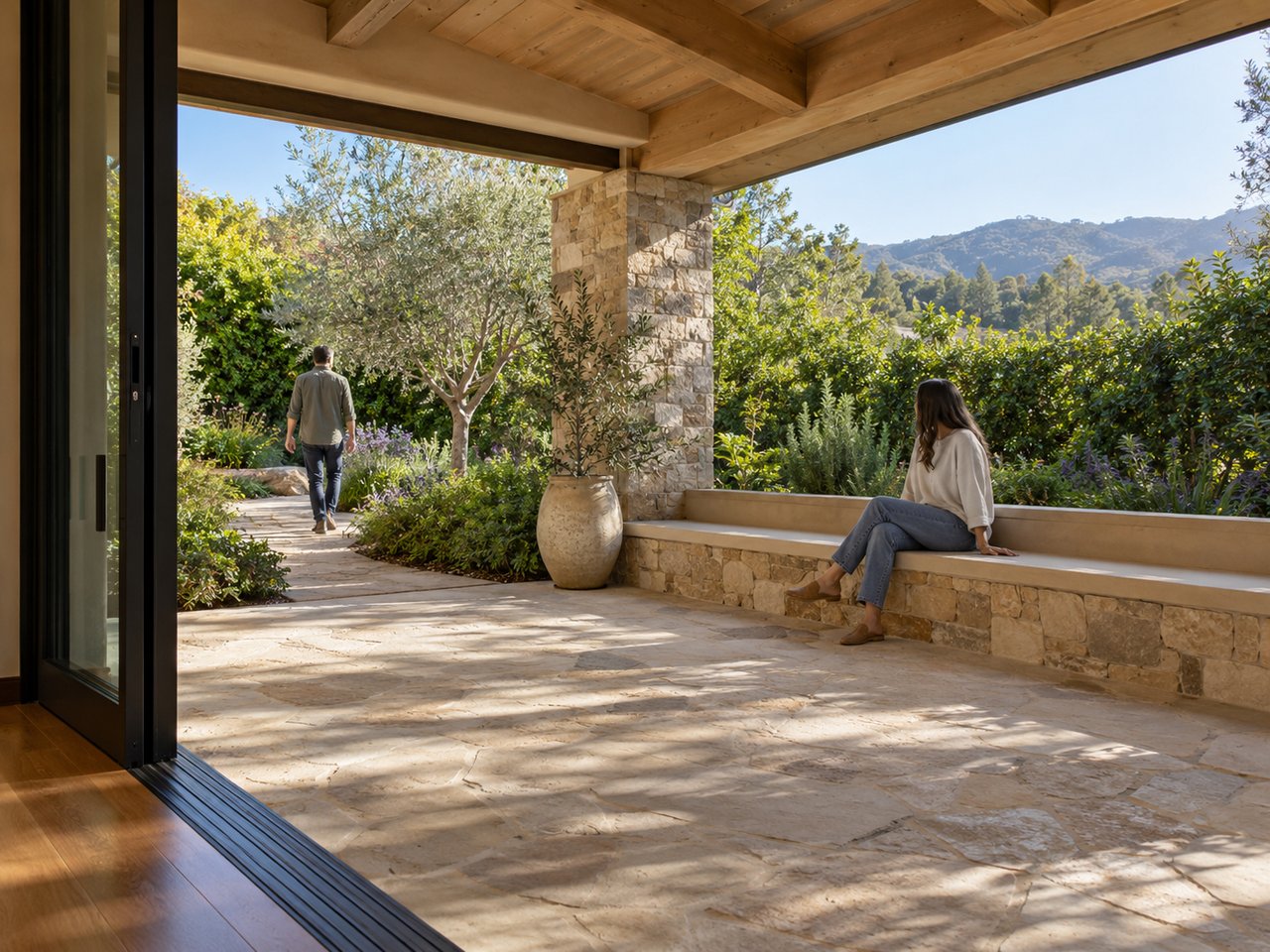
Wind direction, sun exposure, shade, privacy, temperature, and connection to the interior determine whether an outdoor area becomes part of everyday life.
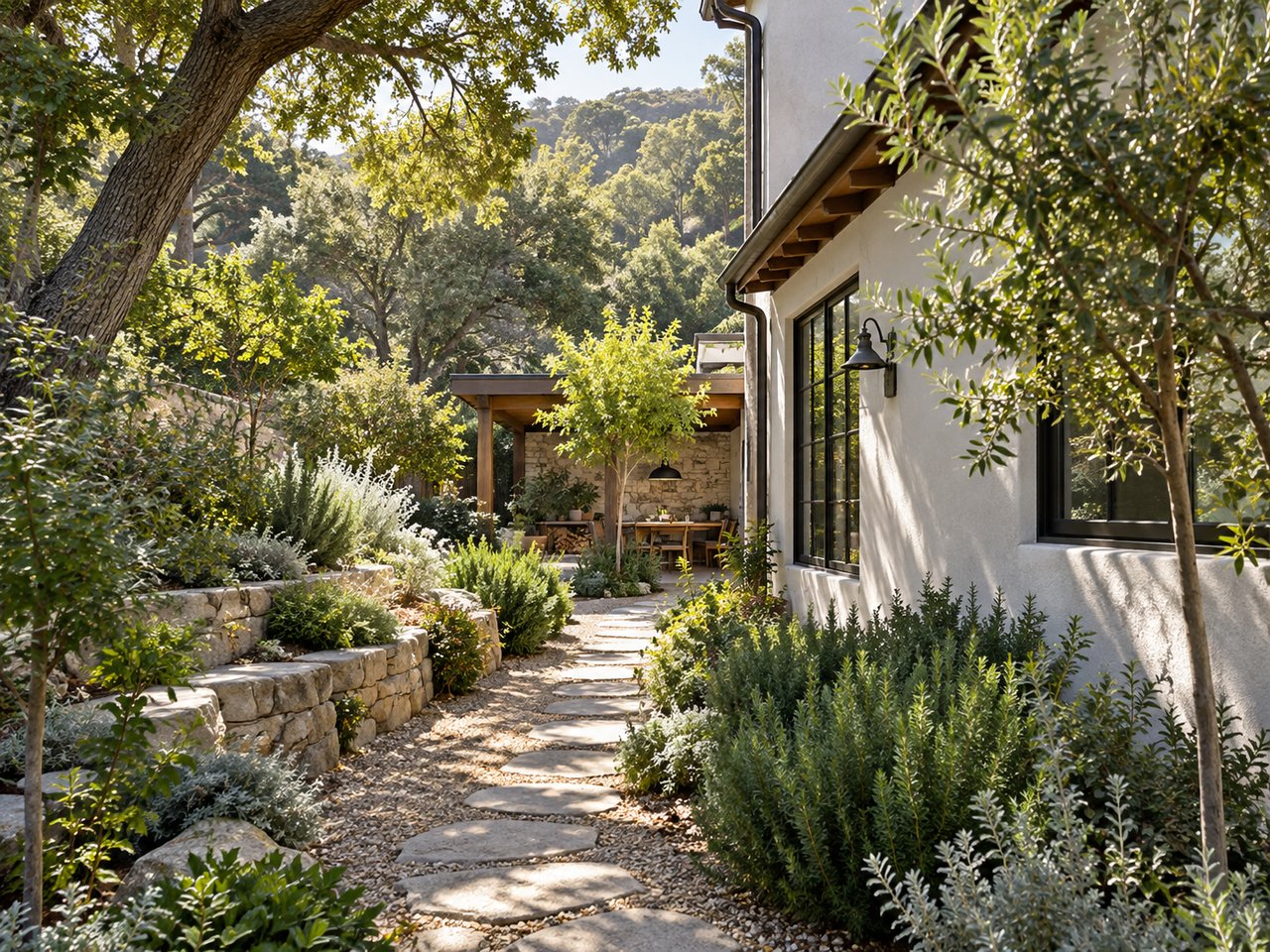
A smaller protected terrace can be more useful than a large open deck exposed to persistent wind. A courtyard facing away from the coastline may provide the most comfortable outdoor dining even when the ocean view is located elsewhere.
The strongest coastal properties may offer several outdoor zones rather than attempting to make one space serve every purpose.
Morning coffee may work best on one side of the residence. Sunset entertaining may belong somewhere else. A protected garden may offer comfort when a view terrace is windy.
Coastal luxury improves when architecture creates choices according to the conditions rather than expecting residents to adapt constantly to the site.
Second-Home Buyers May Evaluate Coastal Luxury Through Ease of Arrival
Not every coastal luxury buyer intends to occupy the property full time.
For second-home owners, the experience may begin with arriving after days or weeks away. That can shift attention toward secure access, practical storage, straightforward systems, guest accommodations, parking, and the ability to begin using the property quickly.
This is a different priority from simply minimizing ownership responsibility.
A sophisticated second home can contain extensive amenities while still functioning smoothly if those amenities are organized around the way the owners actually use the property.
Proximity can matter differently as well. Some buyers want convenient access from San Luis Obispo County Regional Airport or major roads. Others prioritize seclusion enough that a longer drive is an acceptable exchange.
Joesef Jackson's experience representing coastal and second-home transactions has shown that buyers often become more selective once they imagine the repeated routine of arriving, hosting guests, leaving, and returning. Luxury is not only what the property offers during a showing; it is how naturally the property fits that repeated pattern.
Coastal Scarcity Is Highly Localized
Calling a property “coastal” is too broad to explain its value.
Shell Beach, Avila Beach, Cayucos, Cambria, Morro Bay, and Pismo Beach offer different combinations of housing stock, terrain, beach access, commercial activity, privacy, and community character.
Scarcity can exist within an individual neighborhood, street, or even one side of a street.
A property may command a premium because only a handful of homes share the same elevation or view corridor. Another may be rare because the parcel is unusually wide, the residence sits near beach access, or neighboring development cannot easily reproduce the same setting.
This localized scarcity is why broad coastal averages have limited usefulness for highly distinctive luxury property.
Buyers and sellers need to understand the competitive set at the level where the property's real advantages exist.
Coastal Luxury Is Ultimately About the Quality of the Ocean Relationship
The defining difference between an inland luxury property and a coastal one is not simply that the ocean is nearby.
It is how successfully the property uses that proximity.
The best coastal homes turn geography into an experience. Architecture responds to the site. Important spaces connect naturally with the outlook. Outdoor areas remain useful under actual coastal conditions. Privacy and exposure are balanced. Access works despite constrained land. Materials feel appropriate to the environment. The property's limitations have been considered rather than ignored.
A large ocean view can certainly be valuable, but the most compelling coastal luxury properties go further. They make the coastline feel integrated into daily life without allowing the setting to overwhelm the comfort and function of the residence.
That combination is difficult to reproduce—and on the Central Coast, difficulty of replacement is often what separates a beautiful coastal home from an exceptional luxury property.
Frequently Asked Questions
What makes a coastal home a luxury property on the Central Coast?
Luxury coastal homes typically combine a scarce setting with architecture, privacy, views, outdoor usability, high-quality construction, access, and property characteristics that are difficult to duplicate.
Are oceanfront homes always more valuable than ocean-view homes?
Not necessarily. View quality, privacy, parcel usability, architecture, access, topography, and the overall relationship between the residence and coastline can matter as much as immediate shoreline proximity.
Why are coastal luxury homes difficult to compare?
Properties close to one another can differ significantly in elevation, orientation, views, privacy, lot configuration, exposure, architecture, parking, and beach access.
Should buyers investigate coastal development restrictions before purchasing?
Yes, particularly when future expansion, reconstruction, or significant exterior changes are part of the purchase plan. Applicable coastal and local development requirements should be researched for the specific property.
Does marine air affect luxury-home construction?
Marine conditions can influence the performance of exterior materials and details, making material selection, installation quality, protection, and ongoing stewardship particularly relevant.
Why is wind important when evaluating a coastal luxury property?
Wind can change how terraces, decks, pools, courtyards, doors, and outdoor dining areas function. The best coastal designs account for exposure rather than relying solely on the view.
Is privacy harder to achieve in coastal neighborhoods?
It can be because valuable views often require openness while desirable coastal parcels may be relatively constrained. Architecture and landscaping can significantly influence how private a property feels.
Which San Luis Obispo County coastal communities have luxury real estate?
Luxury properties can be found in communities including Shell Beach, Avila Beach, Pismo Beach, Morro Bay, Cayucos, and Cambria, with each offering a different combination of setting, housing, lifestyle, and scarcity.
If you are preparing to buy or sell real estate on the Central Coast and want personalized guidance, contact Joesef Jackson at SLO Life Realty Group.