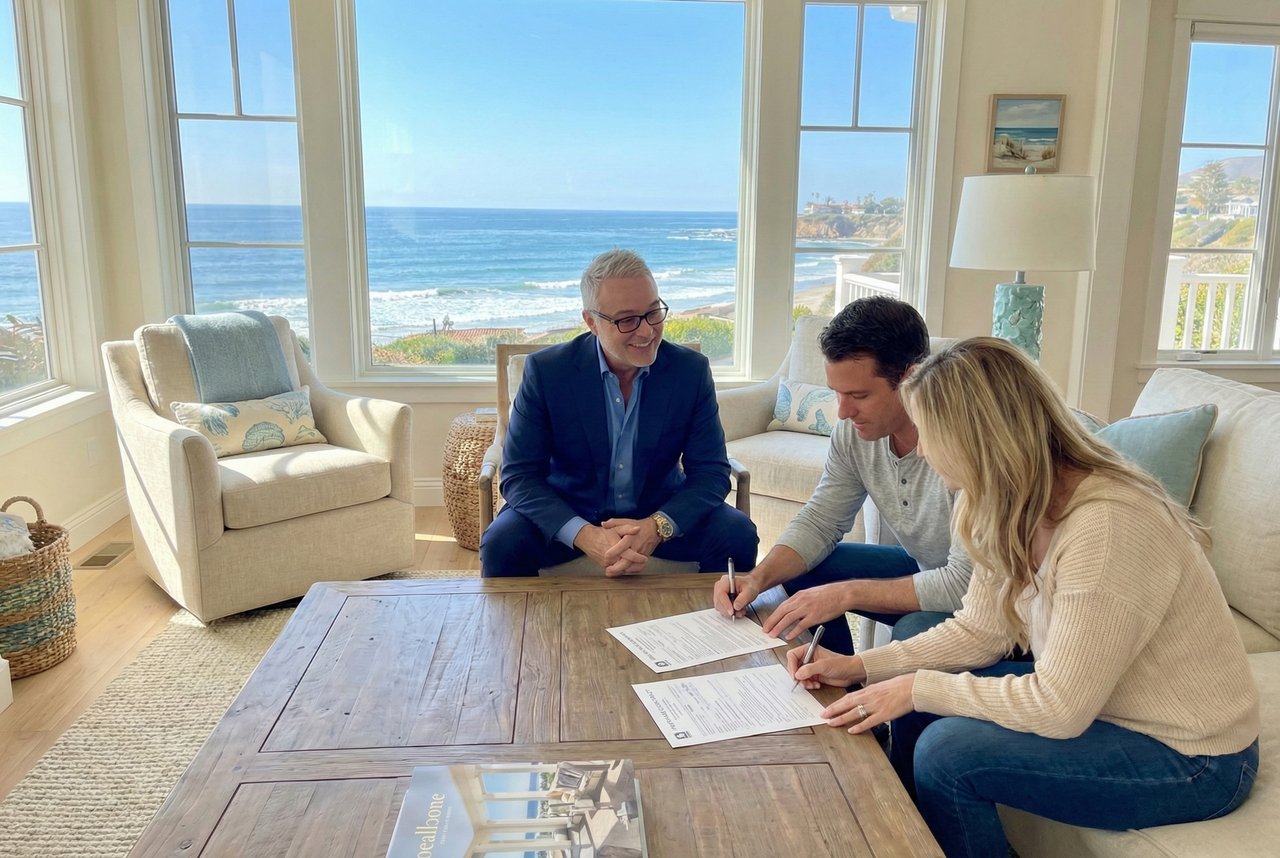
One of the most common questions sellers ask after accepting an offer is, “How long will it take to close?” While many people assume there is a standard timeline for every transaction, the reality is that closing timelines can vary significantly depending on financing, inspections, appraisals, contingencies, title work, escrow coordination, and the specific circumstances of both buyers and sellers.
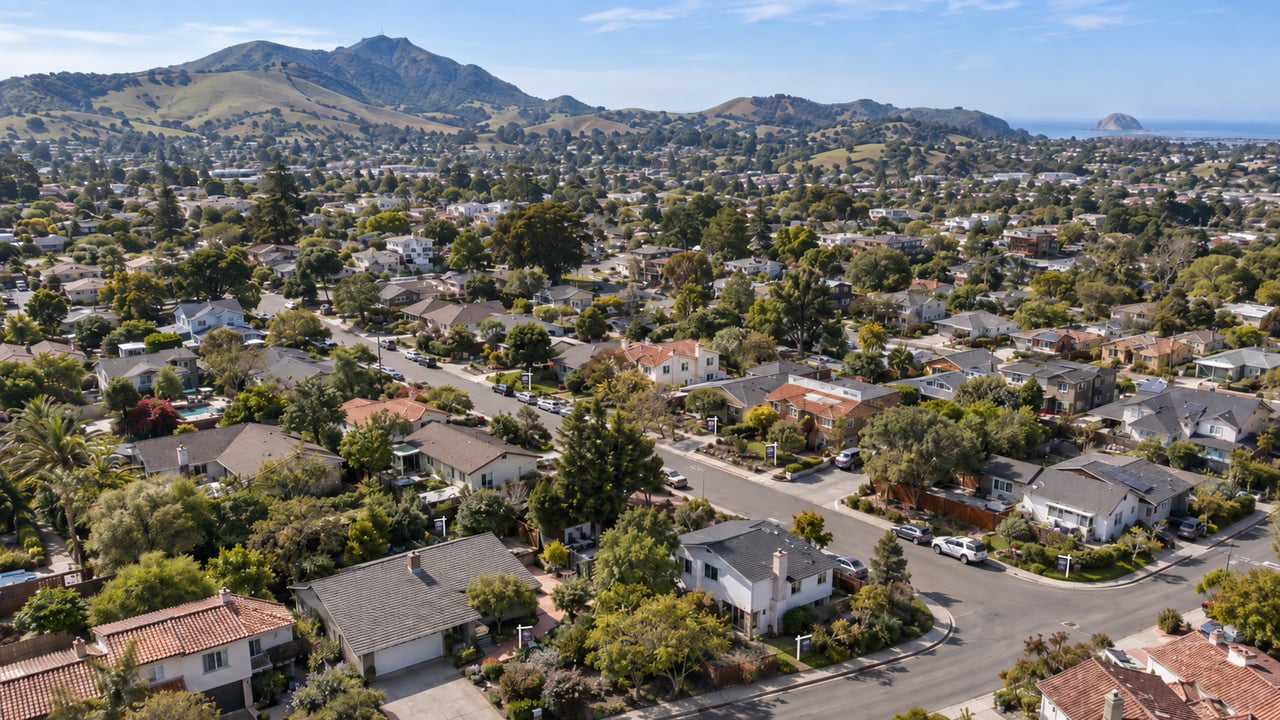
Across San Luis Obispo County and the Central Coast, most residential transactions close somewhere between 21 and 45 days after offer acceptance. However, some transactions close more quickly while others require additional time due to financing challenges, repair negotiations, appraisal issues, or property-specific complications. Understanding the process helps sellers prepare realistically and avoid unnecessary surprises.
A successful closing is rarely the result of luck. It is usually the product of preparation, communication, timely decision-making, and proactive management throughout escrow. Sellers who understand the major milestones and potential delays are often better positioned to keep transactions moving smoothly toward the finish line.
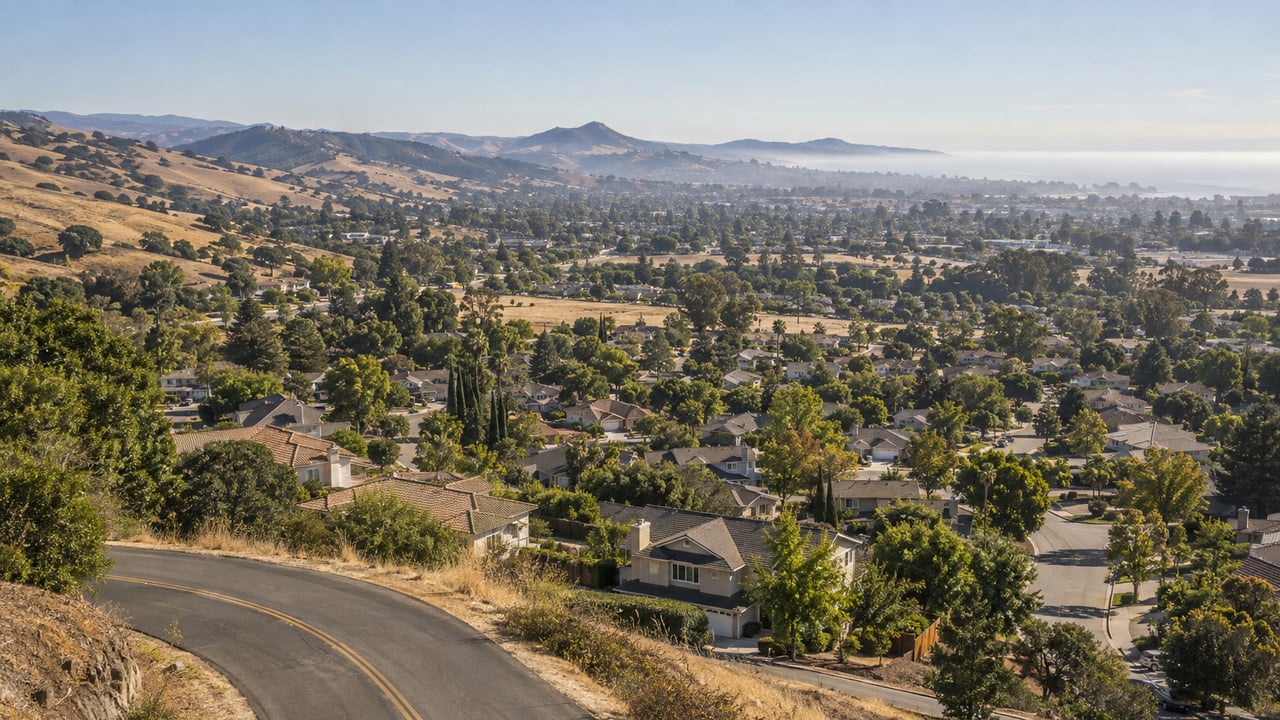
Central Coast Neighborhood Video Tour ⬇️
The Closing Timeline Begins After Offer Acceptance
Once a purchase agreement is fully executed, the transaction officially enters escrow. At that point, a series of deadlines and milestones begin that affect the eventual closing date.
👉 What Happens Between Offer Acceptance and Closing on the Central Coast Real Estate
Typical early escrow activities include:
- opening escrow
- depositing earnest money
- ordering title reports
- scheduling inspections
- beginning loan processing
- reviewing disclosures
- establishing contingency timelines
The first one to two weeks of escrow are often the busiest because buyers are conducting due diligence while lenders begin underwriting and loan review.
For sellers, this period often requires quick responses to document requests, disclosures, and inspection scheduling.
Inspections Frequently Influence the Timeline
Property inspections represent one of the most common reasons transactions extend beyond initial expectations.
👉 What Sellers Should Know About Inspection Negotiations on the Central Coast
Inspection periods may involve:
- general home inspections
- roof inspections
- pest inspections
- sewer inspections
- chimney inspections
- specialist evaluations
Once reports are delivered, buyers often review findings and determine whether repair requests or additional investigations are necessary.
Depending on the complexity of issues discovered, inspection negotiations can add days or even weeks to the overall transaction timeline.
Properties with deferred maintenance or unique characteristics may experience longer inspection-related review periods.
Repair Negotiations Can Extend Escrow
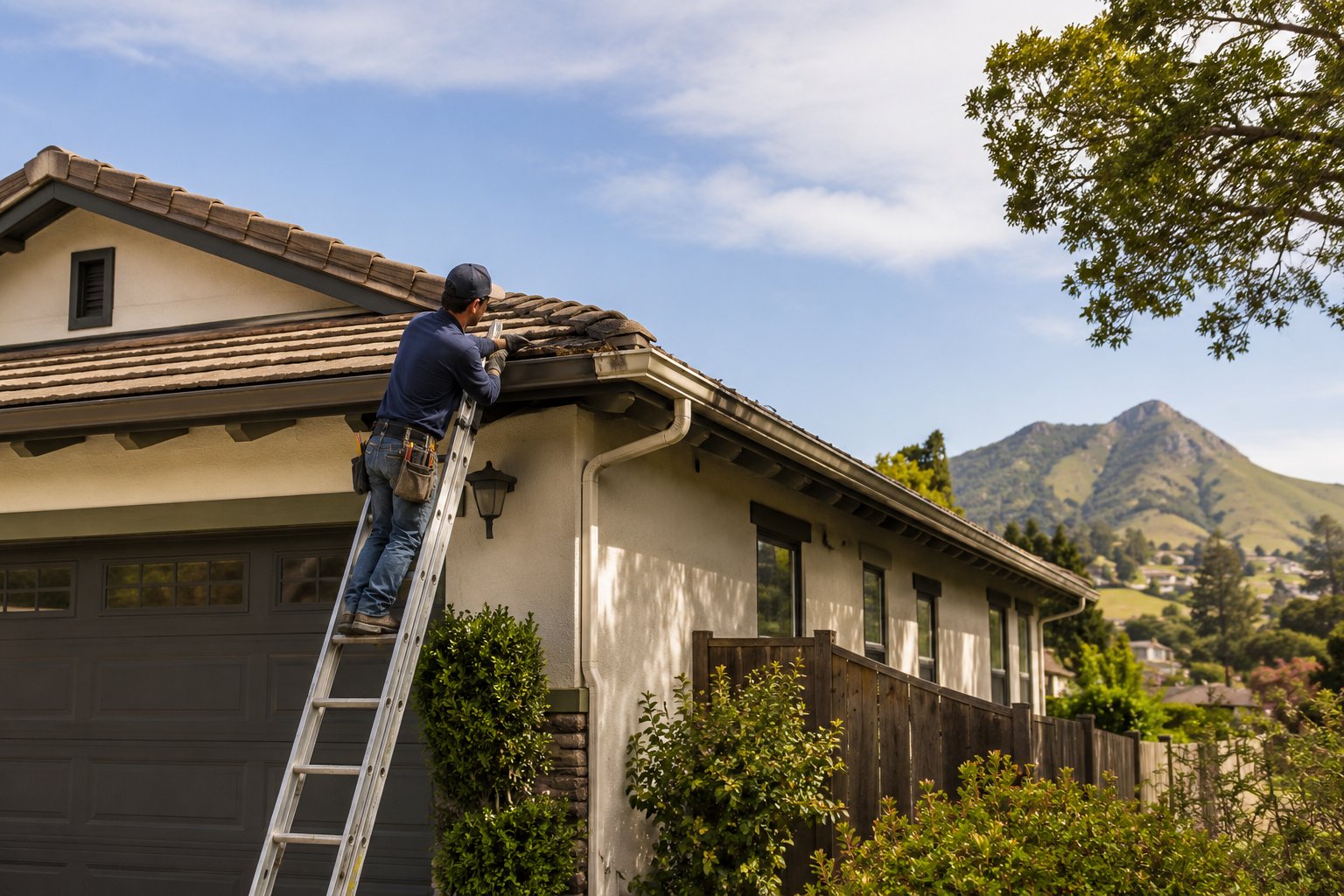
After inspections are completed, repair requests often become the next major phase of the transaction.
👉 How to Handle Repair Requests When Selling in San Luis Obispo County
Repair discussions may involve:
- repair completion
- seller credits
- price adjustments
- contractor estimates
- financing concerns
The length of this stage depends largely on:
- the number of issues involved
- responsiveness of both parties
- contractor availability
- lender requirements
Many sellers underestimate how much time repair negotiations can add to a transaction. Clear communication and prompt decision-making often help prevent unnecessary delays.
Financing Is Often the Largest Variable
For financed purchases, the mortgage process frequently represents the single biggest factor affecting closing timelines.
👉 What Sellers Should Know About Buyer Contingencies in San Luis Obispo County
Lenders generally require:
- income verification
- asset verification
- credit review
- underwriting approval
- appraisal completion
- final loan conditions
Even highly qualified buyers may encounter delays if documentation is incomplete or underwriting requirements change.
Mortgage timelines can also fluctuate depending on:
- loan type
- lender workload
- appraisal scheduling
- market conditions
For this reason, sellers should avoid assuming that financing approval is guaranteed simply because a buyer was pre-approved before making an offer.
Appraisals Can Create Additional Delays
Many financed transactions require a lender-ordered appraisal before final loan approval can be issued.
Appraisals may affect timelines if:
- appraiser availability is limited
- property access is delayed
- value disputes arise
- additional documentation is requested
In rapidly changing markets, appraisal reviews sometimes require additional analysis when comparable sales are limited or values are shifting.
The Federal Housing Finance Agency provides information regarding mortgage lending, appraisals, and housing finance standards that influence many residential transactions.
Appraisal-related delays are not always common, but they can significantly impact closing schedules when they occur.
Property Type Can Affect Closing Speed

Not all properties follow identical timelines. Certain property types naturally require additional review and documentation.
👉 How Real Estate Timelines Vary by Property Type
Examples include:
- condominiums
- rural properties
- investment properties
- multi-unit properties
- properties with acreage
- homes with unique features
Additional disclosures, inspections, lender requirements, or title considerations may extend timelines compared to a standard residential transaction.
Understanding these differences helps sellers establish more realistic expectations from the beginning.
Title and Escrow Work Behind the Scenes
Much of the work required to reach closing occurs behind the scenes through escrow and title companies.
Common title and escrow responsibilities include:
- title review
- lien verification
- payoff coordination
- document preparation
- fund management
- recording coordination
The American Land Title Association provides educational resources explaining the role of title companies and closing services in real estate transactions.
Most sellers never see many of these activities directly, but they play a critical role in ensuring ownership transfers properly and legally.
Financing Problems Can Impact Closing Dates
Occasionally, buyers encounter financing challenges after escrow has already begun.
👉 What Happens If Financing Falls Through During Escrow
Potential financing issues may involve:
- employment changes
- credit changes
- asset verification problems
- debt-to-income ratio concerns
- underwriting conditions
- appraisal discrepancies
These situations can sometimes be resolved through additional documentation or lender review. In other cases, they may require extensions or contract modifications.
Understanding these possibilities helps sellers maintain realistic expectations throughout escrow.
How Sellers Can Help Keep Escrow on Track
While sellers cannot control every aspect of a transaction, they can contribute significantly to a smooth closing process.
Helpful seller practices include:
- responding promptly to requests
- maintaining property condition
- providing documentation quickly
- accommodating inspections
- communicating proactively
- staying flexible when appropriate
Preparation before listing often reduces delays later in the process.
When all parties remain focused on problem-solving and communication, transactions generally move toward closing more efficiently.
What a Typical Timeline Looks Like
While every transaction is unique, a general timeline often looks something like:
Days 1–5:
- escrow opens
- deposits received
- disclosures reviewed
Days 5–15:
- inspections completed
- repair discussions begin
- appraisal ordered
Days 15–30:
- underwriting review
- appraisal completed
- contingencies removed
Days 21–45:
- loan approval finalized
- documents signed
- funds transferred
- transaction closes
Actual timelines vary, but understanding these milestones helps sellers anticipate what happens next.
FAQ
How long does escrow usually take on the Central Coast?
Most residential transactions close within approximately 21–45 days, depending on financing and contingencies.
What causes most closing delays?
Financing, inspections, appraisals, repair negotiations, and documentation issues are among the most common causes.
Can sellers speed up the process?
Yes. Prompt responses, preparation, and good communication often help keep transactions moving efficiently.
Do cash transactions close faster?
Often yes, because financing and appraisal requirements may be reduced or eliminated.
If you are preparing to sell and want guidance navigating escrow and closing timelines on the Central Coast, contact Joesef Jackson at SLO Life Realty Group.
Internal Linking Note
Some plain-text references in this article will become live internal links as additional Central Coast real estate guides are published.