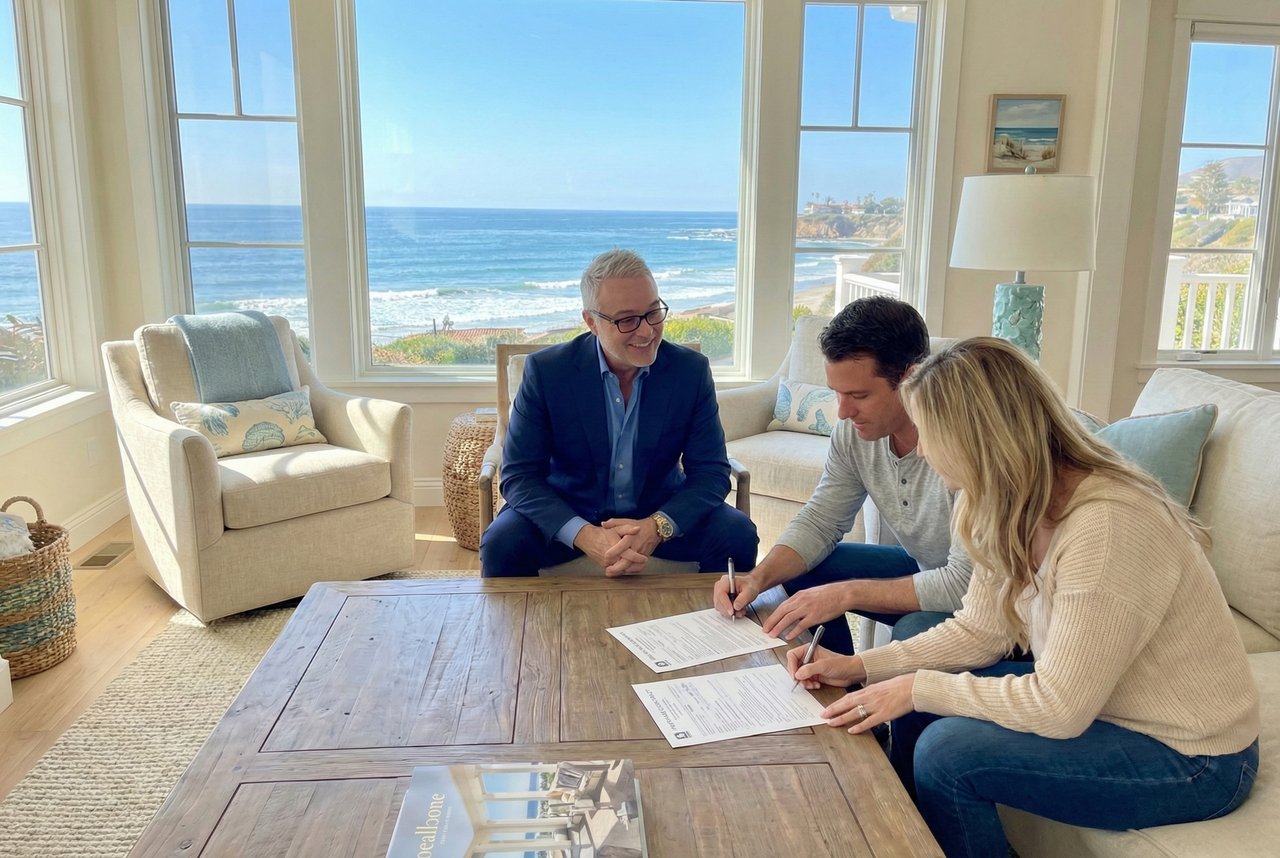
One of the most common challenges sellers face during escrow is responding to repair requests. On the Central Coast, repair negotiations frequently occur after buyers complete inspections and begin evaluating the property's condition in greater detail. While many sellers hope that once an offer is accepted the hard part is over, repair negotiations often become one of the most important stages of the transaction.
In San Luis Obispo County, repair requests can range from minor cosmetic concerns to significant issues involving roofs, plumbing, electrical systems, drainage, foundations, or pest-related findings. The way sellers respond to these requests can influence whether a transaction proceeds smoothly toward closing or becomes unnecessarily complicated.
Fortunately, repair requests are a normal part of many real estate transactions. Buyers and sellers often reach reasonable agreements when both parties understand market conditions, transaction goals, and the practical realities of property ownership. Sellers who approach repair negotiations strategically are typically in a stronger position than those who react emotionally or make decisions without evaluating the larger picture.
Central Coast Neighborhood Video Tour ⬇️
Understanding Why Buyers Submit Repair Requests
Most repair requests arise after buyers complete inspections during their contingency period. Buyers are attempting to understand the property's condition and identify issues that may create future costs, safety concerns, or ownership challenges.
👉 What Sellers Should Know About Inspection Negotiations on the Central Coast
Inspection reports often contain dozens of observations. Many are routine maintenance recommendations rather than major defects. However, buyers frequently use these reports as a starting point for negotiations.
Common areas of concern include:
- roofing
- plumbing
- electrical systems
- HVAC equipment
- drainage
- pest damage
- structural concerns
- safety-related items
Understanding that repair requests are often part of the normal transaction process helps sellers approach negotiations more effectively.
Not Every Request Requires a Concession
A common mistake sellers make is assuming they must automatically agree to every repair request. In reality, sellers retain the ability to negotiate and evaluate each request individually.
👉 What Sellers Need to Know About Appraisals in San Luis Obispo County
Several factors should influence how sellers respond:
- seriousness of the issue
- impact on financing
- impact on insurability
- local market conditions
- buyer strength
- backup buyer opportunities
- overall transaction goals
Some requests may be entirely reasonable, while others may exceed what is customary for the property type, age, or market segment.
Successful sellers evaluate requests strategically rather than automatically accepting or rejecting them.
Evaluating the Severity of Repair Issues

Not all repair requests carry equal weight. Sellers should distinguish between cosmetic concerns and issues that may affect safety, financing, or long-term property performance.
👉 What Sellers Should Know About Buyer Contingencies in San Luis Obispo County
Higher-priority concerns often include:
- active roof leaks
- electrical hazards
- major plumbing failures
- significant pest damage
- foundation movement
- safety-related deficiencies
Lower-priority concerns may include:
- cosmetic wear
- minor maintenance items
- aging but functional components
- aesthetic preferences
Understanding the distinction helps sellers allocate resources more effectively during negotiations.
Repair the Item or Offer a Credit?
One of the most important decisions sellers face is whether to complete repairs directly or provide a credit to the buyer.
👉 What Happens Between Offer Acceptance and Closing on the Central Coast Real Estate
In many Central Coast transactions, credits offer several advantages:
- fewer scheduling delays
- reduced contractor coordination
- increased buyer flexibility
- fewer post-repair disputes
Buyers often prefer credits because they can select their own contractors and control repair quality after closing.
However, certain issues may require actual repairs before financing approval can occur. Understanding lender requirements helps sellers determine which option is most practical.
Market Conditions Influence Negotiation Leverage
Repair negotiations do not occur in isolation. Market conditions strongly influence the leverage available to both buyers and sellers.
In stronger seller markets:
- buyers may be more flexible
- sellers may resist certain requests
- replacement buyers may be easier to find
In slower markets:
- buyers often negotiate more aggressively
- sellers may face greater pressure to compromise
- transaction preservation becomes increasingly important
👉 What Sellers Should Know About Closing Timelines on the Central Coast
Understanding local market conditions throughout San Luis Obispo County helps sellers evaluate requests realistically rather than emotionally.
Communities such as Arroyo Grande, Nipomo, San Luis Obispo, Atascadero, and Paso Robles may experience varying levels of buyer demand depending on inventory conditions and price range.
Communication Helps Prevent Escalation

Many repair negotiations become difficult not because of the repairs themselves, but because communication breaks down.
Clear communication helps:
- clarify expectations
- reduce misunderstandings
- maintain transaction momentum
- preserve goodwill between parties
When buyers and sellers remain focused on solutions rather than positions, negotiations often proceed more smoothly.
Professional guidance, timely responses, and realistic expectations all contribute to better outcomes during this stage of escrow.
Financing Concerns Require Special Attention
Certain repair issues can directly affect financing approval. Lenders may require resolution of problems involving:
- safety hazards
- major roof deficiencies
- active water intrusion
- structural concerns
- health-related risks
👉 What Happens If Financing Falls Through During Escrow
When financing becomes part of the repair discussion, sellers should carefully evaluate the potential impact on the transaction. Some issues that seem minor to sellers may create significant concerns for lenders or underwriters.
The Consumer Financial Protection Bureau provides information regarding mortgage lending requirements and property-related financing considerations.
Understanding financing implications helps sellers make more informed decisions during negotiations.
Preparing Before Listing Can Reduce Future Requests
One of the most effective ways to minimize repair negotiations is addressing obvious concerns before listing the property.
Pre-listing preparation may include:
- deferred maintenance repairs
- roof evaluations
- pest inspections
- HVAC servicing
- plumbing checks
- disclosure review
The California Department of Real Estate provides guidance regarding seller disclosures and California real estate transaction requirements.
Proactive preparation often:
- reduces surprises
- increases buyer confidence
- strengthens negotiating position
- supports smoother escrows
While not every issue can be eliminated, thoughtful preparation frequently reduces the scope of future repair requests.
Focus on the Bigger Transaction Goal
Repair requests often feel highly personal to sellers because they involve the home they have owned and maintained. However, successful negotiation usually requires focusing on the larger objective: completing the transaction successfully.
Sometimes a relatively small concession can preserve:
- purchase price
- closing timeline
- buyer commitment
- transaction stability
Sellers who evaluate repair requests strategically rather than emotionally often achieve stronger overall outcomes.
The goal is not necessarily to win every negotiation point. The goal is to reach closing with the strongest possible combination of price, terms, timing, and certainty.
FAQ
Do sellers have to agree to repair requests?
No. Sellers can accept, reject, counter, offer credits, or negotiate alternative solutions.
Are repair requests normal?
Yes. Repair negotiations are common in many real estate transactions.
Should sellers repair items or offer credits?
It depends on the issue, financing requirements, timing, and overall transaction strategy.
Can repair requests affect financing?
Yes. Certain health, safety, structural, or property condition issues may impact lender approval.
If you are preparing to sell and want guidance navigating repair negotiations on the Central Coast, contact Joesef Jackson at SLO Life Realty Group.
Internal Linking Note
Some plain-text references in this article will become live internal links as additional Central Coast real estate guides are published.