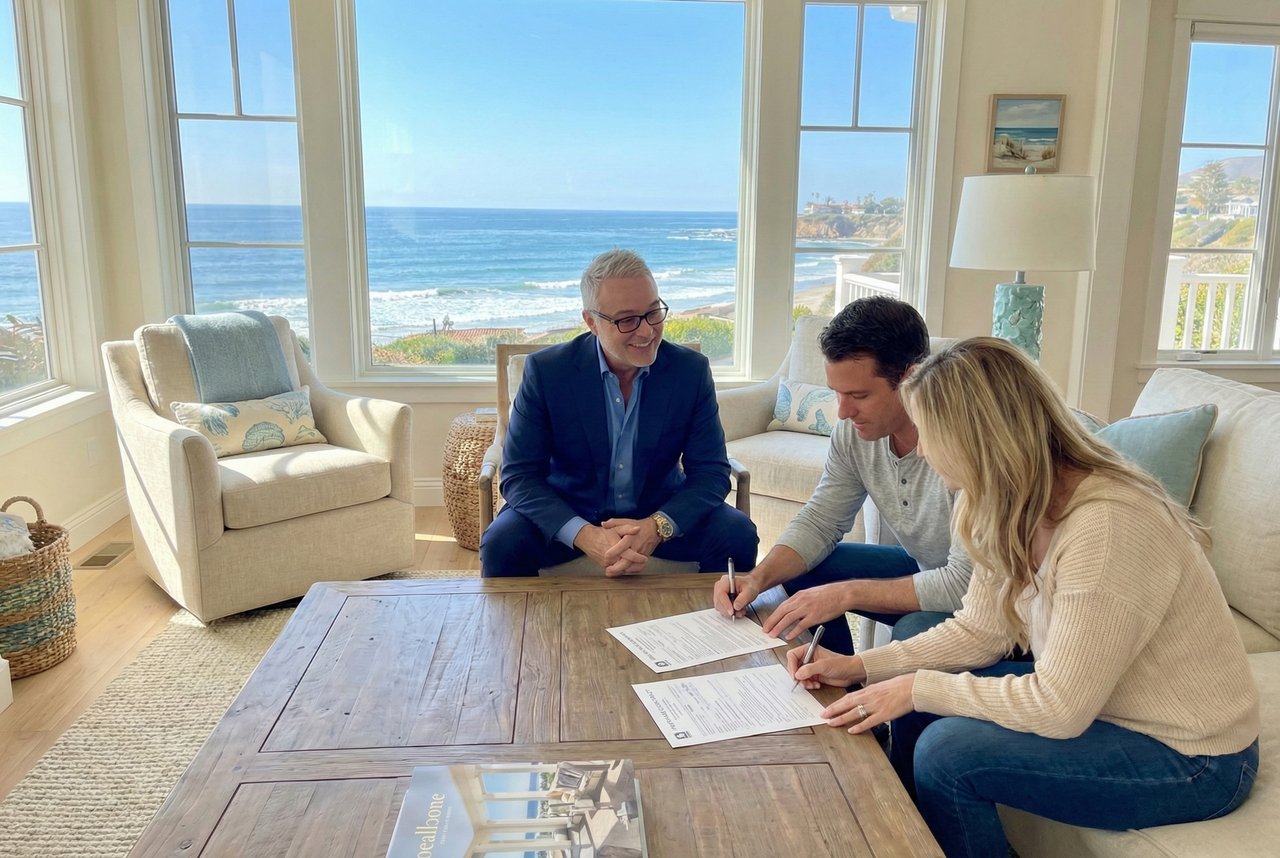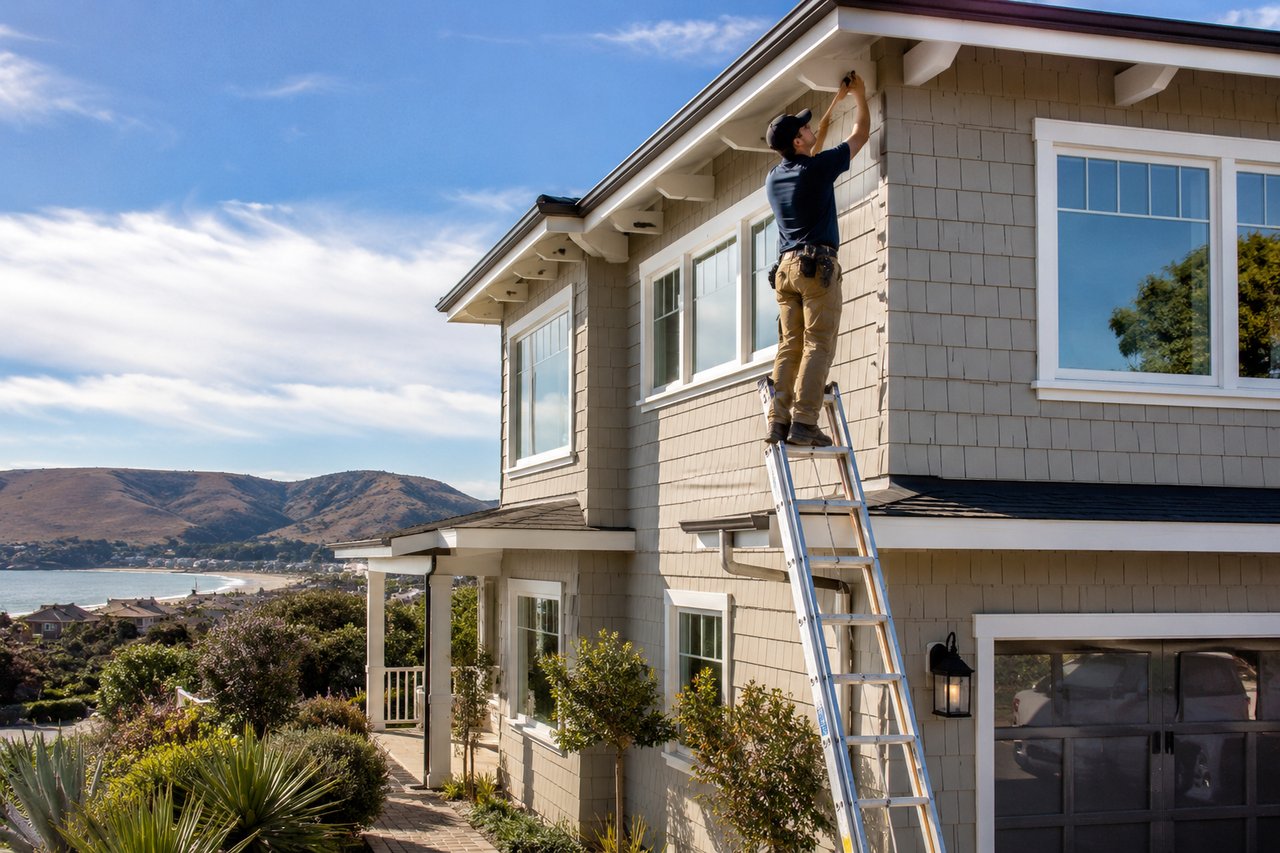
Inspection negotiations are one of the most important phases of many real estate transactions on the Central Coast. In San Luis Obispo County, buyers often complete professional inspections shortly after offer acceptance to evaluate the property’s condition and identify potential concerns before moving forward with the purchase. Once inspection reports are delivered, negotiations frequently begin regarding repairs, credits, timelines, or other transaction adjustments.
For many sellers, this phase can feel stressful because inspection findings sometimes create uncertainty after a strong contract has already been accepted. However, inspection negotiations are extremely common in real estate transactions and do not automatically mean the transaction is in danger. In many cases, successful outcomes depend less on the inspection itself and more on how sellers respond strategically during negotiations.
In markets throughout San Luis Obispo, Arroyo Grande, Nipomo, Atascadero, and other Central Coast communities, buyers often expect at least some level of negotiation after inspections are completed. Understanding how to approach this phase calmly and strategically helps sellers protect leverage while keeping transactions moving toward closing.
Central Coast Neighborhood Video Tour ⬇️
Why Inspection Negotiations Matter
Home inspections provide buyers with additional information about the property’s condition before contingencies are removed. Common inspections may include:
- general home inspections
- roof inspections
- pest inspections
- sewer lateral inspections
- chimney inspections
- foundation evaluations
👉 What Sellers Need to Know About Appraisals in San Luis Obispo County
Inspection findings often influence:
- buyer confidence
- repair discussions
- negotiation leverage
- escrow timelines
- contingency decisions
Even homes in excellent condition may generate repair requests because no property is completely perfect. Inspection negotiations are often more about balancing expectations than achieving perfection.
Buyers Often Request More Than Sellers Expect
One of the biggest surprises for sellers is that buyers sometimes request repairs or credits for issues that seem relatively minor. Buyers may focus heavily on inspection findings because they are attempting to reduce future risk and unexpected expenses after closing.
👉 Understanding Offers, Counteroffers, and Negotiation When Selling on the Central Coast
Some requests may involve:
- safety concerns
- deferred maintenance
- aging systems
- roof issues
- plumbing concerns
- electrical updates
- moisture findings
On the Central Coast, older homes in areas such as Los Osos, Morro Bay, or Paso Robles may naturally present more inspection findings simply due to age, coastal conditions, or prior construction standards.
Not every request requires a seller concession, but understanding buyer psychology during this phase is extremely important.
Sellers Should Avoid Emotional Reactions
Inspection reports can sometimes feel overwhelming because they often list dozens of observations, recommendations, or maintenance notes. Sellers may become defensive when buyers request repairs, especially if they feel the property has been well maintained.
👉 What Happens After Your Offer Is Accepted on the Central Coast
However, inspection reports are intentionally comprehensive. Many items identified are routine maintenance recommendations rather than serious defects. Strong negotiation strategy requires separating emotional reactions from practical transaction goals.
Sellers should evaluate:
- which requests are reasonable
- which requests are excessive
- what may affect financing or insurance
- what could influence future buyers if escrow cancels
Approaching negotiations strategically rather than emotionally often leads to better outcomes.
Repair Credits vs Completing Repairs
One major decision sellers face is whether to complete repairs directly or offer credits instead. In many Central Coast transactions, credits are often preferred because:
- repairs can delay escrow
- contractors may be difficult to schedule quickly
- buyers may prefer choosing contractors themselves
- repair quality disputes can arise
👉 How to Create Buyer Competition When Selling on the Central Coast
Credits sometimes allow transactions to move forward more smoothly while reducing logistical complications for sellers.
However, certain repairs involving safety, financing, or insurance issues may still require completion before closing.
Market Conditions Influence Negotiation Strength
Inspection negotiations are heavily influenced by overall market conditions. In strong seller markets with limited inventory, sellers may maintain greater leverage when responding to repair requests. In slower markets, buyers may negotiate more aggressively.
👉 How to Handle Repair Requests When Selling in San Luis Obispo County
Factors affecting leverage may include:
- inventory levels
- buyer demand
- days on market
- backup buyer interest
- property uniqueness
- financing conditions
Understanding current market conditions helps sellers evaluate how firmly or flexibly to negotiate inspection issues.
Some Inspection Issues Matter More Than Others
Not every inspection finding carries equal importance. Certain issues tend to create greater concern because they may affect financing, safety, or future ownership costs.
Common higher-impact issues include:
- roof leaks
- foundation concerns
- drainage problems
- active water intrusion
- major electrical hazards
- HVAC failures
- pest damage
- sewer line issues
Cosmetic or minor maintenance items generally carry less negotiation weight unless buyers perceive them collectively as signs of poor upkeep.
Communication During Negotiations Is Critical
Strong communication between agents, buyers, sellers, escrow, and contractors often helps inspection negotiations stay productive and focused.
The California Association of REALTORS® provides consumer resources related to inspections, disclosures, and California real estate transactions.
Clear communication helps:
- reduce misunderstandings
- maintain transaction momentum
- clarify repair expectations
- minimize unnecessary escalation
Many inspection negotiations become more manageable when both parties remain solution-oriented rather than adversarial.
Why Preparation Before Listing Helps
Sellers who prepare before listing often experience smoother inspection negotiations later. Pre-listing preparation may include:
- deferred maintenance repairs
- roof evaluations
- pest inspections
- HVAC servicing
- plumbing checks
- disclosure organization
The California Department of Real Estate provides guidance related to seller disclosures and California transaction requirements.
Addressing issues proactively before listing can sometimes reduce surprises and strengthen negotiating leverage during escrow.
The Goal Is Moving Toward Closing
Inspection negotiations are rarely about “winning” every issue. Instead, successful negotiations focus on keeping the transaction together while balancing risk, fairness, and practical resolution.
👉 What Sellers Should Know About Closing Timelines on the Central Coast
Most successful transactions involve some degree of compromise from both buyers and sellers. Sellers who remain flexible, strategic, and solution-focused often navigate inspection negotiations more effectively than sellers who approach the process defensively.
FAQ
Are inspection negotiations normal?
Yes. Inspection negotiations are extremely common in real estate transactions.
Do sellers have to agree to all repair requests?
No. Sellers can negotiate, decline, offer credits, or propose alternative solutions.
Are buyers allowed to cancel after inspections?
In many cases, yes, if inspection contingencies are still active.
Should sellers complete repairs or offer credits?
It depends on the issue, market conditions, and transaction strategy.
If you’re preparing to sell and want guidance navigating inspection negotiations on the Central Coast, contact me.