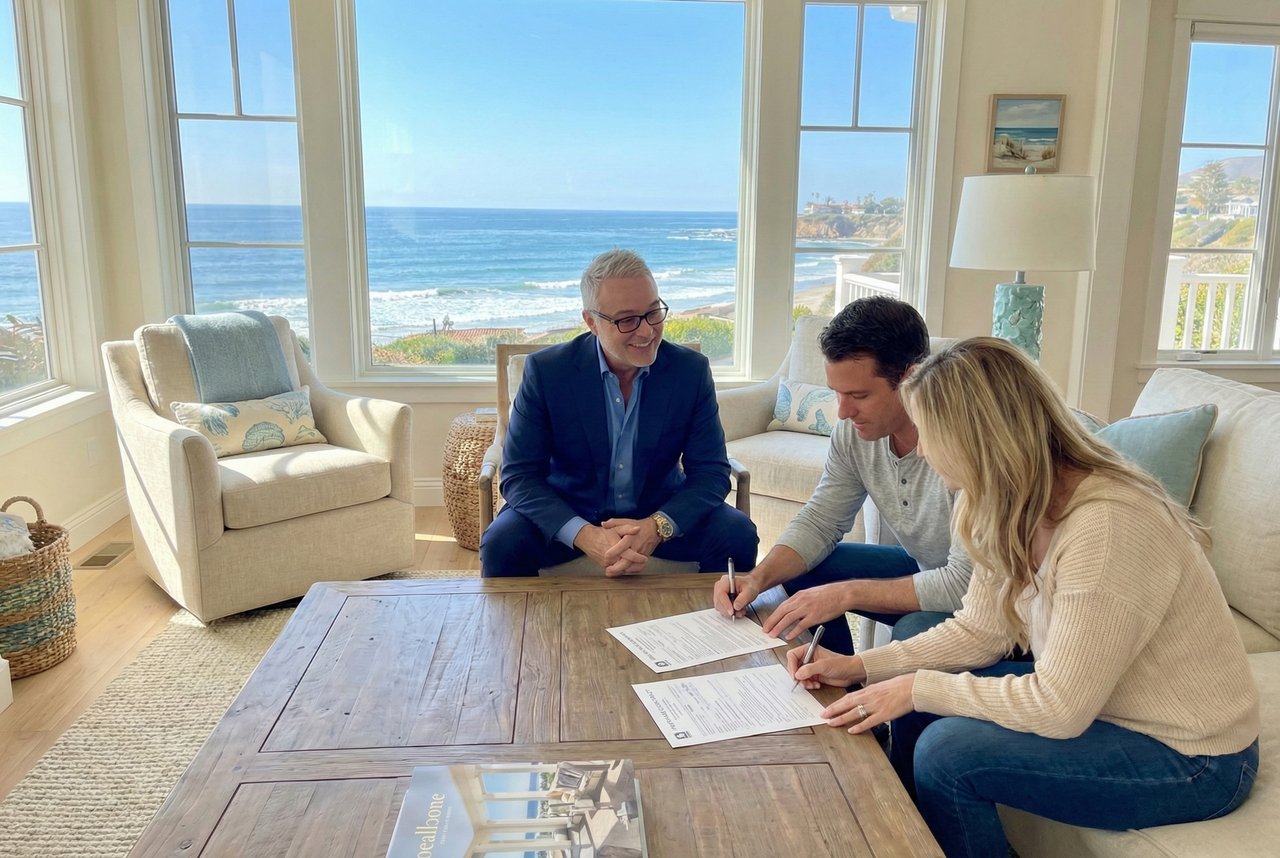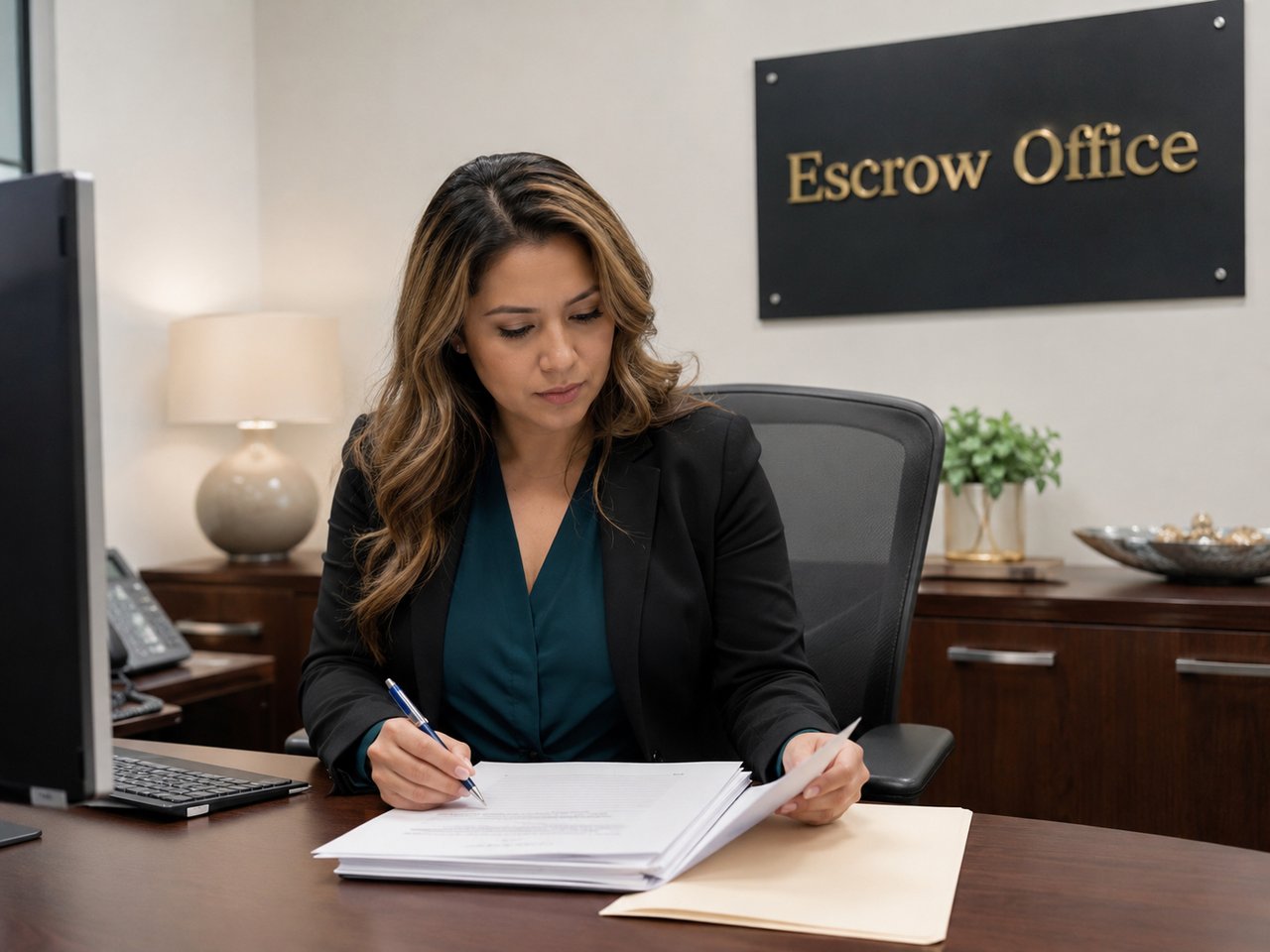
Escrow is one of the most important protection systems in a real estate transaction. Buyers and sellers often think of escrow as the period between offer acceptance and closing, but escrow is more than a timeline. It is a neutral process that helps organize money, documents, deadlines, title, disclosures, contingencies, and closing instructions so that neither side is expected to simply “trust” the other without structure.
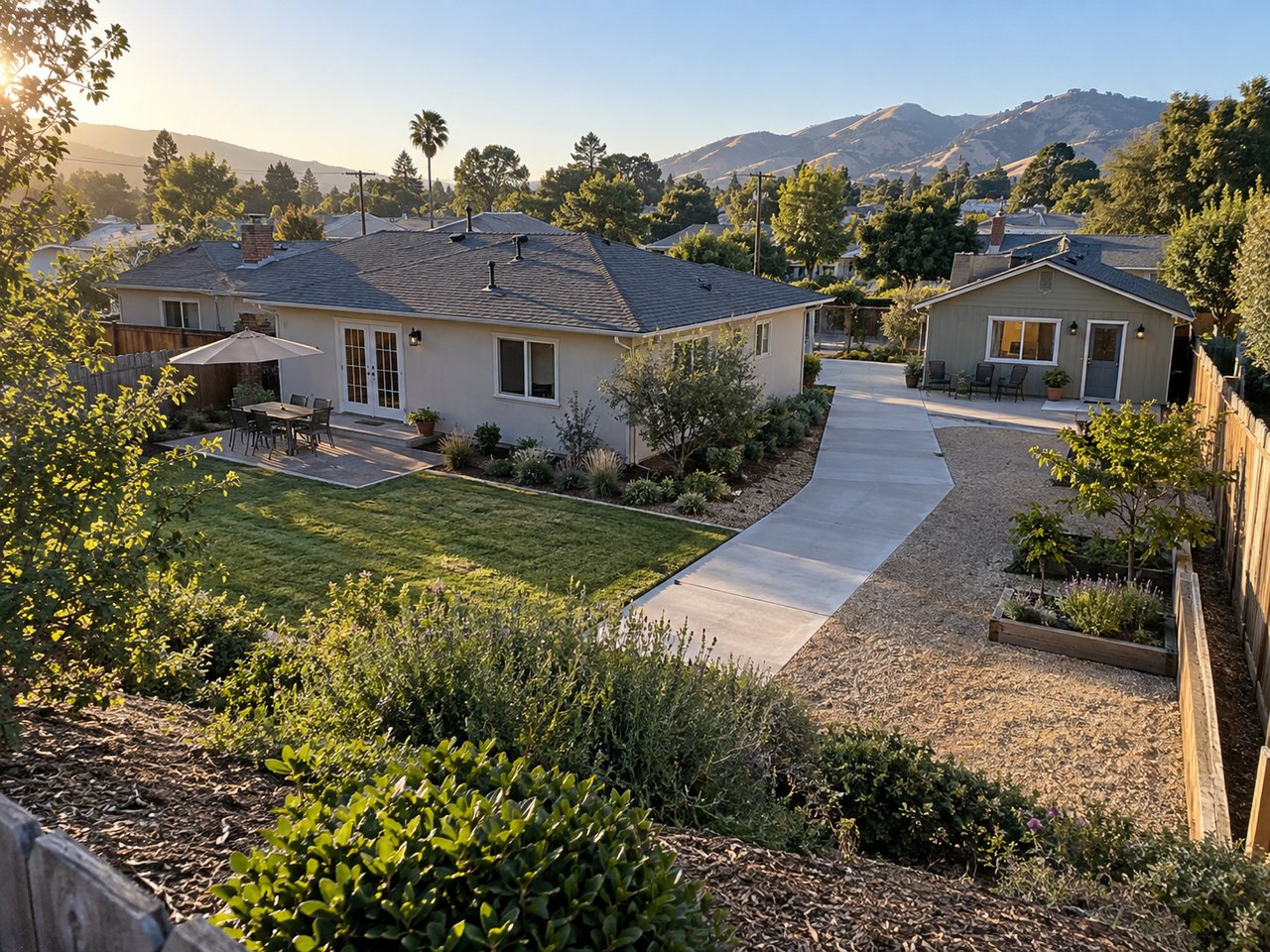
On the Central Coast, escrow protects buyers and sellers across many different property types and communities. A buyer purchasing a home in San Luis Obispo may need time to review inspections, disclosures, title, loan conditions, and insurance. A seller in Pismo Beach, Arroyo Grande, Morro Bay, Los Osos, Nipomo, Atascadero, Templeton, Paso Robles, Avila Beach, Cayucos, or Cambria needs confidence that the buyer is qualified, funds are handled correctly, timelines are followed, and closing only happens when the required steps are satisfied.
After more than 30 years in real estate, 2,130+ closed transactions, and over $1.81 billion in career sales volume, Joesef Jackson has seen how escrow creates order during one of the most detailed stages of buying or selling a home. Escrow does not remove every risk, but it gives both sides a structured process for verifying facts, meeting obligations, protecting funds, and moving toward closing with clarity.
Central Coast Neighborhood Video Tour ⬇️
Escrow Protects the Transaction by Creating a Neutral Process
Escrow protects buyers and sellers by placing the transaction inside a neutral framework. Once a purchase agreement is accepted, escrow helps manage the required steps between contract and closing. The escrow holder follows written instructions, coordinates key documents, handles funds according to the agreement, and helps ensure that closing conditions are satisfied before ownership transfers.
For buyers, this means their deposit and closing funds are not casually handed directly to the seller. Funds are managed through the escrow process and disbursed according to instructions. For sellers, escrow helps confirm that the buyer’s funds, documents, and lender requirements are moving toward completion before the deed is recorded.
👉 What Does Escrow Mean in California Real Estate? (Central Coast Buyer Explanation)
The California Department of Real Estate provides consumer information that helps buyers and sellers understand real estate licensing, consumer protection, and California transaction standards.
One expert insight Joesef often shares with clients is that escrow creates structure when emotions are high. Buyers may be worried about inspections, financing, title, or timing. Sellers may be concerned about whether the buyer will perform. Escrow helps keep the transaction organized around written obligations rather than assumptions.
Escrow Helps Both Sides Move Through the Closing Period
Escrow is where the accepted offer becomes a working transaction. The buyer, seller, agents, lender, escrow officer, title company, inspectors, insurance provider, and other parties may all have roles to play. Escrow helps coordinate the closing process so that important details are not left to memory or verbal agreement.
During escrow, the buyer may complete inspections, review disclosures, finalize financing, approve title information, secure insurance, and prepare closing funds. The seller may provide required disclosures, respond to agreed-upon requests, maintain the property as required, review closing documents, and prepare to transfer ownership.
👉 What Happens During Escrow on the Central Coast: A Seller and Buyer Overview
Escrow protects the buyer by giving time and process for due diligence. Escrow protects the seller by setting deadlines and expectations for the buyer’s performance. A well-managed escrow does not simply wait for closing day. It keeps the transaction moving through each required step.
From Joesef’s experience across thousands of transactions, many escrow problems begin when people treat the process as automatic. It is not automatic. Escrow works best when timelines are watched carefully, questions are answered early, and both sides understand what must happen before closing.
Escrow Protects Buyers Through Contingency Review
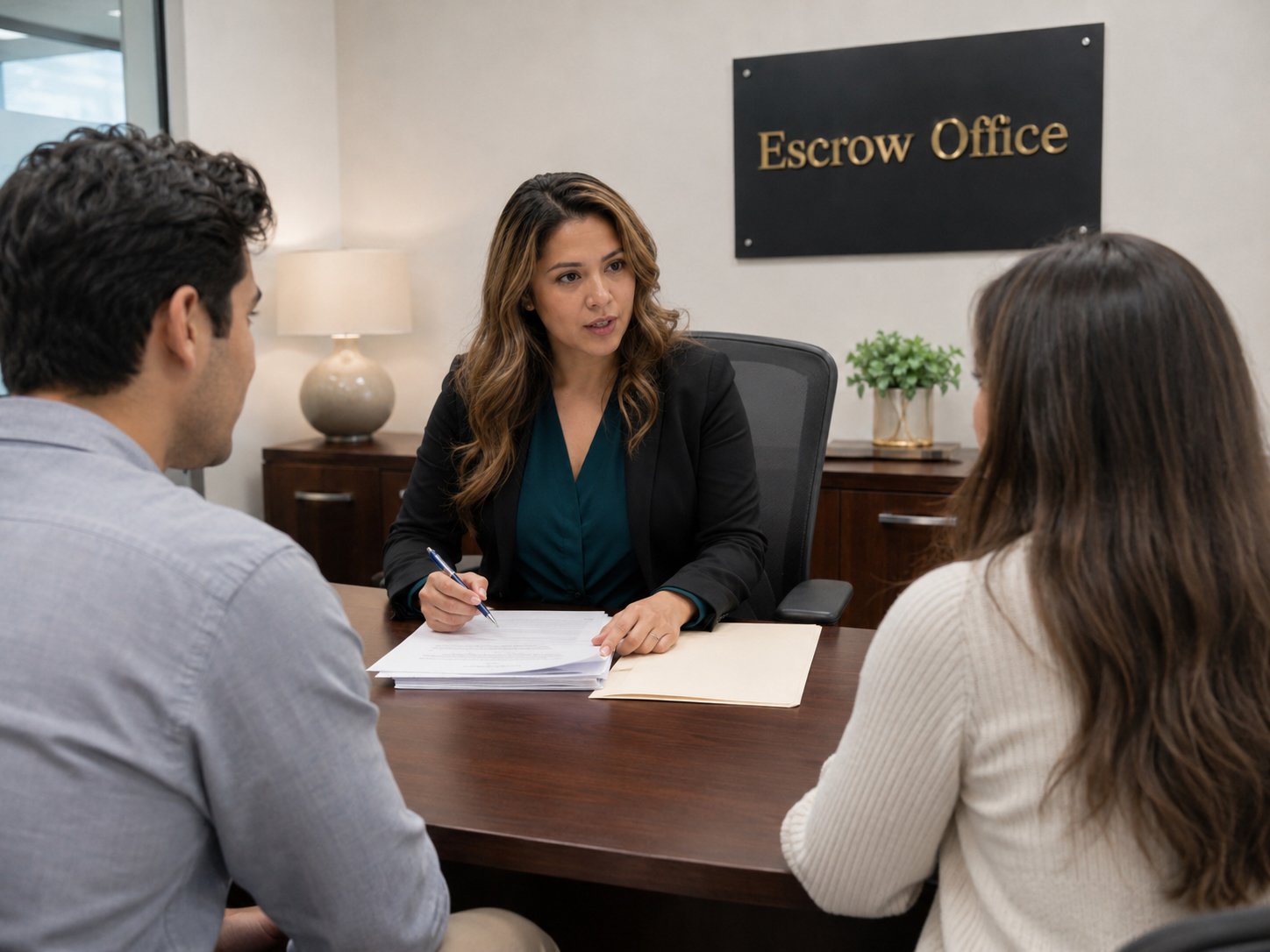
Contingencies are one of the clearest ways escrow protects buyers. A contingency gives the buyer a defined opportunity to investigate certain issues before fully committing to the purchase. Common areas may include inspections, appraisal, loan approval, disclosures, title review, insurance, and other contract-specific terms.
For buyers on the Central Coast, contingencies are especially important because properties can vary significantly. A coastal home in Morro Bay, Pismo Beach, Cayucos, or Cambria may raise different insurance, moisture, roof, drainage, or exterior maintenance questions than a property in Atascadero, Templeton, or Paso Robles. A San Luis Obispo home may require careful review of age, systems, neighborhood factors, and title details. A rural or semi-rural property may require additional attention to wells, septic, access, or land use.
👉 How Contingencies Protect Buyers on the Central Coast
The Consumer Financial Protection Bureau provides homebuying information that can help buyers understand mortgage and closing-related steps during the purchase process.
Escrow protects buyers because it gives them a structured period to ask questions, review documents, and decide whether the property still makes sense based on verified information. That protection only works when the buyer uses the time carefully.
Escrow Protects Earnest Money by Following the Contract
Earnest money is often one of the first protections buyers and sellers think about. A buyer’s earnest money deposit shows seriousness and is typically held through escrow according to the contract. It is not simply given to the seller at offer acceptance. Escrow helps ensure the deposit is handled under the written agreement.
For sellers, earnest money provides reassurance that the buyer has something at stake. For buyers, escrow helps protect the deposit from being released improperly. Whether earnest money is refundable or at risk depends on the contract, contingencies, deadlines, and the facts of the transaction.
👉 What Is Earnest Money When Buying a Home on the Central Coast?
This is one reason timelines matter. If a buyer has investigation rights, loan rights, or other protections, those deadlines should be understood and tracked. If a buyer removes contingencies and later fails to perform, the earnest money issue can become more serious. Escrow helps hold and manage the funds, but the purchase agreement controls the rights and obligations.
Joesef’s expert guidance to buyers and sellers is simple: do not treat earnest money casually. It is both a signal of commitment and a contract-controlled protection mechanism.
Escrow Protects the Transaction Process Itself
Escrow protects both sides by helping confirm that the required pieces of the transaction are completed before closing. The escrow process helps organize signed documents, title requirements, lender instructions, payoff demands, transfer documents, closing funds, recording instructions, and final settlement details.
👉 How Escrow Protects the Transaction Process
For buyers, this protection means ownership does not transfer until the closing requirements are satisfied. For sellers, it means the deed is not recorded without the proper closing structure in place. Escrow helps ensure that money and title move according to the agreed process, not by informal arrangement.
In San Luis Obispo County, this structure matters whether the property is a condo in San Luis Obispo, a coastal home in Avila Beach, a family home in Arroyo Grande, an investment property in Grover Beach, or a larger property near Paso Robles. Different properties may have different issues, but the escrow protection framework remains essential.
A natural-language answer for buyers asking how escrow protects them is this: escrow gives the buyer a controlled process to deposit funds, review the property, verify title, satisfy lender requirements, and close only when the required conditions are met. It helps prevent money and ownership from changing hands without the agreed steps being completed.
Escrow Protects Buyers and Sellers Between Contract and Closing

The period between contract and closing is where many important protections happen. An accepted offer is not the finish line. It is the start of a detailed process. Buyers must verify the property. Sellers must complete required obligations. Lenders must approve. Title must be reviewed. Escrow instructions must be followed. Funds must be prepared. Documents must be signed correctly.
👉 What Happens Between Contract and Closing
A natural-language answer for sellers asking how escrow protects them is this: escrow helps confirm that the buyer is moving through required milestones, deposits are handled properly, lender and title conditions are being addressed, and closing occurs through a documented process rather than an informal promise. It gives the seller a clearer path from accepted offer to completed sale.
From Joesef’s 30+ years of experience, the most successful escrows are proactive. Waiting until the last few days to solve title, loan, insurance, inspection, or document issues can create stress. Strong escrow management identifies concerns early.
Escrow Helps Organize Disclosures and Property Information
Disclosures are a major part of buyer protection. Sellers provide required information about the property, and buyers review those materials during the transaction. Escrow does not replace the buyer’s review, the agent’s guidance, or the seller’s disclosure obligations, but it helps keep the transaction moving through the required document process.
On the Central Coast, disclosures can be especially important because homes vary widely by location and age. A buyer in Los Osos may review different concerns than a buyer in Paso Robles. A coastal buyer may focus on moisture, roof life, exterior materials, or insurance. A buyer in San Luis Obispo may focus on prior improvements, systems, zoning, or neighborhood factors. A rural buyer may focus on septic, wells, access, or fire considerations.
Escrow protects both sides by creating a record-driven process. The buyer has an opportunity to review information. The seller has a process for delivering required materials. Both sides benefit when disclosure issues are handled clearly and early.
Escrow Helps Protect Against Title and Ownership Problems
Title review is another major protection. Buyers need confidence that the seller can transfer ownership and that title issues are identified before closing. Sellers need confidence that title requirements, payoff demands, and recording steps are handled properly.
Title issues may include liens, easements, unpaid loans, judgments, ownership discrepancies, legal descriptions, or other recorded matters. Not every title item is a problem, but buyers need the opportunity to review what affects the property.
Escrow and title coordination help protect the transaction by identifying requirements that must be satisfied before ownership transfers. A buyer should not discover after closing that a major issue was ignored. A seller should not assume that payoff and recording details will resolve themselves without proper handling.
Escrow Helps Manage Funds Safely
Real estate transactions involve significant money. Escrow helps manage the flow of funds so that deposits, loan proceeds, closing funds, seller proceeds, payoff amounts, and closing costs are handled according to written instructions.
For buyers, this reduces the risk of sending money improperly or releasing funds before the transaction is ready to close. For sellers, it helps ensure proceeds are distributed after closing conditions are met and the transfer is completed.
Wire fraud is also an important concern in real estate. Buyers and sellers should confirm wiring instructions directly with the escrow company through trusted contact information and never rely casually on email changes. Escrow protection is strongest when clients remain careful about communication, verification, and timing.
Escrow Helps Keep Timelines Clear
A real estate contract includes important deadlines. Inspection periods, contingency deadlines, loan milestones, appraisal timing, document review, signing appointments, funding, and recording all depend on timing. Escrow helps keep the transaction aligned with those requirements.
Timelines protect buyers by giving them defined periods to investigate and decide. Timelines protect sellers by preventing the transaction from staying open indefinitely without progress. When deadlines are missed or misunderstood, disputes can arise.
Joesef often helps clients understand that escrow is not just about the closing date. It is about every deadline between offer acceptance and closing. Good timeline management reduces stress and protects both sides.
Escrow Does Not Replace Professional Guidance
Escrow is neutral. That is important. The escrow holder helps follow instructions and manage the closing process, but escrow does not act as the buyer’s advocate or seller’s advocate. Buyers and sellers still need proper guidance from their real estate professional, lender, inspector, insurance provider, tax advisor, attorney if needed, and other appropriate experts.
A buyer should not assume escrow will decide whether the property is a good purchase. A seller should not assume escrow will determine the best negotiation strategy. Escrow protects the structure of the transaction, but strategic decisions still require representation and judgment.
This is where experienced local guidance matters. Joesef Jackson’s role is to help clients understand what is happening, what matters, what deadlines are approaching, and where risk may exist. Escrow organizes the process. Representation helps interpret it.
Escrow Protects Confidence at Closing
Closing is the result of many steps being completed correctly. Documents are signed. Funds are delivered. Loan conditions are satisfied. Title requirements are met. The deed is recorded. Ownership transfers. Seller proceeds are distributed.
Escrow protects confidence at closing because it creates a documented path to that result. Buyers know they are not simply hoping the seller performs. Sellers know they are not simply hoping the buyer performs. Both sides are working through a structured process with written instructions, deadlines, and closing requirements.
On the Central Coast, where properties can range from coastal cottages to downtown condos, luxury homes, rental properties, vineyards, rural acreage, and traditional neighborhoods, escrow provides consistency. The property may be unique, but the need for protection is the same.
A natural-language answer for anyone asking why escrow matters is this: escrow helps protect the transaction by making sure funds, documents, title, contingencies, deadlines, and closing requirements are handled through a neutral process before ownership changes hands.
FAQ
How does escrow protect buyers?
Escrow protects buyers by holding funds according to the contract, organizing documents, supporting contingency timelines, helping coordinate title review, and ensuring closing requirements are satisfied before ownership transfers.
How does escrow protect sellers?
Escrow protects sellers by helping confirm buyer performance, managing deposits and funds, coordinating signed documents, tracking closing requirements, and ensuring the sale closes through a structured process.
Does escrow hold the buyer’s earnest money?
Yes. Earnest money is typically deposited into escrow and handled according to the purchase agreement and escrow instructions.
Are contingencies part of escrow protection?
Yes. Contingencies give buyers defined opportunities to inspect, review, obtain financing, evaluate title, and make informed decisions before fully committing under the contract.
Does escrow decide who gets the earnest money if there is a dispute?
Escrow follows written instructions and applicable procedures. If there is a dispute, release of funds may require agreement between the parties or further legal process.
Why is title review important during escrow?
Title review helps identify recorded matters, liens, ownership issues, easements, or other title requirements before closing. This protects the buyer’s ownership and the seller’s ability to transfer title.
Can escrow prevent every real estate problem?
No. Escrow creates structure and safeguards, but it does not replace inspections, professional advice, loan review, insurance confirmation, legal guidance, or experienced representation.
Why does local experience matter during escrow?
Local experience helps buyers and sellers understand property-specific issues, timelines, disclosures, title concerns, insurance considerations, and transaction risks across San Luis Obispo County and the Central Coast.
If you are preparing to buy or sell real estate on the Central Coast and want personalized guidance, contact Joesef Jackson at SLO Life Realty Group.
This article intentionally connects to both published and future Central Coast real estate resources as part of a long-term geographic authority strategy. Some plain-text references may become active links as additional San Luis Obispo County and Central Coast content is published.