Distinctive properties rarely fit neatly into a standard real estate marketing formula. A home may include unusual architecture, significant acreage, multiple residences, equestrian facilities, a vineyard, a specialized workshop, historic character, exceptional privacy, an unconventional floor plan, or a combination of features that cannot be summarized effectively through bedrooms, bathrooms, and square footage alone.
That difference changes the marketing assignment.
The goal is not simply to make the property look impressive or distribute the listing as widely as possible. Effective marketing must determine what is genuinely important about the property, explain those distinctions in terms buyers can understand, and place the right information in front of people whose priorities align with what the property offers.
On the Central Coast, that can mean presenting a Cambria property differently from a Templeton estate, an architectural residence in San Luis Obispo differently from an Arroyo Grande acreage property, or a specialized coastal home in Avila Beach differently from a conventional neighborhood residence.
Distinctive real estate needs a marketing strategy built around the property itself.
Central Coast Neighborhood Video Tour ⬇️
Start With the Property's Most Important Difference
A distinctive property may contain many unusual features, but an effective marketing campaign still needs a central idea.
👉 How to Sell a Home With Unique Features on the Central Coast
The first question is not, "What can we mention?" It is, "What fundamentally separates this property from its alternatives?"
For one home, the answer may be privacy and acreage. For another, it may be architect-designed living spaces. A Paso Robles property could revolve around usable vineyard land and supporting structures, while a San Luis Obispo residence might derive its distinction from rare architecture in a highly convenient location.
Trying to give every feature equal weight can weaken the message.
After more than 30 years representing Central Coast real estate, Joesef Jackson has seen distinctive homes attract stronger attention when buyers can quickly understand the property's defining advantage rather than sorting through an unfocused list of amenities.
Exposure Should Follow the Marketing Story
More exposure is not automatically more effective exposure.
👉 How to Maximize Exposure When Selling in San Luis Obispo County
A distinctive property should still receive broad foundational distribution, but the marketing strategy needs to consider where its most relevant buyers are likely to encounter it and what information those buyers will require.
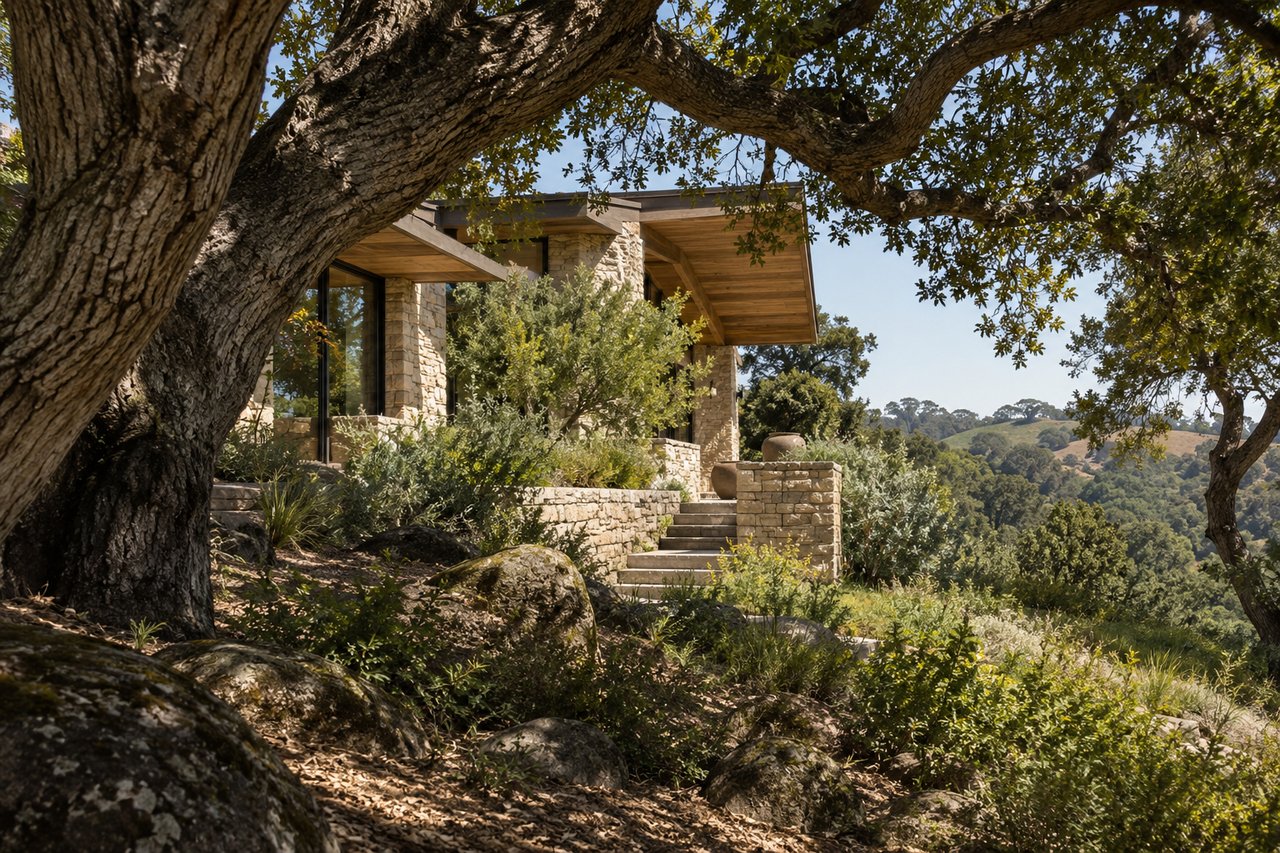
A horse property may warrant emphasis on usable acreage, facilities, access, and supporting infrastructure. A design-oriented residence may benefit from photography and descriptions that communicate architecture, materials, proportions, and site integration. A property with a substantial detached studio may appeal differently depending on whether the space functions naturally for creative work, private office use, guests, or another permitted purpose.
The distribution channels remain important, but the message carried through those channels determines whether attention becomes meaningful interest.
Standing Out Requires More Than Looking Different
Distinctive properties naturally attract visual attention, but curiosity alone is not the objective.
👉 What Makes a Listing Stand Out on the Central Coast
The marketing should communicate why a difference has value.
An unusual roofline, detached building, large parcel, dramatic retaining structure, converted space, or nontraditional room arrangement may attract attention online. Buyers still need context.
Why was it designed that way? How does the feature function? What does it add to everyday use? Is it permitted for its represented purpose? Does the design respond to topography, views, privacy, climate, or another site condition?
A memorable listing becomes more effective when the property's unusual characteristics are understandable rather than merely noticeable.
The strongest presentation converts visual distinction into useful information.
Presentation Should Explain the Property Without Overproducing It
Distinctive homes can suffer from marketing that becomes too theatrical.
👉 How to Improve Home's Listing Presentation on the Central Coast
Photography, video, copy, floor plans, maps, and supporting materials should make the property easier to understand rather than exaggerating its uniqueness.
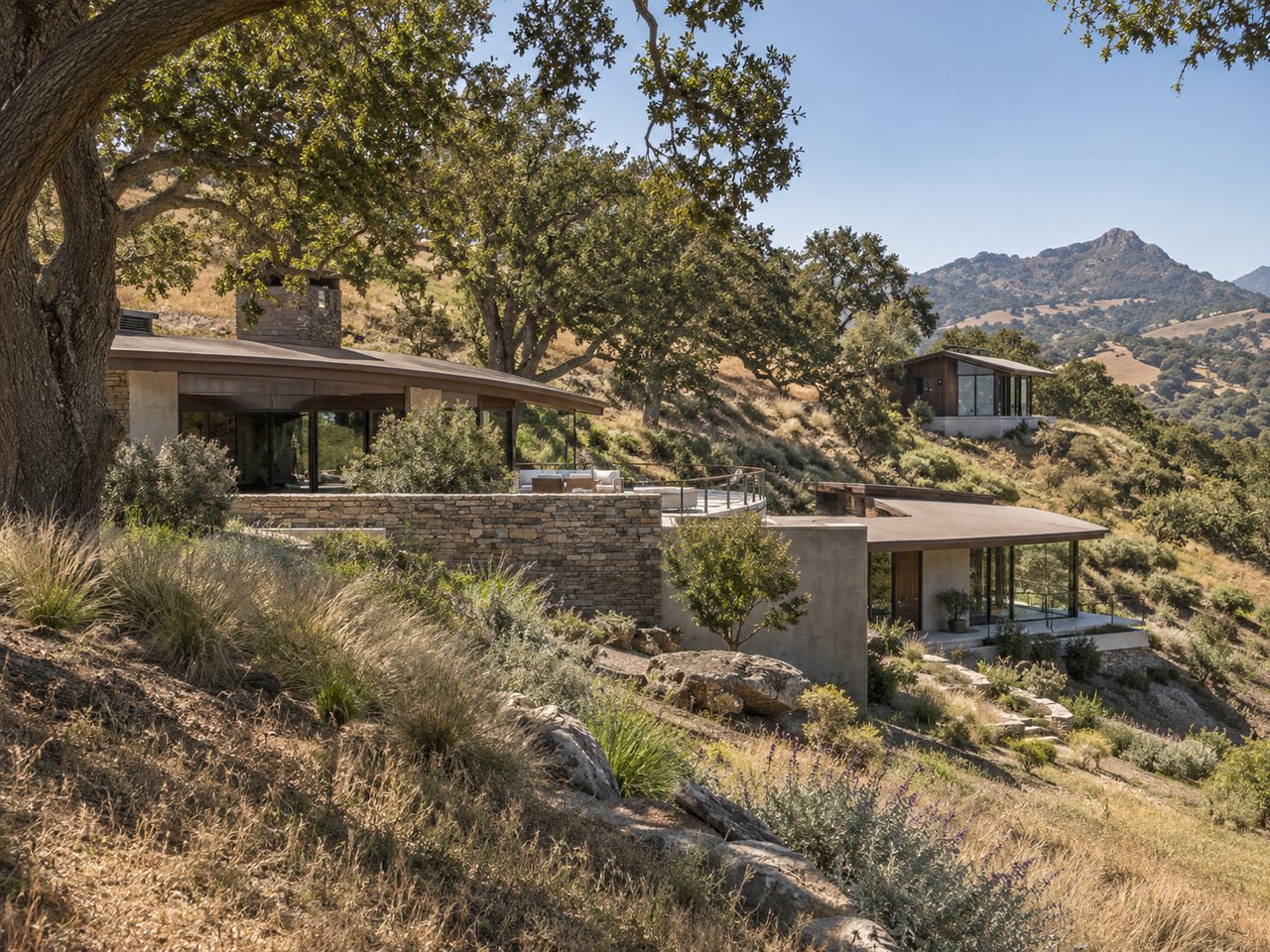
For a multi-structure property, buyers may need to see the relationship among the main residence, guest quarters, garage, studio, and outdoor areas. For a hillside property, the sequence of levels and access points may be more important than another photograph of a beautiful living room.
Presentation should answer practical questions visually whenever possible.
The objective is to reduce interpretation. Buyers should be able to recognize how the property is organized, where its strongest features are located, and why those features matter.
Distinctive Value Comes From the Combination Buyers Cannot Easily Reproduce

A seller may know that a property is unusual without knowing which of those differences contribute meaningfully to market appeal.
👉 What Sellers Should Know About Unique Property Value in San Luis Obispo County
Some differences are valuable because they are scarce.
Others are simply unconventional.
A mature oak setting, usable five-acre parcel near town, protected ocean orientation, legal guest residence, exceptional workshop, historic architectural detail, or unusually private site can create a compelling combination when buyers cannot readily find substitutes.
By contrast, an expensive improvement with limited relevance to the likely buyer may not carry the same marketing weight.
The marketing strategy should therefore distinguish between features that are merely uncommon and characteristics that make the property genuinely difficult to replace.
The Likely Buyer Should Shape the Message
A distinctive property usually does not need to appeal equally to every buyer.
👉 How to Market a Home With a Specific Buyer Pool on the Central Coast
That does not mean narrowing marketing according to protected personal characteristics. It means recognizing the property interests, uses, and priorities that naturally correspond with what is being offered.
A buyer searching for substantial garage space may respond differently from someone prioritizing a guest residence. A buyer interested in acreage may focus immediately on terrain, access, water, fencing, and land use. Someone considering a coastal architectural home may prioritize privacy, orientation, construction quality, and the relationship between indoor and outdoor areas.
Federal fair housing requirements remain fundamental to real estate advertising and marketing.
Property marketing should describe the real estate and its relevant attributes, not make assumptions about who should live there.
Unfamiliar Features Need More Explanation Than Familiar Ones
Conventional features rarely require much interpretation.
Buyers already understand a three-car garage, fireplace, walk-in pantry, or covered patio.
Distinctive features can require more context.
A detached structure may need an explanation of its permitted use. A historic component may require background on preservation or modifications. A private road, shared access arrangement, unusual parcel configuration, or specialized utility system may deserve straightforward factual treatment.
Marketing should not force buyers to guess what they are looking at.
The more unusual the feature, the more valuable accurate context becomes.
That context can appear through photographs, captions within permitted marketing platforms, listing descriptions, floor plans, site plans, video sequencing, and supplemental property information.
The Order of Information Changes How Buyers Understand the Property
Distinctive property marketing benefits from deliberate sequencing.
A buyer should encounter the defining feature early.
Secondary details can follow once the main story is established.
If an Arroyo Grande estate's strongest attribute is a private setting with a main residence and separate guest accommodations, marketing should establish that relationship before presenting decorative interior details.
If a Cayucos home is defined by unusual site orientation and protected coastal views, those characteristics should not be buried beneath generic descriptions of countertops and appliances.
The order communicates importance.
A well-structured listing allows the buyer to understand the property's broad significance first and then move naturally into supporting details.
Specialized Spaces Should Be Shown in a Way That Explains Their Use

A specialized feature can lose impact when it is photographed without context.
A large workshop photographed as an empty rectangle may appear unremarkable. A studio without a sense of ceiling height, light, access, or separation from the residence may be difficult to interpret.
The marketing should reveal scale and function without staging a fictional use.
This is particularly important with detached offices, barns, workshops, collector garages, wine-production spaces, recreation rooms, or unusual guest facilities.
Buyers evaluating these properties frequently want to know not only that a space exists, but how it relates to the rest of the site.
Location Context Can Make an Unusual Property Easier to Understand
Distinctive properties often need more geographic context than conventional neighborhood homes.
A Templeton acreage property may be relatively close to town despite appearing rural in photographs. A Cambria residence may occupy an unusual wooded setting while remaining only minutes from village services. A San Luis Obispo property may combine architectural privacy with immediate access to established neighborhoods and downtown.
Location information should explain how the property's unusual setting functions.
That can include road access, proximity, parcel configuration, surrounding land patterns, public services, or jurisdictional considerations when relevant.
San Luis Obispo County Planning & Building provides public information regarding land use, planning, permitting, and development within county jurisdiction.
Distinctive marketing becomes stronger when unusual property characteristics are accompanied by accurate geographic and land-use context.
Marketing Claims Need Particularly Strong Factual Discipline
The more unusual the property, the easier it can be to overstate what a feature represents.
A room may resemble a bedroom without meeting requirements for that use. A detached structure may appear suitable as a residence without being permitted as one. Land may look developable without establishing development rights. A view may appear protected without evidence that it cannot change.
Distinctive marketing should be specific without making unsupported promises.
Accurate terminology matters.
The marketing can still be compelling while distinguishing between existing facts, seller-reported information, public records, and matters that buyers should independently investigate.
With more than 2,130 closed transactions, Joesef has found that sophisticated buyers tend to engage more seriously when unusual property features are described precisely rather than embellished.
Photography Should Reveal Relationships, Not Just Beautiful Details
Standard listing photography commonly progresses room by room.
That may be inadequate for a distinctive property.
The buyer may need photographs that reveal how the living room opens toward a protected courtyard, how a secondary residence is positioned relative to the main house, how a barn connects to usable land, or how the approach establishes privacy before the home becomes visible.
Wide compositions, carefully selected detail images, elevation changes, exterior-to-interior perspectives, and site-oriented views can communicate relationships that individual room photographs cannot.
The purpose is not to create more images.
It is to select images that answer questions specific to the property.
Marketing Materials Should Work Together Rather Than Repeat One Another
A distinctive property's listing description, photography, video, floor plan, site plan, and supporting materials should each perform a different job.
The description can establish the property's central story.
Photography can communicate quality and physical relationships.
Video can reveal movement through the property.
A floor plan can explain unusual interior organization.
A site plan can be especially valuable when acreage, multiple structures, access points, or outdoor improvements are central to the offering.
Repeating the same information across every format wastes an opportunity.
A stronger marketing package allows each medium to contribute something new while maintaining the same overall positioning.
Strong Marketing Separates Relevant Distinction From Noise
Not every unusual element deserves promotion.
Sellers sometimes become attached to features because they invested significant time or money in them. Buyers may rank those same features differently.
A distinctive property's marketing strategy should prioritize the elements most likely to influence the buying decision.
That may mean giving less attention to an expensive decorative upgrade while emphasizing an exceptional parcel configuration, private guest residence, rare garage arrangement, established vineyard, architectural pedigree, or remarkable site orientation.
The marketing becomes more persuasive when it is selective.
Distinctiveness should be edited into a coherent story rather than presented as a catalog of everything that is different.
Qualified Engagement Matters More Than Raw Attention
Distinctive listings can generate substantial online curiosity.
That does not necessarily mean the marketing is reaching the right audience.
A dramatic property may receive high views because people find it interesting, while serious buyer activity remains limited.
More meaningful indicators can include repeated viewing by qualified prospects, detailed property inquiries, requests for supplemental information, showing activity from buyers with relevant priorities, and interest in the features central to the property's positioning.
Joesef's career sales volume of more than $1.81 billion has provided exposure to properties with very different buyer pools. One consistent lesson is that the quality of engagement matters more than producing attention that never advances beyond curiosity.
Distinctive Property Marketing Should Make the Difference Easy to Value
The strongest marketing does not simply announce that a property is unique.
It demonstrates why its differences matter.
A distinctive San Luis Obispo County property may require a buyer to understand an unusual site, specialized structure, rare location, architectural approach, land configuration, or combination of attributes that conventional marketing would not fully explain.
Effective marketing identifies the defining story, gives the most relevant features priority, selects presentation methods that reveal how the property functions, and directs attention toward the buyers whose real estate priorities match those attributes.
The objective is not to make an unusual home appear conventional.
It is to make the property's distinction understandable, credible, and relevant.
Frequently Asked Questions
What makes a property distinctive in San Luis Obispo County?
A property may be distinctive because of architecture, acreage, multiple structures, location, privacy, historic character, unusual land use, specialized facilities, views, or a rare combination of characteristics.
Does a distinctive property need different marketing from a conventional home?
Often, yes. Unusual properties may require more explanation, different photography, site-oriented materials, and greater emphasis on the features that separate them from conventional alternatives.
Should every unusual feature be emphasized in the listing?
No. Marketing should prioritize features that meaningfully affect buyer interest, use, scarcity, or the property's overall position rather than giving every unusual characteristic equal attention.
How do you market a property to a specific buyer pool?
The strategy should focus on property-related interests and uses associated with the real estate while complying fully with fair housing requirements. Marketing should never target or exclude people based on protected characteristics.
Are floor plans useful for unusual homes?
They can be especially valuable when room relationships, multiple levels, additions, guest areas, or unconventional layouts are difficult to understand from photographs alone.
Should distinctive properties use more photography?
Not necessarily. Better-selected photographs are more important than simply producing more images. Each photograph should communicate something relevant about the property.
How should multiple buildings on one property be marketed?
Buyers should be shown how the structures relate physically and functionally through site-oriented photography, mapping or site plans when appropriate, and accurate descriptions of each building.
Can unusual features make a property harder to market?
They can when buyers do not understand their purpose or when the likely audience is relatively narrow. Focused positioning can make the property's strongest distinctions easier for relevant buyers to recognize.
If you are preparing to buy or sell real estate on the Central Coast and want personalized guidance, contact Joesef Jackson at SLO Life Realty Group.