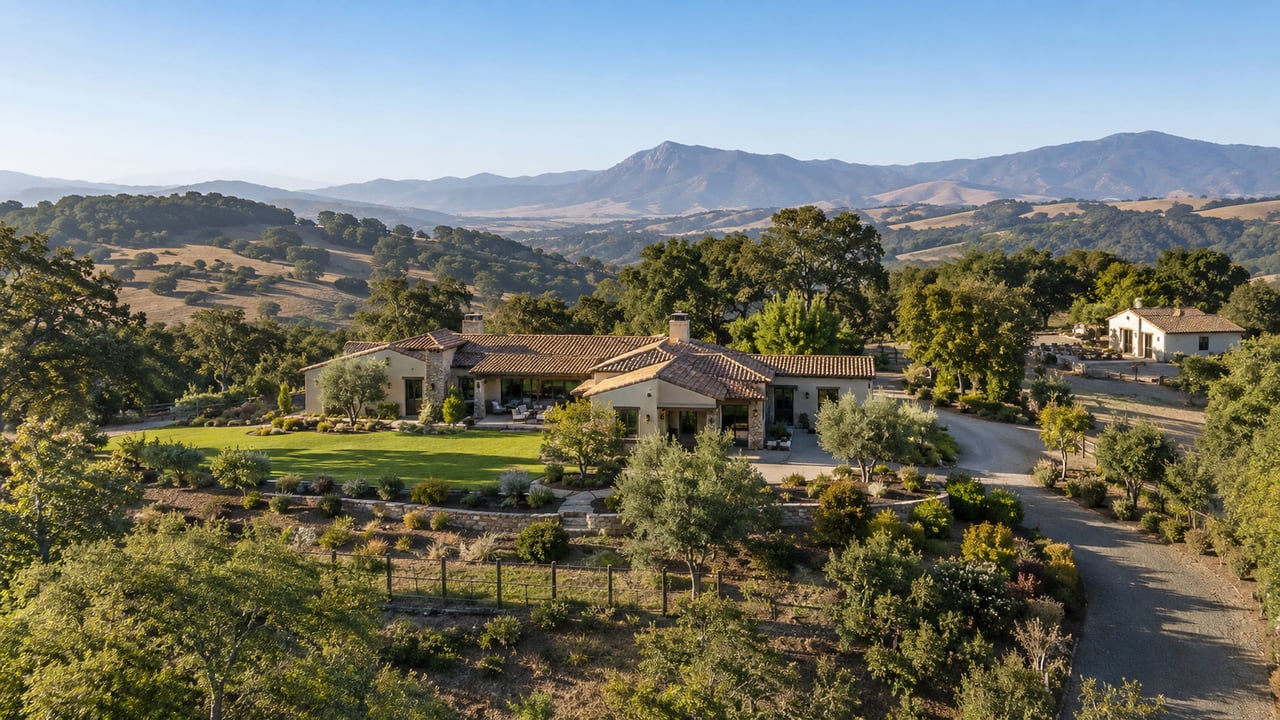
Estate-style homes are evaluated differently from conventional residences because value is distributed across more than the primary house. The residence still matters, but so do usable land, privacy, access, secondary structures, outdoor living, views, infrastructure, and the way those elements function together. A larger home on acreage is not automatically an estate-style property. The distinction usually comes from how completely the property operates as a private, integrated setting.
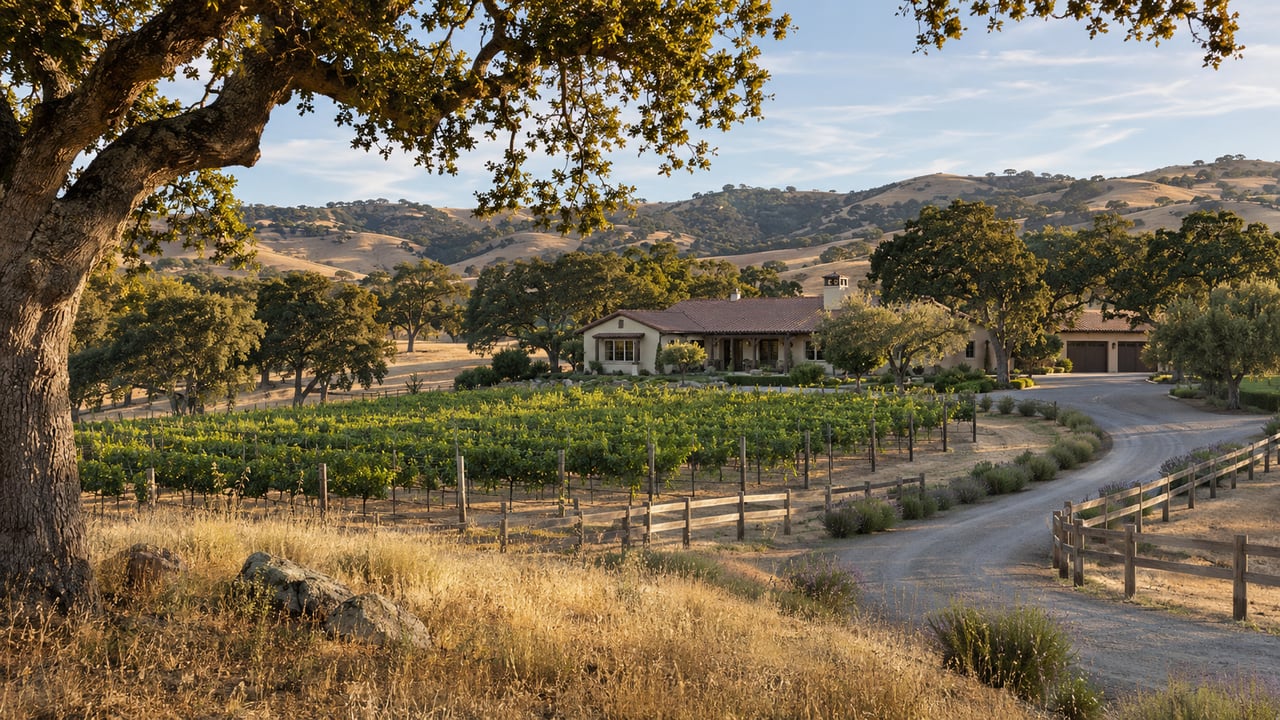
That matters on the Central Coast because estate-style properties can vary dramatically even within the same price range. A Paso Robles property may combine vineyards, equestrian improvements, guest accommodations, and extensive utility infrastructure. An Edna Valley estate may derive much of its appeal from the relationship between the residence, agricultural setting, views, and protected outdoor areas. In Arroyo Grande or Templeton, usable acreage, access, barns, workshops, and privacy may matter as much as interior square footage.
The strongest evaluation therefore asks how each component contributes to the whole property and whether those components create value buyers can recognize and compare. Comparable sales remain important, but two estates with similar living area and acreage may function very differently. One may offer better separation between structures, more usable land, stronger privacy, easier access, or improvements that would be difficult to reproduce. Estate evaluation requires understanding both the individual pieces and the combined experience they create.
Central Coast Neighborhood Video Tour ⬇️
Estate Marketability Begins With How the Whole Property Functions
👉 What Makes a Luxury Home More Marketable in San Luis Obispo County
An estate-style property is more marketable when buyers can understand how the residence, land, secondary structures, outdoor spaces, and access work together. Size alone does not establish that relationship.
A 5,000-square-foot home on several acres may feel fragmented if the land is difficult to use, the guest house is poorly connected, or service areas interrupt the primary living environment. A smaller estate can feel more complete when the residence, privacy, parking, guest accommodations, and landscape are organized coherently.
Estate evaluation therefore begins with function: arrival, guest use, outdoor connections, and separation between private and service areas. A Templeton estate with a main residence, guest house, barn, and usable pasture may appeal more strongly when those components feel intentionally related.
High-Value Features Need to Be Evaluated in Context
👉 How to Present High-Value Features on the Central Coast
Estate properties often contain expensive features that are not equally valuable to every buyer.
A wine room, pool complex, equestrian facility, detached office, workshop, guest residence, outdoor kitchen, or elaborate landscape can contribute meaningfully when it fits the likely buyer and the rest of the property. Cost alone does not establish market value.
The Appraisal Institute guidance on how appraisers consider property features and valuation approaches explains that appraisers consider unique characteristics such as amenities, condition, upgrades, car storage, interior features, and exterior features.
For estate-style homes, the practical question is whether the feature strengthens the property's overall function and desirability. A detached guest house with good separation may add privacy and flexibility. The same structure may contribute less if access is awkward or it disrupts the primary outdoor environment.
Luxury Buyers Evaluate Integration, Not Just Individual Amenities
👉 What Sellers Should Know About Luxury Buyer Expectations in San Luis Obispo County
Luxury buyers often evaluate whether an estate feels resolved.
That judgment goes beyond finish quality. Buyers may look at arrival, guest parking, outdoor connections, and whether secondary structures support rather than disrupt the property.
A Paso Robles estate may offer impressive vineyard acreage but feel less cohesive if equipment access crosses the primary arrival sequence. An Edna Valley property may feel more refined when agricultural use, guest areas, and the main residence remain functionally distinct.
Estate-style evaluation rewards thoughtful relationships between components, especially when site planning, mature landscaping, privacy, and structural placement would be difficult to reproduce.
Local Demand Determines Which Estate Characteristics Carry the Most Weight
👉 How Local Demand Shapes Luxury Real Estate in San Luis Obispo County
Estate value depends partly on which characteristics local and incoming buyers are actively seeking.
A wine-country buyer may place substantial value on vineyard setting, usable acreage, privacy, and entertaining areas around Paso Robles. A buyer near San Luis Obispo may assign more value to proximity, privacy, views, and scarcity because large estate parcels closer to town are harder to find. In Avila Beach, privacy, coastal setting, access, and protected views create a different value profile.
The same feature can carry different significance depending on location and buyer pool. A workshop may be central to one inland estate and far less important to a coastal buyer seeking low-maintenance ownership.
Estate evaluation requires identifying which characteristics create effective demand, not merely which improvements cost the most.
Private Estate Value Depends on More Than Seclusion
👉 How to Sell a Private Estate in San Luis Obispo County
Privacy is valuable when it improves the way the property functions without creating unnecessary inconvenience.
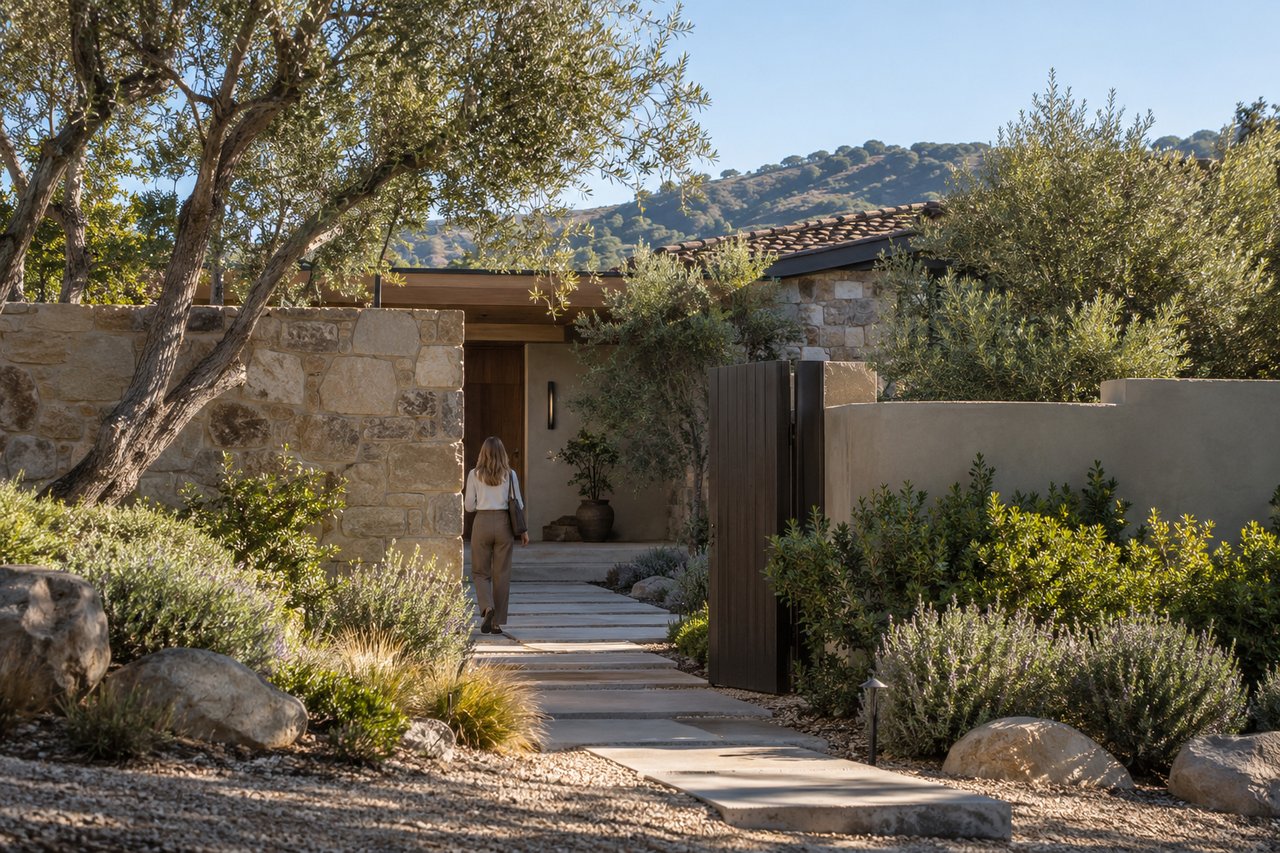
A long driveway, gated entry, mature screening, topography, distance from neighbors, and thoughtful building placement can create meaningful separation. But isolation alone does not guarantee stronger value.
Buyers still evaluate road access, emergency access, utilities, maintenance requirements, and travel time to daily services. A private Arroyo Grande hillside property may feel exceptional when access is straightforward and the setting is protected.
Privacy should therefore be evaluated as part of usability. The strongest private properties combine separation with convenient circulation, reliable infrastructure, and a clear relationship between the home and surrounding land.
Irreplaceability Comes From the Combination of Scarce Characteristics
👉 What Makes a High-End Home Feel Irreplaceable on the Central Coast
An estate becomes difficult to replace when several scarce characteristics occur together.
The combination may include location, usable acreage, mature trees, protected views, architecture, privacy, guest accommodations, established landscaping, water infrastructure, workshops, or barns. Each feature may exist elsewhere individually, but the full combination may be uncommon.
Two estates may have similar square footage and acreage while differing sharply in site quality, privacy, secondary structures, orientation, and replacement difficulty. A San Luis Obispo estate close to town with privacy and usable land may have few substitutes.
Irreplaceability does not mean value is unlimited. It means scarcity must be analyzed instead of ignored.
Usable Land Matters More Than Acreage Alone
Acreage should be evaluated by function, not simply by parcel size.
Slope, access, drainage, soil conditions, utility placement, vegetation, easements, and usable flat areas all affect how buyers experience the land. Ten acres of difficult terrain may offer less practical utility than a smaller parcel with broad usable areas and logical access.
In Templeton or Paso Robles, buyers may distinguish sharply between land that supports horses, vines, equipment, recreation, or additional outdoor uses and land that primarily provides visual separation. An Arroyo Grande estate with a smaller but highly usable parcel may compete favorably against a larger property where steep terrain limits everyday use.
Estate evaluation should therefore separate nominal acreage from functional acreage. Buyers are paying for what the land allows them to do, how it contributes to privacy and setting, and how well it supports the rest of the property.
Secondary Structures Need Independent Evaluation
Guest houses, barns, workshops, garages, studios, equipment buildings, and other structures should not be treated as a single package.
Each structure should be considered for condition, quality, legal status when relevant, access, utility, placement, and relationship to the main residence.
A guest house near the primary outdoor entertaining area may offer convenience but less privacy. A detached guest residence farther away may better support extended stays. A workshop with excellent vehicle access may add substantial functional value even if it contributes little to the property's visual presentation.
The Appraisal Foundation overview of real property appraisal and complex-property credentialing recognizes that appraisal work can involve complex and high-value real property. For estate properties, secondary improvements deserve property-specific analysis rather than an assumption that more structures automatically mean more value.
Infrastructure Can Quietly Influence Estate Value
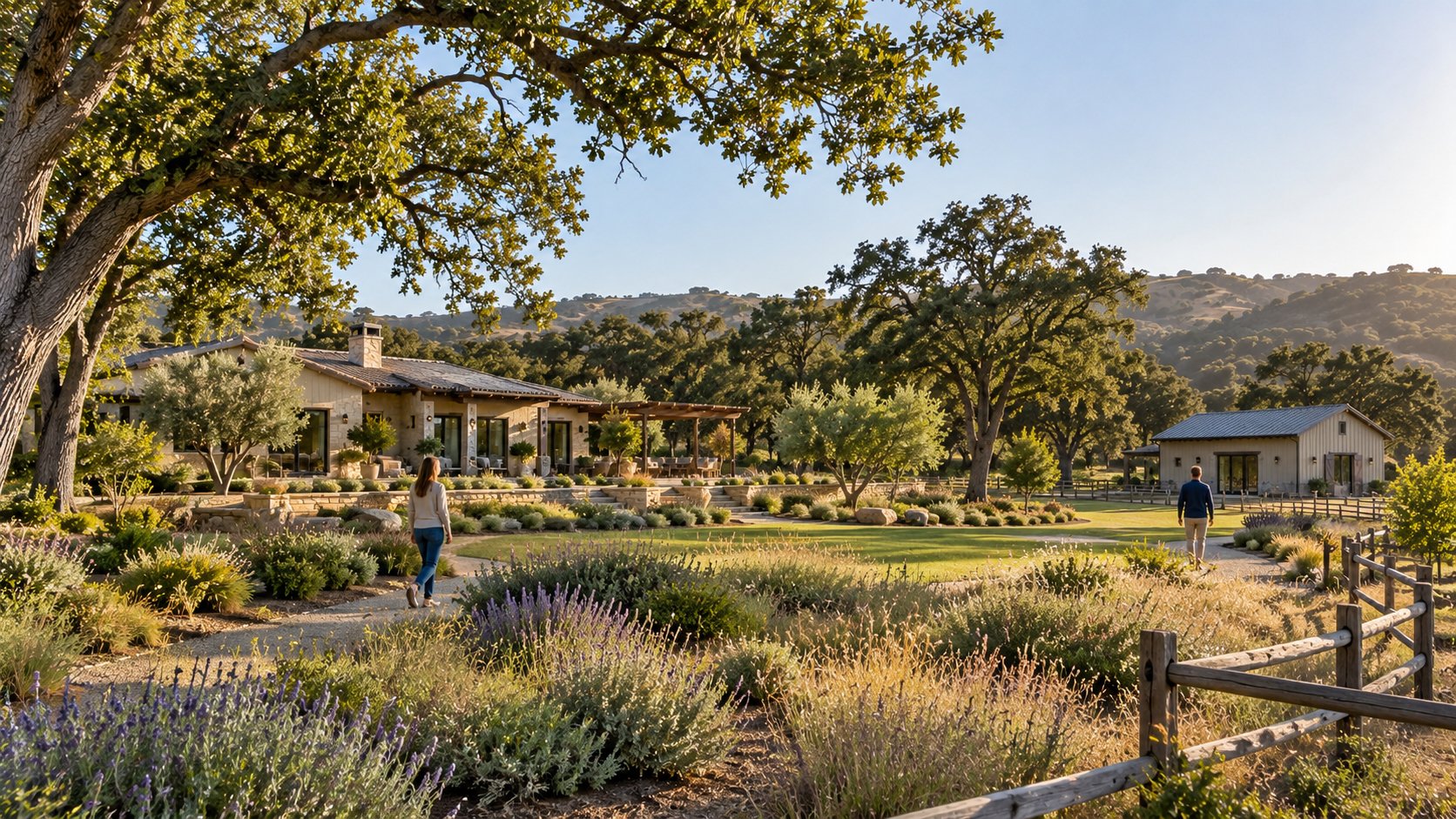
Estate-style properties often depend on infrastructure buyers may not notice immediately.
Private wells, septic systems, irrigation, drainage, electrical capacity, generators, solar systems, propane, gates, internal roads, retaining systems, and agricultural improvements can materially affect ownership.
These systems support the estate's functionality but also create maintenance obligations and replacement exposure. An Edna Valley property with agricultural use may depend heavily on water delivery and irrigation design, while a rural Paso Robles estate may require careful review of well production, septic capacity, and service access.
Infrastructure is not background detail. It helps determine how reliably the property can operate.
Comparable Sales Establish a Framework, Not a Perfect Match
Estate-style homes often require more interpretation because direct comparable sales may be limited.
The sales comparison approach still matters, but the analysis must recognize differences in land utility, site quality, privacy, secondary improvements, condition, views, location, and market appeal.
This is where simplistic price-per-square-foot analysis becomes especially weak. Estate value may exist outside the primary residence, while expensive improvements do not automatically deserve dollar-for-dollar recognition.
The useful question is which sales provide the strongest evidence for the components buyers are actually comparing.
Estate Evaluation Should End With the Whole-Property Question
The final evaluation should ask whether the estate creates a combination of function, scarcity, and setting that buyers can recognize and support.
Evaluate the residence, usable land, privacy, access, guest facilities, secondary structures, outdoor living, infrastructure, condition, and replacement difficulty separately. Then determine whether those elements reinforce one another or merely coexist.
After more than 30 years representing buyers and sellers on the Central Coast, Joesef Jackson has seen why estate properties resist one-dimensional comparisons. The meaningful differences often lie in relationships basic statistics do not show: land usability, privacy, secondary-structure function, and replacement difficulty.
For owners considering luxury real estate representation in San Luis Obispo County, the strongest evaluation is neither an amenity checklist nor a comparison to the largest nearby sale. It is a disciplined assessment of how the entire estate functions and which characteristics are genuinely scarce.
Frequently Asked Questions
What qualifies as an estate-style home on the Central Coast?
There is no single acreage or square-foot threshold. Estate-style properties generally combine a substantial residence with land, privacy, secondary improvements, outdoor areas, or other site characteristics that make the whole property more important than the house alone.
Is more acreage always more valuable for an estate property?
No. Usability, access, topography, infrastructure, privacy, and practical uses can matter more than total acreage.
How are guest houses considered when evaluating an estate?
Guest houses are evaluated according to condition, quality, privacy, access, relationship to the main residence, and how strongly the additional space appeals to likely buyers.
Do barns and workshops add value to estate-style homes?
They can, particularly when they are functional, well located, in good condition, and relevant to the property's likely buyer pool. Their contribution depends on market demand rather than construction cost alone.
Why are estate-style homes harder to compare?
Estate properties often combine unique land characteristics, privacy, views, secondary structures, and improvements. Few sales match all of those elements closely, so evaluation requires more interpretation.
Does replacement cost determine estate value?
No. Replacement difficulty and construction cost can inform analysis, but market value also depends on buyer demand, location, utility, condition, scarcity, and comparable market evidence.
How important is privacy when evaluating an estate?
Privacy can be highly important when it results from land, topography, landscaping, access, or building placement without creating excessive inconvenience or ownership burden.
Should estate sellers rely on price per square foot?
Price per square foot can provide limited context, but it is rarely sufficient for estate-style properties because substantial value may exist in land, privacy, secondary structures, infrastructure, and site quality.
If you are preparing to buy or sell real estate on the Central Coast and want personalized guidance, contact Joesef Jackson at SLO Life Realty Group.