When buying a home on the Central Coast, one of the first financial steps after an offer is accepted is the earnest money deposit. For many buyers in San Luis Obispo County, this is one of the most important — and sometimes misunderstood — parts of the transaction process.
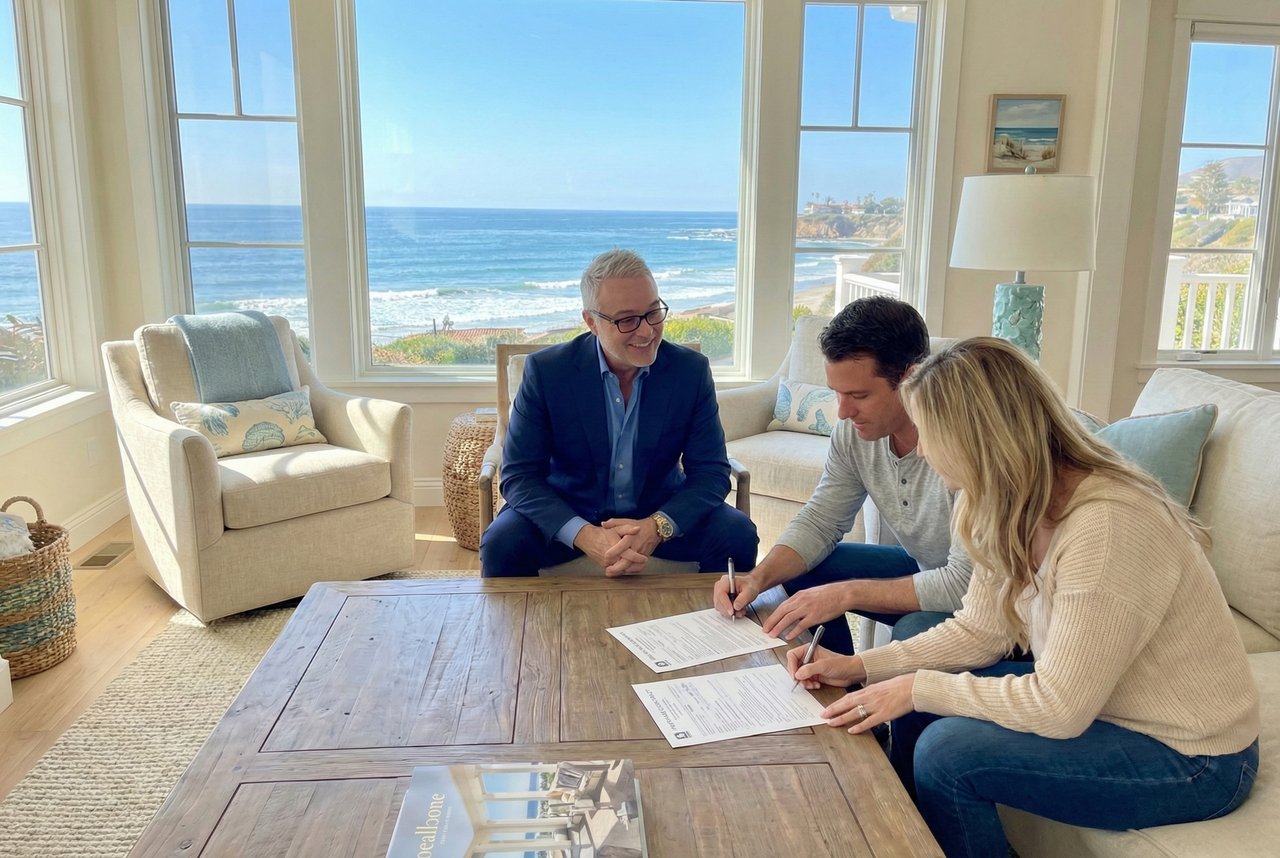
Earnest money is a deposit made by the buyer to show serious intent to move forward with the purchase. It plays a key role in building trust between buyer and seller and helps secure the transaction as it moves into escrow.
In many Central Coast transactions, buyers often ask how much earnest money is required, when it is due, and what happens to it if the deal changes. Understanding how this works can help you move forward with confidence and avoid unnecessary risk.
What Is Earnest Money and Why Does It Matter?
Earnest money is typically a percentage of the purchase price that a buyer deposits into escrow shortly after an offer is accepted. This deposit demonstrates that the buyer is acting in good faith and intends to complete the purchase.
On the Central Coast, earnest money helps:
- show commitment to the seller
- strengthen the offer in competitive situations
- secure the transaction during escrow
In San Luis Obispo County, what often stands out is that sellers pay close attention not just to the offer price, but also to the strength of the terms — including the earnest money deposit.
👉 Understanding Offers, Counteroffers, and Negotiation When Selling on the Central Coast
👉 How Multiple Offers Work on the Central Coast (From a Seller’s Perspective)
Because of this, earnest money can influence how competitive your offer appears.
How Much Earnest Money Is Typical?
There is no fixed amount required, but earnest money deposits often range from 1% to 3% of the purchase price depending on market conditions and the strength of the offer.
Factors that can influence the amount include:
- level of competition in the market
- purchase price of the home
- buyer’s financial profile
- negotiation strategy
In more competitive areas like San Luis Obispo or coastal communities such as Pismo Beach and Avila Beach, higher deposits can sometimes make offers more attractive.
👉 How Much Should You Offer on a House in San Luis Obispo County?
👉 How to Compete in a Competitive Market in San Luis Obispo County
Choosing the right amount is part of a broader strategy that balances competitiveness with financial protection.
When Is Earnest Money Paid?
Earnest money is usually deposited within a few days after the offer is accepted, once the contract is fully executed.
The funds are held in an escrow account managed by a neutral third party, such as an escrow company.
👉 What Happens During Escrow on the Central Coast: A Seller and Buyer Overview
👉 What Happens After Your Offer Is Accepted on the Central Coast
The escrow holder ensures that the funds are handled properly and applied according to the terms of the agreement.
What Happens to Earnest Money During Escrow?
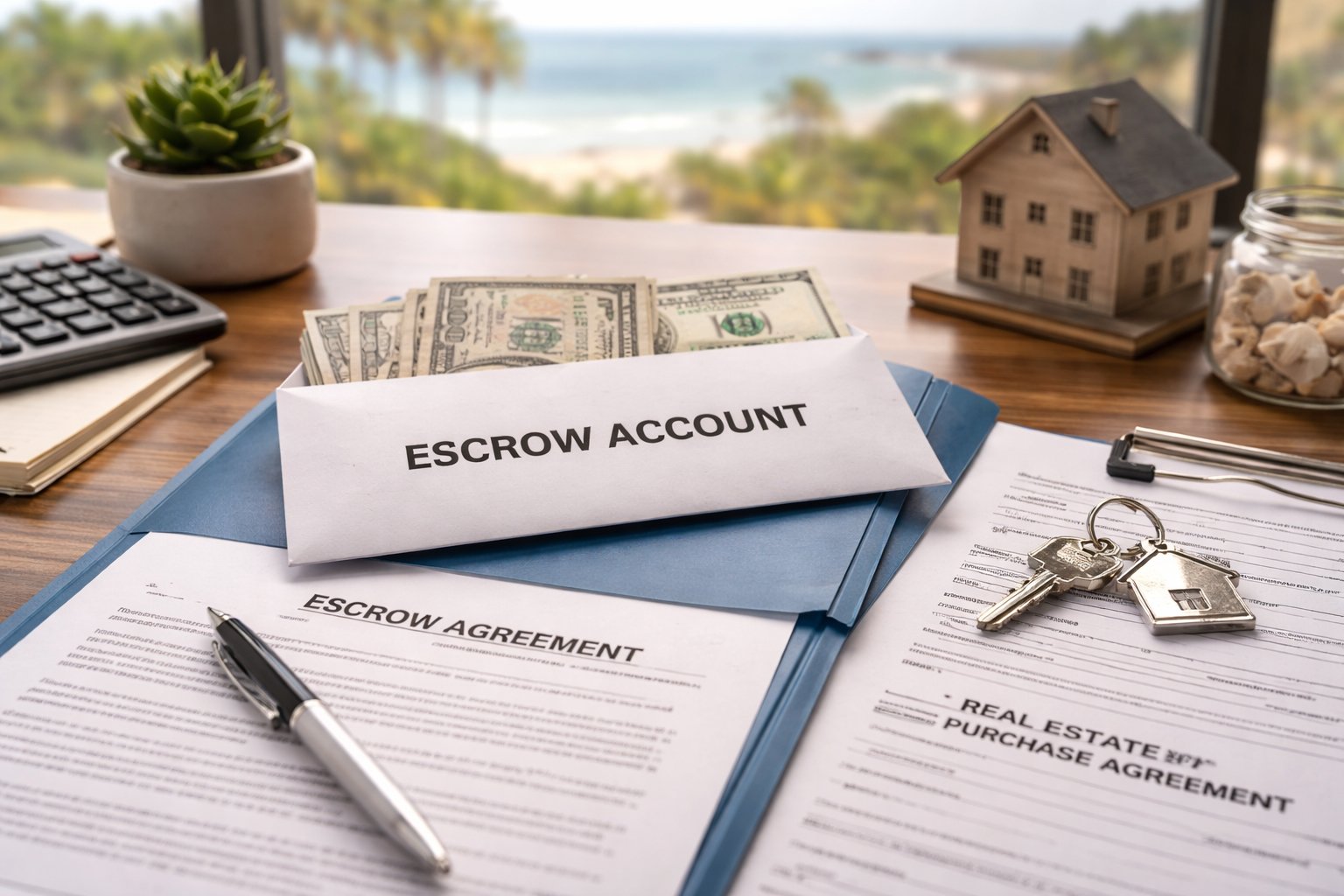
During escrow, the earnest money deposit remains in the escrow account until closing or cancellation of the transaction.
If the transaction moves forward successfully:
- the earnest money is typically applied toward the buyer’s down payment or closing costs
If the transaction does not proceed:
- the outcome depends on the terms of the contract and contingencies
A common pattern across the Central Coast is that properly structured contingencies help protect the buyer’s deposit.
When Can Earnest Money Be Refunded?
Earnest money is not automatically at risk. Buyers are typically protected by contingencies written into the purchase agreement.
Common contingencies include:
- inspection contingency
- financing contingency
- appraisal contingency
If a buyer cancels the contract within the terms of these contingencies, they may be able to recover their earnest money.
👉 How Contingencies Protect Buyers on the Central Coast
👉 What Happens If a Home Appraisal Comes in Low on the Central Coast?
Understanding these protections is essential to managing risk during the buying process.
When Could Earnest Money Be Forfeited?
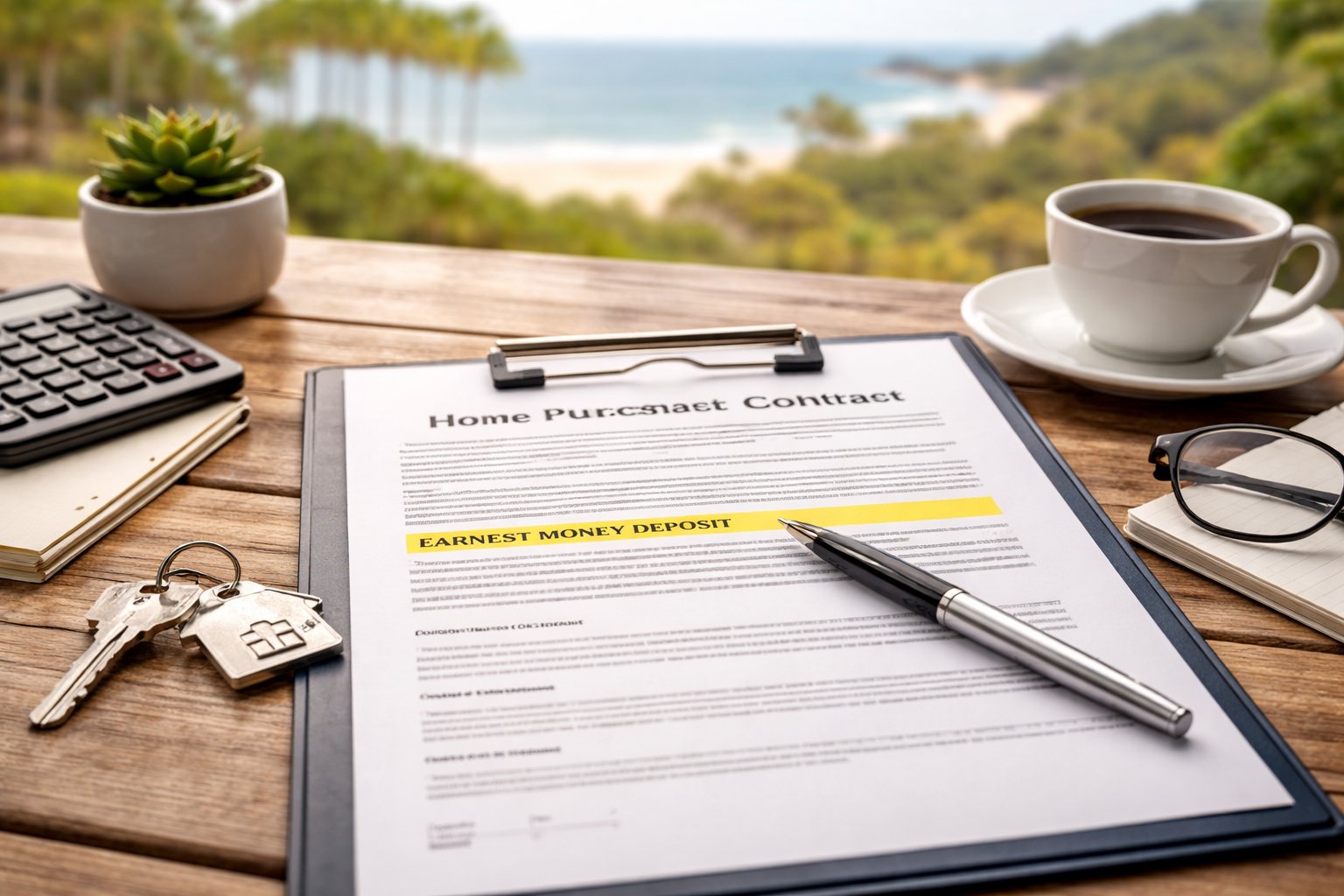
Earnest money may be at risk if a buyer fails to meet contractual obligations outside of contingency protections.
Examples may include:
- missing contract deadlines
- backing out without a valid contingency
- failing to complete required steps in the process
Because of this, buyers should understand the contract timeline and requirements before proceeding.
According to the California Association of REALTORS®, contract terms and contingencies play a critical role in determining how deposits are handled in real estate transactions.
Additionally, guidance from the Consumer Financial Protection Bureau (CFPB) emphasizes the importance of understanding escrow and deposit structures when purchasing a home.
How Earnest Money Fits Into Your Overall Strategy
Earnest money is not just a deposit — it is part of your overall offer strategy.
A well-structured earnest money deposit can:
- strengthen your offer in competitive situations
- signal seriousness to the seller
- help position you more favorably during negotiations
In many Central Coast transactions, buyers who understand how to structure their offer — including earnest money — are better positioned to succeed.
FAQ
Is earnest money required when buying a home on the Central Coast?
It is not always legally required, but it is standard practice and expected in most transactions.
Can earnest money be negotiated?
Yes. The amount and timing of earnest money are part of the overall negotiation between buyer and seller.
Does earnest money go toward the purchase price?
Yes. In most cases, it is applied toward the buyer’s down payment or closing costs at closing.
Earnest money is a key part of buying a home on the Central Coast and plays an important role in how offers are structured and accepted. Understanding how it works helps buyers move forward with clarity and confidence.
If you are planning to buy a home in San Luis Obispo County and want guidance on how to structure your offer and navigate the process, contact me to discuss your goals and next steps.
Internal Linking Note
Some plain-text references in this article will become live internal links as additional Central Coast real estate guides are published.