Property management needs should be evaluated before an investor buys, because the amount of ongoing oversight a rental requires can materially affect time commitment, operating cost, and long-term performance. A property that looks simple on paper may demand frequent tenant communication, vendor coordination, exterior care, turnover work, or supervision of shared areas. Another property with similar rent may operate with far fewer recurring management decisions.
That difference matters on the Central Coast because rental properties range from compact San Luis Obispo condominiums to Grover Beach duplexes, Nipomo single-family homes, coastal rentals, and larger North County properties. Unit count, property age, access, landscaping, private systems, tenant profile, and distance from the owner can all change how often someone needs to respond, schedule, inspect, document, or coordinate. Management intensity is therefore a property characteristic, not merely a choice between self-management and hiring a professional.
The most useful question is how many recurring tasks the property is likely to create and how difficult those tasks will be to complete reliably. Investors should examine tenant interaction, maintenance frequency, turnover, shared spaces, utilities, exterior responsibilities, vendor access, legal and administrative obligations, and the owner's own availability. A manageable investment is one whose management demands fit the owner's time, experience, systems, and budget rather than one that simply produces attractive projected rent.
Central Coast Neighborhood Video Tour ⬇️
Start With the Property’s Physical Management Demands
👉 What Makes a Rental Property Easier to Manage on the Central Coast
A rental property is easier to manage when its physical setup and operating responsibilities are straightforward. Investors should look at how many systems require attention, whether tenants share any spaces or utilities, how easily vendors can reach equipment, and whether exterior areas need frequent service. Every additional recurring task increases the number of decisions that must be made during ownership.
A detached home with municipal utilities, simple landscaping, accessible parking, and clearly separated tenant responsibilities may generate a different workload from a property with multiple structures, shared meters, extensive grounds, or private systems. Neither is automatically a poor investment. The issue is whether the expected income and ownership plan justify the management intensity.
The California Department of Real Estate property management reference describes property management as work that can include leasing, rent collection, maintenance supervision, tenant relations, recordkeeping, bill payment, and vacancy marketing. That breadth is a useful reminder that management is not one task. It is the ongoing coordination of many smaller responsibilities. California Department of Real Estate
Maintenance Frequency Changes the Management Workload
👉 How to Evaluate Rental Property Maintenance in San Luis Obispo County
Maintenance becomes a management issue when the owner must repeatedly diagnose problems, select vendors, schedule access, approve work, communicate with tenants, and verify completion. Investors should therefore evaluate not only how much maintenance a property may need, but how difficult that maintenance will be to coordinate.
An older San Luis Obispo rental with several aging systems may require more frequent service calls even when no major renovation is planned. A Paso Robles property with acreage, irrigation, fencing, or private utilities can create a different type of workload. A coastal property may require more attention to exterior materials because of marine exposure. The management burden comes from frequency, specialization, access, and coordination as much as from repair cost.
A property with accessible shutoffs, conventional equipment, durable materials, and familiar systems may be easier to manage because ordinary problems are simpler to address. Investors should recognize that physical complexity can translate directly into administrative complexity.
Turnover Concentrates Management Into Short Periods
👉 What Investors Should Know About Tenant Turnover on the Central Coast
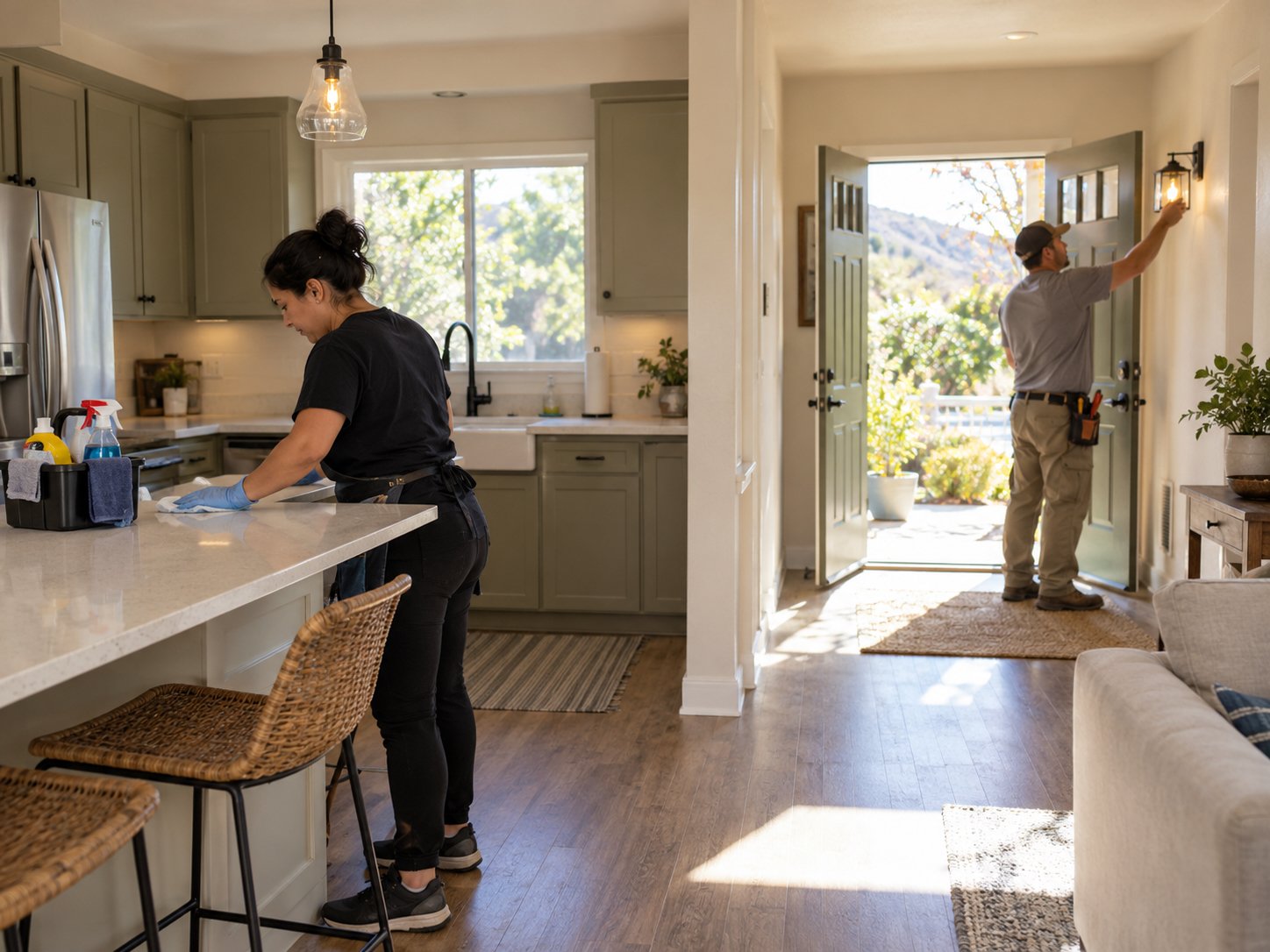
Tenant turnover can create some of the most concentrated management work during the holding period. Even a property that operates quietly for months may require substantial coordination when a tenant leaves. Notice periods, inspections, cleaning, repairs, security-deposit accounting, marketing, showings, screening, lease preparation, and move-in all compress into a relatively short window.
Turnover frequency matters as much as turnover cost. A property serving a highly mobile tenant population may require this workflow more often than one attracting households that typically remain longer. A studio near a transient employment base may behave differently from a family-sized home in Arroyo Grande or Nipomo.
Investors should ask how much of the management process they are prepared to perform personally and which parts would need to be delegated. Frequent turnover can still be profitable, but it should be treated as an operating model rather than an occasional inconvenience.
Multiple Units Create Both Efficiencies and More Tenant Relationships
👉 What Investors Should Know About Duplexes and Multi-Unit Properties in San Luis Obispo County
Multi-unit properties can create efficiencies, but they also create more simultaneous management relationships. Several units at one address can make vendor visits, inspections, and exterior maintenance easier to coordinate, yet the owner is also managing multiple leases, households, payment histories, maintenance requests, and renewal decisions.
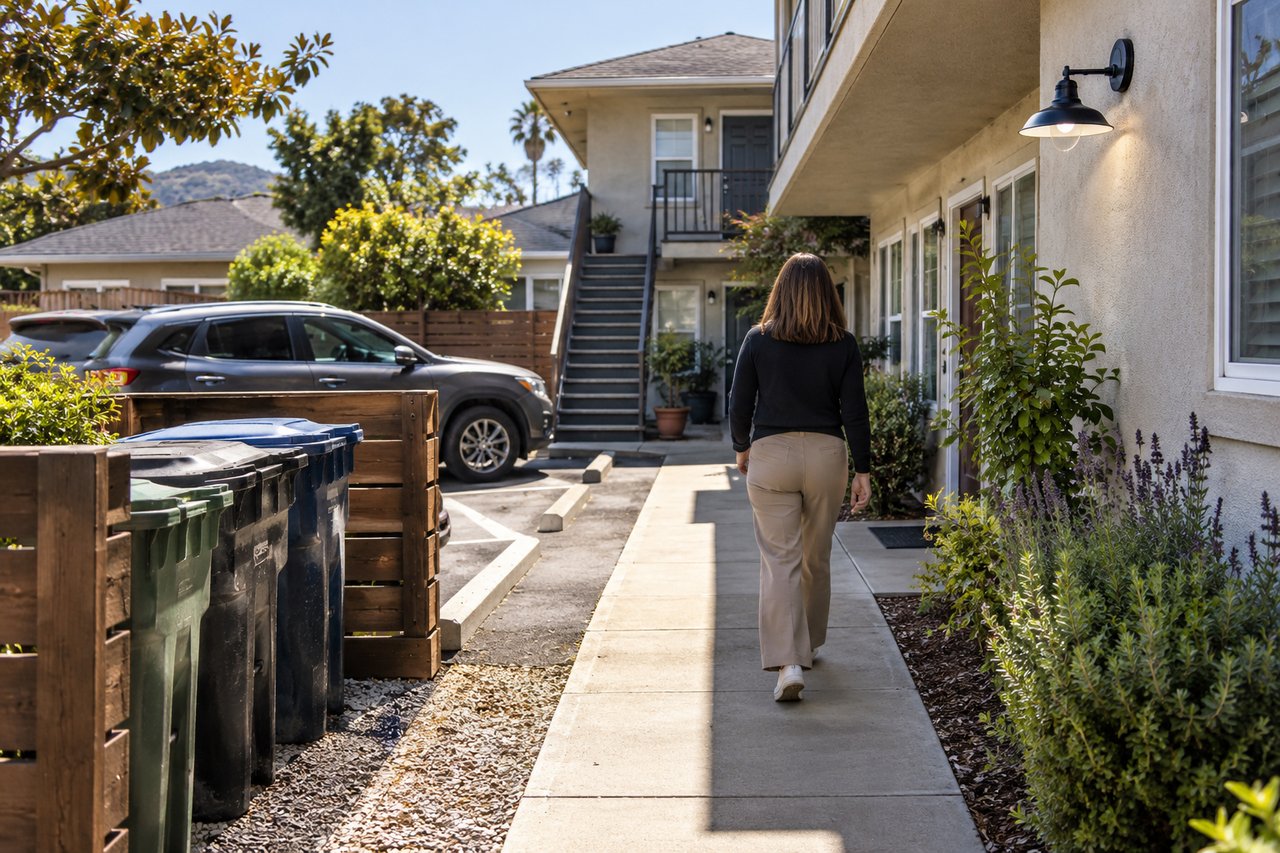
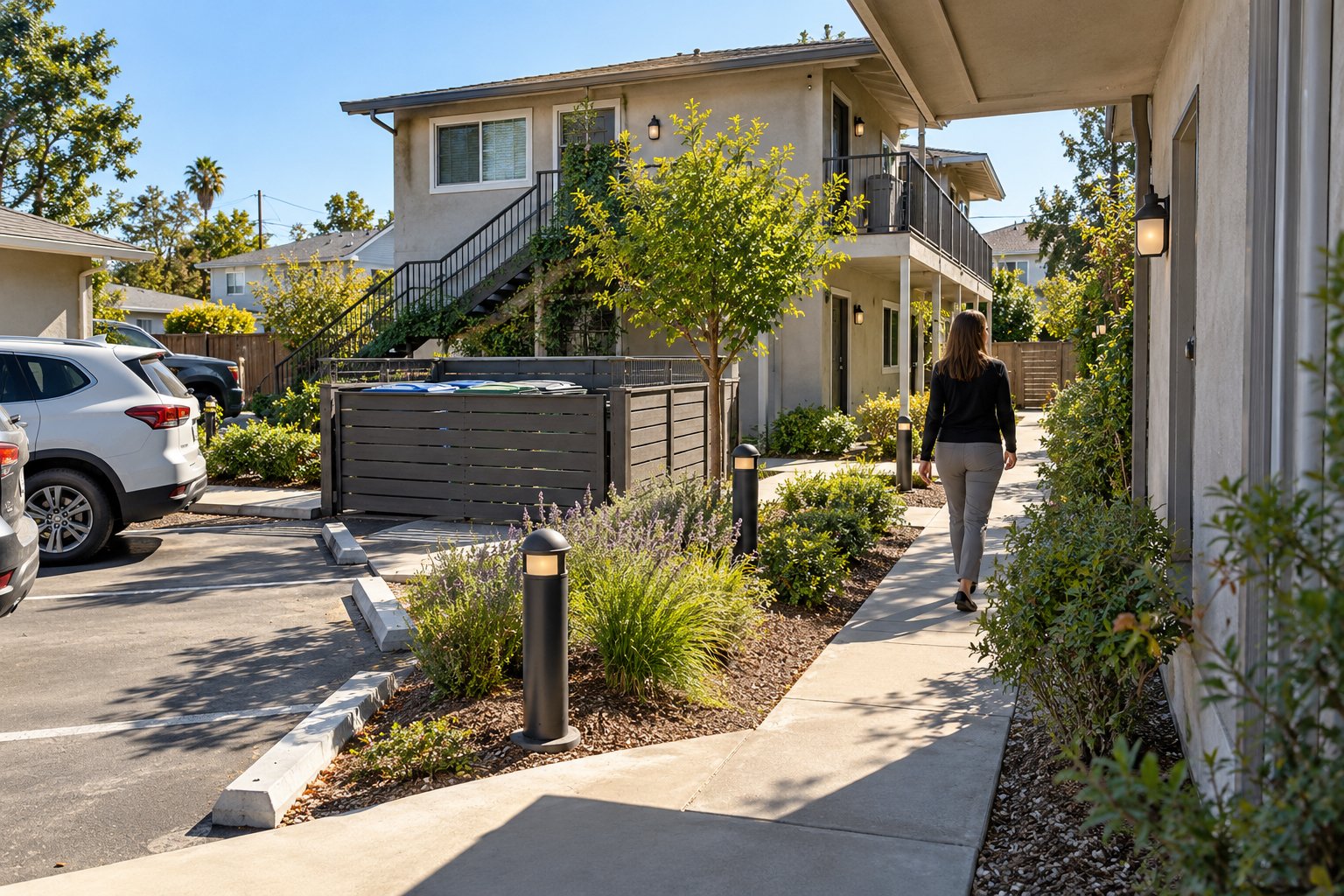
Shared elements add another layer. Parking areas, walkways, laundry rooms, refuse areas, exterior lighting, landscaping, and common utilities may require recurring oversight even when individual units are functioning well. A four-unit property in Grover Beach can therefore produce a different management rhythm from four separate single-family rentals.
The investor should compare unit count with the actual operating system. More units do not automatically mean proportionally more work, but they increase the number of tenant touchpoints and the possibility that several issues occur at once.
Rental Competitiveness Can Reduce Management Friction
👉 What Makes a Rental Property More Competitive on the Central Coast
A competitive rental can reduce management friction because desirable properties generally give owners a broader applicant pool and more flexibility when replacing a tenant. Investors should look at whether the property offers practical features that make leasing repeatable: functional bedroom count, useful parking, reasonable storage, straightforward access, and a layout that suits the likely renter.
This is not the same as chasing maximum rent. A property priced at the edge of what renters will tolerate may require more marketing effort, concessions, or repeated negotiation. A property that fits its local tenant pool well can be easier to lease consistently even if it is not the most expensive rental in the area.
In Morro Bay, parking or storage may materially affect renter appeal. In Atascadero, usable outdoor space or a more conventional family layout may matter more. Management becomes easier when the property does not need constant repositioning to remain competitive.
Practical Features Can Remove Recurring Management Problems
👉 How to Identify Practical Investment Advantages in San Luis Obispo County
Practical investment advantages are often the features that remove recurring management problems. Separate utility meters, durable surfaces, logical parking, accessible equipment, adequate storage, simple landscaping, and clearly defined tenant spaces can reduce disputes and simplify routine decisions.
These advantages are not always visually dramatic, but they matter during ownership. A property with one confusing shared driveway may require more tenant communication than a similar property with clearly assigned parking. A poorly placed trash area can create repeated complaints, while a well-designed service area may require almost no attention beyond routine collection.
When evaluating a property, investors should identify which features will save time repeatedly rather than only which features may increase rent once. A practical advantage can create value by reducing the frequency and complexity of management interactions over many years.
Shared Areas Require Their Own Management Plan
Shared areas deserve separate analysis because they create responsibilities that no single tenant fully controls. Walkways, stairs, exterior lighting, gates, laundry facilities, parking areas, landscape zones, and refuse areas need inspection and maintenance regardless of which unit generated the issue.
The more shared infrastructure a property has, the more important recurring oversight becomes. Small problems in common areas can affect several tenants at once and may require faster coordination than an issue confined to one unit. Investors should examine who cleans, services, monitors, and pays for each shared component.
This is also where the legal side of management intersects with the physical property. The California Department of Real Estate 2026 landlord-tenant guide addresses landlord responsibilities involving maintenance and residential tenancies. Investors do not need to become attorneys to evaluate a property, but they should understand that management duties continue after the lease is signed. California Department of Real Estate
Distance From the Property Changes the Practical Workload
Geographic distance can turn a modest management need into a difficult one. A property that requires only occasional on-site attention may still be inconvenient for an owner who lives hours away or cannot respond during the workday. Investors should evaluate travel time, vendor availability, emergency access, and whether a trusted local contact exists.
A Cambria rental may present a different service network from a property in San Luis Obispo, while a rural Templeton property may require vendors familiar with wells, septic systems, acreage, or specialized equipment. The issue is not that remote or rural properties are inherently harder to own. It is whether the owner can reliably coordinate the people and services the property will need.
Professional management becomes more valuable when geographic distance, unit count, tenant volume, or property complexity exceeds the owner's practical capacity.
Self-Management Has to Fit the Owner’s Actual Availability
The decision to self-manage should be based on workload and capability rather than on the desire to avoid a management fee. Owners need time to respond to tenants, coordinate vendors, maintain records, monitor payments, manage renewals, and address problems promptly. Those tasks compete with the investor's employment, family obligations, travel, and other properties.
An investor who enjoys direct involvement and owns a straightforward rental nearby may reasonably manage it personally. Another owner with several units, limited availability, or a property far from home may find professional management more efficient even when the fee reduces current cash flow.
The important comparison is not fee versus no fee. It is the cost of professional management versus the time, systems, risk, and responsiveness required to perform the work consistently.
Administrative Complexity Can Be Easy to Underestimate
Administrative complexity can be easy to underestimate because it is less visible than landscaping, repairs, or common areas. Every rental creates records, notices, lease documents, payment tracking, vendor invoices, security-deposit accounting, and renewal decisions. Properties with multiple units or frequent tenant changes multiply those tasks even when the physical building is uncomplicated.
Investors should ask whether the property can be managed with a simple, repeatable record system or whether ownership will involve several overlapping agreements, utility arrangements, parking assignments, or tenant-specific exceptions. The more exceptions a property requires, the more opportunities there are for missed details and inconsistent communication.
A management plan should therefore include the administrative side of ownership as well as the physical side. Reliable records and consistent processes reduce the amount of time spent reconstructing what happened later and make it easier to hand management to another person if the owner's circumstances change.
Management Needs Belong in the Acquisition Analysis
Property management needs should be included in the acquisition analysis because management intensity affects the economics of ownership. If a property requires professional management, frequent turnover coordination, specialized vendors, or substantial common-area oversight, those demands should be reflected in projected expenses and the investor's required return.
That is especially important when comparing properties with similar rent. A lower-maintenance Nipomo home may produce less gross income than a small multi-unit property elsewhere, yet it may also require fewer tenant interactions and less administrative work. The better investment depends on the owner's strategy, not simply on which property generates the largest rent roll.
When buying a home in San Luis Obispo County for investment purposes, investors should evaluate the physical asset and the management system together. A property's management burden is part of what the investor is buying.
The Right Management Structure Matches the Property
The right level of property management is the level that keeps the rental responsive, compliant, maintained, and economically organized without requiring more owner involvement than the investment can support. Investors should be able to describe who will handle routine communication, turnover, vendor coordination, shared areas, records, and urgent issues before they close.
That conclusion will differ by property. A simple single-family rental may require only periodic oversight, while a multi-unit building with common areas can justify a more formal management system. A rural property may have fewer tenants but more specialized service needs. A coastal rental may have simple tenant relations but recurring exterior oversight.
With more than 30 years of Central Coast real estate experience, Joesef Jackson has seen how operational details that seem minor during a showing can become recurring ownership responsibilities. Evaluating those responsibilities before purchase allows investors to choose a property whose management demands fit the intended investment model instead of discovering the workload after closing.
Frequently Asked Questions
How can an investor estimate property management needs before buying?
Start by listing the recurring tasks created by the property: tenant communication, turnover, maintenance, landscaping, common areas, utilities, vendor coordination, recordkeeping, and emergency response. Then determine how frequently each task is likely to occur and whether the owner can perform it reliably.
Are single-family rentals generally easier to manage than multi-unit properties?
Not necessarily, but a single-family property may involve fewer tenant relationships and fewer shared areas. Multi-unit properties can create efficiencies because several units are located together, although they also create additional leases, households, common-area responsibilities, and simultaneous management demands.
Does an older rental automatically require more property management?
No. Age alone does not determine management intensity. An older property with well-maintained, conventional systems may be straightforward to operate, while a newer property with complicated shared features or specialized equipment can require more coordination.
When should an investor consider professional property management?
Professional management becomes more relevant when the owner lacks time, lives far from the property, owns multiple units, expects frequent turnover, or has a property with substantial maintenance, common-area, administrative, or tenant-management requirements.
How does tenant turnover affect management needs?
Turnover temporarily increases management workload because the owner may need to coordinate inspections, cleaning, repairs, marketing, screening, leasing, security-deposit accounting, and move-in within a relatively short period.
Do shared utilities and common areas increase management complexity?
They can. Shared utilities, parking, laundry areas, landscaping, lighting, refuse areas, and other common elements create recurring responsibilities that must be assigned, monitored, maintained, and sometimes explained to multiple tenants.
Does property location affect management workload?
Yes. Distance from the owner, local vendor availability, property access, coastal exposure, rural systems, and the availability of specialized service providers can all affect how difficult routine management becomes.
Should property management costs be included before calculating investment returns?
Yes. If professional management or substantial recurring oversight is likely to be necessary, those costs belong in the acquisition analysis. Ignoring management requirements can make projected returns look stronger than the actual ownership experience is likely to support.
If you are preparing to buy or sell real estate on the Central Coast and want personalized guidance, contact Joesef Jackson at SLO Life Realty Group.