Affordability pressure changes buyer behavior by making the monthly cost of ownership more important than the purchase price alone. When housing costs approach a buyer's comfort limit, shoppers tend to narrow price ranges, compare homes more carefully, question premiums that do not improve day-to-day ownership, and become more willing to trade location, size, condition, or features for a payment that feels sustainable. The result is not simply fewer buyers. It is a different decision process.
That shift matters throughout San Luis Obispo County because buyers can encounter large differences in price and property type within relatively short distances. A buyer focused on San Luis Obispo may begin comparing Arroyo Grande, Grover Beach, Atascadero, or Nipomo when the monthly cost of the preferred location exceeds the comfortable range. Coastal buyers may reconsider square footage or condition to remain near Pismo Beach, Morro Bay, or Cayucos. Affordability pressure therefore changes where buyers look as well as what they are willing to accept.
The useful question is not whether a buyer can technically qualify for a certain purchase price. It is how the total cost of owning that home affects choices before an offer is written. Buyers under greater affordability pressure usually become more deliberate about monthly payment, taxes, insurance, HOA costs, repairs, utilities, future improvements, and the value received for each additional dollar of price. Those pressures can reshape search behavior, property comparisons, offer strategy, and even the timing of the purchase.
Central Coast Neighborhood Video Tour ⬇️
Monthly Payment Comfort Becomes the First Filter
👉 How Buyers Should Evaluate Monthly Payment Comfort on the Central Coast
Affordability pressure usually changes the search by turning monthly payment comfort into a stricter filter. A buyer may qualify for a higher loan amount and still decide that the associated payment would leave too little room for savings, travel, childcare, repairs, or other priorities.
That distinction is important because qualification and comfort are not the same thing. The Consumer Financial Protection Bureau guidance on deciding how much to spend on a home advises buyers to focus on what fits their overall monthly budget rather than simply on the maximum amount they may be able to borrow.
A household may reduce its maximum price, increase the down payment, or concentrate on homes that require fewer near-term expenses. That behavioral change can remove certain listings from consideration before the buyer ever schedules a showing. It can also make buyers more willing to pause the search when available homes require a payment they can technically make but do not want to carry. In that environment, a higher qualification ceiling does not necessarily translate into higher purchase intent.
Buyers Pay More Attention to Costs Beyond the Mortgage
👉 What Costs Buyers Often Overlook on the Central Coast
Affordability pressure makes secondary ownership costs feel less secondary. Property taxes, homeowners insurance, HOA dues, utilities, maintenance, and future repairs can determine whether two similarly priced homes feel equally affordable.
The Freddie Mac homebuying budget guidance emphasizes that buyers should account for ongoing costs such as homeowners insurance, property taxes, and routine maintenance in addition to the mortgage itself.
For example, a condo with a lower asking price but substantial HOA dues may create a different monthly commitment from a detached home without those dues. A rural Paso Robles property may introduce private-system or acreage costs that a more compact in-town property does not. Buyers under pressure increasingly compare the recurring cost structure, not simply the list price.
Affordability Changes Which Property Advantages Matter Most
👉 How Buyers Can Avoid Rushing a Decision on the Central Coast
When affordability tightens, buyers tend to separate features they enjoy from features that materially improve ownership. A remodeled kitchen may still be attractive, but a newer roof, efficient systems, usable parking, low-maintenance exterior, or flexible floor plan can become more valuable if those features reduce future spending or eliminate a recurring compromise.
This does not mean buyers stop responding emotionally to homes. It means the emotional preference has to survive a more demanding financial comparison. A buyer may love a larger property but choose a smaller one if the smaller home leaves enough monthly room for normal life after closing.
Affordability pressure can therefore change what buyers call value. The strongest property is not always the one with the most features. It may be the one that solves the buyer's important needs with fewer expensive obligations attached.
Buyers Become More Sensitive to Overpaying
👉 How to Avoid Overpaying for a Home in San Luis Obispo County
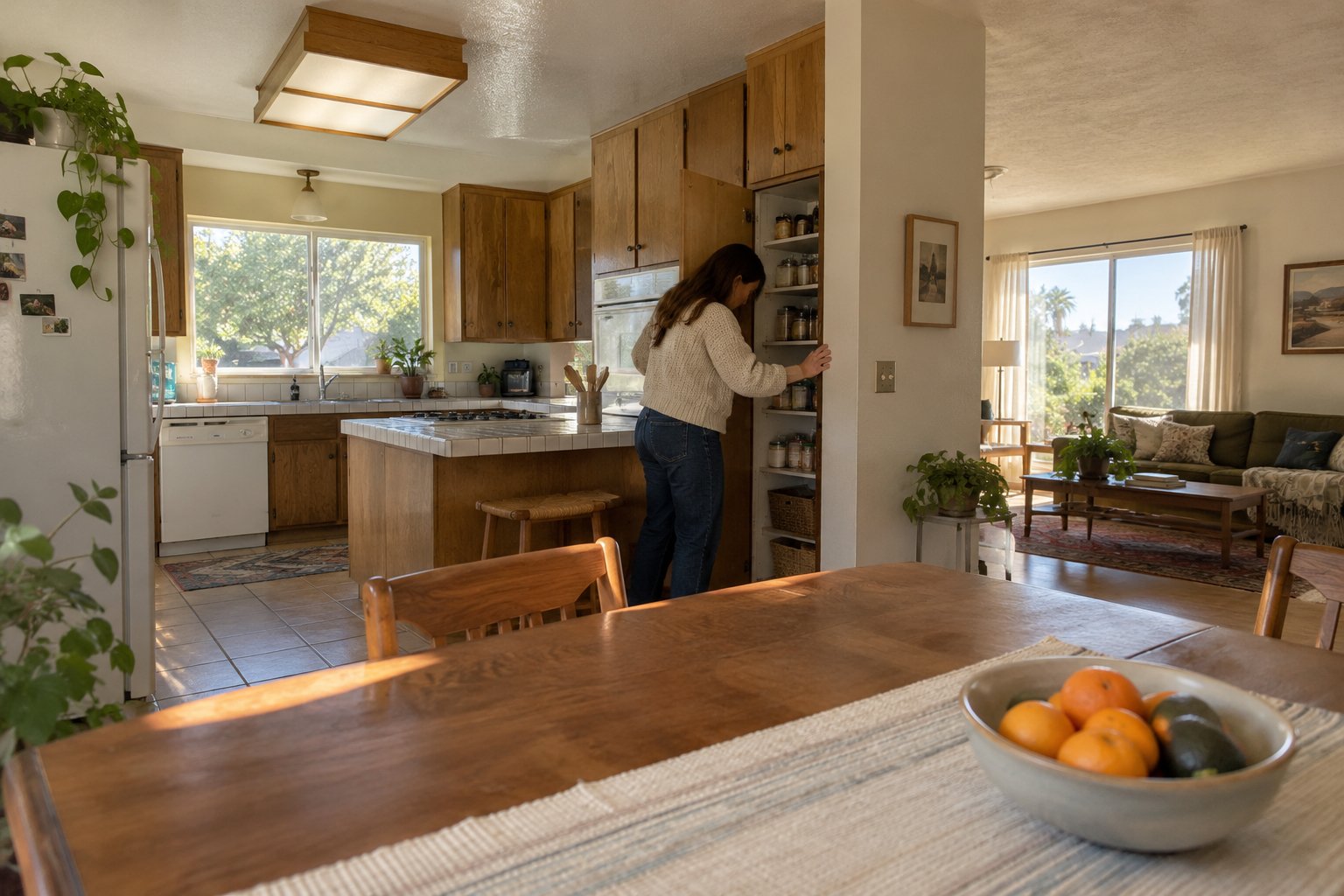
Affordability pressure increases price sensitivity because even modest differences in purchase price can affect the monthly payment, cash required at closing, and future financial flexibility. Buyers who once might have stretched for a preferred feature often examine whether the premium is actually justified.
This can make comparison more exacting. A buyer looking at two homes in San Luis Obispo may decide that a premium for cosmetic updates is less compelling if the less expensive home has the better layout, parking, or long-term functionality. In Arroyo Grande, a buyer may compare extra lot space against the additional payment rather than assume the larger property is automatically better.
The practical effect is that buyers become less willing to pay for features they do not value enough. Affordability pressure does not eliminate competition for strong homes, but it can make unsupported premiums harder to sustain. It can also sharpen the distinction between a home that is merely attractive and one that feels financially defensible. Buyers may still stretch for a property, but they usually need a stronger reason to do so.
Total Monthly Cost Can Reshape the Search
👉 How Buyers Should Evaluate Total Monthly Cost on the Central Coast
Total monthly cost can change a buyer's search even when the purchase-price range appears unchanged. Two properties listed at similar prices may produce different monthly obligations because of taxes, insurance, HOA dues, financing structure, or expected ongoing expenses.
That reality often pushes buyers to search from the payment backward. Instead of asking only, "What can we buy for this price?" they begin asking, "Which properties keep the total monthly commitment within the range we want?"
This can favor homes with simpler operating profiles. A smaller Nipomo home with manageable exterior responsibilities may become more attractive than a larger alternative that adds higher utilities, more maintenance, or other recurring costs. Under affordability pressure, predictability itself can become a meaningful property advantage.
Seller Pricing Has to Account for Affordability Behavior
👉 How to Price Around Buyer Affordability on the Central Coast
Affordability pressure affects sellers because buyers experience price through the cost of carrying the purchase. A listing can be supported by historical sales and still encounter resistance if today's buyers cannot justify the resulting payment relative to current alternatives.
Sellers do not need to price a property according to one buyer's budget. They do need to understand the price bands in which likely buyers are searching and how a premium changes the comparison. When buyers are payment-sensitive, a modest difference in price may move the home into a different search range or cause qualified buyers to focus on another location.
That makes current buyer behavior important to positioning. The market's response reflects not only what a property is worth in theory, but what buyers are prepared to commit to under present affordability conditions.
Geography Becomes More Flexible When Budgets Tighten
Affordability pressure often expands the geographic search. Buyers who begin with one preferred community may compare nearby areas when a different location offers more usable property for the same monthly commitment.
A San Luis Obispo buyer may look toward Atascadero for additional square footage or lot size, while a South County buyer may compare Arroyo Grande, Grover Beach, and Nipomo to see where the same budget produces the strongest combination of condition, location, and function. A coastal buyer may move between Morro Bay, Los Osos, and Cayucos depending on how strongly proximity to the water is prioritized.
That flexibility does not mean location becomes unimportant. It means buyers assign a more explicit price to location. The decision becomes whether a preferred area is worth the trade-offs required to remain there. Commute, school preferences, coastal access, lot size, and neighborhood character can all remain important, but affordability pressure forces the buyer to rank them rather than treat every preference as non-negotiable.
Property Type Can Become Negotiable
Affordability pressure can also change the property type a buyer is willing to consider. Someone who initially planned on a detached home may become open to a condominium, townhome, smaller lot, older home, or property with fewer cosmetic updates if the alternative improves monthly comfort.
The reverse can also happen. A buyer may reject a lower-priced condo after including HOA dues and discover that a modest detached property creates a similar total monthly cost. That is why property type should be evaluated through the complete ownership structure rather than by asking price alone.
This shift is especially important for buyers who have been searching long enough to understand what each compromise actually means. Flexibility becomes more targeted. Buyers stop changing criteria randomly and begin trading one feature for another with a clearer understanding of the financial effect.
Condition Matters More When Buyers Have Less Financial Cushion
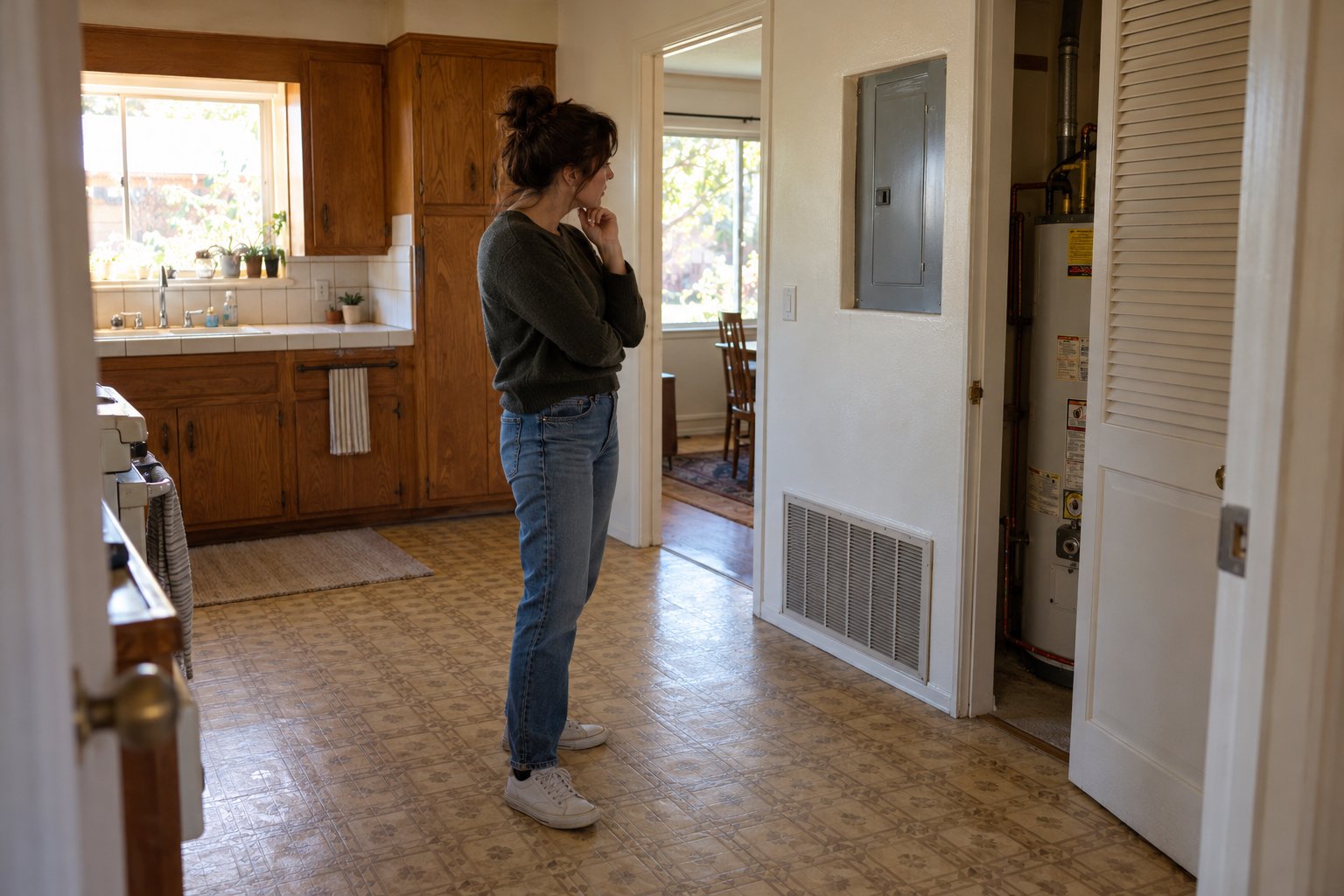
A home that requires immediate work can become less attractive when affordability pressure has already reduced the buyer's remaining financial cushion. Even when the purchase price is lower, repairs, replacements, or improvements soon after closing may make the property feel more expensive in practice.
This does not mean buyers automatically avoid older or original-condition homes. Some buyers prefer the opportunity to improve a property gradually. The important behavioral change is that the timing and necessity of future work receives more scrutiny.
A well-maintained older home in Templeton may compete effectively with a more updated property if major systems are dependable and cosmetic work can wait. Buyers under pressure often distinguish between work they want to do and work they will have to fund quickly.
Affordability Pressure Can Slow the Offer Decision
When the financial margin is narrower, buyers often need more evidence before committing. They may revisit payment estimates, compare another property, ask more questions about insurance or HOA costs, or take additional time to decide whether the remaining compromises are acceptable.
That caution should not automatically be interpreted as weak interest. A buyer can be genuinely interested and still need to test the purchase against a tighter budget. The more expensive the commitment feels relative to household resources, the less likely the buyer is to dismiss unresolved cost questions.
For buyers using the San Luis Obispo County home-buying representation process, this is where property comparison and financial comfort need to stay connected. A strong purchase is one that still works after the excitement of the showing is translated into the realities of ownership.
Offers Become More Selective Rather Than Simply Lower
Affordability pressure does not always cause buyers to write lower offers. It often causes them to become more selective about which properties deserve an offer at all.
A buyer may compete aggressively for a home that solves several important needs and carries manageable future costs, while refusing to pursue another property at a similar price because the compromises are harder to justify. This helps explain why some listings can still attract strong offers during periods when buyers overall appear cautious.
Terms can also become more deliberate. Buyers may protect cash reserves, avoid unnecessary escalation, or pay closer attention to credits and repair exposure. The offer reflects not just desire for the property, but the buyer's need to preserve financial flexibility after closing.
Affordability Pressure Changes Priorities, Not Just Budgets
The most important effect of affordability pressure is that it changes how buyers rank choices. Location, size, condition, upgrades, land, commute, insurance, HOA costs, and future repairs are no longer evaluated independently. Buyers increasingly ask which combination provides the strongest daily value within a sustainable total cost.
With more than 30 years of real estate experience on the Central Coast, Joesef Jackson has seen buyer priorities shift when the financial difference between two acceptable homes becomes meaningful. The decision often stops being about which home is objectively larger or newer and becomes about which one best protects the buyer's ability to own comfortably.
That is why affordability pressure should be understood as a behavior change, not simply a financial statistic. It can redirect searches, change property preferences, increase comparison, slow decisions, and concentrate demand around homes that deliver the most useful value for the cost.
Frequently Asked Questions
How does affordability pressure change a buyer's home search?
Buyers often narrow price ranges, compare total monthly ownership costs more carefully, expand geography, and become more flexible about size, property type, condition, or cosmetic features.
Does affordability pressure mean buyers only want cheaper homes?
No. Buyers may still pay more for a property that solves important needs particularly well. The difference is that the additional cost usually needs a more compelling and recognizable benefit.
Why does monthly payment matter more than purchase price for some buyers?
The monthly payment affects the buyer's ongoing household budget. Two purchase prices that appear relatively close can create a meaningful difference in monthly cost depending on financing, taxes, insurance, HOA dues, and other expenses.
Can affordability pressure cause buyers to search in different communities?
Yes. Buyers may compare several San Luis Obispo County communities when another location offers a better combination of housing, features, and total cost within the same budget.
Do buyers become more concerned about home condition when affordability is tight?
Often, yes. Buyers with less financial cushion after closing may give greater weight to major systems, deferred maintenance, insurance considerations, and repairs that could require near-term spending.
Does affordability pressure make buyers negotiate more aggressively?
Sometimes, but the larger effect may be greater selectivity. A buyer may simply decline to pursue a property when the price and compromises do not justify the expected ownership cost.
Can a buyer qualify for more than they are comfortable spending?
Yes. Loan qualification establishes what a lender may be willing to finance. A buyer's comfortable ownership budget can be lower because it also reflects savings goals, lifestyle expenses, future plans, and tolerance for financial risk.
How should buyers balance affordability with finding the right home?
Start with a sustainable total ownership cost, then rank the location, property features, condition, and lifestyle priorities that matter most. The goal is not to eliminate every compromise, but to make the compromises deliberately.
If you are preparing to buy or sell real estate on the Central Coast and want personalized guidance, contact Joesef Jackson at SLO Life Realty Group.