Buyers should evaluate monthly payment comfort by looking beyond the amount a lender is willing to approve. The more useful question is whether the complete cost of owning a particular home can be paid consistently while preserving enough room for savings, maintenance, personal priorities, and unexpected expenses.
The mortgage payment is only one part of that calculation. Property taxes, homeowners insurance, mortgage insurance, association dues, utilities, repairs, landscaping, commuting, and property-specific services can materially change the amount required each month. Those expenses also vary among San Luis Obispo County communities and property types.
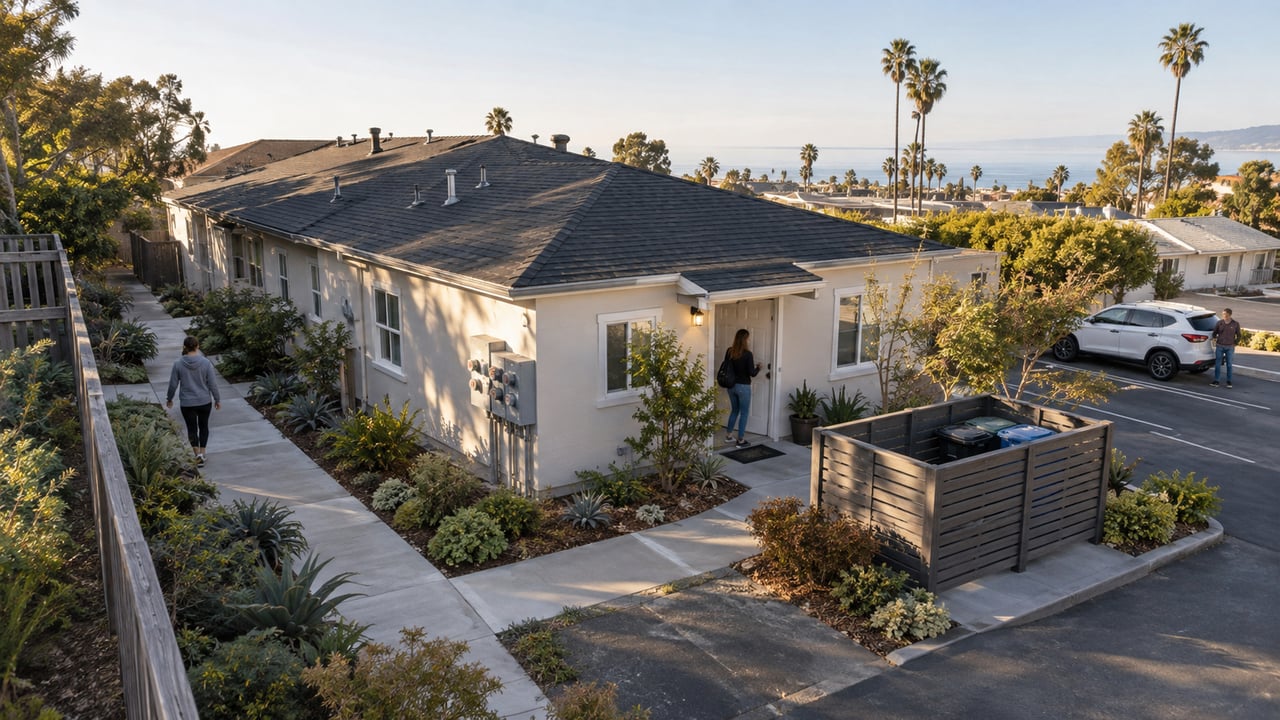
A condominium in San Luis Obispo, a coastal residence in Pismo Beach, a larger home in Atascadero, and an acreage property near Paso Robles may carry similar purchase prices while producing very different monthly obligations. Buyers should compare the complete ownership cost of each property rather than assuming that similar prices create similar budgets.
Monthly payment comfort is personal. Two buyers with the same income and loan approval may reasonably choose different price ranges because their savings goals, debts, family expenses, travel, retirement plans, and tolerance for financial pressure are different. The right payment is one that remains sustainable after the excitement of the purchase has passed.
Central Coast Neighborhood Video Tour ⬇️
Start With a Personal Payment Range Before Touring Homes
A lender’s approval establishes how much financing may be available under lending guidelines. It does not determine how much a buyer should choose to spend.
Before touring homes, buyers should identify a monthly housing range that fits their actual household budget. That figure should account for take-home income, recurring obligations, savings, retirement contributions, transportation, medical expenses, childcare, travel, and other priorities that will continue after the purchase.
👉 How Much Can You Afford to Buy on the Central Coast? A Practical Guide
A buyer who begins with the maximum approved amount may unintentionally allow the loan calculation to set the search strategy. A more disciplined approach begins with the monthly amount the buyer can carry comfortably and then works backward to an appropriate purchase range.
The Consumer Financial Protection Bureau recommends considering the complete monthly home payment, including estimated property taxes and homeowners insurance, rather than focusing only on principal and interest.
After more than 30 years in real estate, Joesef Jackson has found that buyers often feel most secure in their purchase when they decide what they want their financial life to look like after closing. That includes what they want available for repairs, savings, recreation, and future plans—not merely what can be directed toward housing.
A personal payment range also makes property comparisons more useful. Buyers can assess whether a home’s added space, location, condition, or amenities justify the monthly difference instead of responding only to its asking price.
Build a Budget That Continues After Closing
The purchase does not end when the down payment and closing costs are paid. Homeownership introduces ongoing expenses that may not have existed in the buyer’s previous housing arrangement.
A buyer should retain enough financial room for routine maintenance, replacements, furnishings, moving expenses, and unexpected repairs. Even a recently renovated home can require work involving appliances, landscaping, drainage, plumbing, electrical components, or heating and cooling systems.
👉 How to Plan Your Budget After Buying a Home in San Luis Obispo County
The appropriate reserve depends partly on the property. An older residence in San Luis Obispo may have established landscaping, original systems, or deferred projects that require attention over time. A newer home in Nipomo may have fewer immediate repairs but include association dues, solar obligations, or community fees.
A coastal property in Morro Bay or Cambria may require more frequent exterior maintenance because of moisture, wind, and salt exposure. A home on acreage near Templeton may involve wells, septic systems, fencing, vegetation management, pumps, outbuildings, and private-road expenses.
These costs do not make one property type better or worse. They simply need to be understood before the buyer decides whether the payment feels manageable.
A comfortable budget preserves the ability to respond when ownership costs arise. A buyer who uses nearly all available monthly income for the mortgage may own the desired property but have little flexibility when repairs, insurance changes, or other expenses occur.
Property Taxes Must Be Included in the Real Monthly Number

Property taxes are a significant part of the ownership budget, even when they are not paid directly every month. Buyers should convert expected annual obligations into a monthly amount so the cost is represented accurately.
👉 What Buyers Should Know About Property Taxes Before Buying on the Central Coast
The tax amount associated with the current owner should not automatically be treated as the buyer’s future obligation. A sale may result in reassessment based on the new purchase, and additional assessments or local charges may apply.
When taxes are included in an escrow or impound account, the lender collects part of the estimated obligation with each mortgage payment. When they are not impounded, the buyer still needs to reserve money for the scheduled bills. The financial effect exists either way.
Buyers comparing homes should use property-specific estimates rather than applying one broad assumption to every listing. Two similarly priced homes may have different direct assessments, parcel charges, community facilities obligations, or other items shown on the tax record.
The practical question is not only whether the buyer can make the loan payment. It is whether the buyer can carry principal, interest, taxes, and every other recurring expense without depending on an unusually favorable month.
Insurance Can Change the Affordability of a Property
Insurance should be investigated early because availability and cost may vary substantially based on location, construction, condition, claims history, fire exposure, coastal conditions, and the insurer’s underwriting requirements.
👉 Homeowners Insurance on the Central Coast: What Buyers and Homeowners Should Know
A preliminary estimate based only on purchase price may not be sufficient. Buyers should seek property-specific information and understand whether additional coverage may be appropriate for floods, earthquakes, valuables, rental use, or other risks not included in a standard policy.
This issue is particularly relevant when comparing coastal, rural, wooded, and high-fire-severity locations. A buyer considering Cambria, Cayucos, Santa Margarita, or rural Paso Robles should not assume that the premium or coverage options will match those for a conventional home in a more urban area.
The California Department of Insurance provides tools that allow consumers to review homeowners coverage information and locate insurers and authorized insurance professionals.
Insurance should be reviewed before the buyer becomes emotionally committed to the property. Discovering late in the transaction that coverage is more expensive or restrictive than expected can alter the monthly calculation and create unnecessary pressure.
With more than 2,130 career transactions, Joesef has seen that property-specific research is essential. Buyers should not rely on the cost of insuring their current home, a general online estimate, or the seller’s premium as a dependable prediction of their own future expense.
Evaluate the Complete Monthly Ownership Cost
A mortgage quote may display principal and interest prominently, but monthly payment comfort depends on the total recurring amount.
👉 How Buyers Should Evaluate Total Monthly Cost on the Central Coast
The complete calculation may include principal, interest, property taxes, homeowners insurance, mortgage insurance, association dues, utilities, maintenance reserves, landscaping, private services, and commuting differences created by the location.
Association dues deserve particular attention because they can change how two properties compare. A San Luis Obispo condominium may have a lower purchase price than a detached home but include monthly dues covering exterior maintenance, insurance, landscaping, or community amenities. Buyers should review what is included, what remains their responsibility, and whether assessments are anticipated.
Mortgage insurance may apply when the loan structure or down payment requires it. Buyers should understand whether that cost can eventually be removed and what conditions would apply.
The total should also reflect predictable property-specific obligations. A residence with a pool, extensive landscaping, private gate, elevator, or large acreage will have different operating needs than a smaller conventional home.
A sound comparison converts all recurring costs into one monthly estimate. That allows the buyer to evaluate properties on a consistent basis rather than comparing one home’s mortgage payment with another home’s complete ownership cost.
Utility and Service Costs Depend on the Property
Utilities are sometimes treated as a secondary concern, but they can meaningfully affect monthly comfort, particularly when buyers move to a larger home or a different property type.
👉 What Buyers Should Know About Utility and Service Costs in San Luis Obispo County
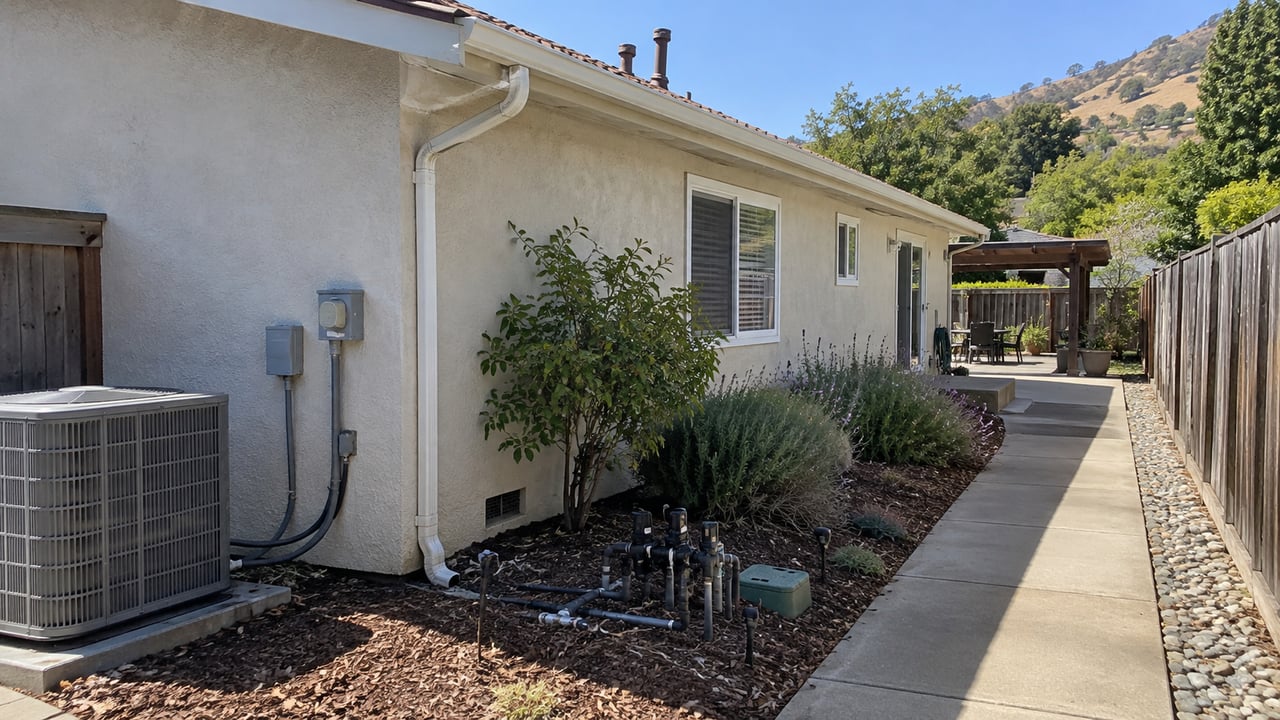
Buyers should consider electricity, gas or propane, water, sewer or septic service, trash, internet, landscaping, pest control, pool service, and any private road or shared-system expenses. The relevant categories will differ from one property to another.
A larger inland home in Atascadero may require more cooling during warmer months than a smaller coastal residence. A home in Pismo Beach may have moderate temperatures but require additional exterior care because of coastal exposure. A rural property may use propane, a private well, septic systems, or specialized internet service.
Solar can reduce some electricity costs, but buyers should review whether the system is owned, financed, leased, or subject to another agreement. They should also understand the age and capacity of the equipment and whether usage patterns are likely to resemble those of the current owner.
Past utility records can provide context, although one household’s consumption may differ materially from another’s. Family size, work-from-home schedules, electric vehicles, pool heating, thermostat preferences, landscaping, and guest use can all change the result.
Joesef’s experience with more than $1.81 billion in career sales volume has reinforced that affordability must be evaluated property by property. Similar list prices do not necessarily create similar costs once utilities, services, insurance, and maintenance are included.
Leave Room for Maintenance and Replacement Costs
Maintenance does not arrive as a fixed monthly bill, but it remains part of the cost of ownership. Buyers can account for it by reserving a reasonable amount each month rather than waiting for a major expense to occur.
The needed reserve depends on the home’s age, condition, systems, materials, location, and complexity. A newly built residence may require less immediate work, but appliances, landscaping, finishes, and mechanical systems will still age. An older home may remain dependable when it has been maintained well, while a cosmetically updated property may still have original infrastructure.
Inspection findings can provide information about likely priorities, but an inspection is not a guarantee of future performance. Buyers should distinguish among immediate repairs, medium-term replacements, and routine maintenance.
A roof with limited remaining life may not affect the mortgage payment today, but it affects the ownership budget. The same is true for an aging water heater, exterior paint, drainage work, windows, appliances, or heating equipment.
Monthly payment comfort is stronger when buyers can save toward those expenses without disrupting other goals. The appropriate property is not merely one that can be purchased. It is one that can be owned and maintained responsibly over time.
Compare Payment Comfort Across Different Homes
Buyers often discover that a lower-priced property is not automatically the least expensive to own. A home requiring major repairs may create more financial pressure than a higher-priced property with updated systems and lower foreseeable maintenance.
The reverse can also be true. A renovated home may carry a higher price that raises the mortgage payment more than the likely repair savings justify. Buyers should compare the complete effect rather than assuming that newer finishes always produce better value.
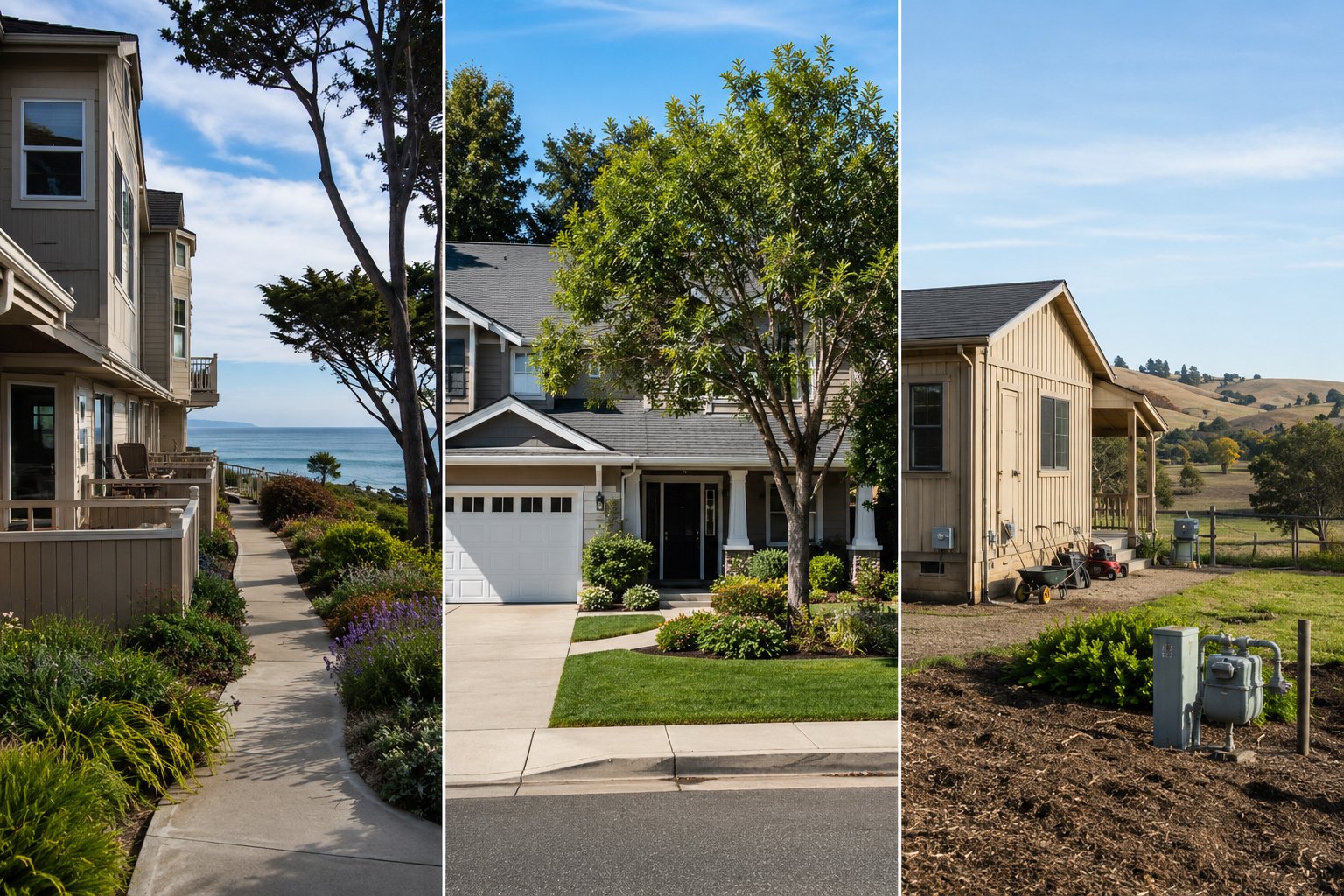
Consider a buyer comparing a smaller updated residence in San Luis Obispo with a larger original-condition property in Arroyo Grande. The San Luis Obispo home may have a higher price per square foot but lower commuting costs and fewer immediate projects. The Arroyo Grande home may provide more space but require higher utilities, landscaping, and future renovations.
A coastal condominium may reduce exterior maintenance responsibilities but include association dues. A detached inland home may avoid monthly dues while placing all exterior and landscape costs on the owner.
The right choice depends on which combination of payment, location, space, condition, and future expense fits the buyer’s priorities. Monthly comfort should be compared across properties, not evaluated only once at the beginning of the search.
Test the Payment Against Real-Life Changes
A monthly amount that works under ideal conditions may become uncomfortable when income or expenses change. Buyers should consider how the payment would feel if they encountered a repair, insurance increase, temporary income reduction, family change, or another significant obligation.
This does not require planning for every possible event. It means avoiding a budget that works only when nothing unexpected occurs.
Buyers with variable or commission-based income may prefer to base the payment range on dependable earnings rather than unusually strong months. Self-employed buyers may also want to preserve additional reserves because business income and expenses can fluctuate.
Future priorities matter as well. A buyer planning to start a business, reduce work hours, retire, pay tuition, travel more often, or care for family members may reasonably choose a lower payment than the lender permits.
A purchase should support the buyer’s broader financial life rather than requiring every other priority to be reduced. The most appropriate payment often leaves some unused borrowing capacity.
Separate Emotional Appeal From Financial Fit
It is normal for buyers to become attached to a home that offers the right view, neighborhood, architecture, outdoor space, or lifestyle. That emotional response is part of purchasing a residence, but it should not replace the financial analysis.
A buyer may decide that a particular feature is worth paying more for. The important point is to understand the trade-off. Spending more on ocean proximity may mean accepting less interior space. Choosing a larger home may increase utilities and maintenance. Prioritizing a newer property may require a different location.
Monthly payment comfort gives buyers a framework for making those trade-offs deliberately. It allows them to distinguish between stretching for a property that meaningfully supports long-term priorities and stretching merely because the home generated excitement during a showing.
Direct representation from the first conversation through closing allows Joesef to keep the buyer’s budget, property comparisons, inspection findings, insurance research, and long-term priorities connected throughout the search. The final decision remains the buyer’s, but it should be made with an accurate understanding of the costs attached to the property.
Recalculate Before Removing Major Contingencies
The monthly cost should be reviewed again after the buyer has a specific property under contract. By that stage, the loan terms, insurance quote, tax information, association documents, inspection findings, and estimated utilities should be more complete.
Changes in interest rate, loan structure, insurance premium, requested repairs, seller credits, or association obligations can alter the calculation. Buyers should not assume that the estimate used during the initial search remains accurate.
The review should include both the expected monthly obligation and the cash remaining after closing. A transaction that consumes nearly all available reserves may feel different from one that preserves a substantial financial cushion, even when the monthly payment is identical.
This final comparison is particularly important before removing financing, appraisal, inspection, or other major contingencies. Buyers should understand what has changed, what remains uncertain, and whether the property still fits the payment range they established.
Choose a Payment That Supports Long-Term Ownership
Monthly payment comfort is not about selecting the least expensive home or avoiding every financial stretch. It is about choosing a level of ownership cost that remains workable alongside the buyer’s other responsibilities and goals.
A buyer may reasonably spend more for a scarce location, shorter commute, adaptable floor plan, stronger condition, or property that fits long-term plans. Another buyer may prefer a lower payment and greater flexibility for travel, investment, renovation, or retirement savings.
Neither approach is automatically correct. The decision should be based on complete property costs and the buyer’s real priorities rather than the maximum approval amount.
The Central Coast offers substantially different ownership experiences across San Luis Obispo, Pismo Beach, Arroyo Grande, Morro Bay, Atascadero, Templeton, Paso Robles, and surrounding communities. Evaluating the entire monthly obligation allows buyers to compare those options on terms that remain relevant long after closing.
Frequently Asked Questions
Is the amount a lender approves always affordable?
No. A lender applies underwriting standards to determine borrowing eligibility. Buyers should separately decide whether the payment fits their household budget, savings goals, lifestyle, and tolerance for financial pressure.
What should be included in a monthly housing budget?
The budget should consider principal, interest, property taxes, homeowners insurance, mortgage insurance, association dues, utilities, maintenance, landscaping, and property-specific services.
Should buyers include maintenance in the monthly calculation?
Yes. Maintenance may not be billed monthly, but setting aside money regularly can prepare the buyer for repairs and replacements without disrupting the rest of the household budget.
Can two similarly priced homes have very different monthly costs?
Yes. Differences in taxes, insurance, association dues, utilities, maintenance, commuting, and property services can produce substantially different ownership costs.
How should buyers estimate homeowners insurance?
Buyers should request property-specific guidance from qualified insurance professionals early in the process. The current owner’s premium or a general online estimate may not reflect the buyer’s coverage or underwriting result.
Do condominium dues make a condo less affordable?
Not necessarily. Buyers should examine the amount of the dues, what they cover, the association’s financial condition, and which expenses would otherwise be paid directly by the owner.
Should buyers spend less than their maximum loan approval?
Many buyers choose to do so because a lower payment preserves greater room for savings, repairs, lifestyle expenses, and unexpected changes. The appropriate amount depends on the individual household.
When should monthly payment comfort be reviewed again?
Buyers should recalculate after receiving property-specific loan terms, tax information, insurance pricing, association documents, inspection findings, and utility estimates—and before removing major contingencies.
If you are preparing to buy or sell real estate on the Central Coast and want personalized guidance, contact Joesef Jackson at SLO Life Realty Group.