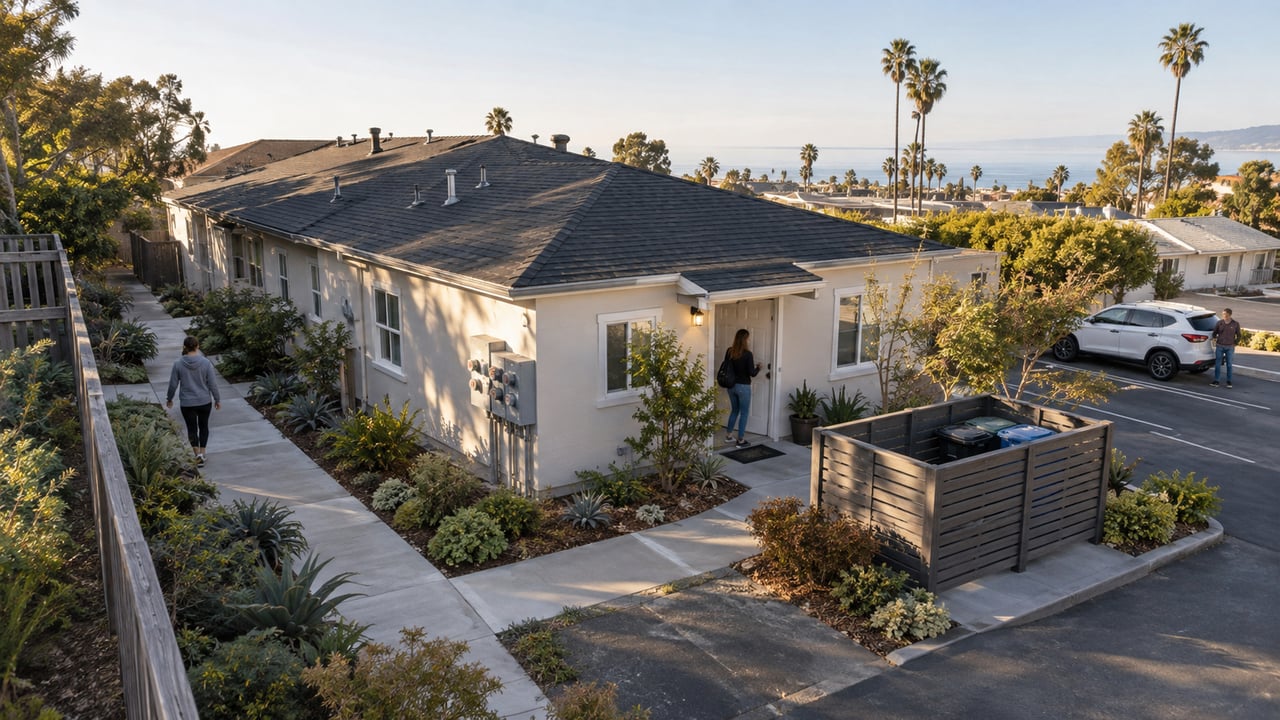
A rental property can produce acceptable income and still be difficult to operate. Management difficulty often comes from the number of decisions, service calls, tenant questions, access issues, recurring coordination points, and unusual property features that demand attention throughout the year. Two rentals with similar rents and similar values can create very different workloads for the owner depending on how the property is designed, how clearly responsibilities are defined, and how easily ordinary issues can be handled.
That matters on the Central Coast, where rental properties range from small condos and single-family homes to duplexes, accessory dwelling units, and larger residential properties with multiple structures. A compact San Luis Obispo rental may be simple to operate because access, parking, utilities, and tenant responsibilities are straightforward, while a larger or more specialized property can require substantially more coordination even if its income is attractive.
An easier-to-manage rental is not necessarily the smallest, newest, or least expensive property. It is one where the physical design, tenant appeal, service access, shared-space organization, and day-to-day operating demands work together efficiently. For an investor, the useful question is not simply whether the property will rent. It is how much ongoing coordination the property will require once it is occupied, and whether that management burden is proportionate to the investment benefit.
Central Coast Neighborhood Video Tour ⬇️
Strong Tenant Appeal Makes Management More Predictable
A rental that fits its likely tenant market is generally easier to operate than one requiring constant explanation or compromise.
👉 What Makes a Property Easy to Rent in San Luis Obispo County
Tenant appeal can come from practical features: appropriate bedroom sizes, usable storage, reliable parking, laundry, straightforward access, privacy, and a layout that makes sense for everyday life.
When those basics are strong, management can become more predictable.
The investor may receive fewer questions about how spaces are supposed to function. Marketing can be more straightforward when the property becomes available. Prospective tenants can more quickly determine whether the home fits their needs.
After more than 30 years in Central Coast real estate, Joesef Jackson has seen that practical real estate often performs better operationally than property that depends on unusual explanations. A rental does not need to impress everyone. It needs to make sense to the people most likely to occupy it.
Multi-Unit Properties Are Easier to Manage When Boundaries Are Obvious
Multiple units can produce useful income diversification, but they also create more relationships within the same property.
👉 How Property Type Affects Investment Strategy on the Central Coast
The easiest configurations usually make private and shared responsibilities easy to understand.
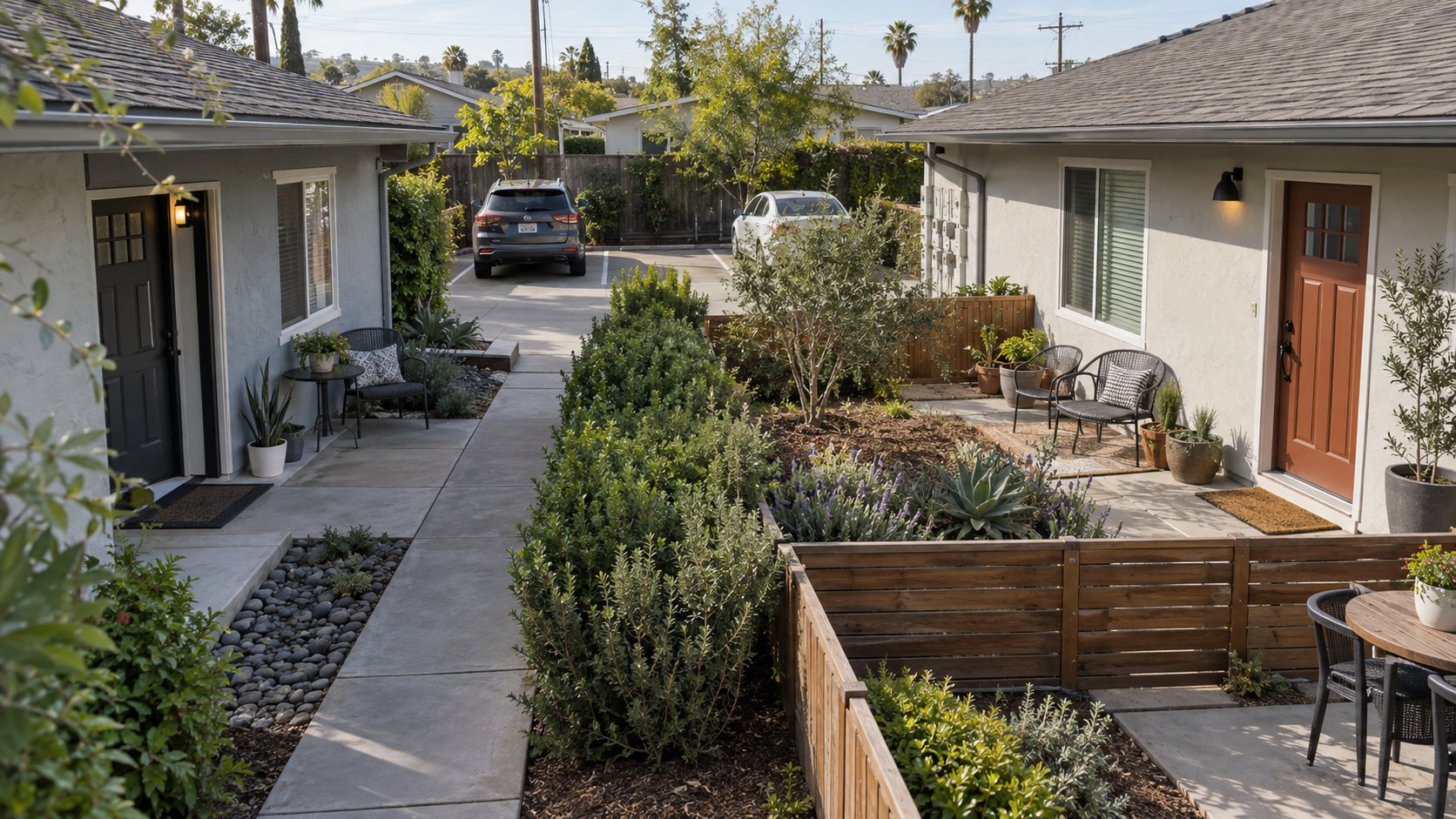
Separate entrances can reduce unnecessary interaction. Clearly assigned parking avoids ambiguity. Defined outdoor areas can prevent confusion about who maintains or uses a particular space. Separate utility arrangements, when they exist, can make billing and responsibility easier to track.
The physical layout matters because management disputes often begin where boundaries are unclear.
A duplex in Grover Beach with two obvious entrances, separate parking, and private outdoor zones may create a different operating experience from a converted property where tenants continually cross through the same narrow areas.
Management improves when the property itself communicates how it is intended to work.
Portfolio Growth Depends on Repeatable Operating Demands
One rental can absorb a surprising amount of owner attention.
Several rentals magnify that workload.
👉 How to Scale a Real Estate Portfolio in San Luis Obispo County
This is why manageability matters even more for investors who expect to own more than one property.
A one-off unusual system may be manageable. Five properties with five different unusual systems can become an operating problem.
Repeatability has value.
Common appliance types, conventional hardware, standardized leasing procedures, similar service schedules, and properties that local vendors already understand can simplify ownership as a portfolio expands.
With more than 2,130 closed transactions, Joesef has seen investors focus heavily on acquisition opportunities while underestimating how much operational variation can accumulate over time.
A scalable portfolio does not require identical properties. It benefits from assets whose day-to-day demands remain understandable and repeatable.
The Best Investment Features Also Need to Work Operationally
Investors commonly evaluate income potential, location, demand, and long-term value.
👉 What Investors Look for in Properties on the Central Coast
Those factors matter, but the same property characteristics should also be examined through an operating lens.
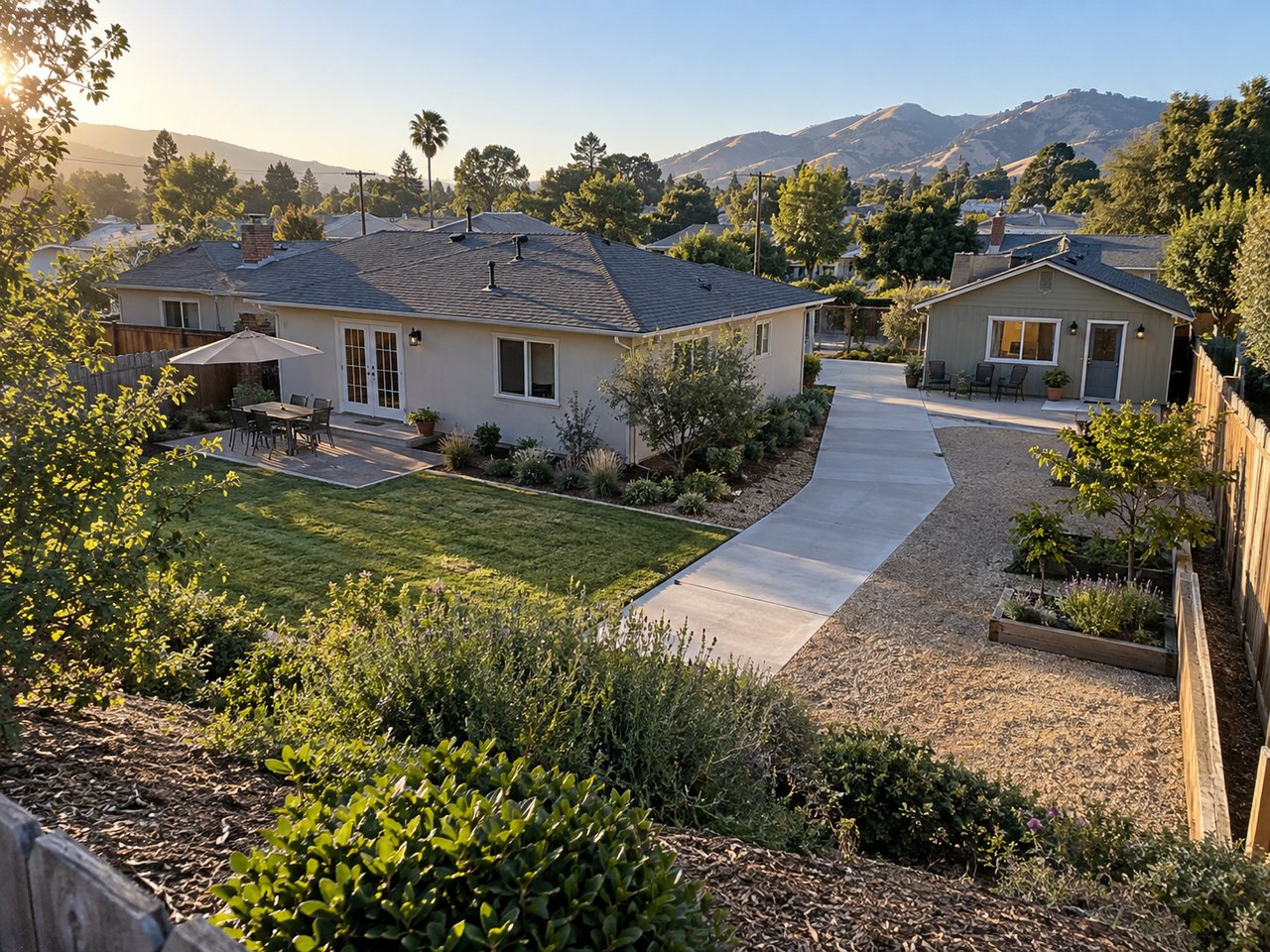
A detached unit may add income while also creating another entrance, utility arrangement, landscape area, and tenant relationship. A large yard may attract renters while increasing coordination around irrigation and landscaping. More parking can be valuable, but only if assigned spaces and access are easy to understand.
Every feature has an operational side.
A good investment advantage should contribute enough value to justify the additional management it creates.
The strongest properties often combine useful features with relatively simple operating requirements.
Easier-to-Hold Properties Usually Create Fewer Surprises
Manageability and holding strength often overlap.
👉 What Makes a Property Easier to Hold in San Luis Obispo County
An easier-to-manage rental tends to give the owner a better idea of what recurring ownership will require.
That does not mean expenses become perfectly predictable.
It means the property has fewer unusual dependencies.
Common systems, established tenant demand, conventional residential layouts, reasonable access, and straightforward responsibilities can reduce the number of situations requiring special solutions.
A property that continually creates exceptions can consume time even when individual issues are not expensive.
Operational simplicity can therefore strengthen the hold by making ownership easier to forecast.
Practical Advantages Matter When They Reduce Recurring Work
Not every investment advantage appears in the rent number.
👉 How to Identify Practical Investment Advantages in San Luis Obispo County
A property can have operational advantages that become valuable over years of ownership.
Examples include direct utility access, straightforward tenant parking, easy vendor entry, durable common areas, independent laundry, simple landscape zones, and layouts that require little explanation.
These details can seem minor during acquisition.
They become more important after repeated move-ins, service visits, inspections, tenant questions, and lease renewals.
The strongest practical advantages reduce recurring decision-making.
A property that naturally answers common questions—where to park, where trash goes, which outdoor area belongs to which unit, how service people enter, where shutoffs are located—requires less ongoing coordination.
Easy Vendor Access Reduces Scheduling Friction
Service calls become more complicated when every repair requires special arrangements.
A property is easier to manage when vendors can reach common service points without unnecessarily entering private living areas.
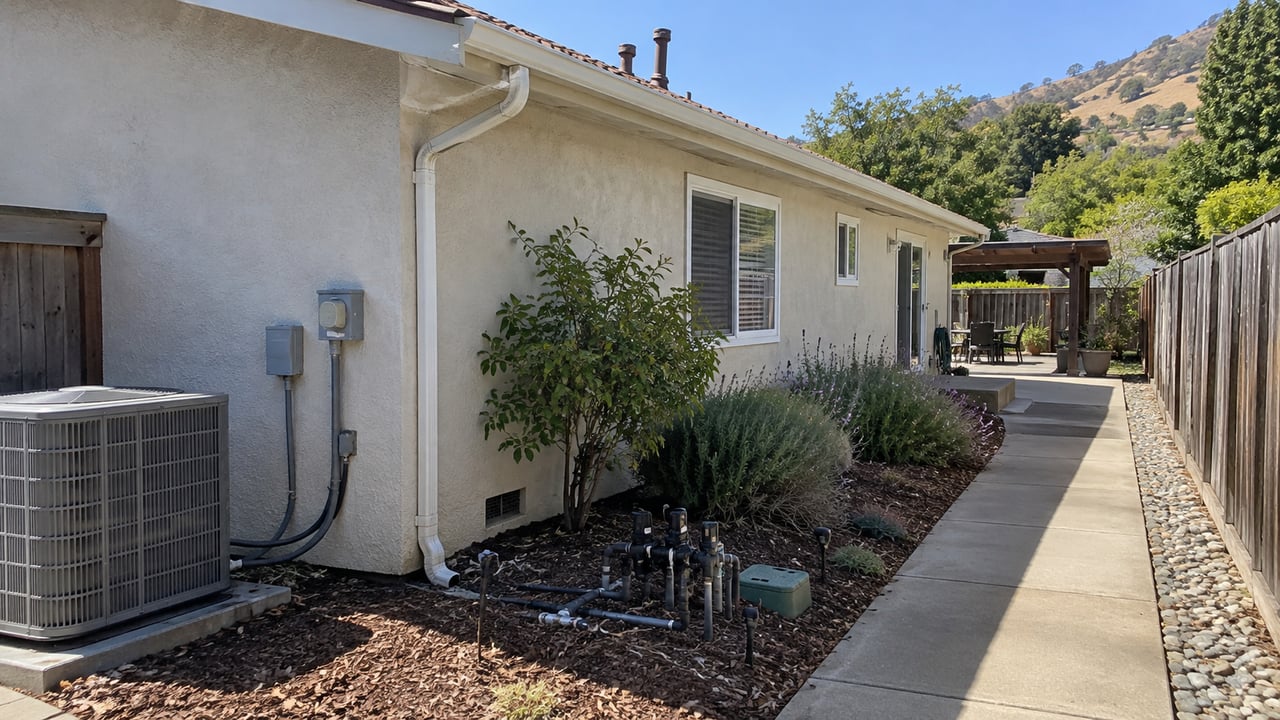
Exterior electrical panels, accessible water shutoffs, practical mechanical locations, separate utility closets, and clear pathways can all reduce coordination.
This becomes especially useful for investors who use property managers or do not live nearby.
If a technician can access equipment from an exterior service area with appropriate authorization, the owner may avoid coordinating several schedules for a relatively minor task.
Access does not remove the need for proper notice or tenant protections.
It simply makes the physical side of servicing the property less complicated.
Standard Components Can Simplify Repairs and Replacement
Highly customized properties can be appealing, but rentals often benefit from some degree of standardization.
Common appliance dimensions, conventional plumbing fixtures, readily available hardware, ordinary light fixtures, and widely serviced mechanical equipment can make replacement easier.
The value is not that these items are cheap.
It is that the owner has options.
When a proprietary component fails, the property may depend on one vendor, one manufacturer, or a long lead time.
Standard components give owners greater flexibility to select qualified service providers and replace items without redesigning surrounding spaces.
This can become increasingly important as the property ages.
Shared Areas Should Have an Obvious Purpose
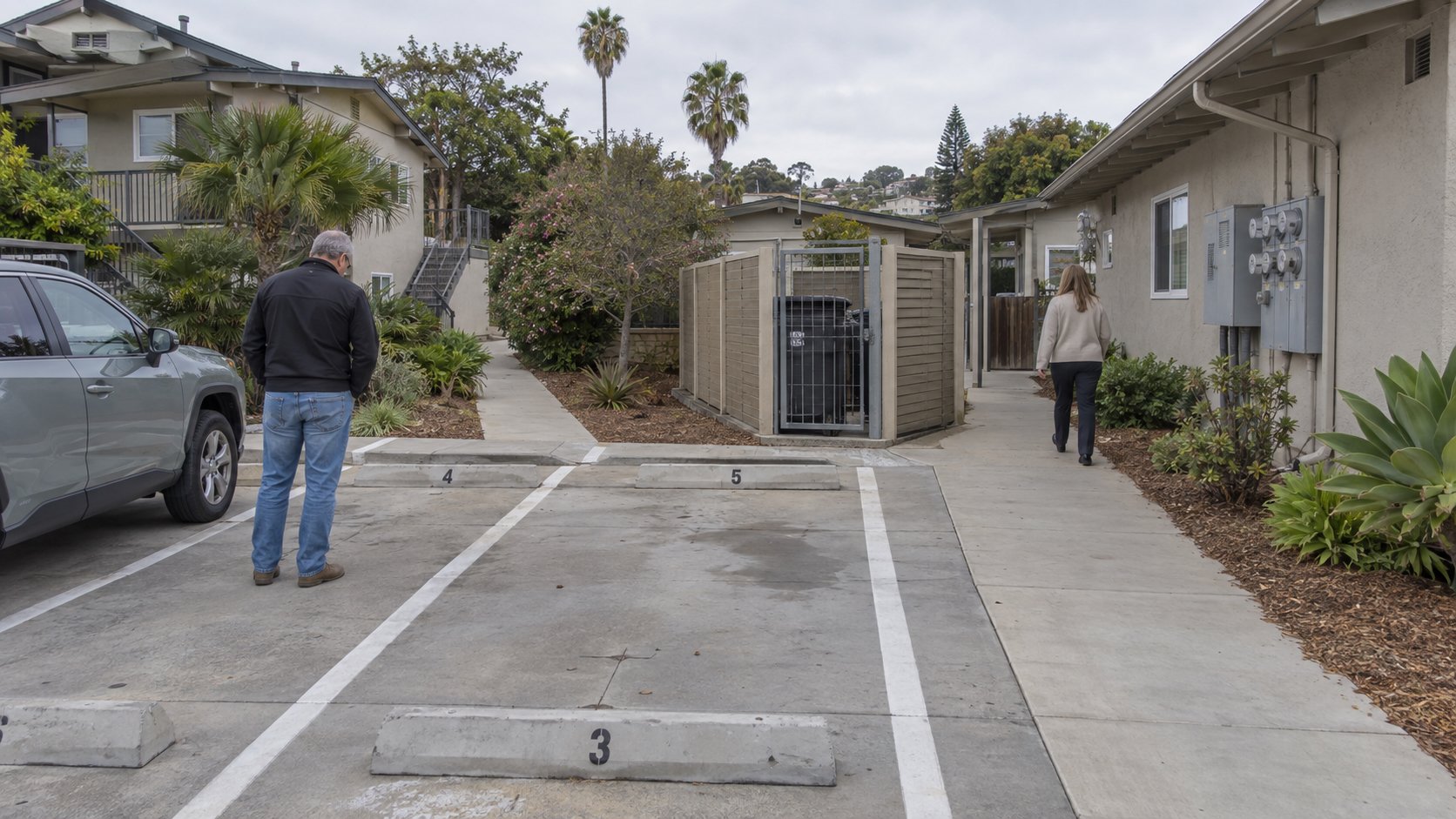
Common space can work well when tenants understand how it is intended to function.
A shared driveway is easier to manage when parking assignments are clear.
A common courtyard is easier when private areas are distinguishable.
Trash and recycling areas work better when access is straightforward and the location does not interfere with circulation.
Problems can develop when one area tries to perform too many functions.
A narrow driveway that also serves as guest parking, trash access, storage, and pedestrian circulation can create repeated conflicts even if the property technically accommodates each use.
Simple shared-space design reduces interpretation.
Communication Is Easier When Responsibilities Are Simple
Good management depends partly on making expectations understandable.
The property itself can either support or complicate that process.
If landscaping responsibilities are divided unpredictably, storage areas are informally assigned, or parking arrangements rely on verbal explanations, management becomes more dependent on repeated communication.
Clear lease documentation matters, but physical simplicity makes those documents easier to apply.
California's Department of Real Estate provides consumer information about real estate activities and licensed professionals.
Investors using professional management should still understand how the property is organized and which responsibilities will require recurring oversight.
The fewer ambiguous arrangements a rental creates, the easier it is to establish consistent expectations.
Tenant Independence Can Reduce Routine Management Contact
A rental becomes easier to operate when occupants can handle normal day-to-day living without needing frequent owner involvement.
That does not mean shifting inappropriate responsibilities to tenants.
It means providing a property where ordinary functions are intuitive.
Dedicated laundry, straightforward parking, usable storage, easy trash access, clearly marked controls, and reliable systems can reduce routine questions.
A tenant should not need to contact management simply to understand how normal parts of the property work.
This is particularly important in multi-unit configurations, where uncertainty can affect more than one household.
Independence creates a cleaner separation between ordinary occupancy and issues that genuinely require management attention.
Simple Landscaping Can Reduce Recurring Coordination
Landscape design can create considerable management work when responsibility is unclear or when service requirements are excessive.
A rental does not need bare landscaping to be manageable.
It needs an appropriate level of complexity.
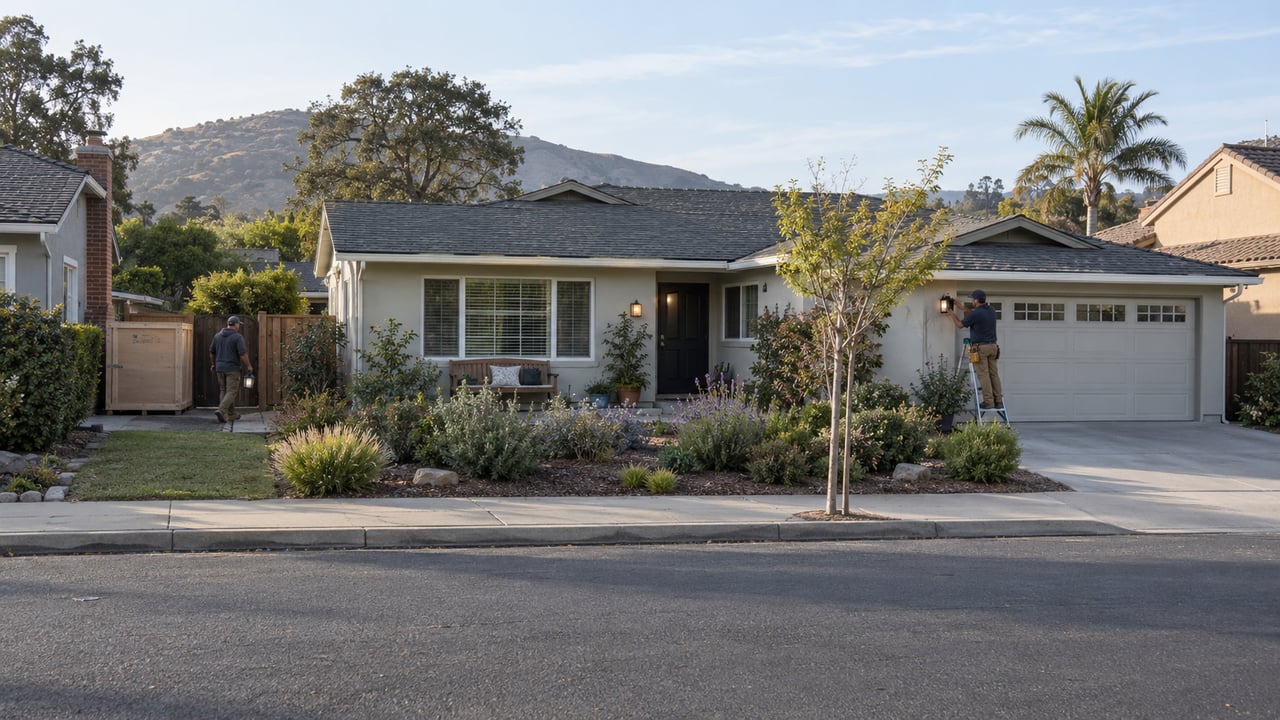
Defined irrigation zones, durable plantings, limited specialty care, clear access for gardeners, and separation between private and common outdoor areas can reduce coordination.
A compact property in San Luis Obispo may require a very different plan from a larger rental in Atascadero.
What matters is whether the landscape supports tenant appeal without creating disproportionate operating demands.
An attractive yard that repeatedly requires emergency irrigation work or difficult vendor access may not be as operationally simple as it first appears.
Parking Design Has an Outsized Effect on Daily Management
Parking disputes are among the issues a property's design can either minimize or encourage.
Clear assignments are especially valuable where multiple households occupy the same parcel.
Investors should look at whether vehicles can enter and exit without moving another tenant's car, whether guest parking expectations are understandable, and whether trash pickup, delivery access, or service vehicles interfere with normal use.
Properties with tight urban lots may require more thoughtful parking organization than those with larger sites.
The key is not maximizing the number of vehicles that can physically fit.
It is establishing a pattern that works consistently without requiring management intervention.
Rental Layouts Should Be Easy to Explain and Easy to Use
An unconventional layout can still make a strong rental, but complicated circulation can generate practical issues.
Tenants should be able to understand how rooms function, how they access outdoor areas, and where private and common spaces begin.
This is particularly important in properties that have been expanded or reconfigured over time.
A room reached only through another bedroom, an outdoor space accessible through one tenant's private area, or a laundry room requiring unusual circulation can create friction.
A logical plan usually requires fewer rules.
It also tends to remain understandable as tenants change.
Local Rules Can Affect How Simple a Property Really Is
Physical simplicity does not guarantee administrative simplicity.
A property with an accessory unit, unusual use, or specialized configuration may require the investor to understand additional rules before deciding that the rental is easy to manage.
San Luis Obispo County Planning & Building provides information regarding permits, land use, zoning, and development in county jurisdiction.
Investors should distinguish between a property that merely looks straightforward and one whose legal configuration and permitted uses are also understandable.
Documentation problems can create management complexity that is invisible during an ordinary showing.
Remote Owners Benefit More From Operational Simplicity
Management difficulty changes when the owner lives far from the property.
A local investor may be able to inspect a minor concern personally.
A remote owner usually depends more heavily on property managers, vendors, photos, reports, and established procedures.
That makes clear access, predictable systems, and reliable service relationships even more important.
The property should be capable of operating without requiring the owner's physical presence every time an issue arises.
This does not mean remote ownership should be passive.
It means the asset and management structure should support informed oversight from a distance.
Good Documentation Can Reduce Repeated Decision-Making
A manageable rental benefits from records that prevent the owner from repeatedly reconstructing the same information.
Useful documentation may include appliance information, service histories, contractor contacts, utility details, keys, access procedures, warranties, and records of prior work.
For multi-unit properties, keeping unit-specific information organized can become particularly important.
The operational benefit is simple: information is available when it is needed.
A manager does not need to rediscover the model number of an appliance during every service call or search through old emails to determine which vendor last worked on a particular component.
Documentation turns prior experience into a repeatable system.
More Features Are Not Always Better for a Rental
Investors should evaluate amenities through the value they create relative to the management they require.
A pool may increase appeal for one type of property while creating substantial service and liability considerations.
Elaborate landscaping may strengthen a high-end rental but create recurring coordination.
Multiple outbuildings may provide useful storage while adding additional access and maintenance responsibilities.
The correct answer varies by property.
What matters is whether the feature materially improves rent, tenant demand, retention, or long-term value enough to justify its ongoing operational demands.
Features should earn their complexity.
Easier Management Can Improve Portfolio Decision-Making
An easier-to-manage rental does more than save time.
It can make the owner's broader investment decisions easier.
Predictable properties allow investors to see more clearly where attention and capital are actually needed.
When one rental constantly generates unusual issues, it can distract from other assets or opportunities.
For investors building a portfolio, operational simplicity can preserve management capacity.
That capacity has value.
Joesef's career sales volume of more than $1.81 billion has included investors with very different approaches to ownership. A recurring distinction is that properties producing fewer unnecessary operational decisions give owners more room to focus on strategy instead of constant problem solving.
The Easiest Rental to Manage Is Usually the One That Makes Sense
Manageability comes from alignment.
The property fits its tenant market. Access is practical. Shared spaces have clear purposes. Parking works. Responsibilities are understandable. Systems can be serviced. Documentation exists. Features provide enough value to justify their complexity.
None of those characteristics are especially dramatic.
Together, they can materially change the ownership experience.
A rental property should not require constant interpretation simply to function as intended.
For investors on the Central Coast, the strongest management profile is often found in a property that is easy for tenants to use, easy for vendors to service, and easy for the owner or property manager to understand.
Frequently Asked Questions
What makes a rental property easier to manage?
Clear tenant responsibilities, practical access, straightforward systems, adequate parking, understandable shared spaces, strong tenant appeal, and reliable service access can all reduce recurring management friction.
Are single-family rentals easier to manage than multi-unit properties?
Not automatically. A well-organized duplex can be easier to manage than a complicated single-family property. The physical configuration and operating responsibilities matter more than the unit count alone.
Why does vendor access matter for rental management?
Accessible service areas can reduce scheduling complexity and make ordinary repairs easier to coordinate without unnecessarily disrupting tenants.
Do standardized appliances and fixtures matter?
They can. Common sizes and widely available components generally provide more repair and replacement options than proprietary or highly specialized products.
Can landscaping make a rental harder to manage?
Yes. Complex irrigation, specialty plantings, unclear tenant responsibilities, or difficult service access can increase recurring coordination.
Why are clearly assigned parking spaces important?
Clear parking reduces ambiguity among tenants, guests, vendors, and managers and can prevent recurring disputes in multi-unit properties.
Is an ADU property necessarily harder to manage?
No. An ADU can be relatively straightforward when access, parking, utilities, private areas, and legal use are clearly established.
Does professional property management make any property easy to operate?
No. Professional management can take over coordination, but the underlying property's physical and operational complexity still affects how much work is required.
If you are preparing to buy or sell real estate on the Central Coast and want personalized guidance, contact Joesef Jackson at SLO Life Realty Group.