Understanding property taxes is a critical part of buying a home on the Central Coast. In San Luis Obispo County, property taxes directly affect your monthly payment, long-term ownership costs, and overall affordability. Many buyers focus heavily on purchase price and interest rates but overlook how taxes can influence their financial picture over time.
In many Central Coast transactions, what often stands out is that buyers who understand property taxes early make more confident decisions and avoid surprises after closing. Property taxes are not static—they are tied to value, location, and future changes—making them an essential part of your buying strategy.
How Property Taxes Are Calculated in San Luis Obispo County
Property taxes in California are generally based on Proposition 13, which sets the base tax rate at approximately 1% of the assessed value at the time of purchase. Additional local assessments, bonds, and voter-approved measures can increase that rate slightly depending on the property’s location.
👉 Property Taxes on the Central Coast: What Homeowners Should Know
👉 How Property Taxes Work for Investment Properties in San Luis Obispo County
The assessed value is typically the purchase price at the time of sale, which means your tax basis is reset when you buy. This is why two similar homes in the same neighborhood can have very different tax amounts depending on when they were purchased.
What Additional Property Tax Costs Buyers Should Expect
Beyond the base tax rate, buyers should be aware of supplemental taxes and local assessments. These can include:
- School district bonds
- Infrastructure improvements
- Community-specific assessments
These costs vary across San Luis Obispo, Arroyo Grande, and Nipomo, and can influence your total annual tax obligation.
👉 What Buyers Should Know About Natural Hazard Disclosures in San Luis Obispo County
Understanding these additional costs ensures you are evaluating the full financial picture—not just the purchase price.
How Property Taxes Affect Monthly Payments
Property taxes are typically included in your monthly mortgage payment if you have an escrow account. This means your lender collects a portion of your annual taxes each month.
👉 Central Coast Home Buying Guide (2026): Step-by-Step Process, Costs, and Timeline
This structure makes property taxes part of your overall monthly housing cost, alongside principal, interest, and insurance. Buyers should factor this into affordability calculations before making an offer.
How Reassessments and Increases Work Over Time
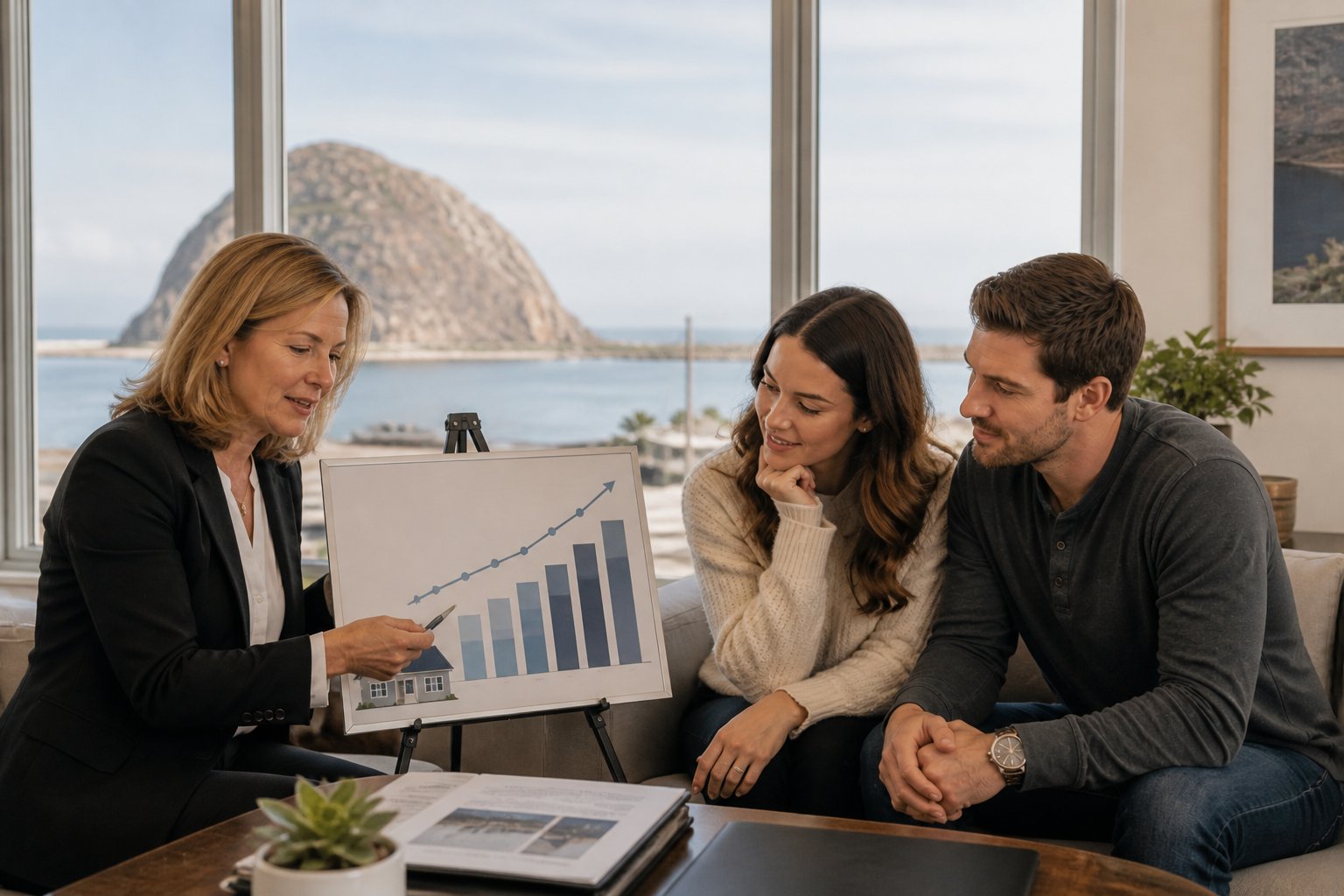
While Proposition 13 limits annual increases in assessed value (generally capped at 2% per year), property taxes can still rise over time.
👉 What Buyers Should Know About Appreciation Trends on the Central Coast
Increases may come from:
- Annual assessment adjustments
- New voter-approved measures
- Changes in ownership or property improvements
Buyers should plan for gradual increases rather than assuming taxes remain fixed.
Supplemental Property Taxes After Purchase
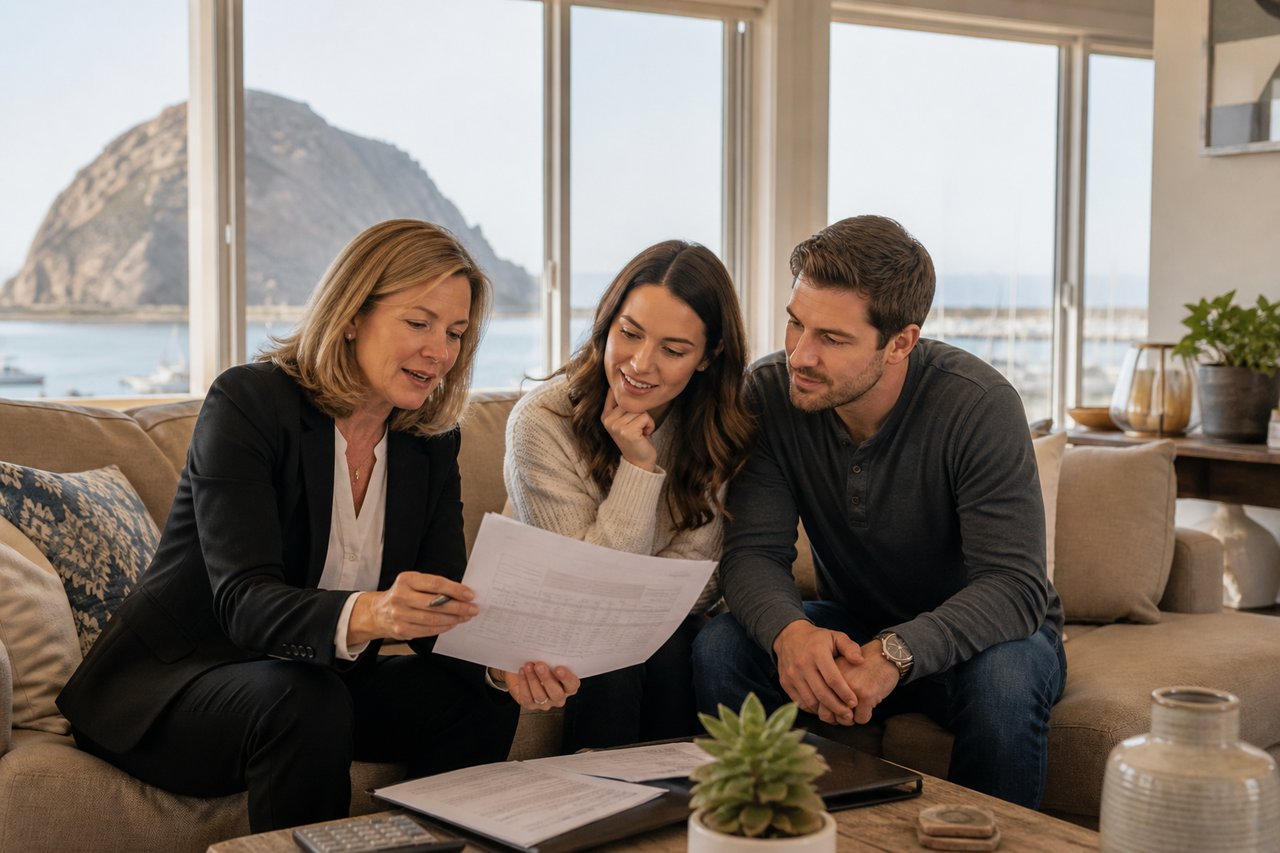
One of the most overlooked aspects of buying on the Central Coast is supplemental property taxes. After a purchase, the county may issue a one-time supplemental bill to account for the difference between the previous assessed value and the new purchase price.
This bill is separate from your regular property tax payments and can catch buyers off guard if they are not prepared.
The California State Board of Equalization provides guidance on supplemental property taxes and how they are calculated.
Why Location Matters for Property Taxes
Property taxes vary not only by value but also by location. Different areas within San Luis Obispo County may have different assessments and bond obligations.
👉 How Market Conditions Affect Home Values on the Central Coast
For example, newer developments may carry additional infrastructure-related costs, while established neighborhoods may have fewer added assessments.
Understanding these local differences helps buyers compare properties more accurately.
How to Estimate Property Taxes Before Buying
Buyers can estimate property taxes by:
- Reviewing the current tax bill
- Applying the approximate 1% base rate to the purchase price
- Accounting for local assessments
The California Department of Tax and Fee Administration provides resources to help buyers understand property tax structures and obligations.
Working with a knowledgeable professional can also help you interpret tax data and avoid miscalculations.
Long-Term Financial Planning and Property Taxes
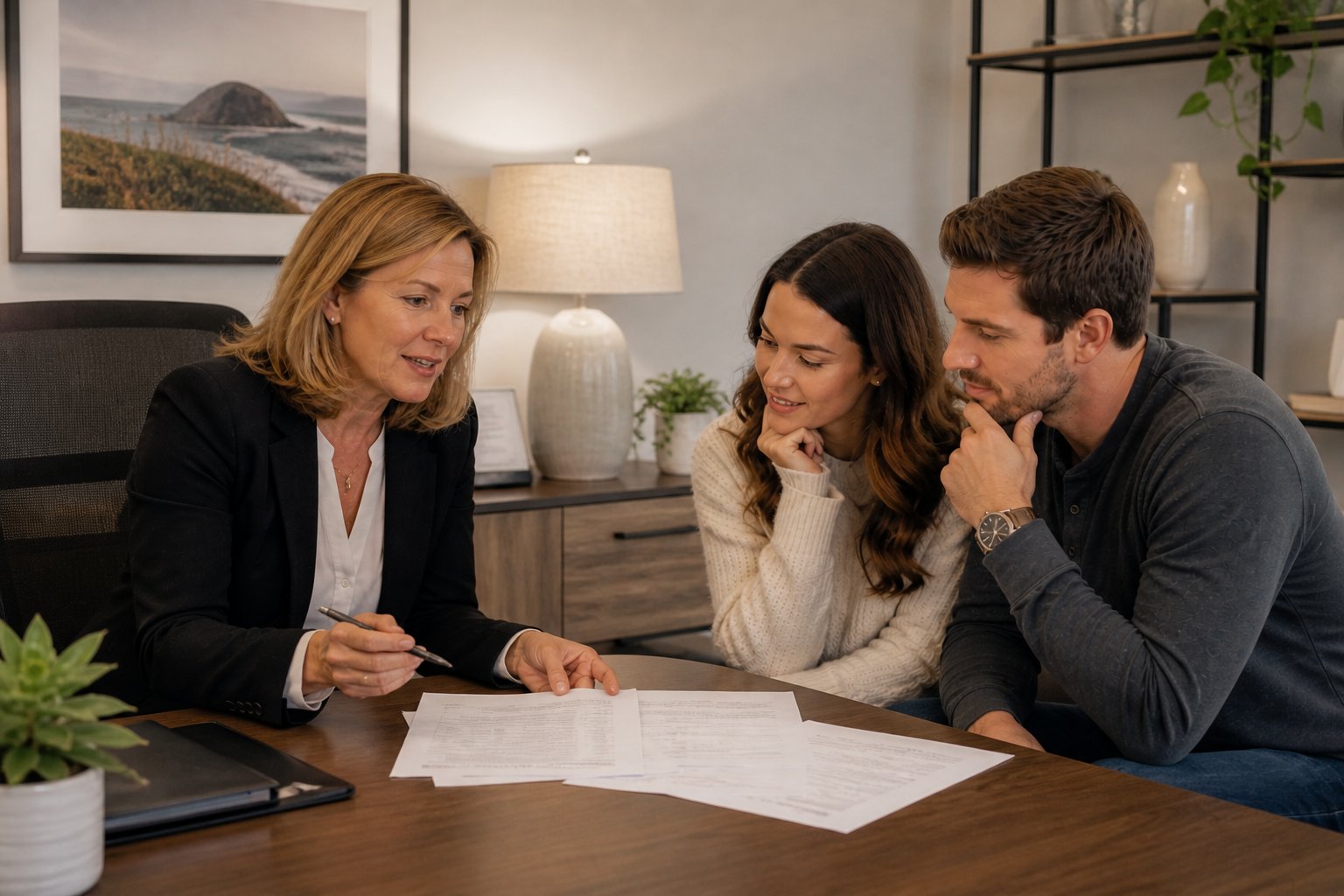
Property taxes are a long-term cost of homeownership and should be considered alongside maintenance, insurance, and financing.
Buyers who plan for these costs early are better positioned to maintain financial stability and make informed decisions about their purchase.
FAQ
How much are property taxes on the Central Coast?
Typically around 1% of the purchase price annually, plus local assessments.
Do property taxes increase every year?
Yes, generally up to 2% annually under Proposition 13, plus any additional assessments.
What are supplemental property taxes?
A one-time adjustment bill issued after purchase based on the new assessed value.
If you’re preparing to buy and want a clear understanding of property taxes on the Central Coast, contact me.
Internal Linking Note
Some plain-text references in this article will become live internal links as additional Central Coast real estate guides are published.