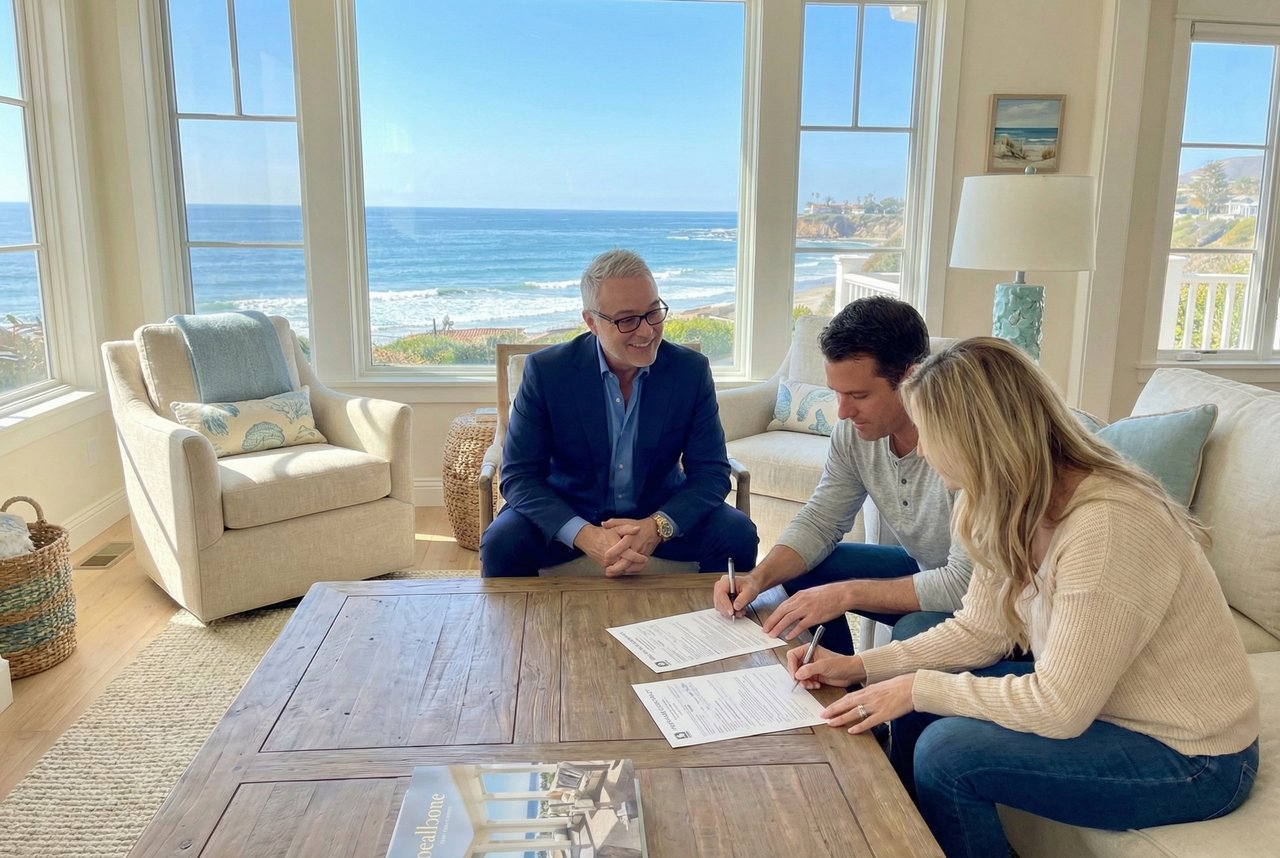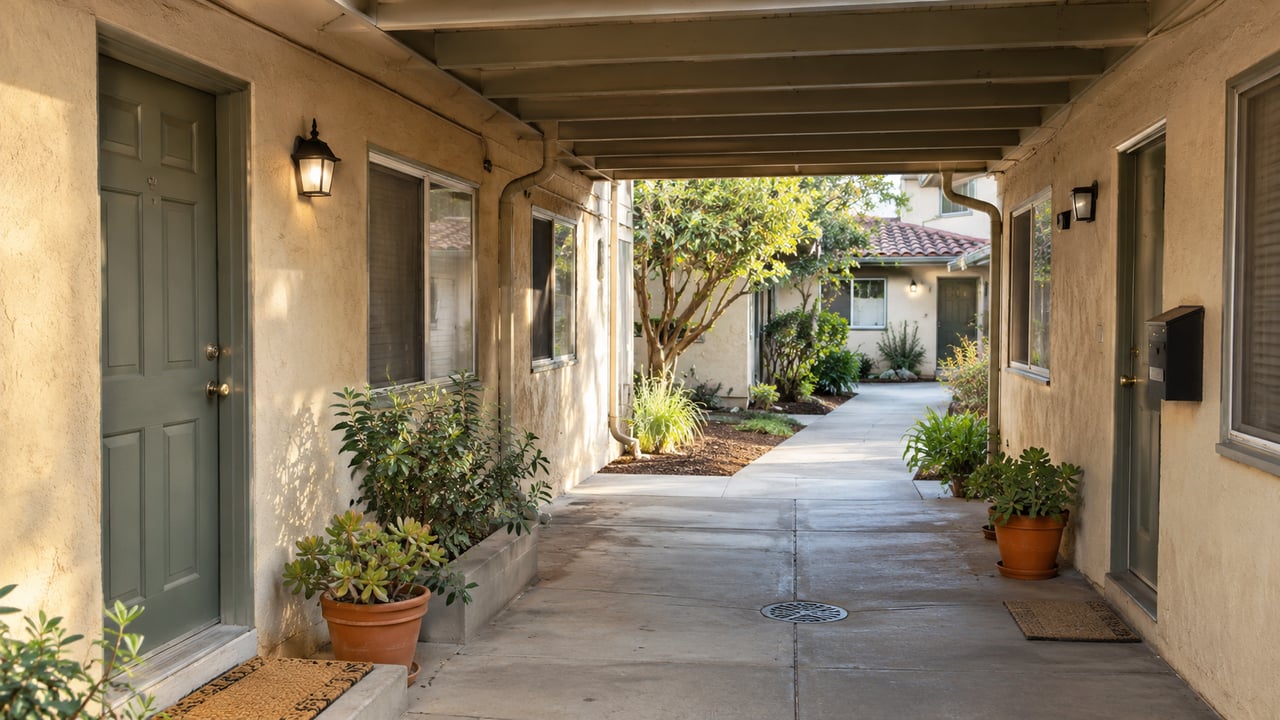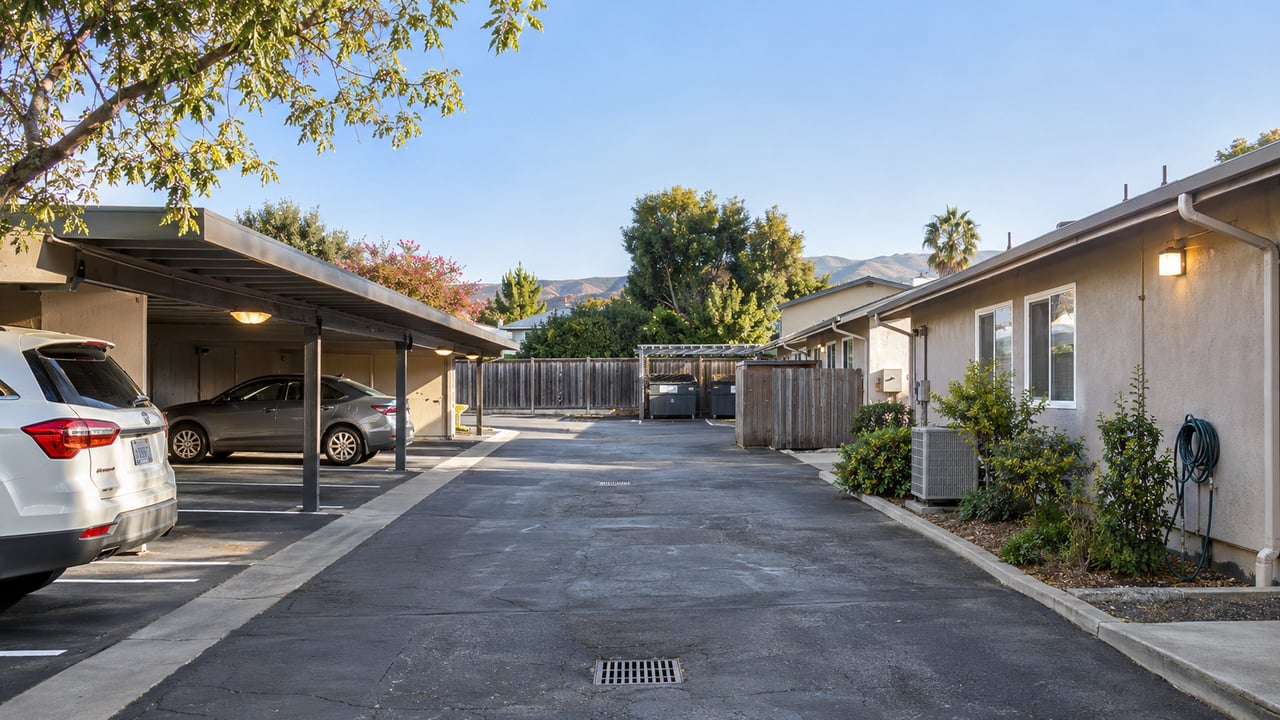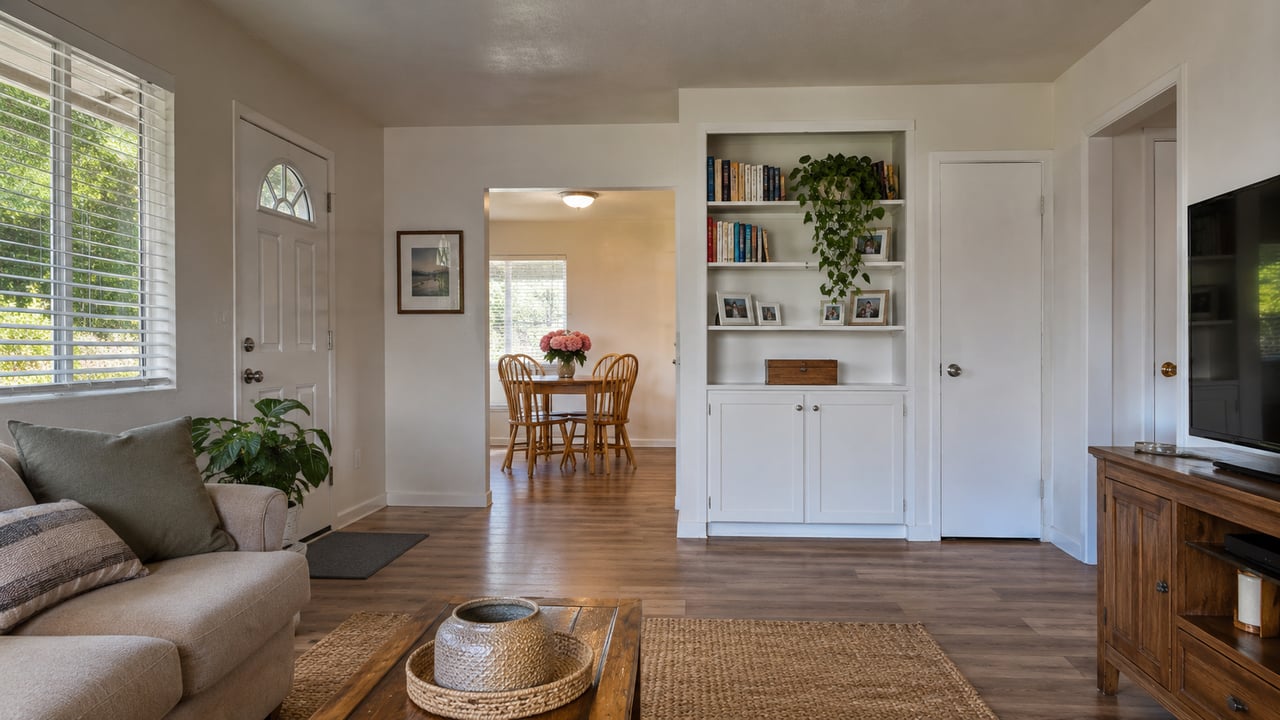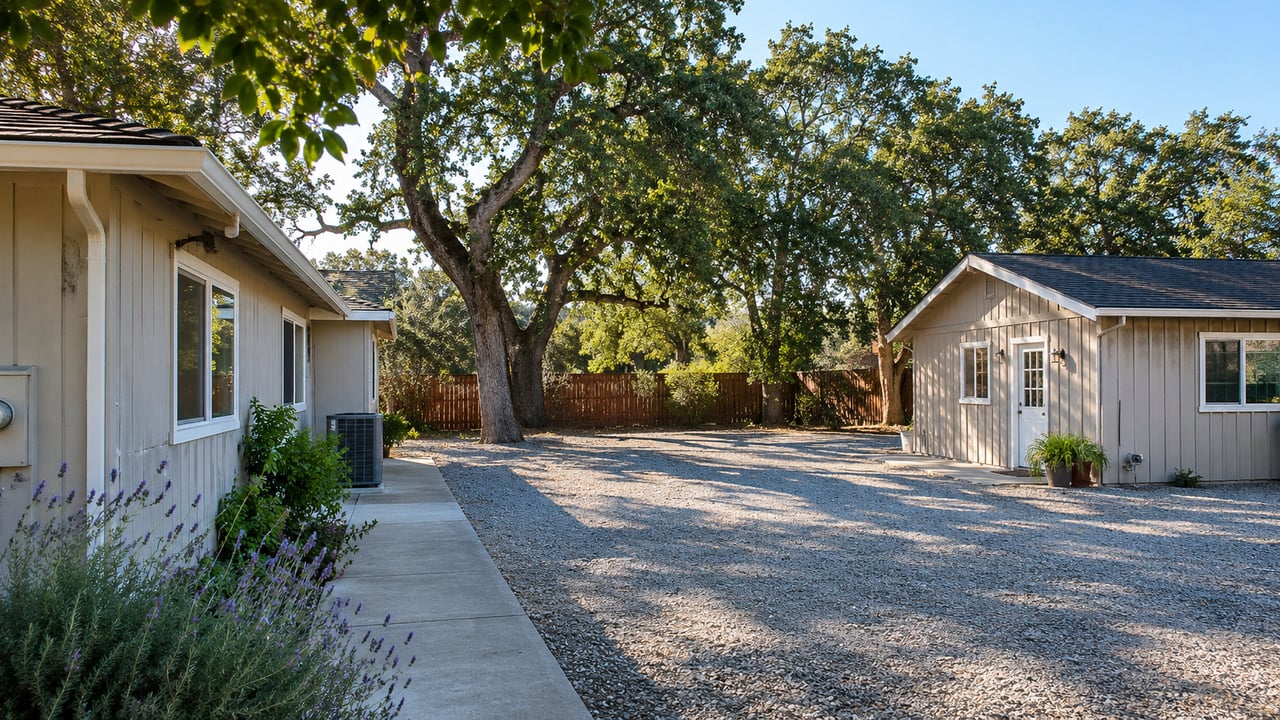
A property with multiple potential uses can offer valuable flexibility, but its possibilities should be evaluated before they influence a purchase decision. A detached workshop may appear suitable for guest accommodations, a garage might seem convertible into living space, and a large parcel may suggest room for additional housing. None of those physical characteristics automatically establishes that the proposed use is legally permitted, financially practical, or compatible with the property's existing infrastructure. Buyers need to distinguish what a property currently provides from what it might reasonably accommodate.
Across San Luis Obispo County, multi-use opportunities take different forms. An Atascadero residence may include a detached building suitable for an approved nonresidential purpose. A property in San Luis Obispo might offer a layout supporting multigenerational living without creating an independent dwelling. Rural land near Paso Robles could provide room for several activities while remaining subject to zoning, access, water, wastewater, and building requirements. Coastal properties in Morro Bay or Cambria may involve additional land-use considerations. Each possibility requires address-specific investigation rather than assumptions based on appearance.
The most useful evaluation begins with three questions: What uses are already authorized, which additional uses may be permitted, and what would be required to make those uses functional? Joesef Jackson of SLO Life Realty Group helps buyers examine property configuration alongside location, market value, and intended ownership. The objective is to identify genuine flexibility without paying a premium for possibilities that have not been verified. A well-supported multi-use purchase should offer a practical primary purpose while providing credible alternatives if household or investment needs change.
Central Coast Neighborhood Video Tour ⬇️
Evaluate How the Existing Layout Supports Different Uses
👉 What Buyers Should Know About Functional Layout in San Luis Obispo County
A property's adaptability begins with its existing configuration, not with the number of possible uses described in a listing. Examine how rooms connect, whether activities can occur independently, and whether circulation allows privacy without creating awkward arrangements.
A home with a separate bedroom wing may support multigenerational living more comfortably than one requiring occupants to pass through private sleeping areas. A detached studio may serve as a workspace even if it is not approved as a dwelling.
In an older San Luis Obispo residence, evaluate bathrooms, entrances, storage, and the relationship between shared and private rooms. Consider which functions can occur without construction and which require structural changes.
Distinguish general versatility from an independent residential unit. A room suitable for occasional guests does not automatically have the approvals or facilities needed for separate rental occupancy.
Examine Parking and Access for Each Intended Activity
👉 What Buyers Should Know About Parking and Access in San Luis Obispo County
Multiple uses can introduce competing demands for parking, deliveries, pedestrian circulation, and everyday access. Buyers should examine how each proposed activity would function on the actual site, including whether occupants could enter without unnecessarily crossing private living areas.
A detached structure in Arroyo Grande may be physically accessible, yet a proposed change of use could require additional review of parking, driveway geometry, or accessible routes.
Do not assume that every proposed accessory dwelling unit requires new parking. California law limits parking requirements in certain ADU circumstances, while other activities may be governed by different standards.
Joesef Jackson's experience representing Central Coast buyers since 1994 informs the importance of evaluating practical site limitations alongside advertised property features.
A usable driveway is valuable, but buyers should confirm legal access, easements, and applicable requirements rather than treating existing vehicle movement as proof of approval.
Determine Whether Outdoor Areas Can Accommodate Change
👉 How to Evaluate Outdoor Space When Buying on the Central Coast
Lot size and available building area are not interchangeable. A large yard can contain setbacks, easements, drainage features, protected resources, or utility infrastructure that affects where development or other activities may occur.
In Atascadero, buyers considering a detached accessory building should investigate its recorded status and relationship to existing structures. Near Templeton, an expansive rural parcel may present questions about access, water availability, and wastewater capacity.
Evaluate the usable portion of the land rather than relying on acreage alone. Request available surveys, recorded maps, and building plans where appropriate.
A garden, workshop, additional residence, or home-based activity may involve different approvals even when each could physically fit.
The goal is to identify which portions of the property can serve the buyer's intended purposes without compromising essential outdoor functions.
Assess Whether Multi-Use Flexibility Supports Market Value
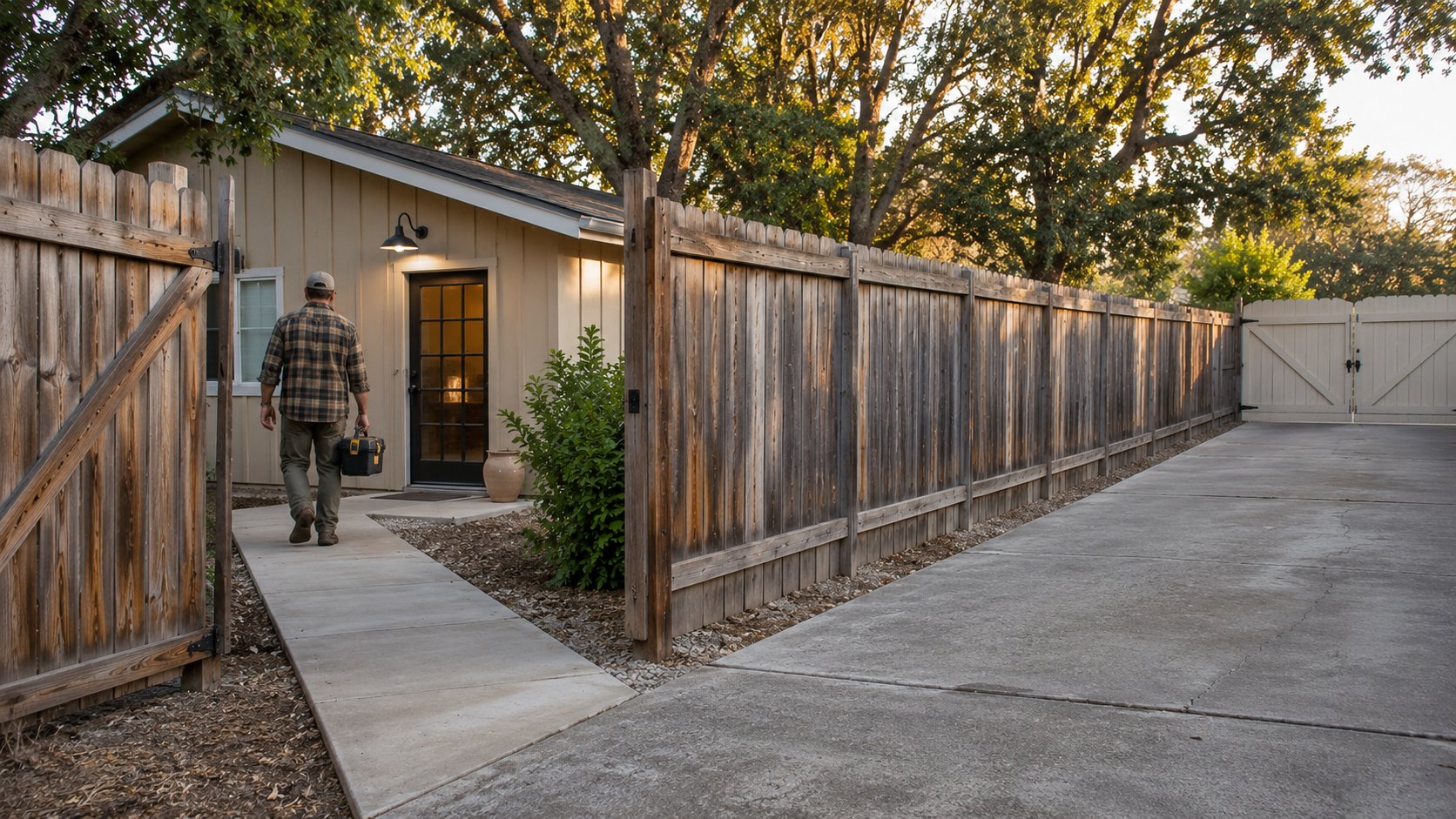
👉 What Buyers Should Know About Resale Value in San Luis Obispo County
A property's alternative uses contribute to value only to the extent that they are credible, useful, and recognized by qualified buyers. An authorized secondary dwelling may appeal to households or investors differently from an unpermitted room marketed as potential living space.
Compare relevant sales rather than assigning an arbitrary premium to every additional structure.
For a property in Nipomo, evaluate whether the secondary space has documented approvals, appropriate utilities, and broad practical appeal. A specialty workshop could be especially valuable to certain purchasers but less important to others.
Distinguish existing improvements from hypothetical future construction. Buyers should not pay as though an unbuilt ADU already exists simply because the lot appears spacious.
Resale analysis should reflect the present property, supported entitlements, necessary conversion costs, and realistic future demand.
Identify Which Alternative Uses Offer Practical Advantages
👉 How to Identify Practical Investment Advantages in San Luis Obispo County
The strongest multi-use opportunities solve a specific ownership need without requiring excessive investment or uncertain approvals. A flexible home office, approved guest accommodation, or adaptable storage building may provide real utility even when it does not generate independent rental income.
Investors should describe each proposed use separately, then evaluate demand, expense, operating responsibility, and feasibility.
A Paso Robles property with a substantial existing workshop may suit an owner with a compatible hobby or business activity, provided the proposed use complies with applicable rules. That benefit should not be confused with permission to operate unrestricted commercial activities.
Consider whether the alternative use strengthens the primary property's function or creates additional management complexity.
A modest improvement that broadens daily usability may be more financially sensible than an expensive conversion dependent on optimistic income projections.
Consider How Multiple Uses Affect Future Marketability
👉 What Investors Should Know About Property Liquidity in San Luis Obispo County
Multi-use flexibility can broaden a property's appeal, but unusual configurations can also narrow its future buyer pool. The important distinction is whether the property remains attractive for a conventional purpose if the alternative use is discontinued.
A detached residence in Grover Beach may retain broad owner-occupant appeal even if an accessory workspace is no longer needed. A specialized live-work arrangement could require a purchaser with more particular financing or operational needs.
Evaluate whether improvements can transition between uses without substantial expense. Consider insurance, maintenance, access, and any conditions attached to permits.
Investigate comparable transactions involving similarly configured properties. Do not assume that a greater number of possible activities guarantees faster resale.
The most resilient property is often one whose primary function remains useful independently of its secondary potential.
Verify Zoning, Permits, and Existing Legal Uses
Zoning verification should occur before a buyer assigns financial value to an alternative property use. Begin by identifying the governing jurisdiction, parcel information, zoning designation, and actual proposed activity.
The County of San Luis Obispo guide to zoning and property information explains how to investigate land-use categories, allowable activities, permits, planning-area standards, and recorded maps for unincorporated properties.
Properties within incorporated cities require verification through the appropriate municipal planning authority.
Request permit histories and approved plans for existing secondary structures. Distinguish the legal use of a building from its appearance or current occupancy.
An apparently finished room may be approved as storage, an office, or another classification rather than a separate dwelling. Confirm authorization for the precise use the buyer intends, not merely whether a building permit exists.
Evaluate ADU and Secondary-Space Feasibility
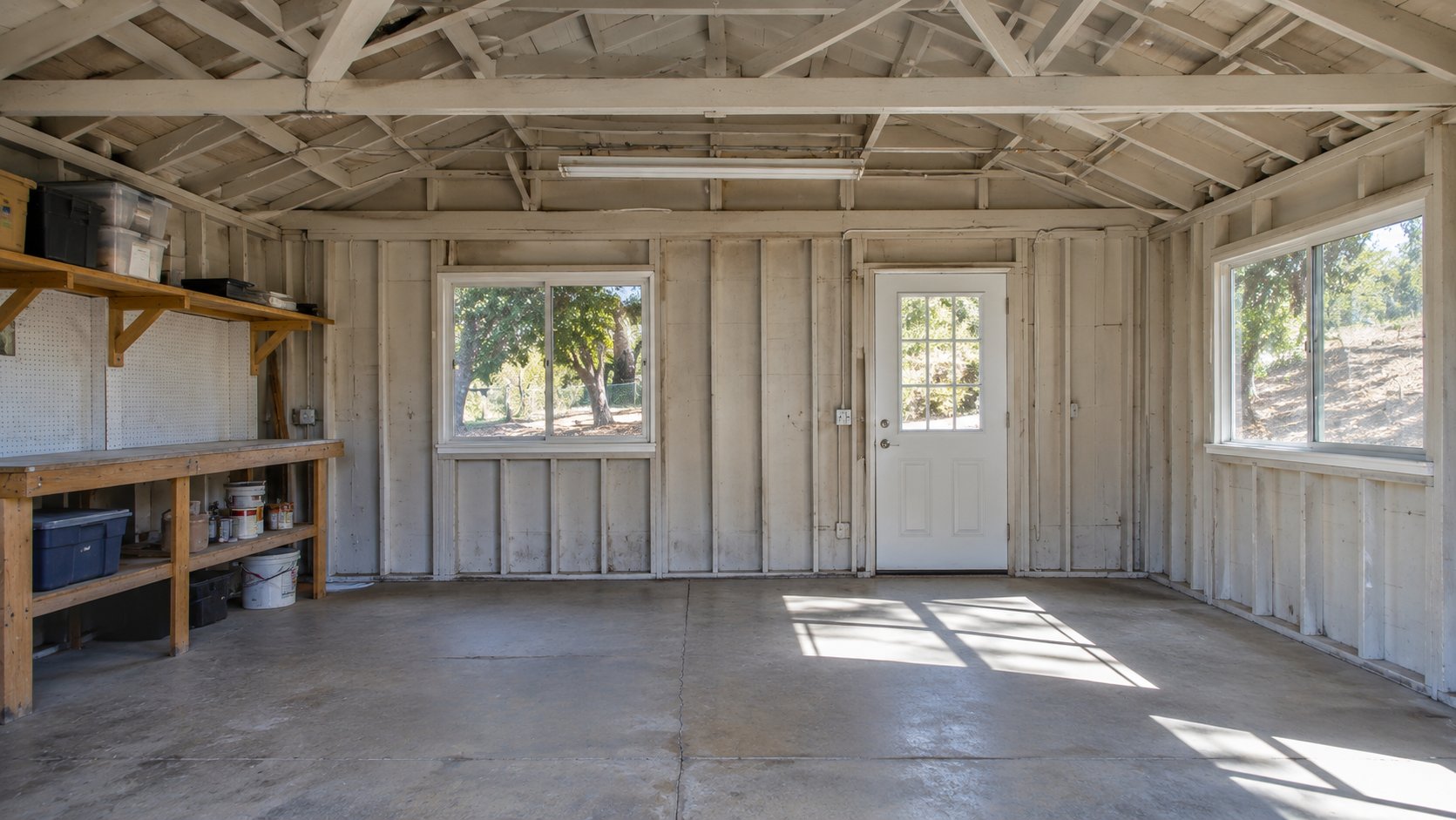
California law creates significant opportunities for accessory dwelling units, but a property's individual feasibility still requires review. Buyers should distinguish a newly constructed ADU, conversion of existing space, junior ADU, and other residential arrangements because different requirements can apply.
The California Department of Housing and Community Development updated ADU Handbook explains the state framework governing qualifying units, local review, and development standards.
Do not assume that a detached workshop is automatically convertible into a lawful residence. Evaluate structural condition, ceiling height, fire safety, utilities, wastewater, ventilation, and required permits with qualified professionals.
A secondary structure near Santa Margarita might provide an attractive starting point yet require substantial engineering or infrastructure improvements.
For every proposed conversion, obtain jurisdiction-specific guidance and a realistic scope of work before including projected rental income in an acquisition model.
Calculate Conversion Costs and Operating Obligations
Potential income should never be evaluated without the cost of making a secondary use legal and operational. Construction, engineering, utilities, permits, financing, insurance, and ongoing maintenance can materially change a project's economics.
A simplified example illustrates the distinction. Suppose a proposed conversion could generate $1,800 in monthly gross rent once legally completed. That is $21,600 annually before vacancy and expenses. If conversion requires $150,000, the gross-income figure alone cannot establish an attractive return.
Estimate net income after applicable expenses, financing costs, reserves, and property-specific requirements. Investigate how the change may affect taxes and insurance.
Compare the cost of conversion with the benefit of retaining the space in its existing authorized use.
The appropriate decision depends on projected financial performance, time, regulatory feasibility, and whether the buyer can support the project if completion takes longer than expected.
Make the Purchase Work Without Speculative Potential
A multi-use property should satisfy the buyer's essential needs even when the preferred secondary plan remains uncertain. Evaluate the purchase as it exists today, then consider verified opportunities separately.
For those exploring buying a home in San Luis Obispo County with Joesef Jackson, this distinction helps prevent an appealing future concept from overshadowing present condition, affordability, and lawful use.
Joesef Jackson helps buyers connect intended uses with property configuration, local marketability, and the practical questions requiring investigation.
Before removing applicable contingencies, seek written clarification of material land-use issues, obtain construction estimates where needed, and identify any unresolved approval risks.
The most defensible purchase is one where the current property makes sense financially and additional possibilities represent informed opportunities rather than necessary assumptions.
Frequently Asked Questions
What makes a property multi-use?
A multi-use property can support more than one practical activity or occupancy arrangement. Examples may include residential living with an approved workspace, separate living areas, or additional rental housing. Physical adaptability does not automatically establish legal authorization for each use.
Does a large lot guarantee that an ADU can be built?
No. State law provides important ADU protections, but specific site, building, safety, utility, and other applicable requirements still matter. Buyers should review the proposed project with the governing permitting authority before assuming construction is feasible.
Can a detached garage be converted into rental housing?
Potentially, depending on the proposed design, applicable ADU law, existing building condition, and required permits. An existing garage does not automatically qualify as habitable space. Obtain planning guidance and qualified construction assessments before budgeting rental income.
Is a home office considered a commercial use?
Not necessarily. Home occupations may be allowed under specific local rules, but restrictions can concern customers, employees, signage, noise, and other activities. Verify the intended business activity with the jurisdiction rather than relying on the property's residential classification alone.
Can two families occupy one single-family home?
Occupancy arrangements depend on applicable housing rules, property configuration, and the actual use. Sharing a household differs from creating an independently functioning dwelling unit. Buyers should investigate relevant requirements without making assumptions about occupants or household relationships.
Do multiple entrances increase a property's resale value?
They may improve functionality for some purchasers, but they do not automatically increase market value or establish separate occupancy rights. Comparable sales and the authorized use of each space provide better evidence of likely market contribution.
Will lenders finance a property with multiple uses?
Financing depends on the property, the borrower's qualifications, lawful use, appraisal, and loan-program requirements. Unconventional or mixed-use configurations can require additional underwriting. Confirm eligibility with a lender before relying on a particular financing structure.
Should buyers pay extra for potential future rental income?
Only after examining the proposed use's feasibility, approval requirements, conversion costs, operating expenses, and realistic demand. Unverified rental potential should not be valued as though income-producing space already exists and is ready for occupancy.
Evaluate Flexibility as a Verified Property Advantage
Multi-use potential is most valuable when three conditions align: the property physically supports the intended activity, applicable rules permit it, and the financial result justifies the effort required.
Buyers should start with existing lawful uses, evaluate site and building configuration, then investigate alternative purposes through the responsible authorities and qualified professionals. Potential should be separated from completed, permitted improvements when comparing value.
A property does not need several income streams to be versatile. It may offer long-term usefulness simply by accommodating changing household, work, or lifestyle needs. The soundest decision recognizes that flexibility as a benefit while refusing to substitute speculation for verified feasibility.
If you are preparing to buy or sell real estate on the Central Coast and want personalized guidance, contact Joesef Jackson at SLO Life Realty Group.