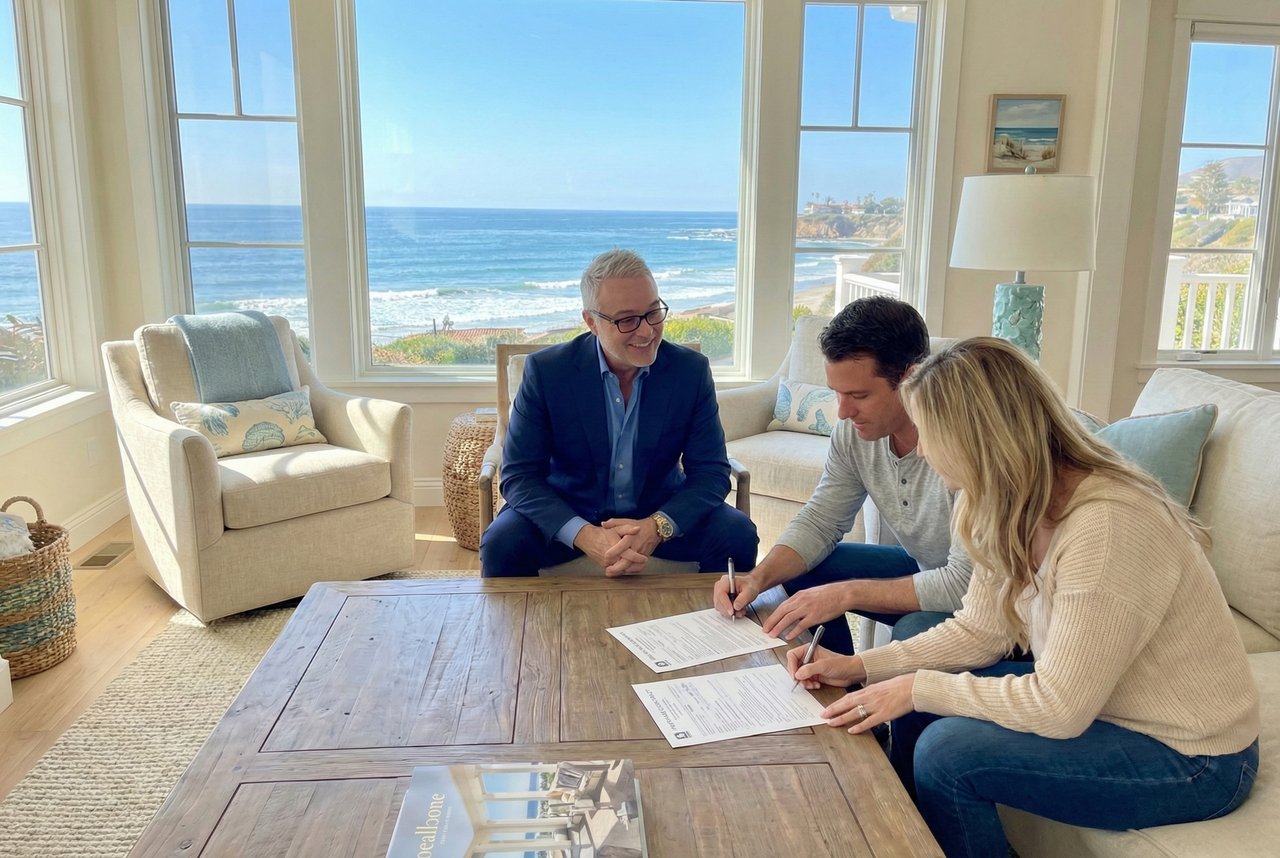
Property condition has a direct effect on buyer confidence. Buyers may fall in love with location, layout, views, neighborhood, or lifestyle, but condition often determines how comfortable they feel moving forward. A home does not have to be perfect to sell well. It does, however, need to be understood.
On the Central Coast, condition can mean different things depending on the property. A San Luis Obispo home may raise questions about older systems, previous remodels, roof age, drainage, or parking. A Pismo Beach, Morro Bay, Cayucos, Avila Beach, or Cambria home may cause buyers to look closely at exterior materials, decks, moisture exposure, windows, and coastal wear. A home in Arroyo Grande, Nipomo, Atascadero, Templeton, or Paso Robles may bring questions about land, septic, wells, fencing, heat, defensible space, or long-term maintenance.
After more than 30 years in real estate, 2,130+ closed transactions, and over $1.81 billion in career sales volume, Joesef Jackson has seen that buyers are not automatically afraid of condition issues. They are afraid of uncertainty. When condition is presented clearly, priced appropriately, and handled strategically, buyers can evaluate the home with more confidence.
Central Coast Neighborhood Video Tour ⬇️
Deferred Maintenance Changes How Buyers Read the Home
Deferred maintenance is one of the fastest ways buyer confidence can weaken. Buyers notice peeling paint, worn flooring, neglected landscaping, damaged fixtures, roof concerns, staining, odors, poor lighting, visible cracks, or general signs that a home has not been consistently maintained. Sometimes the issue itself is minor. The bigger concern is what the buyer thinks it may represent.
If a buyer sees several small items left unattended, they may wonder whether larger systems have also been ignored. That perception can affect showing interest, offer price, inspection expectations, and negotiation tone.
👉 What Makes a Property High-Demand on the Central Coast
One expert insight Joesef often shares with sellers is that buyers usually connect visible condition to overall care. Even when a home has strong bones or an excellent location, visible neglect can make buyers more cautious. Sellers do not always need to renovate, but they should understand how condition will be interpreted.
A natural-language answer for sellers asking how property condition affects buyer confidence is this: property condition shapes how safe, cared for, and predictable the home feels. Buyers become more confident when condition is clear, repairs are understood, and the price reflects the home honestly.
Selling As-Is Requires Clear Expectations
Selling as-is can be the right strategy in some situations. A seller may not want to complete repairs, may be handling an inherited property, may have limited time, or may prefer to let the market determine value. But as-is does not mean buyers stop caring about condition. In fact, buyers often study condition more carefully when a home is offered as-is.
A successful as-is strategy depends on clarity. Buyers need to understand what they are taking on. If the home is priced and presented as if it is fully updated, but the condition says otherwise, buyers may hesitate or discount heavily. If the listing is honest and the price reflects the work needed, buyers can evaluate the opportunity more realistically.
👉 Selling a Home As-Is on the Central Coast: Pros, Cons, and Risks
The California Department of Real Estate provides consumer information related to California real estate transactions, licensing, and consumer protections.
From Joesef’s experience, as-is sales work best when the seller understands the likely buyer pool. A contractor, investor, cash buyer, or experienced homeowner may view condition differently than a first-time buyer using traditional financing. The same home can feel like risk to one buyer and opportunity to another.
Repair Strategy Should Match the Market
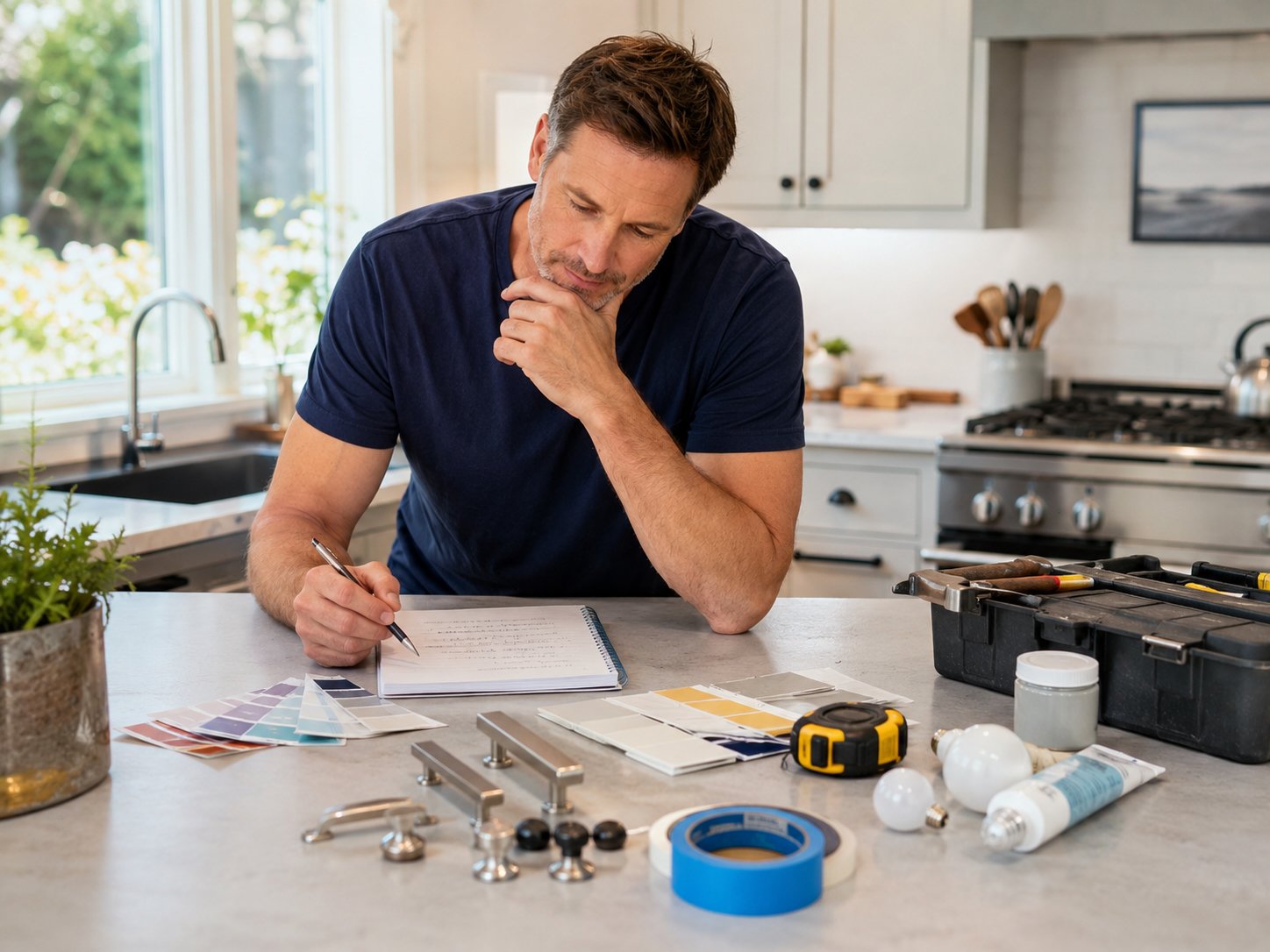
Not every repair is worth doing before listing. Some repairs improve buyer confidence and marketability. Others may cost more than they return. A seller’s job is not to fix everything blindly. The goal is to identify which condition issues may reduce confidence, affect financing, create inspection friction, or make the home feel poorly maintained.
Small repairs can sometimes have a large impact. Fixing broken fixtures, improving lighting, addressing obvious leaks, refreshing landscaping, servicing major systems, cleaning thoroughly, and correcting simple safety concerns can change how buyers feel about the home. Larger repairs require more strategy.
👉 How to Sell a Property With Deferred Maintenance in San Luis Obispo County
A home in San Luis Obispo with strong location but dated finishes may need a different approach than a coastal home in Morro Bay with exterior wear. A Paso Robles property with acreage may need attention to access, fencing, or water systems. An Arroyo Grande or Nipomo home may benefit from basic curb appeal and functional repairs before going live.
Inspection Concerns Influence Buyer Confidence Early
Buyers often think about inspections before they ever write an offer. They may notice signs of condition risk during the showing and begin estimating what an inspector might find. If a home appears well-maintained, buyers may still inspect carefully, but their starting confidence is stronger.
Inspection concerns become more serious when buyers feel surprised. A known issue can be evaluated. An unknown issue creates fear. Sellers can reduce that fear by preparing the home carefully, understanding known condition items, and setting realistic expectations before escrow.
👉 What Sellers Should Know About Inspection Negotiations on the Central Coast
The California Contractors State License Board offers public resources that can help consumers understand contractor licensing and how to check contractor information.
A natural-language answer for buyers asking why condition matters before inspection is this: buyers use visible condition to predict inspection risk. If a home appears neglected, buyers may expect larger problems, stronger negotiations, or higher future repair costs.
Buyer Questions Often Begin With Condition
Condition drives many of the questions buyers ask. They may want to know when the roof was replaced, whether the HVAC has been serviced, whether the plumbing or electrical systems were updated, whether work was permitted, whether drainage has been addressed, whether pest work was completed, or whether any repairs are planned before closing.
👉 How to Prepare for Buyer Questions on the Central Coast
A prepared seller should not guess. If documentation exists, gather it before listing. Service records, warranties, receipts, permits, improvement dates, appliance information, roof documentation, pest reports, or HOA details can help answer buyer questions more confidently.
Joesef has seen that buyer questions are easier to manage when sellers prepare before the first showing. A calm, accurate answer can preserve confidence. A vague or delayed answer can make buyers more cautious.
Updated and Original Homes Create Different Buyer Reactions
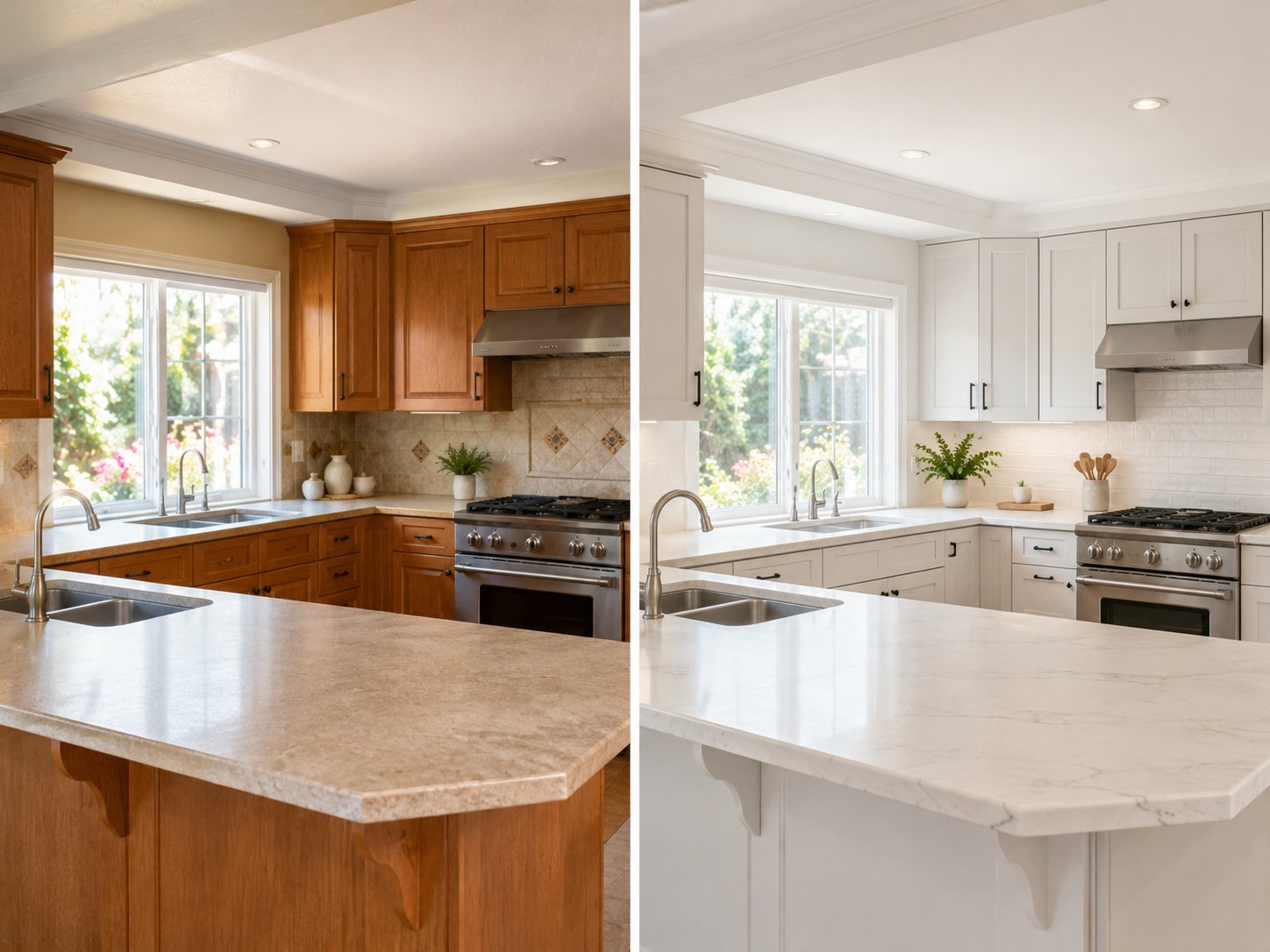
An updated home and an original-condition home can both attract buyers, but they create different expectations. Updated homes often need to show consistency, quality, and thoughtful improvement. Original-condition homes need to be positioned honestly so buyers understand the opportunity, cost, and likely work ahead.
👉 How to Compare Updated vs. Original Homes on the Central Coast
A buyer may prefer an original home if the location is strong and the price allows room for improvements. Another buyer may prefer a renovated home because it reduces immediate work and uncertainty. The seller’s strategy should reflect the likely buyer audience.
A natural-language answer for sellers is this: updated homes build confidence when improvements feel complete and consistent, while original homes build confidence when the condition is honest, the pricing is realistic, and buyers can clearly understand the work required.
Condition Affects Financing Comfort
Property condition can affect financing. A buyer may be financially strong, but the lender and appraiser still care about the property. Significant safety, habitability, roof, pest, structural, or incomplete repair issues can create concern depending on the loan program.
This does not mean every home must be remodeled. It means condition should be evaluated before listing so sellers understand whether certain issues could limit the buyer pool. A home that works well for conventional financing may not work as easily for FHA, VA, or certain lender guidelines if condition concerns are significant.
Sellers should think about who the likely buyer will be. If the property needs major work, cash buyers, investors, or renovation-minded buyers may be more realistic. If the property is mostly sound but cosmetically dated, a broader buyer pool may still be possible.
Condition Affects Offer Strength
Buyers price risk into offers. If the condition feels uncertain, buyers may offer less, ask for more contingencies, request credits, or wait for a price reduction. If the condition feels clear and manageable, buyers may be more willing to compete.
This is why preparation matters before the listing goes live. A seller who handles obvious condition issues early may protect buyer confidence. A seller who leaves too much uncertainty may invite lower offers or difficult inspection negotiations.
In competitive moments, condition can separate two similar homes. A buyer may pay more for a home that feels cared for, even if it is not fully updated, because the perceived risk is lower.
Condition Should Match the Price Story
Price and condition must make sense together. A home can be dated and still sell well if the price reflects the condition and the location supports demand. A home can be updated and still struggle if the work does not match the asking price or if important systems remain questionable.
Buyers evaluate the full picture. They look at the asking price, visible condition, likely repair costs, location, layout, lot, improvements, and competing listings. When condition and price feel aligned, confidence grows. When they feel disconnected, buyers may hesitate.
A seller in San Luis Obispo may justify value through location, walkability, and long-term demand, but buyers will still evaluate condition. A seller in Pismo Beach or Avila Beach may have coastal scarcity, but buyers may still factor in exterior maintenance. A seller in Atascadero or Paso Robles may offer more land or privacy, but buyers may consider upkeep and systems.
Cleanliness Is a Condition Signal
Cleanliness is not the same as maintenance, but buyers often connect the two. A clean home tells buyers the seller has prepared thoughtfully. Dirty surfaces, odors, clutter, stained flooring, dusty vents, neglected bathrooms, and messy storage areas can make buyers question care.
A deep cleaning can be one of the simplest ways to improve buyer confidence. It does not change the age of the roof or the condition of the plumbing, but it changes the buyer’s emotional response. Buyers are more willing to evaluate a home fairly when it feels cared for.
This is especially important for occupied homes. Daily living is normal, but listing preparation should help buyers see the property clearly.
Exterior Condition Creates the First Physical Impression
Before buyers enter the home, they judge the exterior. Landscaping, paint, walkways, driveway, fencing, rooflines, gutters, decks, gates, lighting, and the front entry all affect confidence. A neglected exterior may cause buyers to enter the home already looking for problems.
On the Central Coast, exterior condition matters in different ways. Coastal homes may show wear from salt air and moisture. Inland homes may show effects from heat, irrigation, or sun exposure. Rural properties may need clear access, tidy land areas, and maintained outbuildings. Neighborhood homes may need clean entry, trimmed landscaping, and functional outdoor areas.
The exterior does not need to be elaborate. It needs to feel cared for.
Older Homes Need Context
Many buyers appreciate older homes for character, location, lot size, and charm. But older homes also create questions. Buyers may ask about foundations, electrical panels, plumbing, roof age, windows, insulation, drainage, permits, and prior remodeling.
Sellers of older homes should prepare context. If the home has been maintained, say so clearly and support it where possible. If some systems are older, price and positioning should reflect that. If improvements were completed, documentation can help.
Older homes can inspire strong buyer confidence when they are presented honestly. Character is valuable, but clarity is what helps buyers move forward.
Luxury Buyers Read Condition Closely
Higher-end buyers often expect quality, consistency, and attention to detail. In luxury and distinctive properties, condition is not only about repairs. It includes materials, craftsmanship, systems, grounds, privacy features, outdoor amenities, lighting, finishes, and long-term upkeep.
A luxury buyer in San Luis Obispo, Avila Beach, Pismo Beach, Shell Beach, Arroyo Grande, Templeton, or Paso Robles may look closely at whether the home feels complete and well cared for. If premium pricing is being requested, the property should support that expectation.
Small inconsistencies can matter more at higher price points because buyers are evaluating both lifestyle and execution.
The Best Condition Strategy Is Honest and Calm
A good condition strategy is not defensive. It is honest, calm, and practical. Sellers should know what the home offers, where condition may raise questions, what repairs may be worth completing, what should be disclosed, and how condition affects pricing.
After more than three decades helping buyers and sellers on the Central Coast, Joesef Jackson understands that property condition is not just a physical issue. It is a confidence issue. Buyers move forward when they understand the home, trust the presentation, and feel the price reflects reality.
A home does not need to be perfect. It needs to be positioned correctly.
FAQ
How does property condition affect buyer confidence?
Property condition affects how safe, cared for, and predictable a home feels. Buyers are more confident when condition is clear, repairs are understood, and pricing reflects the property honestly.
Should sellers repair everything before listing?
No. Sellers should focus on repairs that improve confidence, reduce inspection friction, support financing, or protect value. Not every repair is worth completing before selling.
Can a home with deferred maintenance still sell well?
Yes. A home with deferred maintenance can still sell well if it is priced, presented, and marketed appropriately for the likely buyer pool.
Does selling as-is reduce buyer interest?
It can, depending on the property and price. As-is sales work best when expectations are clear and buyers understand the condition from the beginning.
Why do buyers focus so much on inspections?
Buyers use inspections to understand risk, repair needs, safety concerns, and future ownership costs. Inspection results can influence negotiations and confidence.
Do older homes make buyers nervous?
Not always. Buyers may value older homes for character and location, but they usually want clear information about systems, updates, maintenance, and repairs.
Can condition affect financing?
Yes. Significant condition issues may affect appraisal, loan approval, insurance, or the type of buyer who can purchase the home.
Why does local experience matter when evaluating property condition?
Local experience helps sellers understand how buyers interpret condition across different Central Coast property types, from coastal homes and older neighborhoods to rural properties, condos, estates, and inland homes.
If you are preparing to buy or sell real estate on the Central Coast and want personalized guidance, contact Joesef Jackson at SLO Life Realty Group.
This article intentionally connects to both published and future Central Coast real estate resources. Some plain-text references may become active links as additional San Luis Obispo County and Central Coast content is published.