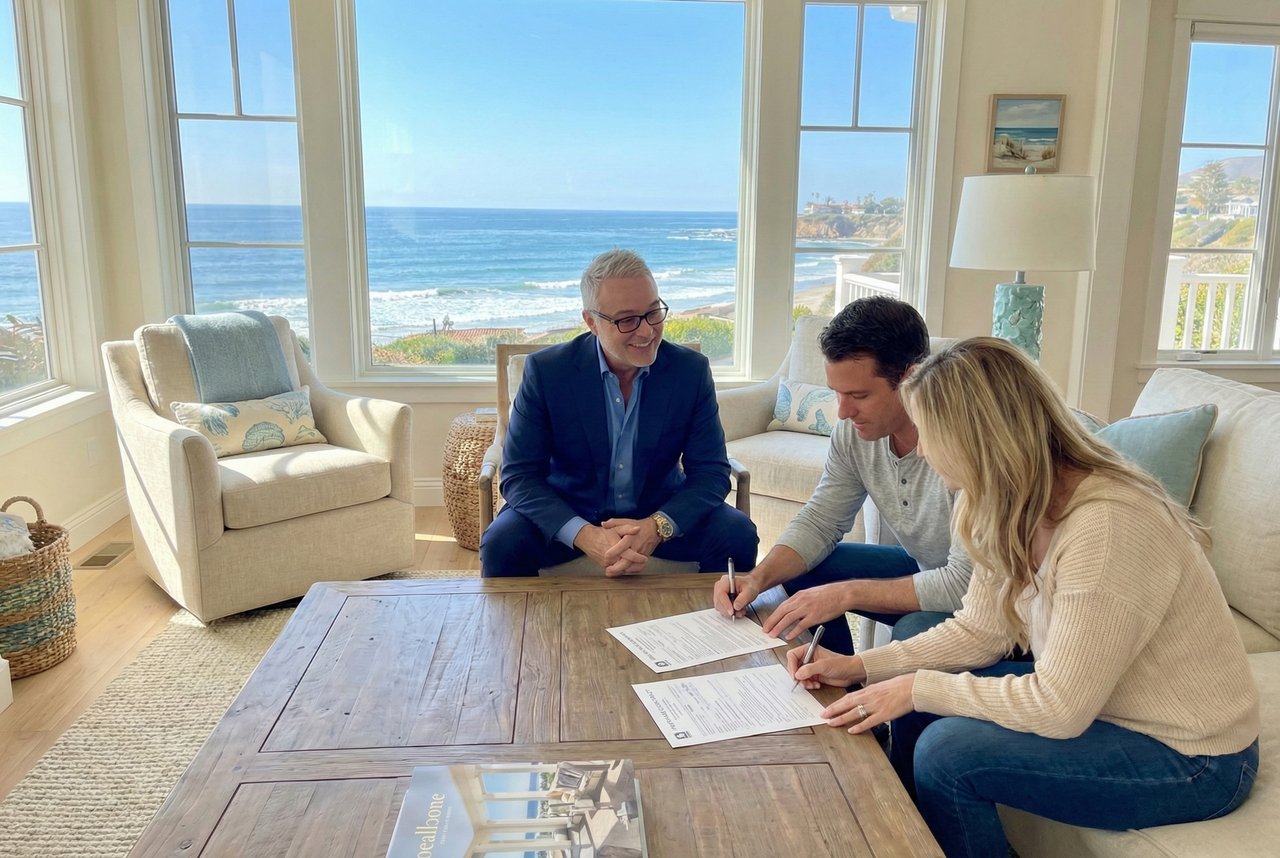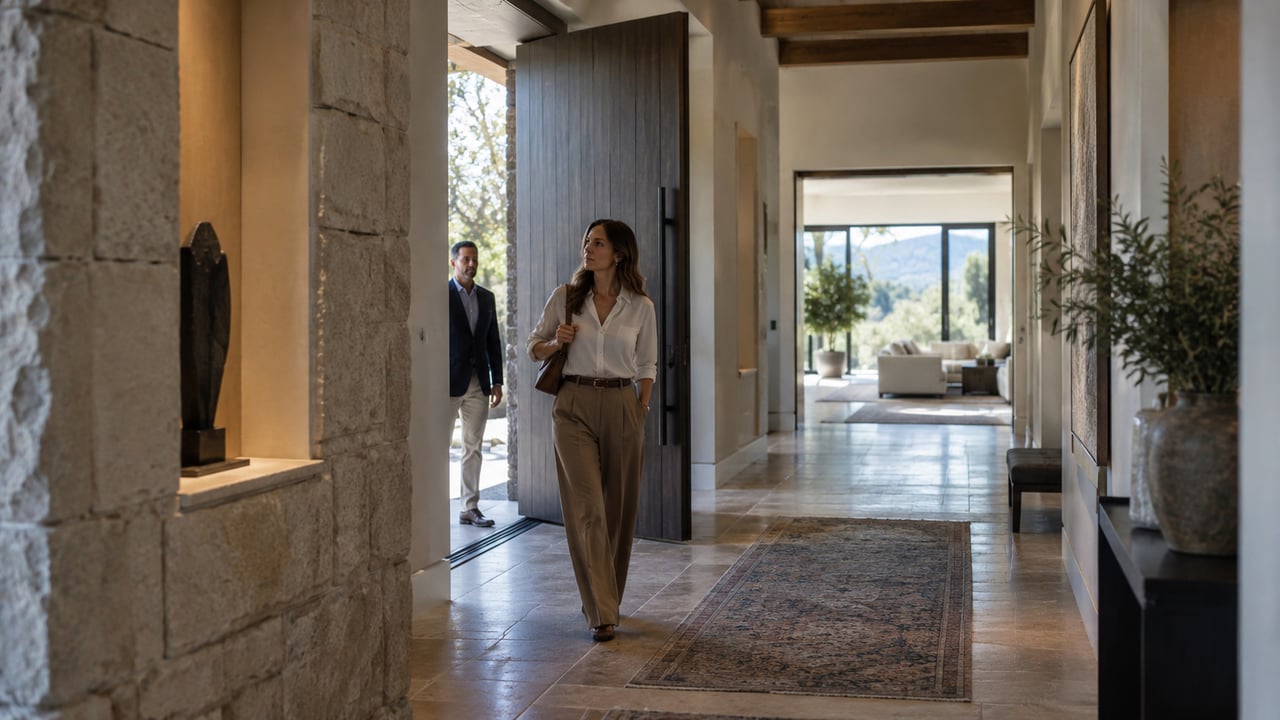
Private buyer review is different from an ordinary showing. In the luxury market, qualified buyers often spend more time studying how a property works, how private it feels, how its features compare with alternatives, and whether the home's value can be defended beyond first impressions.
That means preparation should go deeper than making the property photograph well.
A serious luxury buyer may look closely at arrival, architecture, room relationships, views, grounds, privacy, guest accommodations, storage, specialty spaces, and the way the home supports daily life. They may also ask more detailed questions about improvements, systems, access, ownership considerations, or features that are difficult to replace.
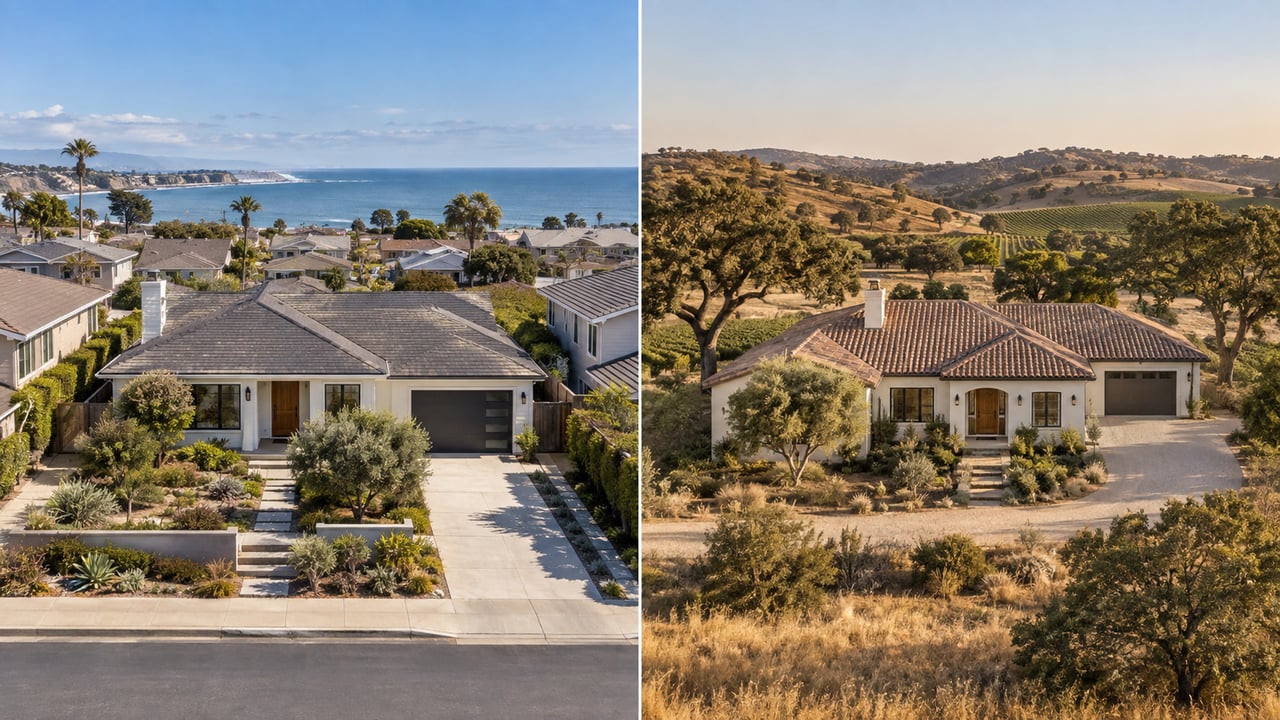
In San Luis Obispo County, those priorities can vary substantially by property type. A coastal estate in Avila Beach may be judged on view orientation and privacy. A larger property in Edna Valley may be evaluated through land use, guest accommodations, outdoor living, and the relationship between structures. A refined home in San Luis Obispo may draw closer attention to architecture, location, and how efficiently the property functions within a more compact setting.
Private review should therefore be prepared around the property's real strengths, not around creating a theatrical showing.
Central Coast Neighborhood Video Tour ⬇️
Luxury Buyers Usually Evaluate More Than Surface Presentation
Luxury buyers often arrive with a different level of scrutiny.
👉 How Luxury Buyers Evaluate Homes in San Luis Obispo County
They may appreciate finishes and staging, but they are also evaluating scarcity, quality, privacy, functionality, setting, and whether the property offers something difficult to reproduce.
A beautifully designed room may create interest, but buyers often continue asking: how does the home live? How private is the primary suite? How connected are indoor and outdoor areas? Does the guest accommodation feel genuinely independent? Is the view visible from the rooms where daily life occurs?
After more than 30 years representing Central Coast real estate, Joesef Jackson has found that serious luxury buyers tend to move quickly beyond cosmetic appeal once they become interested.
Preparation should anticipate that deeper level of review.
Luxury Selling Strategy Should Define What the Buyer Needs to Understand
A private showing works better when the seller has already identified the property's strongest value arguments.
👉 How to Sell a Luxury Home in San Luis Obispo County: What Makes the Strategy Different
The goal is not to create a long list of features.
It is to determine which characteristics genuinely distinguish the property.
That may include architecture, land, view corridors, privacy, craftsmanship, location, guest facilities, indoor-outdoor integration, scale, or improvements that would be difficult to duplicate.
A seller should also know which features need context.
A detached structure may have an important use history. A landscape may contain mature elements that took years to establish. A particular orientation may protect privacy or capture light in a way buyers will not recognize immediately.
The strongest private review allows the buyer to discover those distinctions without burying them under excessive explanation.
A Luxury Listing Stands Out When the Property Tells a Coherent Story
The physical presentation of the home should reinforce the reasons it commands attention.
👉 What Makes a Luxury Listing Stand Out on the Central Coast
Every major space does not need to compete for attention.
Some rooms should feel quiet. Some views should reveal themselves gradually. Outdoor areas should make sense in relation to the interior. Specialty spaces should appear purposeful rather than over-styled.
The experience should feel coherent from arrival through departure.
With more than 2,130 closed transactions, Joesef has seen high-end properties lose impact when too many decorative elements compete with architecture, scale, or setting.
Luxury presentation is often strongest when the home itself remains the focal point.
Showing Preparation Should Be More Precise for a Private Review
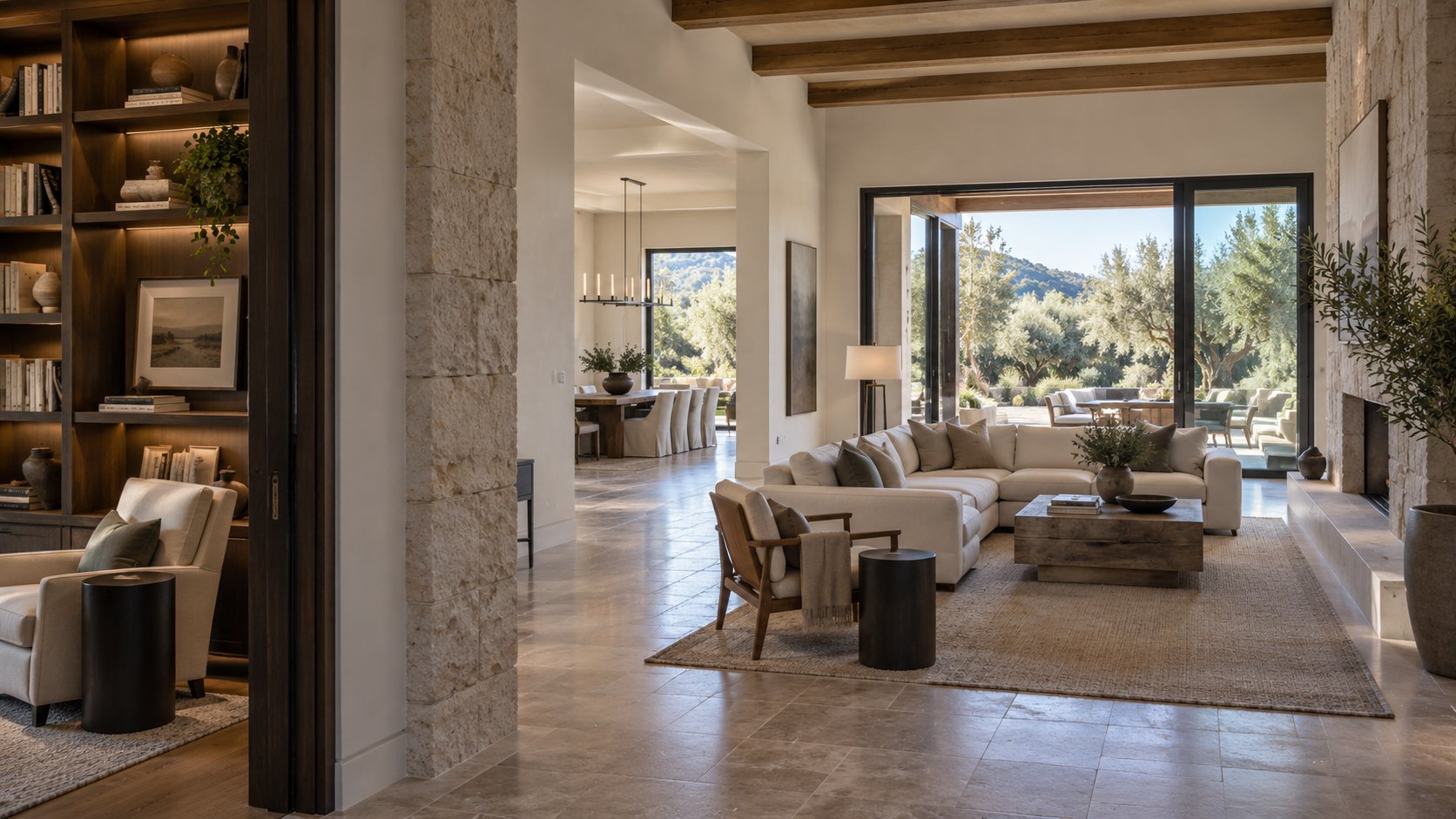
A private buyer review typically deserves more preparation than simply turning on lights and opening doors.
👉 How to Prepare for Showings on the Central Coast
Temperature, lighting, window coverings, access to important areas, exterior circulation, and the condition of secondary spaces all matter.
Luxury buyers may look beyond the rooms highlighted in marketing.
Garages, storage rooms, mechanical areas, guest quarters, wine storage, detached structures, garden paths, pool equipment areas, and side access may all become part of the review.
The property should feel fully available for inspection without looking over-prepared.
That requires anticipating where a serious buyer is likely to go rather than limiting preparation to the most photogenic rooms.
Buyer Privacy Should Shape How the Showing Is Managed
Private review is partly about protecting the seller's property, but it can also involve respecting the buyer's privacy.
👉 What Luxury Sellers Should Know About Buyer Privacy in San Luis Obispo County
High-profile or high-net-worth buyers may prefer a quieter showing environment with limited unnecessary personnel, minimal interruption, and room to evaluate the home without feeling observed.
Sellers should not interpret a reserved buyer as disinterested.
Some buyers prefer to absorb the property privately and discuss reactions later.
The showing structure should allow that.
High-Net-Worth Buyers Often Focus on Replaceability
Luxury buyers may ask a question that is easy to miss: how difficult would this property be to replace?
👉 What High-Net-Worth Buyers Consider in San Luis Obispo County
A feature becomes more meaningful when it is rare within the relevant market.
A panoramic coastal orientation, exceptional privacy, mature landscape, significant acreage near desirable amenities, unusual architectural quality, or a well-integrated guest residence may all contribute to scarcity.
Price alone does not establish luxury.
Replaceability is often part of the value discussion because high-end buyers may have several geographic options.
The seller should understand which elements are genuinely difficult to reproduce and which are simply expensive.
The Arrival Sequence Should Be Prepared as Carefully as the Interior
Private review begins before the buyer reaches the front door.
Driveway approach, gates, landscape, parking, exterior lighting, pathway condition, and the transition into the home all influence the initial experience.
A strong arrival does not require dramatic staging.
It requires eliminating distraction.
Vehicles should not obstruct important architecture. Entry paths should feel intentional. Gates and doors should operate properly. Exterior areas the buyer passes should look maintained.
On larger properties, sellers should also consider whether the arrival naturally reveals the home or overwhelms the buyer with too many directions.
A composed arrival can create confidence before the interior review begins.
Buyers Need Time to Understand Scale
Large properties can be difficult to absorb quickly.
A buyer may move through several living areas, bedroom wings, detached spaces, gardens, terraces, garages, and recreational areas before understanding how they all relate.
The showing should not feel rushed.
If the property requires significant time to experience properly, the schedule should allow for it.
Sellers should also avoid creating a route so rigid that buyers cannot revisit an area that interests them.
Luxury buyers often form impressions in stages.
The first pass provides orientation. The second look may reveal which spaces actually matter to them.
Views Should Be Revealed From the Rooms Where They Matter Most
A dramatic view can lose impact when every window covering is opened indiscriminately.
Sellers should consider where the property's strongest outlooks are most meaningful.
A coastal view from a primary living room may deserve emphasis. A private garden outlook from a bedroom may feel stronger with a more controlled reveal.
The objective is not theatrical concealment.
It is visual hierarchy.
Buyers should understand which rooms were designed around the setting and how the view interacts with daily use.
A strong review experience makes the property's orientation easy to understand.
Specialty Spaces Need to Be Ready for Serious Questions
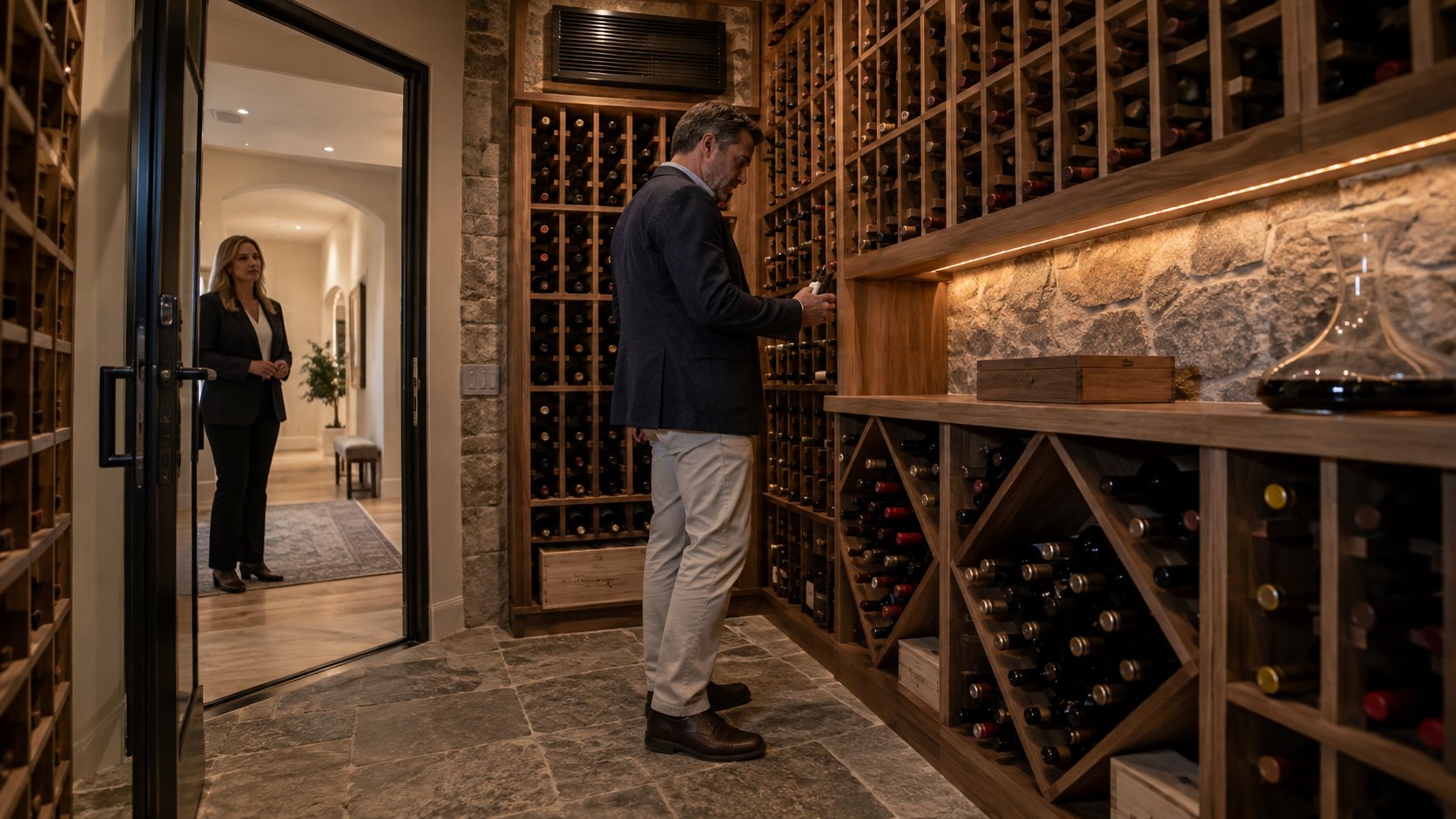
Luxury properties often include features uncommon in conventional homes.
Wine rooms, gyms, theaters, studios, workshops, guest houses, pools, saunas, elevators, extensive garages, or specialty kitchens may attract close attention.
Those spaces should be presented as functioning parts of the property rather than decorative extras.
Buyers may ask how they are used, when they were improved, how they connect with the rest of the home, or whether they require specific maintenance.
The seller should be prepared for those questions.
Secondary Structures Should Feel Connected to the Property Story
Detached guest quarters, studios, garages, barns, pool houses, or offices should not feel like unrelated add-ons during the review.
Buyers need to understand their relationship to the main residence.
That includes physical distance, access, privacy, intended use, and how the structures interact with outdoor areas.
An Edna Valley property with a separate guest residence may derive considerable value from independence between buildings.
A coastal property with a detached studio may appeal because it provides separation for work or guests.
The usefulness of the structure becomes stronger when buyers can understand immediately why it exists and how it expands the property's use.
Privacy Should Be Experienced Rather Than Merely Described
Luxury sellers frequently emphasize privacy, but the buyer should be able to experience it.
That means evaluating neighboring sightlines, road visibility, separation between structures, landscape screening, and how private the principal outdoor areas feel.
A property can be visually open while remaining extremely private because of elevation or orientation.
Another may sit on significant acreage but still have important areas exposed to neighboring land.
Sellers should know which spaces best demonstrate privacy and ensure those areas are accessible during the showing.
Exterior Areas Should Be Prepared for the Same Level of Review as the Interior
High-end buyers often spend substantial time outside.
Pools, gardens, outdoor kitchens, terraces, lawns, pathways, view areas, sport courts, and detached amenities should therefore receive the same attention as interior rooms.
Furniture should be positioned so spaces read naturally.
Paths should be clear. Exterior lighting, gates, water features, and other operating elements should function properly.
The California Coastal Commission provides information regarding development and land-use regulation within California's coastal zone, which can be relevant context for certain coastal luxury properties.
When a property's appeal depends heavily on land or outdoor features, the exterior review may be as important as the house itself.
Improvements Should Be Explained Without Overselling Them
Luxury sellers often invest substantially in a property.
The buyer may benefit from understanding those improvements, but the explanation should remain factual.
A renovation completed with quality materials and thoughtful design may deserve context.
The same applies to structural work, landscape design, system upgrades, or custom installations.
However, the amount spent does not automatically equal the amount a buyer will assign in value.
The seller's role is to provide useful information.
The buyer's role is to decide what the improvement is worth within the broader property.
Operational Details Should Be Organized Before the Showing
Complex properties often involve more operating information than conventional homes.
That can include smart-home systems, gates, lighting controls, pool equipment, irrigation, climate zones, security, generators, solar, elevators, water systems, or specialty mechanical equipment.
The private review should not become a technical presentation.
The seller should simply be prepared to answer basic questions and provide appropriate documentation later when needed.
If an important feature is difficult to operate, the showing can become unnecessarily distracting.
A luxury home should feel sophisticated without requiring a tutorial for every room.
Personal Information Should Be Removed From the Buyer's Field of View
Privacy preparation includes more than securing valuables.
Luxury homes may contain photographs, documents, mail, financial information, travel schedules, prescription information, personal correspondence, or other materials buyers do not need to see.
Those items should be removed or secured before showings.
This protects the seller while also making the home feel less occupied by someone else's personal life.
The objective is not to strip the property of character.
It is to remove information that has nothing to do with evaluating the real estate.
Staff and Household Activity Should Be Controlled During Private Review
Large properties may involve household staff, landscapers, contractors, caretakers, or other regular activity.
Whenever practical, the private review should occur with minimal interruption.
A buyer trying to understand the property should not be repeatedly moving around service activity.
Likewise, sellers generally should not remain visibly present unless circumstances require it.
A quiet environment gives buyers the ability to move, pause, revisit areas, and speak candidly with their representation.
That can produce a more meaningful review than a highly orchestrated tour.
The Showing Route Should Allow Buyers to Discover the Property Naturally
Sellers often want buyers to see the property's strongest feature immediately.
Sometimes that works.
Other properties benefit from sequence.
An entry may lead through architecture before revealing a view. A garden may unfold gradually through several outdoor rooms. A guest structure may make more sense after the primary residence has been understood.
The route should respect the property's design.
It should also leave enough flexibility for the buyer to diverge from it.
Private review works best when the home feels discoverable rather than rehearsed.
Serious Buyers Often Return to the Same Feature More Than Once
A buyer who repeatedly returns to one area may be revealing where the property's value is becoming personal.
That could be a primary suite, a view, a kitchen, a garage, a library, a guest house, or a particular outdoor setting.
Sellers should allow that process to occur without interruption.
The goal is not to force attention toward every expensive feature.
It is to give the buyer enough time to identify the features that matter to them.
Those may not be the same features the seller expected.
Questions About Value Should Be Supported by Property-Specific Evidence
Luxury pricing can be difficult because highly distinctive homes often have fewer direct comparables.
Private review can therefore generate questions about why one property commands a particular premium.
The strongest explanation comes from specific distinctions.
Land, scarcity, location, architecture, quality, privacy, view, improvements, guest facilities, and property functionality can all contribute.
Joesef's experience representing more than $1.81 billion in career sales volume has reinforced that high-end value discussions are strongest when they remain property-specific rather than relying on broad luxury labels.
A buyer should be able to understand what makes the property different.
The Seller Should Be Prepared for a Buyer Who Does Not React Visibly
Luxury buyers can be difficult to read during a private showing.
Some are expressive. Others remain quiet.
A lack of visible enthusiasm should not be treated as rejection.
Serious buyers may spend most of the visit evaluating rather than commenting.
They may also prefer to discuss reactions privately after leaving.
Sellers should avoid changing strategy based on one restrained showing experience.
The more useful information often comes from follow-up questions, return visits, requests for documents, or progression toward terms.
Discretion Should Continue After the Showing Ends
Private review does not end when the buyer leaves the property.
Follow-up should remain controlled and relevant.
If the buyer requests additional information, the response should be accurate and organized.
If no immediate questions follow, unnecessary pressure can work against the tone established during the showing.
Luxury transactions often reward measured communication.
The California Department of Real Estate provides consumer information covering real estate transactions and representation in California.
https://www.dre.ca.gov/Consumers/
Professional discretion remains important through each stage of buyer evaluation.
Preparation Should Make the Property Easier to Understand, Not More Impressive Than It Is
The purpose of preparation is not to manufacture a luxury experience.
The property either possesses meaningful high-end qualities or it does not.
Preparation should remove distractions so buyers can recognize those qualities.
That means clean circulation, appropriate lighting, private spaces secured, specialty areas accessible, operational features functioning, and property-specific information organized.
It also means resisting unnecessary theatrical touches that can make a serious review feel staged.
The strongest private showing often feels remarkably simple because everything the buyer needs to understand is already in place.
A Successful Private Review Gives the Buyer Space to Reach Their Own Conclusion
Luxury sellers can prepare almost every element of the showing, but they cannot control the buyer's reaction.
That is not the objective.
The seller's responsibility is to present the property accurately, protect privacy, anticipate serious questions, demonstrate difficult-to-replace features, and create an environment where the buyer can evaluate the home without distraction.
For San Luis Obispo County luxury properties, private review works best when preparation supports the real estate rather than competing with it.
A serious buyer should leave understanding the property more deeply than when they arrived.
Whether that understanding leads to an offer is ultimately the buyer's decision.
Frequently Asked Questions
What is a private buyer review for a luxury home?
It is a focused showing for a serious or qualified buyer who is given sufficient time and privacy to evaluate the property beyond its initial presentation.
Should luxury sellers leave during private showings?
In many cases, yes. Giving buyers room to evaluate the home and speak privately with their representation can create a more productive showing environment.
What areas should be prepared beyond the main living spaces?
Garages, storage, guest quarters, specialty rooms, side access, mechanical areas, gardens, pools, detached structures, and other spaces a serious buyer may want to inspect should be accessible and orderly.
How much information should a luxury seller provide during a showing?
Enough to answer material questions and explain important property-specific features, without turning the showing into a lengthy presentation.
Why does buyer privacy matter in luxury real estate?
Some high-net-worth or high-profile buyers prefer discreet access, fewer unnecessary people, and the ability to evaluate the property without being closely observed.
Should sellers emphasize how much they spent on improvements?
They can provide factual information about significant improvements, but cost alone does not determine the value a buyer assigns to them.
What should sellers remove before a private buyer review?
Secure valuables and remove private documents, personal financial information, travel schedules, sensitive correspondence, prescription information, and other items unrelated to the real estate.
What is the goal of preparing a luxury home for private review?
The goal is to make the property easy to understand, allow its strongest attributes to speak for themselves, and provide a discreet environment for serious buyer evaluation.
If you are preparing to buy or sell real estate on the Central Coast and want personalized guidance, contact Joesef Jackson at SLO Life Realty Group.