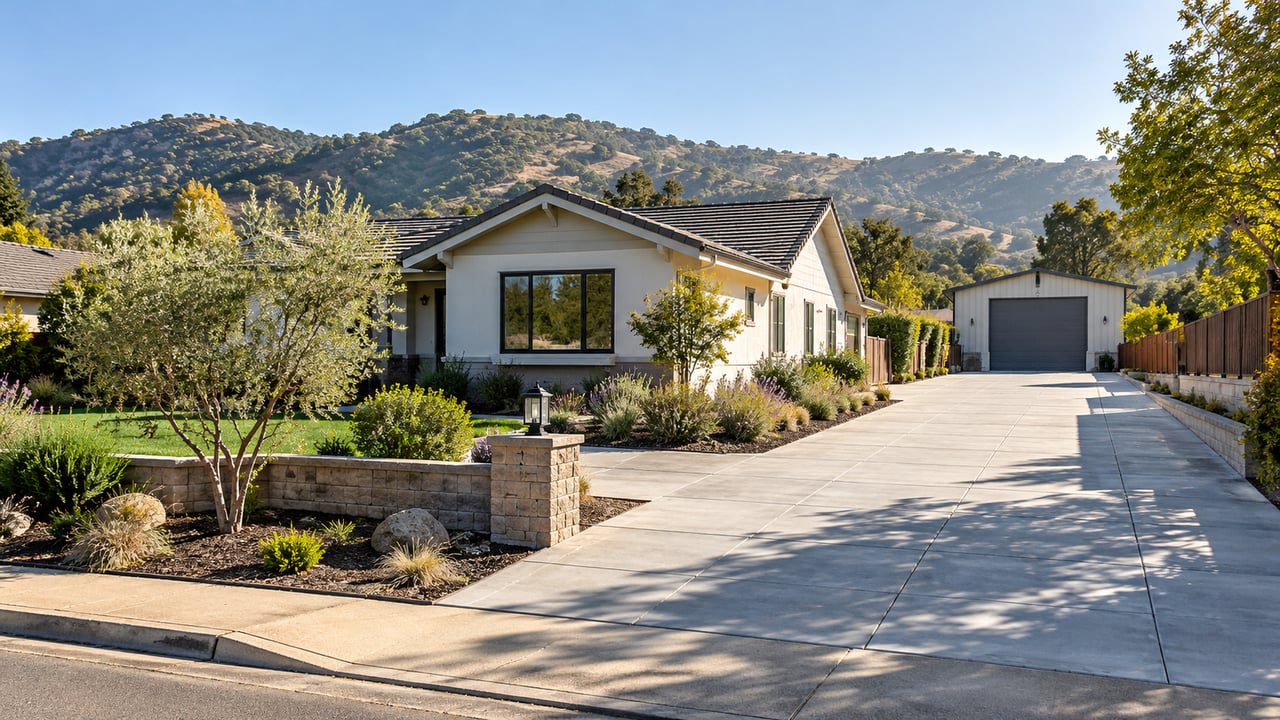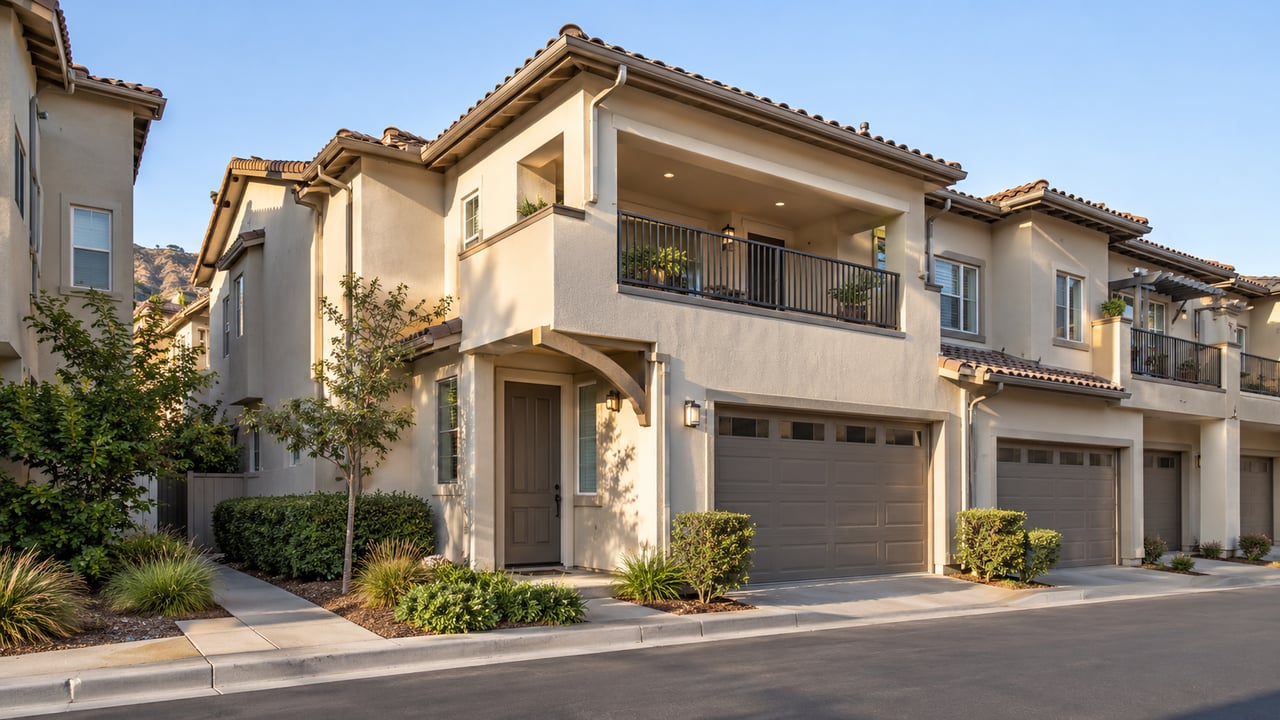
A real estate listing becomes more search-friendly when the information buyers use to filter, sort, and recognize homes is accurate, complete, and consistent with the property being offered. Price, property type, bedroom and bathroom counts, location, lot characteristics, parking, views, single-level design, acreage, and other searchable features matter because buyers often narrow a large inventory before they ever read the full remarks. Search-friendly does not mean repeating keywords. It means making sure the home is represented by the facts and features that place it in the searches where it legitimately belongs.
That distinction matters throughout San Luis Obispo County because buyers search differently depending on the property. A Cayucos buyer may filter heavily for coastal location, parking, views, or a certain property type. A Templeton buyer may focus on acreage, usable land, garages, or workshop potential. Someone looking in San Luis Obispo may narrow by price, bedroom count, neighborhood proximity, or single-level configuration. If an important characteristic is omitted, entered inaccurately, or buried only in promotional remarks, the property may be harder for the right buyer to recognize.
The strongest listing strategy therefore treats discoverability as a data-and-message problem. Structured listing fields should be accurate, the asking price should place the home in the intended search range, geographic information should be precise, and remarks should use plain language for meaningful property characteristics. Photography then needs to confirm what caused the buyer to click. The objective is not to manipulate search systems. It is to reduce the distance between what buyers are searching for and what the property actually offers.
Central Coast Neighborhood Video Tour ⬇️
Search-Friendly Listings Begin With Accurate Property Information
👉 What Makes a Listing Easier to Understand in San Luis Obispo County
A search-friendly listing starts with the structured information buyers and real-estate platforms use to sort properties. Those fields often do more work than the public remarks because buyers can filter by price, property type, bedrooms, bathrooms, lot size, parking, status, and other defined characteristics before opening an individual listing.
The Real Estate Standards Organization Data Dictionary for standardized real estate listing fields shows why structured property information matters across real-estate systems: standardized fields and lookups allow MLSs, brokers, vendors, and consumer-facing websites to exchange property data consistently.
For sellers, the practical lesson is straightforward. A meaningful feature should be entered accurately wherever the listing system provides an appropriate field. A description can reinforce the feature, but remarks should not be expected to compensate for an incorrect property type, missing parking information, or another searchable fact that belongs in structured data.
Photography Should Confirm the Search Result
👉 How to Prepare Your Home for Professional Photography on the Central Coast
Photography becomes part of search performance once a buyer opens the result. The first images should confirm that the property actually contains the feature or property type that made the listing relevant.
A Morro Bay buyer who filtered for a home with practical off-street parking should not have to reach image twenty-five to understand the parking configuration. An Avila Beach buyer drawn to usable outdoor space should be able to see how that area relates to the residence. A photograph does not create the searchable attribute, but it can confirm the match quickly enough to keep the buyer engaged.
This is different from using photography only to make the home look attractive. Search-friendly photography establishes confidence between the filter result, the written information, and the physical property.
Trust Improves When Searchable Claims Stay Specific
👉 What Makes a Listing Feel Trustworthy in San Luis Obispo County
Specific property language is more useful than broad promotional language because buyers can connect it to a real feature. “Three-car garage,” “single-level floor plan,” “covered patio off the kitchen,” or “approximately one acre” communicates something a buyer can evaluate. “Amazing,” “rare,” or “must see” does not identify why the property belongs in a particular search.
Accuracy also matters when a feature can be described in more than one way. A flexible finished room should not automatically be labeled as a bedroom, guest unit, office, or rental space unless that description is accurate and supportable. Search-friendly marketing should improve matching, not stretch the property into categories it does not actually fit.
The strongest listing uses concrete nouns, accurate measurements where available, and descriptions that remain consistent with what buyers see at the property.
Listing Performance Depends on Matching the Right Searches
👉 What Impacts Listing Performance on the Central Coast
A listing can receive broad exposure and still underperform if it appears in front of many buyers who were never looking for that type of property. Search quality matters because visibility is useful only when the property fits enough of the buyer's criteria to earn further consideration.
Price is part of this matching process. Buyers often search within defined ranges, and a small difference around a threshold can change which result sets include the home. Property type matters too. So do geographic boundaries, bedroom count, lot characteristics, parking, and other filterable facts.
A Nipomo home that offers single-level living and substantial garage space should be easy to identify for buyers prioritizing those characteristics. If those facts are accurate and visible, the listing has a better chance of appearing relevant before the buyer reaches the remarks.
Listing Photos Should Reinforce Searchable Features

👉 What Listing Photos Should Communicate in San Luis Obispo County
The best listing photos do more than show rooms. They communicate the characteristics buyers are using to decide whether the property fits their search.
If a home offers a legitimate view, the image should establish the relationship between the residence and the view rather than rely on an isolated telephoto scene. If the property has usable outdoor space, buyers should see dimensions, access, and connection to the house. If parking is important, photography should show enough context to understand how vehicles actually reach and use the area.
This is where image sequence becomes useful. The opening photographs establish property type and overall appeal. Later images can confirm specialized search criteria such as storage, lot utility, secondary outdoor areas, architectural details, or additional parking.
Search-friendly visual marketing works because the buyer can verify the feature that caused the listing to appear relevant.
Buyer Questions Reveal Missing Search Information
👉 How to Prepare for Buyer Questions on the Central Coast
Repeated buyer questions can reveal information that should have been easier to find earlier. If several buyers ask whether the home is single-level, whether a detached structure is included, how much parking exists, or whether an outdoor area is usable year-round, the listing may not be communicating a relevant property characteristic efficiently.
Not every question belongs in a structured field or headline. Some details require remarks, photography, floor plans, or supplemental information. The useful distinction is whether the missing information affects how buyers search for and initially screen the property.
When the same factual question appears repeatedly, sellers should determine whether the listing can answer it more directly without adding unnecessary text.
Search-Friendly Remarks Use Plain Property Language
Public remarks should use the same terms buyers naturally use when describing the property, but they should remain readable. Repeating “San Luis Obispo County home for sale” or stuffing a paragraph with variations of the same phrase does not make a listing more useful.
Plain property language is stronger: single-level residence, detached workshop, gated parking, ocean view, usable acreage, covered patio, renovated kitchen, or separate exterior entrance when those descriptions are accurate.
On public webpages, the same principle applies more broadly. Google Search Central guidance for creating helpful, people-first content emphasizes descriptive headings and useful original content rather than material created primarily to manipulate search rankings.
A seller's listing should therefore sound like a precise description of a real property, not a collection of search terms.
Geography Should Be Precise Rather Than Repetitive
Location is one of the strongest search signals in real estate, but accurate geography is more useful than repeating place names. City, neighborhood, community, proximity, and property-specific location facts should be correct and used where they genuinely matter.
A San Luis Obispo property near Cal Poly presents a different search context from a downtown residence even though both share the same city. A Cayucos home near the coast may compete differently from a property farther inland. A Templeton acreage property may be evaluated according to land, access, and rural context rather than simply the word “Templeton.”
The goal is not to insert every nearby community into the remarks. That can dilute the property story. Search-friendly geography identifies where the home actually is and which location characteristics legitimately affect buyer interest.
Search Filters Can Exclude a Listing Before the Remarks Are Read
Buyers often begin with filters rather than a blank search box. Price range, property type, bedroom count, lot size, parking, status, and other criteria can reduce hundreds of listings to a much smaller set. If an important fact is entered incorrectly, the home may never reach a buyer who would otherwise consider it.
This is why sellers should distinguish between descriptive copy and searchable data. Remarks can explain that a Nipomo property has extensive vehicle storage, but if the available parking fields are incomplete, some buyers filtering for that need may never see the listing. The same issue can apply to acreage, pool status, condominium type, view categories, or other structured characteristics supported by the local listing system.
The best approach is not to fill every optional field aggressively. It is to complete applicable fields accurately and consistently so the listing belongs in the right searches without claiming features the property does not have.
Search-Friendly Does Not Mean Trying to Rank for Every Phrase
A seller does not benefit when a listing attracts clicks from buyers whose search intent does not match the property. Broad but irrelevant visibility can create traffic without serious engagement.
A Morro Bay home should not be described with every nearby coastal community simply to capture more location phrases. A Templeton property should not use acreage terminology if the parcel does not genuinely function that way. Search-friendly language should narrow the gap between the buyer's criteria and the actual home rather than broaden the listing beyond its facts.
This discipline also protects the property's positioning. When the listing consistently uses the most relevant property terms, buyers receive a more coherent signal about what the home is, where it is, and why it may fit. Search visibility is strongest when relevance and accuracy reinforce each other.
Search Results Should Lead to the Same Property Buyers See in Person

The listing becomes stronger when every stage confirms the same facts. Search filters create the initial match. The preview image creates an expectation. Remarks add context. Photography confirms the property. The showing should then validate what the buyer already understood.
A mismatch at any point can weaken confidence. A listing that appears in a search for substantial outdoor space but shows only a narrow patio may lose the buyer quickly. A home described as single-level when an important living area requires stairs creates a different problem. The search may have worked technically, but the property match did not.
With more than 30 years representing buyers and sellers on the Central Coast, Joesef Jackson has seen that strong listing performance often begins before a showing is scheduled. Buyers decide whether the property deserves attention from the accuracy and usefulness of the information presented online.
A Search-Friendly Listing Is Accurate Before It Is Optimized
The strongest search-friendly listing does not try to appear in every possible search. It appears accurately in the searches the property genuinely satisfies.
That means completing structured listing information carefully, positioning the price deliberately, using precise geographic information, identifying meaningful property characteristics, and describing them in language buyers can understand. Photography then confirms the same facts rather than introducing a different story.
For sellers using San Luis Obispo County home-selling representation, the practical advantage is better alignment between exposure and relevance. The objective is not simply more clicks. It is more qualified buyers reaching the listing because the property actually matches what they were looking for.
Search friendliness is therefore less about optimization tricks and more about accurate matching. When the data, language, imagery, and physical property agree, buyers can find the home, recognize why it belongs in their search, and decide whether it deserves the next step.
Frequently Asked Questions
What makes a real estate listing search-friendly?
A search-friendly listing uses accurate structured property information, appropriate pricing, precise location details, meaningful property descriptions, and photography that confirms the features buyers use when searching.
Is a search-friendly listing the same as an SEO-optimized webpage?
No. A real estate listing must first work within MLS, portal, and buyer-filter systems. A public webpage may also benefit from search-engine optimization, but that is a different layer of discoverability.
Which listing fields matter most for buyer searches?
The exact filters vary by platform, but price, location, property type, bedrooms, bathrooms, lot characteristics, parking, status, and other structured property features commonly influence which homes appear in a buyer's search.
Can listing remarks make up for missing property data?
Not reliably. Remarks can provide context, but structured fields often determine whether the property appears in filtered searches before a buyer ever reads the description.
Does asking price affect how searchable a home is?
Yes. Buyers commonly set minimum and maximum price ranges. An asking price determines which price-filtered searches include the property, even when the home otherwise matches the buyer's criteria.
Should sellers repeat city names and real estate keywords in the description?
No. Repetitive location names and keyword stuffing can make the remarks less useful. Accurate geography and specific property language are more valuable than repeatedly inserting search phrases.
Do listing photos affect search visibility?
Photos generally do not replace structured search criteria, but they strongly affect what happens after the listing appears. Images should confirm the characteristics that made the property relevant enough for the buyer to open.
How should unusual features be made more searchable?
Use the appropriate structured listing fields when available, then describe the feature accurately in plain language and support it with photography that makes its location, scale, or function understandable.
If you are preparing to buy or sell real estate on the Central Coast and want personalized guidance, contact Joesef Jackson at SLO Life Realty Group.