Buyer attention is not the same as buyer demand. A listing may attract substantial online traffic because its photographs are appealing, its asking price catches the eye, or people are curious about the neighborhood. None of those activities proves that a qualified purchaser intends to make an offer. For sellers, the important question is whether initial visibility progresses into serious consideration: buyers requesting relevant information, scheduling appropriate showings, revisiting the property, and testing how it compares with realistic alternatives.
The meaning of attention varies across San Luis Obispo County. A Grover Beach house with a compact yard and practical garage may attract buyers focused on parking and coastal access. A Paso Robles property with additional land may receive fewer inquiries but more detailed questions about upkeep, water, and usable structures. A condominium in Pismo Beach might generate attention from remote purchasers who must understand association costs before traveling. Counting every inquiry as equivalent would obscure those differences and could lead to the wrong pricing or marketing response.
Sellers benefit from treating attention as a progression rather than a popularity contest. Joesef Jackson of SLO Life Realty Group evaluates how listing visibility translates into buyer questions, property visits, informed comparisons, and willingness to proceed. That approach helps distinguish a presentation problem from a genuine value objection and an interested buyer from someone only gathering ideas. Understanding the stages of attention gives homeowners a better basis for decisions without claiming that any single metric predicts a sale.
Central Coast Neighborhood Video Tour ⬇️
Separate Listing Visibility From Meaningful Buyer Activity
👉 What Buyer Activity Signals Mean on the Central Coast
High listing traffic establishes exposure, not purchase intent. Online impressions, page visits, saves, shares, and inquiries represent different levels of engagement, and platforms count them differently. Sellers should avoid treating a spike in visits as proof that their home is priced correctly or that an offer is imminent.
Start by separating broad reach from actions requiring additional effort. An inquiry about a room dimension can be more useful than many anonymous clicks because it reveals a specific consideration. A request for a showing is stronger still, although the prospective buyer's finances, timing, and suitability remain unknown.
For a San Luis Obispo home, review how attention changes after potential buyers see floor plans and accurate property details. Does curiosity become an appointment, or does interest stop when people understand the layout? That difference can identify a problem with expectations rather than a shortage of advertising.
Understand Why Some Buyers Return to a Listing
👉 What Makes Buyers Revisit a Listing in San Luis Obispo County
A repeat view or second visit can indicate deeper consideration, but it does not always mean a buyer is preparing an offer. Some people repeatedly compare several properties; others share a listing with family or seek clarification about an important feature.
At a Morro Bay residence, an initial inquiry about location might develop into questions about garage dimensions, roof condition, or the usability of outdoor space. That movement from general attraction to ownership details is meaningful. By contrast, repeated browsing without direct contact may offer little reliable insight into readiness.
Ask what the returning purchaser is evaluating and whether the home remains a credible alternative. Offer factual information that helps answer the question, rather than manufacturing urgency. Repeated attention should be interpreted alongside showing feedback, buyer circumstances, and competing properties.
Recognize Hesitation Without Assuming Rejection
👉 How to Handle Buyer Hesitation on the Central Coast
A buyer who pauses after a showing is not necessarily rejecting the property. The person may be comparing financing costs, discussing a move with family, waiting for another viewing, or investigating a feature that affects long-term use. Sellers should distinguish a specific unresolved objection from ordinary decision time.
For an older Atascadero home, a buyer might request additional information about heating equipment or earlier repairs. A thoughtful response is to provide accurate available records and allow appropriate investigation. An immediate price reduction would not necessarily resolve the question, and an unsupported reassurance could reduce confidence.
Look for recurring hesitations among independent visitors. If several buyers cite the same room configuration, insurance concern, or perceived value gap, the pattern deserves investigation. If one prospect simply needs time, avoid redesigning the entire marketing plan around that person's uncertainty.
Evaluate Follow-Up for Substance Rather Than Frequency
👉 What Sellers Should Know About Buyer Follow-Up in San Luis Obispo County
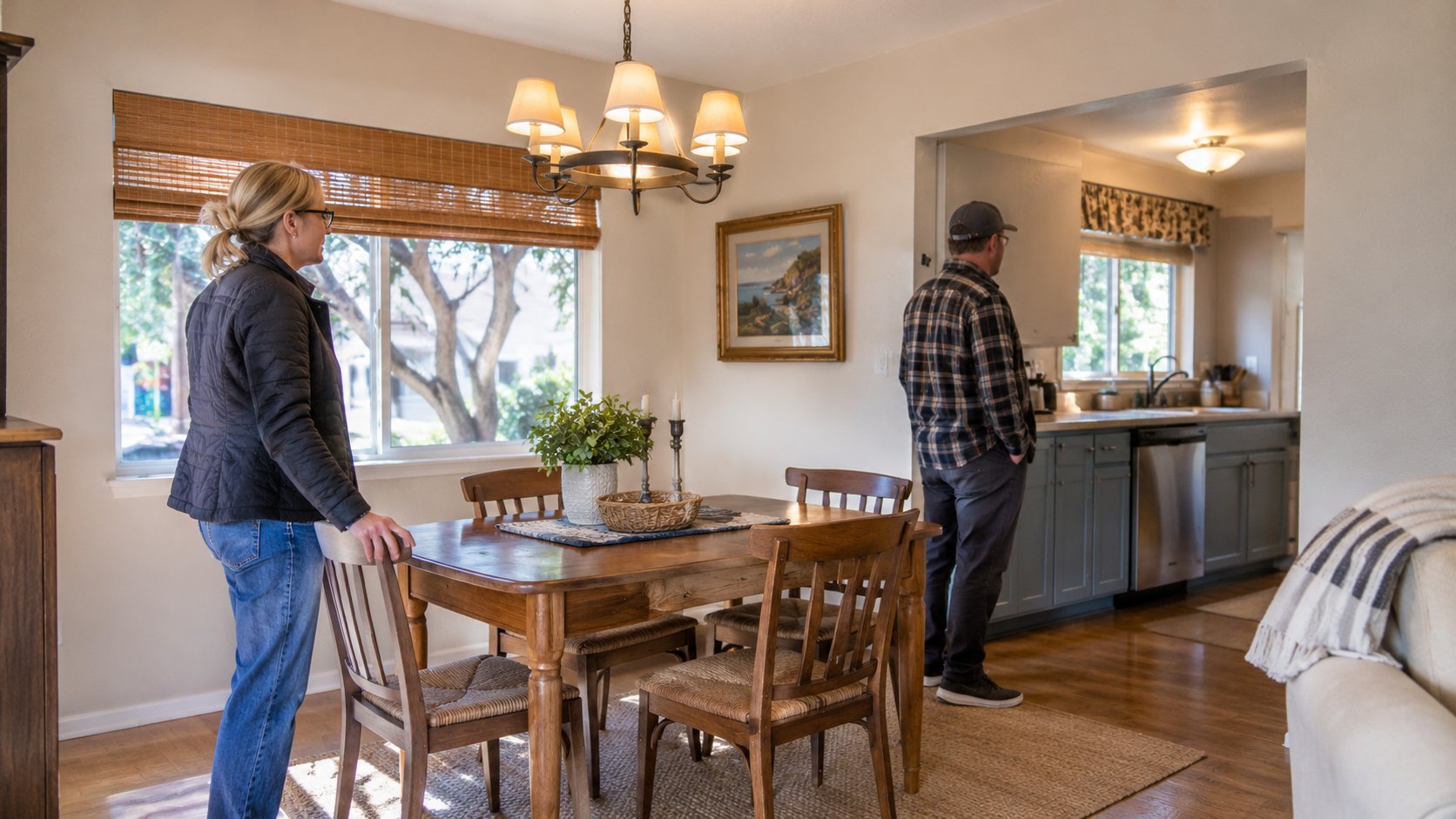
After a showing, useful follow-up establishes what the buyer understood, which questions remain, and whether the property is still under consideration. Repeated contact without new information is not necessarily productive. Sellers need a respectful process that gives interested parties access to reliable answers without pressuring them into artificial commitments.
A Grover Beach purchaser might ask whether a storage structure is included, while a buyer considering a Nipomo residence might need clarification about a shared driveway. Each question offers insight into a real purchasing criterion. Responses should be factual, consistent with disclosures, and coordinated through the appropriate representatives.
Joesef Jackson draws on more than three decades of Central Coast representation to distinguish informative follow-up from activity that only looks busy. Record the substantive question, the answer supplied, and whether the buyer's next action advances the evaluation.
Judge First-Week Attention Against the Right Expectations
👉 What Sellers Should Know About First-Week Listing Performance in San Luis Obispo County
The first week provides early evidence about whether the listing is visible and understandable, but it is not a universal deadline for receiving an offer. A well-priced conventional residence may draw rapid comparisons, while a property with uncommon features may require a longer search by a smaller group.
Review the quality of the initial response against the actual competitive set. Did appropriate buyers request tours? Were the appointments practical to arrange? Did visitors know the home's size and condition before arriving? If showings reveal repeated surprises, the marketing presentation may be setting the wrong expectations.
The National Association of REALTORS® research on useful online home-search features documents the importance of photographs, detailed property information, and floor plans to internet-using buyers. National findings provide context, not a local benchmark for first-week showings.
Understand How Buyer Decision Timing Shapes Attention
👉 What Sellers Should Know About Buyer Decision Timing in San Luis Obispo County
Qualified buyers do not all move from discovery to offer at the same speed. A relocating household may need a second visit, a remote purchaser may schedule travel, and a first-time buyer may require time to confirm monthly costs. Slower progress should not automatically be interpreted as weak interest.
For a Paso Robles acreage home, interested buyers may need to review well information, maintenance obligations, or the intended use of ancillary buildings before deciding. A conventional San Luis Obispo townhome may raise different questions about association fees and everyday commuting.
Watch whether the buyer continues taking relevant steps: obtaining information, clarifying financing, reviewing disclosures, or arranging a return visit.
Determine Whether the Listing Attracts the Intended Audience
The quality of buyer attention depends partly on whether the property is reaching people whose needs match its actual characteristics. Broad exposure can bring curiosity from audiences unlikely to purchase. A seller should assess whether the marketing message accurately signals price, configuration, ownership obligations, and lifestyle fit.
For example, a Los Osos residence with limited off-street parking may appeal to a different buyer than a larger inland home with room for multiple vehicles. A Pismo Beach condominium may interest second-home purchasers until they examine association restrictions and ongoing costs.
Listen for Specific Comparisons Made After a Showing
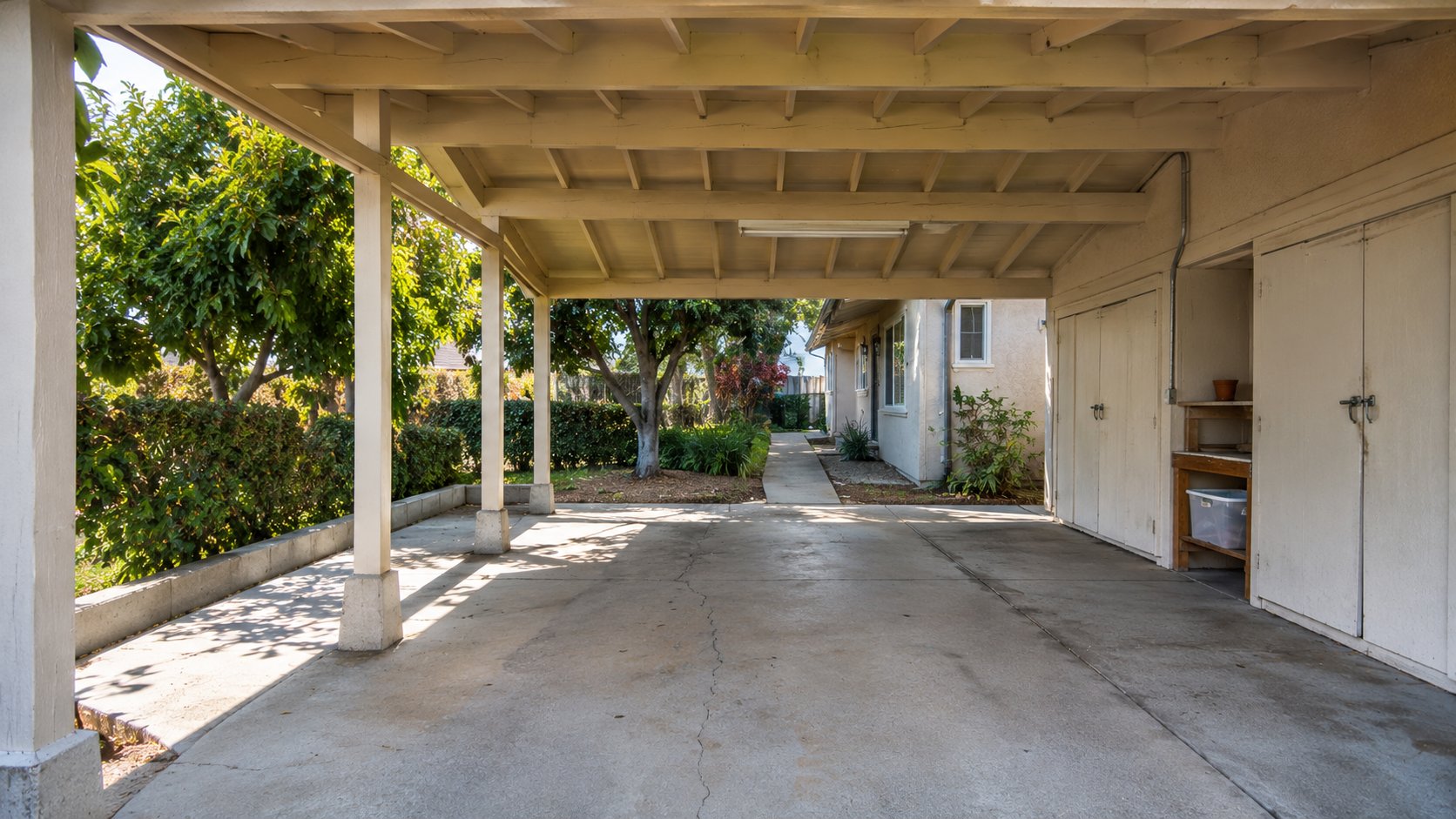
The most useful showing feedback explains what a buyer compared, not merely whether the buyer liked the home. Sellers should ask which alternatives shaped the reaction and what concrete feature influenced the decision. A comment about price is far more actionable when connected to condition, usable space, access, or another listing.
A modest Nipomo property may compete well on driveway utility yet lose attention to a nearby home with a more flexible interior. A buyer visiting Templeton might value an established workshop but hesitate over the ongoing upkeep of a larger parcel. These trade-offs help sellers understand whether attention is reaching the intended buyer group.
One purchaser's desire for a different kitchen style is not a pricing study. Several qualified buyers choosing comparable properties for the same measurable reason may indicate that the home's value proposition needs clearer communication or reconsideration.
Respond Differently to Low Exposure and Low Conversion
A listing with few appropriate viewers needs a different response from one receiving many well-matched showings but little serious follow-up. Low exposure can reflect audience reach, incorrect details, unhelpful images, or limited showing availability. Strong exposure with disappointing engagement may point instead toward price, condition, layout, or unmet expectations.
Check the listing description, floor plan, photographs, appointments, and competitive alternatives. Then compare the resulting traffic and showing quality over a meaningful period.
Joesef Jackson helps sellers interpret these distinctions within the San Luis Obispo County market rather than treating every activity count as a verdict. Homeowners exploring selling a home in San Luis Obispo County can use the same framework to identify whether the next action should improve visibility, clarify a feature, or reconsider competitive positioning.
Use Attention Patterns to Decide What Happens Next
The purpose of measuring attention is to make better decisions, not to produce an impressive weekly report. Establish in advance which signals justify a closer review: qualified showing requests, repeated objections, substantive follow-up, second visits, and competing listings that change the buyer's choices.
If online engagement is high but appropriate appointments remain rare, examine how the home's condition, floor plan, and price are being communicated. If visits are consistent but buyers repeatedly choose a different property, study those alternatives. If qualified prospects continue asking detailed questions, support their investigations rather than assuming silence means rejection.
In a small buyer segment, the evidence may develop slowly. The appropriate response is still disciplined: identify what attention shows, what remains unknown, and which action could change the outcome.
Frequently Asked Questions
Do online listing views mean a home is attracting serious buyers?
Not necessarily. Views show that a listing was displayed or opened, depending on the platform. They do not establish financing ability, purchase intent, or property fit. Qualified questions, appropriate showings, and concrete follow-up provide stronger evidence of serious consideration.
Is a listing save more meaningful than a simple page view?
A save may indicate an intention to revisit or compare the property, but it remains ambiguous. Buyers also save aspirational homes or properties outside their budget. Interpret saves alongside inquiries, scheduled visits, and other verifiable behavior rather than treating them as offers in preparation.
Why do buyers sometimes visit a home without making an offer?
An in-person visit may reveal limitations that were unclear online, or a competing home may better meet the buyer's priorities. Some buyers need further investigation or financial review. Repeated reasons for declining are more useful than assumptions about any single visit.
Should sellers reduce the price after a quiet first week?
Not automatically. Check whether the home received appropriate exposure, whether showings were accessible, and whether the initial market comparison was credible. A short period of low activity is incomplete evidence, particularly for unusual properties or smaller buyer groups.
How important are second showings when evaluating buyer attention?
A second showing may indicate a more detailed evaluation, especially when buyers bring a decision-maker or investigate specific features. It is not a guarantee of an offer. The questions asked and actions taken afterward provide the most useful context.
Can an open house create misleading buyer-attention numbers?
Yes. Open houses can attract neighbors, curious visitors, and buyers outside the likely price range. Attendance should be separated from qualified follow-up. The relevant measure is whether visitors become credible prospects with property-specific interest, not the raw visitor count.
How can sellers tell whether buyers are comparing their home unfavorably?
Ask for specific, relevant feedback about condition, usable space, location, access, and value compared with alternatives. Multiple independent buyers identifying the same trade-off can justify further analysis. An isolated preference is not enough to establish a market-wide objection.
Should sellers contact every person who viewed their listing online?
No. Anonymous views are not permission for personal contact, and many users never identify themselves. Follow appropriate consent and privacy practices. Focus on legitimate inquiries and agent-coordinated follow-up that answers substantive questions without creating pressure or unwanted communications.
Treat Buyer Attention as Evidence, Not a Verdict
A home attracts meaningful buyer attention when initial awareness develops into increasingly specific evaluation by people who could realistically purchase it. Exposure, saves, appointments, second visits, and detailed inquiries are useful at different stages, but none should be isolated from the property's competitive context.
Sellers make better decisions when they ask where interest advances and where it stops. If the home is not being seen, examine reach and presentation. If buyers visit but do not progress, examine expectations, alternatives, and repeated objections. If informed prospects continue evaluating, support that process. The goal is not maximum attention; it is attention that can become a sound purchase decision.
If you are preparing to buy or sell real estate on the Central Coast and want personalized guidance, contact Joesef Jackson at SLO Life Realty Group.