A strong listing strategy is a coordinated plan for preparing, pricing, introducing, and negotiating the sale of a specific property. It is not simply a collection of professional photographs, a suggested asking price, and a date to activate the listing. Each decision should support the next: the seller's priorities determine the preparation budget, the property's strengths define its competitive audience, and the asking price establishes the expectations buyers bring to a showing. When those decisions conflict, even effective individual marketing activities can produce disappointing results.
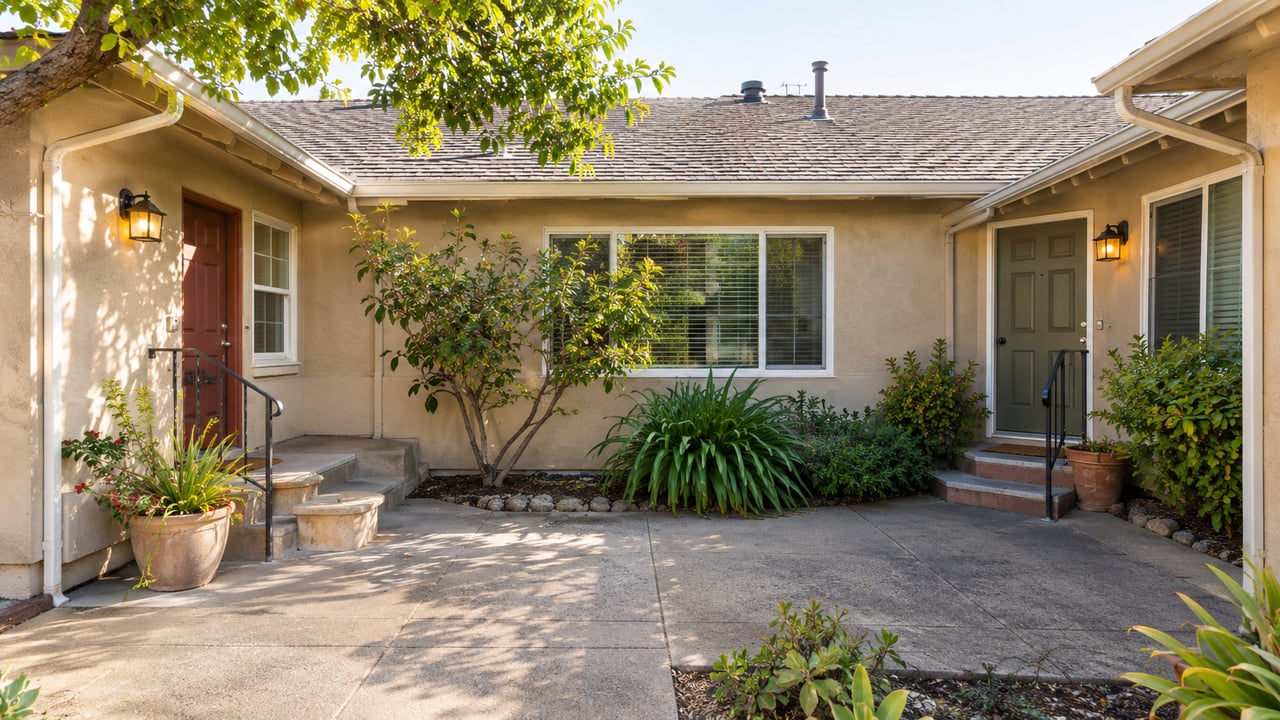
San Luis Obispo County sellers face different strategic questions depending on their property. An older home in Atascadero may need clear explanations of original systems and completed improvements. A compact residence in Grover Beach may compete on parking, usable outdoor space, and proximity to coastal amenities. A Paso Robles acreage property may require careful descriptions of outbuildings, water arrangements, and access without implying that an unverified use is permitted. Those distinctions influence what should be prepared, photographed, priced, and emphasized before the listing goes live.
The best plan establishes decisions and measurement points in advance rather than reacting to every showing. Joesef Jackson of SLO Life Realty Group works with Central Coast sellers to connect property-specific evidence with clear priorities and a practical execution sequence. The objective is to attract buyers who understand the home's value, give them credible information, and preserve the seller's ability to respond intelligently when feedback arrives. Strategy is strongest when everyone knows what success looks like and what evidence would justify a change.
Central Coast Neighborhood Video Tour ⬇️
Define the Property's Competitive Position Before Marketing
👉 How to Position a Home Against Competing Listings in San Luis Obispo County
A strong listing strategy begins by identifying which homes a realistic buyer will compare with yours, not merely which recent sales are geographically close. Review sold, pending, and active properties for similar price ranges, condition, size, configuration, and practical utility. Then identify meaningful distinctions that buyers can verify during a visit.
A San Luis Obispo home with a flexible secondary room may serve different needs from a larger residence with limited parking. In Nipomo, a usable driveway and straightforward access can matter more to some households than decorative upgrades. The competitive set should reflect these choices rather than an arbitrary radius.
Write a concise positioning statement explaining whom the property serves, why they might prefer it, and where competitors offer stronger alternatives. This statement becomes the reference for pricing, photographs, descriptions, and showing preparation.
Prepare for the Questions Serious Buyers Will Ask
👉 How to Prepare a Home for Serious Buyers on the Central Coast
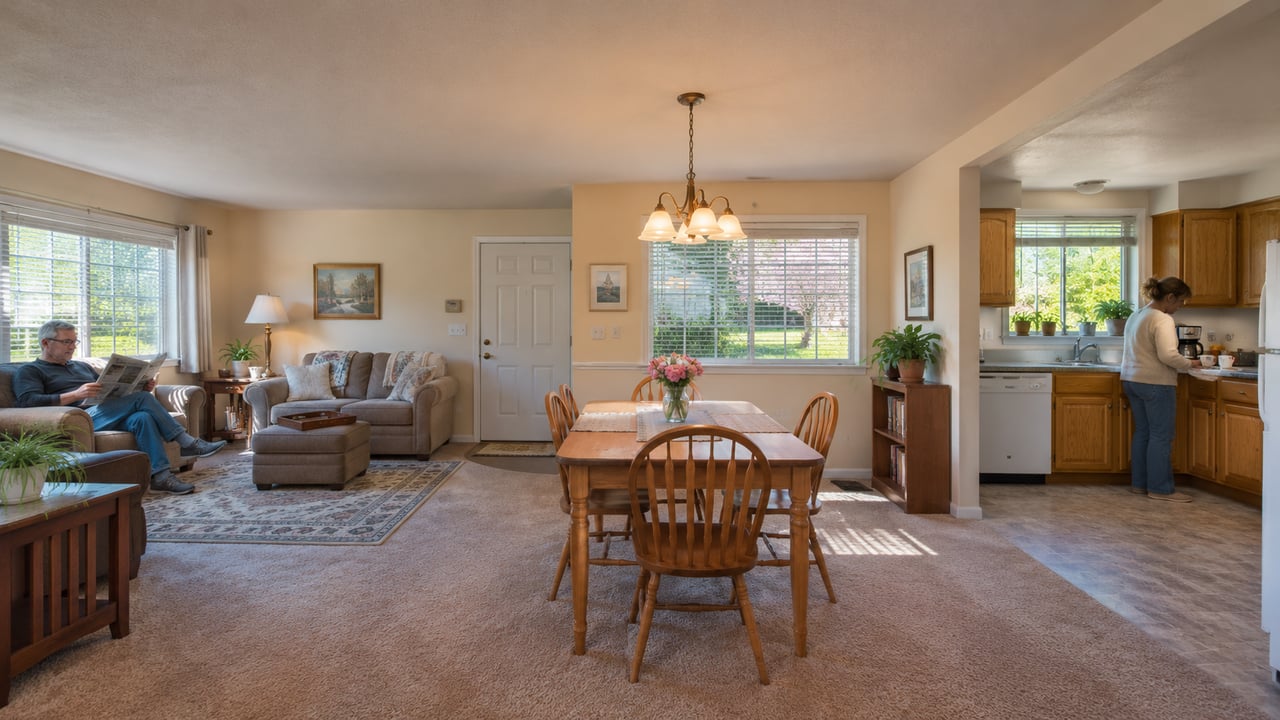
Preparation should remove avoidable uncertainty while respecting the home's age and the seller's budget. Start with condition concerns that could affect safety, financing, insurance, or buyer confidence. Then address cleanliness, lighting, circulation, and the visibility of useful spaces. Expensive cosmetic work is not automatically the best investment.
At a Morro Bay property, accessible information about a past moisture repair may matter more than new decorative furnishings. A Templeton home with an older roof might benefit from qualified evaluation before the seller promises a remaining service life. These decisions should be based on evidence, not concealment or unsupported assurances.
The California Department of Real Estate guide to real property transaction disclosures describes seller disclosure obligations in applicable California transactions. Assemble relevant records early, disclose as required, and distinguish permitted improvements from unverified assumptions.
Establish a Price That Supports the Intended Buyer Response
👉 How to Price for Today’s Buyer Mindset on the Central Coast
The asking price should reflect the property's competitive advantages, limitations, current alternatives, and the seller's timing objectives. A seller's renovation spending or desired net proceeds may inform personal decisions, but neither establishes what a buyer will pay. Review the adjustments required to compare genuinely similar properties.
For an Arroyo Grande residence, an updated kitchen can help, but its contribution should be judged alongside floor plan, lot utility, maintenance, and competing listings. A buyer who finds an apparently similar home at a lower price needs to understand the difference without having to invent the seller's rationale.
Choose the initial price alongside a review schedule. Define what volume and quality of showings would suggest appropriate positioning, and what repeated objections might justify further analysis.
Coordinate Photography, Access, and the Launch Sequence

👉 What Sellers Should Know About Listing Momentum in San Luis Obispo County
Launching before the home and information are ready can waste the period when a new listing first attracts attention. Complete essential preparation, verify factual descriptions, arrange photography that shows usable room relationships, and agree on realistic showing availability before scheduling publication.
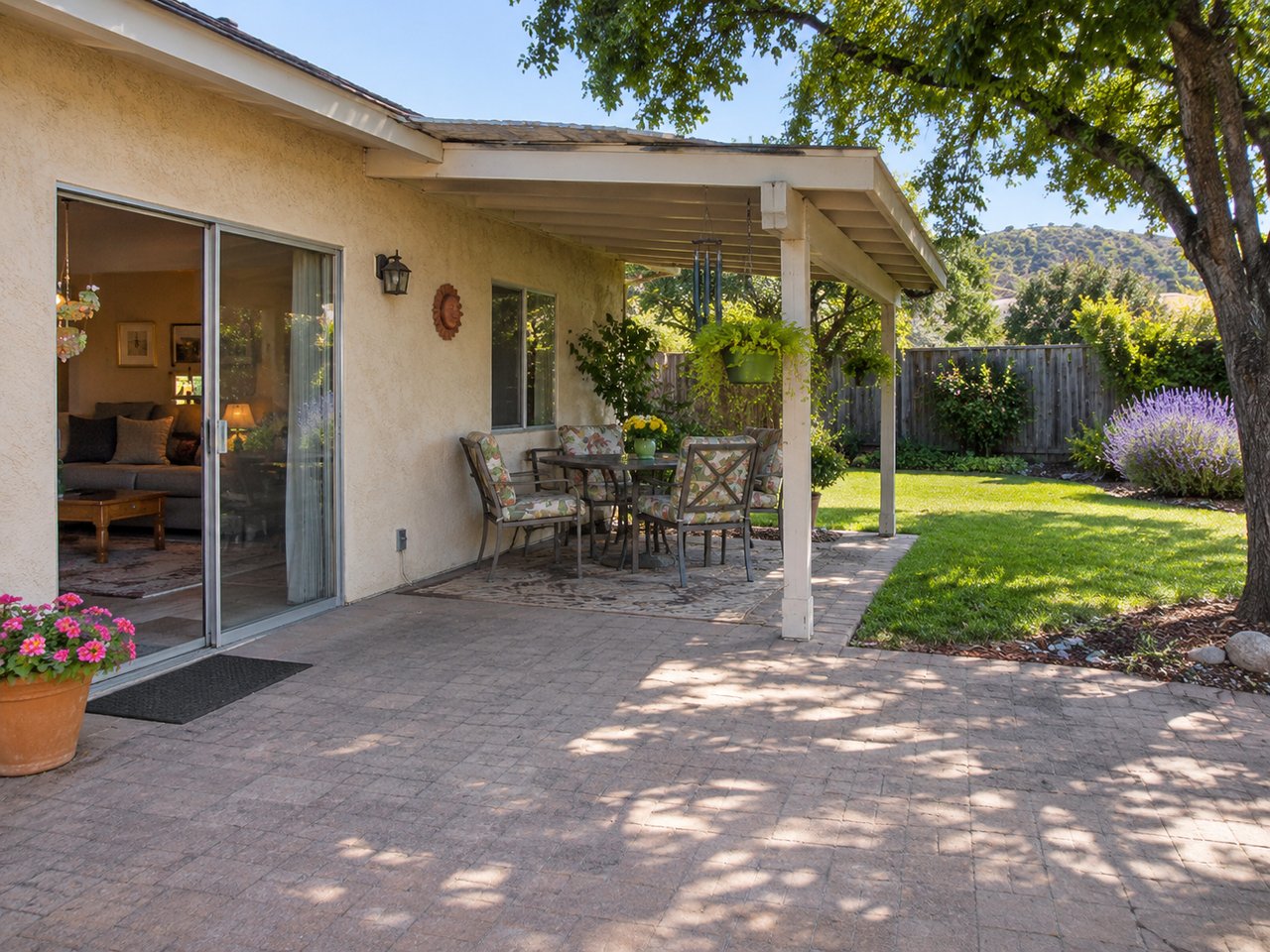
A compact coastal home in Los Osos may benefit from clear images of storage, practical access, and room dimensions. A larger home in Paso Robles might require photographs that explain how its separate living areas connect. Avoid exaggerated perspectives that make a space difficult to understand at an in-person visit.
Coordinate MLS details, online presentation, outreach, open-house decisions, and appointment procedures as one launch. Consistent access helps interested buyers complete their evaluations while the property is receiving attention. A promising listing cannot convert interest into a decision when information is incomplete or visits are impractical.
Strengthen Market Position With Evidence Buyers Can Use
👉 How to Strengthen a Home’s Market Position on the Central Coast
Positioning improves when buyers can see and verify the features that matter to their decisions. Instead of describing a property as exceptional, demonstrate its usable advantages through accurate measurements, photographs, disclosures, and context. Do not mistake promotional adjectives for evidence.
A Santa Margarita property may offer a functional workshop, but the seller should explain its current physical features without asserting that conversion to living space is approved. In Pismo Beach, the distinction between private outdoor space and shared association-maintained areas may matter more than a generic claim of coastal convenience.
Joesef Jackson's experience representing Central Coast properties since 1994 reinforces the importance of matching the listing story to details buyers can independently evaluate. If a claimed advantage depends on a specialist or government record, verify it rather than filling a gap with marketing language.
Create a Strategy That Can Adapt Without Losing Direction
👉 What Makes a Seller’s Strategy More Resilient in San Luis Obispo County
A resilient listing plan identifies in advance which signals warrant action and which do not. One negative comment, a quiet weekend, or an unusual showing request should not dictate a price change. Repeated feedback from qualified buyers, an unexpected competing listing, or a material property issue deserves a more structured review.
Set checkpoints based on actual exposure, showing quality, follow-up conversations, and changes in comparable inventory. Assign responsibility for gathering each piece of information. If qualified buyers consistently question functionality, consider whether photos or descriptions have created unrealistic expectations. If they repeatedly prefer better-equipped competing homes at similar prices, review the value proposition.
Agree on possible responses before emotions rise: improve factual presentation, complete a targeted repair, modify access, refresh outreach, or reconsider price.
Select Marketing Channels That Reach the Right Buyers
Distribution should follow the likely buyer group and the property's attributes. MLS exposure, the brokerage website, major property portals, professional imagery, targeted online promotion, and direct agent communication can have complementary roles. Their value depends on whether they reach qualified people and accurately communicate the offering.
The National Association of REALTORS® 2026 Profile of Home Buyers and Sellers provides national context for how buyers and sellers work with agents.
A property attractive to Cal Poly-associated households may require emphasis on practical commuting and ownership costs; a Cambria residence may attract second-home buyers who need comprehensive remote information before arranging travel. Match the outreach and presentation to those real decision patterns. Wider distribution is useful only when the message remains accurate and relevant.
Interpret Early Feedback Without Confusing Activity With Demand
Listing performance needs more than a count of views or visits. Distinguish exposure from qualified engagement, and curiosity from willingness to make an offer. Useful indicators include the suitability of showing requests, specific buyer questions, second visits, and comparisons with named alternatives.
For example, numerous online visits to an Atascadero house may not translate into in-person appointments because prospective buyers find the layout unsuitable. Conversely, a rural Templeton property may attract fewer visitors but more detailed requests about land use and operating costs.
Ask what the buyer understood before visiting and what changed afterward. Were expectations about room scale, parking, condition, or neighborhood fit accurate? Treat feedback as evidence to investigate, not a vote that automatically determines price.
Prepare Negotiation Choices Before the First Offer Arrives
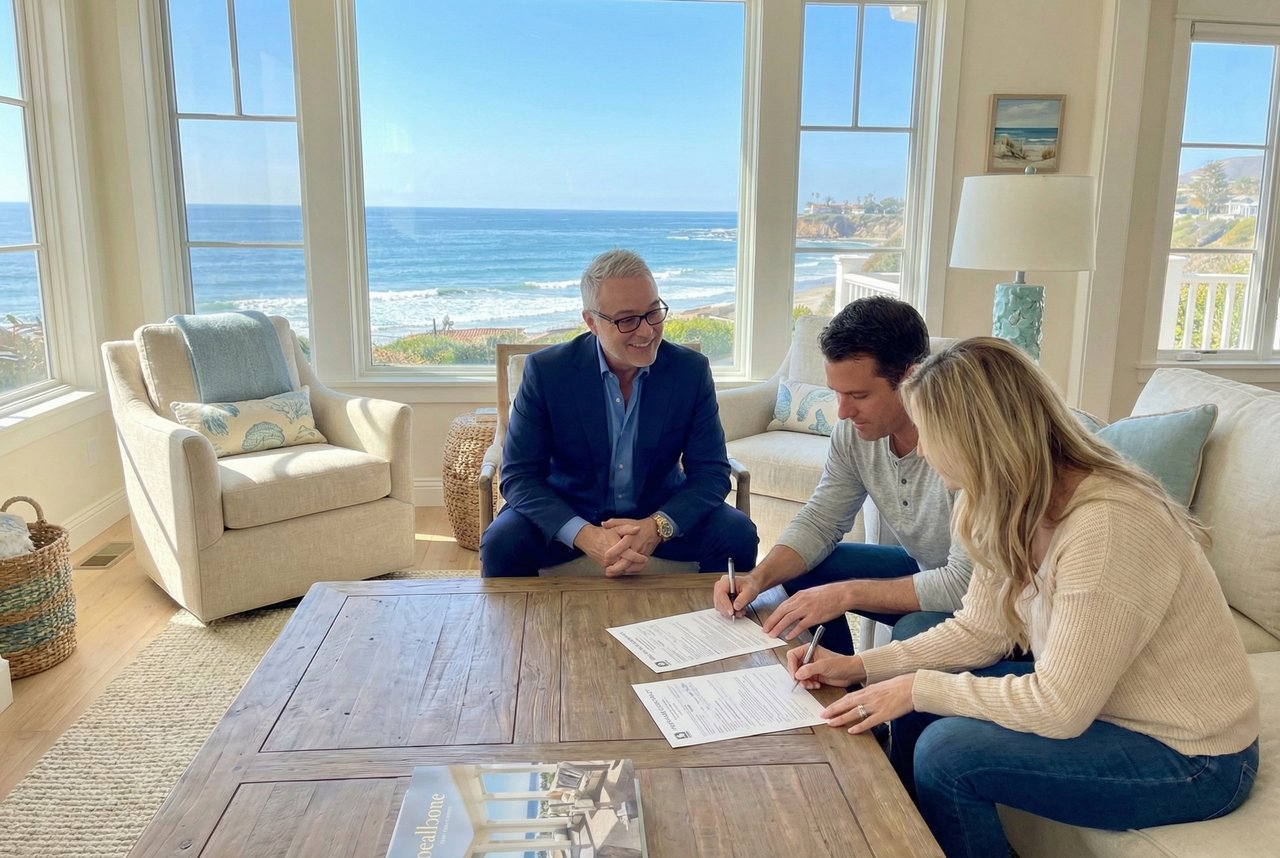
A listing strategy should define how the seller will evaluate offers, not merely how to attract them. Price matters, but financing terms, contingencies, deposit provisions, closing timing, possession needs, and the likelihood of performance can affect the value and reliability of a proposed transaction.
A seller relocating from San Luis Obispo may place substantial value on a coordinated possession date. Another seller could prefer fewer contingencies but must still evaluate the purchaser's financial capacity and contractual protections. Those preferences should be discussed before the pressure of a response deadline.
Create an offer-evaluation framework that separates net proceeds, timing, risk, and practical obligations. Avoid assuming that the highest nominal offer will necessarily provide the best outcome.
Review the Entire Plan When Market Conditions Change
The right response to changing conditions is a complete reassessment, not an automatic price reduction. Look at what has changed in competing inventory, buyer affordability, property condition, exposure quality, and seller priorities. Determine whether the original assumptions remain valid.
Joesef Jackson helps sellers use this kind of review to distinguish a marketing execution issue from a pricing issue or a change in buyer demand. Homeowners considering selling a home in San Luis Obispo County benefit from knowing the decision framework before the property is public.
If new photographs clarify a misunderstood layout, evaluate whether inquiry quality improves. If a price adjustment is made, compare the response with the intended buyer segment rather than celebrating visibility alone. A strong strategy evolves through evidence while keeping the seller's objectives in view.
Frequently Asked Questions
What is the difference between a listing strategy and a marketing plan?
A marketing plan describes how a property will be presented and promoted. A listing strategy also establishes seller goals, competitive analysis, preparation priorities, pricing, showing access, feedback review, and negotiation decisions. Marketing is one component of the broader plan.
How early should a homeowner begin preparing a listing strategy?
Ideally, preparation begins before the desired launch date, allowing time for property evaluation, necessary records, targeted improvements, photography, and pricing analysis. The required lead time depends on the home's condition and the seller's constraints rather than a fixed number of weeks.
Should a seller renovate before listing on the Central Coast?
Not automatically. Evaluate whether the work resolves a material objection, supports financing or insurability, or creates value buyers are likely to recognize. Compare probable benefit, cost, disruption, and delay. Some properties are better presented accurately in their existing condition.
How can sellers tell whether the asking price is working?
Review qualified showing activity, buyer comparisons, specific objections, and the performance of competing listings. Online views alone are weak evidence. Consistent feedback after sufficient exposure can indicate whether the price and the property's demonstrated value are aligned.
Should every Central Coast listing use the same advertising channels?
No. The relevant audience varies by property type, location, price, and intended ownership use. Broad listing exposure is important, but additional campaigns should be chosen for their ability to reach plausible buyers with accurate information rather than for volume alone.
What happens if a new competing listing appears after launch?
Compare its actual utility, condition, location, and price with your home. A new competitor does not always require immediate action. It may change the relative value proposition, however, and should be included in the next scheduled strategy review.
Can a seller maintain flexibility without making frequent changes?
Yes. Set defined review points and identify material signals in advance. This allows adjustments when new evidence warrants them while avoiding reactive decisions based on a single weekend, isolated comment, or temporary fluctuation in attention.
Why should offer terms be part of the listing strategy?
The seller's outcome depends on more than the offered price. Financing, contingencies, closing dates, and possession arrangements affect certainty and practical costs. Establishing priorities early helps compare offers consistently and recognize trade-offs during negotiation.
Build the Strategy Around Connected Decisions
A listing succeeds through the interaction of preparation, competitive positioning, price, exposure, feedback, and negotiation. The most important question is not whether each activity was completed, but whether it advances a consistent objective for that particular property and seller.
Start with a grounded assessment, make the home understandable, and establish clear decision points before launch. Then judge the response using qualified buyer evidence rather than attention alone. When conditions change, revise the element that evidence identifies without abandoning the whole plan.
If you are preparing to buy or sell real estate on the Central Coast and want personalized guidance, contact Joesef Jackson at SLO Life Realty Group