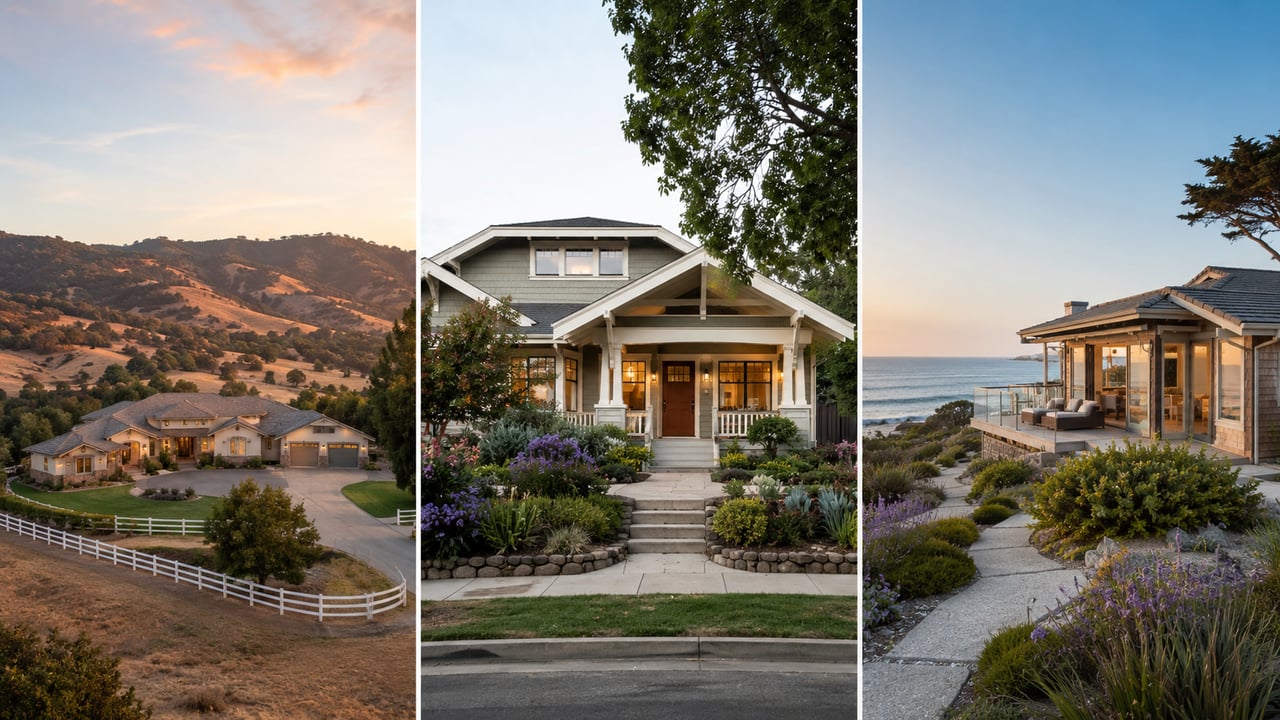
Positioning a home against competing listings means giving buyers a clear reason to choose that property over the alternatives available at the same time. The strategy involves more than setting an asking price. It requires understanding what buyers will compare, where the home performs well, where it requires explanation, and whether its price reflects its condition, location, features, and current competition.
Buyers rarely evaluate a listing by itself. They compare homes across price ranges, communities, architectural styles, property conditions, and ownership costs. A buyer interested in San Luis Obispo may also consider Arroyo Grande, Los Osos, Atascadero, or another nearby community when the available homes offer a different balance of space, convenience, condition, and price.
The strongest listing position does not attempt to make every property appear superior in every category. Instead, it identifies the home’s most defensible advantages, addresses its limitations honestly, and presents the property in a way that makes sense within the current market. When buyers understand where a home fits and why its price is supported, they are more likely to engage seriously.
Central Coast Neighborhood Video Tour ⬇️
Begin With the Listings Buyers Will Actually Compare
The first step is identifying the true competitive set. Sellers often compare their home with nearby properties based primarily on size, neighborhood, or a recent sale price. Buyers may use a broader and more practical comparison.
A buyer with a defined budget may compare a smaller updated home in San Luis Obispo with a larger original-condition home in Arroyo Grande. Another may weigh a coastal condominium in Pismo Beach against a detached home in Grover Beach. A buyer considering acreage near Paso Robles may also examine properties in Templeton or Atascadero if commute, land, and maintenance requirements remain acceptable.
The competitive set should therefore reflect buyer behavior, not just geographic proximity. Relevant listings typically share several factors, including price range, intended use, property type, location appeal, condition, and overall ownership experience.
👉 What Impacts Listing Performance on the Central Coast
Active listings are especially important because they represent the choices buyers can make now. Closed sales establish historical context, while pending listings may indicate which properties recently attracted an acceptable offer. Each category contributes different information.
Joesef Jackson has seen throughout more than 30 years in real estate that sellers can become overly focused on the property they believe is most similar. Buyers may be comparing something entirely different. The listing strategy becomes more accurate when it considers the alternatives that compete for the same buyer, even when those homes are not identical.
Exposure Works Only When the Property Is Competitively Positioned
Broad marketing can place a listing in front of more people, but exposure alone does not create serious interest. Buyers still judge the property against other homes appearing in the same searches and price bands.
Online search filters affect this process. Buyers may search within a maximum price, preferred community, bedroom count, property type, or lot-size range. A home priced slightly above a common search threshold may be excluded from searches where it would otherwise compare favorably. A property placed in a higher bracket may appear beside homes offering more space, newer construction, stronger views, or a more desirable location.
👉 How to Maximize Exposure When Selling in San Luis Obispo County
Effective exposure begins with understanding where the listing should appear and what buyers will see beside it. The first image, property description, price, basic specifications, and visible condition all influence whether a buyer opens the listing or moves to another option.
Exposure should also reach the audience most likely to value the property. A Cal Poly-area home may appeal to parents, investors, faculty, or buyers who prioritize proximity to campus. A Shell Beach residence may attract coastal buyers who value walkability, ocean access, or second-home use. An acreage property outside Paso Robles may require a wider geographic reach because its buyer pool is specialized.
With more than 2,130 career transactions, Joesef has observed that strong marketing cannot overcome a major mismatch between price and buyer expectations. Marketing and positioning must support each other. The listing needs enough visibility to reach qualified buyers and enough value alignment to keep their attention.
Make the Property’s Advantages Easy to Recognize
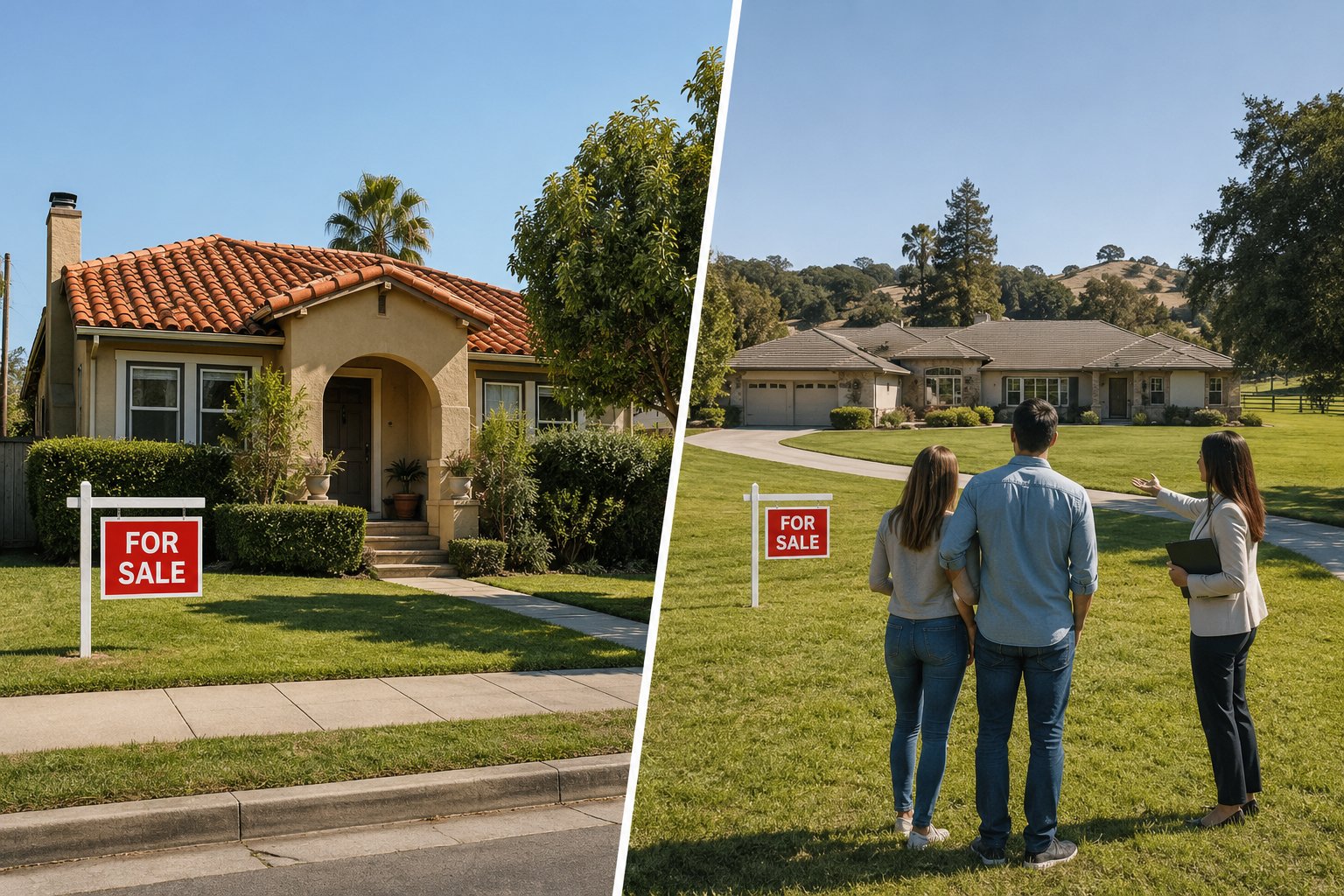
Buyers should not have to study a listing extensively to understand what distinguishes it. The home’s strongest attributes should be apparent early and supported throughout the presentation.
Those advantages may involve location, usable space, views, privacy, renovation quality, lot configuration, parking, outdoor living, architectural character, or lower maintenance. The key is determining which features matter most to buyers within that price range.
👉 What Makes a Listing Stand Out on the Central Coast
A home in Morro Bay may stand apart through water views and access to town. A San Luis Obispo residence may compete through walkability, neighborhood setting, or proximity to downtown. A Nipomo home may offer newer construction, more interior space, and planned-community amenities. Those are different forms of value, and each should be presented according to the buyer it is likely to attract.
A long list of features is not the same as a strong position. When every item receives equal emphasis, buyers may miss the qualities that truly separate the home from competing listings. The presentation should establish a clear hierarchy.
The listing description, photography, floor plan, video, and showing experience should all reinforce the same advantages. If the primary value is an indoor-outdoor layout, buyers should be able to see how the spaces connect. If privacy is central, the presentation should show the setting and separation from neighboring homes. If the property has been carefully updated, the materials and workmanship should be represented accurately rather than described with vague promotional terms.
Price Unique Features According to Buyer Value
Homes with distinctive features can be difficult to position because their most appealing characteristics may not appear in conventional comparable sales. A detached studio, guest unit, panoramic view, oversized workshop, vineyard, historic architecture, or highly customized interior may add meaningful value, but that value depends on buyer demand.
👉 How to Avoid Common Pricing Mistakes in San Luis Obispo County
The cost of creating a feature does not automatically equal its market contribution. A seller may have invested substantially in a specialized improvement that serves a personal use. Buyers may value it differently, particularly when the feature reduces flexibility or creates additional maintenance.
Pricing should account for scarcity without assuming that anything unusual deserves a large premium. A rare feature strengthens the position when it is desirable, functional, and difficult to reproduce. It can weaken the position when buyers see it as overly specific, costly to maintain, or inconsistent with the home.
This is particularly relevant for custom and rural properties. A wine-country residence near Templeton may include wells, septic systems, agricultural improvements, outbuildings, and extensive land. Those elements require a more detailed evaluation than a standard suburban home. A coastal residence in Cambria may derive much of its appeal from orientation, forested privacy, or ocean exposure, but buyers may also examine drainage, exterior maintenance, insurance, and access.
The San Luis Obispo County Planning and Building Department provides official information concerning land use, zoning, permitting, environmental review, and building requirements in unincorporated areas.
Understand How Buyers Compare Value
Buyers often compare more than asking prices. They examine the total package: purchase price, expected repairs, monthly costs, location, functional space, condition, and future ownership demands.
👉 What Sellers Should Know About Buyer Comparison in San Luis Obispo County
A less expensive home may not represent better value when it requires major repairs, has limited parking, or carries higher association fees. A higher-priced home may remain attractive when it offers a stronger location, updated systems, greater usable space, or fewer near-term expenses.
Buyer comparison also changes by market segment. First-time buyers may place greater weight on monthly payment and immediate repair costs. Move-up buyers may prioritize layout, schools, work space, and long-term use. Luxury buyers may focus on privacy, architectural quality, views, land, and scarcity. Investors may concentrate on income potential, tenant demand, operating costs, and resale.
The listing strategy should anticipate those comparisons and provide information that allows buyers to evaluate the home accurately. Complete disclosures, permit information, improvement records, utility details, association documents, and inspection reports may reduce uncertainty when they are relevant and available.
The California Department of Real Estate publishes consumer materials concerning disclosures and other responsibilities involved in California property transactions.
After more than $1.81 billion in career sales volume, Joesef has found that sellers are better positioned when they understand both the strengths of their property and the reasons a buyer might prefer another listing. That knowledge allows the strategy to address real competition rather than relying on generalized claims.
Avoid Comparing the Home With the Wrong Properties

A weak competitive analysis can lead to a price and presentation strategy built around homes that buyers do not view as substitutes.
👉 How to Avoid Pricing Against the Wrong Competition on the Central Coast
The closest sale may not be the most relevant. A nearby home may have a different lot, condition, view, layout, school assignment, association structure, or buyer audience. Similarly, a property with the same square footage may compete differently when one has been updated and the other requires substantial work.
Sellers should also distinguish between active asking prices and established market value. An active listing shows what another seller is requesting, not what buyers have accepted. A high-priced competing listing does not automatically support a similar price. It may instead reveal where buyers are resisting.
Expired, canceled, or repeatedly reduced listings can also provide useful context. They may indicate that the market rejected a price, presentation, or property condition. Those outcomes should not be treated as evidence that another home can achieve the same original asking price.
The correct competitive set may change after the listing launches. New homes enter the market, competing properties reduce their prices, and buyers respond to fresh options. Positioning is not a one-time calculation. It should be reviewed as the market evolves.
Use Condition as Part of the Value Equation
Condition affects how buyers compare homes because it changes both the immediate experience and the expected cost of ownership. Buyers may accept an older kitchen or dated finishes when the price reflects them, but they may react differently to roofing, drainage, electrical, plumbing, foundation, or insurance concerns.
The property does not need to be fully remodeled to compete effectively. It does need to appear consistent with its price and with the alternatives buyers can purchase.
A thoughtfully maintained original home can perform well when it offers strong architecture, location, or lot quality. A partially remodeled home can be more difficult to evaluate if the improvements are inconsistent or if major systems remain unresolved. Buyers may wonder whether the visible upgrades were prioritized over more important work.
Repairs should be considered according to their effect on buyer response. Some corrections remove objections and make the property easier to evaluate. Others may not produce enough market value to justify their cost. The decision should be based on the actual competition, not a generic list of pre-sale improvements.
Monitor Market Response Without Reacting to Every Opinion
Once the listing is active, buyer behavior provides evidence about whether the position is working. Showings, repeat visits, disclosure requests, agent questions, and offers reveal more than online views alone.
A limited number of showings may suggest that the price, location, property type, or presentation is not competitive within the current search range. Strong showing activity without offers may point to concerns that become apparent during a visit. Repeated comments about the same issue deserve more attention than one isolated opinion.
The response should be evaluated against competing listings. If similar homes are receiving offers while one property remains available, the difference may involve price, condition, access, presentation, or terms. If the entire segment is moving slowly, additional market time may be normal.
Sellers should avoid changing strategy in response to every comment, but they should not dismiss a consistent pattern. The goal is to distinguish personal preference from broad market resistance.
Reposition Deliberately When the Market Changes
A listing may need to be repositioned when new competition enters, buyer activity slows, or the original strategy does not produce the expected response. Repositioning can involve price, presentation, access, information, or the way the property’s advantages are communicated.
A price reduction should be meaningful enough to change the comparison. Small repeated adjustments can make the listing appear reactive without placing it in a stronger search range. The revised price should reflect current competition and buyer response, not simply reduce the original number by an arbitrary amount.
Other changes may be appropriate before adjusting price. Improved access, corrected maintenance issues, clearer information, revised imagery, or better explanation of a unique feature may resolve a specific barrier. However, presentation changes should not be used to avoid addressing a price that buyers consistently view as unsupported.
The strongest repositioning strategy identifies the reason the listing is not converting interest into offers and responds directly to that issue.
Maintain One Consistent Market Position
A listing is more persuasive when price, condition, presentation, property information, and showing experience communicate the same level of value.
A premium price paired with visible deferred maintenance creates conflict. Strong imagery paired with incomplete information may cause buyers to question what is not being shown. A distinctive property presented with generic language may appear less valuable than it is.
Consistency also matters during negotiations. If the listing has been positioned as rare and carefully priced, the seller should still evaluate actual market response and offer terms objectively. Strong positioning does not mean refusing to engage. It means entering negotiations with a defensible understanding of the property’s value and competition.
Working directly with Joesef Jackson from the first conversation through closing keeps pricing, buyer feedback, offer analysis, and changing market conditions connected within one strategy. That continuity is especially important when a property competes across several communities or does not fit neatly into a standard category.
A home stands against competing listings when buyers understand its place in the market quickly and accurately. The objective is not to claim that the property is better than every alternative. It is to show where it offers meaningful value, support that position with evidence, and make the buying decision easier to evaluate.
Frequently Asked Questions
What are competing listings?
Competing listings are the active properties buyers are likely to consider as alternatives based on price, location, property type, condition, features, and intended use.
Should sellers compare only homes in the same neighborhood?
No. Buyers may compare homes across several San Luis Obispo County communities when those properties fall within the same budget and meet similar lifestyle or ownership needs.
Does the lowest-priced home always attract the most interest?
No. Buyers consider condition, location, repairs, monthly costs, layout, and future ownership demands in addition to the asking price.
How can a seller tell whether a listing is positioned correctly?
Relevant showing activity, repeat visits, disclosure requests, detailed questions, and offers indicate whether qualified buyers recognize the property’s value.
Should a unique feature always increase the asking price?
No. A unique feature adds value when buyers find it desirable, functional, and difficult to reproduce. Its construction cost does not automatically equal its market contribution.
When should a listing price be adjusted?
A price adjustment may be appropriate when consistent buyer response, competing sales, or new inventory shows that the current price is not supported.
Can presentation overcome an overly high price?
Presentation can improve buyer interest and understanding, but it generally cannot overcome a significant gap between the asking price and the property’s market position.
Why can nearby homes have different selling results?
Differences in condition, lot quality, layout, views, updates, pricing, access, marketing, and contract terms can produce very different buyer responses.
If you are preparing to buy or sell real estate on the Central Coast and want personalized guidance, contact Joesef Jackson at SLO Life Realty Group.