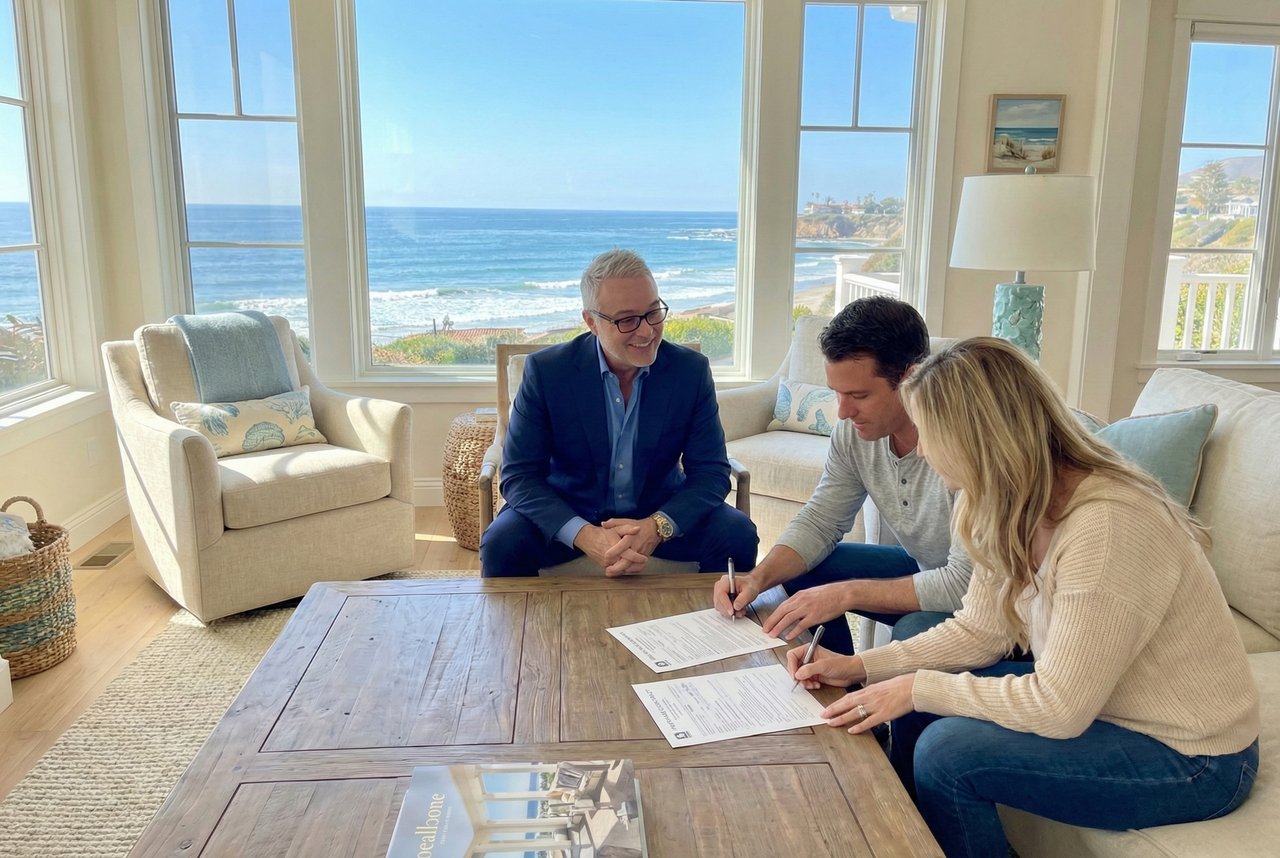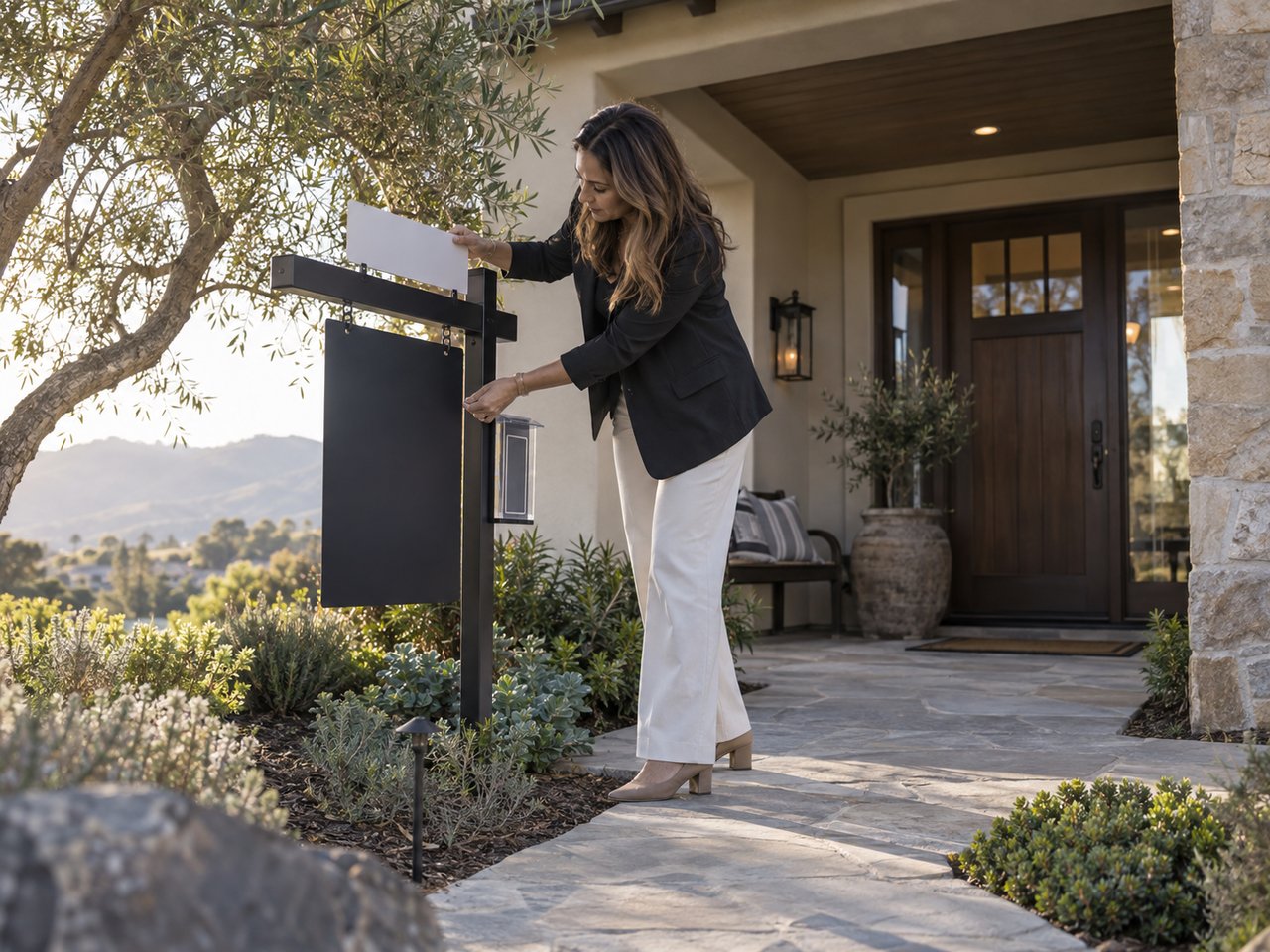
A buyer backing out during escrow can be one of the most stressful moments in a real estate transaction on the Central Coast. In San Luis Obispo County, where timing, financing, and market conditions all affect leverage, what happens next depends on why the buyer cancels, whether contingencies are still in place, and what the contract allows.
In many Central Coast transactions, what often stands out is that sellers assume a buyer backing out automatically means the deposit is lost and the deal is over. In reality, the outcome can vary significantly based on contract timing, contingency status, and escrow documentation. Understanding the process helps sellers, buyers, and investors respond strategically instead of emotionally.
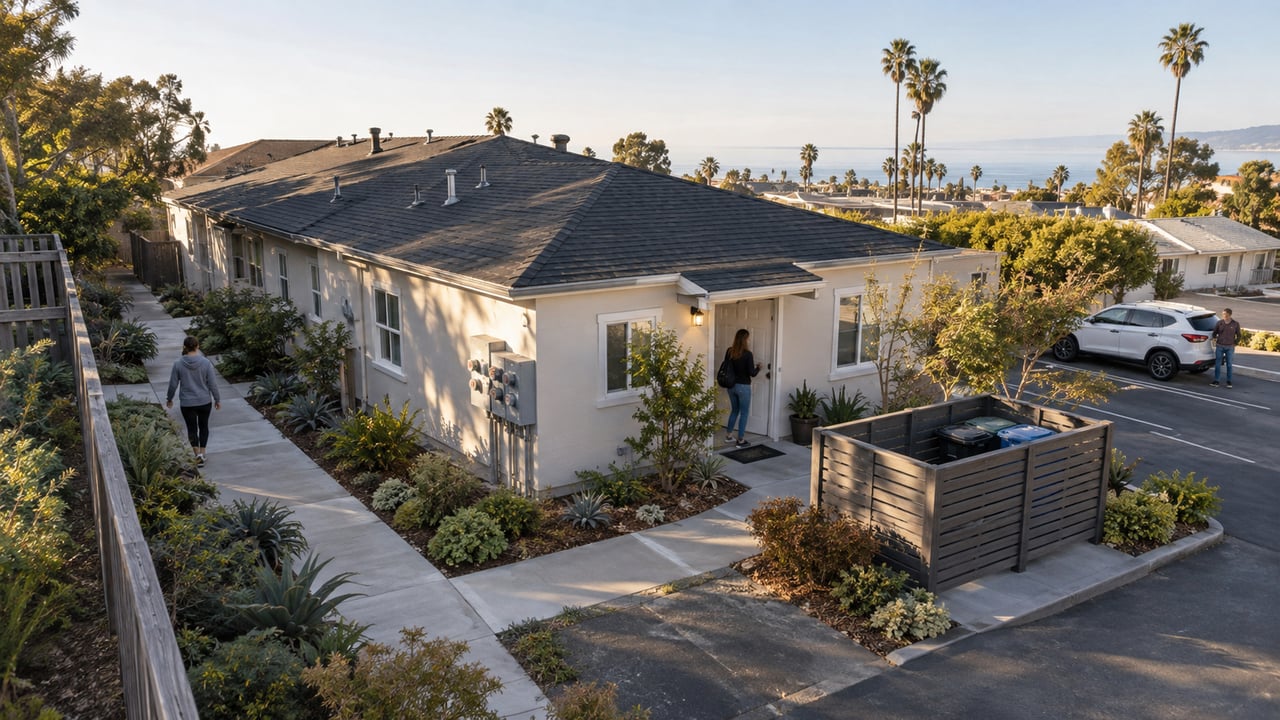
Bassi Ranch — San Luis Obispo Neighborhood Tour
Why Buyers Back Out During Escrow
Buyers can back out for a number of reasons, and not all cancellations are treated the same way. Common examples include financing issues, inspection concerns, appraisal problems, title objections, or a change in personal circumstances.
The most important distinction is whether the buyer is canceling under a valid contingency or attempting to walk away outside the protections of the agreement. That difference can affect whether the cancellation is permitted and whether the earnest money deposit is at risk.
👉 What Happens During Escrow on the Central Coast: A Seller and Buyer Overview
👉 What Happens After Your Offer Is Accepted on the Central Coast
Contingencies Usually Determine the Outcome

In California, contingencies are often the key reason a buyer may be able to cancel without automatically losing their deposit. The California Association of REALTORS® explains that default purchase agreements commonly include contingencies for loan, appraisal, title, disclosures, and investigations.
URL: https://www.car.org/-/media/CAR/Documents/Industry-360/PDF/PDFs/Quick-Guides/Quick-Guides/Quick-Guide--Contingencies--Contingency-Removal-1025.pdf
If those contingencies have not been removed in writing, the buyer may still have a contractual path to cancel. If they have already been removed, the seller’s position may be stronger.
On the Central Coast, this is why contract timelines and contingency removal dates matter so much. A buyer who backs out early in escrow is usually in a very different legal and practical position than a buyer who walks away after removing protections.
What Happens to the Earnest Money Deposit

One of the first questions sellers ask is whether they automatically get to keep the buyer’s deposit. The answer is not always.
If the buyer cancels under a valid contingency, the deposit is often returned. If the buyer breaches the contract after contingency removal, the deposit may become disputed and subject to further negotiation, release instructions, or legal review.
👉 What Is Earnest Money When Buying a Home on the Central Coast?
👉 Understanding Offers, Counteroffers, and Negotiation When Selling on the Central Coast
What often stands out is that deposit disputes are not resolved by assumption. Escrow does not simply hand one side the money because someone feels entitled to it. There must be mutual instructions, agreement, or another legally supported path forward.
Escrow Stays Neutral During a Dispute
Escrow is a neutral process, not an advocate for either side. The California Department of Real Estate describes escrow as a system where documents and funds are held by a neutral third party under mutually written instructions until conditions are met.
That matters when a buyer backs out because the escrow holder usually does not decide who is “right.” If cancellation terms are disputed, the escrow holder typically waits for signed instructions, resolution between the parties, or legal direction before releasing funds.
This is one reason these situations can feel frustrating. Even when the seller believes the buyer is clearly in breach, escrow itself may not resolve the dispute unilaterally.
Seller Options After a Buyer Cancels
Once a buyer backs out, the seller usually has several options depending on the facts of the transaction. These may include putting the property back on the market, negotiating a release, pursuing the deposit if contract terms support it, or working with a backup buyer if one exists.
👉 What Sellers Should Know About Backup Offers on the Central Coast
👉 What Sellers Should Know About Closing Timelines on the Central Coast
In San Luis Obispo County, the best next step often depends on market momentum. If buyer demand is still strong, relisting quickly may be the most efficient path. If conditions have shifted, the seller may need to reassess pricing, timing, and negotiation strategy.
Timing Matters More Than Most People Think
The point in escrow when the buyer backs out can change the practical impact on the seller. A cancellation during the first part of escrow may be disruptive but manageable. A cancellation later in the process can create larger problems if the seller has already made moving plans, entered into another purchase, or lost valuable market time.
On the Central Coast, where timing often affects both sides of a move, a late-stage cancellation can create ripple effects well beyond the immediate transaction. That is why strong documentation, deadline tracking, and proactive communication matter throughout escrow—not just at the beginning.
How to Reduce the Risk of Escrow Fallout
While no transaction is risk-free, sellers can reduce exposure by working with strong offer terms, understanding contingency timelines, and staying alert to signs of financing or decision instability. Buyers can reduce risk by understanding their obligations clearly before removing contingencies.
A disciplined transaction process does not eliminate cancellations, but it does improve the ability to respond effectively when something changes. In many Central Coast transactions, the difference between a manageable setback and a costly disruption comes down to preparation and timing.
FAQ
Can a buyer back out during escrow in California?
Yes, buyers can back out during escrow, but whether they can do so without financial consequences depends heavily on contingencies and contract timing.
Does the seller automatically keep the deposit if the buyer backs out?
No. If the buyer cancels under a valid contingency, the deposit is often returned. If the cancellation is outside the contract protections, the deposit may become disputed.
Can a seller relist right away after a buyer cancels?
Usually yes, once the prior transaction is formally canceled and escrow is properly released, the seller can move forward with a new buyer.
If you’re dealing with a canceled escrow or want to understand how to protect your position in a Central Coast real estate transaction, contact me.
Internal Linking Note
Some plain-text references in this article will become live internal links as additional Central Coast real estate guides are published.