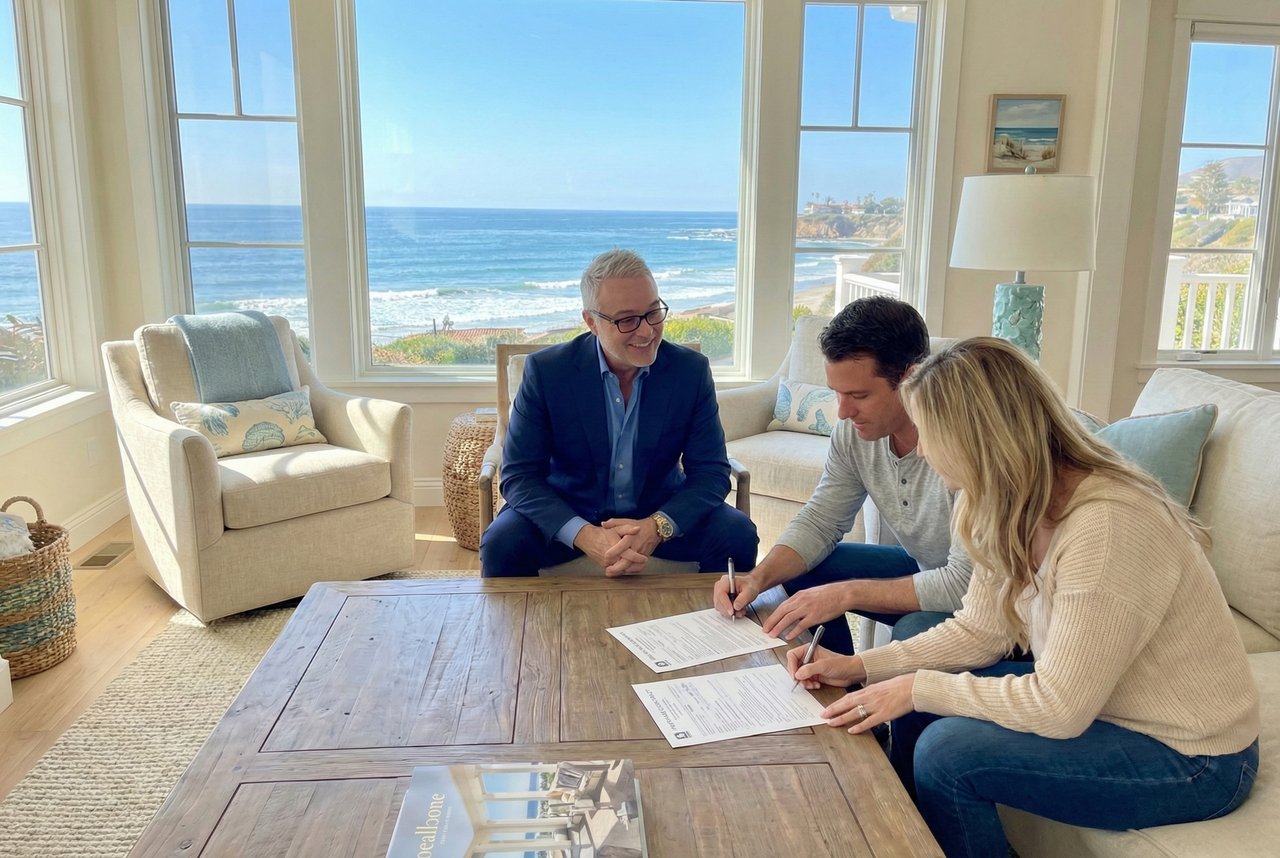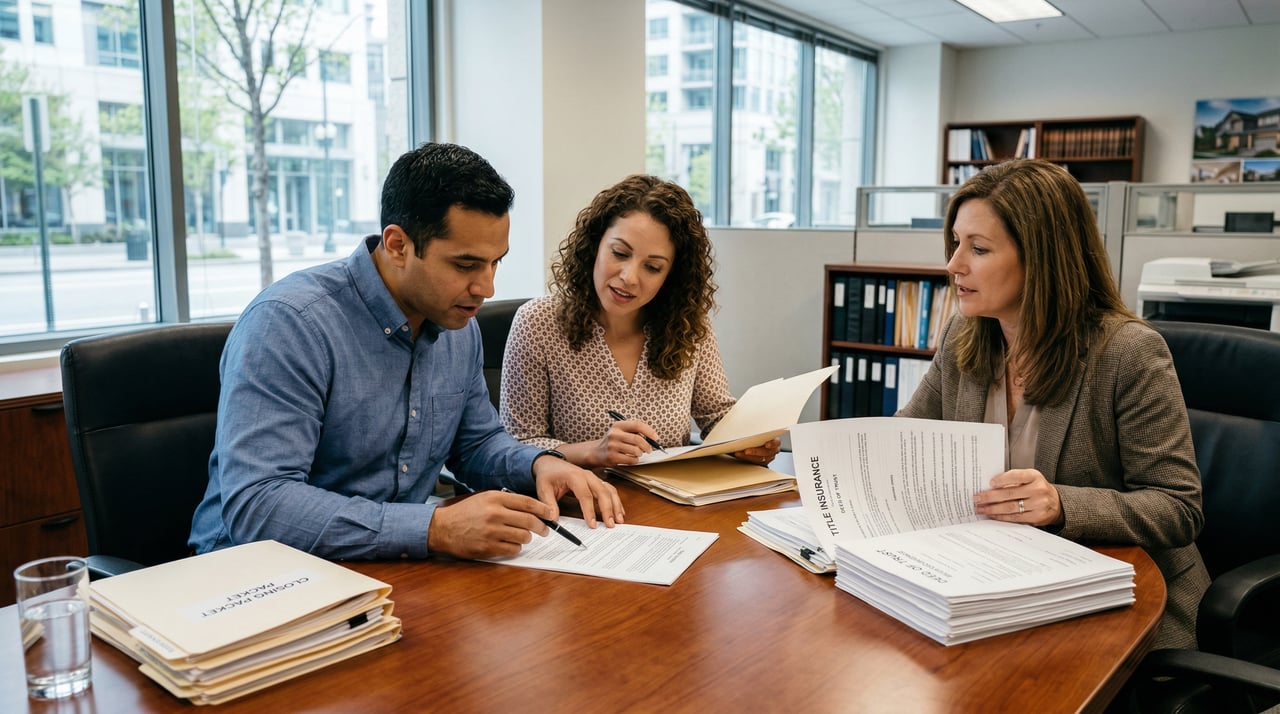
Title and title insurance are critical components of any real estate transaction on the Central Coast, especially in San Luis Obispo County where property history, ownership rights, and legal documentation must be carefully verified before closing. Whether you're buying or selling, understanding how title works helps protect against potential legal and financial risks.
In many Central Coast transactions, what often stands out is that buyers assume ownership is straightforward—yet issues like liens, easements, or recording errors can surface if not properly reviewed. Title insurance exists to prevent those problems from becoming costly surprises.
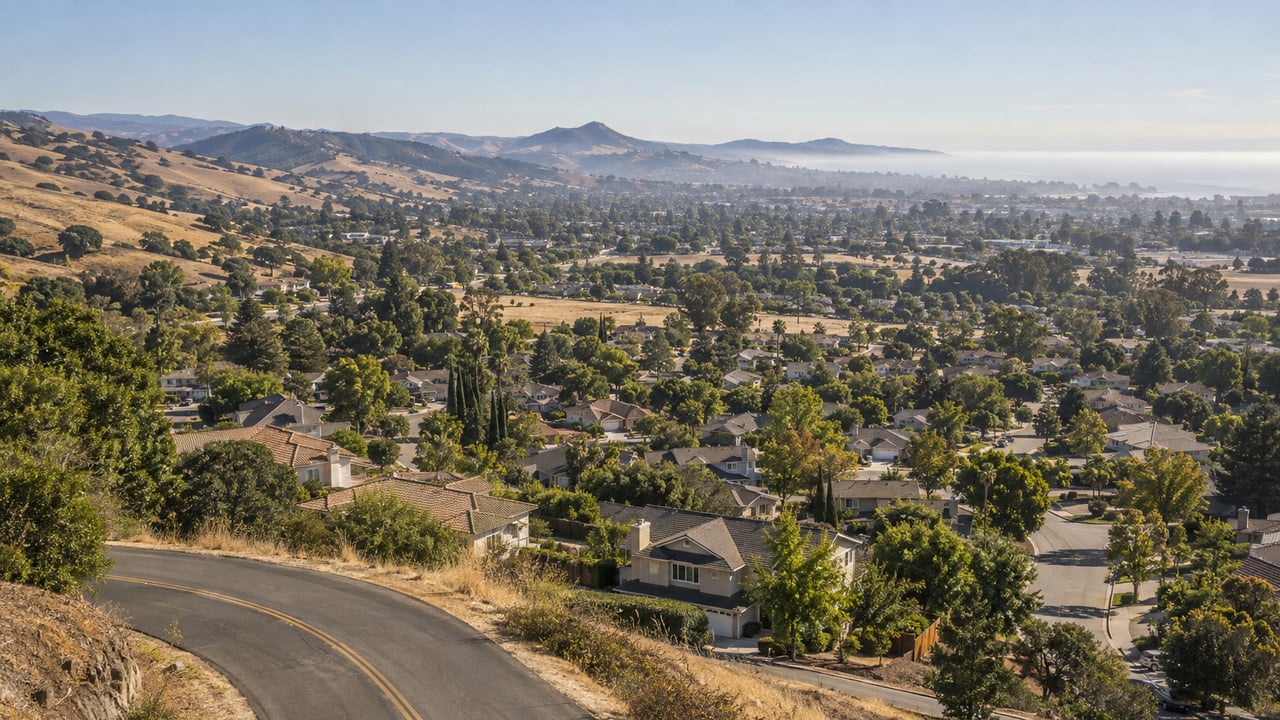
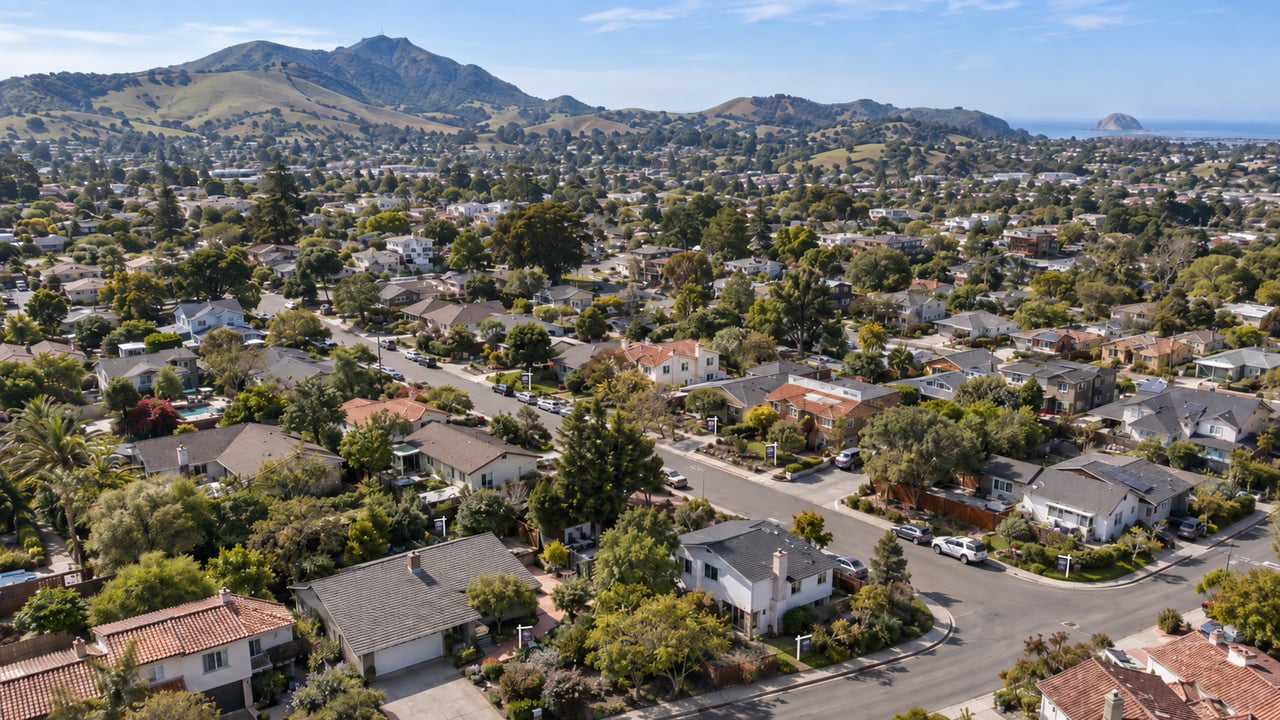
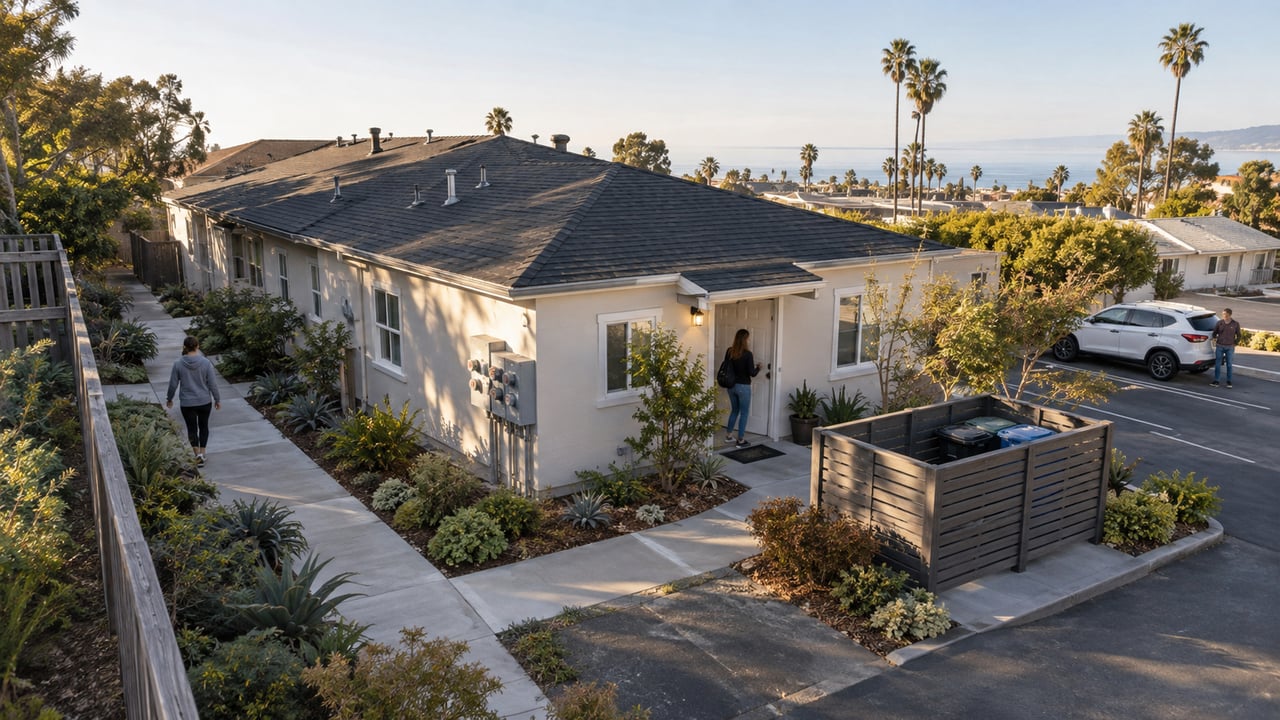
Bassi Ranch — San Luis Obispo Neighborhood Tour
What “Title” Means in Real Estate
Title refers to the legal ownership of a property and the rights associated with that ownership. When you buy a home, you’re not just purchasing the structure—you’re acquiring the legal title.
Title includes:
- Ownership rights
- Legal access
- Use of the property
- Transferability
👉 What Happens During Escrow on the Central Coast: A Seller and Buyer Overview
👉 What Happens Between Offer Acceptance and Closing on the Central Coast
Ensuring the title is clear and transferable is one of the most important steps in any real estate transaction.
What a Title Search Does

Before a sale is finalized, a title company conducts a title search to review the property’s history.
This process identifies:
- Previous ownership records
- Outstanding liens or debts
- Easements or restrictions
- Legal claims against the property
What often stands out in San Luis Obispo County is that even properties that appear straightforward can have recorded issues that must be resolved before closing.
What Title Insurance Protects Against
Title insurance protects buyers (and lenders) from financial loss related to title defects that were not discovered during the title search.
Common risks include:
- Unknown liens
- Fraud or forgery
- Errors in public records
- Undisclosed heirs
👉 What Buyers Should Know About Natural Hazard Disclosures in San Luis Obispo County
👉 What Happens If a Buyer Backs Out During Escrow on the Central Coast?
Unlike most insurance policies, title insurance is typically a one-time purchase that provides protection for as long as you own the property.
Types of Title Insurance Policies
There are two main types of title insurance:
- Owner’s Policy: Protects the buyer’s ownership rights
- Lender’s Policy: Protects the lender’s financial interest
Both policies play a role in protecting different parties involved in the transaction.
From a regulatory standpoint, title insurance practices in California are overseen by the California Department of Insurance, which provides guidelines and consumer protections related to title policies.
Why Title Matters for Buyers
For buyers, title insurance provides peace of mind.
Without it, you could be responsible for:
- Resolving ownership disputes
- Paying off undisclosed liens
- Defending legal claims
On the Central Coast, where property values are significant, even a small title issue can have major financial implications if not properly insured.
Why Title Matters for Sellers
Sellers also play a role in ensuring a clean title.
Before closing, any known issues—such as liens or unpaid obligations—must typically be resolved. A clean title ensures the transaction can proceed smoothly and reduces the risk of delays.
👉 Preparing Your Home for Sale on the Central Coast: Pricing, Staging, and Strategy
👉 How Long Does It Take to Sell a Home on the Central Coast? Timeline Breakdown
What often stands out is that addressing title issues early can prevent complications during escrow.
How Title Fits Into the Escrow Process

Title work is closely tied to escrow.
During escrow:
- Title is reviewed and cleared
- Insurance policies are issued
- Ownership is officially transferred
This process ensures that the buyer receives a property with clear ownership rights.
On the Central Coast, title companies, escrow officers, and real estate professionals work together to ensure all legal requirements are met before closing.
FAQ
Is title insurance required when buying a home?
Lender’s title insurance is typically required if you have a mortgage, while owner’s title insurance is optional but highly recommended.
How much does title insurance cost?
It varies based on the property value but is usually a one-time fee paid at closing.
Can title issues delay closing?
Yes, unresolved liens or ownership disputes can delay or even prevent a transaction from closing.
If you’re navigating a home purchase or sale on the Central Coast and want to ensure every detail is handled correctly, contact me.
Internal Linking Note
Some plain-text references in this article will become live internal links as additional Central Coast real estate guides are published.