The time required to sell a home on the Central Coast depends on two separate periods: how long it takes to receive and accept an offer, and how long the transaction takes to close after that offer is accepted. A well-positioned home may attract a qualified buyer quickly, but the complete process commonly extends several additional weeks while the buyer completes inspections, financing, appraisal, disclosures, and final closing requirements.
There is no single timeline that applies to every San Luis Obispo County property. A condominium near downtown San Luis Obispo may attract a different buyer pool than a coastal residence in Cambria, a vineyard property near Paso Robles, or a family home in Arroyo Grande. Price range, location, property type, condition, competition, financing, and seller preparation all influence how long a sale takes.
Sellers should therefore evaluate the timeline in stages rather than relying only on an average days-on-market figure. The most useful question is not simply how quickly homes are selling. It is whether a specific property is positioned to attract the right buyers, produce an acceptable offer, and reach closing without avoidable disruptions.
Central Coast Neighborhood Video Tour ⬇️
The Selling Timeline Begins With Market Position
The first stage runs from the listing date until the seller accepts an offer. This is the portion commonly reflected in days-on-market statistics, but the number alone does not explain why one home sells within days while another remains available for several weeks or longer.
Price is one factor, but it is not the only one. Buyers compare the home with current alternatives, recent sales, expected ownership costs, property condition, location, and the compromises required at that price. A home may be attractive in isolation yet still take longer to sell when nearby properties offer more usable space, newer systems, better parking, stronger views, or fewer maintenance concerns.
Market position is the relationship between the property, its price, and the alternatives available to buyers at the same time. When those elements align, buyer activity tends to develop early. When they do not, the seller may receive limited showings, repeated questions, or interest that never becomes an offer.
San Luis Obispo provides a useful example. Homes near Cal Poly, downtown, or established residential neighborhoods may appeal to very different groups even when their prices are similar. A Cal Poly-area property may be evaluated for parking, rental restrictions, maintenance demands, and future resale. A downtown buyer may place greater weight on walkability, lot size, traffic, or renovation quality. The property’s position must reflect the priorities of the actual buyer pool.
👉 What Affects Days on Market in San Luis Obispo County?
After more than 30 years in real estate, Joesef Jackson has seen that sellers often focus on broad market statistics when the more important issue is how buyers will compare their individual property. Countywide data can establish context, but the home’s competitive position determines whether that demand reaches the listing.
The California Association of REALTORS® provides consumer information covering market assessment, listing agreements, pricing, and other stages of selling a home.
Pricing Determines How Quickly Serious Buyers Engage
A home does not need to be the least expensive option to sell within a reasonable period. It does, however, need to make sense within its competitive range. Buyers must be able to identify why the asking price is justified relative to other available homes and recent comparable sales.
The strongest pricing strategy accounts for more than a single estimated value. It considers active listings, pending sales, closed sales, buyer activity, property condition, lot characteristics, upgrades, location, and the number of realistic alternatives available. It also considers where buyers tend to set search limits. A small pricing difference can place a home into or outside a heavily searched range.
An ambitious asking price can lengthen the process even when the seller is willing to negotiate later. Early buyers often provide the most concentrated attention a listing will receive. When the first group sees a price that appears disconnected from current alternatives, they may not schedule a showing or submit an offer simply to test the seller’s flexibility.
A price adjustment can restore activity, but it cannot fully recreate the impact of entering the market with a well-supported position. The listing will already have accumulated market time, and buyers may wonder why the home has not sold. This does not make the property unsellable, but it can change the negotiating environment.
👉 How to Reduce Time on Market in San Luis Obispo County
Pricing also varies by location and property type. A renovated home in Shell Beach may command a premium based on ocean proximity and limited inventory. A larger inland property in Atascadero may offer more land and square footage but appeal to buyers with different commute, climate, and lifestyle priorities. A rural residence outside Paso Robles may require additional analysis of wells, septic systems, access, insurance, and land use.
With more than 2,130 career transactions, Joesef has found that the most productive pricing discussions distinguish between what makes a property personally valuable to the owner and what the current buyer pool is prepared to recognize financially. Those values can overlap, but they are not always identical.
The First Weeks Reveal Whether the Strategy Is Working
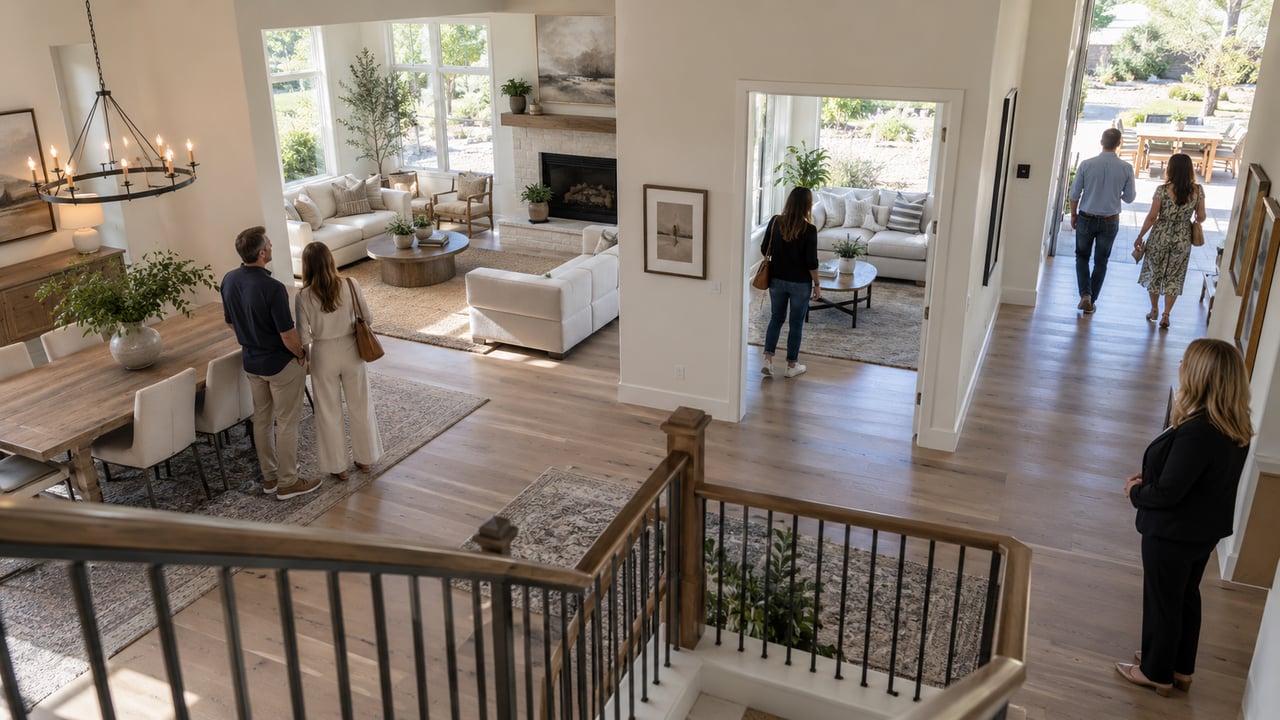
The opening period of a listing matters because the property is new to the market and visible to buyers who have already been searching. These buyers may understand the available inventory well and can compare a new listing quickly against homes they have toured or considered.
Strong early activity does not guarantee an immediate sale, but it provides useful evidence. Multiple showings, return visits, agent questions, disclosure requests, and detailed financing discussions indicate that buyers are engaging seriously. Limited showings or repeated objections may reveal a mismatch involving price, condition, access, presentation, or buyer expectations.
Sellers should evaluate the quality of activity rather than counting every inquiry equally. A large number of online views can coexist with very few qualified showings. Conversely, a specialized property may attract a smaller audience but produce meaningful interest from buyers who understand its value.
This distinction is especially important for coastal and luxury properties. A distinctive residence in Avila Beach or Cayucos may need more time than a broadly appealing home in a central price range because the qualified buyer pool is smaller. Additional market time does not automatically indicate failure when the property is accurately positioned for a selective audience.
👉 How to Sell a Home During a Slower Market on the Central Coast
In a slower market, buyers generally have more time to compare properties, request information, and evaluate potential expenses. Sellers may need to allow a longer exposure period while remaining attentive to the response. The objective is not to react emotionally to every quiet day, but neither should the seller ignore consistent evidence that the market is rejecting an element of the strategy.
Joesef’s experience since becoming licensed in 1994 has shown that early feedback is most valuable when it is interpreted in context. One buyer’s opinion may be personal. The same concern raised repeatedly by unrelated buyers is more likely to represent a market issue that deserves attention.

Condition and Buyer Readiness Can Shorten or Extend the Search
Property condition influences selling time because buyers evaluate both visible appeal and the work that may follow ownership. The important issue is not whether every feature is new. It is whether the condition is understandable, appropriately reflected in the price, and compatible with the expectations of likely buyers.
An older home in Morro Bay may attract buyers who value character and location, but those buyers may still examine roofing, drainage, windows, electrical systems, plumbing, moisture exposure, and foundation conditions. A newer home in Nipomo may reduce some age-related concerns while introducing questions about homeowners association rules, solar arrangements, landscaping responsibilities, or community fees.
Sellers do not necessarily need to complete every repair before listing. Some improvements may not produce a sufficient return, while others can remove objections that would otherwise delay an offer. The right approach depends on the property, price range, buyer profile, and likely financing.
A home that requires significant work can still sell promptly when the condition is disclosed accurately and the price reflects the required investment. Delays are more likely when buyers discover that the scope of work is materially greater than the listing position suggested.
👉 What Makes a Home Sell Faster on the Central Coast? Proven Factors That Matter
Preparation also includes access and documentation. Restrictive showing schedules can reduce the number of buyers who see the home during its most active period. Missing information about improvements, permits, insurance, systems, or property features can delay evaluation. Well-organized disclosures and practical showing availability allow serious buyers to assess the property without unnecessary friction.
The California Department of Real Estate maintains consumer publications and regulatory information concerning California real estate transactions, licensees, disclosures, and consumer protection.
Listing Momentum Depends on More Than the First Offer
Receiving an offer is a major milestone, but the quality and structure of that offer matter as much as its arrival date. A fast offer with uncertain financing, a difficult contingency structure, or an unrealistic closing schedule may not produce the shortest overall transaction.
Sellers should examine the offered price together with the buyer’s financing, deposit, contingency periods, requested credits, appraisal exposure, possession terms, and proposed closing date. The highest price may not be the strongest offer when another proposal has more dependable financing or terms that better match the seller’s priorities.
👉 What Sellers Should Know About Listing Momentum in San Luis Obispo County
Momentum is created when buyer activity develops into a workable contract without sacrificing important protections or financial goals. A seller who receives an acceptable offer in the first week may still need to compare it with expected activity and determine whether the terms justify acceptance. A seller who waits several weeks may receive a well-structured offer that closes more predictably than an earlier but weaker proposal.
The property’s price range also affects this stage. Entry-level and mid-range homes may draw buyers using conventional, FHA, or VA financing, each with specific requirements and timelines. Luxury and acreage properties may involve more complex financial verification, specialized appraisals, estate structures, or extended investigation periods. These distinctions influence how quickly an offer can be evaluated and converted into a binding sale.
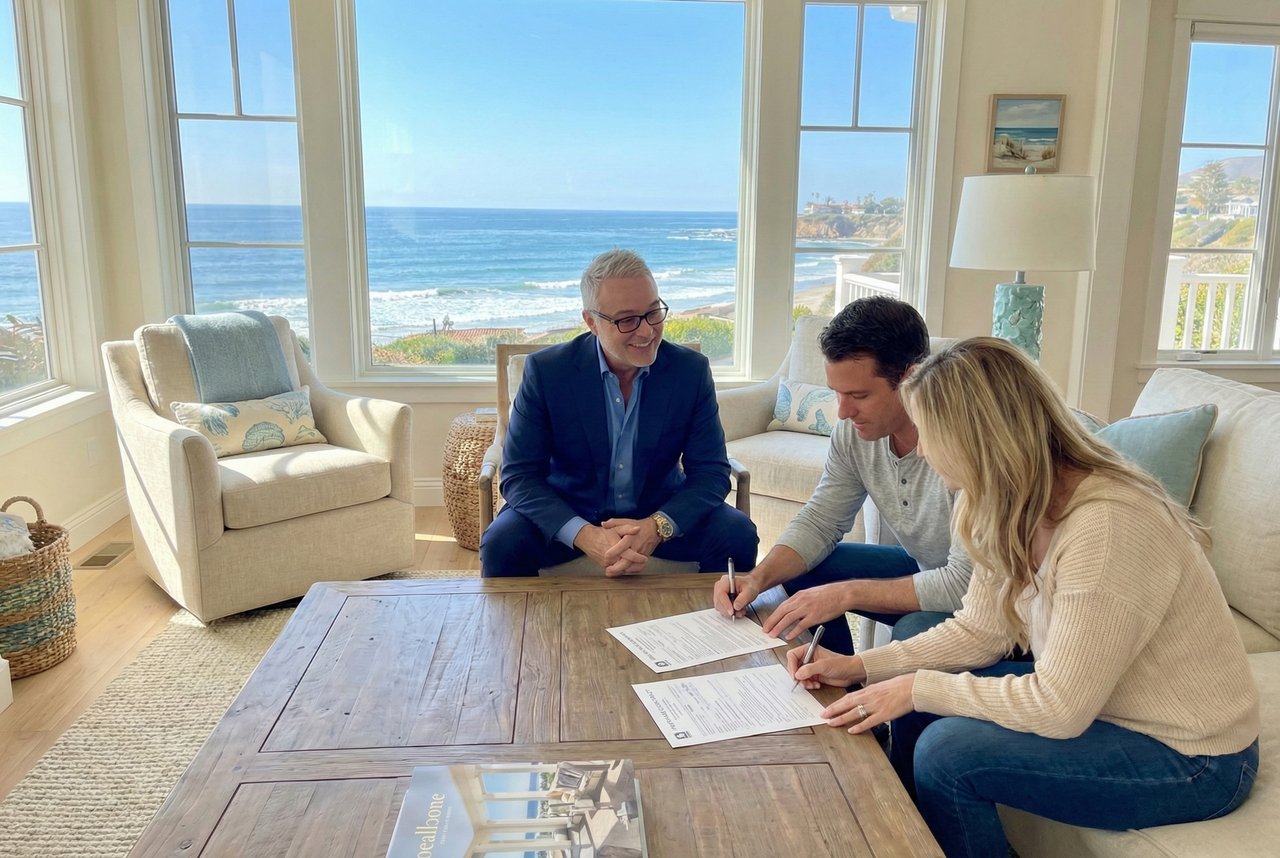
Direct representation becomes particularly important when timing matters. Joesef works directly with clients from the first conversation through closing, allowing pricing, offer terms, inspection issues, and schedule changes to be evaluated within one consistent strategy rather than being divided among multiple people.
The Accepted Offer Starts a Second Timeline
Once an offer is accepted, the home is not yet sold in the practical sense. The transaction enters escrow, and several contractual obligations must be completed before ownership transfers. The length of this stage depends on the agreement, financing, property, investigations, and cooperation of all parties.
A financed transaction often requires lender processing, appraisal, underwriting, insurance verification, title review, inspections, disclosure review, and funding. Cash transactions may remove lender requirements, but buyers may still retain investigation, title, disclosure, or property-related contingencies. Cash therefore does not always mean an immediate closing.
In many residential transactions, the closing period is measured in weeks rather than days. The exact schedule is negotiated in the purchase agreement. Some buyers need a longer period because of financing or the sale of another property. Some sellers require additional time to relocate or coordinate a replacement purchase.
👉 What Sellers Should Know About First-Week Listing Performance in San Luis Obispo County
First-week performance and closing speed are connected, but they are not the same measurement. Early buyer interest may produce a quick accepted offer, while inspections, appraisal, financing, or repair negotiations can still extend the total process. Conversely, a home that takes longer to secure a buyer may close efficiently once a well-qualified purchaser enters the contract.
Inspection findings are one common source of schedule pressure. The buyer may request repairs, credits, a price adjustment, or additional specialist evaluations. Appraisal issues can create another delay when the lender’s value conclusion does not support the contract price. Title matters, insurance availability, permit questions, or incomplete disclosures may also require additional review.
Coordination becomes more complex when the seller is purchasing another home. A seller in Arroyo Grande who plans to relocate to San Luis Obispo may need the sale proceeds for the next purchase. Another seller may require a rent-back period after closing. These arrangements can work, but they should be addressed in the strategy and contract rather than introduced at the last moment.
Understanding the Total Time From Listing to Closing

The complete selling period begins before the property appears online. Pricing analysis, preparation, disclosures, repairs, access planning, and marketing coordination may require additional time. Sellers who need to close by a particular date should work backward from that deadline and allow for both market exposure and escrow.
A home that accepts an offer in ten days and closes 30 days later has taken approximately 40 days from listing to closing, not ten. Preparation completed before listing adds another stage to the seller’s actual schedule. When a property needs repairs, tenant coordination, trust documentation, estate authorization, or extensive records, the full timeline may begin months before the public launch.
The fastest possible sale is not always the most favorable sale. Compressing preparation can weaken the property’s position. Accepting the first offer without examining its terms can introduce unnecessary risk. Choosing an unrealistically short escrow can create pressure on financing, relocation, or documentation.
A productive timeline balances speed, price, terms, and transaction reliability. Sellers should understand which parts of the schedule they can influence and which depend on buyers, lenders, inspectors, appraisers, escrow, title, and outside agencies.
How Central Coast Location Changes the Expected Timeline
San Luis Obispo County is not one uniform market. Buyer depth varies considerably among communities, price ranges, and property types.
A conventional single-family home in Arroyo Grande may appeal to a broad pool seeking schools, neighborhood stability, and access to employment. A compact residence in downtown San Luis Obispo may attract buyers prioritizing walkability and limited maintenance. A coastal property in Pismo Beach may draw second-home, retirement, and investment interest but require closer review of marine exposure, insurance, rental rules, or bluff considerations.
In Paso Robles and Templeton, acreage, wells, septic systems, outbuildings, agricultural uses, and fire insurance can affect the evaluation period. In Cambria or Cayucos, limited inventory may support value, but a specialized property may require additional time to reach the right purchaser. Condominiums in Grover Beach or San Luis Obispo may move efficiently when the price and monthly fees are competitive, although buyers and lenders must still review the association’s financial and governing documents.
These differences explain why sellers should not assume that another home’s timeline will apply to theirs. Even a nearby sale may involve a different condition, buyer pool, financing method, or contract structure.
Planning a Realistic Sale Date
A seller with a firm deadline should begin with the desired closing date and account for preparation, market exposure, negotiation, escrow, and possible delays. The plan should also identify which dates are essential and which can remain flexible.
For a move tied to employment, school, retirement, or another purchase, possession may matter as much as closing. The parties can sometimes negotiate a short period for the seller to remain in the property after ownership transfers, but that arrangement must be documented and evaluated carefully.
Sellers should also consider whether their preferred launch date supports the property. Seasonality can affect showing activity, but price, competition, and preparation frequently matter more than choosing a supposedly perfect month. A well-positioned home can sell during a quieter season, while a poorly positioned listing can struggle during an active one.
The most realistic estimate comes from analyzing the individual property and current competing inventory. It should include a range rather than an unsupported promise. Market response will always contain variables, but disciplined preparation and experienced representation can reduce avoidable delays.
Frequently Asked Questions
How long does it usually take to receive an offer on the Central Coast?
The timeline varies by price, location, condition, property type, and current competition. Some well-positioned homes receive offers within days, while specialized or incorrectly positioned properties may require several weeks or longer.
Does days on market include the escrow period?
Usually, days on market refers primarily to the period before a listing becomes pending or contingent. The escrow and closing period comes afterward, so the complete timeline is longer than the public market-time figure.
How long does escrow usually take after accepting an offer?
The closing period is negotiated in the purchase agreement and is commonly measured in weeks. Financing, appraisal, inspections, title review, insurance, and the parties’ schedules all affect the final date.
Can a cash buyer close faster?
A cash buyer may be able to close faster because lender underwriting and appraisal requirements can be removed. The buyer may still need time for inspections, disclosures, title review, and other investigations.
Does pricing a home lower guarantee a fast sale?
No. Competitive pricing can attract greater attention, but condition, location, buyer demand, access, property type, and contract terms also matter. The objective is a supported price that reflects the home’s position within the current market.
Should sellers accept an offer received during the first week?
A first-week offer should be evaluated on price, financing, contingencies, deposit, requested credits, closing date, and overall reliability. Its timing alone does not determine whether it is the right offer.
What can delay a Central Coast home sale after an offer is accepted?
Common causes include financing issues, appraisal results, inspection negotiations, insurance availability, title concerns, incomplete disclosures, permit questions, and scheduling problems involving another purchase or relocation.
When should a seller begin preparing for a planned move?
Preparation should begin well before the desired closing date, particularly when the property needs repairs, documentation, tenant coordination, estate authorization, or a linked purchase. Working backward from the target date produces a more realistic schedule.
If you are preparing to buy or sell real estate on the Central Coast and want personalized guidance, contact Joesef Jackson at SLO Life Realty Group.