A seller preparing a home in Arroyo Grande may face a different competitive set than a seller in Morro Bay. A property in Templeton may be compared with acreage, newer construction, or other North County alternatives, while a home in San Luis Obispo may compete more directly on neighborhood, proximity, architecture, lot utility, and overall presentation.
Before spending money on preparation, determine which properties buyers are likely to compare with yours. Recent closed sales establish useful historical context, but active and pending listings often reveal the choices buyers are evaluating right now.
The California Association of REALTORS® maintains current sales and price statistics and statewide market data that can provide broader context, while the pricing of an individual San Luis Obispo County property still requires detailed local analysis.
After more than 30 years in real estate, I have found that some of the least productive pre-sale spending occurs when improvements are chosen before the seller understands the home's competitive position. Preparation should respond to the market rather than become a separate remodeling project.
Pricing Is Part of the Presentation
Pricing is often treated as a mathematical exercise, but buyers experience price as part of the listing itself. The asking price immediately establishes expectations about condition, location, finishes, lot characteristics, privacy, amenities, and overall value.
A home does not need to be the least expensive property in its competitive group to attract attention. It does need to give buyers a reason to understand the asking price.
An effective listing price is typically developed by evaluating recent comparable sales, current competition, pending activity when available, property-specific advantages and limitations, and the direction of buyer activity. The most useful comparable property is not always the nearest home geographically. It is the property buyers would reasonably consider as an alternative.
How should a seller price a home before listing? The price should reflect what current buyers are likely to compare, not simply what the seller invested in the property or what a nearby home once sold for.
This distinction becomes particularly important with distinctive Central Coast properties. Ocean proximity, view orientation, acreage, guest accommodations, architectural character, street position, lot usability, and renovation quality can create meaningful differences even between properties that appear similar on paper.
One lesson I have seen repeatedly across more than 2,130 transactions is that the market reacts to the relationship between price and perceived value very quickly. Sellers usually have more strategic flexibility before launch than after buyers have repeatedly seen a listing without acting.
Decide What Is Worth Doing Before the Property Goes Live
 Thoughtful preparation helps reduce friction during the selling process.
Preparing a home does not mean correcting every imperfection.
It means deciding which items could interfere with the way buyers evaluate the property.
The most useful preparation work usually falls into three categories: items that affect first impressions, items that distract from the home's strongest qualities, and known issues that may become relevant during the transaction.
Fresh paint may be worthwhile when strong or worn colors dominate a room. Landscaping may deserve attention when overgrowth obscures the entrance or outdoor spaces. Minor repairs may be sensible when visible defects could cause buyers to wonder whether larger issues have also been neglected.
By contrast, a major remodel immediately before sale requires a much more disciplined analysis. A seller can spend significant money creating finishes that do not match the eventual buyer's taste. The cost of an improvement and the market value buyers assign to it are not automatically the same.
Should you renovate before selling a house? Usually, renovation should be selective rather than automatic. The better question is whether a specific improvement materially changes buyer perception or removes a meaningful obstacle to the sale.
For many properties, focused preparation produces a more rational result than undertaking a broad renovation immediately before listing.
👉 How to Improve Home's Listing Presentation on the Central Coast
Staging Should Explain the Home
The purpose of staging is not to make every home look identical. Effective staging gives buyers an immediate understanding of how the space works.
That distinction matters on the Central Coast, where housing can range from compact coastal cottages to newer suburban homes, hillside properties, ranch-style residences, wine country estates, and custom architecture. Each property has a different story to tell.
Furniture placement can establish scale, define the purpose of an unusual room, improve circulation, and emphasize architectural features. Removing unnecessary furniture can make a room easier to understand. Strategic editing can also direct attention toward a view, fireplace, patio connection, dining area, or other feature that contributes to the property's appeal.
An empty room can sometimes appear smaller than it is because buyers have no visual reference for scale. An overfurnished room can create the opposite problem by making usable space feel constrained.
Staging should therefore answer a practical buyer question: How would I live here?
That does not require turning a seller's home into a generic showroom. In many cases, editing what is already there is enough. The strongest presentation usually feels intentional without looking artificial.
Remove Visual Competition From the Property's Strongest Features
One overlooked part of preparation is deciding what buyers should notice first.
A seller may be accustomed to a room filled with family photographs, collections, large furniture, decorative objects, or years of accumulated belongings. Buyers see those things for the first time while simultaneously trying to understand room size, architecture, natural light, storage, and function.
The issue is not whether personal belongings are attractive. It is whether they compete with the property itself.
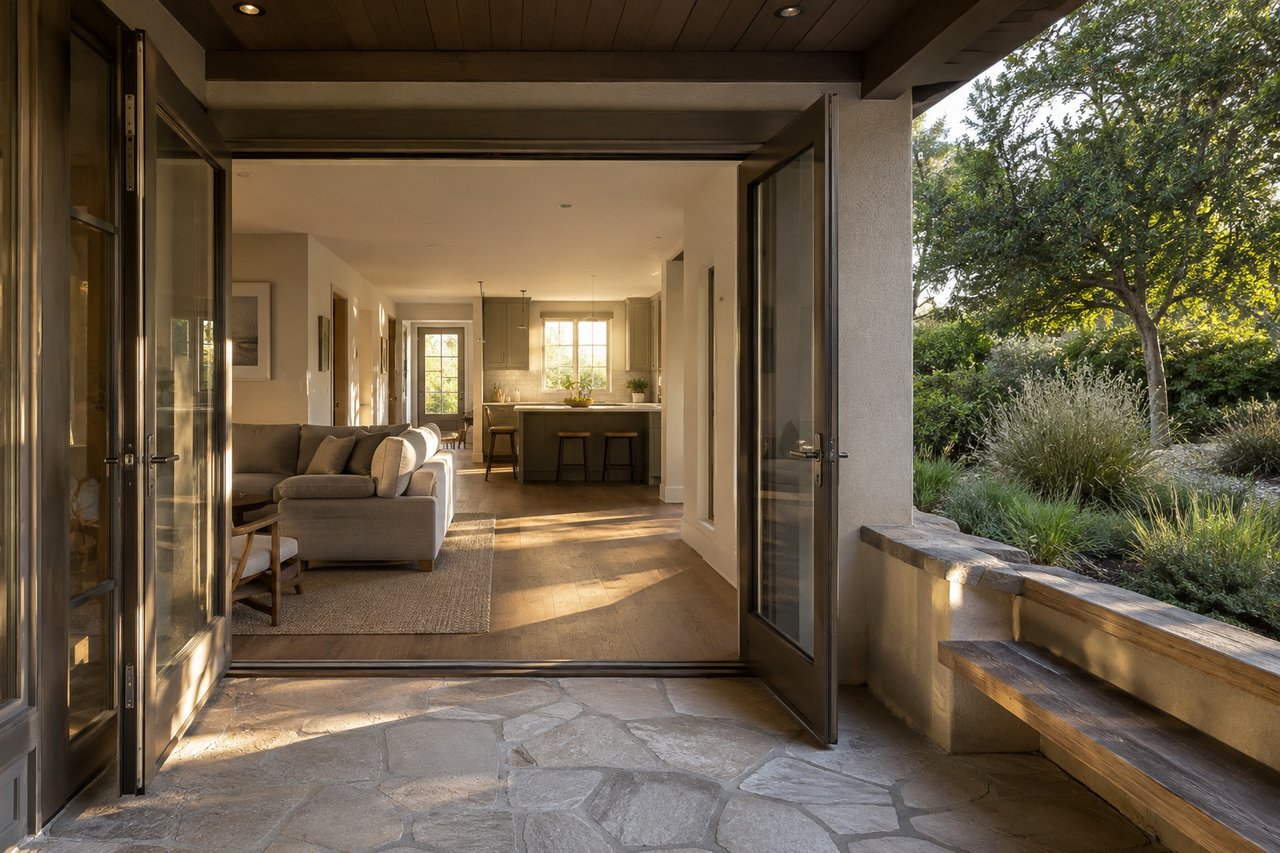
If a living room has an exceptional view, the arrangement should lead attention toward it. If the kitchen has been thoughtfully remodeled, countertops should not be so crowded that buyers miss the work. If the property offers strong indoor-outdoor flow, the transition to patios or gardens should feel accessible rather than obstructed.
What should sellers remove before listing a home? Remove or store items that make rooms difficult to understand, obscure important features, restrict movement, or pull attention away from the real estate.
This is also where storage deserves consideration. Buyers often look inside closets, cabinets, garages, and other storage areas. They do not need to be empty, but excessive contents can unintentionally suggest that the home lacks adequate capacity.
👉 How to Avoid Common Pricing Mistakes in San Luis Obispo County
Preparation Should Include the Information Buyers Will Need

Physical presentation receives most of the attention before a sale, but document and disclosure preparation can be just as important.
California residential transactions can involve significant seller disclosure obligations. The California Department of Real Estate explains that the Transfer Disclosure Statement describes the condition of a property and that the broader purpose of the disclosure process is to provide meaningful information about the property being transferred.
Sellers should approach this part of preparation seriously and answer disclosure questions accurately based on their knowledge and the requirements applicable to the transaction. Questions involving legal obligations should be directed to the appropriate qualified professional.
Beyond formal disclosures, sellers may want to organize information relating to permitted improvements, significant repairs, warranties, specialized equipment, solar systems, septic systems where applicable, wells, additions, accessory structures, or other property-specific features.
This does not mean overwhelming buyers with documents that have little relevance. It means being prepared to substantiate important features and respond efficiently when legitimate questions arise.
Having represented Central Coast sellers since 1994, I have seen how preparation before listing can prevent avoidable interruptions after a buyer becomes serious. A seller who knows where important property information is located is generally in a better position than one attempting to reconstruct years of records after entering escrow.
Think Like a Buyer During the Final Walk-Through of the Home
Before launching a listing, sellers should walk through the property as though they have never seen it before.
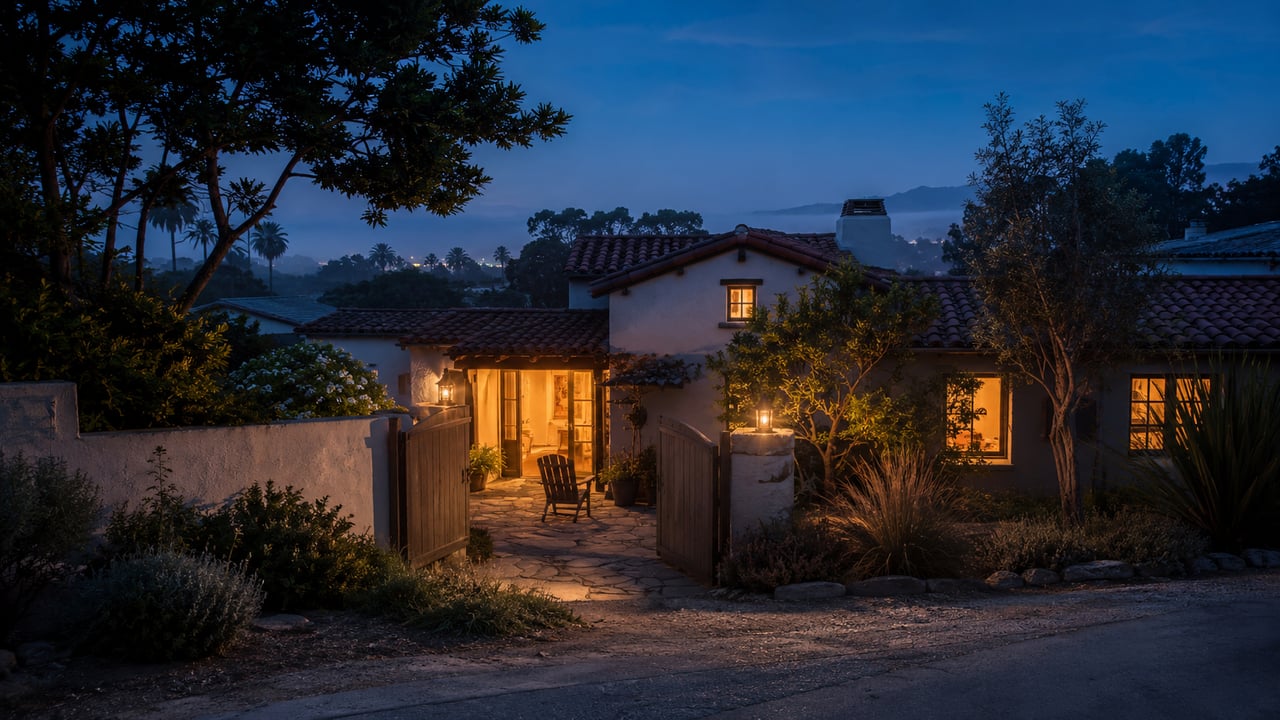
Begin outside. Does the arrival feel intentional? Is the address easy to identify? Are walkways accessible? Does the entrance make sense? Are landscaping and exterior spaces directing attention toward the property or away from it?
Inside, move through the home in the order a buyer is likely to experience it. Look for interruptions in sightlines, rooms without an obvious purpose, furniture that constricts movement, burned-out lighting, excessive countertop items, cords, pet-related items, or anything else that becomes more noticeable when viewed objectively.
Then consider sound, light, temperature, and smell. These elements rarely appear on a property data sheet, yet they influence the showing experience.
A seller who has lived in a home for many years naturally stops noticing certain details. The preparation process requires temporarily viewing familiar spaces through an unfamiliar set of eyes.
Build the Listing Around the Property's Actual Strengths
Marketing should emerge from the property rather than being imposed on it.
A home's strongest feature may be its location. Another may offer a remodeled interior, a large parcel, unusual privacy, a flexible floor plan, proximity to downtown, outdoor entertaining areas, an ocean view, or a combination of attributes that is difficult to reproduce.
The listing should make those distinctions easy to understand.
A property near downtown San Luis Obispo should not necessarily be presented the same way as a residence in rural Santa Margarita. Likewise, a home in Cayucos may derive much of its appeal from coastal access and setting, while a Paso Robles property may be defined by land, privacy, vineyard surroundings, or architectural character.
The strongest marketing strategy does not try to make a property appealing to everyone. It identifies the characteristics most likely to matter to the realistic buyer pool and presents those characteristics accurately.
That focus also influences how the home is described. Generic claims such as "beautiful," "amazing," or "must-see" say very little. Specific details are more useful because they give buyers something concrete to evaluate.
Treat the First Days on Market as a Strategic Window
A home's introduction to the market is different from its later exposure.
When a listing first appears, interested buyers who are already watching the area may see it quickly. Their agents may also identify it through new-listing searches and saved criteria. That creates a concentrated opportunity to establish attention.
The home should therefore be fully prepared before it becomes available whenever practical. Launching first and correcting presentation later can mean using the most visible part of the listing period to discover problems that could have been addressed beforehand.
When should a seller put a home on the market? The property should generally launch when pricing, presentation, required information, showing logistics, and marketing materials are ready to work together.
There are situations where timing pressures require a different approach, but intentional preparation is usually preferable to rushing simply to meet an arbitrary date.
My experience through multiple Central Coast market cycles has reinforced one point: a strong launch is not created by one dramatic marketing tactic. It comes from many smaller decisions being made correctly before the first buyer arrives.
👉 How to Prepare for Showings on the Central Coast
Showing Strategy Should Be Planned Before Showings Begin
Preparation does not end when the listing is published.
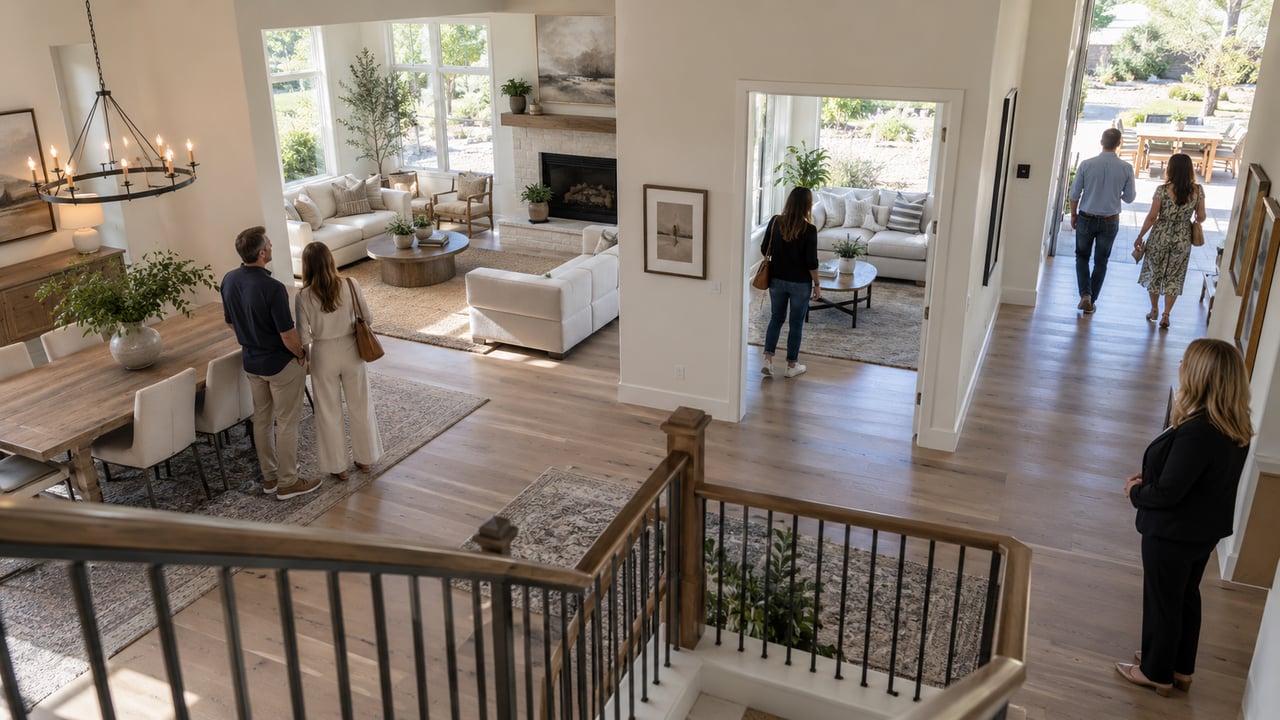
Sellers should consider how the property will actually be shown. Access, notice requirements, pets, security, occupied rooms, tenant considerations when applicable, and seller schedules can all influence buyer access.
A beautifully prepared home that is consistently difficult to show may lose opportunities. At the same time, unrestricted access is not appropriate for every seller or property. The goal is to establish a showing system that respects the seller's circumstances while giving serious buyers a reasonable opportunity to evaluate the home.
Luxury, estate, rural, or highly specialized properties may require longer appointments because buyers need time to understand land, secondary structures, outdoor areas, utilities, or unique features. A smaller residence may be easier to evaluate in a shorter appointment.
The showing experience should match the complexity of the property.
Review the Strategy After the Market Responds
Preparation creates the initial strategy, but the market provides information once the listing is active.
Showing volume, buyer questions, repeat visits, offer activity, comparable new listings, and changes among competing properties can all provide useful signals.
A quiet response does not automatically mean the price should be reduced. The cause may involve limited access, weak presentation, poor positioning, changes in competition, or simply a narrow buyer pool. The correct response depends on identifying what the market is actually communicating.
What does it mean if a prepared home is not receiving offers? It means the seller should evaluate the relationship among price, buyer activity, competing inventory, presentation, and feedback before changing strategy.
Reacting too quickly can be just as unproductive as refusing to react at all. Sellers benefit from distinguishing between an isolated comment and a repeated pattern.
👉 How to Build a Strong Listing Strategy on the Central Coast
Preparation Works Best When Every Element Supports the Same Position
Pricing, staging, preparation, marketing, and access are sometimes treated as separate tasks. Buyers experience them simultaneously.
A buyer sees the asking price, then evaluates the property against that price. The presentation shapes the initial reaction. The home's features determine whether the value feels justified. Property information influences later evaluation. Showing access determines whether the buyer can investigate further. The strategy either feels cohesive or it does not.
A seller cannot control the entire market, interest rates, competing inventory, or an individual buyer's priorities. A seller can control how deliberately the property enters that environment.
That is why preparing a home for sale on the Central Coast is ultimately an exercise in positioning. The objective is not to make the property appear to be something it is not. It is to present what the property genuinely offers in a way that buyers can recognize, evaluate, and compare.
👉 What Sellers Should Know About Pre-Market Preparation in San Luis Obispo County
Frequently Asked Questions
How far in advance should I prepare my Central Coast home for sale?
Several weeks is often useful, but the appropriate timeline depends on the property and the amount of work being considered. Homes needing significant preparation may require more time, while well-maintained properties may be ready sooner.
Should I price my home higher so I have room to negotiate?
Not automatically. Pricing well above the competitive market can reduce initial interest and change the group of properties buyers compare with yours. Negotiation strategy should be considered together with market positioning.
Is professional staging necessary before selling?
No. Some homes benefit substantially from staging, while others may need only furniture editing, decluttering, and thoughtful arrangement. The decision should depend on the home's layout, condition, price range, and existing furnishings.
Should I make repairs before listing my home?
Some repairs can improve presentation or remove unnecessary distractions, but not every issue must be corrected before sale. Evaluate cost, buyer impact, market expectations, and the significance of the item before spending money.
Should I move out before putting my home on the market?
Not necessarily. Many occupied homes sell successfully. The key considerations are presentation, access, privacy, pets, scheduling, and whether the home can remain showing-ready while occupied.
How important is pricing during the first week of a listing?
Pricing is particularly important at launch because new listings often receive concentrated attention from buyers already searching in that market. The initial asking price establishes the value expectations buyers bring to the property.
What documents should I organize before selling a California home?
The appropriate documents vary by property, but sellers may need disclosure information and may also want records relating to improvements, permits, warranties, specialized systems, or other significant property features. Legal questions regarding disclosure requirements should be directed to the appropriate qualified professional.
What is the most important part of preparing a home for sale on the Central Coast?
The most important part is coordinating the strategy before launch. Pricing, physical preparation, staging, property information, marketing, and showing access should reinforce the same market position rather than working independently.
A Well-Prepared Listing Gives the Property Its Best Introduction
Preparing a home for sale is not about chasing perfection. It is about making deliberate choices before the market begins judging the property.
The strongest preparation strategy establishes the home's competitive position, directs resources toward the improvements that matter, removes unnecessary distractions, presents the space intelligently, organizes relevant property information, and launches at a price buyers can understand in relation to the alternatives available to them.
On the Central Coast, where properties can vary substantially even within the same San Luis Obispo County community, that coordinated approach matters. The objective is to give buyers an accurate and compelling reason to engage with the property from the beginning rather than relying on later corrections to recover missed attention.
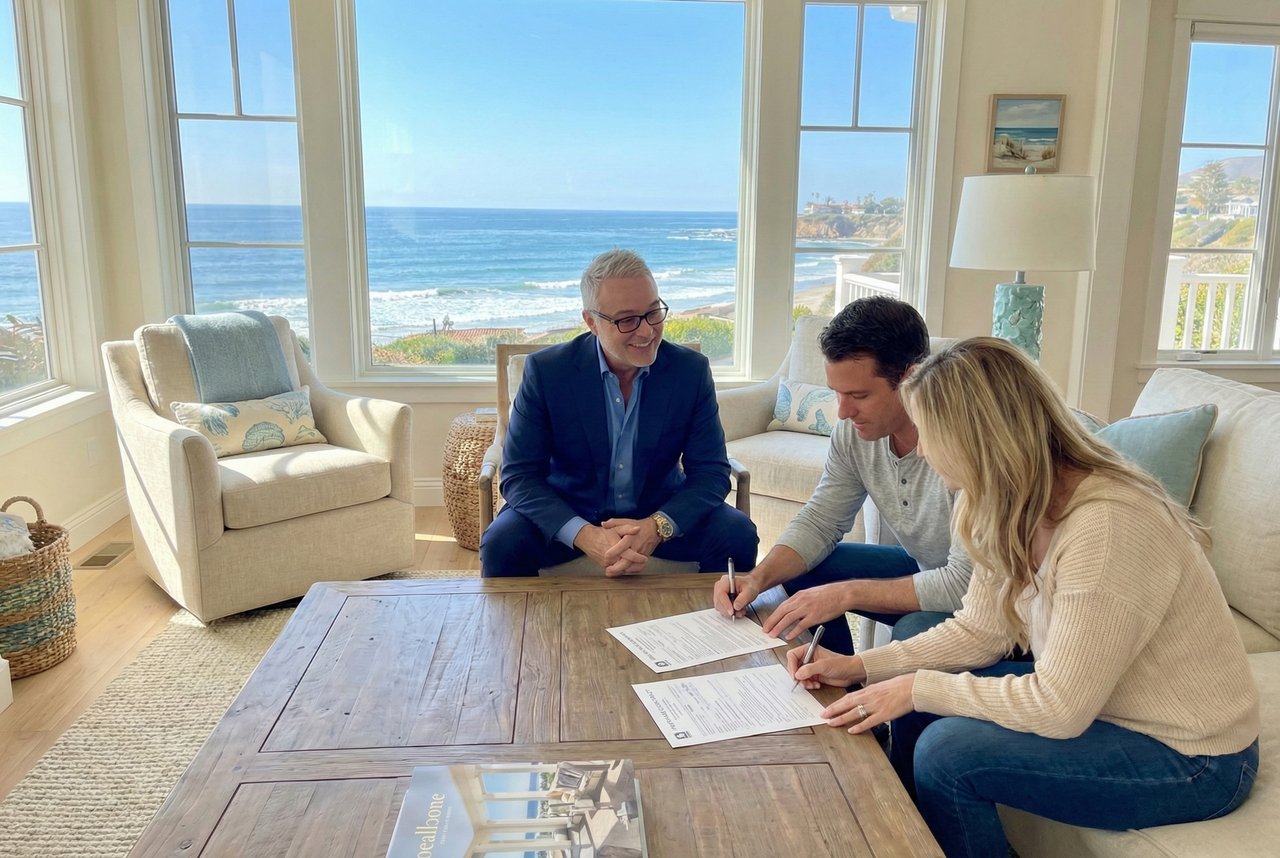
If you are preparing to buy or sell real estate on the Central Coast and want personalized guidance, contact Joesef Jackson at SLO Life Realty Group.