The housing market does not operate in isolation. Real estate values, buyer demand, inventory levels, and overall market activity are influenced by a wide range of economic conditions occurring locally, statewide, nationally, and even globally. While individual properties are affected by factors such as location, condition, and amenities, broader economic forces often determine how active the market becomes and how buyers and sellers respond to changing conditions.
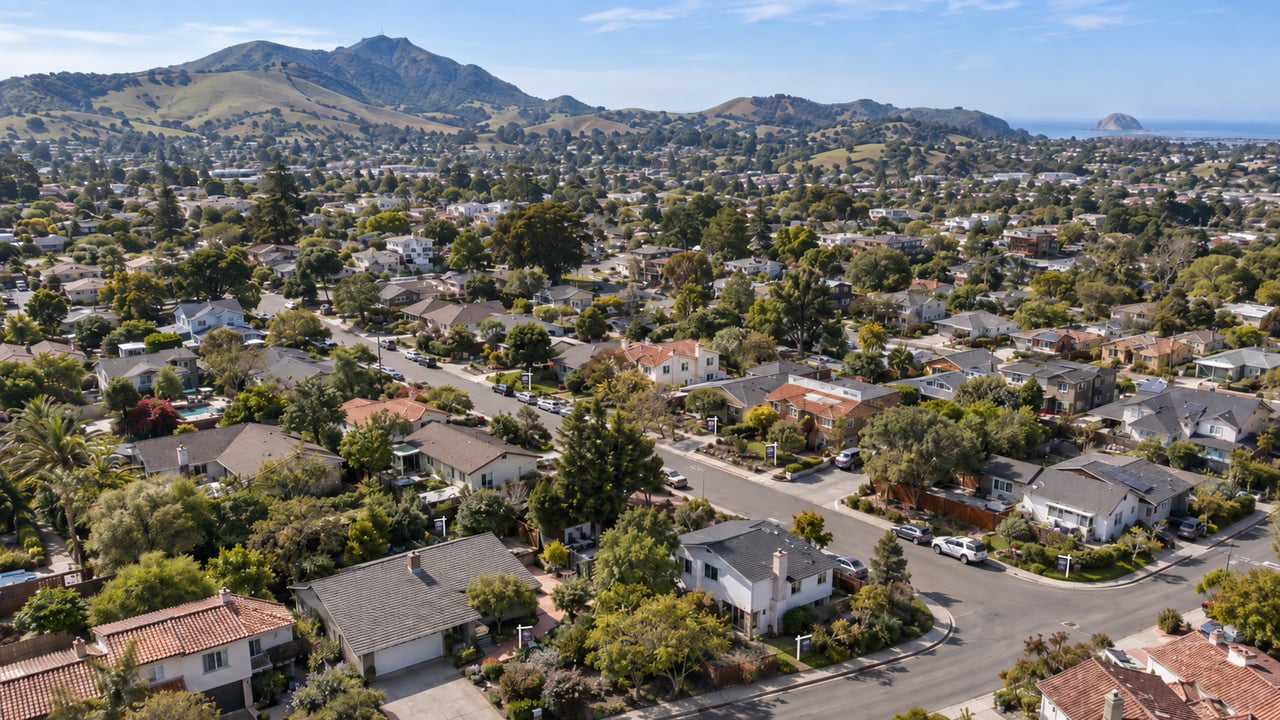
On the Central Coast, economic conditions play a particularly important role because the region combines a limited housing supply with strong lifestyle appeal. Communities such as San Luis Obispo, Arroyo Grande, Nipomo, Atascadero, Paso Robles, Los Osos, Morro Bay, and Pismo Beach each experience economic influences differently, yet all remain connected through the larger regional housing market.
Understanding how economic conditions affect real estate can help homeowners interpret market headlines, buyers make informed purchasing decisions, and sellers develop realistic expectations when preparing a property for sale. While no one can predict the future with certainty, recognizing the relationship between economic activity and housing trends provides valuable context for navigating changing market conditions.
Central Coast Neighborhood Video Tour ⬇️
Employment and Job Growth Support Housing Demand
One of the most important economic drivers of housing demand is employment. When job opportunities are expanding and local businesses are hiring, more people have the confidence and financial stability necessary to purchase homes.
Strong employment conditions often lead to increased household formation, greater buyer activity, and sustained housing demand. Conversely, periods of economic uncertainty or job losses may cause some buyers to delay purchasing decisions until financial conditions improve.
San Luis Obispo County benefits from a diverse economy supported by education, healthcare, agriculture, tourism, technology, government services, and small business activity. This diversification helps provide stability even when individual sectors experience fluctuations.
When evaluating market conditions, buyers and sellers often focus heavily on mortgage rates. While rates matter, employment strength frequently serves as an equally important indicator of long-term housing demand.
👉 How Market Conditions Affect Home Values on the Central Coast
Understanding employment trends provides valuable insight into the overall health of the local housing market and helps explain why certain areas may continue experiencing demand even during periods of broader economic uncertainty.
Consumer Confidence Influences Buyer Activity

Housing decisions are often driven as much by confidence as by financial capability.
Even buyers who qualify financially may postpone a purchase if they feel uncertain about future economic conditions. Conversely, strong consumer confidence can encourage buyers to move forward despite higher borrowing costs or competitive market conditions.
Consumer confidence reflects how households view their financial future, job security, income stability, and overall economic outlook. These perceptions influence purchasing decisions throughout the economy, including real estate.
On the Central Coast, confidence levels often affect the pace of market activity. During periods of optimism, buyers tend to act more decisively. During periods of uncertainty, many adopt a wait-and-see approach.
Market activity can therefore shift even when inventory levels remain relatively unchanged simply because buyer psychology has evolved.
Interest Rates Affect Affordability and Purchasing Power
Interest rates remain one of the most visible economic factors affecting housing markets.
When mortgage rates rise, monthly payments increase, reducing affordability for some buyers. When rates decline, purchasing power improves, allowing more buyers to qualify for homes within their target price ranges.
However, rates alone rarely determine market direction. Strong demand, limited inventory, and desirable locations can continue supporting housing activity even when borrowing costs increase.
For buyers seeking additional information regarding mortgage lending and consumer protections, resources are available through the Consumer Financial Protection Bureau.
Understanding the relationship between affordability and demand helps explain why rate changes often influence market activity without necessarily causing dramatic changes in home values.
👉 How Interest Rate Changes Affect Buyers and Sellers on the Central Coast
For both buyers and sellers, affordability remains one of the most important economic factors shaping real estate activity.
Inventory Levels Reflect Economic Conditions
Housing inventory often responds to broader economic forces.
When economic conditions are strong, homeowners may feel more comfortable selling and purchasing replacement properties. Builders may also become more active when demand supports new construction.
During periods of uncertainty, some homeowners choose to remain in place rather than move, reducing available inventory. This can create supply constraints that continue supporting property values despite slower buyer activity.
Inventory remains particularly important on the Central Coast because housing supply has historically been limited. Geographic constraints, development regulations, and strong demand contribute to ongoing inventory challenges throughout many communities.
As a result, changes in supply often have an outsized impact on market conditions compared with areas where housing inventory is more abundant.
Economic Cycles Create Natural Market Adjustments
Housing markets move through cycles just as economies do.
Periods of expansion often produce stronger demand, rising prices, increased construction activity, and heightened consumer confidence. Slower economic periods may result in moderation, longer marketing times, and greater negotiation opportunities.
Importantly, cyclical changes do not necessarily indicate market weakness. Real estate markets naturally experience periods of acceleration and stabilization.
Understanding these cycles helps buyers and sellers avoid overreacting to short-term fluctuations while maintaining a longer-term perspective.
👉 How Market Cycles Impact Real Estate Decisions
Recognizing where a market may be positioned within a broader cycle can help consumers make more informed and strategic real estate decisions.
Local Market Conditions Matter More Than National Headlines

Many consumers follow national housing news closely, but real estate remains highly local.
National reports often focus on trends occurring in major metropolitan markets that may have little resemblance to conditions on the Central Coast. Housing inventory, migration patterns, local employment conditions, and demographic trends can vary dramatically from one region to another.
This distinction is especially important in San Luis Obispo County, where limited inventory and strong lifestyle appeal frequently create market behavior that differs from national averages.
For local housing and demographic information, residents can access resources through San Luis Obispo County.
Buyers and sellers benefit most when they evaluate local data rather than relying exclusively on national headlines.
Long-Term Perspective Often Produces Better Decisions
One of the most important lessons from studying economic conditions is that housing markets are influenced by numerous interconnected factors.
Employment, consumer confidence, interest rates, inventory, migration trends, and local economic activity all contribute to market performance. Focusing exclusively on any single factor can create an incomplete understanding of current conditions.
Successful buyers and sellers often make decisions based on long-term goals rather than short-term market headlines. Economic conditions will continue evolving, but housing needs, lifestyle goals, family circumstances, and investment objectives remain highly personal considerations.
👉 What Today’s Central Coast Real Estate Market Means for Your Long Term Plans
Similarly, understanding broader economic relationships can provide valuable context when evaluating future housing opportunities.
👉 How Economic Factors Influence Housing
The most informed real estate decisions typically come from balancing current market conditions with long-term objectives and local market realities.
Frequently Asked Questions
Do economic conditions directly determine home prices?
Economic conditions influence buyer demand, affordability, consumer confidence, and inventory levels, all of which contribute to housing prices. However, local market factors also play important roles.
Why can home prices remain stable during economic uncertainty?
Limited inventory, strong local demand, and desirable locations can continue supporting property values even when broader economic conditions become less certain.
Are interest rates the most important economic factor affecting housing?
Interest rates are important, but employment trends, consumer confidence, inventory levels, and local economic activity are often equally significant.
Why does the Central Coast sometimes perform differently than national markets?
The Central Coast benefits from unique factors including limited housing supply, coastal appeal, strong quality of life, and consistent buyer demand that may differ from national trends.
Should buyers wait for better economic conditions?
Every situation is unique. Real estate decisions are often best evaluated based on personal goals, financial readiness, and local market conditions rather than attempts to perfectly time economic cycles.
If you are preparing to buy or sell real estate on the Central Coast and want personalized guidance, contact Joesef Jackson at SLO Life Realty Group.
Internal Linking Note
This article intentionally connects to both published and future Central Coast real estate resources. Some plain-text references may become active links as additional San Luis Obispo County and Central Coast content is published.