
A home can stand out without overpricing when buyers can identify meaningful advantages that distinguish it from other properties they are considering. Those advantages may involve privacy, parking, usable outdoor space, architectural character, storage, a particularly functional feature, a well-integrated improvement, or another quality that is difficult to reproduce. The key is that the difference must matter to the likely buyer rather than simply matter to the seller.
That distinction is especially important throughout San Luis Obispo County because buyers often encounter very different property types within overlapping price ranges. A compact Cayucos home may compete on coastal access, parking, and efficient use of limited space, while an Atascadero property may distinguish itself through land, workshop space, privacy, or flexible outdoor use. A San Luis Obispo buyer may assign greater value to a property advantage that simplifies daily life than to a decorative upgrade with little practical effect.
The strongest strategy is therefore not to manufacture uniqueness or attach a premium to every improvement. It is to identify which characteristics materially change the buyer’s experience of the property and make those advantages easy to recognize. When a home offers something relevant that competing listings cannot easily match, buyers have a concrete reason to remember it, revisit it, and potentially prefer it—without the seller needing to rely on an unsupported asking price.
Central Coast Neighborhood Video Tour ⬇️
Buyer Perception Begins With What Feels Meaningfully Different
👉 What Impacts Buyer Perception on the Central Coast
A home does not need to look dramatically different from every competing property to become memorable. It needs one or more advantages that buyers can recognize as meaningful.
The distinction between “different” and “valuable” matters. An unusual finish, highly personalized design choice, or elaborate decorative feature may attract attention without improving the buyer’s experience of the property. By contrast, a deep covered patio, unusually useful storage, a private rear yard, or an efficient parking arrangement may become more important as buyers compare homes.
Buyer perception becomes stronger when a feature solves a problem or adds a benefit the buyer would otherwise have to create later.
For example, a Los Osos property with well-integrated equipment or recreational storage may appeal differently from another home with similar interior square footage but no practical place for those items. The advantage is not merely visual. The property supports a particular use more effectively.
That is the type of distinction buyers tend to remember.
Competitive Positioning Starts With the Property, Not the Asking Price
👉 How to Position a Home Against Competing Listings in San Luis Obispo County
Competitive positioning should begin by identifying what the home offers that buyers cannot obtain as easily from nearby alternatives.
Price is part of that position, but it should not be the only distinction. A seller who tries to stand out simply by asking more may actually make the home harder to justify. A seller who understands the property's genuine advantages can instead establish why the home deserves attention within its supported price range.
This requires comparing more than bedroom count and square footage.
Two homes can appear similar on paper while functioning very differently. One may have better side access, a more usable parcel, superior separation between living areas, or an outdoor space that works throughout more of the year.
The Appraisal Institute notes that appraisers consider a property's unique characteristics, including amenities, condition, upgrades, car storage, interior features, and exterior features when analyzing a property. That underscores why real property differences matter more than generic claims of uniqueness.
A Memorable Feature Has to Matter to the Likely Buyer
👉 What Makes a Listing Stand Out on the Central Coast
The strongest distinguishing feature is not necessarily the most expensive feature.
What matters is whether the likely buyer recognizes a practical or experiential advantage. A finished wine room may be meaningful to one buyer pool and nearly irrelevant to another. Secure off-street parking, an unusually deep garage, or a protected outdoor area may have broader importance depending on the property and location.
Sellers should therefore evaluate distinguishing features through the buyer’s priorities rather than through improvement cost.
A Morro Bay property with an efficient parking arrangement may separate itself from another coastal home where parking is less convenient. A Templeton property with usable outdoor areas connected logically to the home may appeal more strongly than acreage that looks substantial on paper but is difficult to use.
A listing stands out when buyers can explain the advantage themselves after leaving the property. If the seller needs a lengthy explanation to establish why a feature matters, it may not be the strongest point of differentiation.
Buyer Behavior Reveals Which Differences Actually Matter
👉 What Central Coast Sellers Should Know About Buyer Behavior
Sellers can learn a great deal by watching which property features buyers repeatedly notice, question, or return to during a showing.
Some advantages become more important in person than they appeared online. Buyers may spend extra time examining a large pantry, an unusually private patio, a separate work area, or a practical connection between the garage and interior. Those moments indicate where the property is separating itself naturally.
Other features may receive almost no attention despite being important to the seller.
That difference is useful.
With more than 30 years of experience and 2,130+ closed transactions, Joesef Jackson has seen that sellers do not always value features the same way buyers do. A costly upgrade may receive less attention than a simple property advantage that removes a recurring compromise.
The objective is not to predict every buyer preference. It is to recognize which aspects of the home repeatedly influence serious buyers and ensure those advantages are not buried beneath less important marketing points.
Hard-to-Reproduce Advantages Create Stronger Differentiation
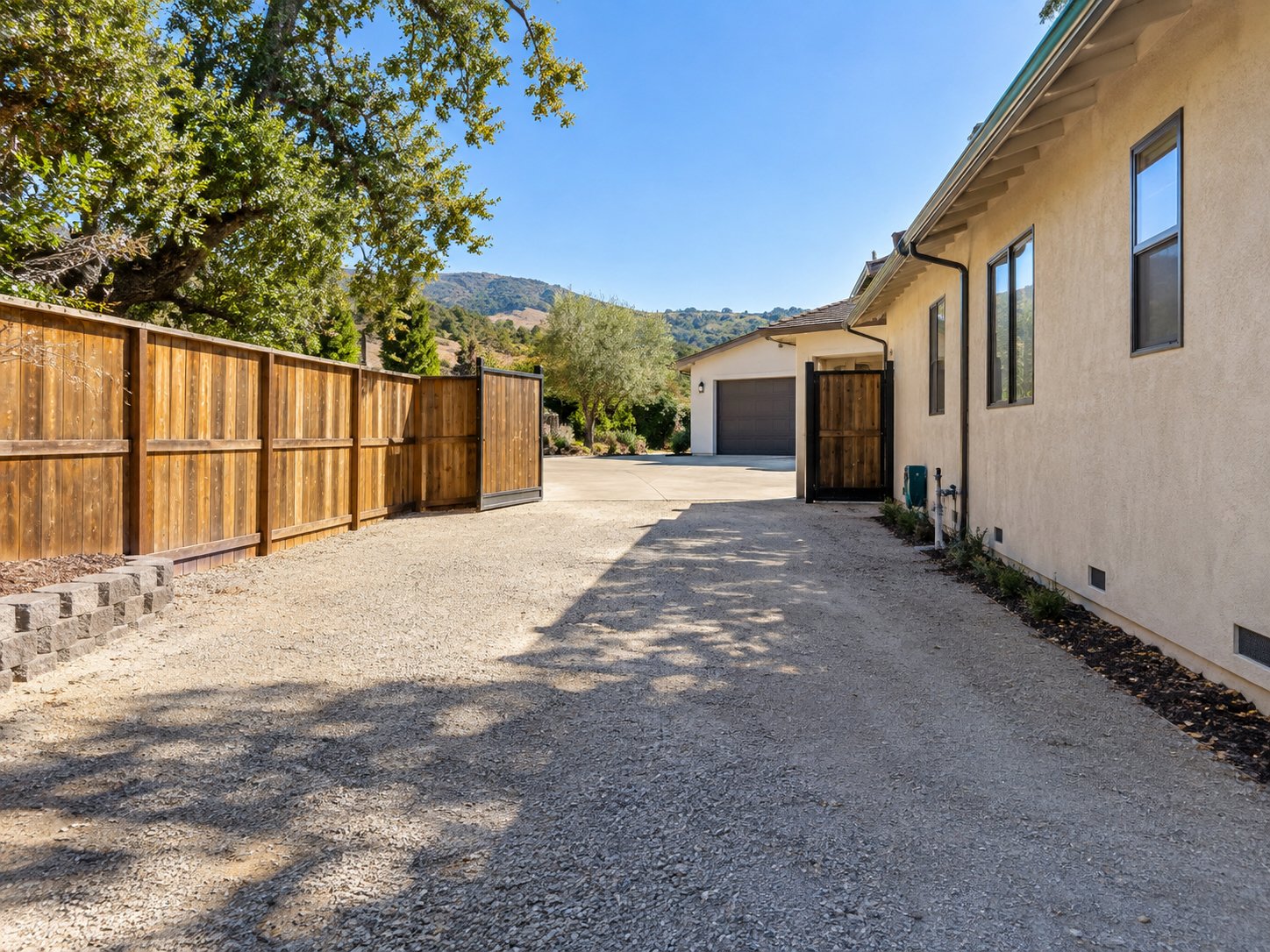
A feature becomes more powerful when buyers cannot easily add it after purchasing another home.
Paint, lighting fixtures, appliances, and many cosmetic finishes can be changed. Lot configuration, privacy, mature landscaping, significant parking, architectural orientation, usable side access, or a well-positioned detached structure can be far more difficult to recreate.
These characteristics often deserve greater emphasis because they affect the buyer’s comparison at a structural level.
A Nipomo property with unusually useful side access may appeal to a buyer with recreational equipment or additional vehicles in a way that another otherwise comparable property cannot. A Cambria home with a protected outdoor area integrated naturally into the architecture may offer an advantage that cannot be duplicated simply through redecorating.
The goal is not to label every permanent feature as valuable. Buyers still have to care about it.
But when a hard-to-reproduce feature aligns with the needs of the likely buyer, it can become one of the strongest reasons for the property to stand out.
A Stronger Market Position Does Not Require Artificial Upgrades
👉 How to Strengthen a Home’s Market Position on the Central Coast
Sellers sometimes assume that making a home stand out requires adding something new. Often, the stronger strategy is to identify and emphasize an advantage that already exists.
A property may have excellent storage that photographs poorly, a secondary outdoor area buyers overlook, a useful workshop, protected parking, mature privacy, or a room configuration that supports a specific use unusually well. Improving visibility or presentation of that advantage may do more than adding a decorative upgrade.
This distinction can prevent unnecessary spending before listing.
A stronger market position comes from making the home's existing advantages easier for the right buyer to recognize. It does not require creating features merely because they are currently fashionable.
That principle is particularly relevant on the Central Coast, where property types vary substantially. The differentiating feature of a Grover Beach home may be completely different from that of a Paso Robles residence. Strategy should respond to the specific property rather than a generic list of improvements.
High-Value Features Need Context to Support Their Importance
👉 How to Present High-Value Features on the Central Coast
A feature does not become more valuable simply because the listing describes it enthusiastically.
Buyers need context. If a property has a major outdoor improvement, buyers should understand how it connects to the home and what practical use it provides. If a significant renovation changed how the house functions, that improvement should be described in a way that makes the benefit apparent rather than simply labeling the home “updated.”
The same applies to storage, parking, privacy, landscaping, and specialty spaces.
NAHB research has found continued buyer interest in practical features such as laundry rooms, patios, garage storage, front porches, walk-in pantries, and other elements that affect everyday use. The specific preferences come from national research rather than San Luis Obispo County alone, but they illustrate an important principle: useful features can carry substantial buyer relevance even when they are not dramatic.
The feature should explain its own value through use, context, and visibility.
Distinctive Does Not Have to Mean Luxury
A home can stand out because it solves ordinary needs unusually well.
Buyers may remember a property because the garage has genuinely useful depth, the laundry area is positioned intelligently, the yard offers separation between activities, or a secondary room has enough independence to function in several practical ways.
These advantages may not sound dramatic in marketing language, but they can become decisive during comparison.
This is particularly relevant when buyers are evaluating homes within the same general price range. A polished decorative feature may create a strong photograph, while a usable everyday feature can continue influencing the buyer after several properties begin blending together mentally.
Sellers should therefore resist the assumption that differentiation requires luxury finishes or expensive remodeling.
A property can stand out through practicality, scarcity, character, or unusually good execution. The strongest distinction is the one that remains important after the buyer has stopped reacting to appearance and started thinking about how the home would actually work.
The Best Property Advantages Become More Valuable During Comparison

A meaningful advantage often becomes stronger after buyers have seen several other homes.
At the first showing, a deep storage area or exceptionally private outdoor space may seem merely useful. After buyers encounter several alternatives without those features, its importance can increase substantially.
That is where differentiation begins influencing preference.
A buyer considering several South County homes may initially focus on square footage and price, then realize after touring that one property provides significantly better outdoor access or separation between living spaces. The buyer's evaluation changes because the advantage becomes difficult to replace elsewhere.
This is different from trying to convince buyers that a feature deserves a premium simply because it exists.
The market decides how much weight the feature carries. Sellers can make the advantage visible and understandable, but buyers determine whether it matters enough to affect preference.
That is why the strongest differentiators often become more apparent through comparison rather than through exaggerated marketing language.
Standing Out Works Best When Price and Differentiation Support Each Other
A property advantage should strengthen the buyer’s reason to choose the home, not become an excuse for an unrealistic price.
This is where sellers need discipline. An unusual feature may support stronger value, but it does not automatically justify a large premium over relevant alternatives. Buyers will still evaluate the entire property, current competition, and the compromises required.
The strongest market position occurs when the asking price is supportable and the home offers something buyers cannot easily obtain elsewhere at that level.
That combination can be more persuasive than simply pricing higher because the property is “special.”
A home should stand out because buyers understand what makes it different and why that difference matters. When the property itself supplies a compelling reason for preference, the seller does not need to depend on exaggerated language, excessive upgrading, or an ambitious asking price to manufacture distinction.
That is ultimately the advantage: buyers remember a property for what it genuinely offers, not for what the seller wants them to believe it is worth.
Frequently Asked Questions
What makes a home stand out to buyers without lowering the price?
A home can stand out through relevant advantages such as privacy, parking, storage, outdoor utility, architectural character, flexible space, or another feature buyers cannot easily reproduce elsewhere.
Does a unique feature automatically increase a home’s value?
No. A feature becomes more important when the likely buyer values it and when it contributes meaningfully to the property's utility, desirability, or competitive position.
Should sellers make expensive upgrades before listing to stand out?
Not automatically. Existing property advantages may provide stronger differentiation than new cosmetic improvements, especially when those advantages are difficult for competing homes to duplicate.
How can sellers identify the features buyers care about most?
Look at how likely buyers use the property, what competing homes offer, which features attract repeated attention during showings, and which characteristics eliminate common compromises.
Can practical features matter more than luxury finishes?
Yes. Storage, parking, outdoor access, privacy, usable land, and other practical features can materially influence buyer preference even when they are less visually dramatic than luxury finishes.
How should a seller market an unusual feature?
Explain what the feature is, how it connects to the property, and why its function may matter. Avoid relying on exaggerated adjectives or assigning uses that cannot be supported.
Can a home stand out even if nearby properties are larger?
Yes. Buyers evaluate more than square footage. A smaller property may compete effectively if it offers stronger usability, location-specific advantages, better privacy, more useful features, or fewer meaningful compromises.
How do sellers know whether a feature supports a higher price?
The feature should be evaluated alongside comparable sales, competing inventory, buyer response, and the overall property. Distinctiveness alone does not establish how much additional value the market will recognize.
If you are preparing to buy or sell real estate on the Central Coast and want personalized guidance, contact Joesef Jackson at SLO Life Realty Group.